
“Once again…welcome to my house. Come freely. Go safely; and leave something of the happiness you bring.”
― Bram Stoker, Dracula
As we are well into spooky season, this year’s Halloween trip is to a place I have been dying to visit for years.
The Transylvania region of Romania instantly makes me think of a mysterious land of bloodthirsty vampires and spooky Halloween scenes with a lonely, medieval castle perched high atop a rocky cliff.
While many of these images come from watching movies about vampires…or the animated ‘Transylvania’ films, this region of Romania is still the perfect spot to visit around Halloween!
And while the whole region has a history of spooky myths and legends, for me, there was one particular spot that made visiting Romania a must: Bran Castle.

It’s easy to see why Bram Stoker decided to set his 1897 vampire novel, Dracula, here. Although the author never visited Bran Castle, the novel was inspired by superstition and some real-life exploits of the 15th-century Wallachian nobleman, Vlad Dracul III, who was also known as Vlad Ţepeş (the Impaler) as it was said that Vlad liked to impale his enemies on long spikes, leaving them to die in the field. While maybe not a vampire…Vlad definitely left a bloody wake.
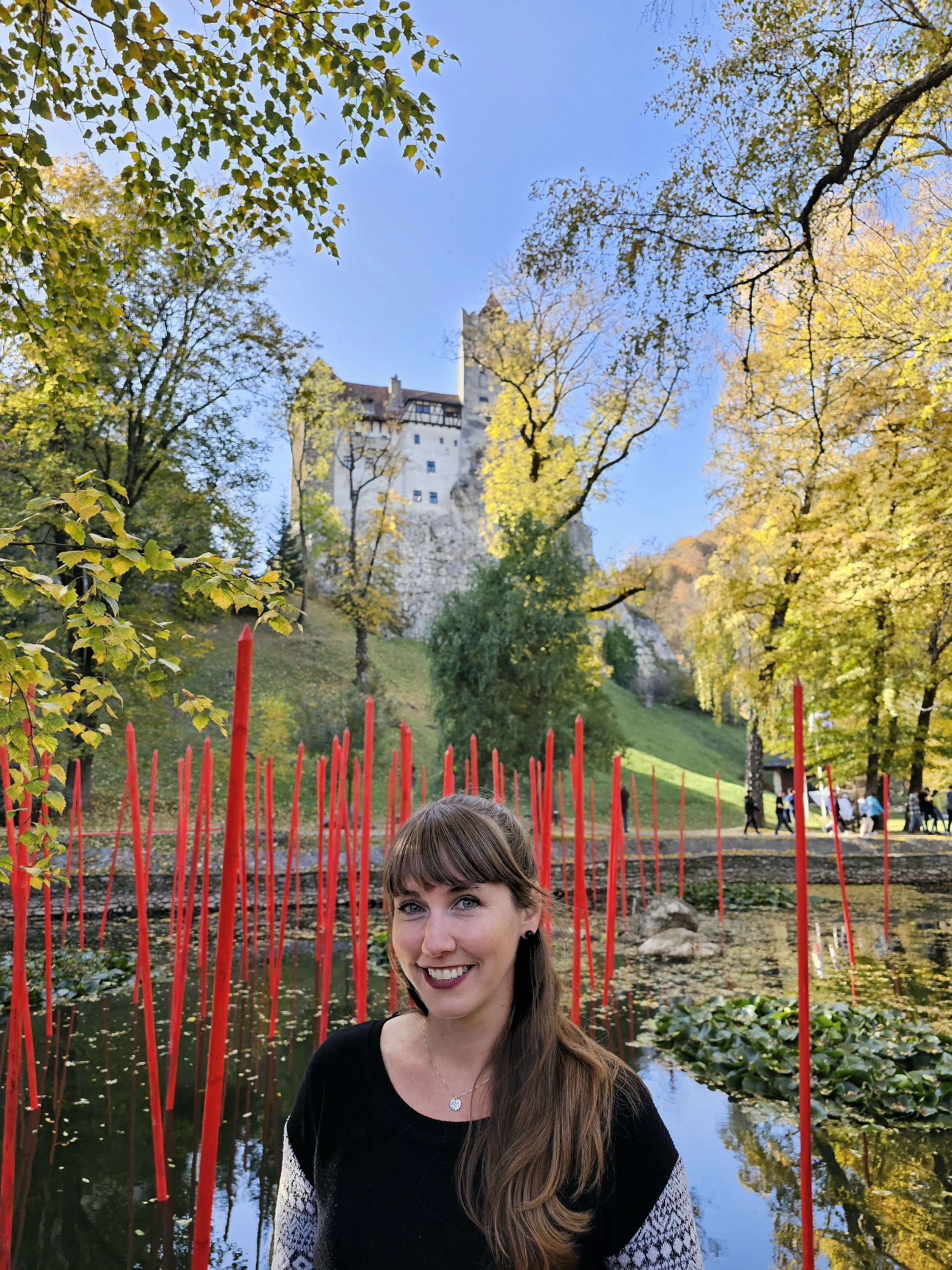
Perched high on a rocky hill with rust-coloured towers, Bran Castle looks just like you’d hope a medieval vampire castle would look.

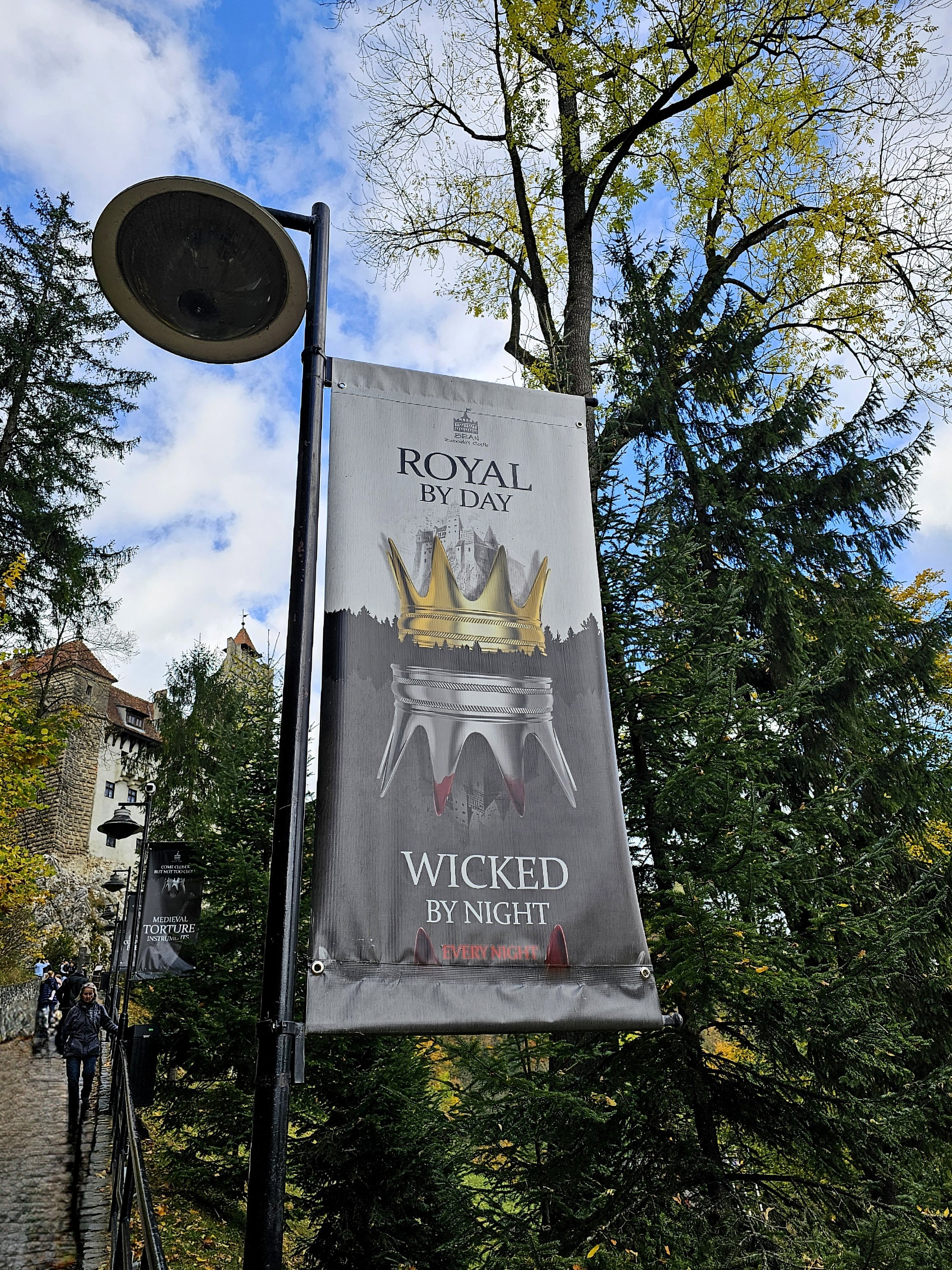
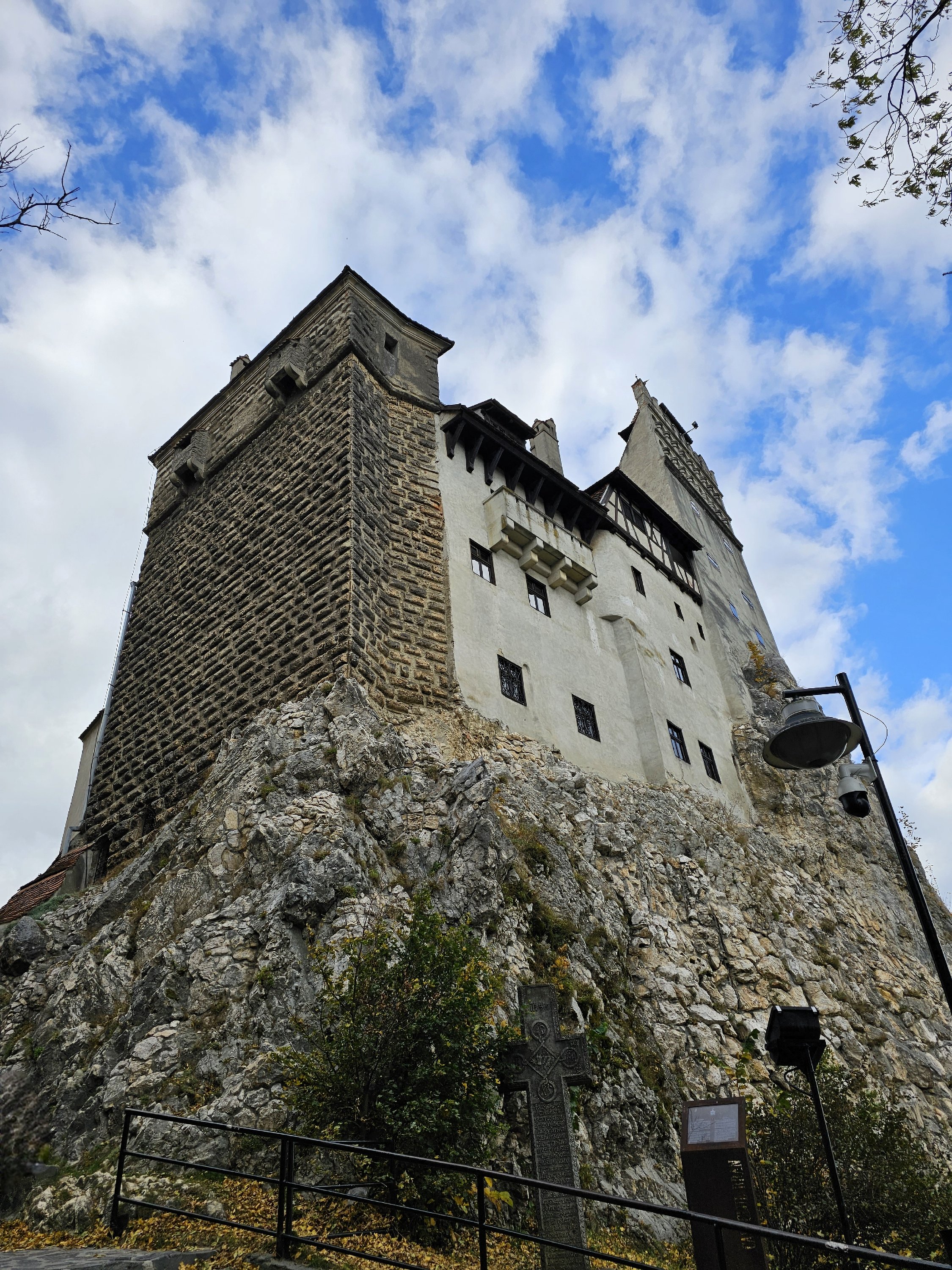
As we climbed up the cobblestone path leading to the castle, there were flags stating ‘Royal by Day. Wicked by Night,’ and looking out over the land where Vlad the Impaler once impaled over 20,000 people, you can easily imagine some angry spooks haunting this place.
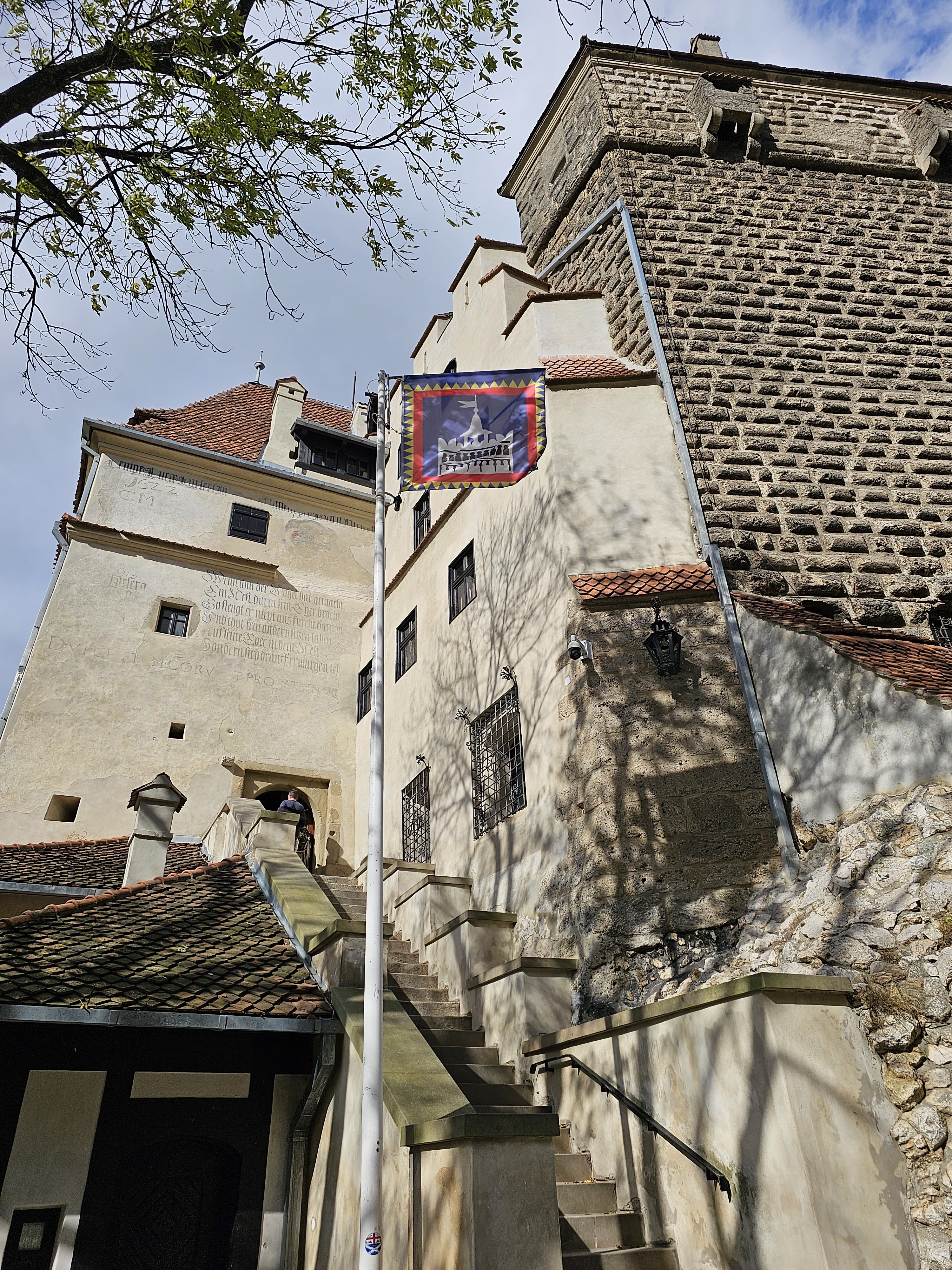

Upon entering the castle, you get a brief history of the place.
The first residents on this site were the Teutonic Knights, who constructed a wooden fortress in the early 1200s.
Bran Castle was built in 1377, when Hungarian King Louis the Great granted the people of Brasov the privilege of building a castle. It was completed in 1388. The lord of the castle was elected by the King, usually from among the Saxons. This role was increasingly important in the history of Transylvania.

While Vlad the Impaler never lived in Bran Castle (his castle is now in ruins, located in the Principality of Wallachia), he was allied with Bran and Brasov during his first reign beginning in 1448 and into his next reign, where he was requested to handle the anti-Ottoman resistance at the border. Then, during his second reign, he changed sides and his army passed through Bran in early 1459 to attack Brasov, in order to settle a conflict between Wallachia and the Saxons. He wasn’t much of a negotiator and burned the city’s suburbs to the ground, murdering hundreds of Saxons from Transylvania. During his reign, to many Romanians he was seen as a hero for protecting them and fighting for Romanian independence.
The castle continued to change hands and fell into disrepair and was restored numerous times over the years.
In 1918, Transylvania became part of Greater Romania, and in 1920, the citizens offered the castle to Queen Marie of Romania, who was beloved. The castle became a favourite residence of the Queen, who restored and arranged it to be used as a residence for the royal family. When Queen Marie died on July 18, 1938, Bran Castle was bequeathed to her favourite daughter, Princess Ileana.
In 1948, Princess Ileana and her family were forced to leave the country by the newly installed communist regime. During these years, the castle was turned into a museum. Then, in 1987, restoration began again and in 1993, the castle was reopened as a museum.
In 2006, after years of legal proceedings, the castle was legally returned to the heirs of Princess Ileana of Romania and Archduke Anton of Austria.
Today, it continues to be a leading tourist attraction in Transylvania and one I couldn’t wait to check out!
After learning a bit about the castle’s past, you head through the narrow corridors and steep, winding staircases to explore the castle as Queen Marie had it.
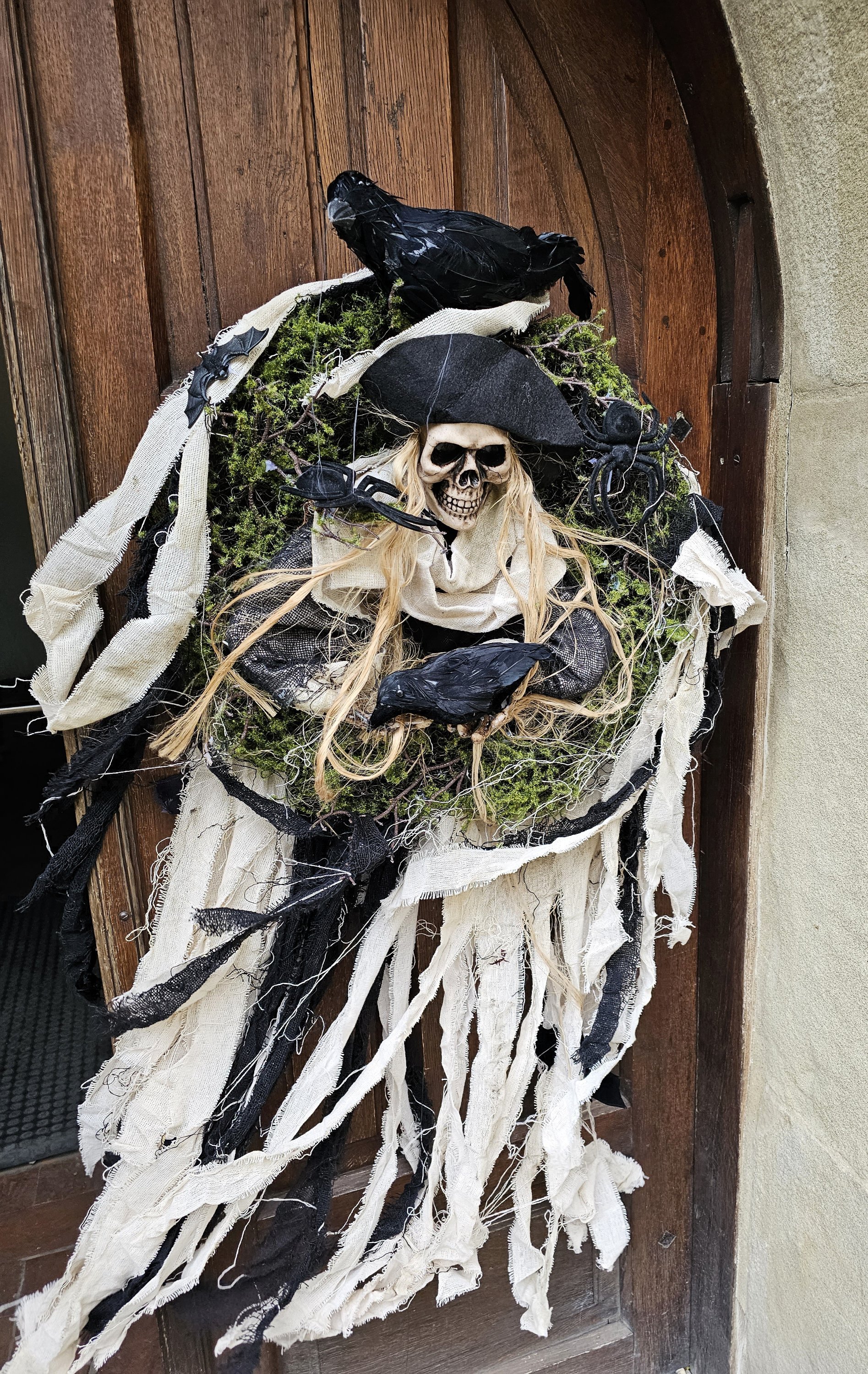
Although, this time of year, there was also a Halloween twist to the decor as they were preparing for the huge Halloween party that takes place here at the end of October. While it changed the regal feel, the whole reason we were here was to explore “Dracula’s Castle,” so the Halloween decor just added to the experience for me. (If, for some reason, Halloween is not your thing, I wouldn’t recommend visiting Bran Castle in late October!!)
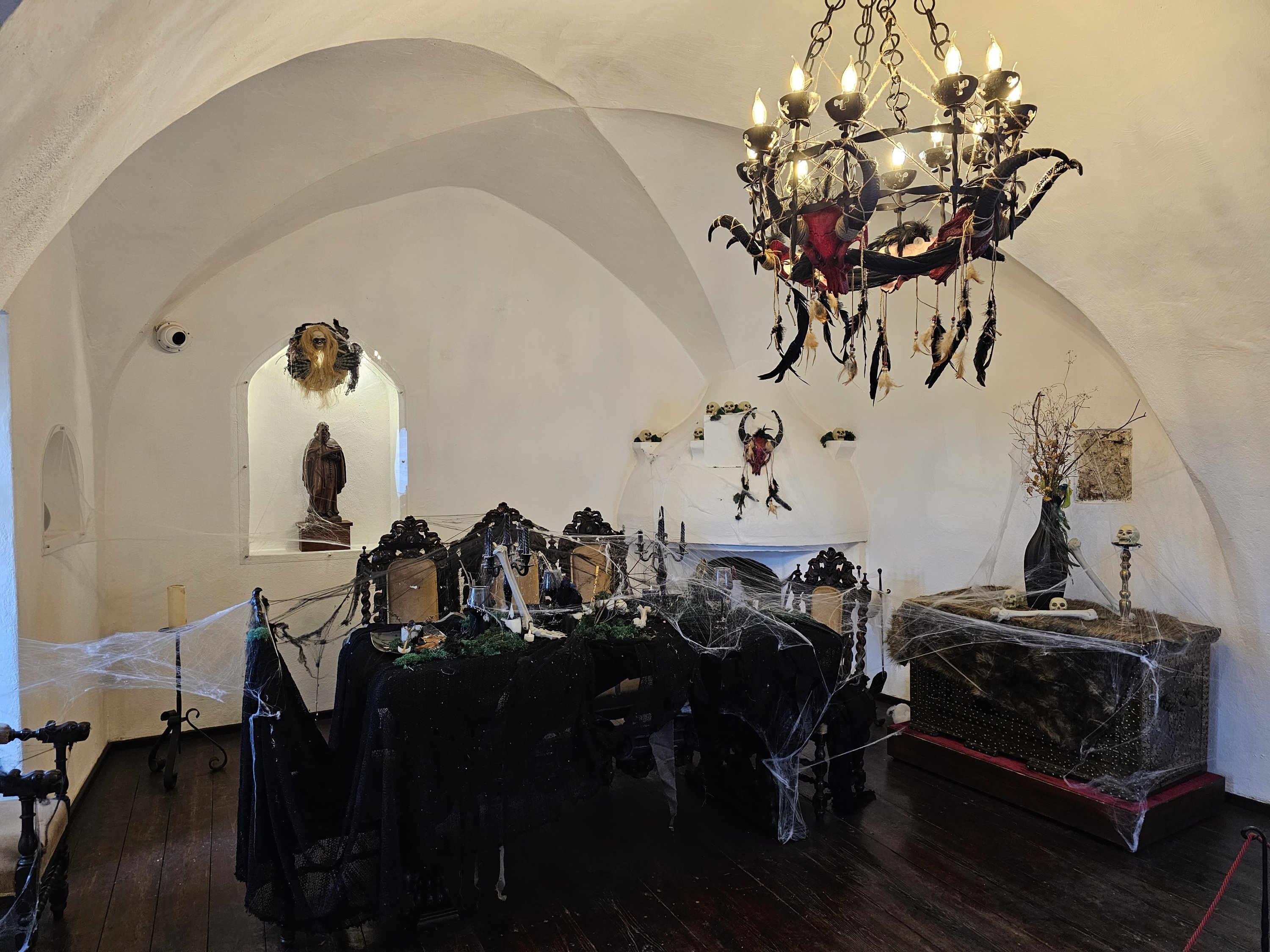


Step inside both Queen Marie’s and King King Ferdinand I’s bedrooms, both filled with beautiful old pieces.


The ornately carved wooden furniture, high arched ceilings, and decor throughout the castle felt like stepping back in time.
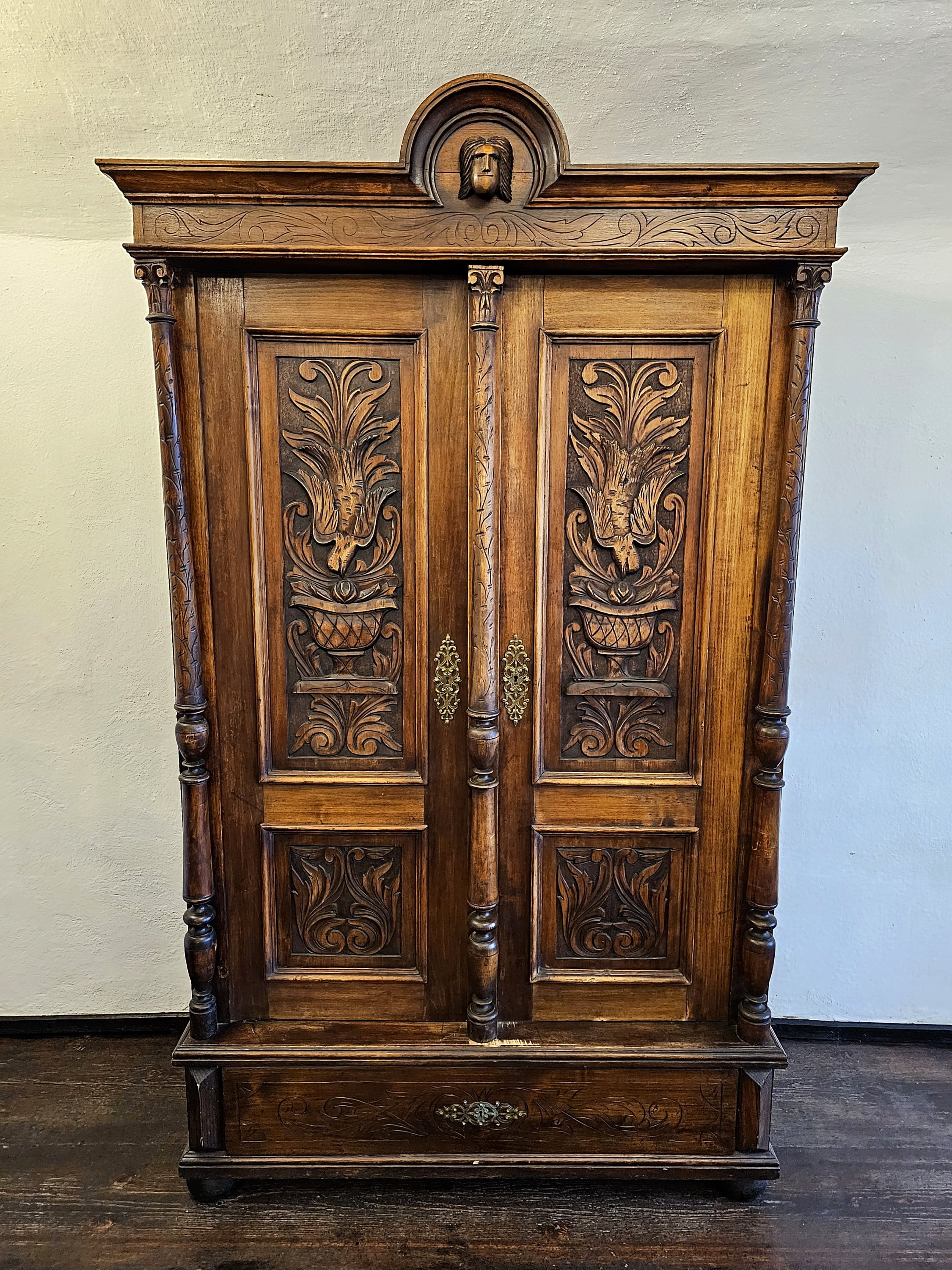


The music room, complete with shelves of old books, a big fireplace, and lots of nooks perfect for reading, is where I’d want to spend my time.


From here, you can head towards the balcony where you will find excellent views of the courtyard. As you explore the castle, you can view the courtyard from the balconies on several levels, offering excellent photo opportunities of the many towers and beautiful fall foliage!


Then head back inside where you will find the narrow secret staircase leading from the 1st floor up to the 3rd floor. This feels exactly like the kind of place you might run into Count Dracula himself.


There are various rooms set up with photos, clothing, weapons, coats of arms, suits of armour, and more spread throughout the castle.

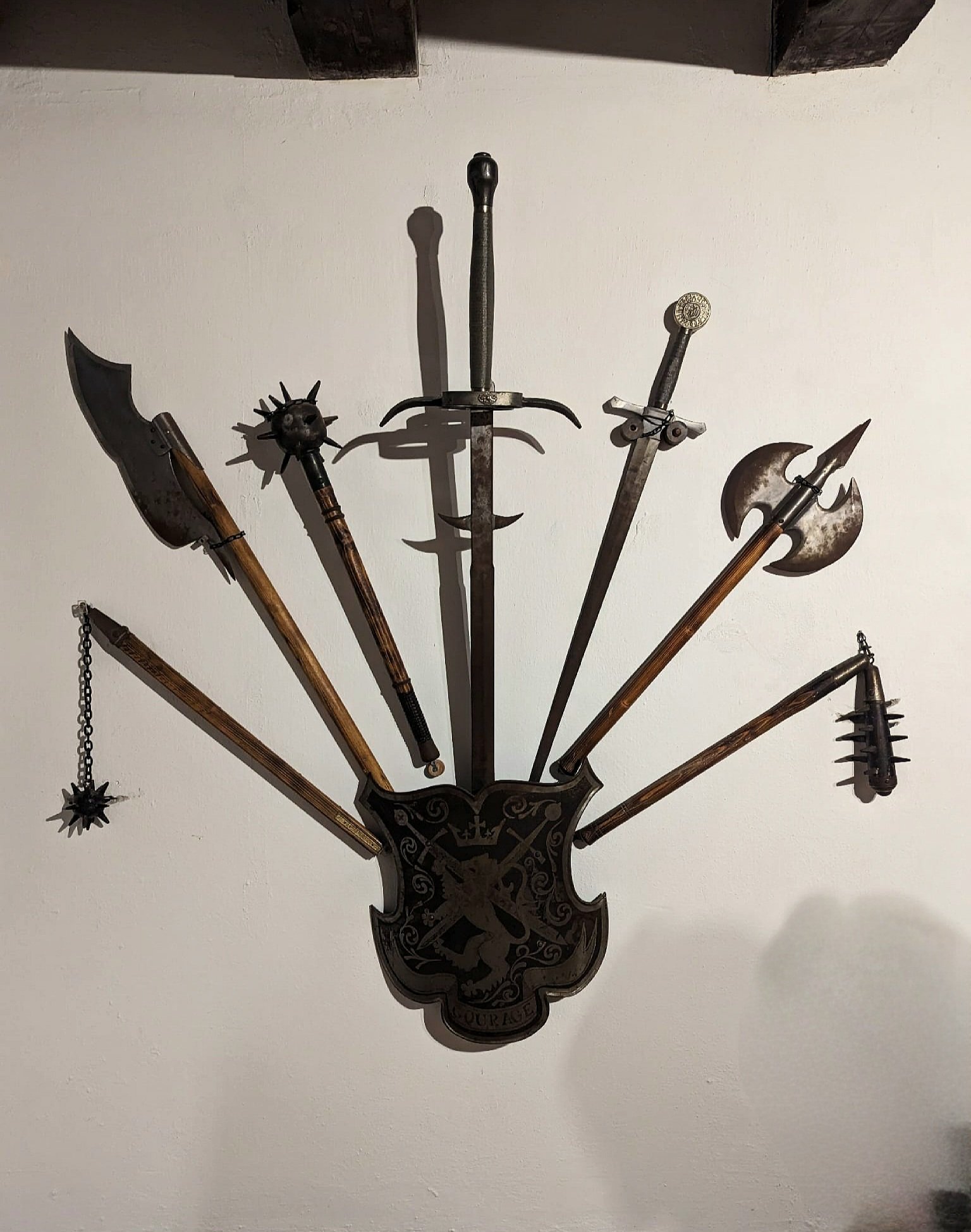
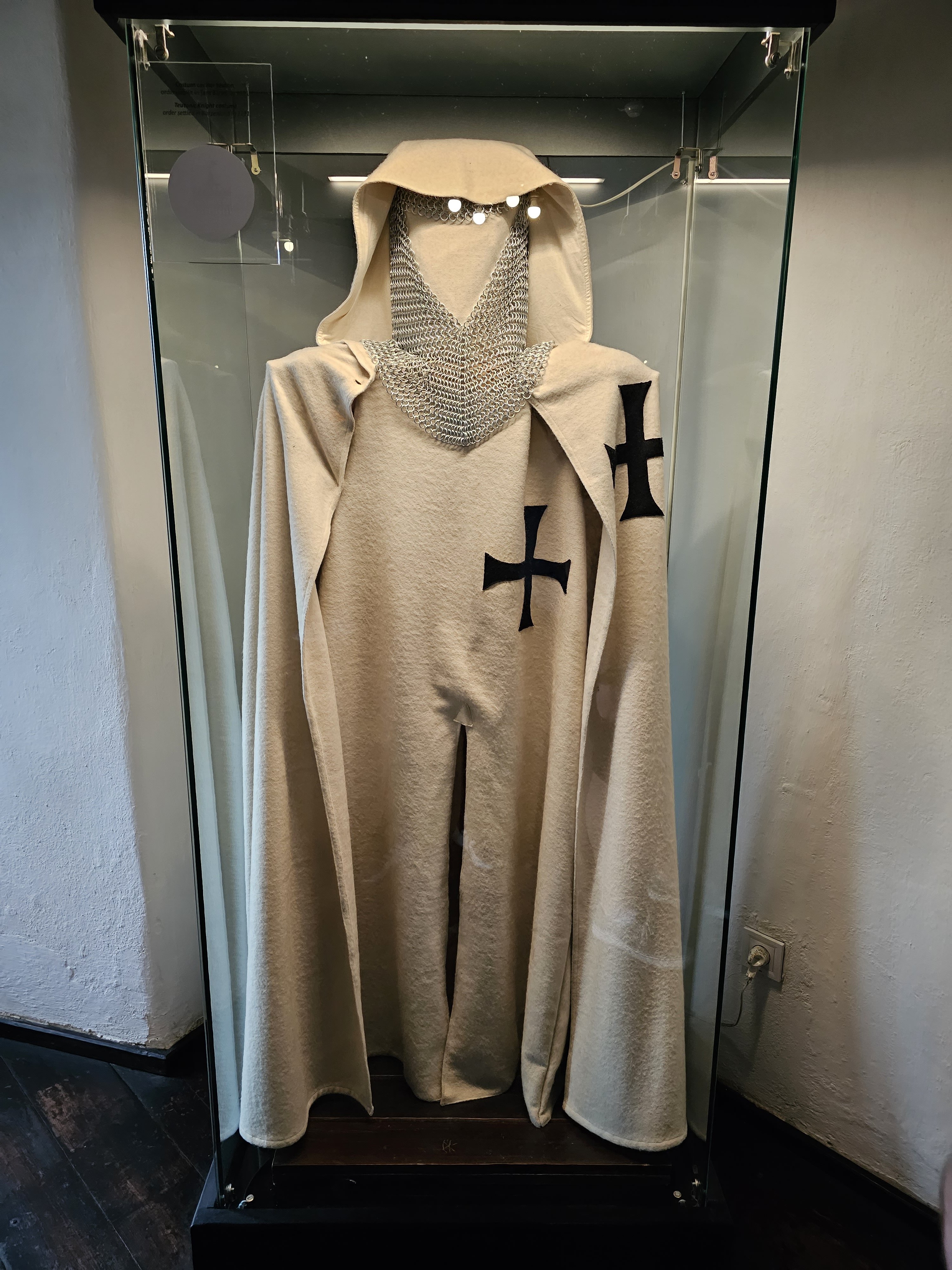
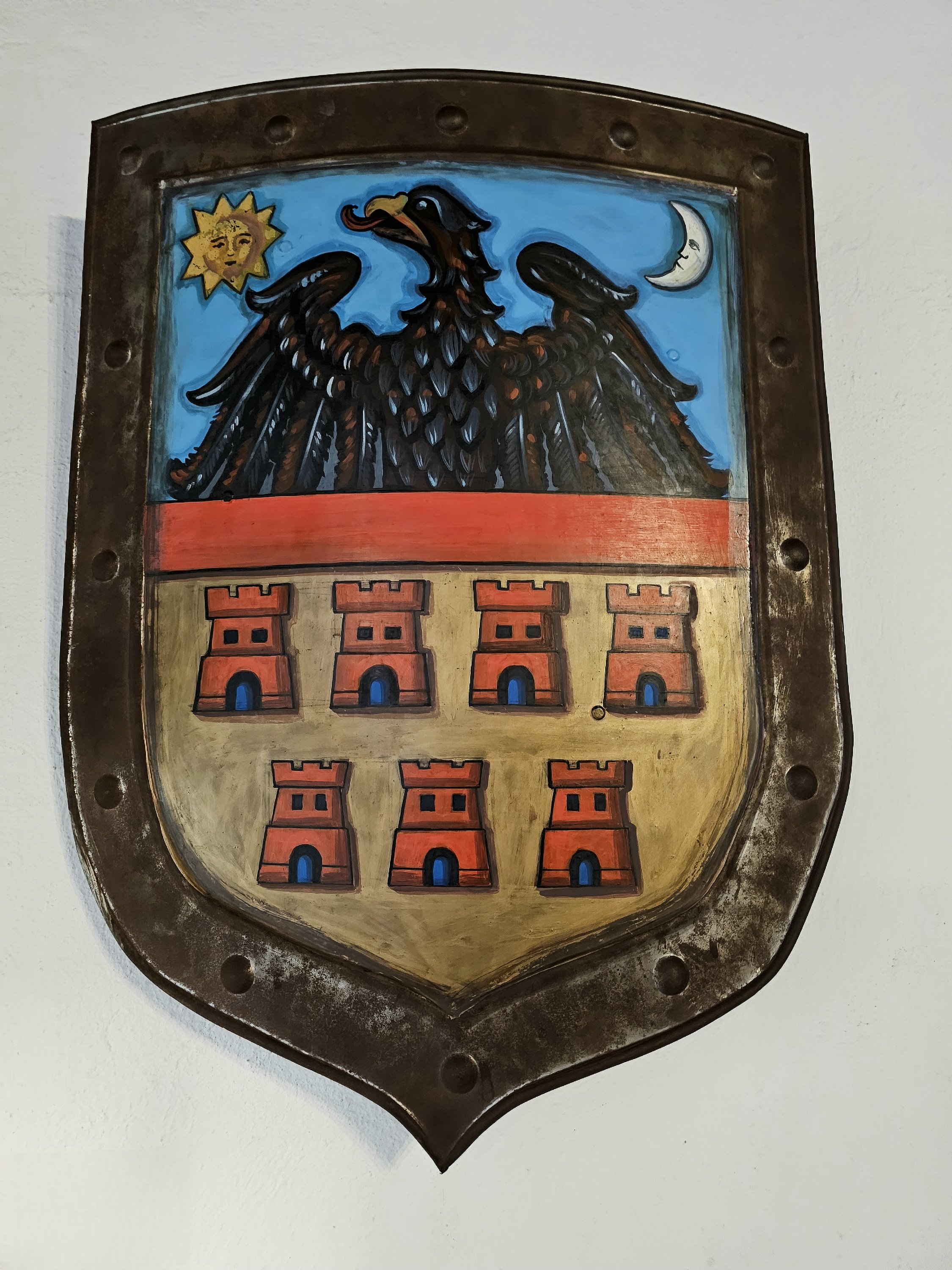

If you’re feeling brave, head to the 4th floor for the “A history of dreads in Transylvania” exhibition.
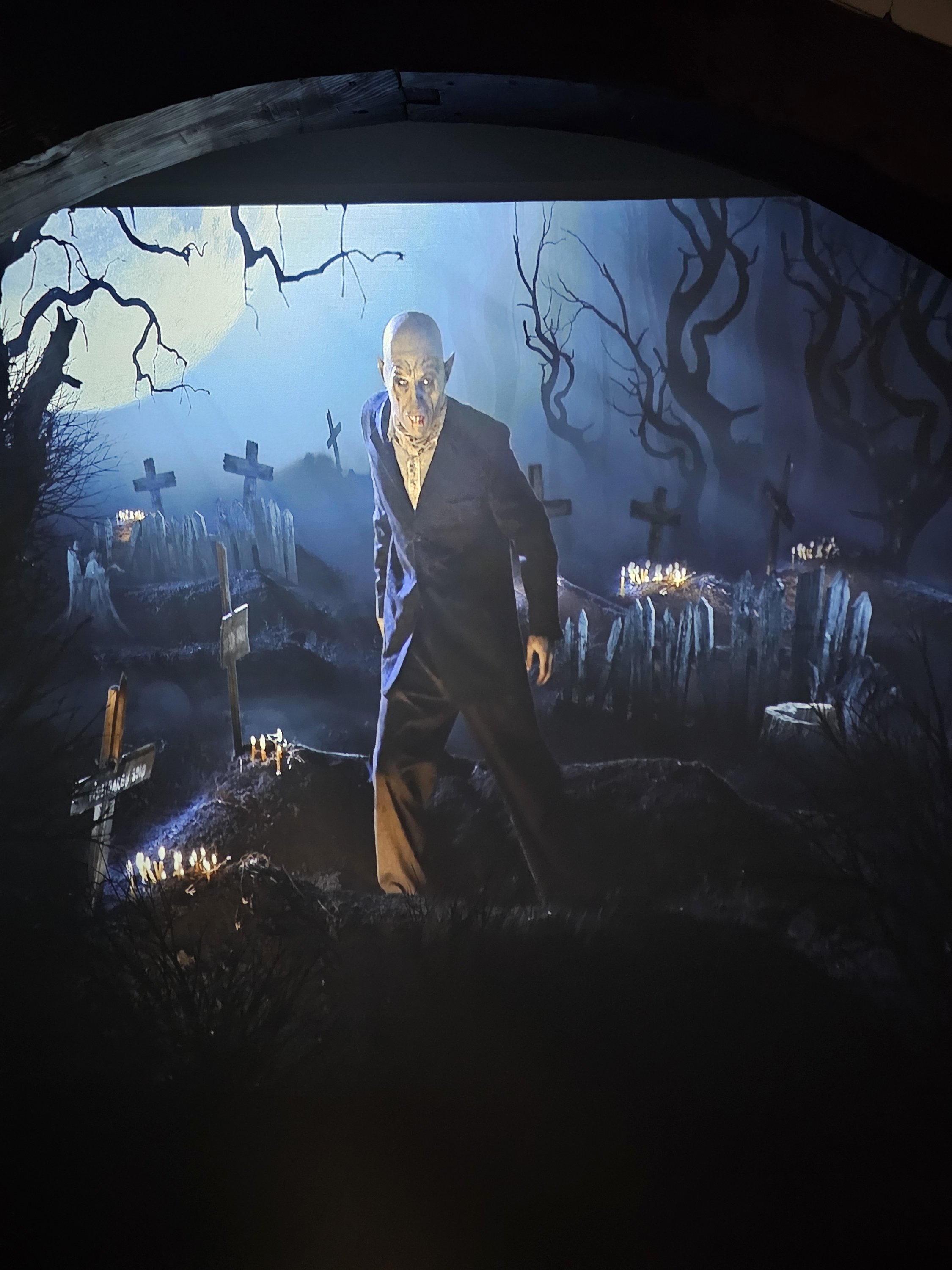

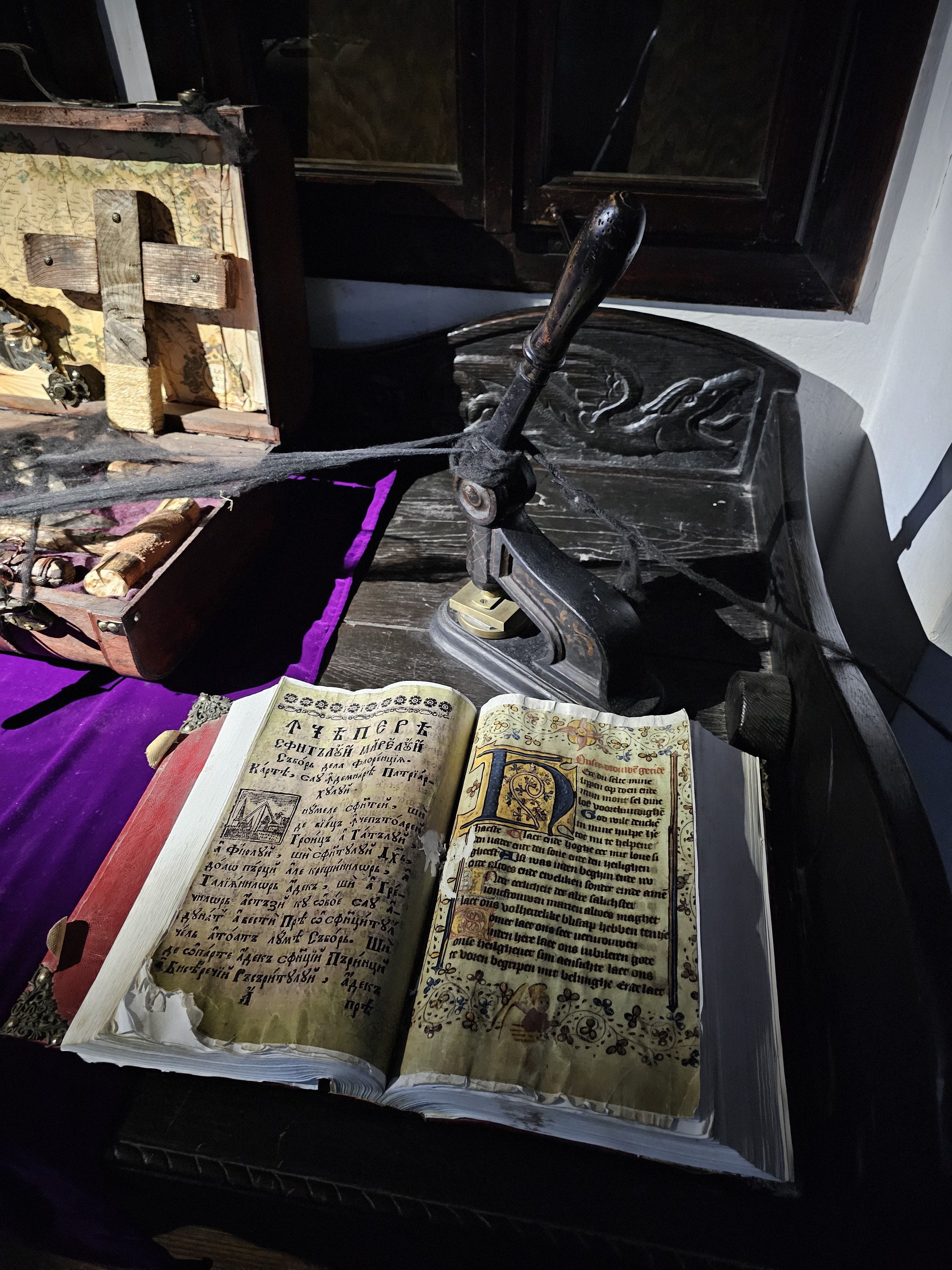
There are several rooms filled with the history of local myths and fears from the 15th century, including the Grim Reaper, the Lele, the Sântoaderi, the Solomonari, ghosts, the Strigoi and werewolves.
If, like Vlad, medieval torture is your thing, there is another special exhibition on Medieval Instruments of Torture.


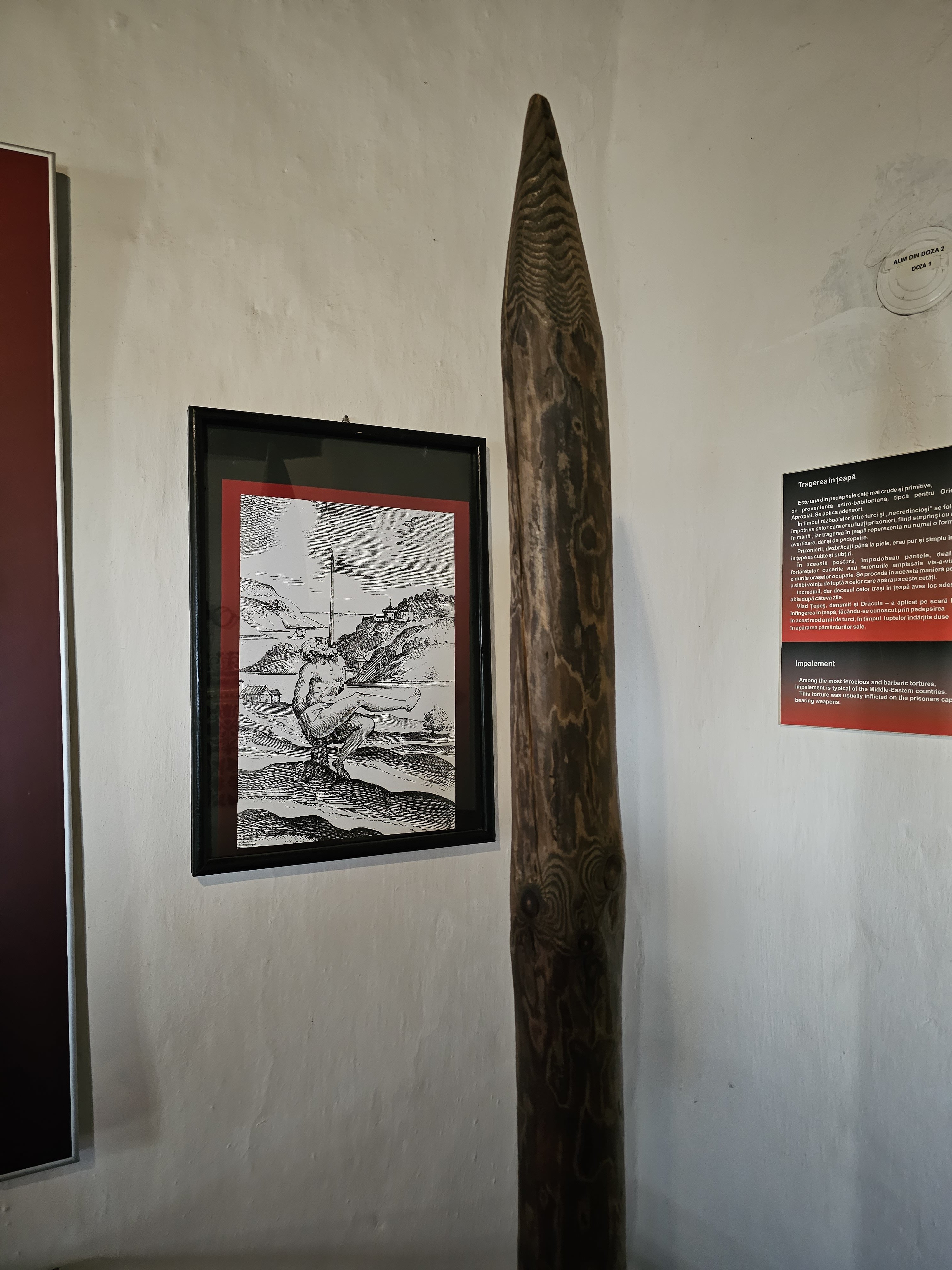

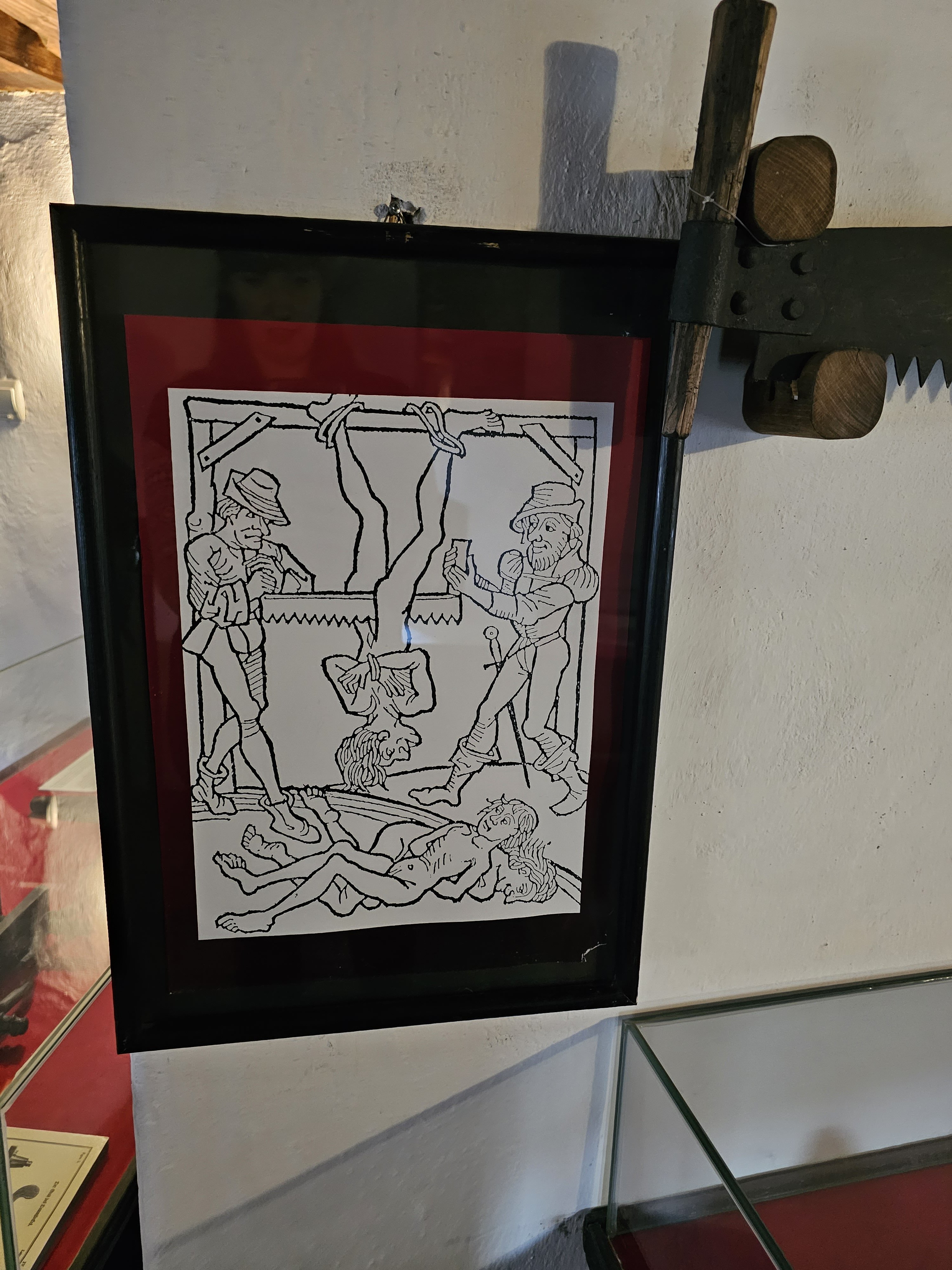

Here, there are several rooms filled with various devices used for torture, including photos and descriptions. While all are cruel, some are truly horrifying!
Once you’ve had your fill of Medieval torture, head back downstairs and out into the courtyard, where you will also find a small gift shop.


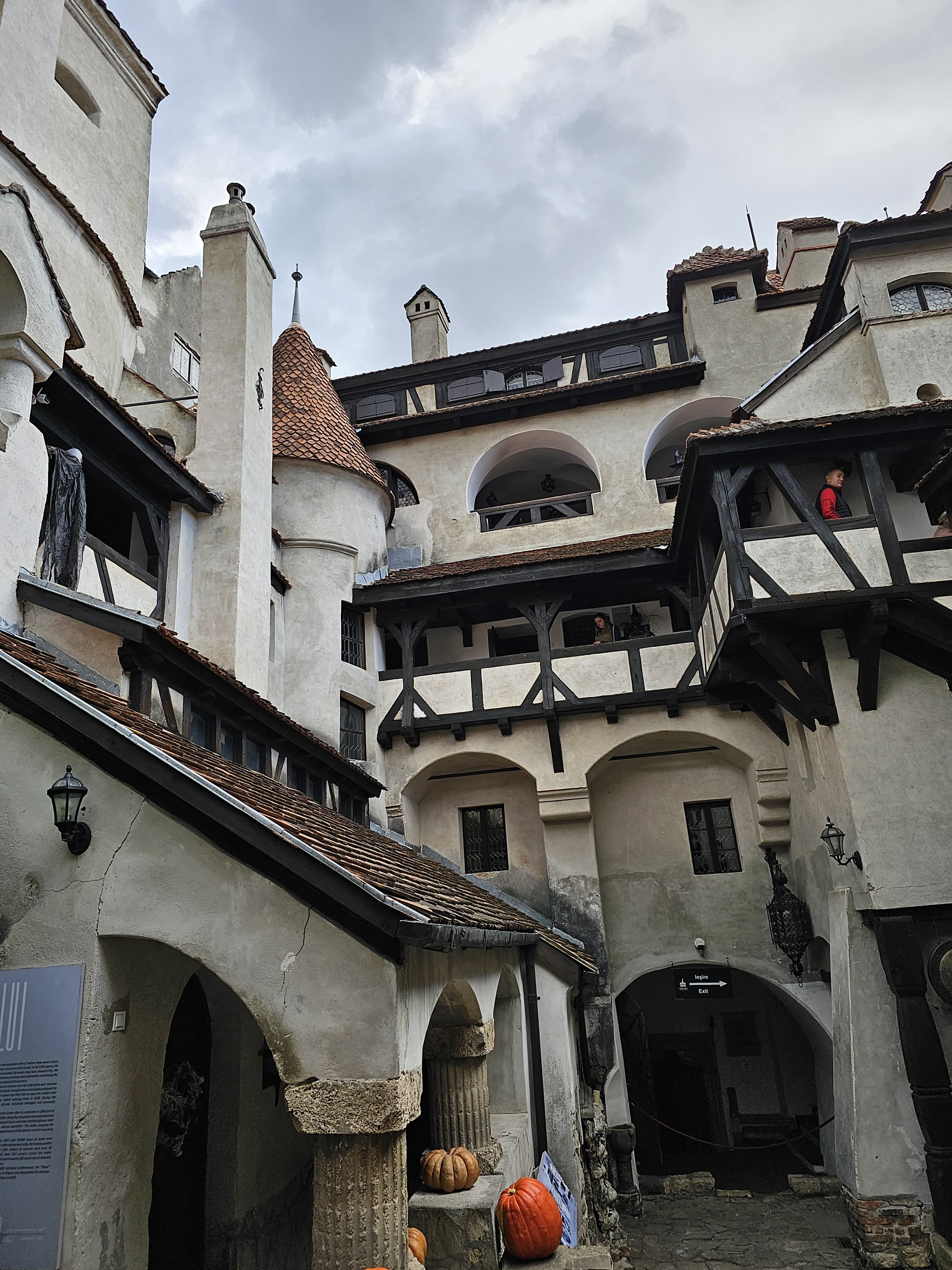
The final exhibit before exiting the castle is the Time Tunnel. “The only elevator in the world that goes up into history and down into the future.” The castle was built with a 7-metre-deep water cistern, which was converted to a 59-metre well in the 17th century. During Queen Marie’s residence, she decided to put an elevator into the shaft to connect the Royal Park to the castle. After the Royal family was forced to leave, the tunnel remained empty and forgotten for years.

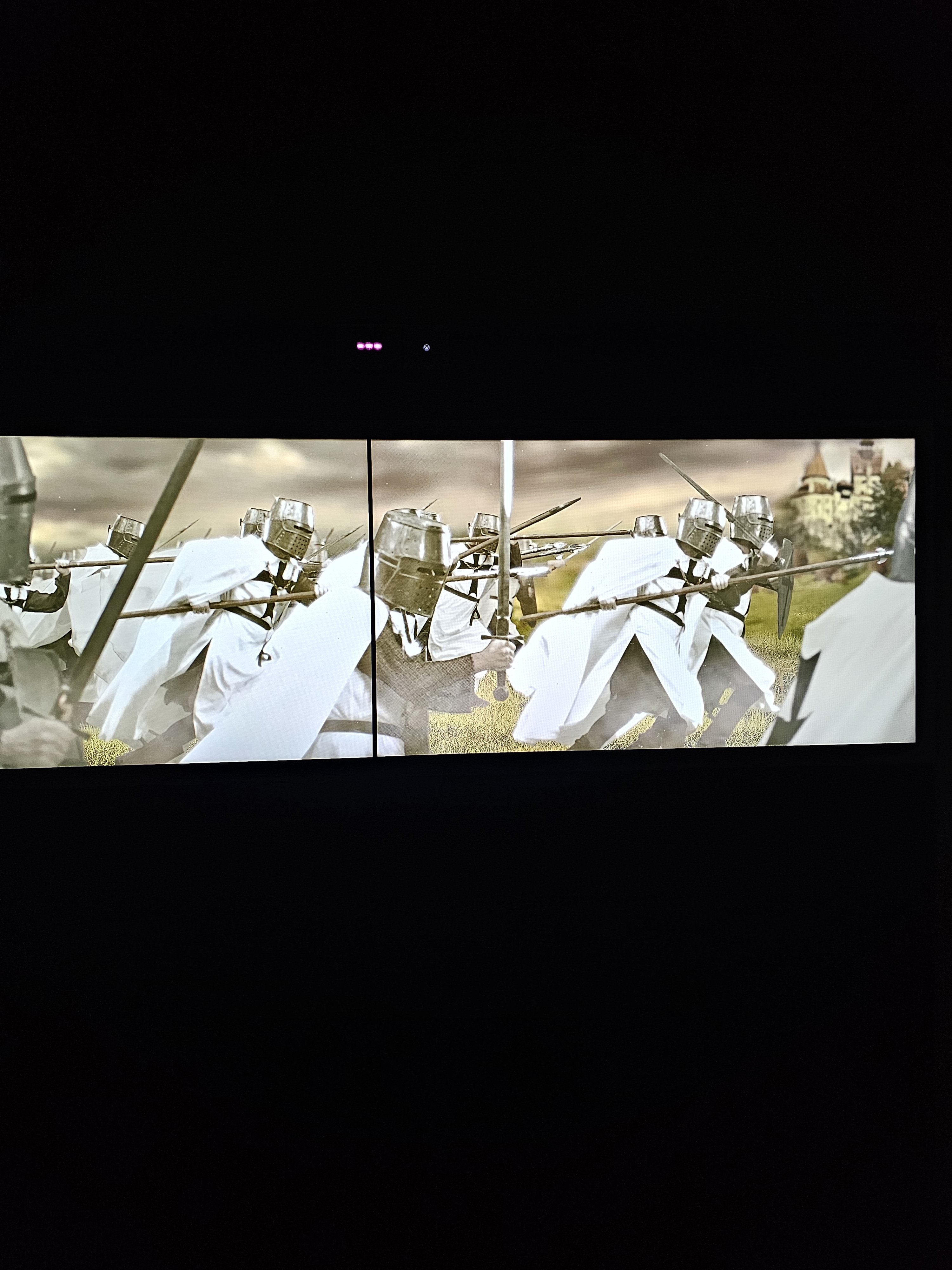
Now, you take the elevator down from the past and head into the future through a multimedia presentation through the years from the Teutonic Knights until present day Bran Castle.
The display ends with a photo opportunity which you can purchase in the gift shop.


Once you’ve finished touring the inside of the castle, be sure to wander the grounds of the Royal Park below for various views of the castle.

You can also visit Queen Marie’s Tea House for a meal or a cup of tea where the Queen used to have her five o’clock cuppa.

As part of the Halloween decor, the pond in the middle of the park was filled with bright red long spikes, to signify the bloody impalements performed by Vlad on his Ottoman soldier enemies.
Outside the gates, there are numerous stands set up selling snacks and souvenirs to the hundreds of thousands of guests who visit each year.
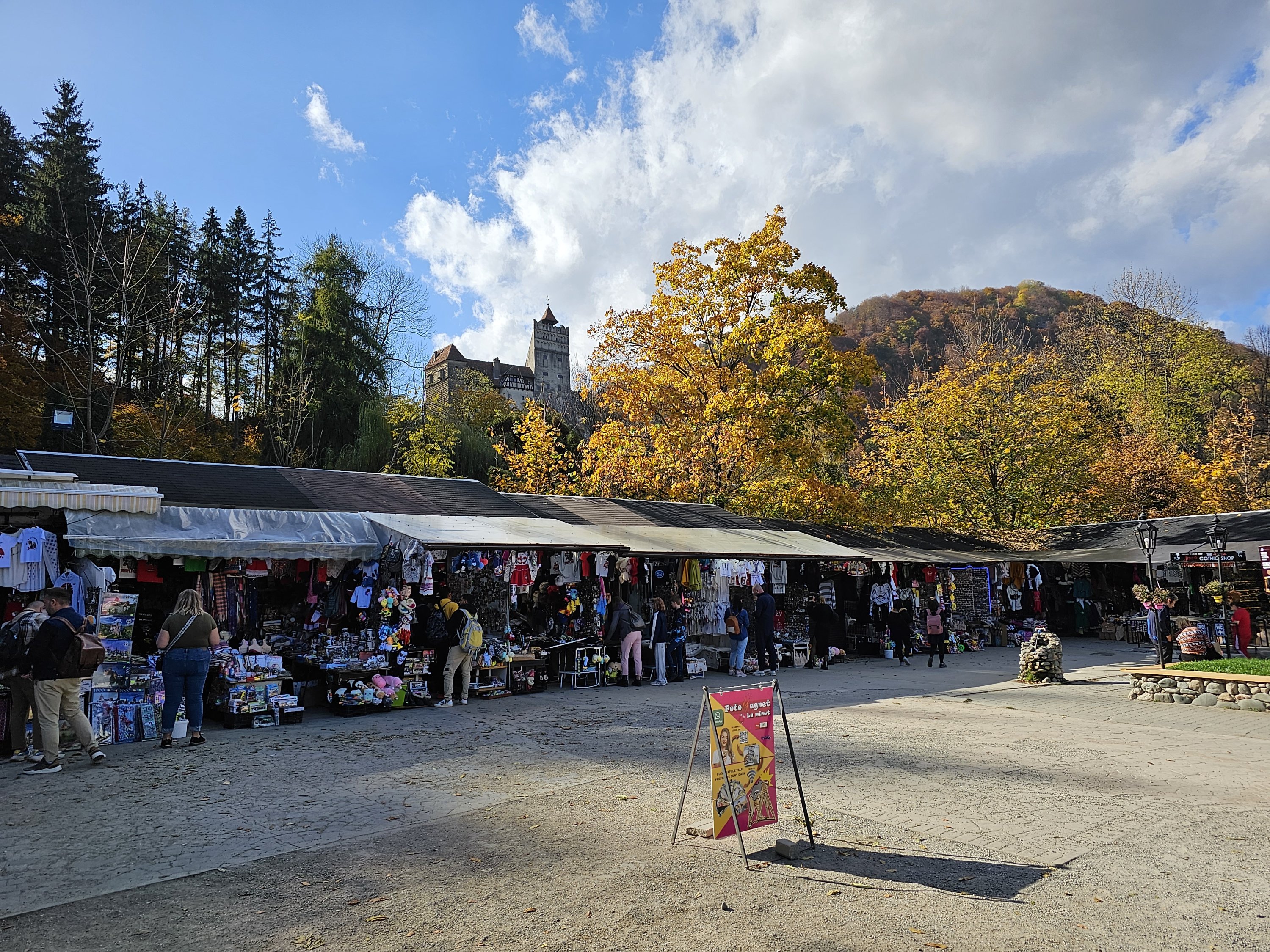
While it may not actually be home to bloodthirsty vampires, between the real history and the imagined Count Dracula, Bran Castle is a Halloween lover’s must-see!
Info
You can purchase tickets just inside the main gate
Admission-
Adults – 60lei
Students – 35lei
Seniors – 45lei
Torture chambers -10lei
Time Tunnel – 20 lei
Opening times
October 1 to March 31
12:00 p.m. – 4:00 p.m. on Mondays (last admission is 4 p.m.)
9:00 a.m. – 4:00 p.m. Tuesday to Sunday
April 1 to September 30
12:00 p.m. – 6:00 p.m. on Mondays (last admission is 6 p.m.)
9:00 a.m. – 6:00 p.m. Tuesday to Sunday

 Tales of a Travel Addict
Recent Comments