Monthly Archives: June 2023

Colourful Tenby: Wale’s ‘Little Fortress of the Fish’

While researching seaside towns to visit in Wales, I quickly found that Tenby checked all the boxes:

Sandy beaches ✔️

Castle ruins ✔️

Colourful houses ✔️

Local brewery ✔️

and a nearby island inhabited by monks to explore✔️

So, I took the train from Cardiff and headed off to enjoy a few days by the seaside.

The historic fishing village of Tenby is located in the beautiful Pembrokeshire area of Southwest Wales.
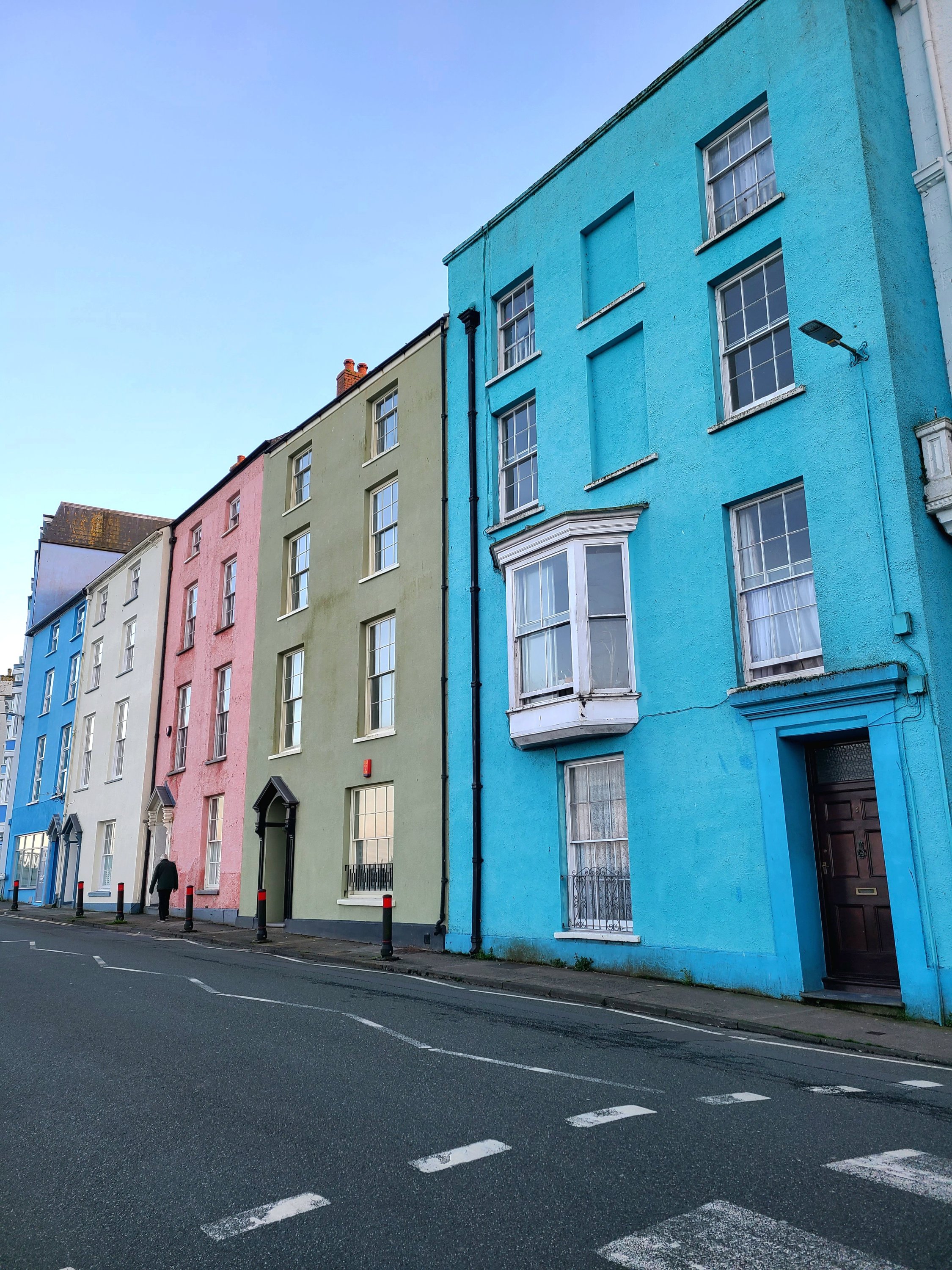
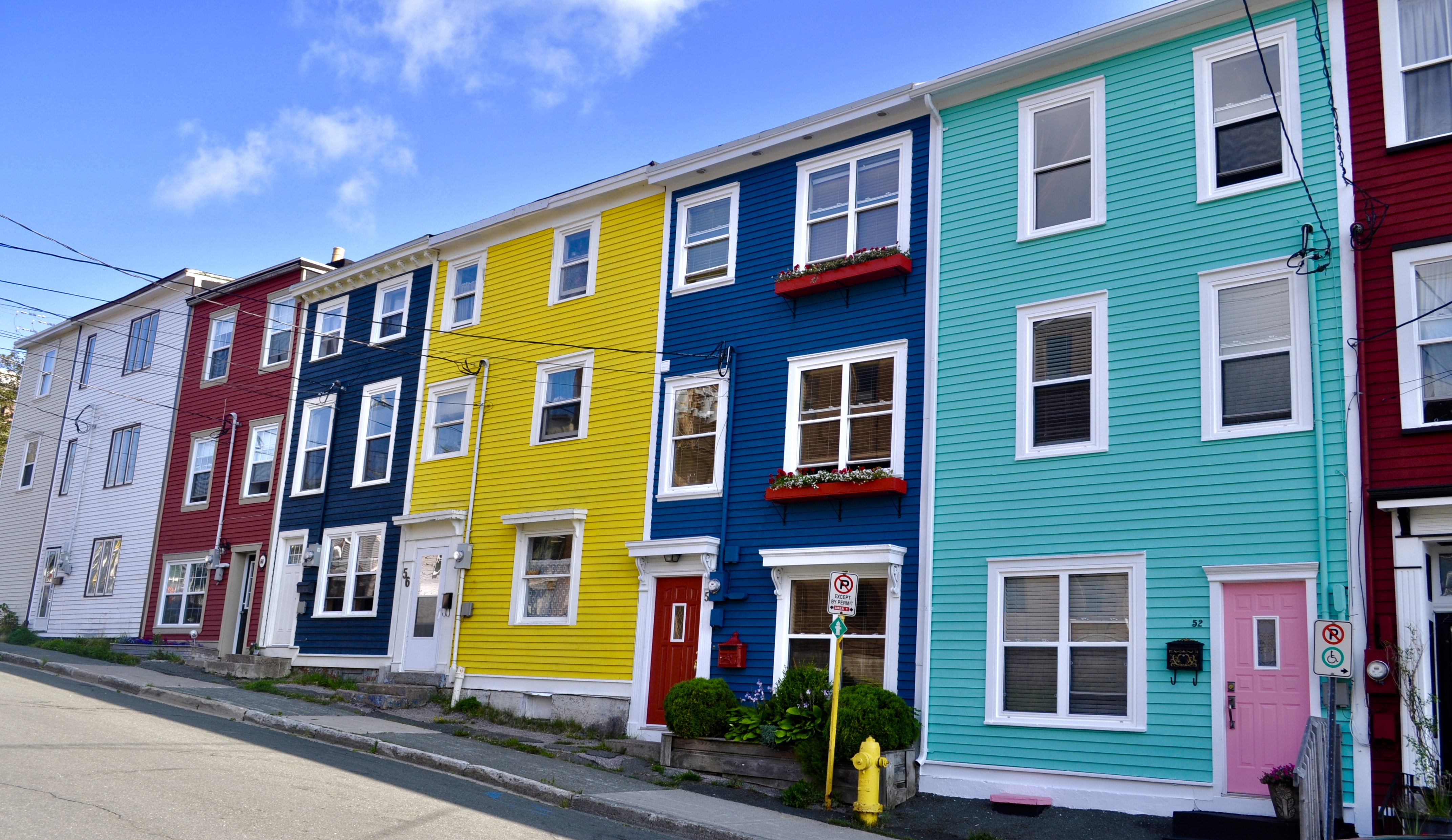
As a Canadian, it instantly reminded me of St. John’s, Newfoundland, with its colourful rows of houses, fishing boats, harbour, and plenty of fresh local seafood.
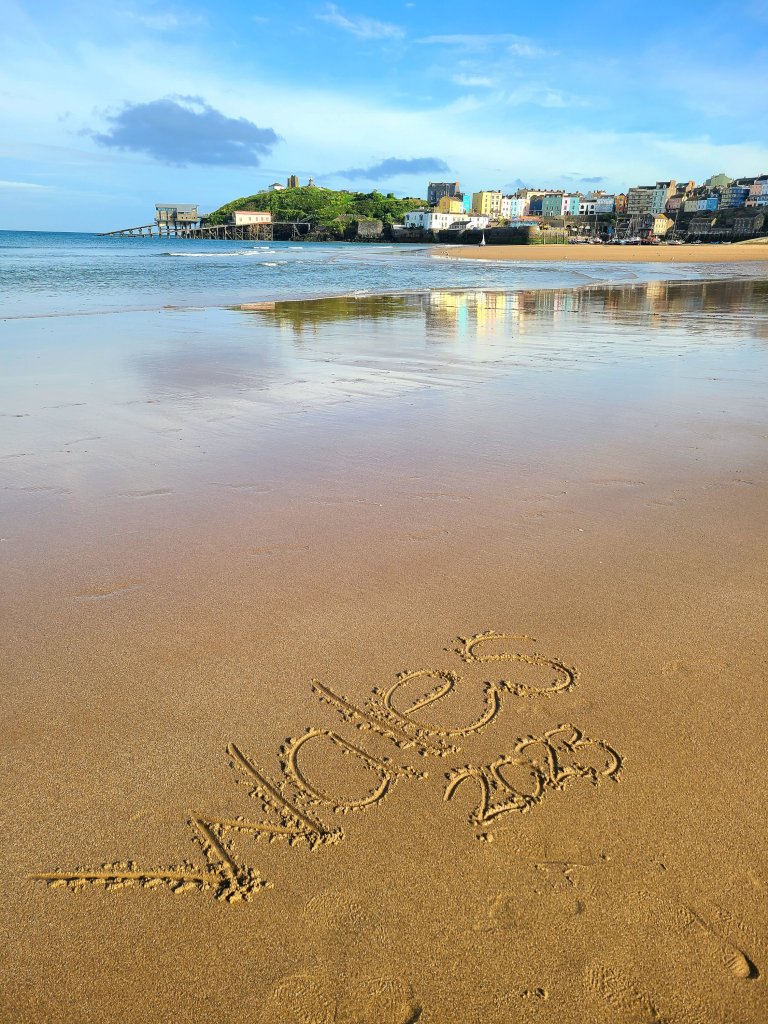
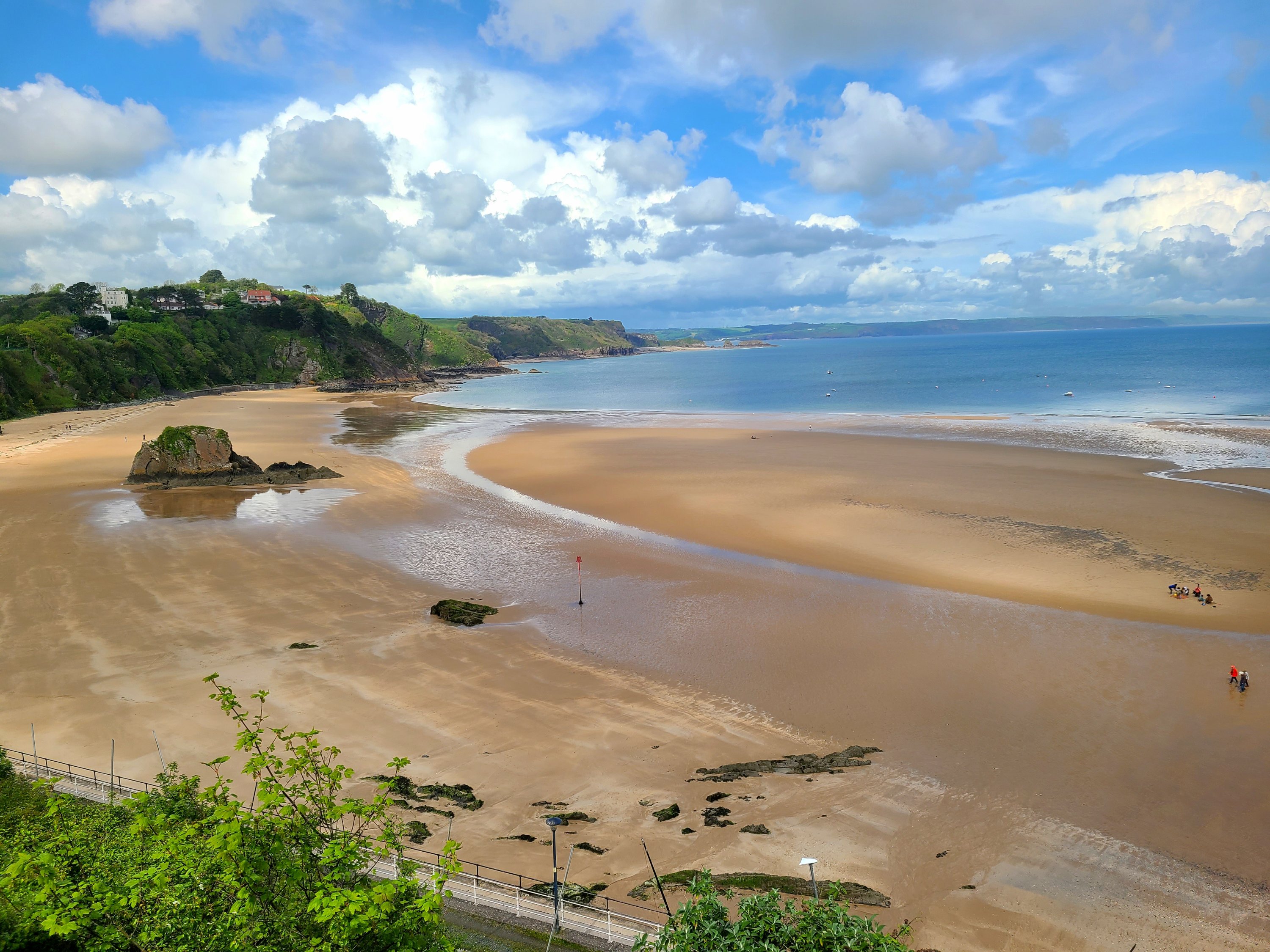
In Tenby, you are never far from a sandy beach. North, South and Castle beaches are all an easy walk from anywhere in town and with lots of space, especially when the tide is out, there’s plenty of room for everyone.

Tenby’s Welsh name, Dinbych-y-Pysgod, means ‘Little Fortress of the Fish’ and fishing is very popular here. Explore the harbour and find locals fishing off the pier or book a mackerel fishing excursion from one of the boat operators. You can also book tickets for a seal safari, island cruise, sunset cruise, and more.

Early in the morning, you will find the harbour full of boats floating in the calm water, but as the tide goes out, soon the boats are sitting in the sand. It’s quite the sight!

The harbour has its own small beach to enjoy as well as the old stone St Julian’s Fisherman’s Church.

Tenby Castle was built by the Normans in the 12th century. Today, all that’s left of Tenby Castle is a small tower perched on top of Castle Hill, overlooking Castle Beach and surrounded by the sea.
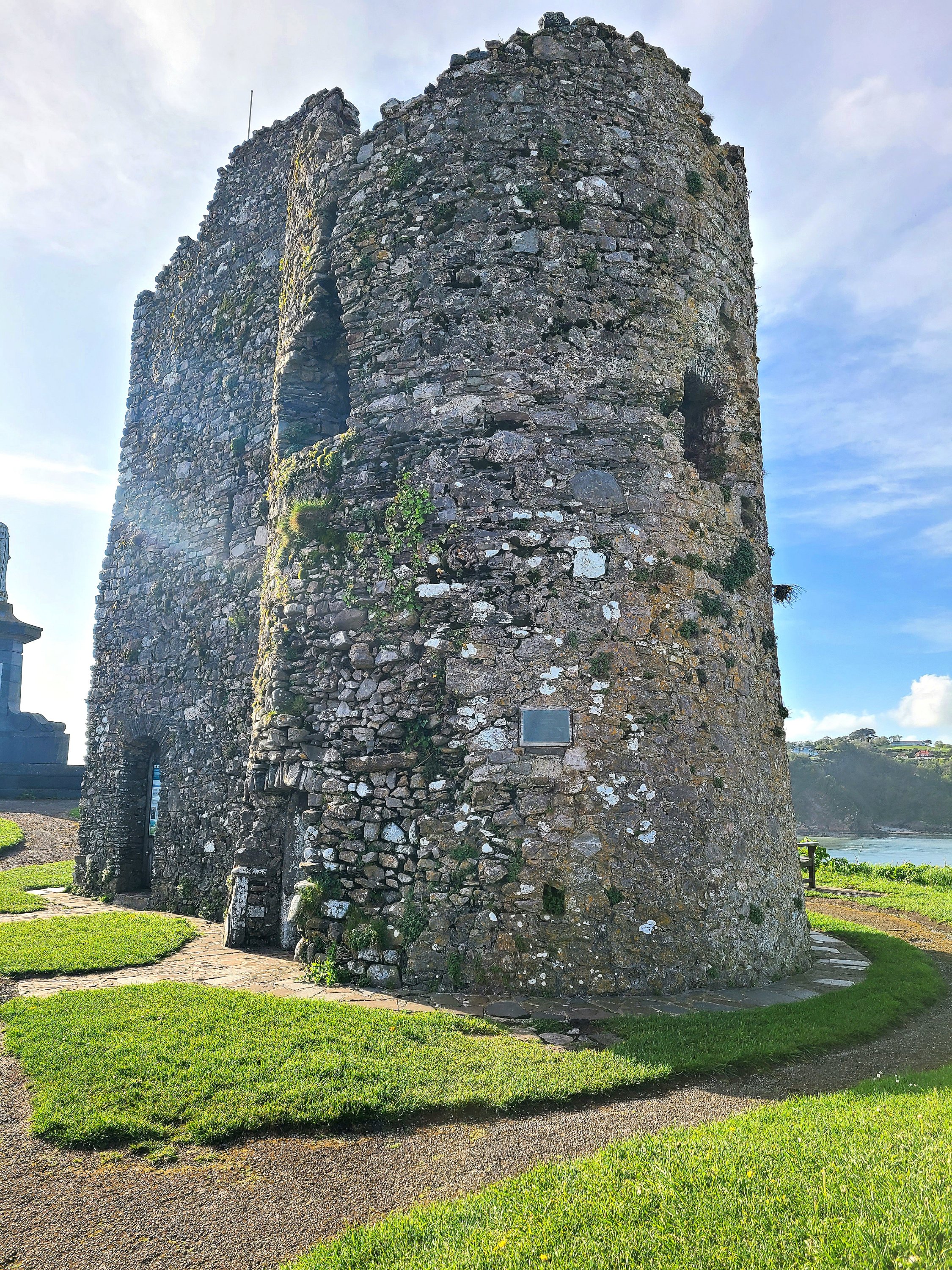
While most of the castle is gone, the old town walls remain fairly intact, especially on the east side. The main entrance here is ‘Five Arches’ gate, leading to a maze of narrow streets that make up the picturesque old town of Tenby.

St Catherine’s Island & Fort has a very interesting history including a 13th century chapel, Victorian fort, palatial home, wartime garrison, zoo, movie location, and is now a visitor attraction.

Located just off Castle Beach, at low tide, St Catherine’s becomes a tidal island that’s easy to stroll across the beach to. (The entrance fee is £5. Open daily during the summer. Times depend on the tides.) 

I loved walking along the waterfront, past all the colourful houses and up and down the hilly old streets, making my way around town.

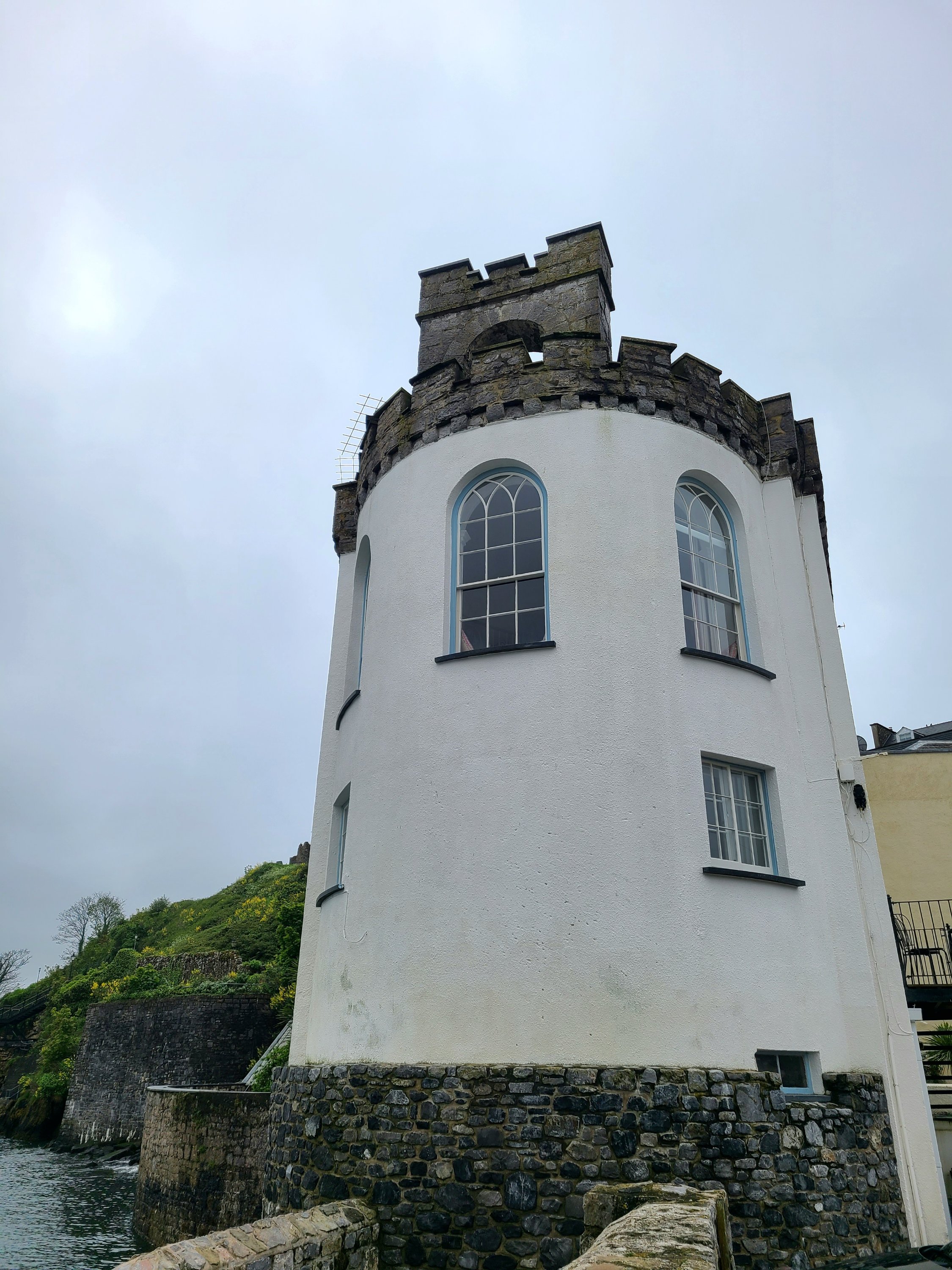
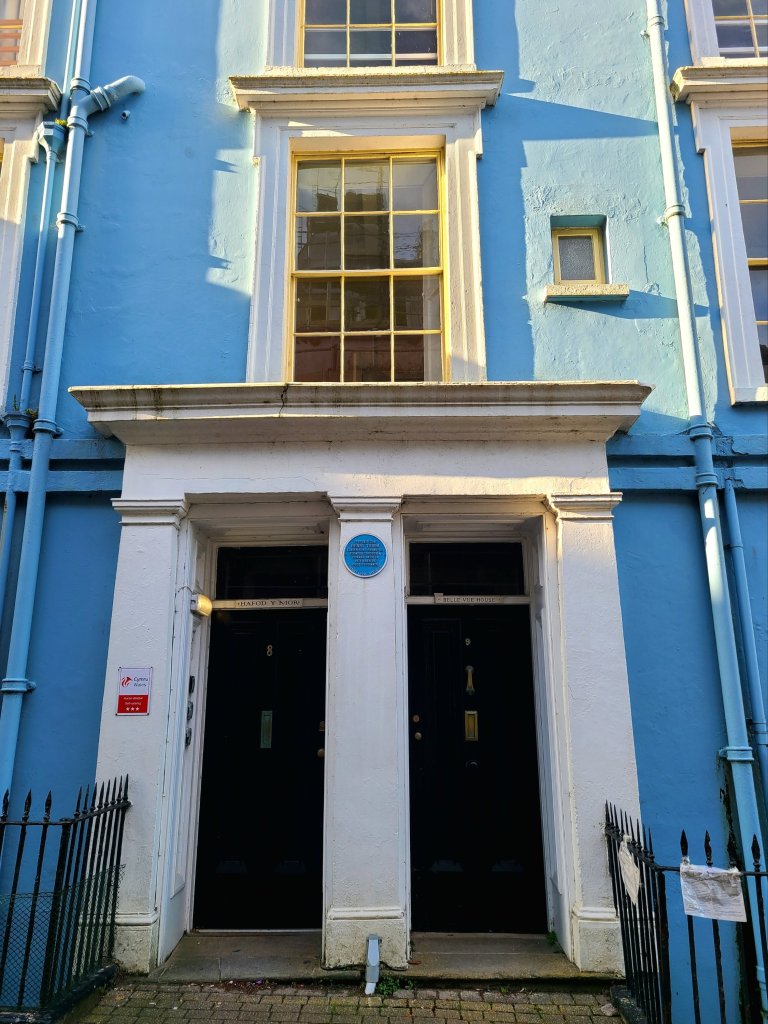
As I wandered around, I found a number of old buildings with plaques on them stating what famous person had lived or vacationed there, including authors Mary Ann Evans (aka George Eliot) and Roald Dahl. (I would have loved to stay in this cabin by the water!)

And this house, where it’s said that Henry Tudor (later King Henry VII) escaped through a tunnel and fled to France in 1471!
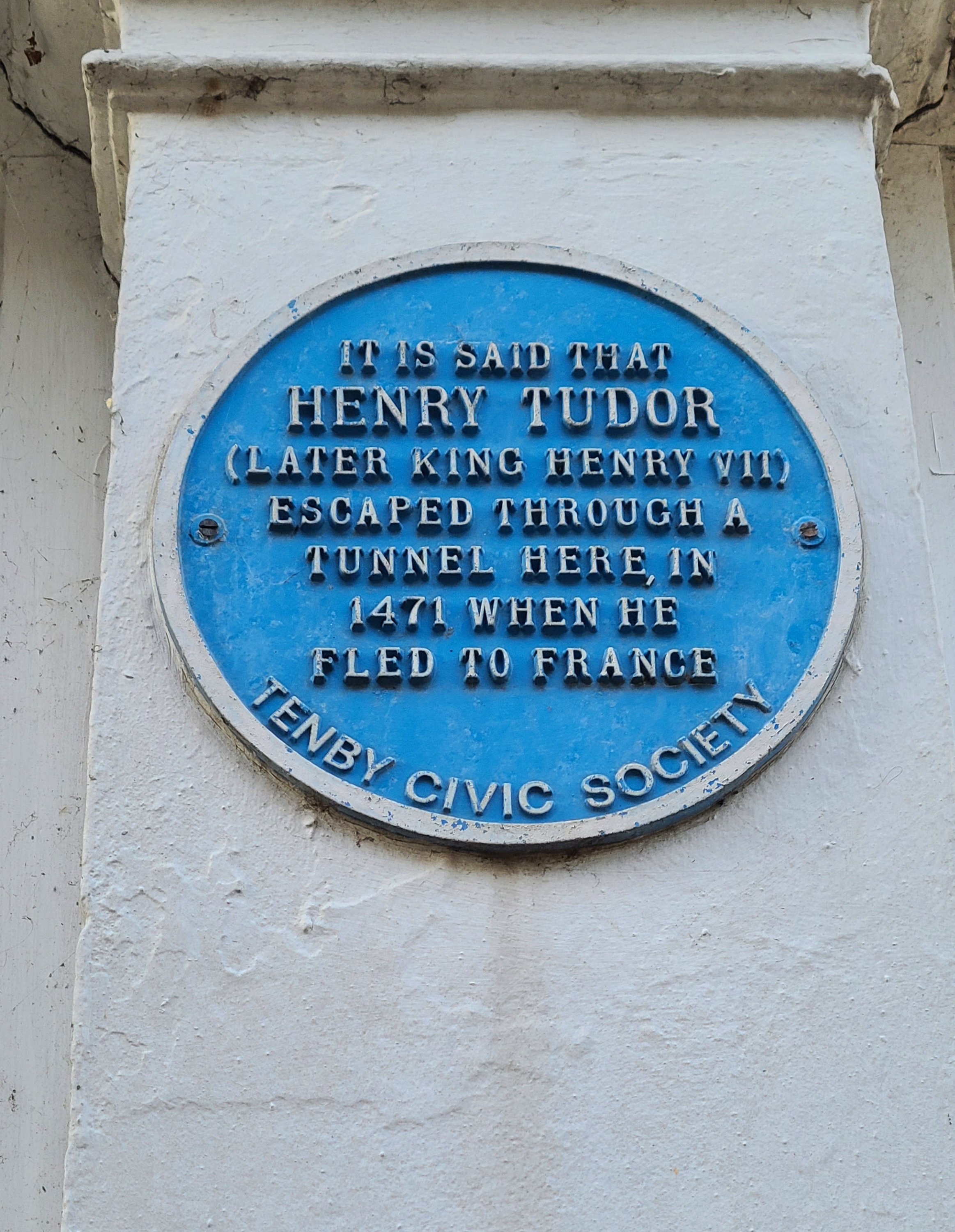
St. Mary’s Church stands in Tudor Square. During the Middle Ages, it was the largest Medieval Church in Wales and reflected the town’s prosperity as a bustling port town.

Caldey Island is a small island, 2.4km long & 1.6km wide, located about a 20-minute boat ride from Tenby. (£15 return, buy from a kiosk down by the harbour.)
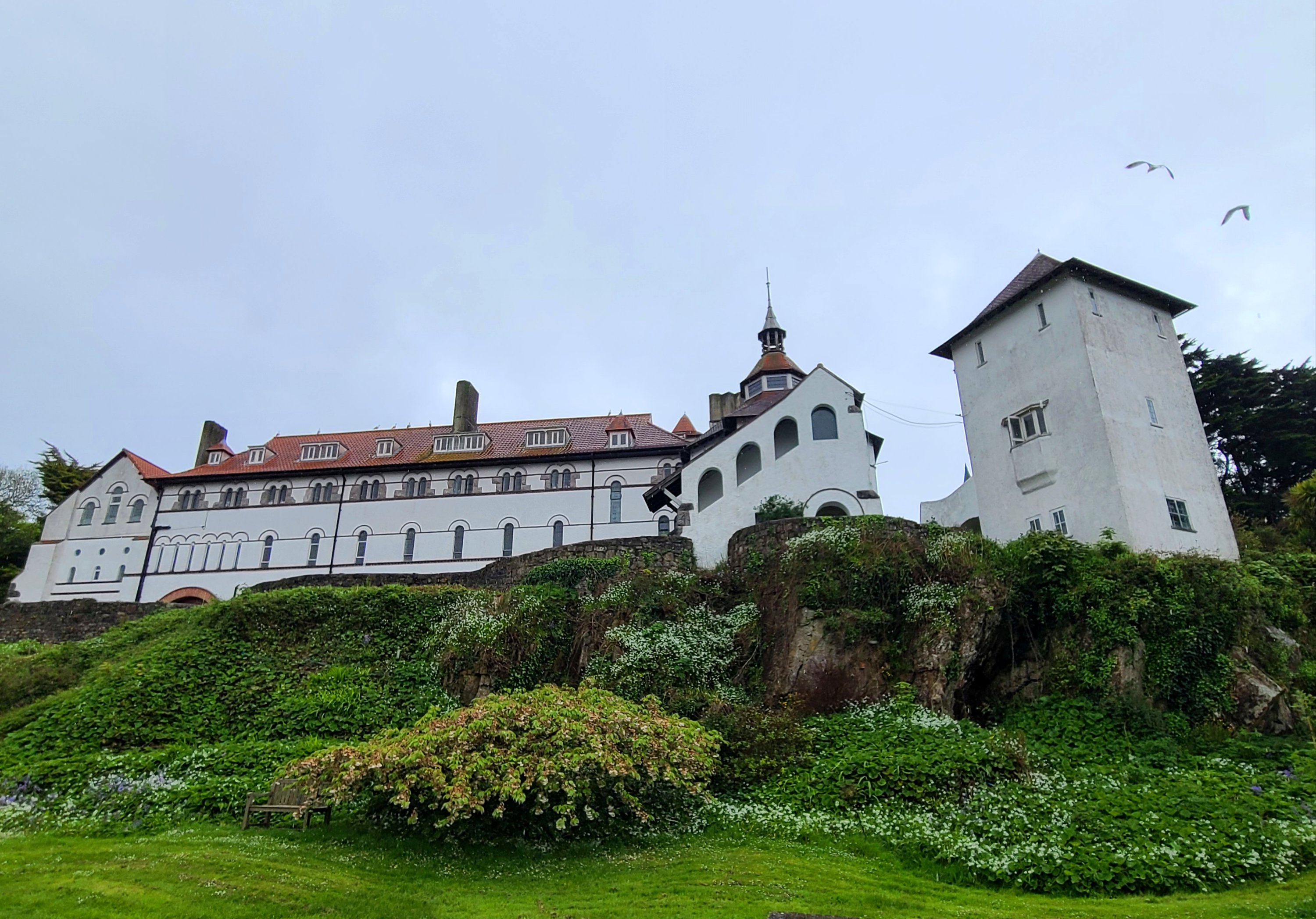
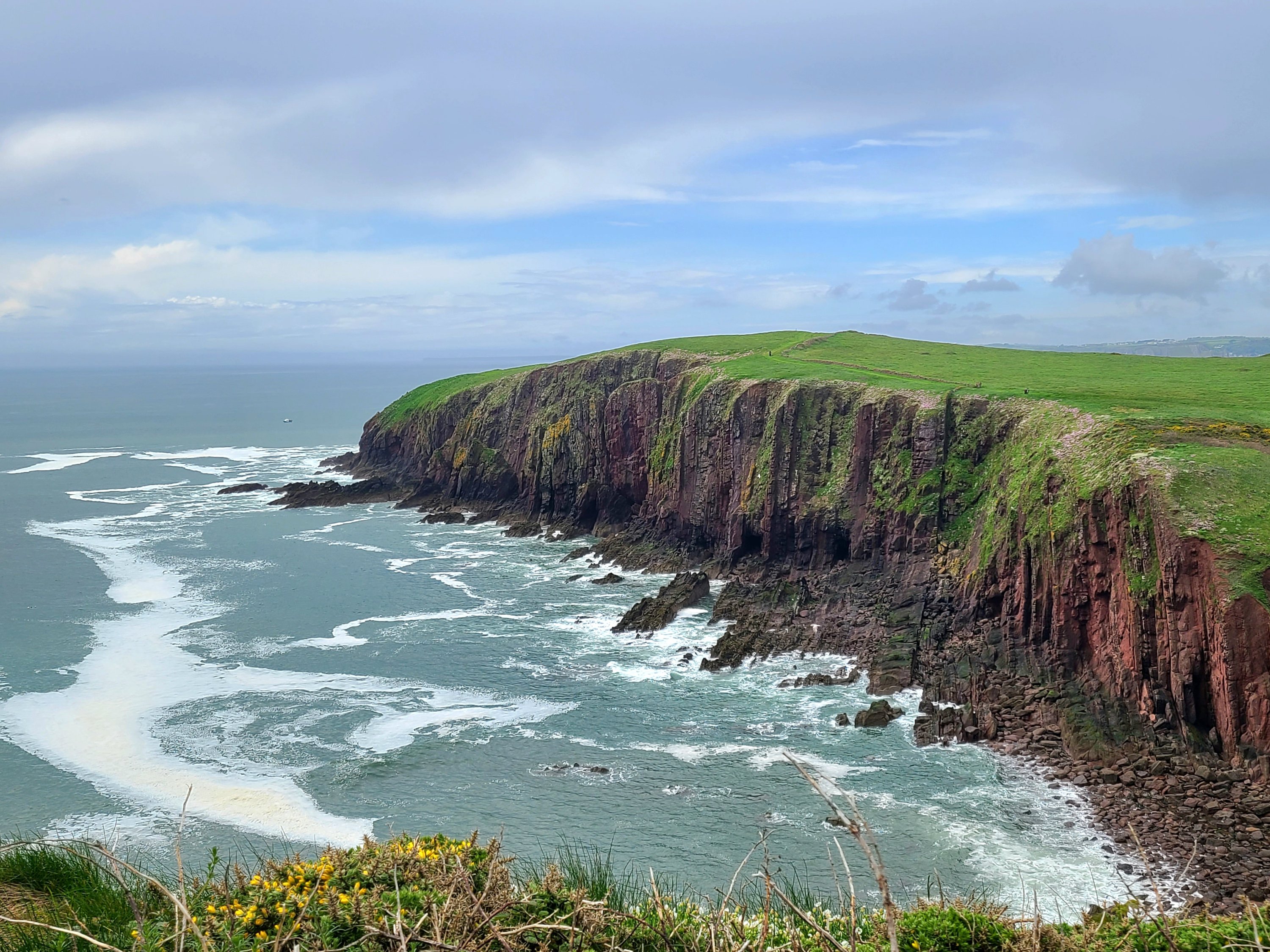
The island has been inhabited by monks since the 6th century. Currently, Caldey Island is home to Cistercian monks, who built the abbey here in 1906. The island is also home to one of the area’s most beautiful beaches and gorgeous cliff views along the island’s trails. The small village hosts a tea garden, gift shop, gallery, and post office. The monks make and sell chocolate and perfume on the island and I definitely recommend the chocolate!
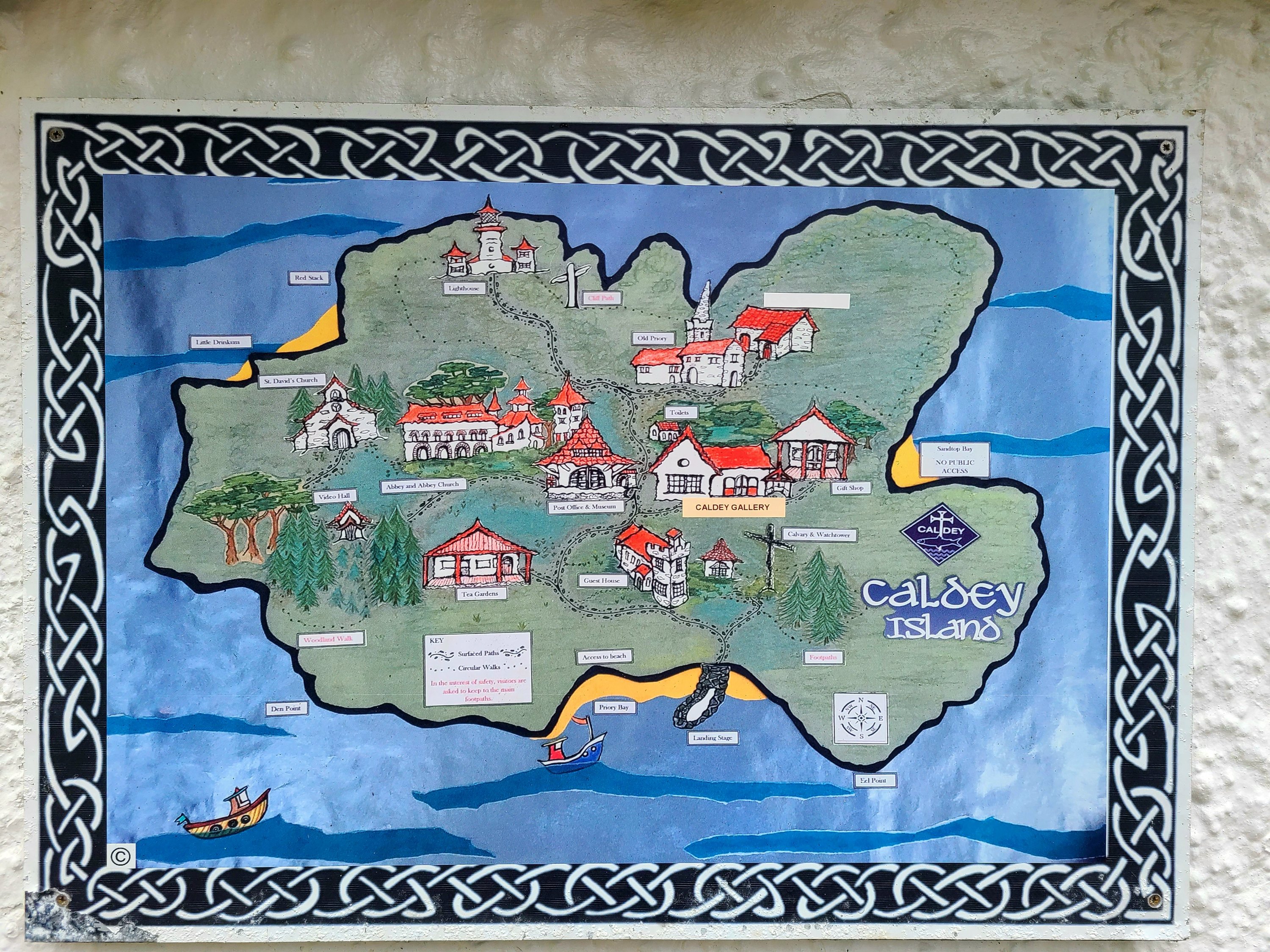
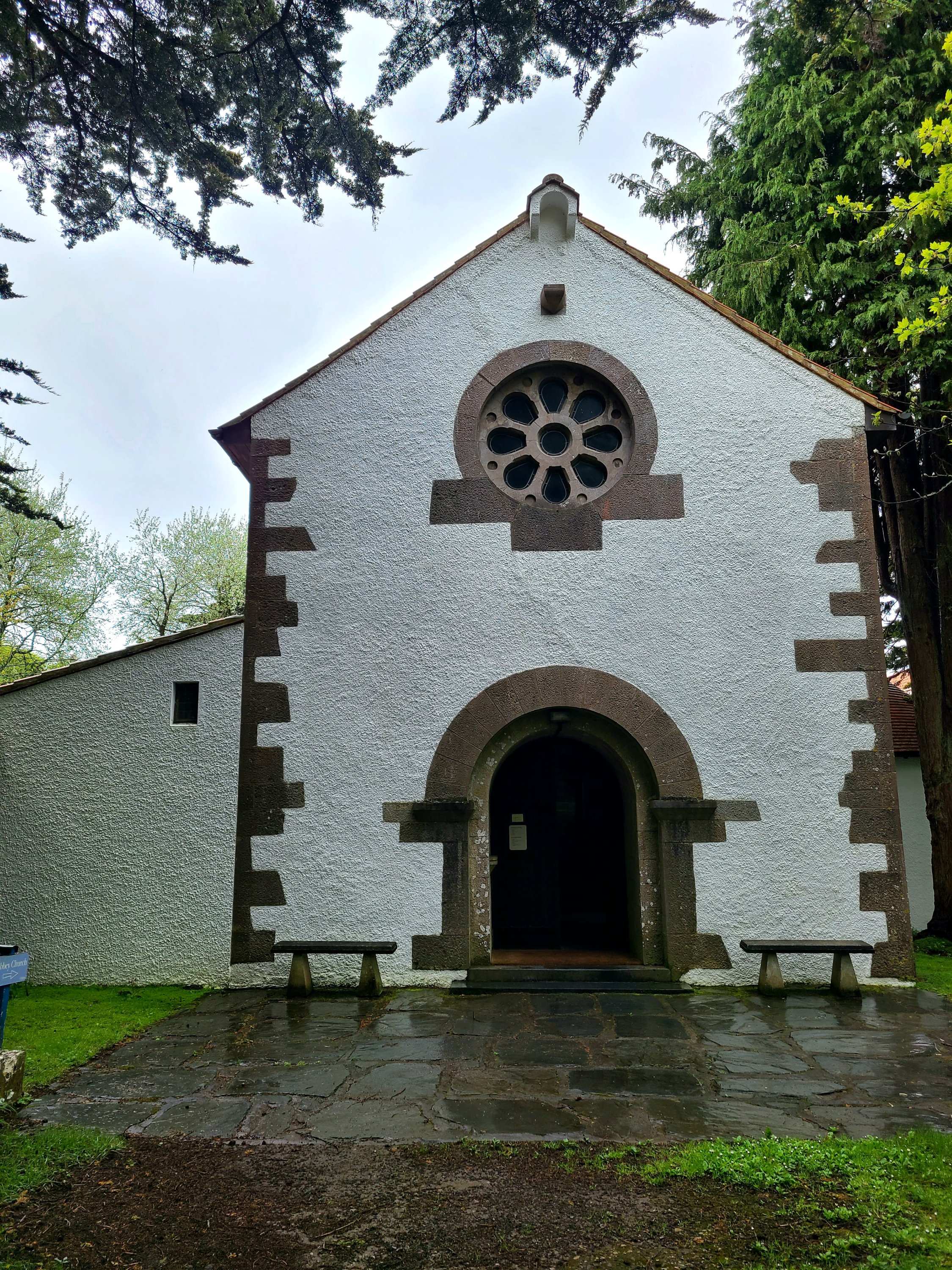
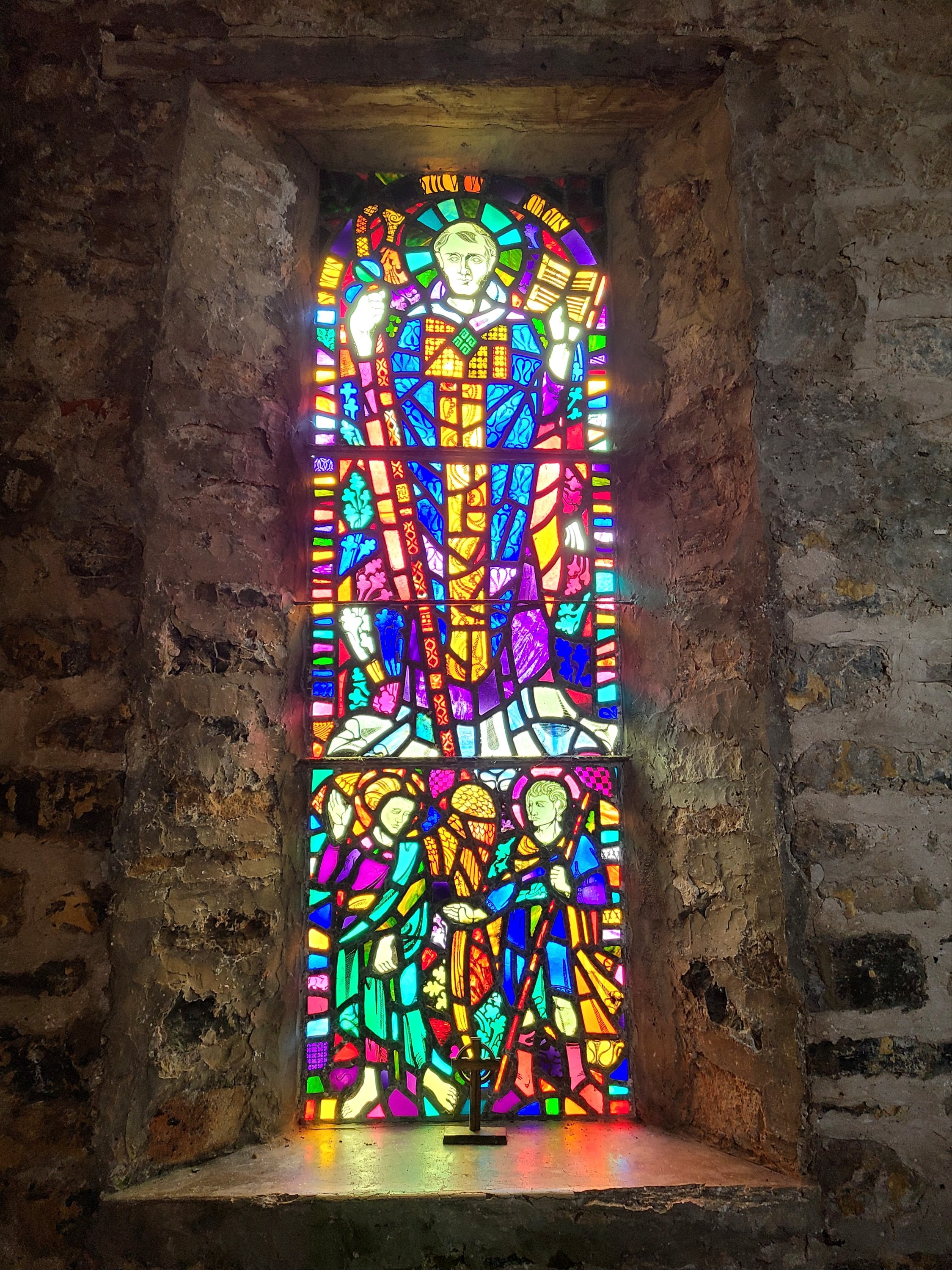
Here, you will also find St. David’s Church, with some beautiful stained glass and the Italianate Abbey, home to the Cistercian monks. Guests may enter the Abbey Church, but the rest of the Abbey is private.

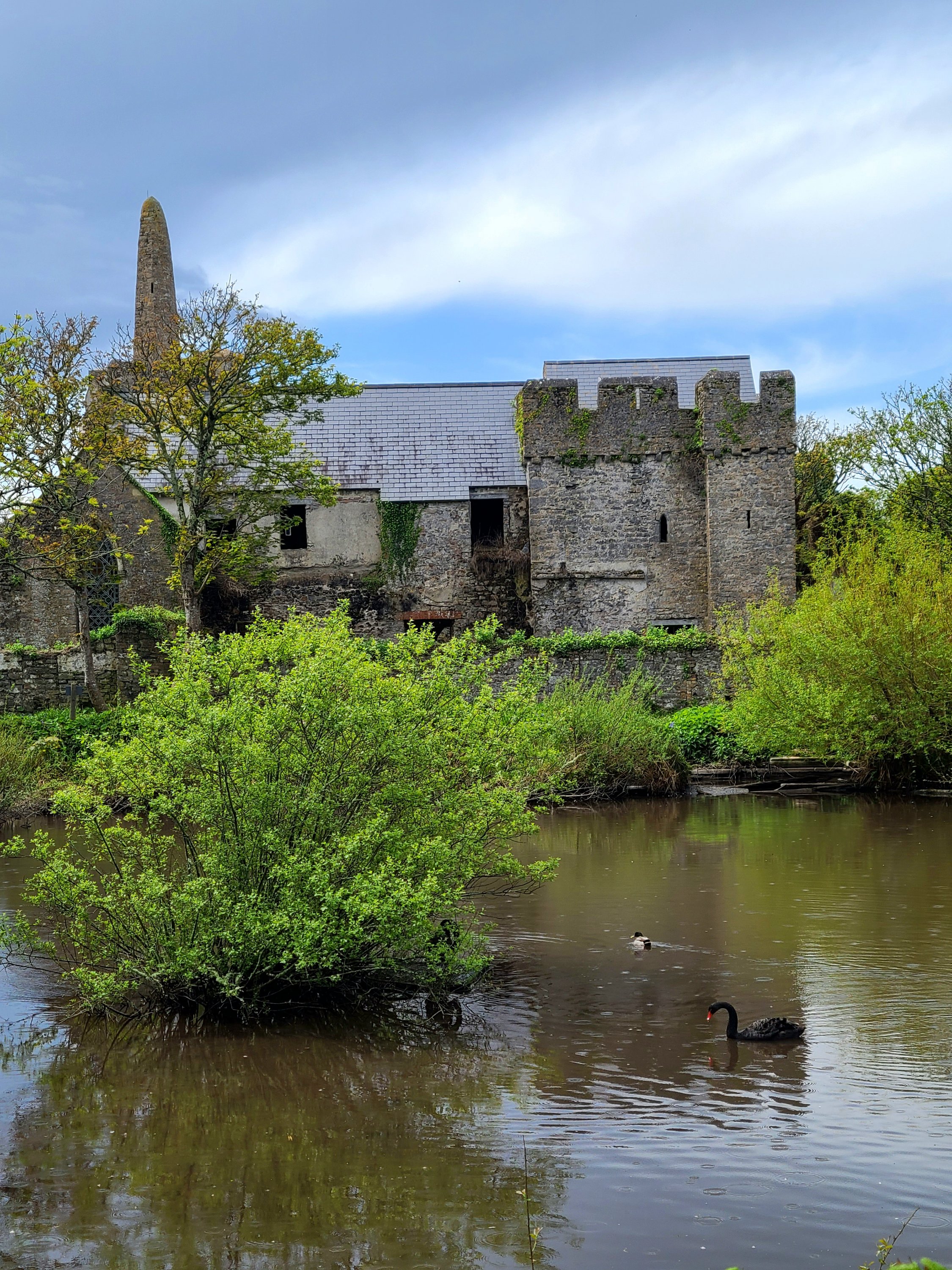
St Illtyd’s Church and Old Priory is the oldest building on the island. While some of it is now in ruins, most of the church remains and the stained glass inside is beautiful. The pond out front is also host to the island’s black swans.

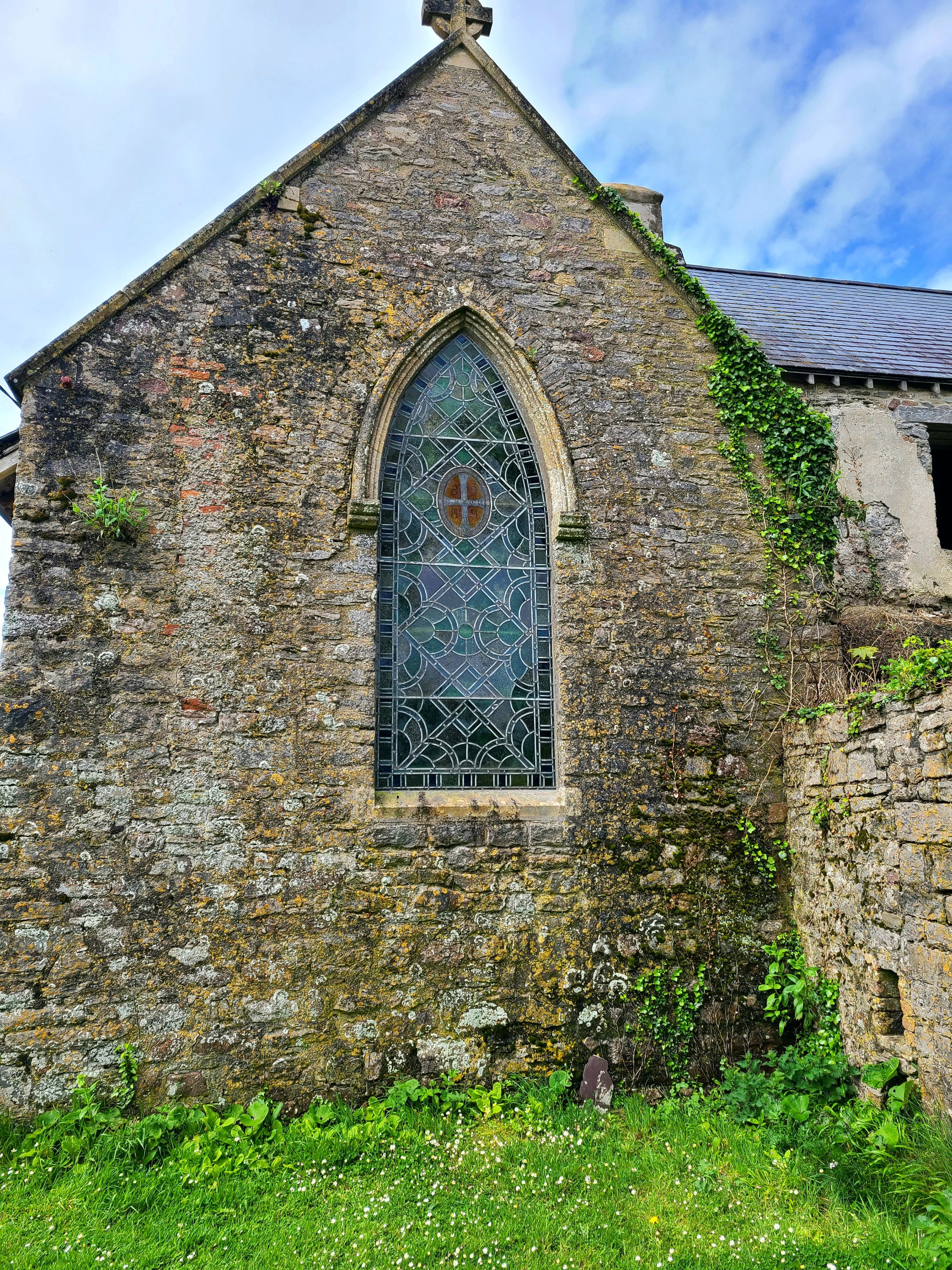
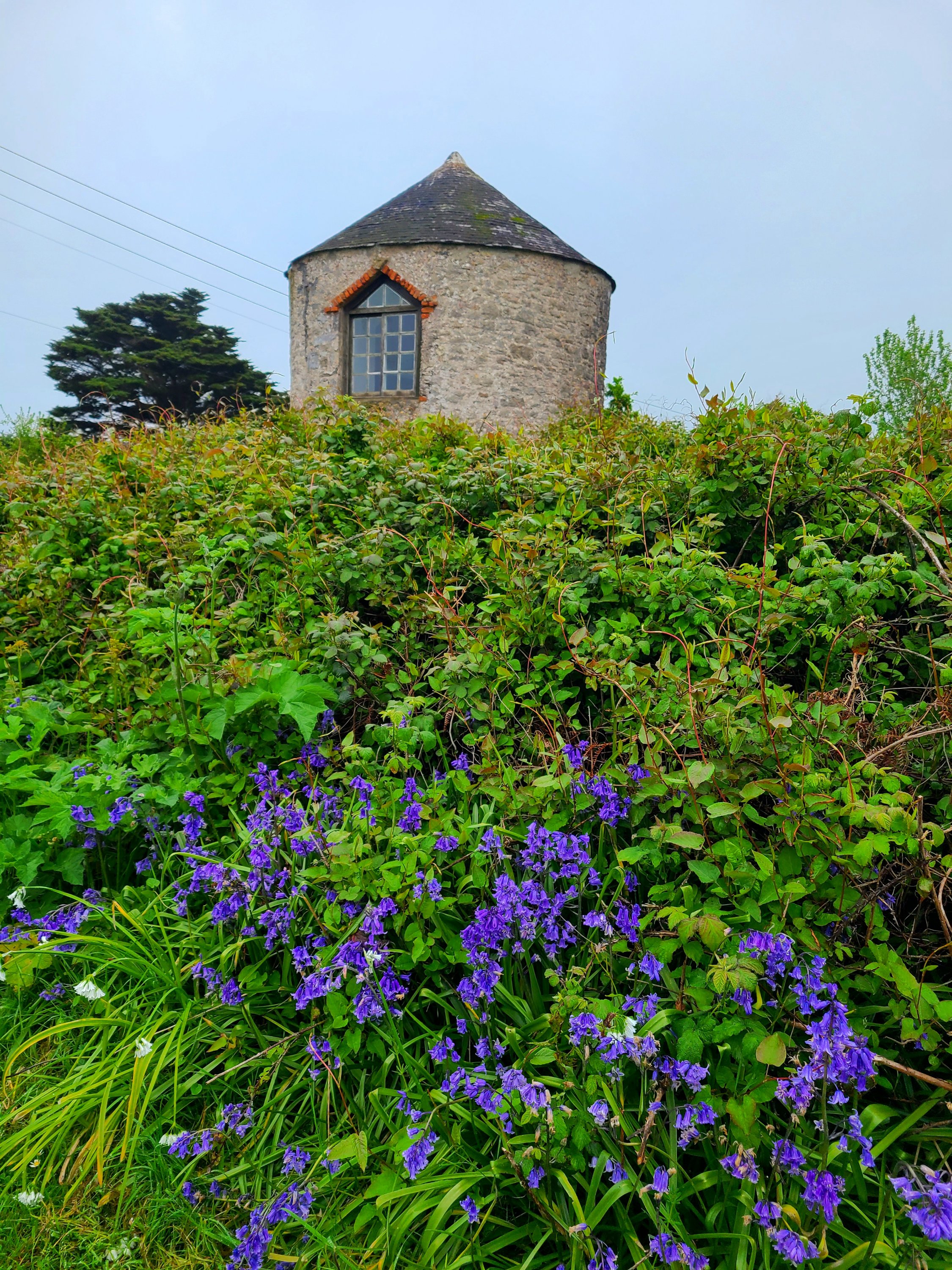
Caldey island has several walks to explore, allowing guests to enjoy the views and the island’s wildlife.
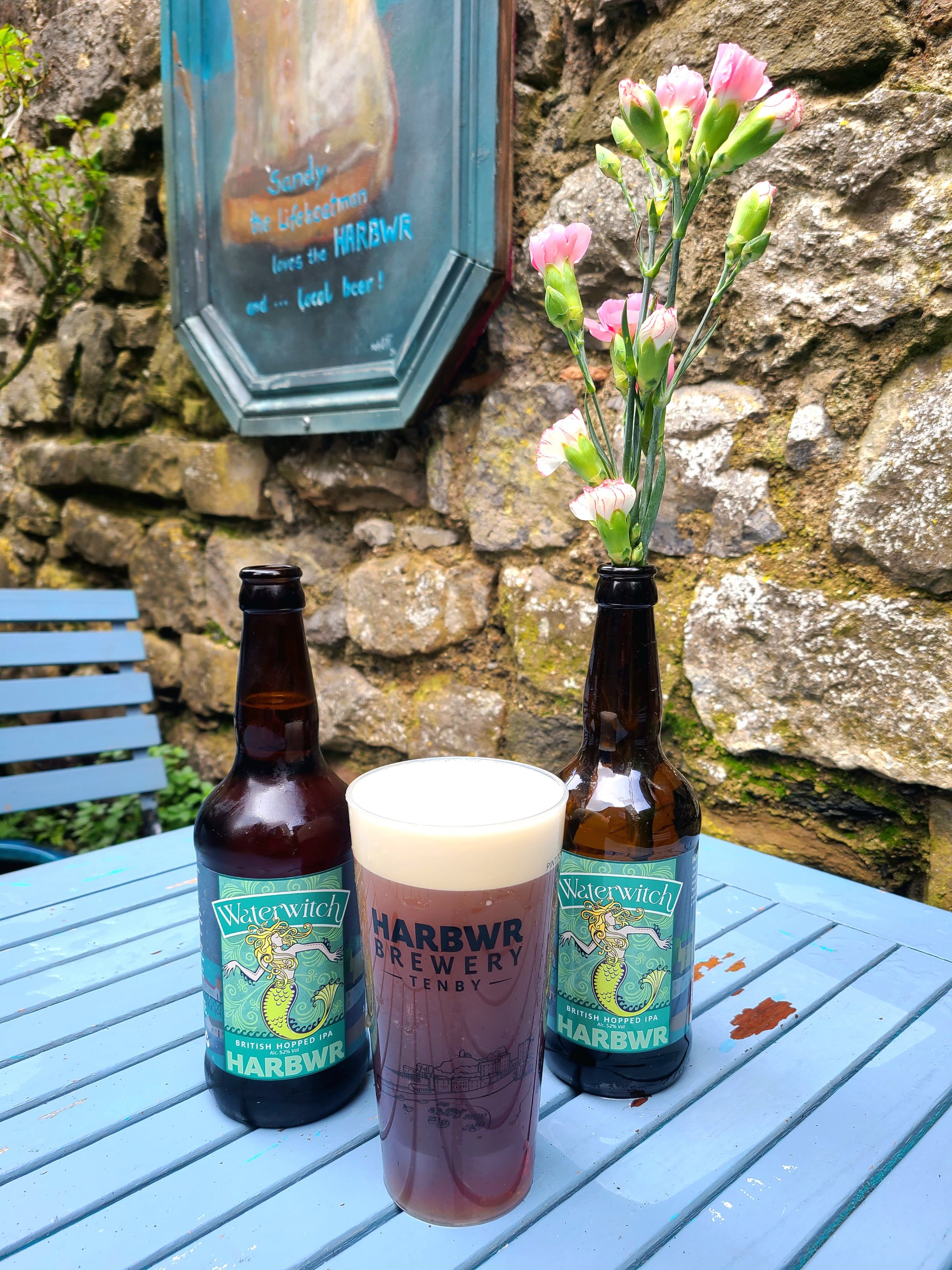
If, like me, you are a fan of beer, and craft beer in particular, then Tenby Harbwr Brewery is a must. Filling up most of an alleyway, this brewery has a beer garden, retail store, taproom, and outdoor alley sitting, as well as a restaurant. Grab a pint (or two) and enjoy!
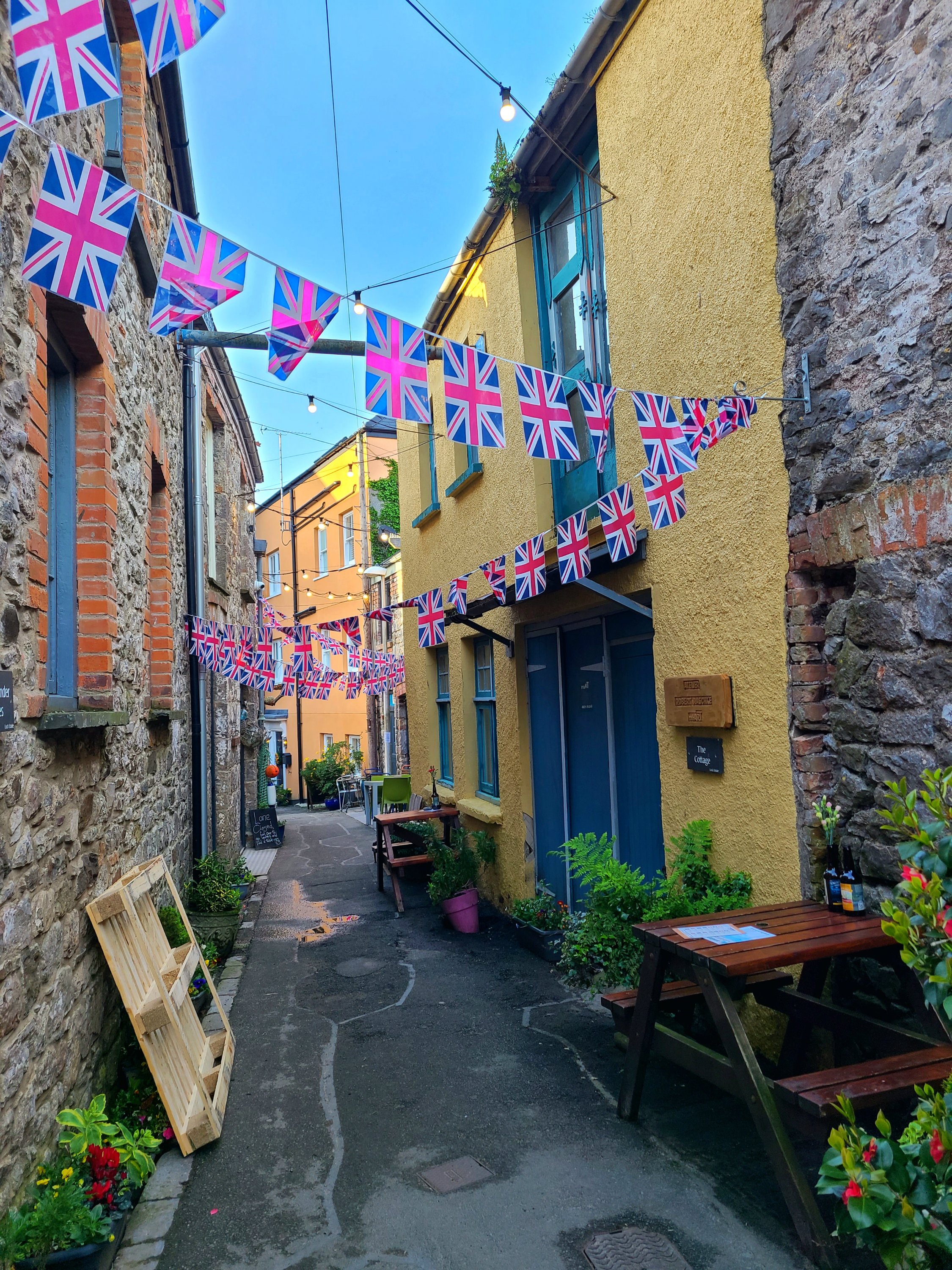
As you stroll along the historic streets of Tenby, you’ll come across a number of quaint shops, restaurants, and snack shops. (Be sure to stop for a local Welsh cake!) After spending my day by the water, I went looking for fish & chips. I chose Tenby’s Traditional Fish & Chips for takeout and enjoyed my meal back down by the water, watching the sun set over this colourful seaside wonder.

Categories: Blog, Europe, Photo, Where in the World | Tags: , , , , , , , , , , | 3 Comments

Charming Cardiff

I’ve travelled to the UK many times over the years, but had never made it to Wales. So, on a recent trip, I figured it was time!

The capital of Wales, Cardiff, or Caerdydd in Welsh, started out quite small. In 1801 there were only about 2,000 people living here. Rapid growth between 1801-1911 led to a population of 180,000 by 1911. Cardiff only officially became the capital of Wales in 1955 and is still a relatively small capital with around 488,000 people. 

I wasn’t sure what to expect from Cardiff, but quickly fell in love with its charm. The city centre is filled with restaurants, pubs, and shopping as well as historic sights to explore.

Cardiff is a city of Victorian and Edwardian arcades. Originally, these covered pedestrian thoroughfares were designed to enable locals to enjoy indoor shopping without any concern for the weather. Within the walls of Cardiff’s seven arcades, you’ll find a maze of over 100 independent stores and local eateries. But even if the weather is great, they are still beautiful to explore.

The Cardiff Arcade Company turned a retired slum house into the city’s first shopping plaza, The Royal Arcade, in 1858. Castle Arcade, which was built between 1882 and 1889, is one of my faves, most famous for its balconies and two large arches mirroring each other. It’s quite the sight!

As I only had two full days to explore the city, I started my visit with a quick stop for some Welsh cakes from Fabulous Welshcakes (they are delicious!) and then went on a free walking tour.
I find they are a great way to get oriented with a new city, learn some history and fun facts, and get great recommendations on where to eat, drink, and visit.

This tour was no exception, and I even learned a few Welsh phrases! Welsh is the oldest language in the UK. Wales in Welsh is ‘Cymru’ and Welcome is ‘Croeso.’ In the 1500s, the Welsh language was banned by England and English was the only official language until 1967, when Welsh was finally given language status. The 1993 Welsh Language Act gave Welsh equal status to English and you will now find all road signs, official documents, etc. written in both languages. There has been a big push to bring the Welsh language back after years of decline, and once again it is being taught in schools.

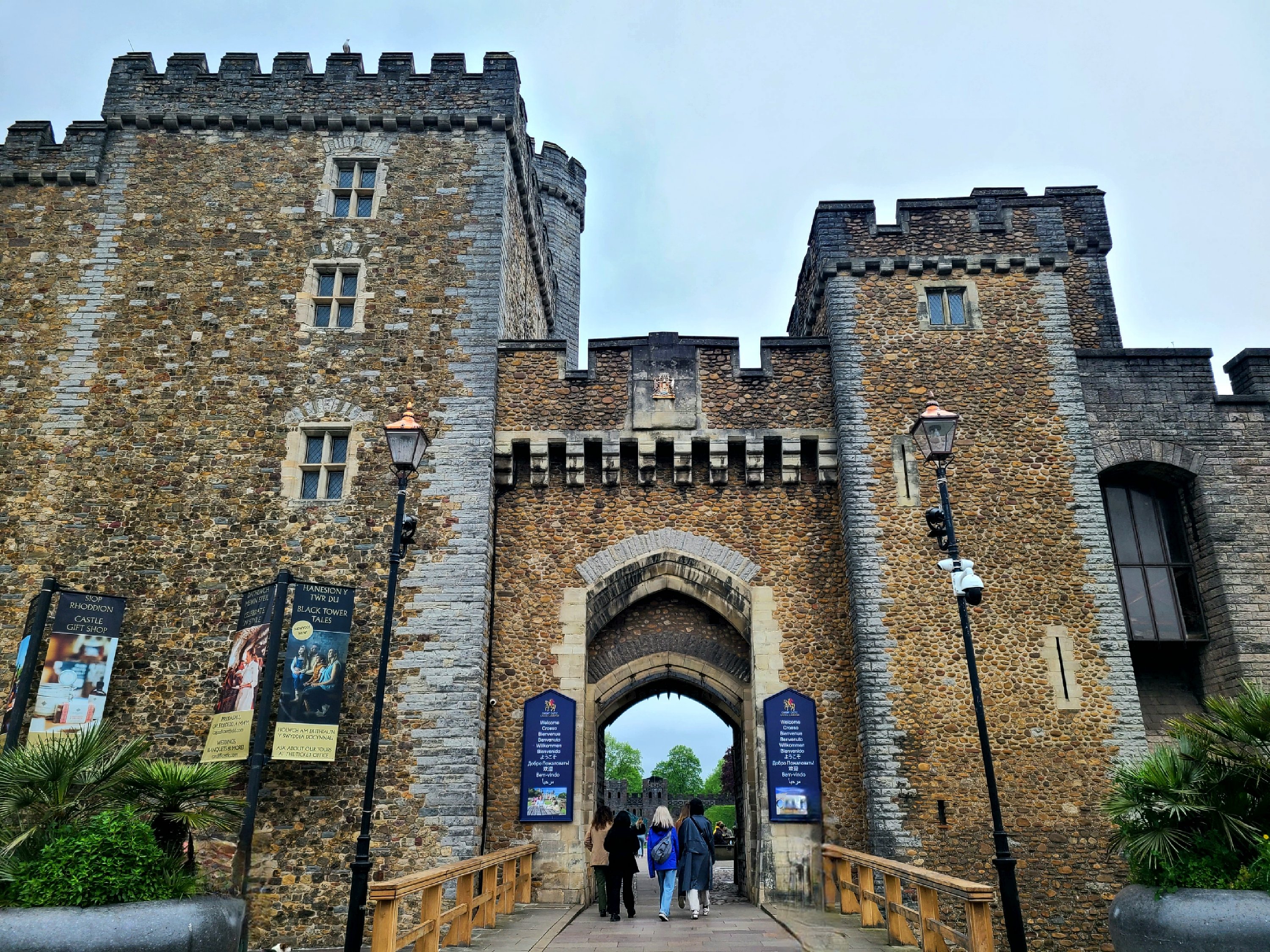
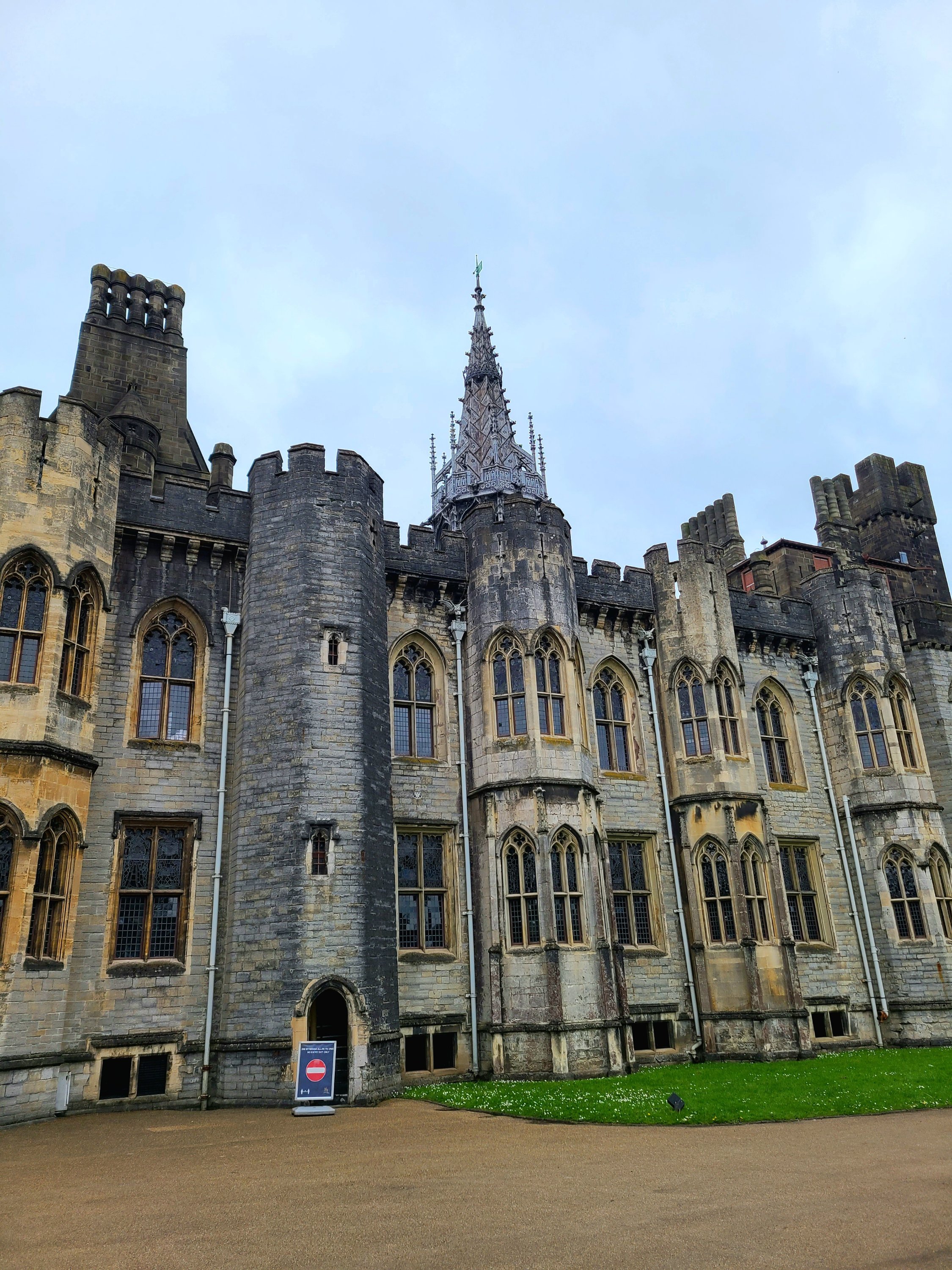
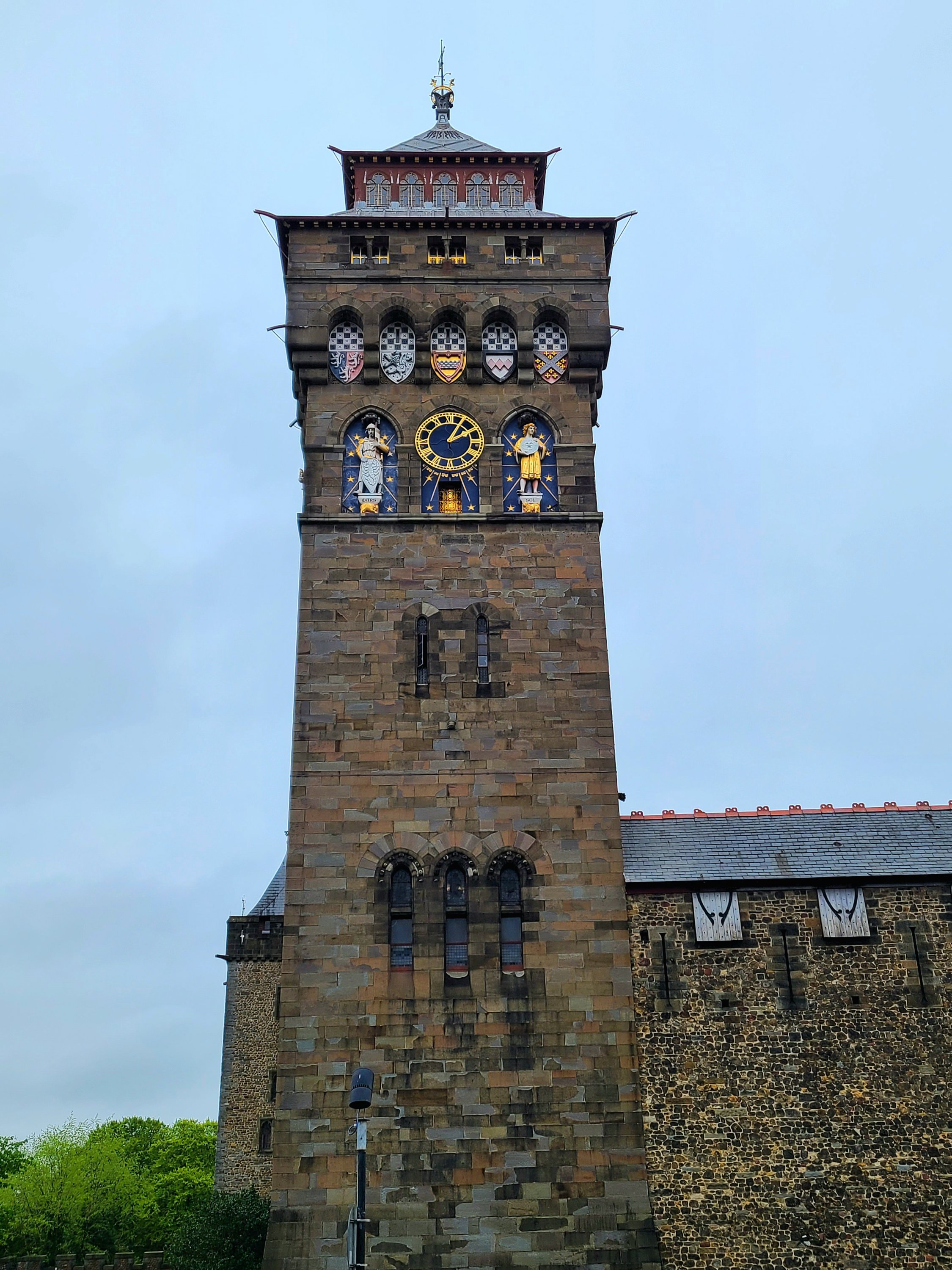
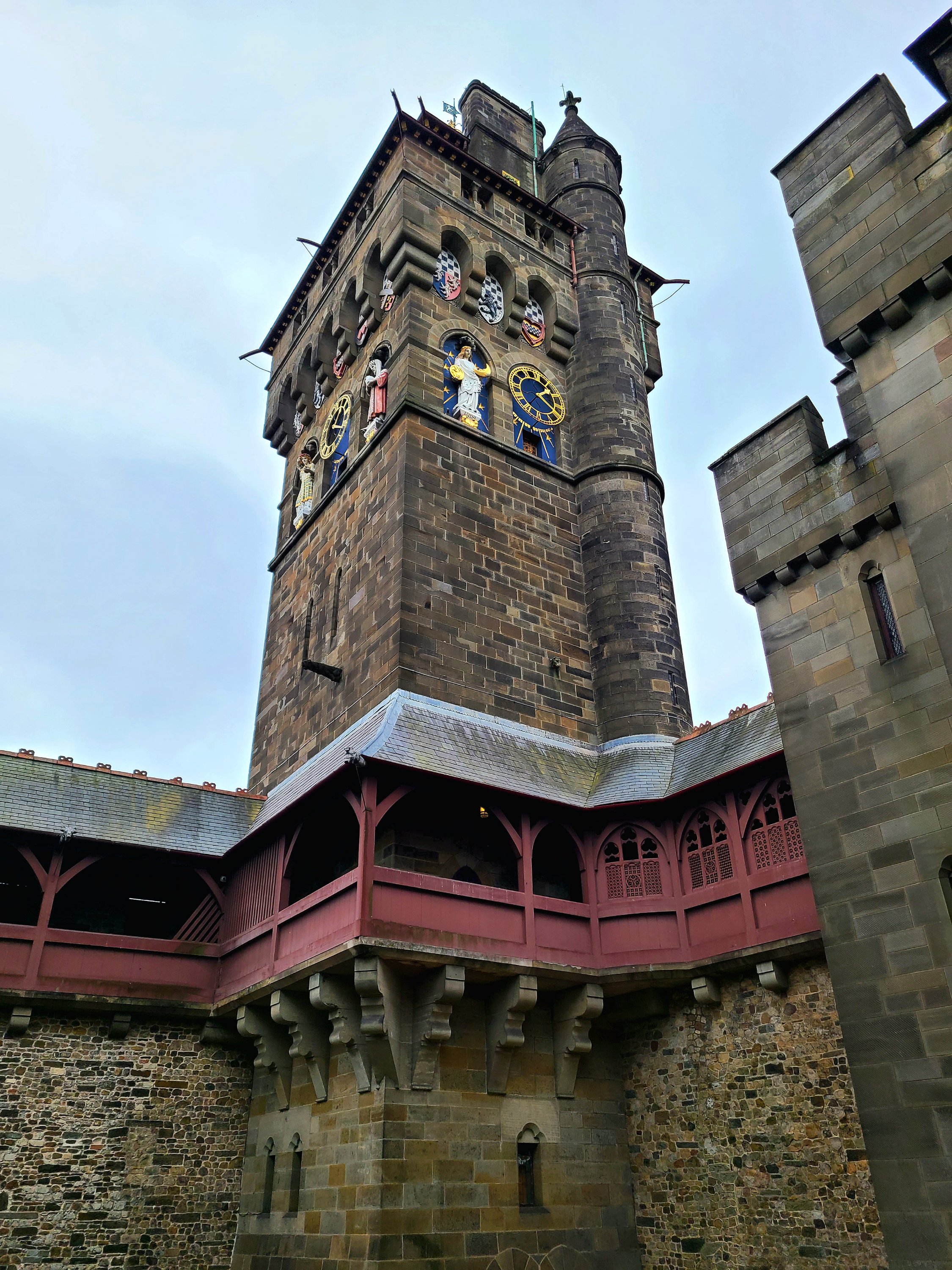
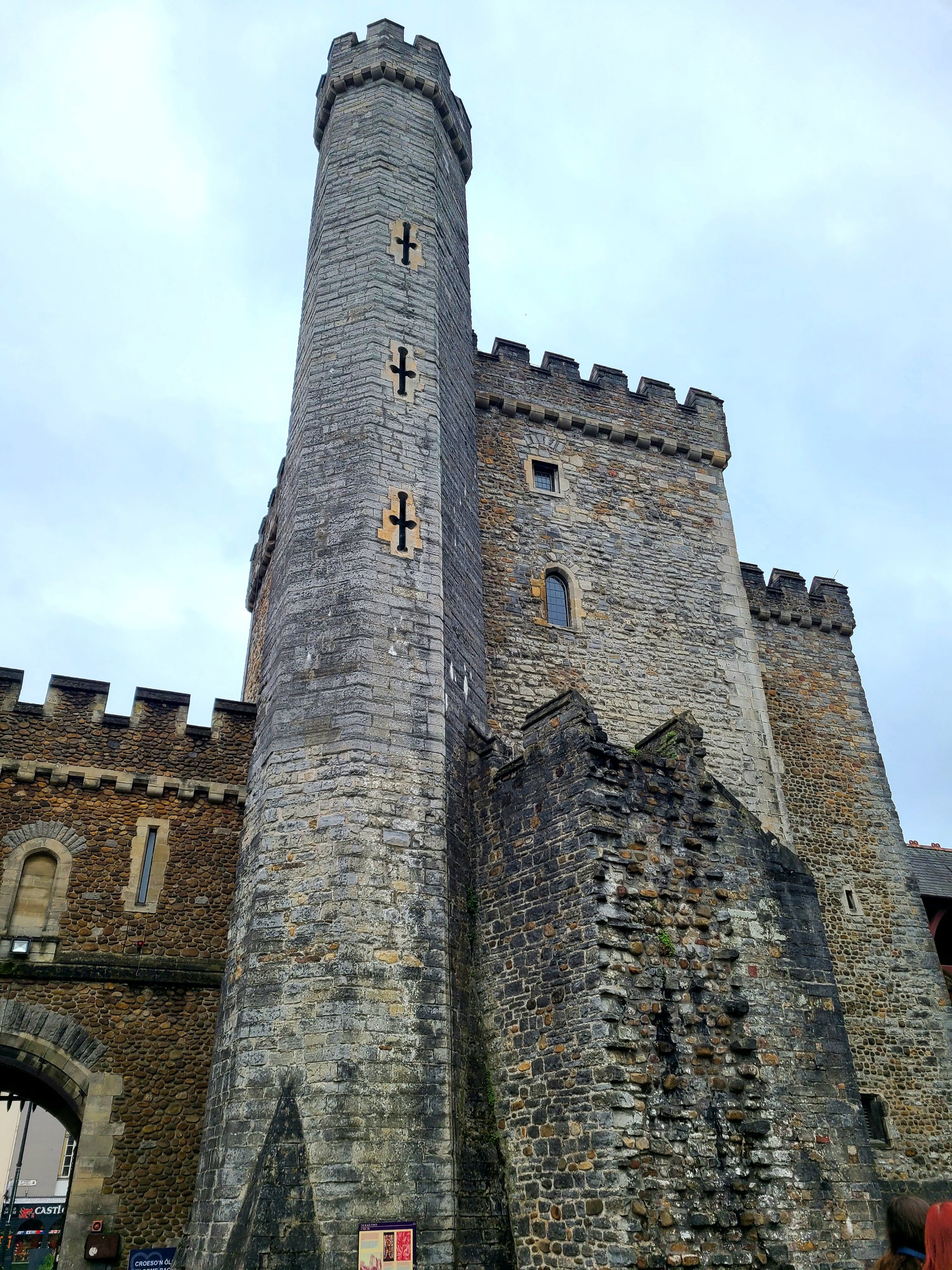
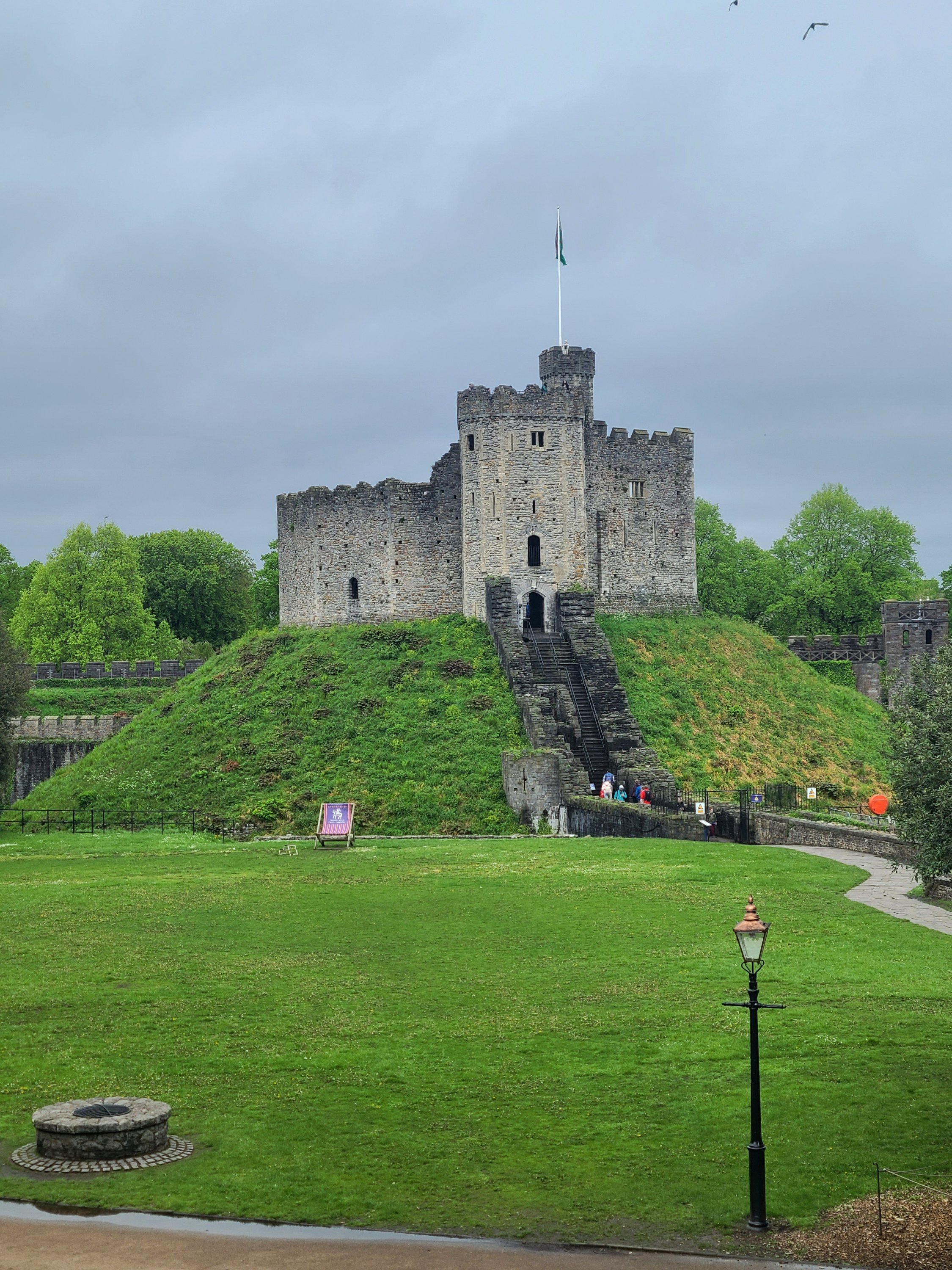
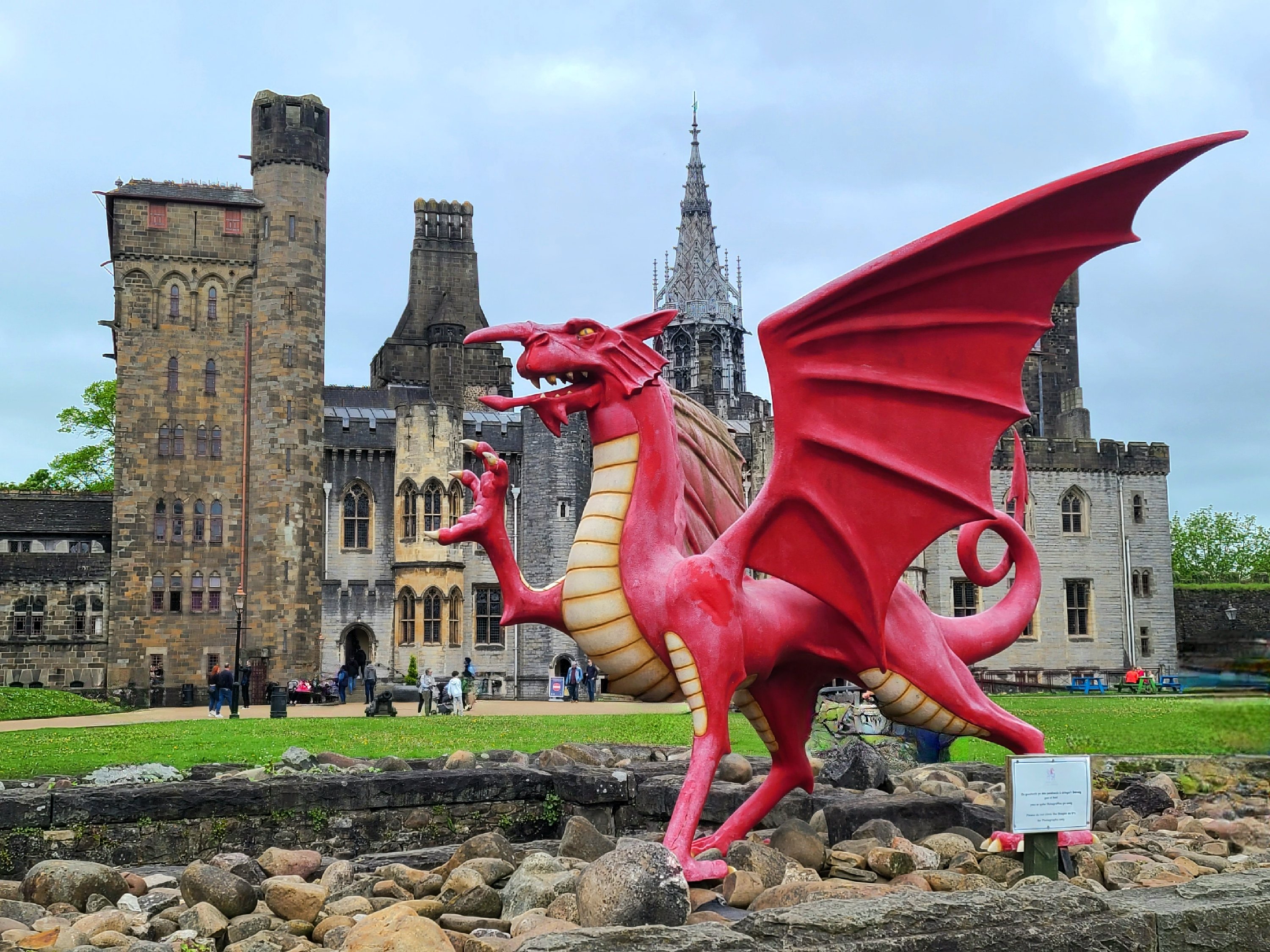
A must-see in Cardiff is Cardiff Castle, nestled right in the city between shops and the leafy green Bute Park. The castle’s history dates back 2,000 years, when the Romans built a series of forts. During the 11th century, the Normans built the Keep which is still found on the Castle Green. During the 19th century, the Bute family transformed the House into the lavish Victorian Gothic home that’s on display today. Then, in 1947, Cardiff Castle and its extensive parkland were given to the City of Cardiff by the Bute family. 

A general admission ticket (£14.50) allows access to most of the castle grounds. You can also purchase add-ons for the Black Tower, a guided House Tour, or a Clock Tower tour.

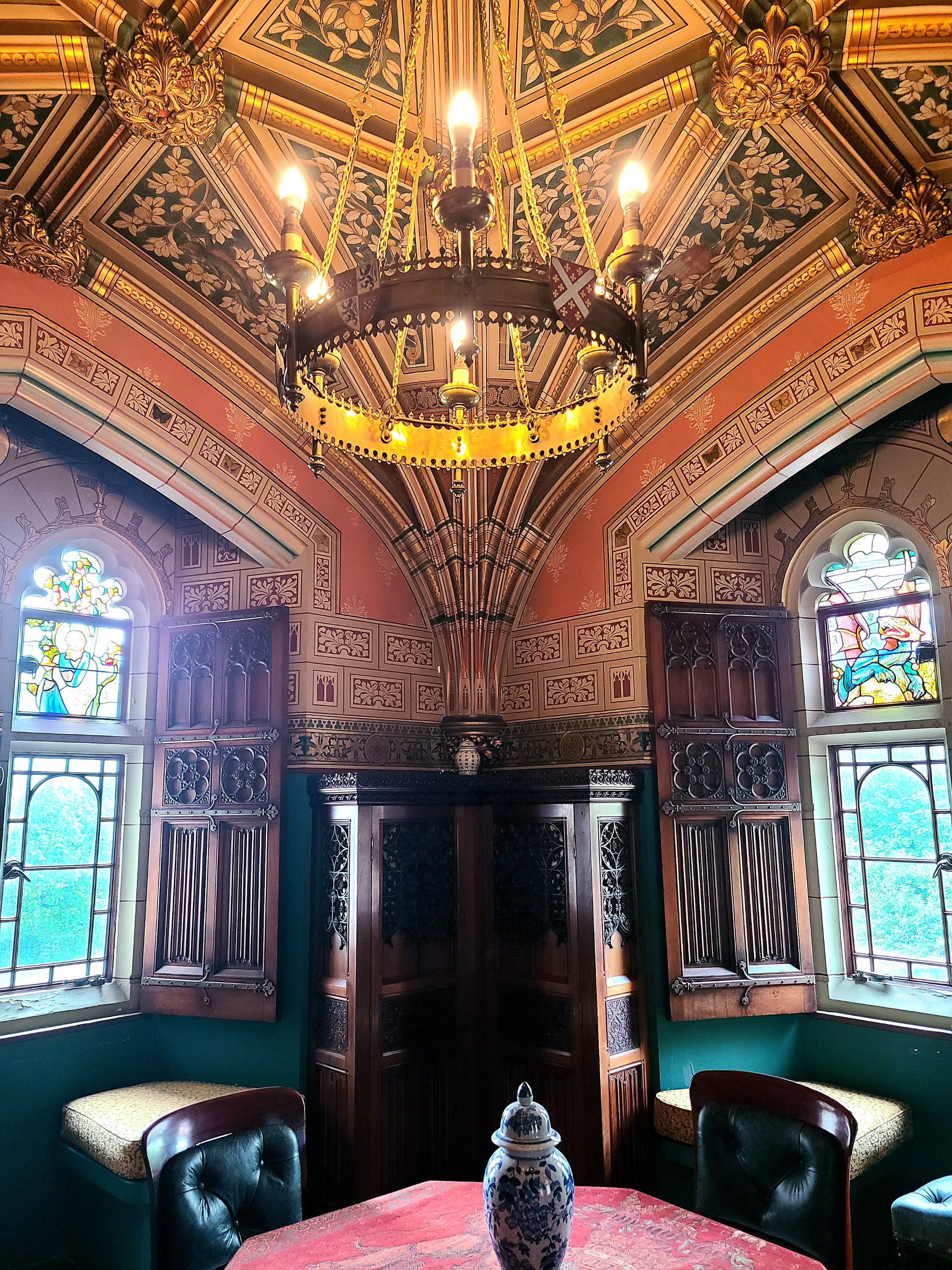
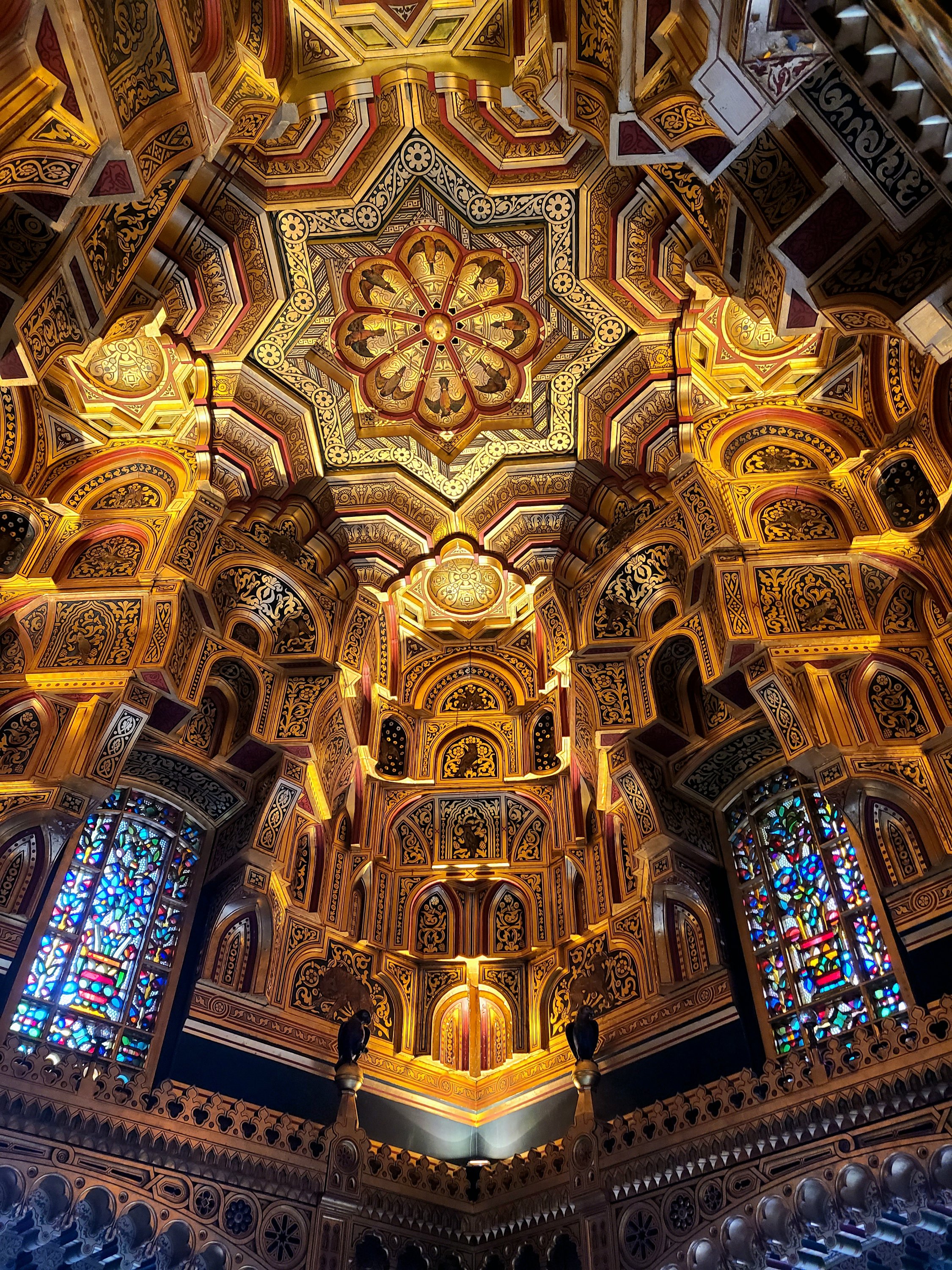
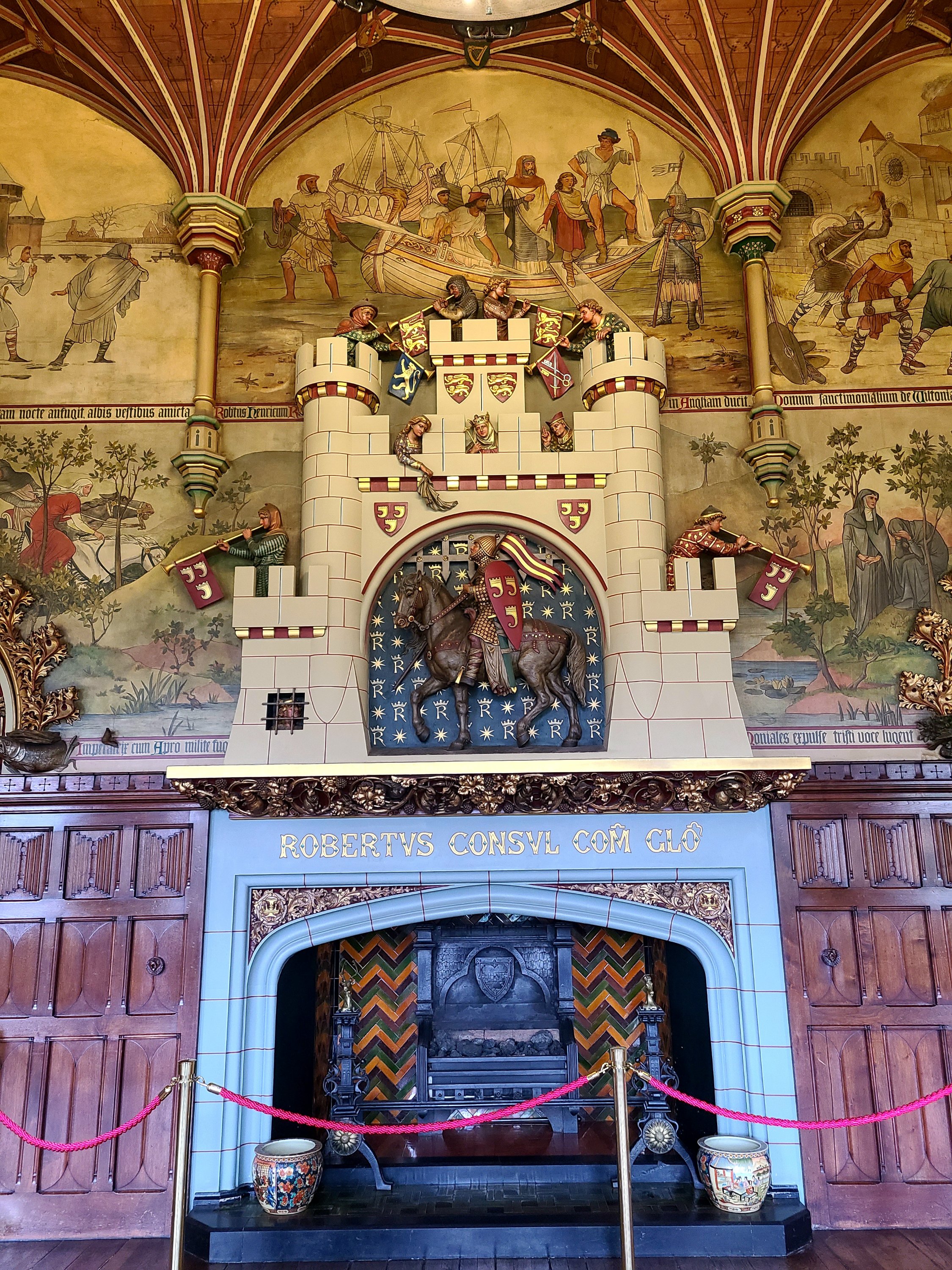
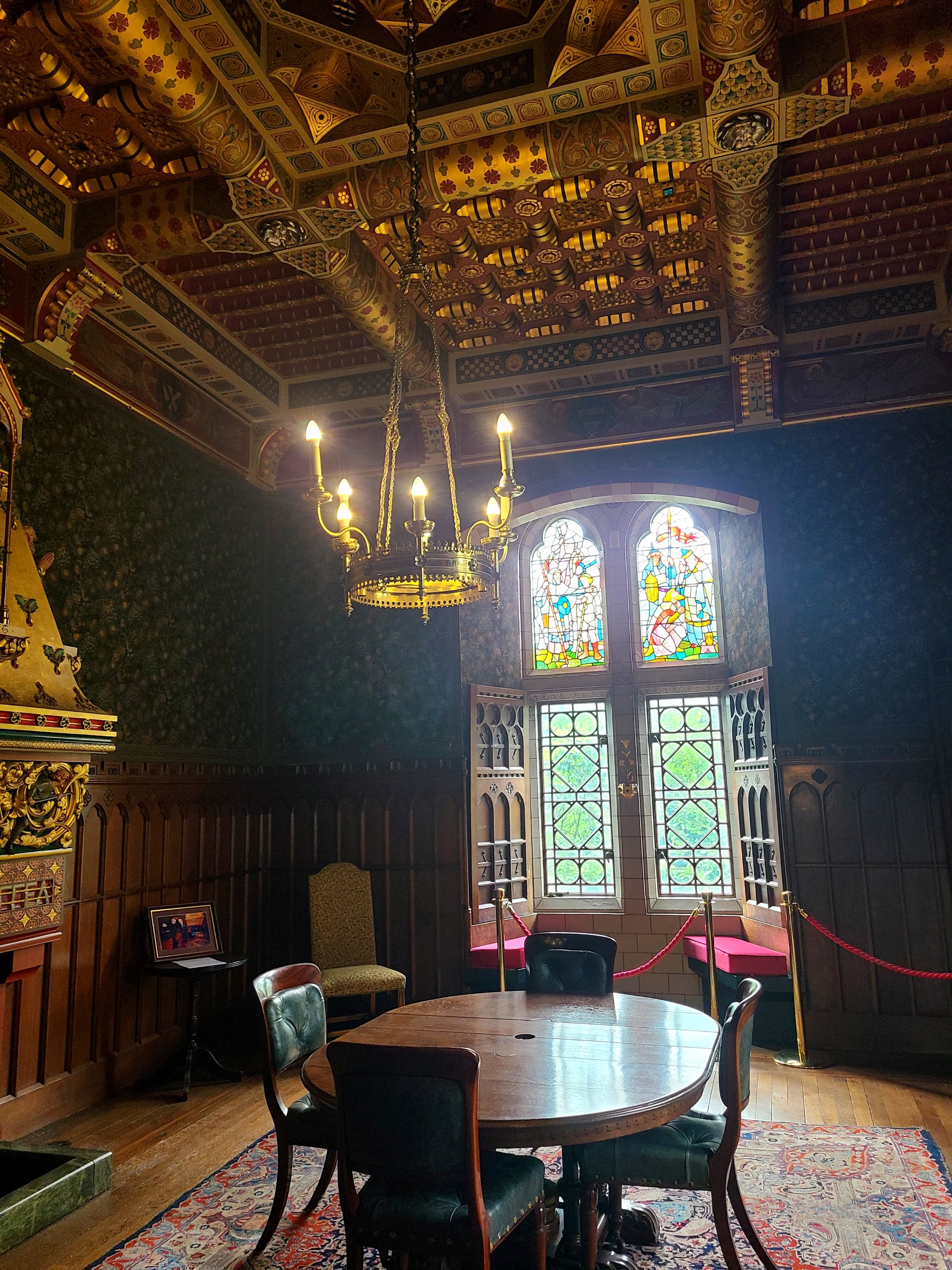
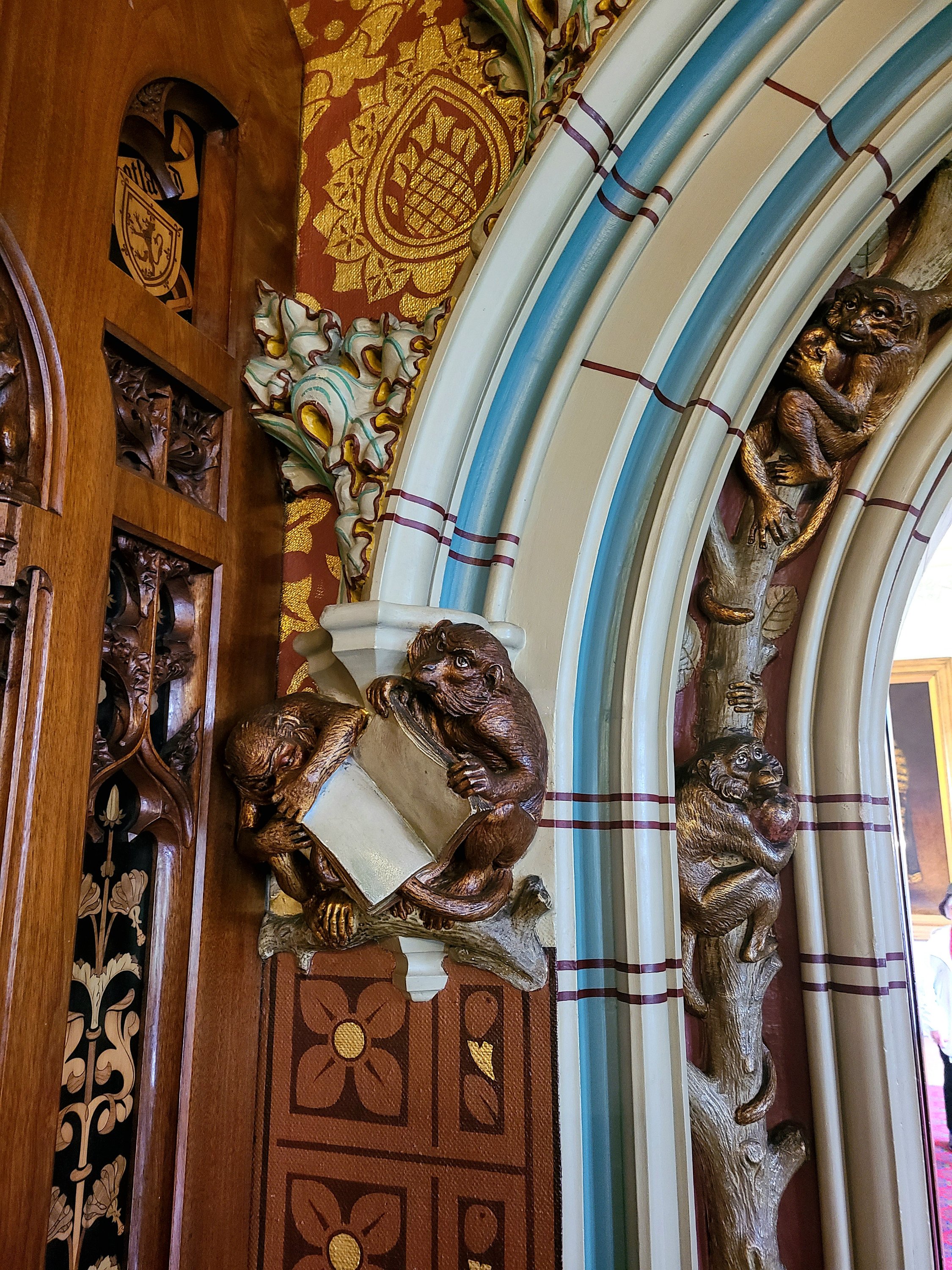
The oldest parts of the residential buildings date back to the 1500s. In 1865, the 3rd Marquess of Bute began working with art-architect William Burges to transform Cardiff Castle into a medieval dream palace. Each room of the house is ornately decorated. Favourites of mine included the Arab Room and the Library.

 The twelve-sided Keep continues to stand on the Castle Green and you can climb up to the top for a great view of the city. 

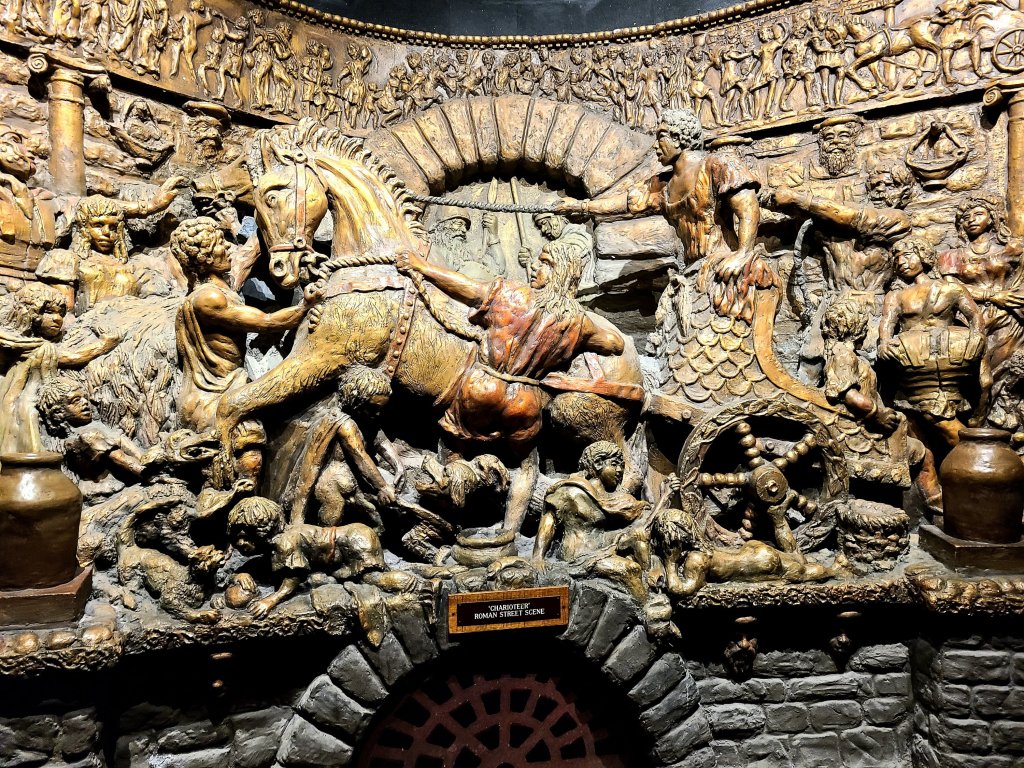
In the Visitors Centre, you will find parts of the old Roman Walls that were hidden for 900 years, as well as the Roman Chariot corner. The Firing Line Museum is also found here, with displays from The Queen’s Dragoon Guards and The Royal Welsh’s military history.

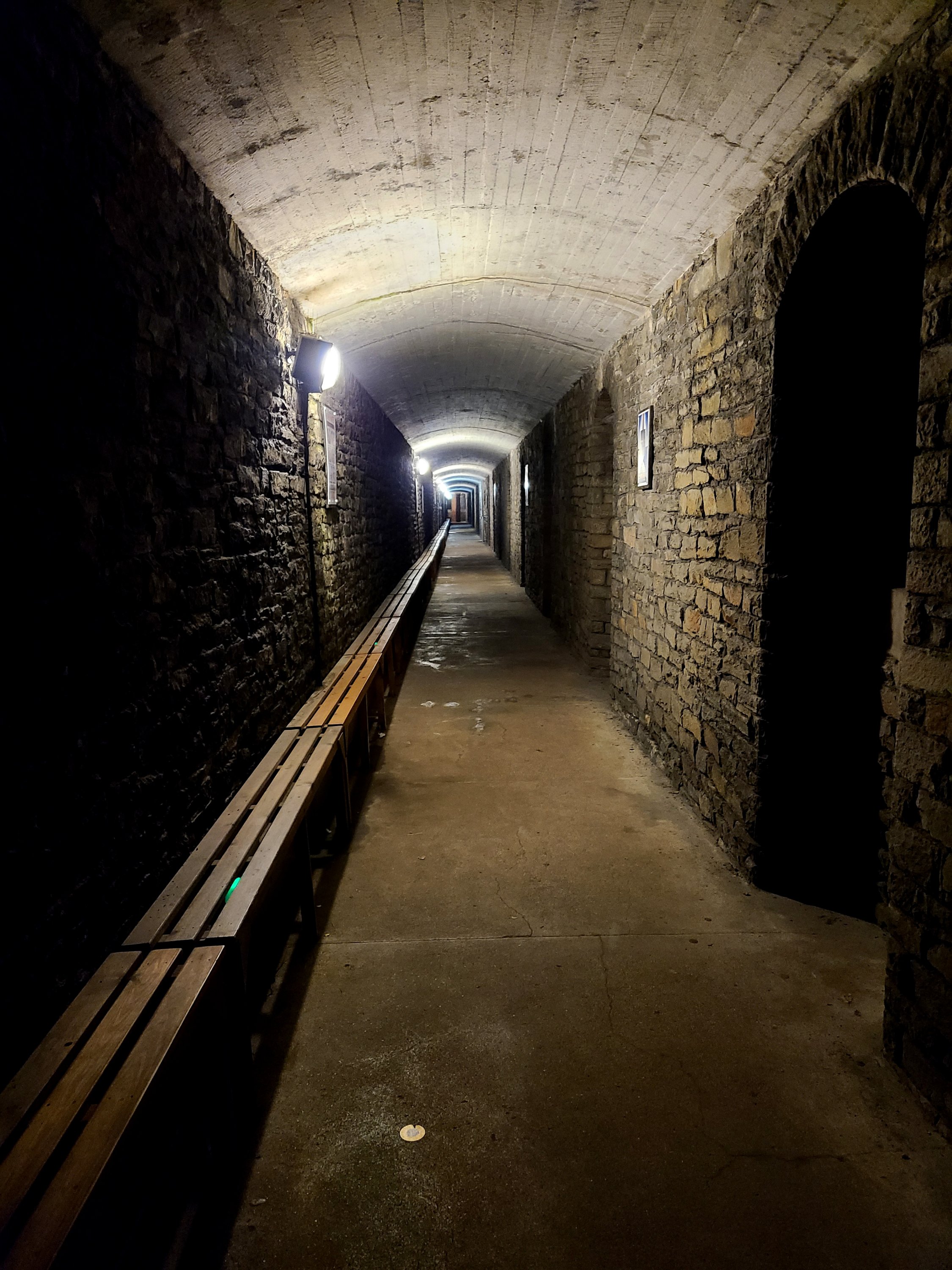
My favourite part to explore was the wartime shelters & tunnels found within the walls. It’s estimated that over 1800 people took shelter within the castle walls during air raids in World War II.

While Cardiff can be quite a rainy city, I lucked into some nice sunny spring weather, perfect for wandering through Bute Park, the city’s green heart. There are numerous trails, gardens, champion trees, and food options amongst the many things to see in the park. You can also catch the water taxi to Cardiff Bay here.

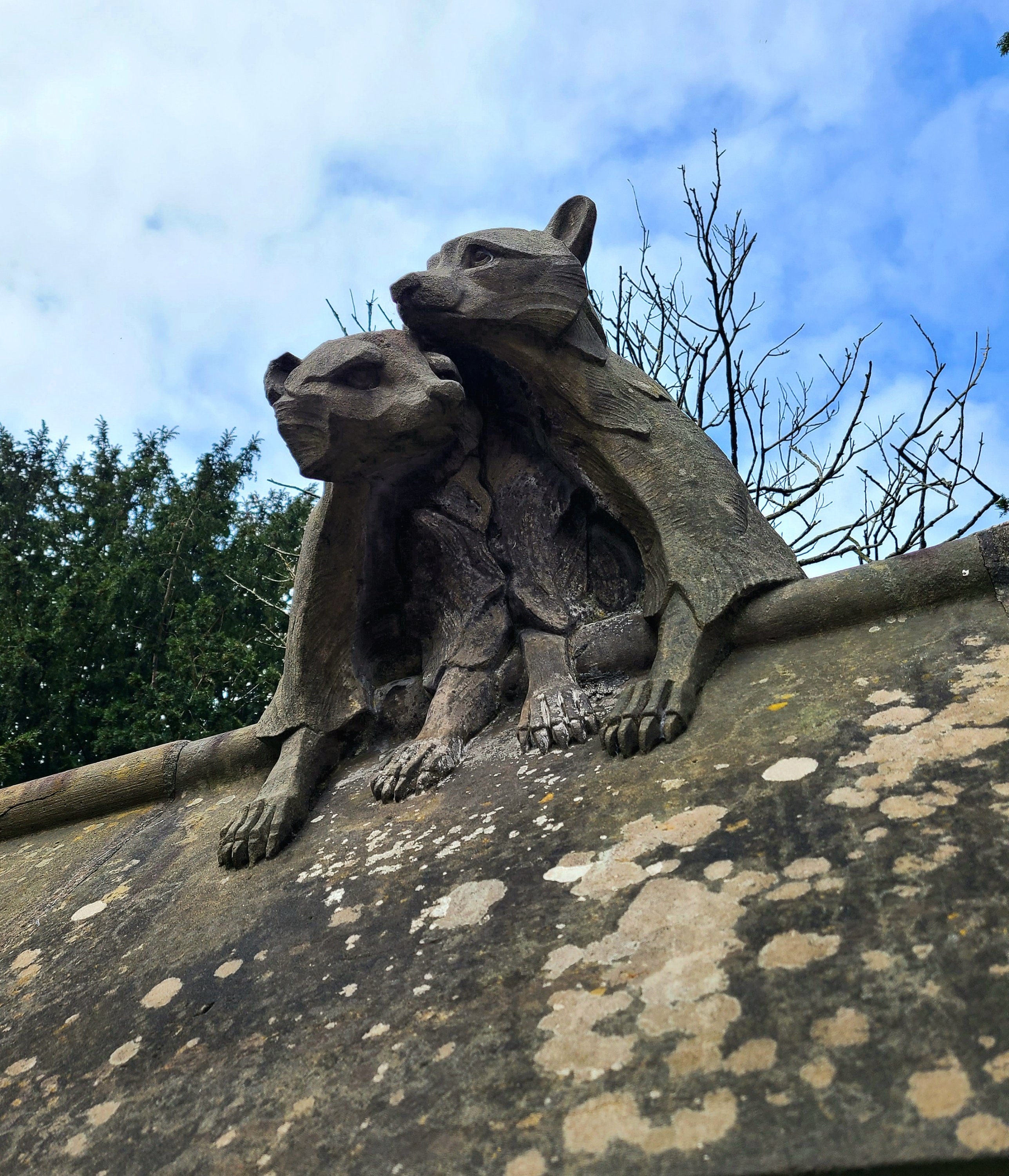
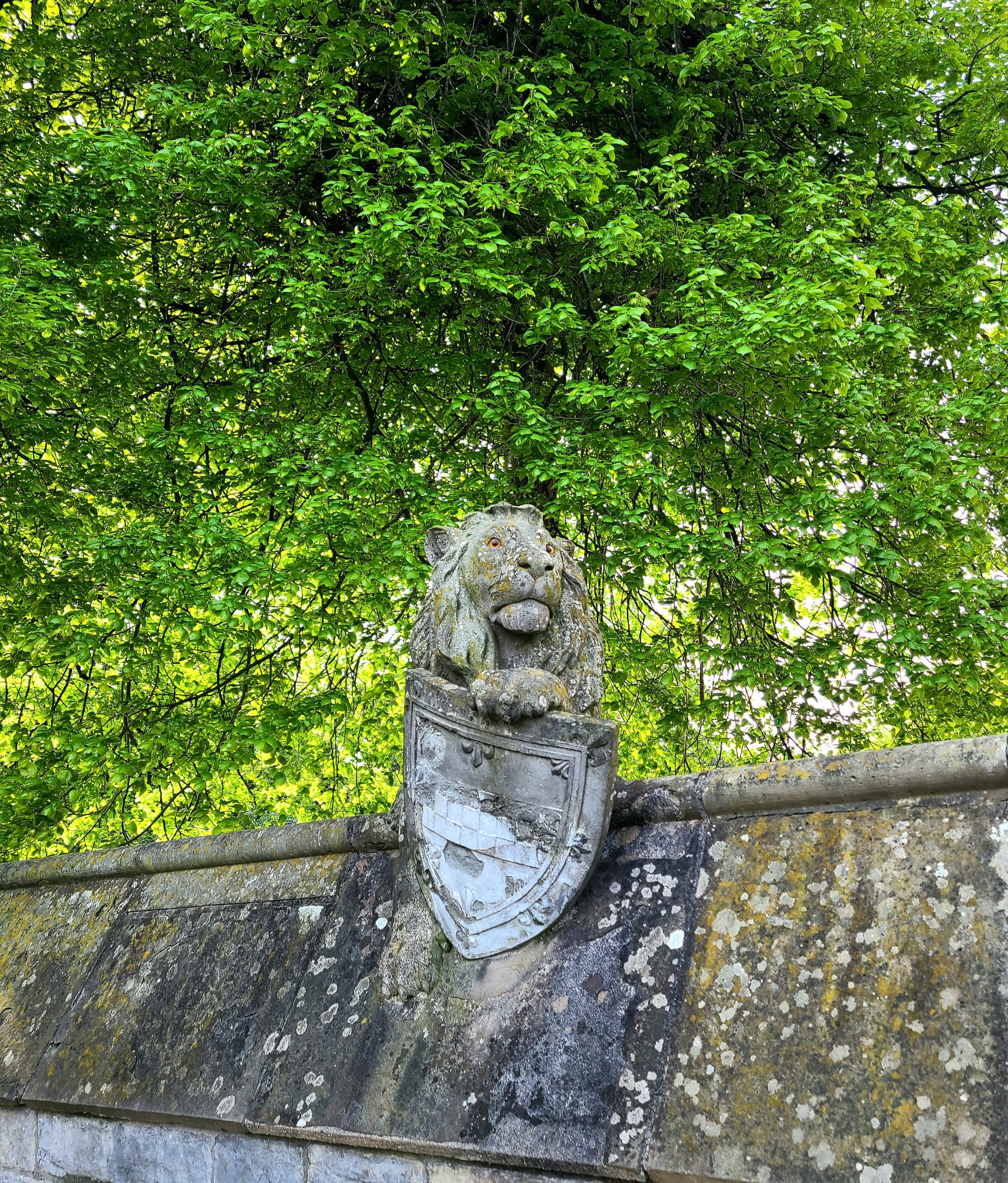
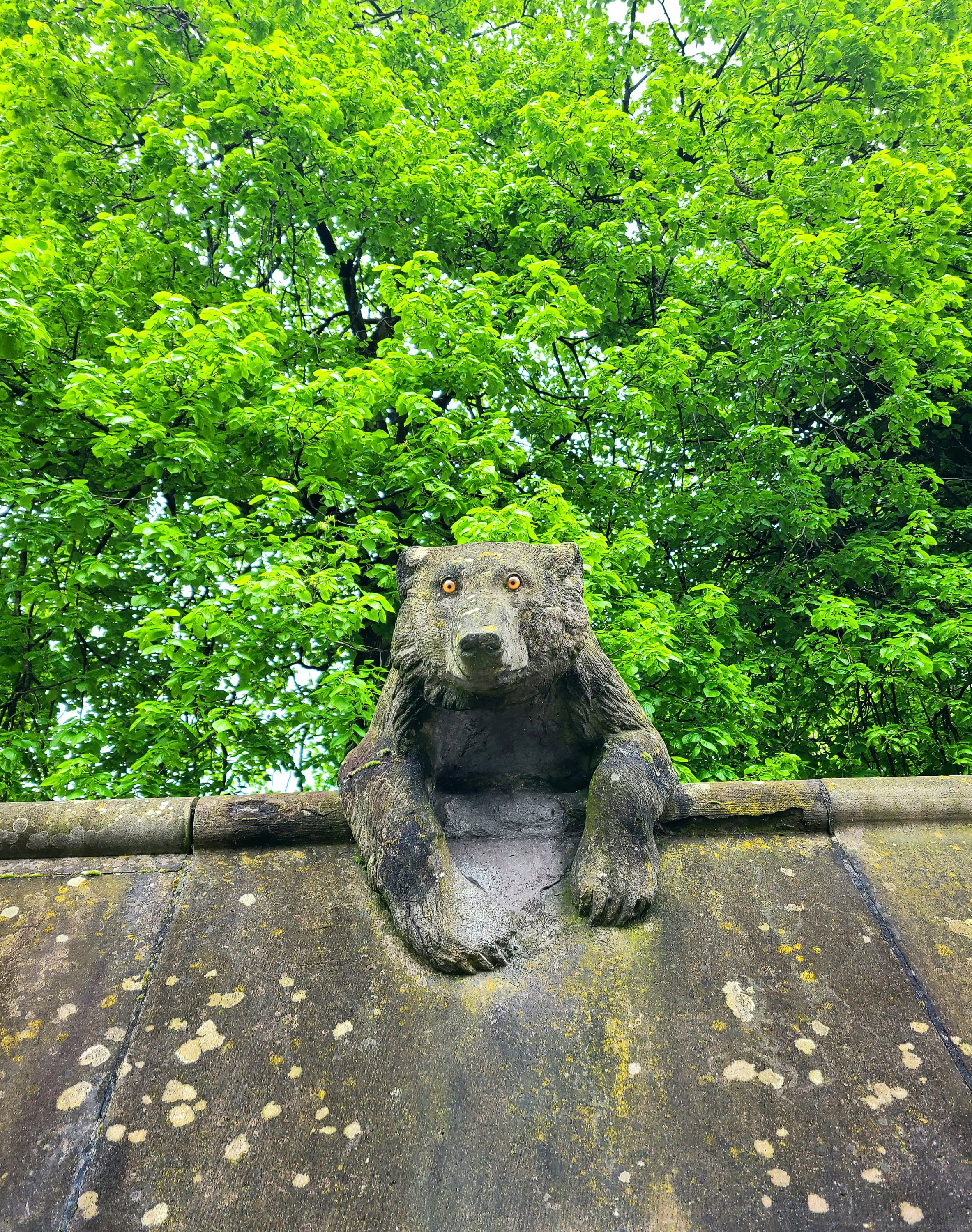
My favourite part is the section of the walls lining Castle Street, near the west entrance of Cardiff Castle, known as the “Animal Wall.” Carving of the original animals began in 1880 under the direction of the 3rd Marquess of Bute. By 1890, the first sculptures on the wall were complete, including a pair of lions, a lioness, a lynx, a bear, a sea lion, a wolf, a pair of apes, and a hyena.

The wall was moved in 1923 and additional animals were added—a vulture, beaver, leopard, a pair of raccoons, a pelican, and an anteater. You can tell the originals apart from the later ones as they have glass eyes. There are 15 in total.

The Victorian Cardiff Market, located in the centre of the city, has been around in one form or another since the 1700s. While you will no longer find livestock here, many of the old features are still retained by this lively market, and shoppers will find everything from traditional Welsh food, produce, clothing, antiques, food stalls, and more. Closed on Sundays and holidays (of course, the days I was visiting).

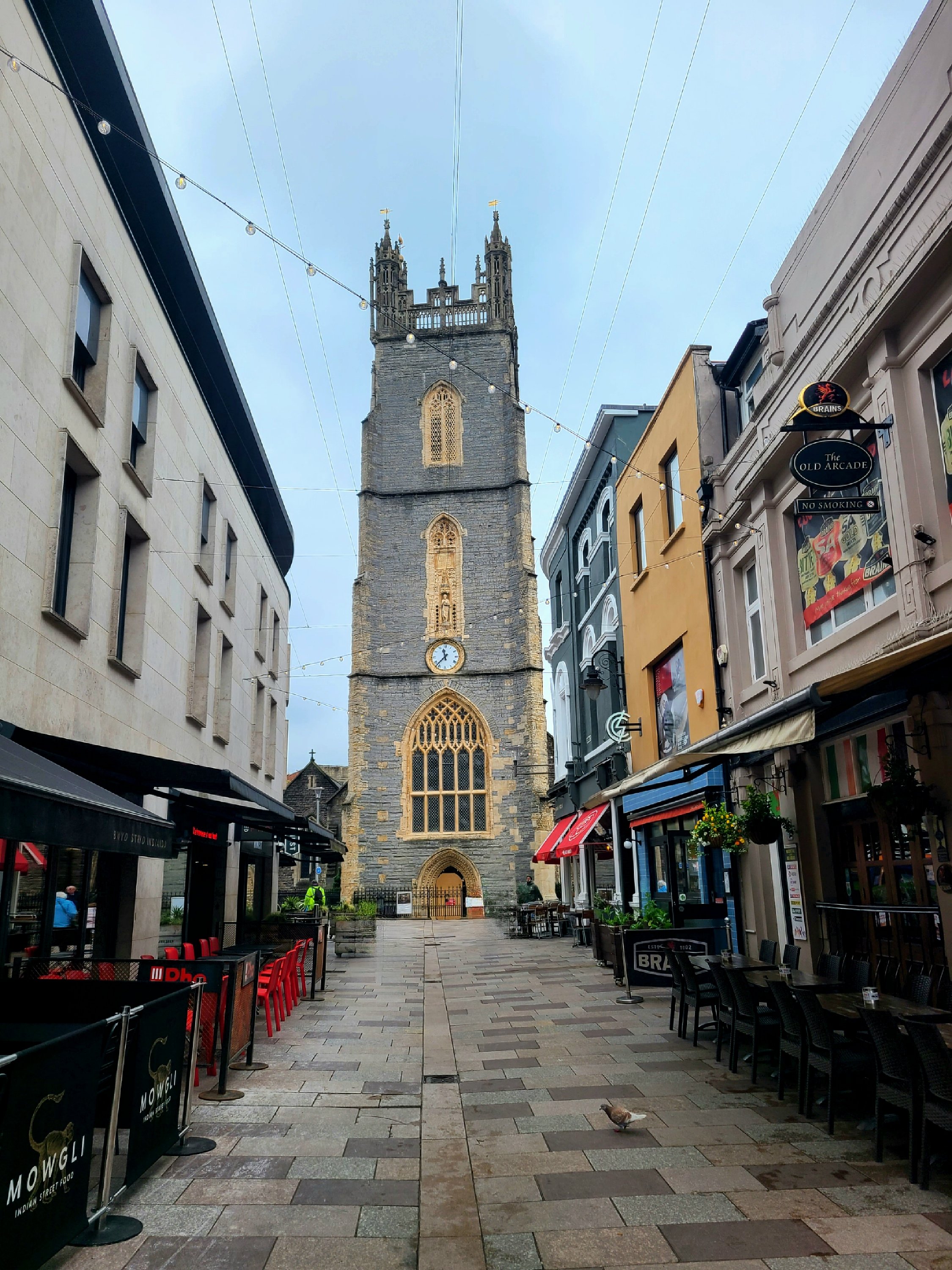
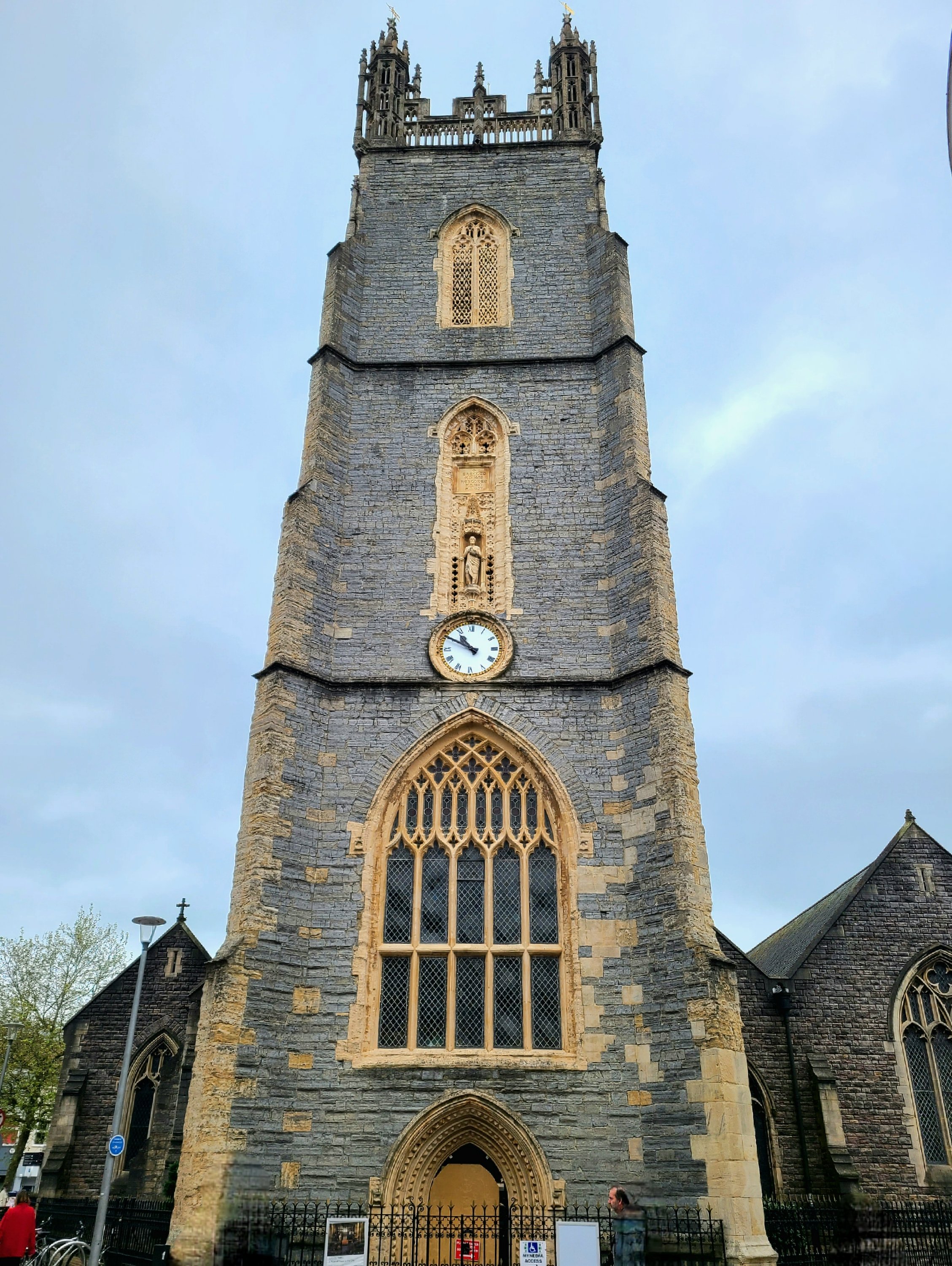
One of the oldest medieval buildings left in Cardiff is the Parish of St John the Baptist Church, located across from Cardiff Market. Originally built in 1180, the 40m tower can be seen throughout the city.

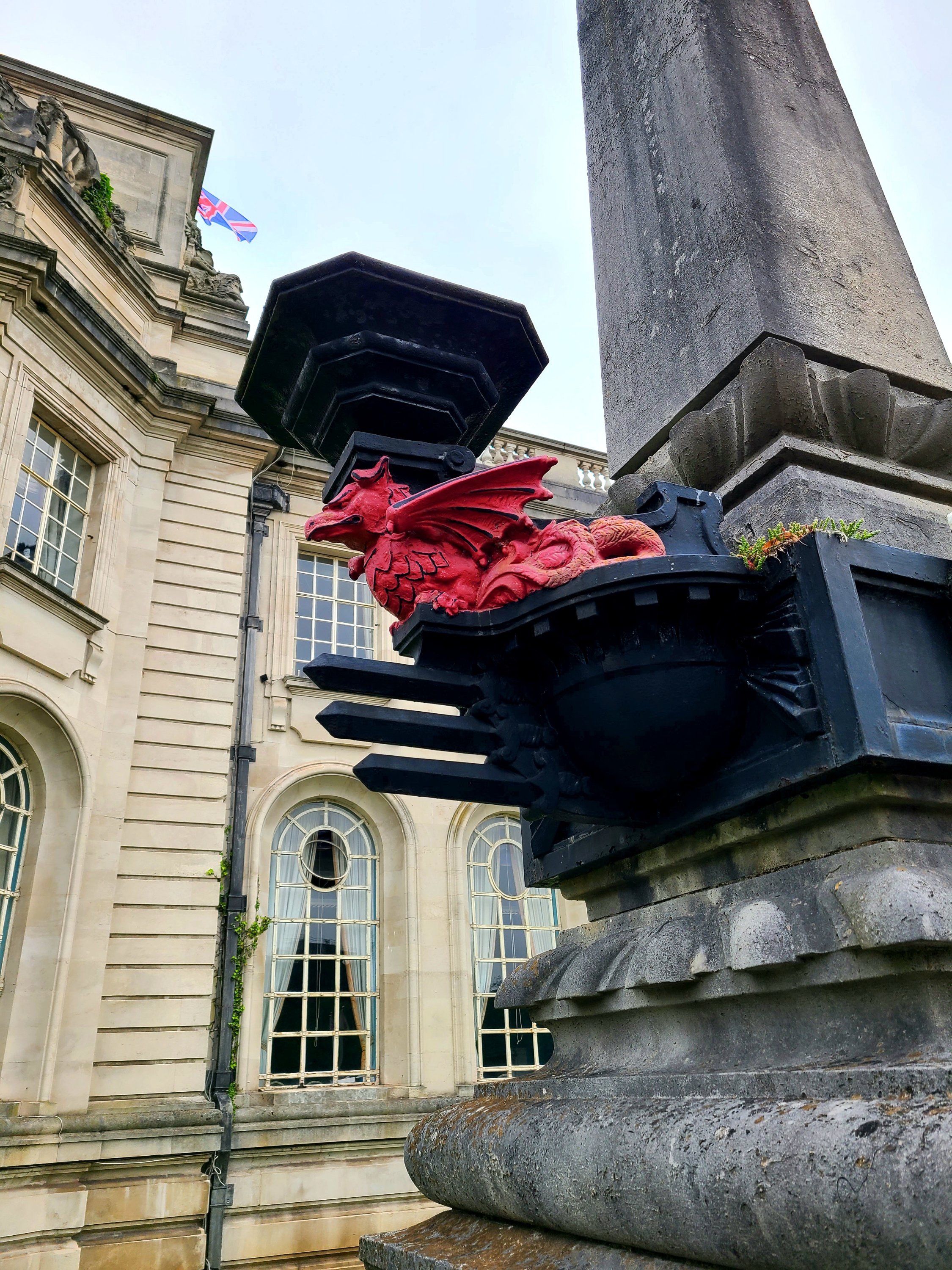
Principality Stadium, located in Cardiff centre, is the main stadium for the national rugby team, Wales’ national sport. I also learned that the national animal is the dragon, the national flower is the daffodil, and unlike any other country I know, the national vegetable is the leek! It’s said that St David, the Patron Saint of Wales, told the Welsh soldiers to wear a leek on their helmets so they could spot each other better during the battle with the Saxons!

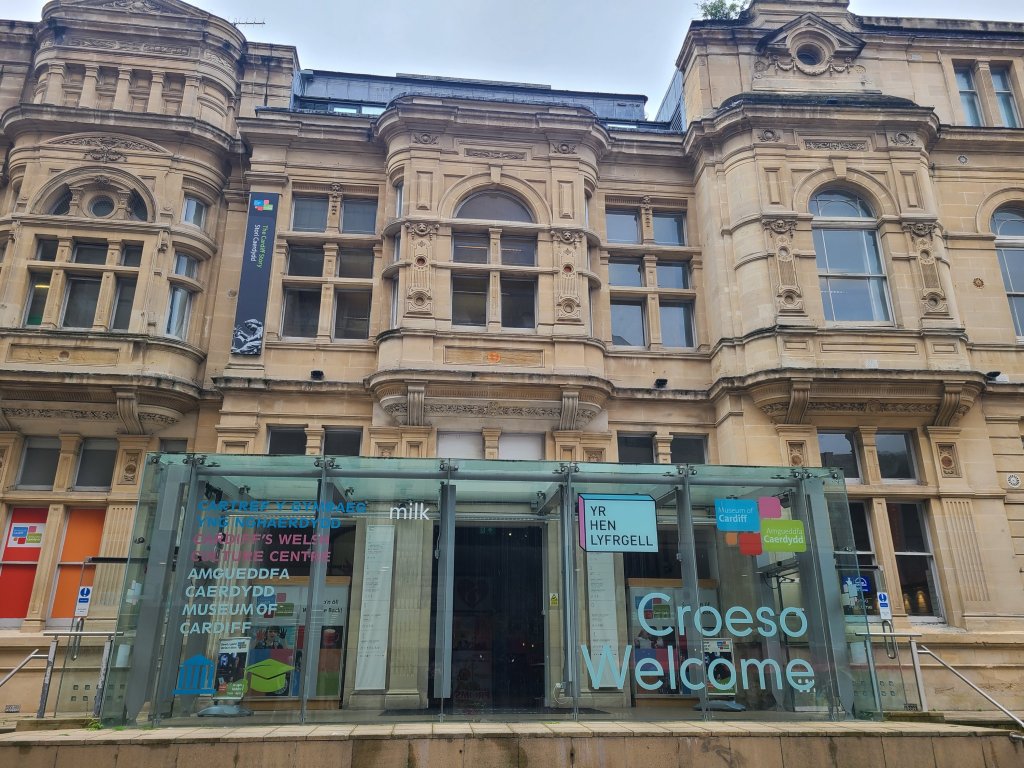
If museums are your thing, the Museum of Cardiff exhibits the history of the city with over 3000 artifacts from the city’s past. There is also National Museum Cardiff, a museum and gallery featuring special exhibits, including one currently running, ‘BBC 100 in Wales.’ Admission is free to both museums.

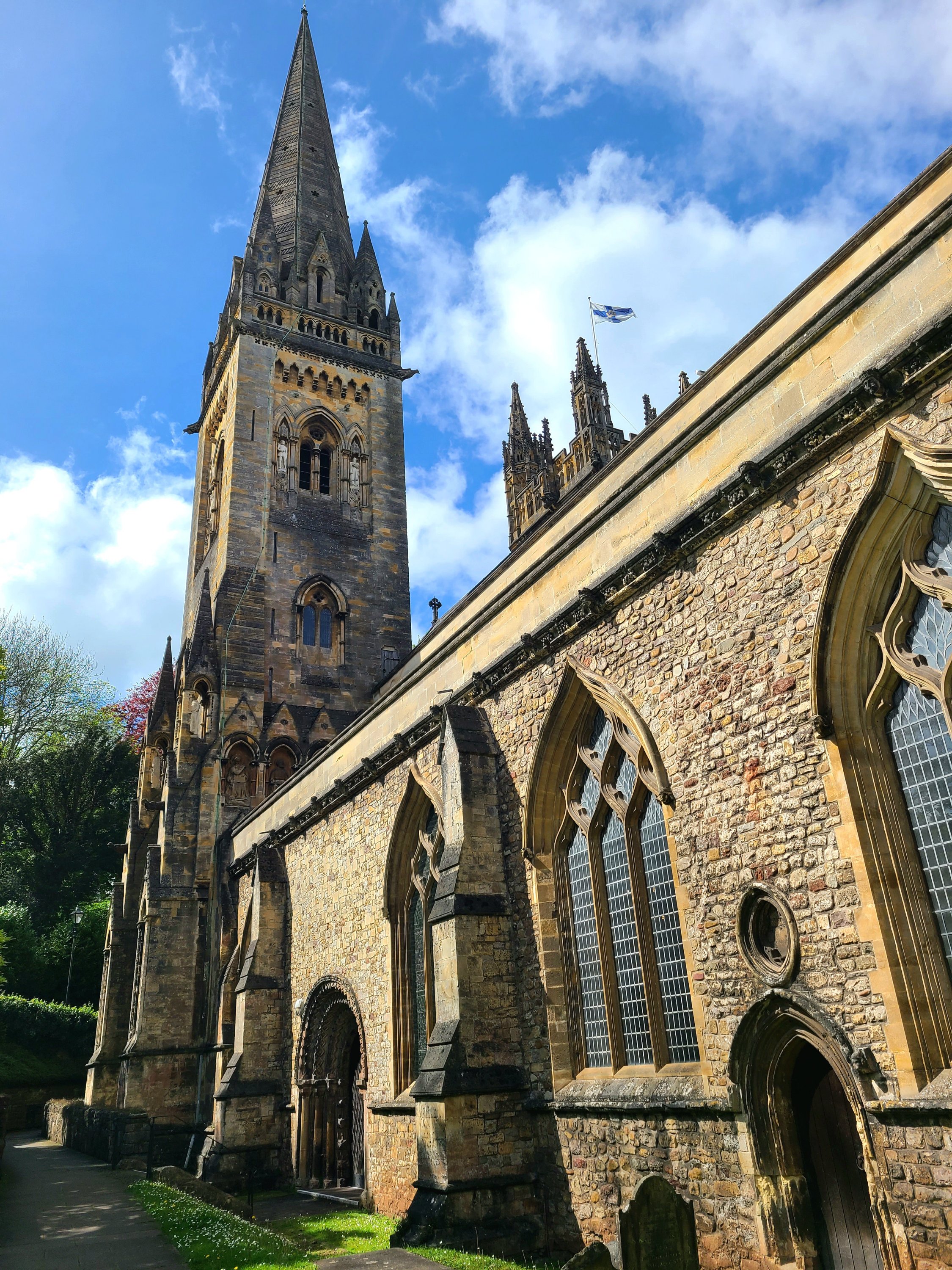
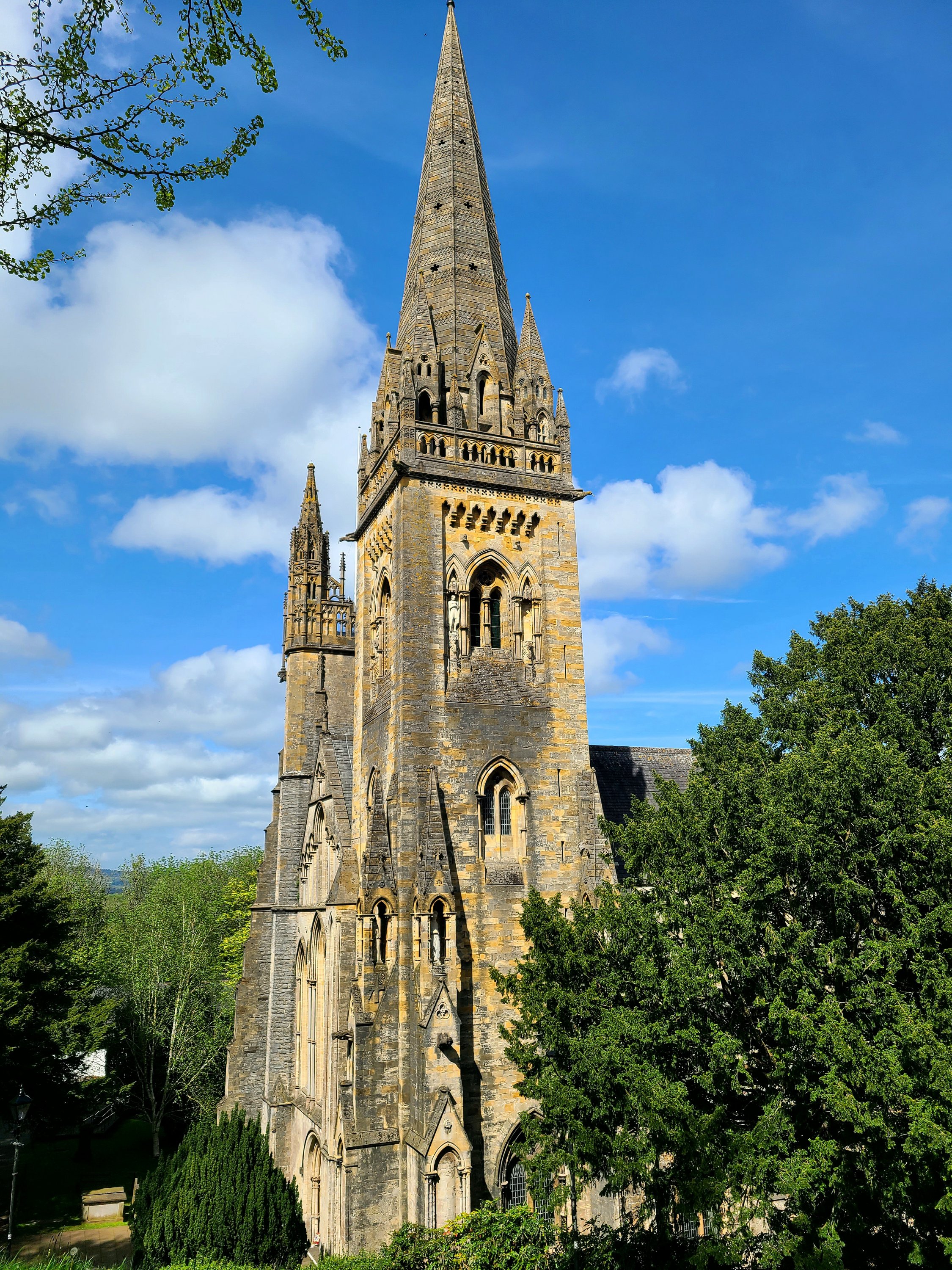
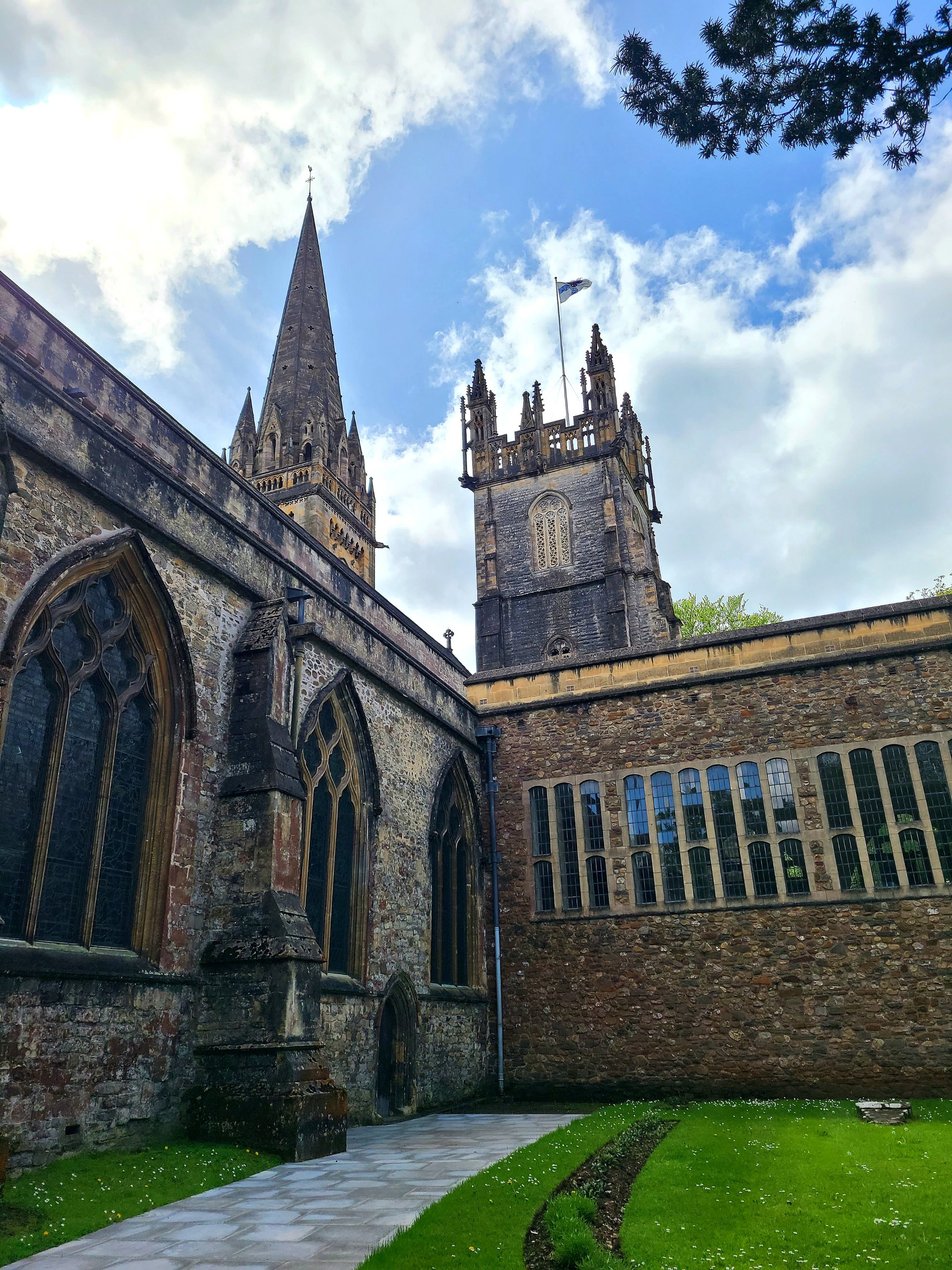
About a 35-minute walk north is stunning Llandaff Cathedral. Take a walk through Bute Park and along Pontcanna Street, with its beautiful old flats, as you make your way there.

Llandaff Cathedral stands on one of the oldest Christian sites in Great Britain, dating back to the 6th century. The present Cathedral dates back to 1107 and is considered to be one of the most notable medieval works of art in Wales.

I never thought of Cardiff as a foodie destination, but there are tons of restaurant options in Cardiff, including some serving traditional Welsh fare.

I had dinner at The Botanist and fell in love with the decor. I felt like I was eating dinner in a fancy greenhouse, where they played live music in a gazebo (including a great rendition of Dolly’s ‘Jolene’ by request!) and have a delicious Sunday Roast menu as well as their famous hanging kebabs.

And, of course, no trip anywhere in the UK is complete without a pint or two at one of the many local pubs!

Getting there:

Fly into Rhoose Cardiff International Airport. While the train doesn’t connect directly to the airport, there is a shuttle bus (£2) that takes you to Rhoose Cardiff International Rail Station where you can catch a train to Cardiff Central Station. (£5.20+)

You can also take trains, buses, or drive from England, Scotland, and the rest of Wales.

I found the train system in Wales to be excellent and you can easily book your tickets in advance online, usually saving you money. 

Categories: Blog, Europe, Photo, Where in the World | Tags: , , , , , , , , | Leave a comment

Blog at WordPress.com.