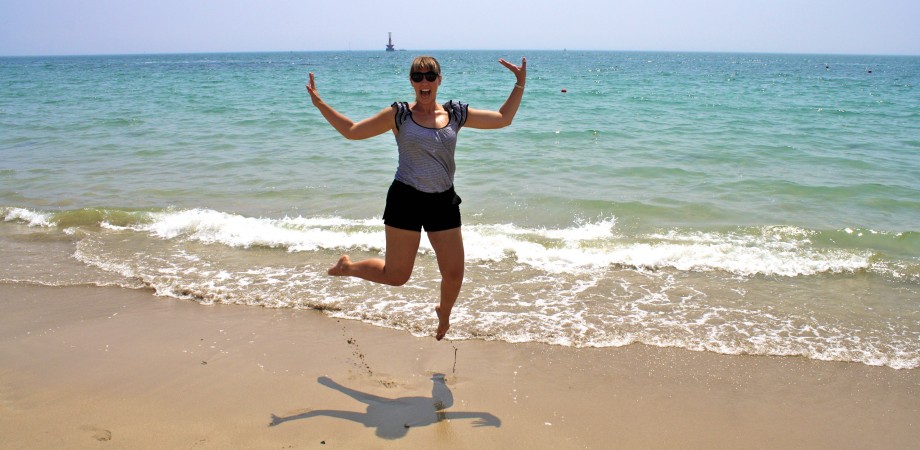
Nestled in the Balkans along the Adriatic coast with rugged mountains, medieval villages and beautiful beaches, Montenegro has something for everyone. It only became an independent country in 2006 and while they are not officially part of the European Union yet (scheduled for 2028 as long as the requirements are met) they do use the Euro as their currency.

You could easily spend a week or so exploring this beautiful country, but if you are short on time, you can get a good feel for Montenegro in a full day.
It is an easy day trip from Dubrovnik either by car or by bus.
After crossing the border, we made our way to the small town of Perast, on the Bay of Kotor.
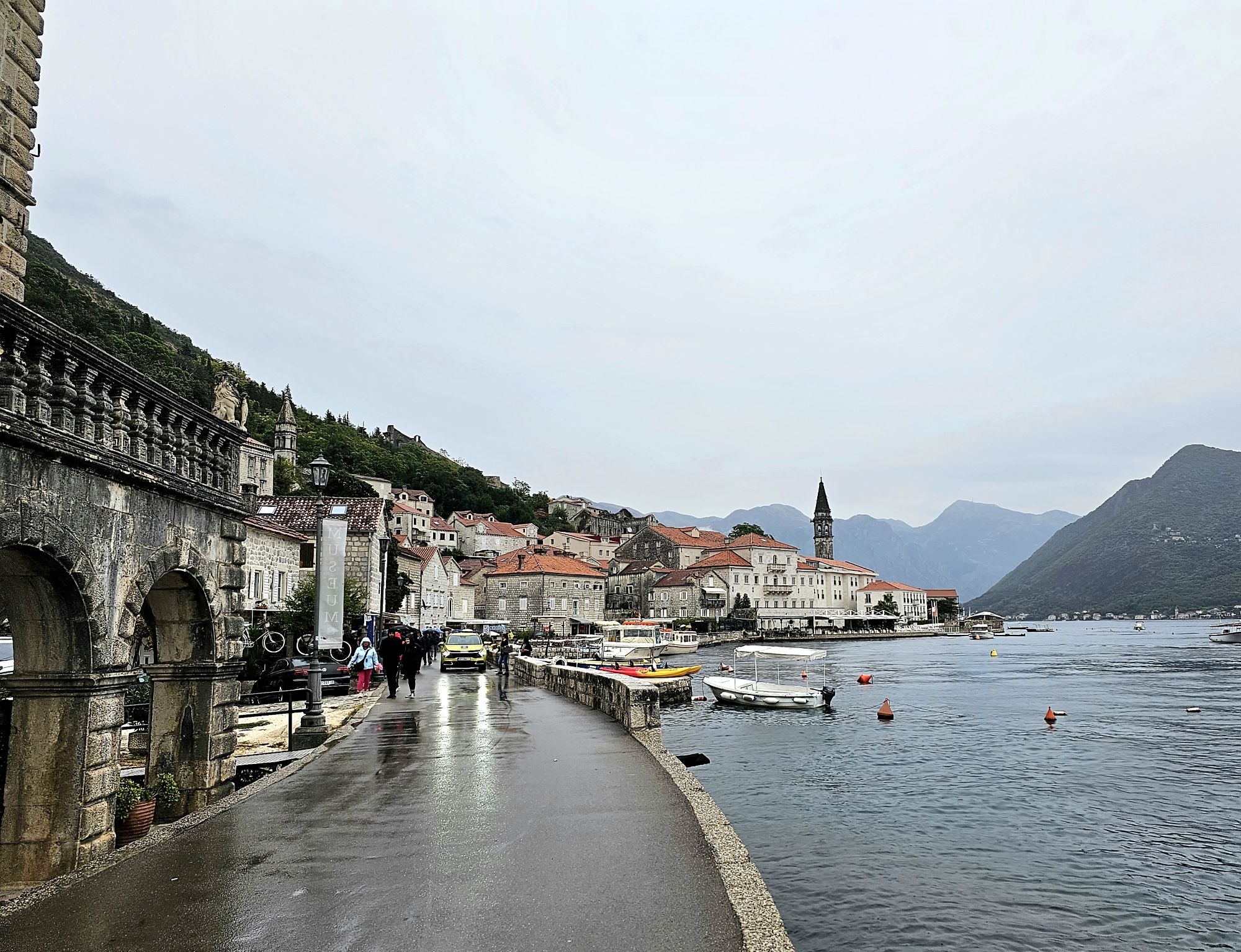
From here, you can board a boat and head out into the Bay of Kotor to visit Our Lady of the Rocks. (€10 RT).

This small islet was created by a bulwark of rocks and made bigger by sinking ships loaded with more rocks. The Roman Catholic Church of Our Lady of the Rocks is the only building found on the islet.
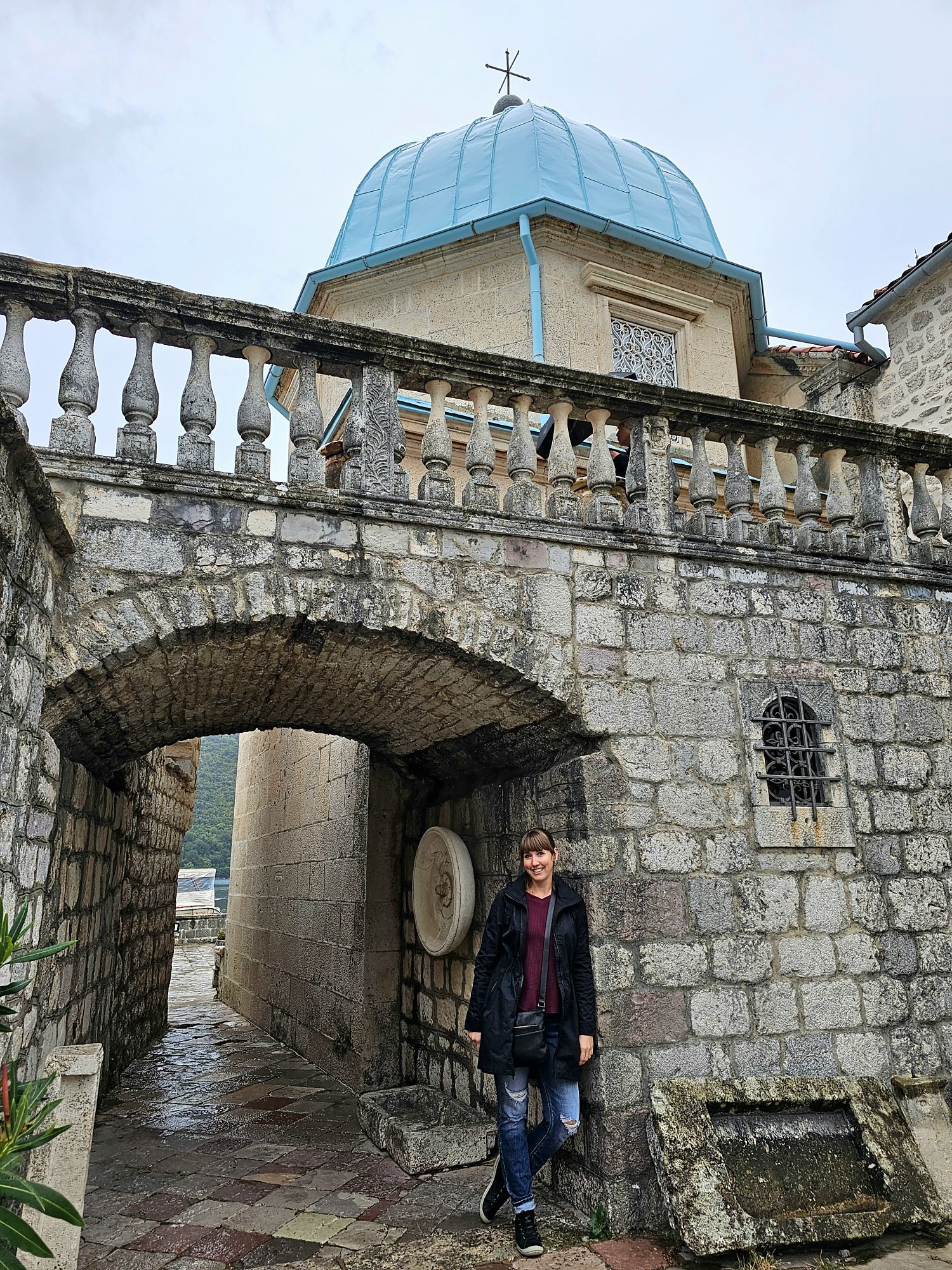
According to legend, the islet was built over the centuries by sailors after finding the icon of Madonna and Child on the rock in the sea on July 22, 1452. From then on, after each successful voyage, they laid a rock in this spot in the bay. Over time, the islet gradually emerged from the sea. This tradition continues today, when every year at sunset on July 22, local residents take their boats and throw rocks into the sea continuing to widen the surface of the island!


The first church was built in 1452. It was later taken over by the Catholics and in 1632 the present Church of Our Lady of the Rocks was built and then later renovated in 1722. It costs €2 to enter, but is well worth seeing the beautiful artwork inside. This includes 68 paintings by Tripo Kokolja, a local 17th-century baroque artist, silver votive tablets and the famous votive tapestry embroidered by another local, Jacinta Kunić-Mijović. It took her 25 years to complete her work and she went blind in the process. She used gold and silver fibres but what makes this tapestry so famous is the fact that she also embroidered her own hair into it.
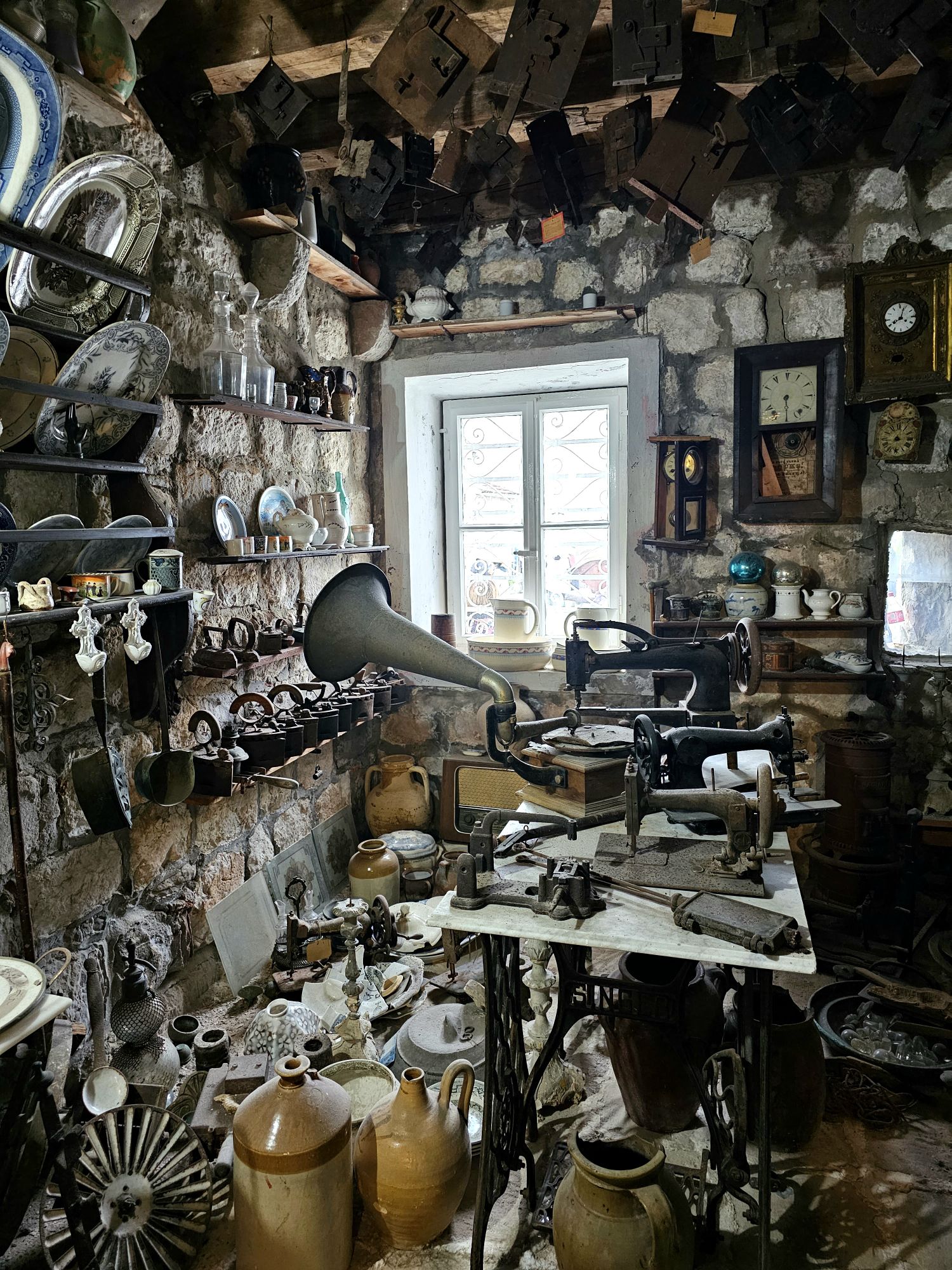
Today, the upstairs area has been turned into a museum filled with artifacts from life in Perast including beautiful paintings, tools, weapons and household items.
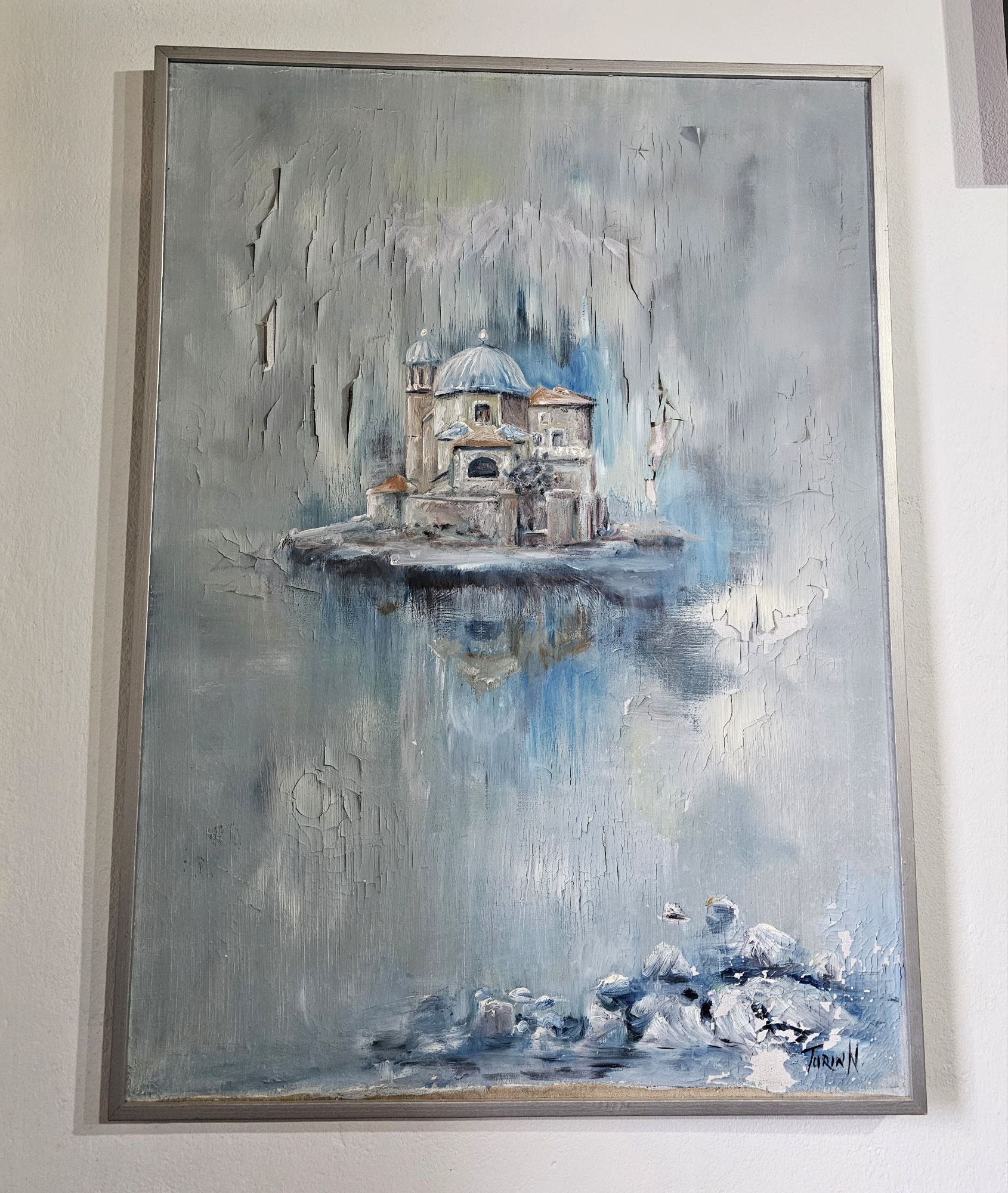
There is another islet nearby, Sveti Dorde or St George Islet, which has a small monastery from the 12th century and a cemetery for Perast nobility.


The town of Perast itself is small, but worth a wander around if you have a chance. The seafront promenade runs for 1.5km along the bay, making it the perfect place to go for a stroll.
From here, we continued around the Bay to Kotor, making our way to Kotor’s famous Old Town.
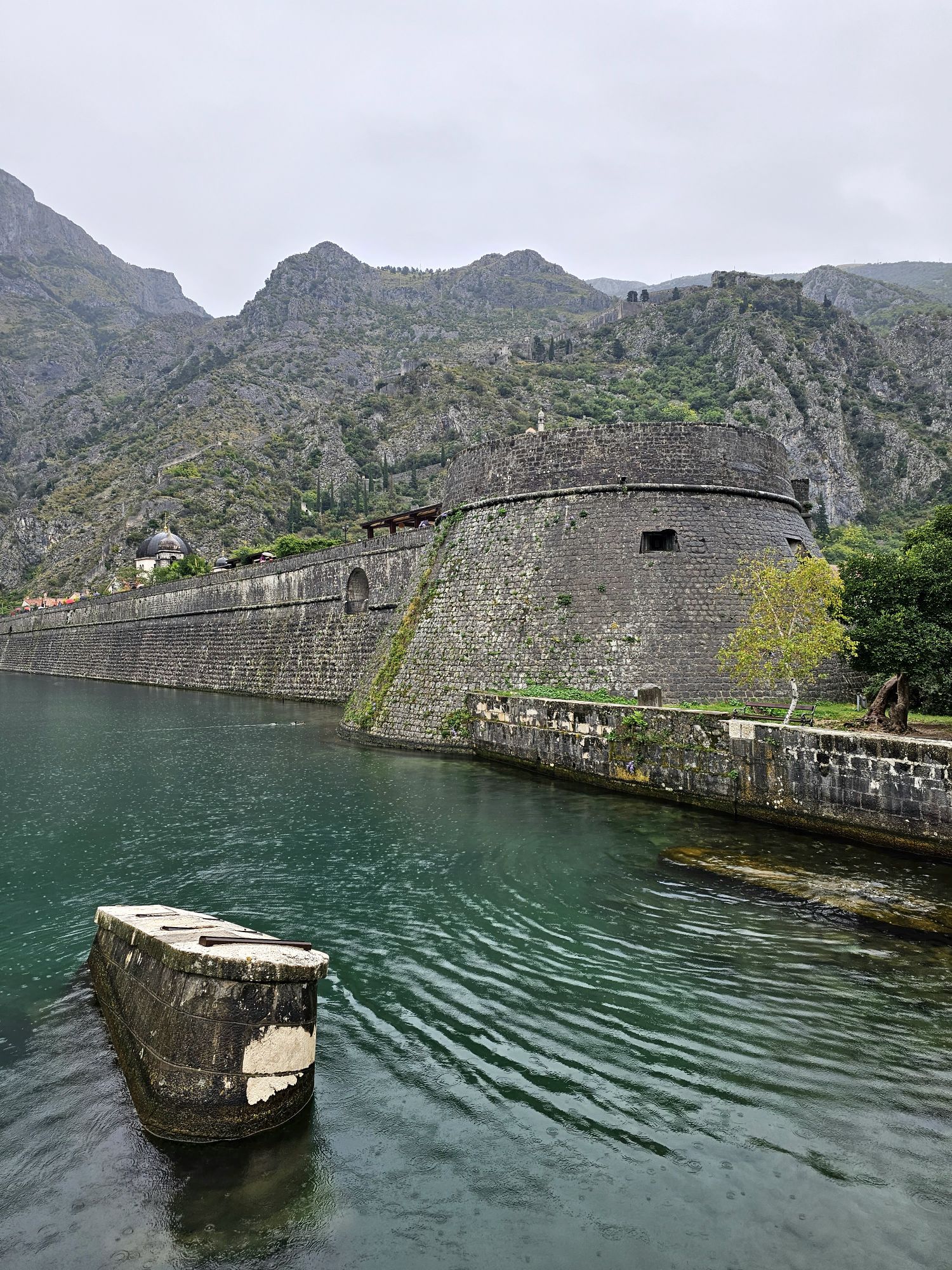
Old Town is completely walled in and it costs €1 to enter through the main gates, built in 1555.

You can walk a small section of the walls for free, but you need to pay if you want to head up into the hills. (Cost €8) The free section has great views of the hills, the water below and several of the churches inside the walls.

Old Town is listed as a UNESCO World cultural site and it is easy to see why. I loved wandering around the cobblestone streets with all the old sandy coloured medieval buildings with their dark green shutters and terracotta roofs. There are a number of old churches found here. The most famous one is St. Tryphon’s Cathedral.

Now a church and a museum, this is definitely one of the most impressive looking buildings. It was built in 1166 and then reconstructed after it was damaged by several earthquakes. The front was also destroyed in 1667 and during the renovation, baroque bell towers were added. However, the one of the left remains unfinished and is shorter than the one on the right.


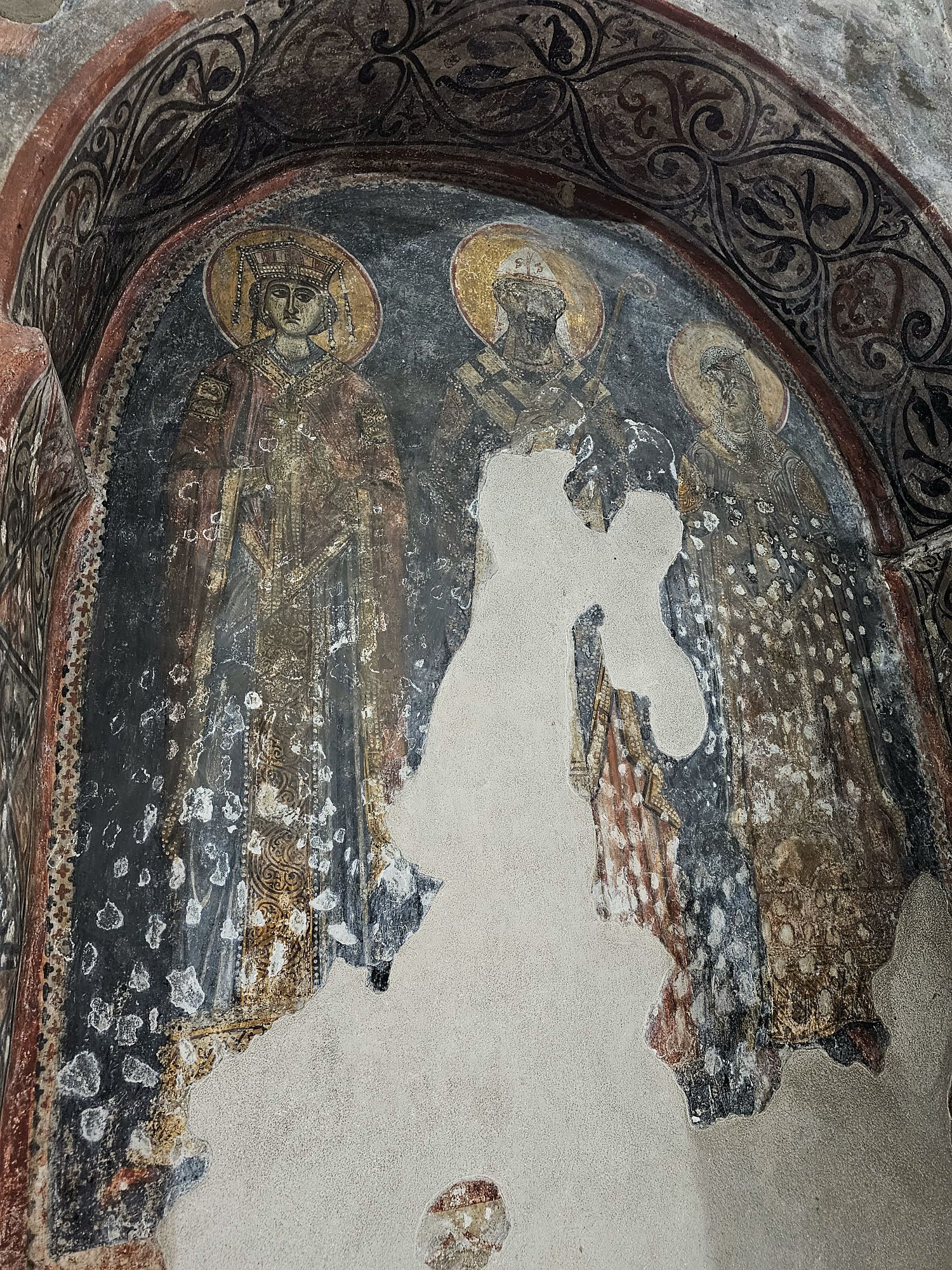
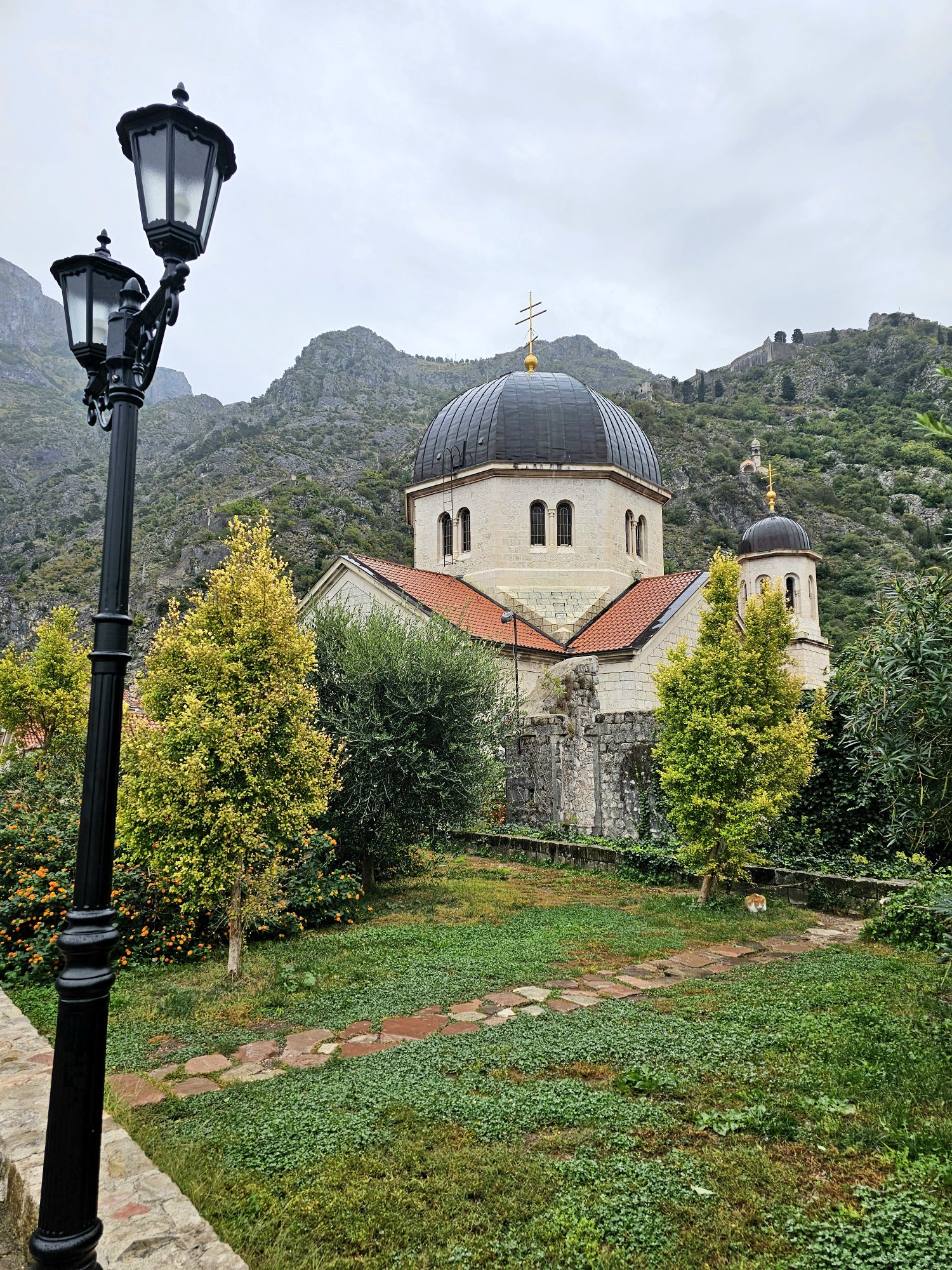
The Serbian Orthodox Church, Sveti Nikola is found in St. Lukes Sq with two large green domed towers and a Serbian Flag. It is beautiful inside with vaulted ceilings, paintings and ornate carvings. In the same square you will find Sveti Luka, a smaller church from 1195 containing some of the original fresco murals painted on the walls. There are a number of other churches located in Old Town, many of which you can enter.
There are also lots of shops, restaurants and cafes found in within the walls of Old Town Kotor.
We stopped for a slice of Moskva Snit cake, which was highly recommended as a local dessert. Made with pineapples, sour cherries, almond and butter cream, it was delicious!

If cats are your thing, there is also a Cat Museum located here. As my husband is allergic, we decided not to explore this one, but you will find cats everywhere. They are loved and considered sacred here. They are seen as good luck as they get rid of mice, rats and snakes and by doing so helped to protect the city from disease. You will find cat souvenirs in every store!
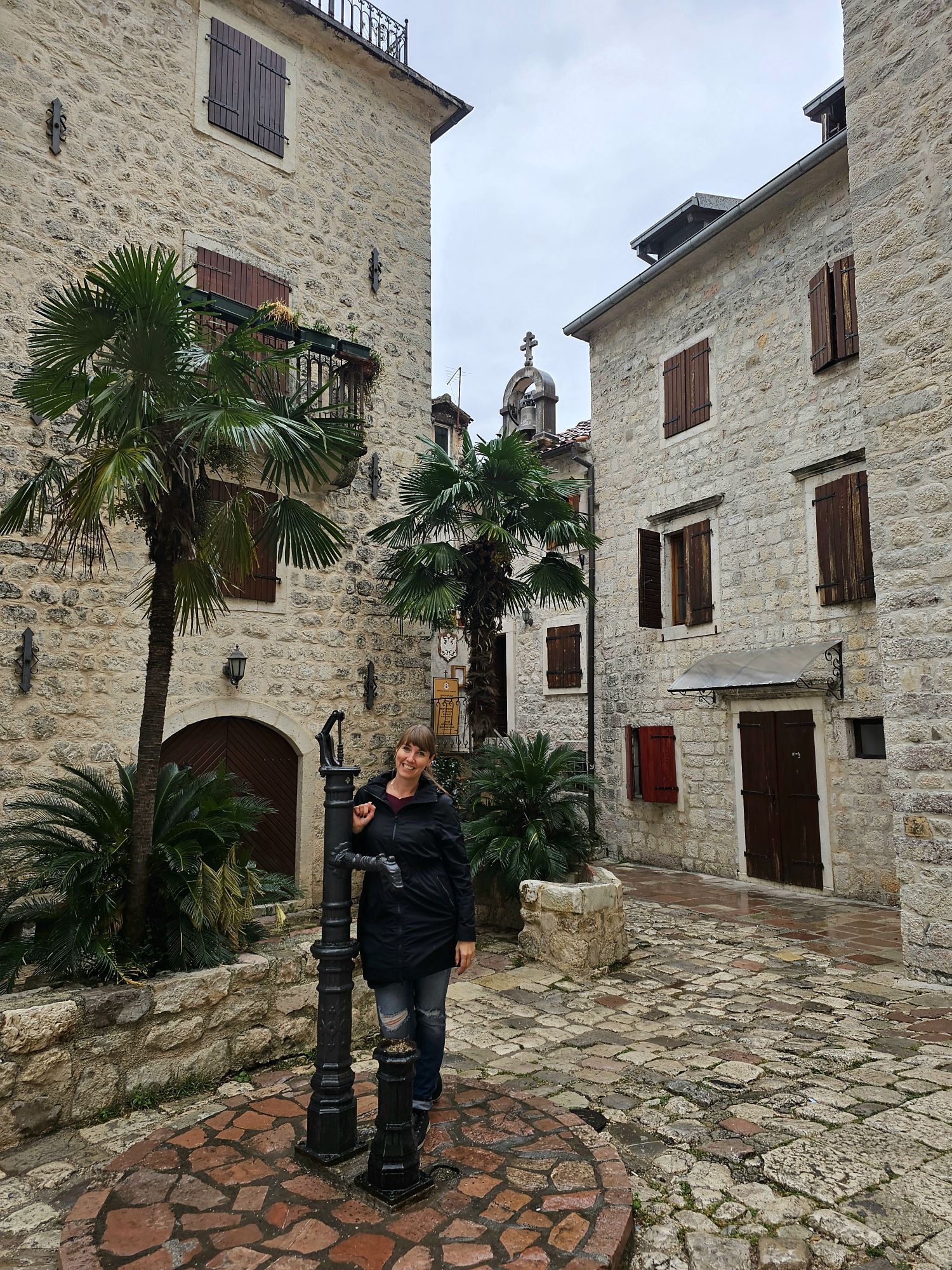
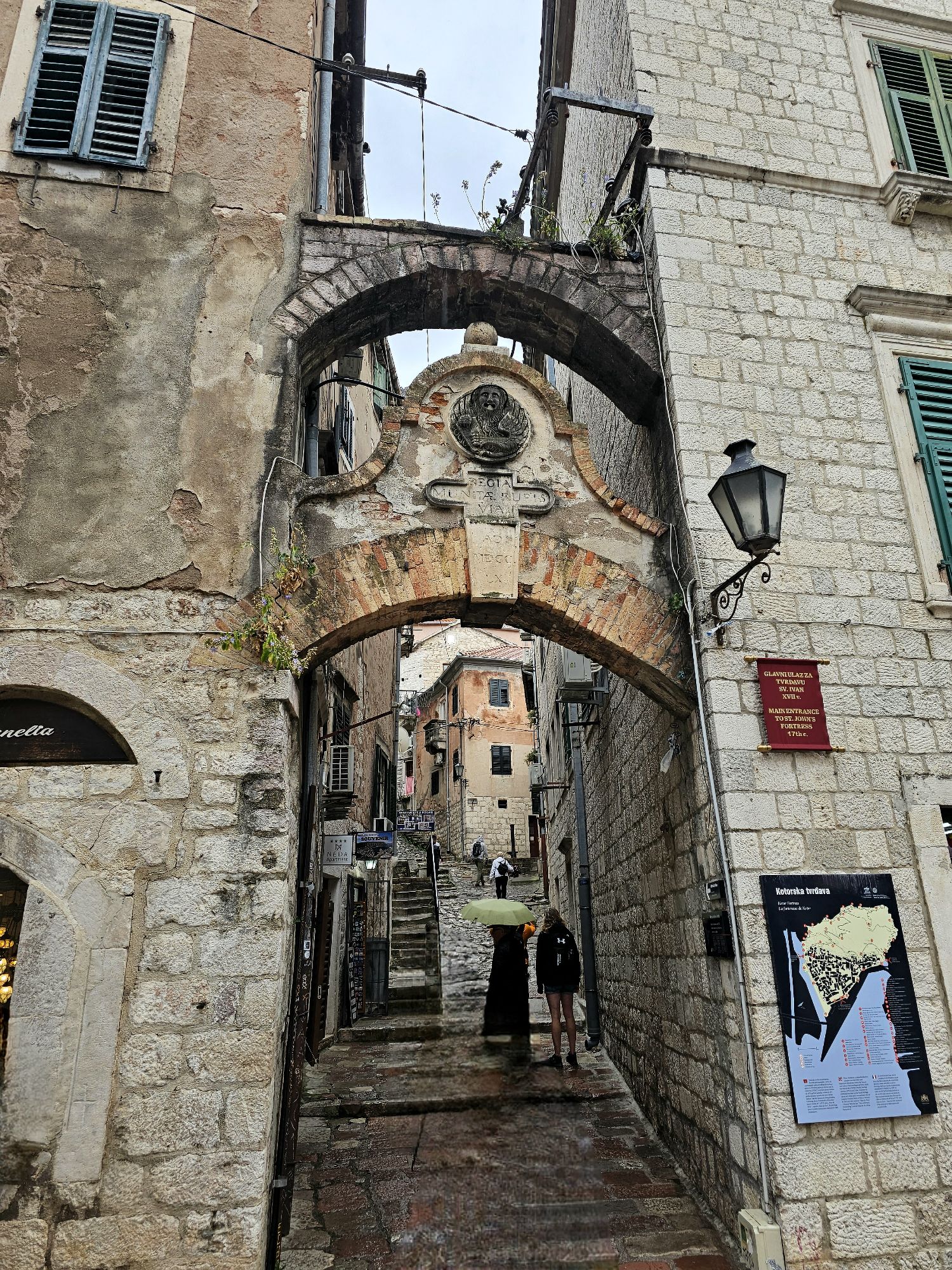

I loved just wandering around the cobblestone streets and through the narrow alleyways. Such a beautiful place to explore!
About a 30 minute drive along the Bay of Kotor, you’ll find Budva, a summer beach getaway on the Adriatic Sea.

‘Budva Riviera’ is known for its sandy beaches and nightlife. This part of Montenegro is growing and there is construction everywhere. However, amongst all the new builds is the Venetian walled Old Town- Stari Grad. While it is much smaller than Kotor’s Old Town, it is definitely worth exploring.

Located right on the water, next to a marina filled with fancy yachts and fishing boats, you can enter into Old Town through one of the five gates. Budva dates back 2500 years, making it one of the oldest settlements on the Adriatic coast.

Just like in Kotor, there are many beautiful old churches found amongst the cobblestone streets. Including the Church of St John the Baptist, built in the 7th century AD, which is considered to be one of the oldest churches on the Adriatic Coast. Nearby is the Church of the Holy Trinity, a pretty pink and white stone building from the 19th century with beautiful mosaics above the door located in the Square of Salt. There are a few other churches along the seawall, including the Church of St Sabbas the Sanctified from the 12th century and the Church of Santa Maria in Punta, built in 840 AD, another one of the oldest buildings on record in Budva.
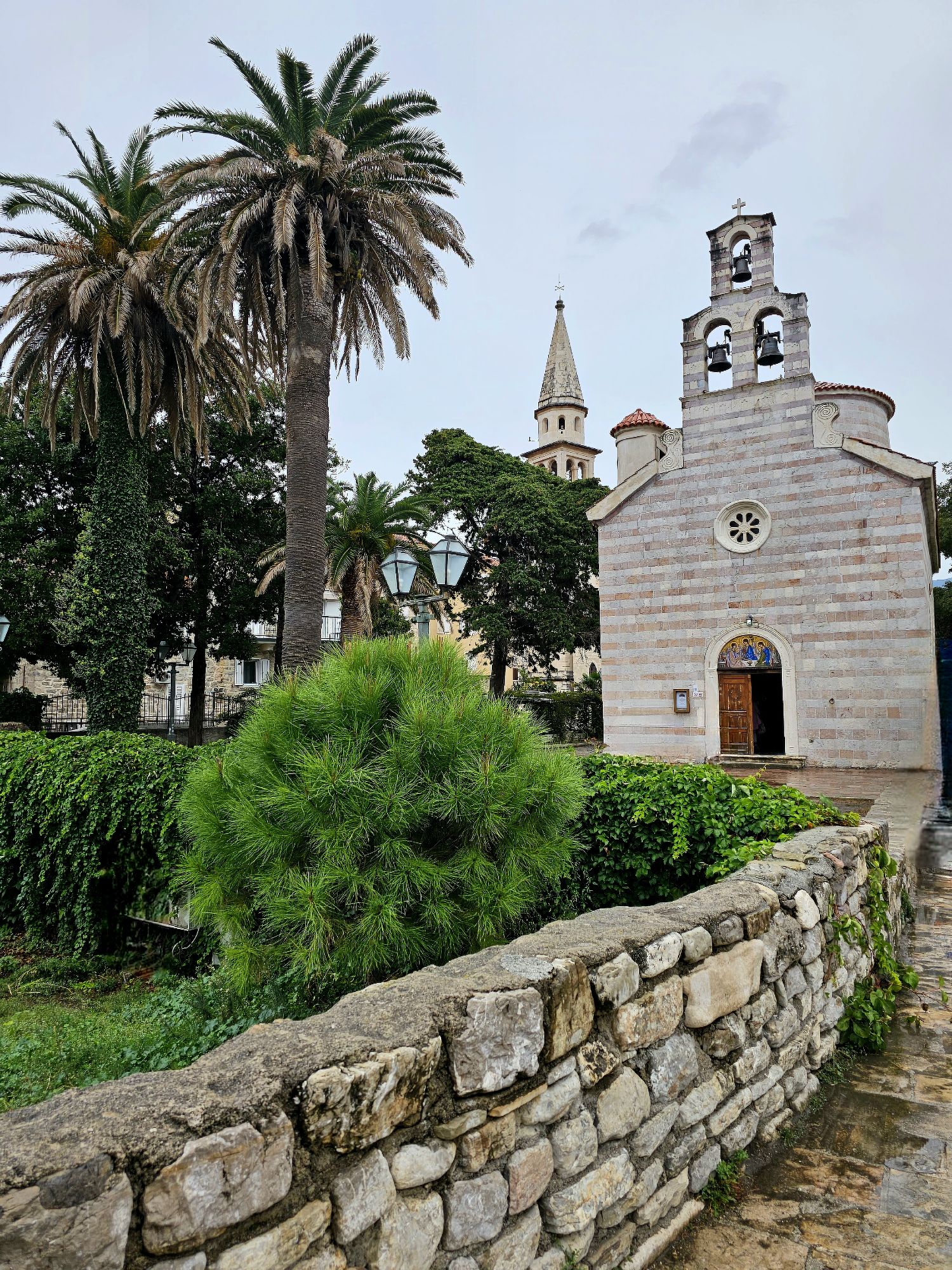
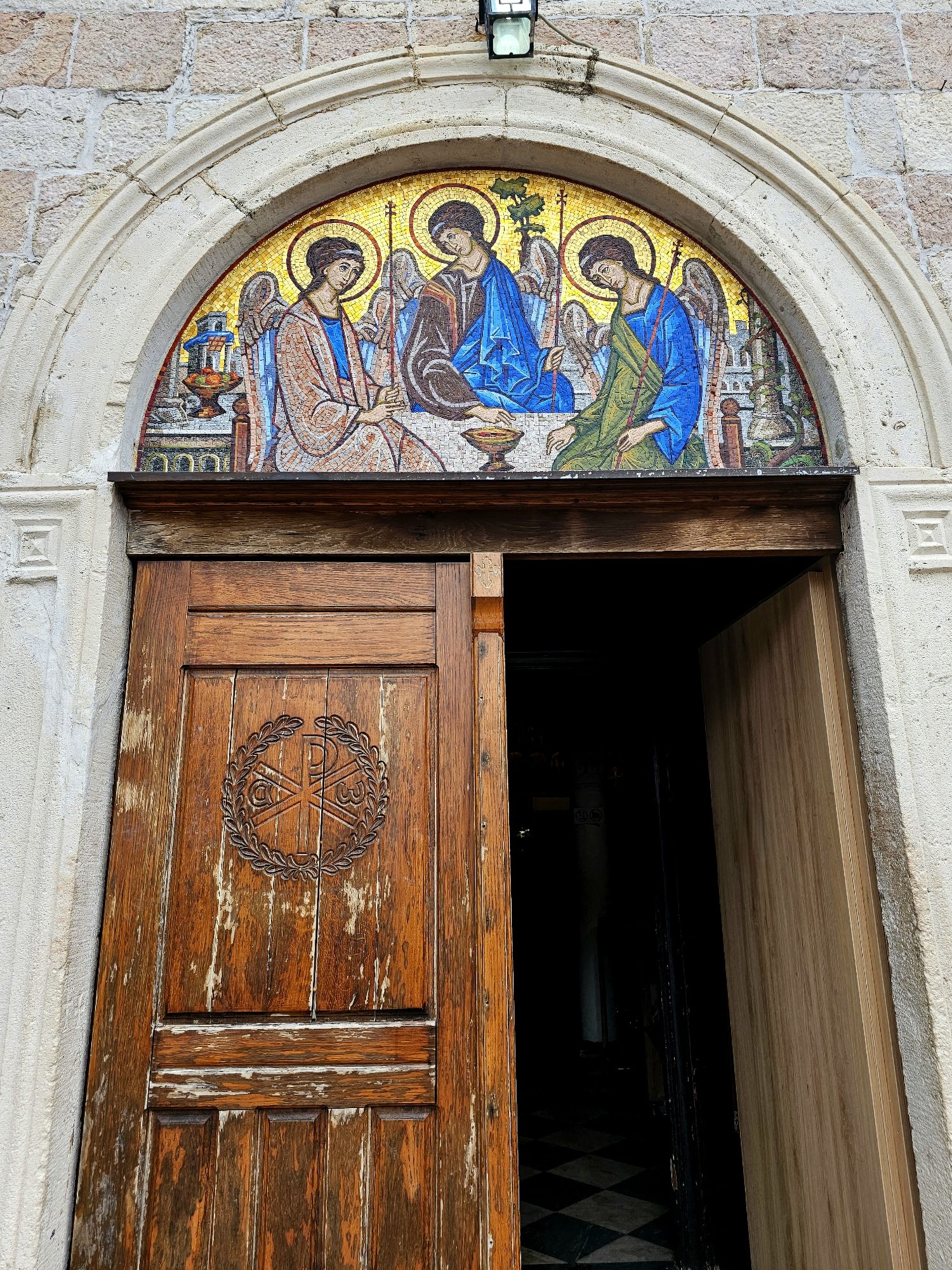
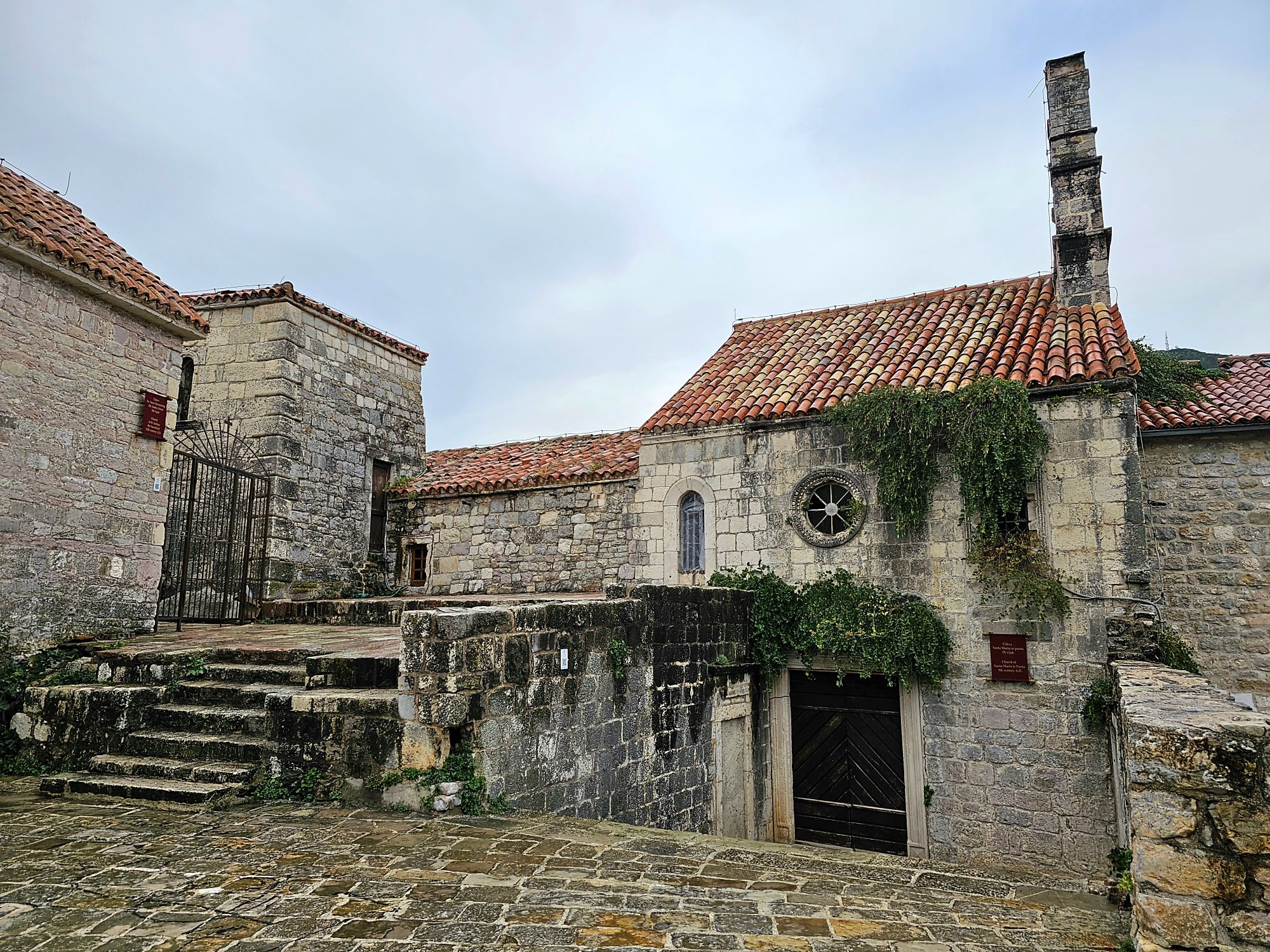
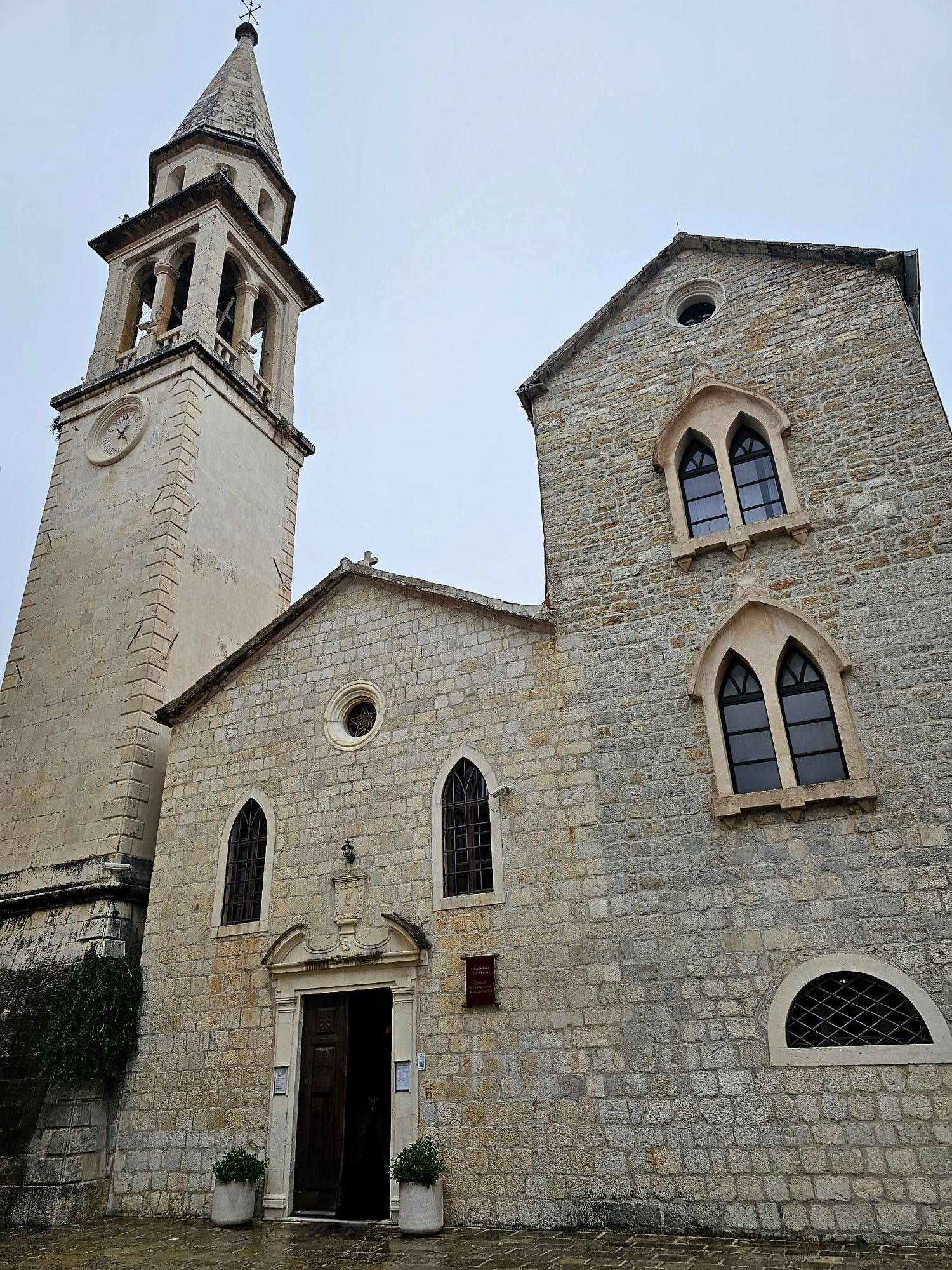
From Salt square, the walls lead to the Citadel, right along the sea. Part of it was built in 840 with the present version being built in the 19th century during the Austrian Occupation in WWII and just like in Kotor, you will find cats everywhere, including enjoying an afternoon at the beach!
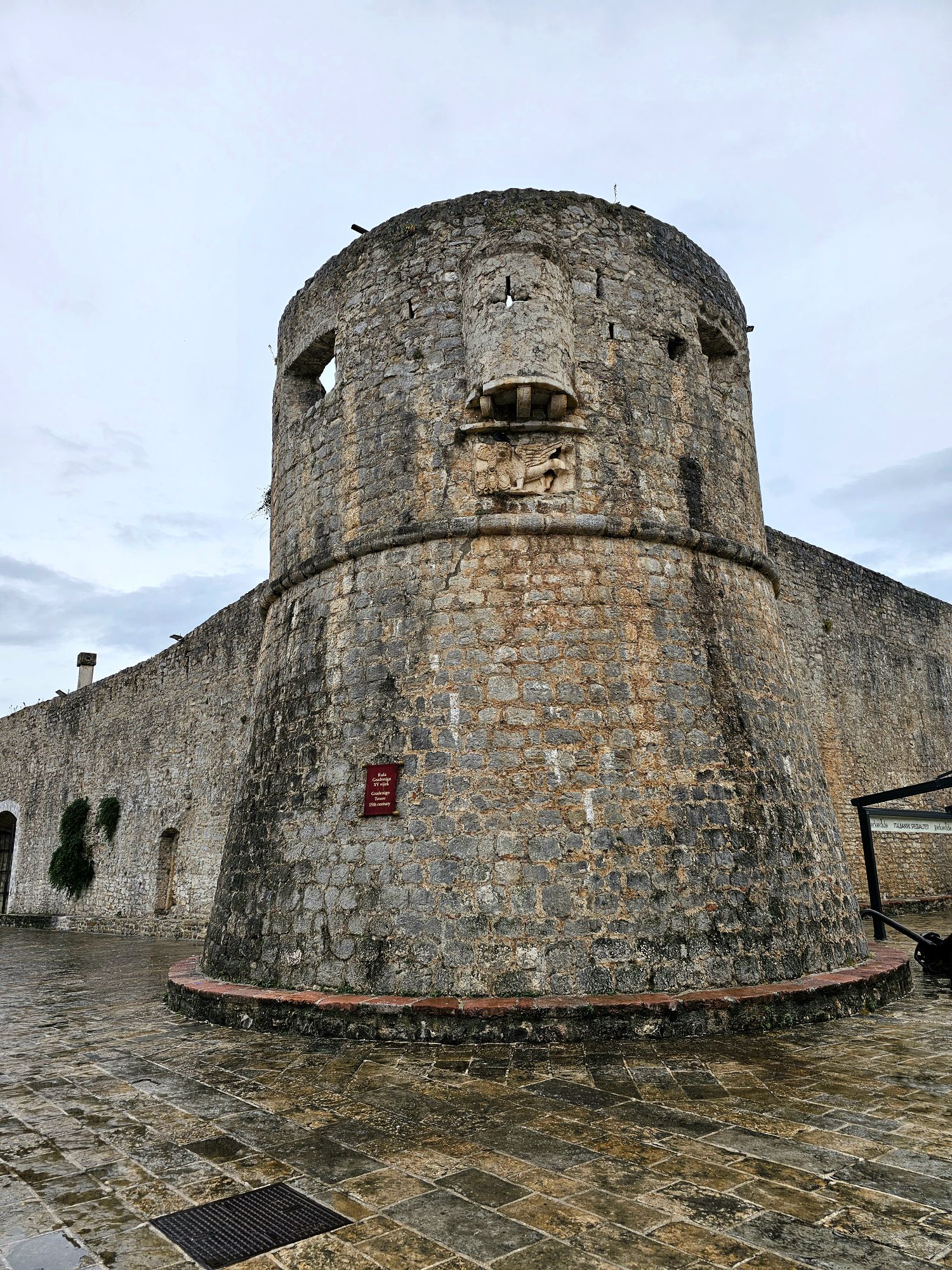
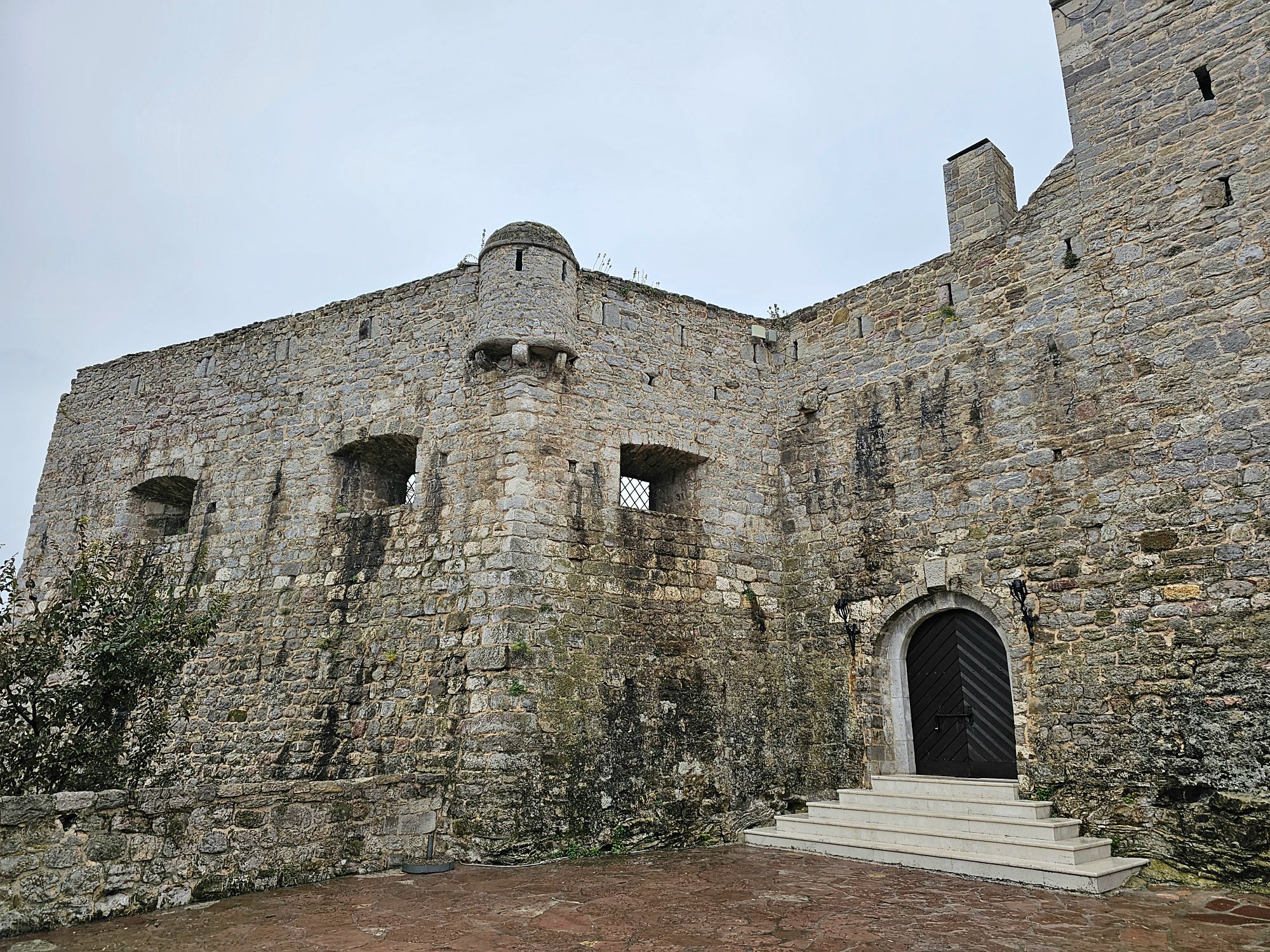

After exploring Old Town, we enjoyed a delicious seafood lunch at Jadran’s by the water with a local Niksicko beer.

From there, we caught the ferry back across the Bay of Kotor, which I highly recommend as it saves time on the drive and the views are beautiful!

We booked our bus trip with Super Tours and they picked us up from our hotel in Dubrovnik and dropped us back off after a full day touring around Montenegro. As we only had one day, we opted to go this route and thoroughly enjoyed our tour, seeing some of the main highlights of Montenegro!
 Tales of a Travel Addict
Recent Comments