

Chichen Itza is arguably the most famous and most visited Mayan site in the world. This Mayan era wonder has been on my travel list for a while and I couldn’t wait to check it out.
The Mayan’s lived in the area surrounding Chichen Itza for 800 years beginning as early as A.D 432.
Recently, this World Heritage site was awarded another honour when it was named one of the New Seven Wonders of the World.
Chichen Itza has some of the largest buildings of the ancient Mayan cities and became the most powerful city in the Yucatan during the classic Mayan era ( AD 750-950)

The most famous of the structures here is the Castillo de Kukulcan. While you can no longer climb the pyramid, Castillo de Kukulcan remains quite the sight. Carvings, panels and the steps of the pyramid are all part of the intricate Mayan calendar.
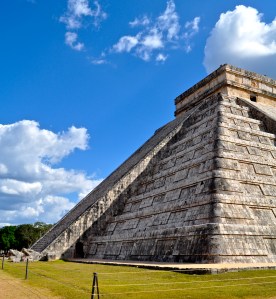
If you are lucky enough to be here during the spring or autumn equinox (March 21 or September 21) you will be able to see the snake make its way down the pyramid. The genius of this architecture makes it appear like a serpent is moving down the pyramid to join its head at the bottom. Over the course of 34 minutes it slithers its way down 364 steps to the giant head as the sun sets.
While Chichen Itza is definitely not one of Mexico’s ‘off the beaten path’ sights, you can try and beat the busloads of tourists by getting here early in the day. This also helps with the heat, as there are limited shady areas close to the structures and the Mexican sun is a hot one!
Once here, definitely consider hiring a guide to take you around the various structures. They add life to these ancient buildings and give you insight into what life was like for the Mayans with their many stories about the structures. By doing so, you’re also helping the local economy, where tourism is a major source of income for many locals.
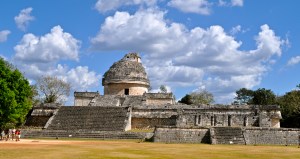
Moving on from Kukulcan, another main building is the Observatory, named for its round shape. Three slots in the top level point due south and toward the setting sun and moon during the equinoxes.

The Nunnery
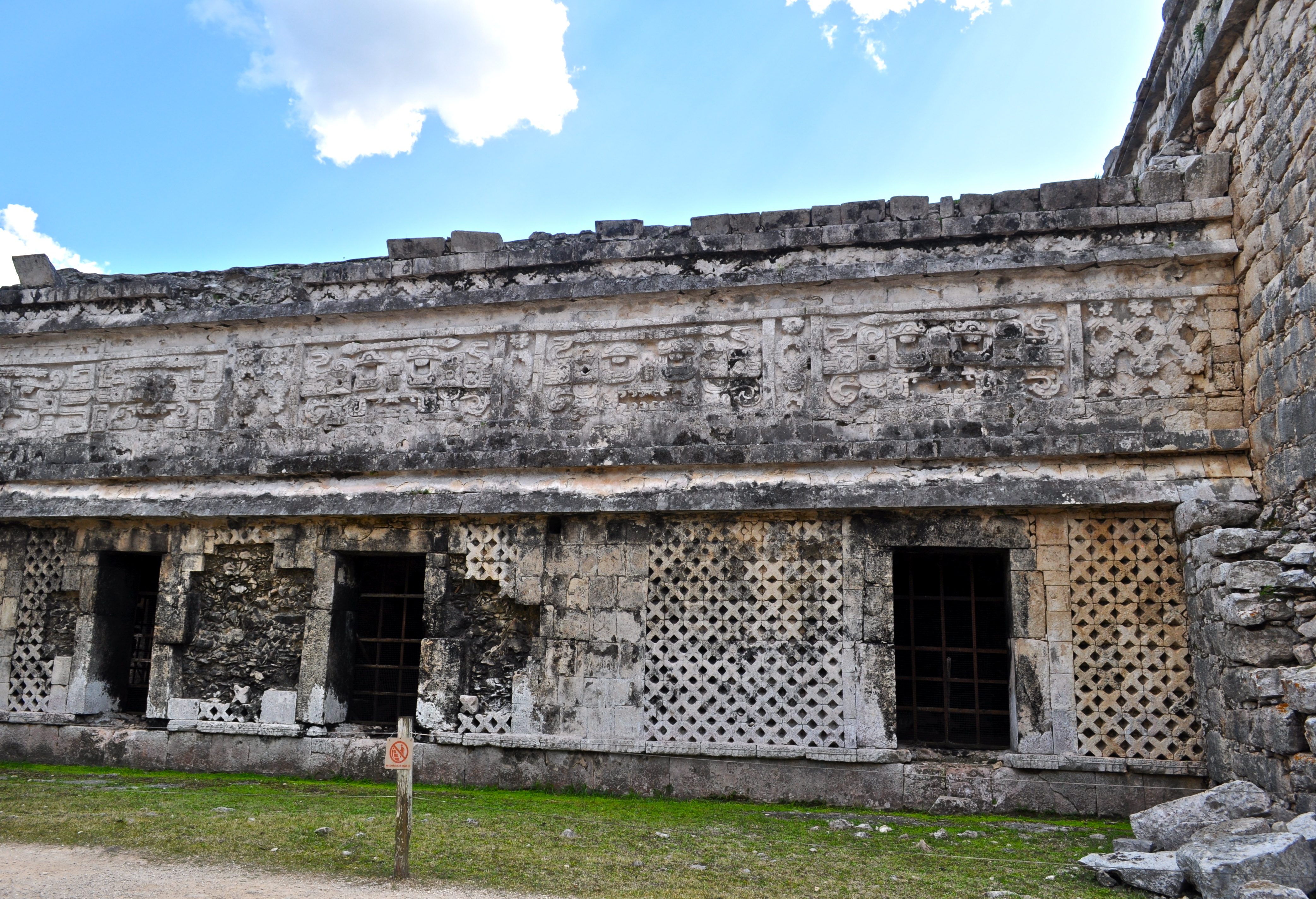

When the Spaniards arrived, they thought this group of buildings were a church and nunnery, but it’s now believed to have been a residential and a school area. The carvings on these buildings are absolutely incredible considering how long ago they were carved.
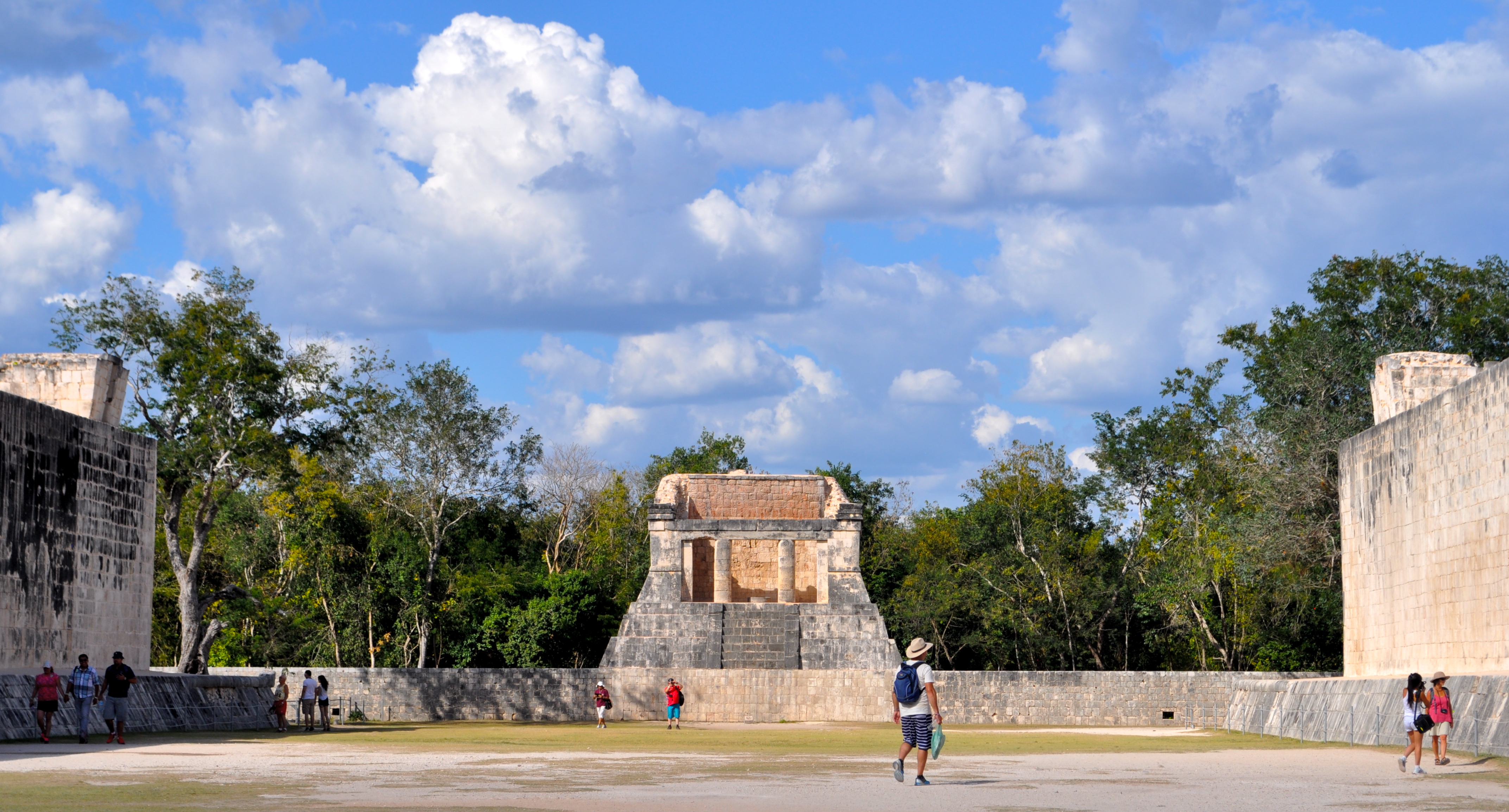
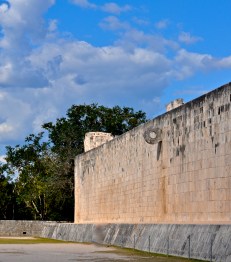
The great Ball Court is another of the more well known buildings found here. Built in AD 864, it’s the largest ball court in all of Mexico. During ritual games here, players tried to hit a 12-pound rubber ball through stone hoops set high on the court walls. Competition must have been fierce as sometimes losers were put to death. I was also told that sometimes it was the winning captain who was offered up as a sacrifice to the gods!
(For how the game was played- think of a combination of basketball, soccer and Quidditch!!)

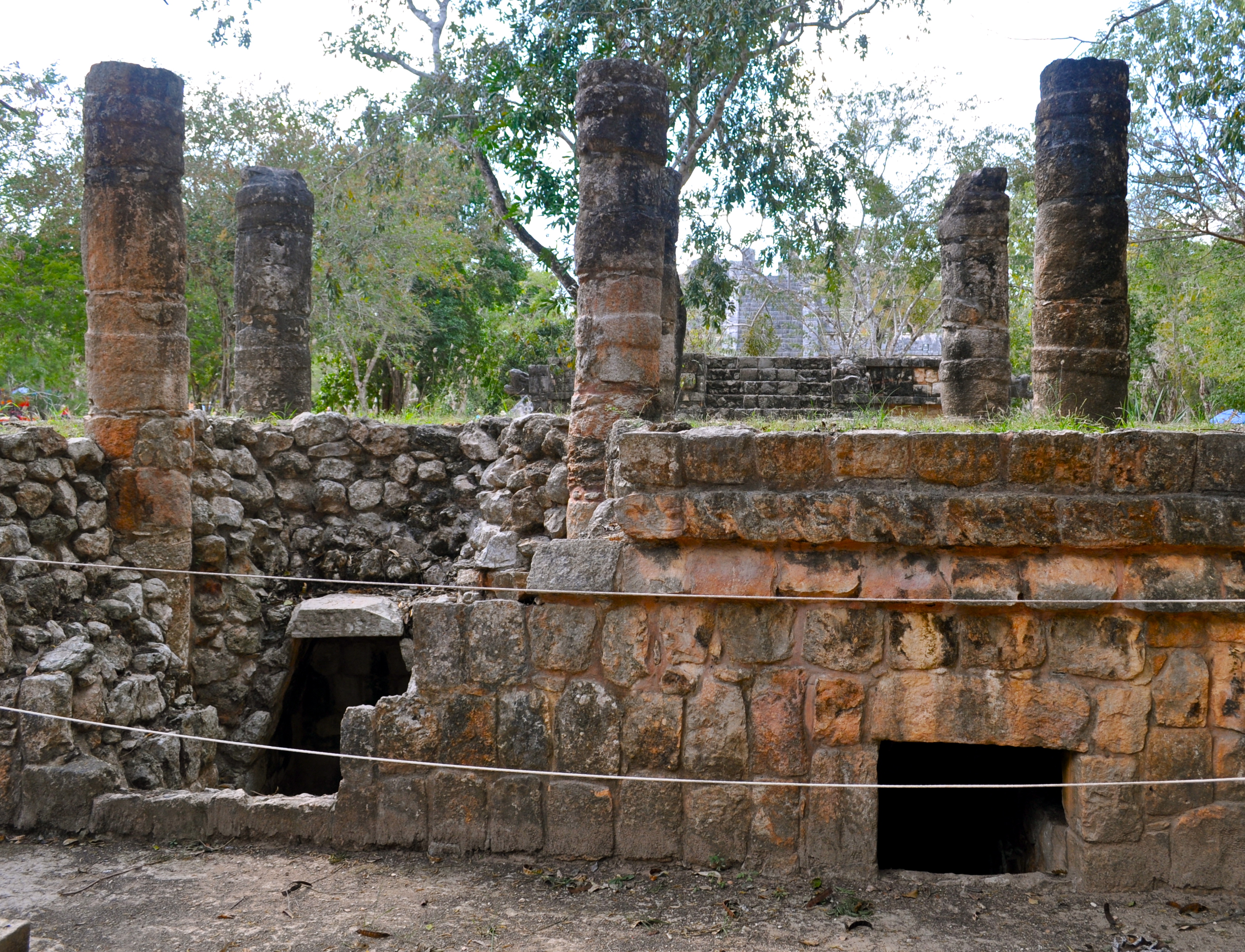
The court of the thousand columns.
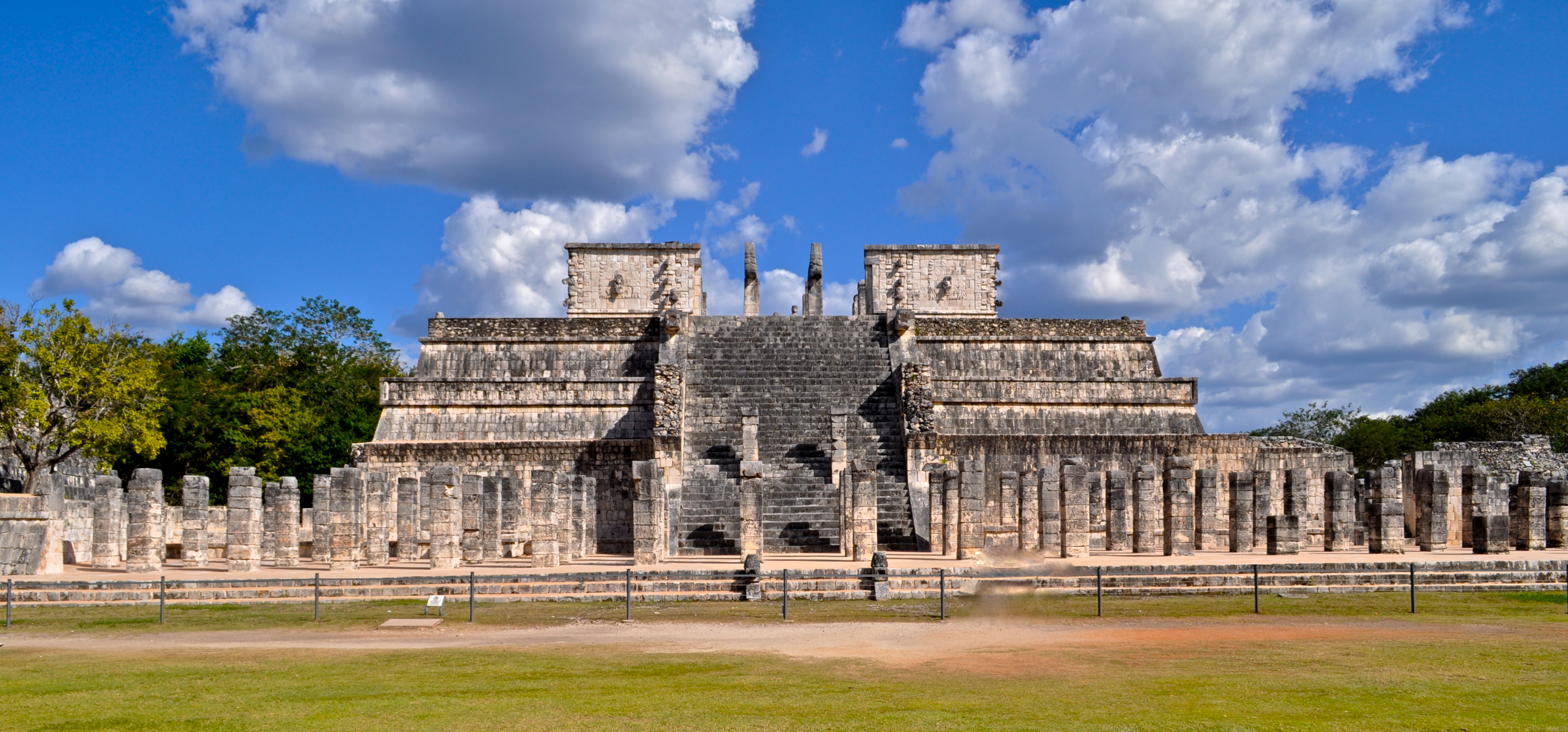
The Temple of Warriors

Whether you are into history, architecture or just want to see this impressive wonder of the world, Chichen Itza is definitely a must-see spot on your trip to the Mayan Riviera region in Mexico.




 Tales of a Travel Addict
Recent Comments