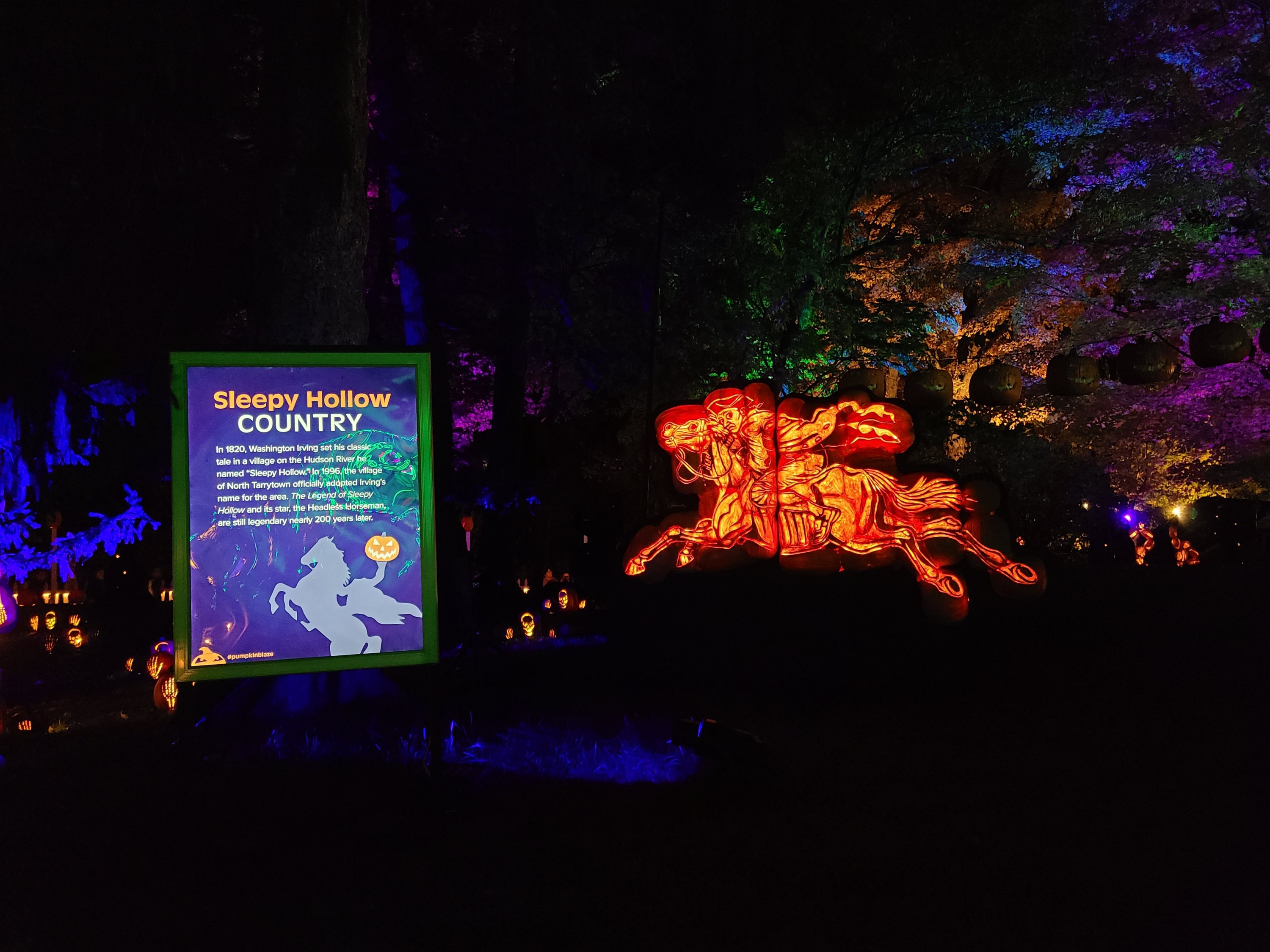
Portmeirion- The Welsh Riviera

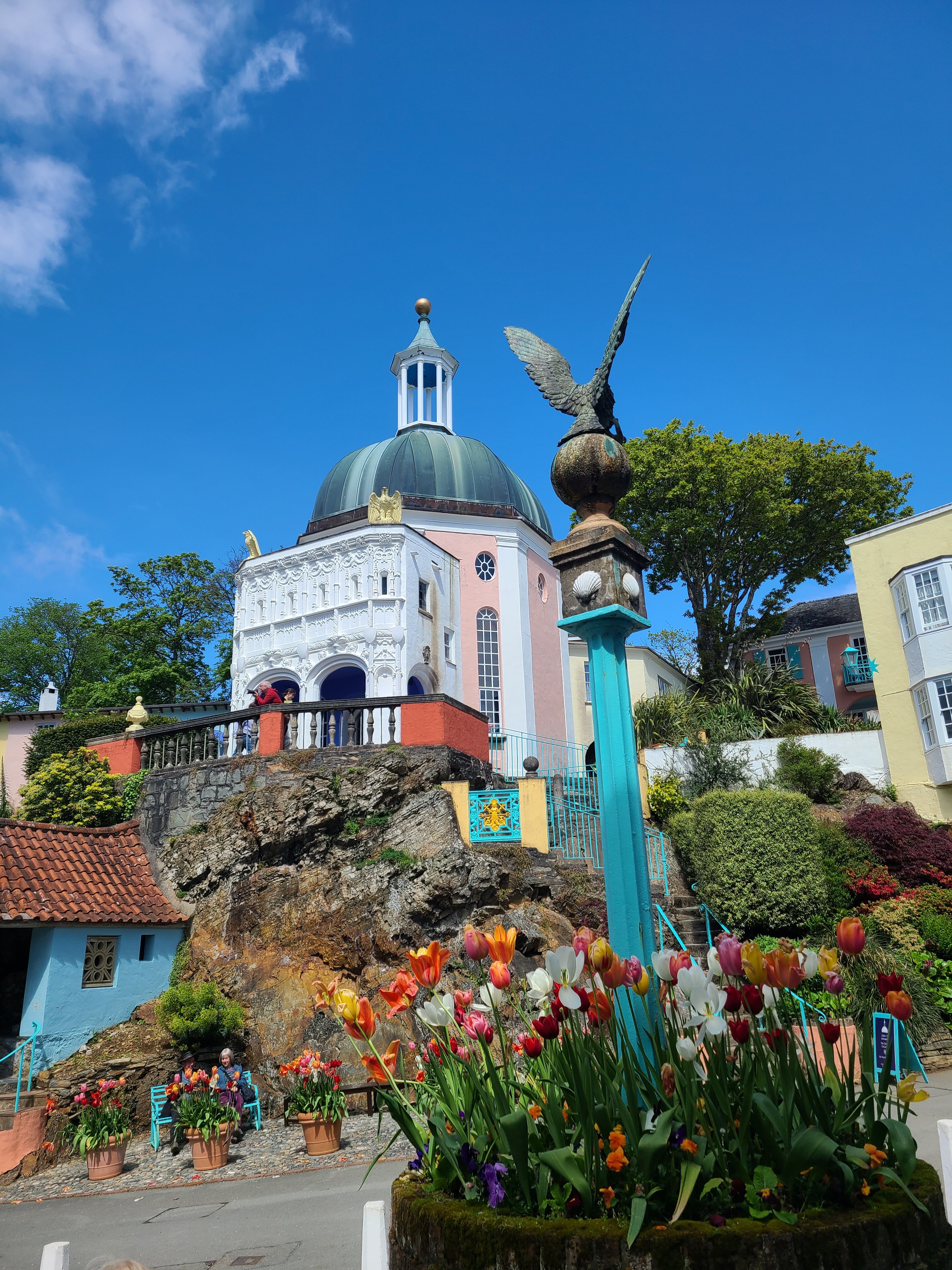
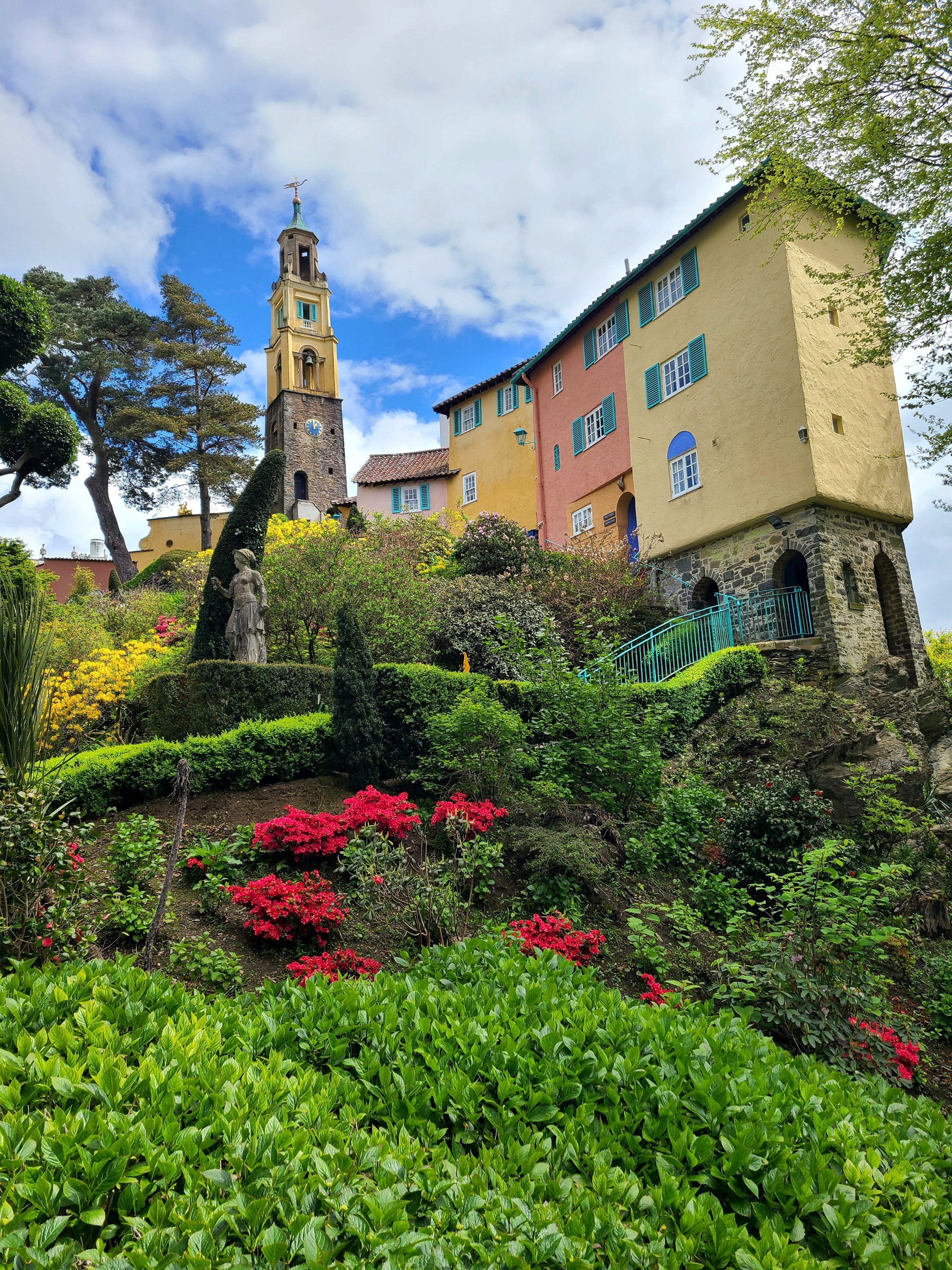
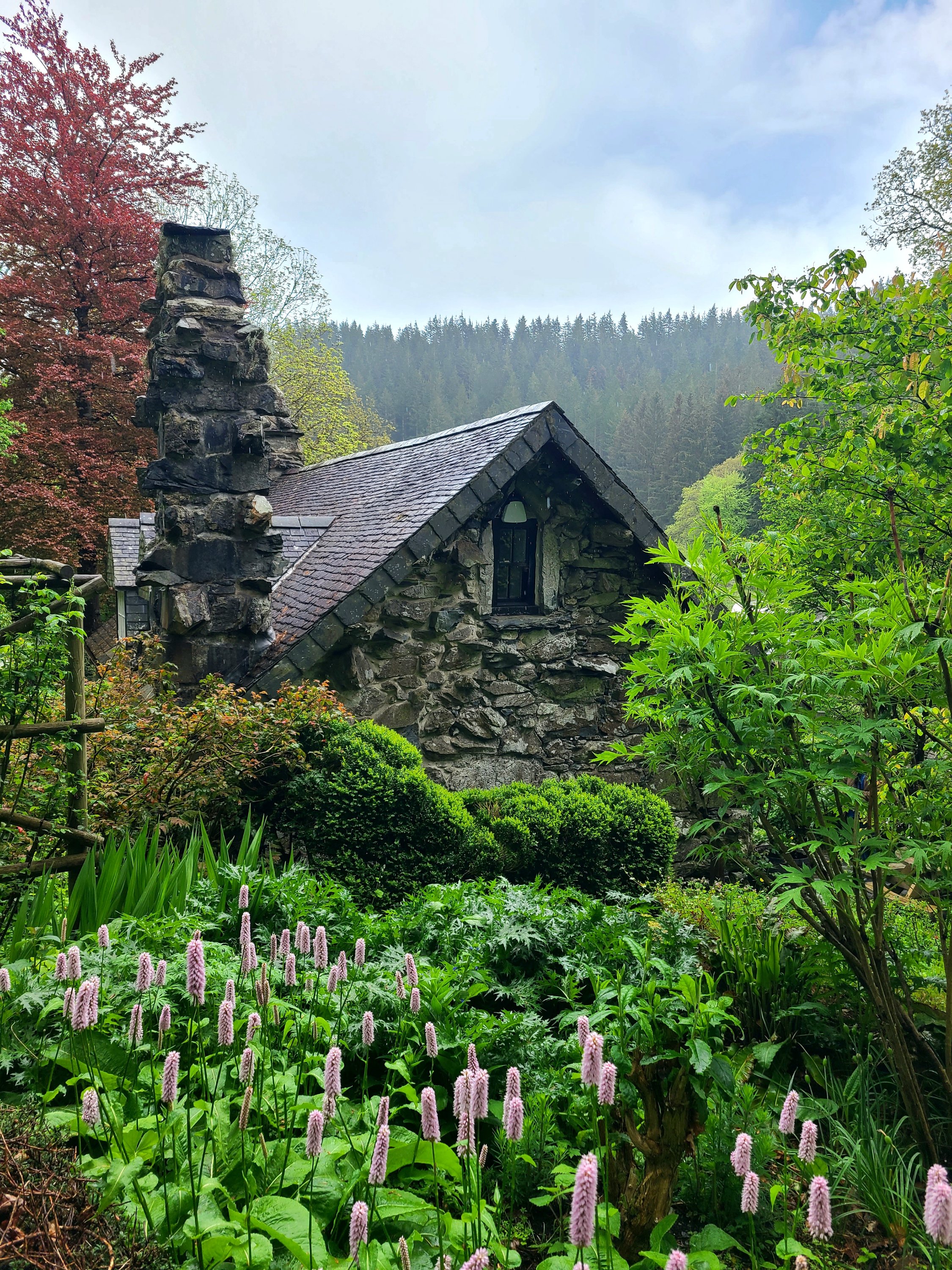
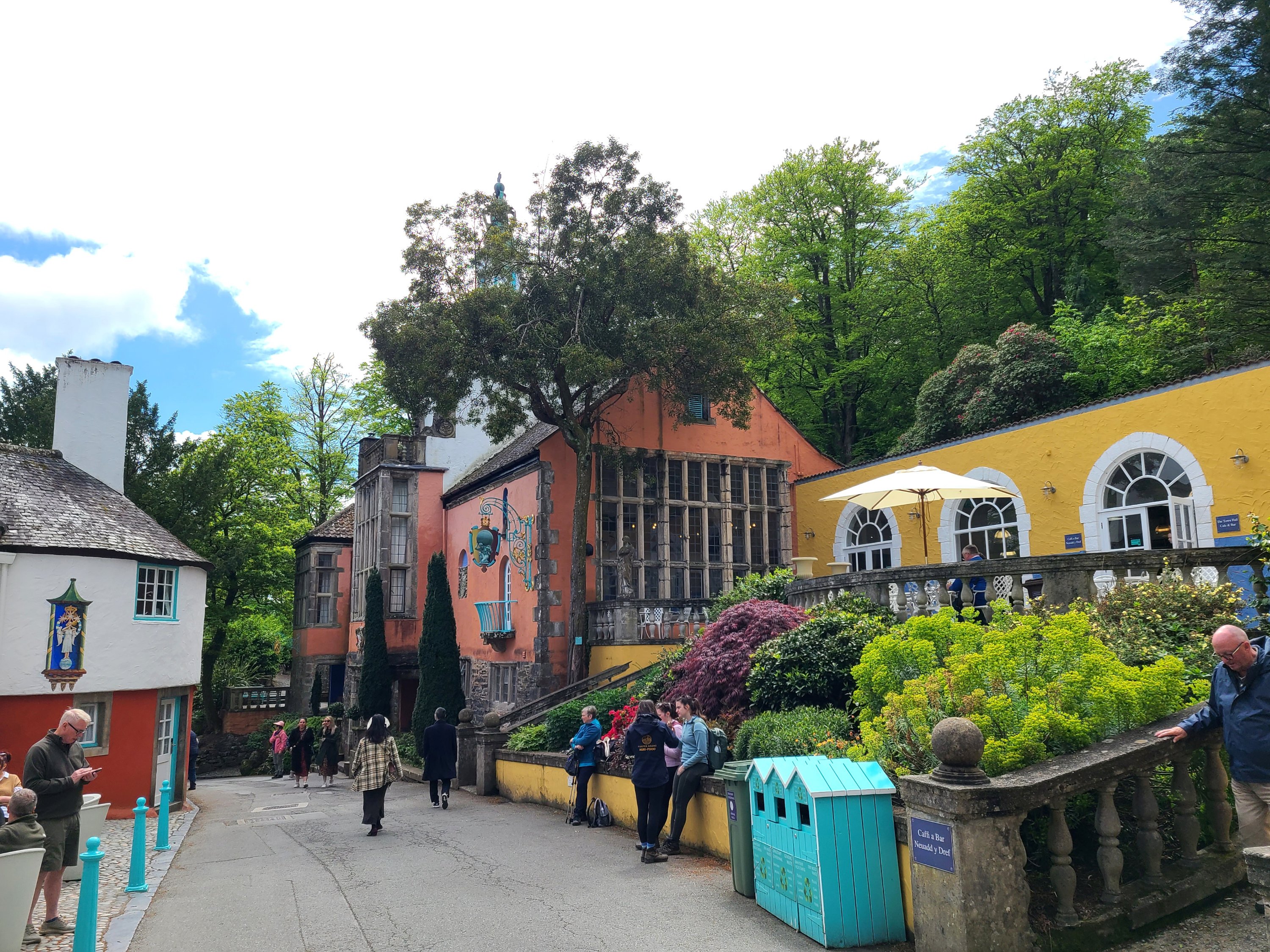
Stepping into the pastel-coloured village of Portmeirion, filled with ornate statues and brightly coloured flowers felt like I was stepping into an Italian inspired village at Disney World. Portmeirion Village was designed by Welsh architect Sir Clough Williams-Ellis between 1925-1975 and is said to be modelled on the famous Italian town of Portofino. He acquired the land in 1925, opened the Hotel Portmeirion in 1926, and then continued developing the grounds for the next fifty years.

One of the most popular tourist spots in North Wales, Portmeirion is also a great spot for weddings and other special celebrations.

Unlike most villages that you can freely wander into, Portmeirion is now owned by a charitable trust and you need a ticket to enter (Adult £18.00), but it’s worth it to wander around a charming Italian village while in the UK.

Once inside, simply exploring this unique village is one of the best things to do at Portmeirion. The pastel pink, orange, and yellow buildings and bright turquoise doors, and the ornate stonework and architecture and colourful gardens all are part of what make visiting Portmeirion so unique.

The village makes for a great day tour or overnight stay, depending on your time.

For guests wishing to stay, Portmeirion has two hotels, The Hotel Portmeirion and Castell Deudraeth, as well as a number of self-catering cottages. Both hotels also have dining options for all to enjoy.

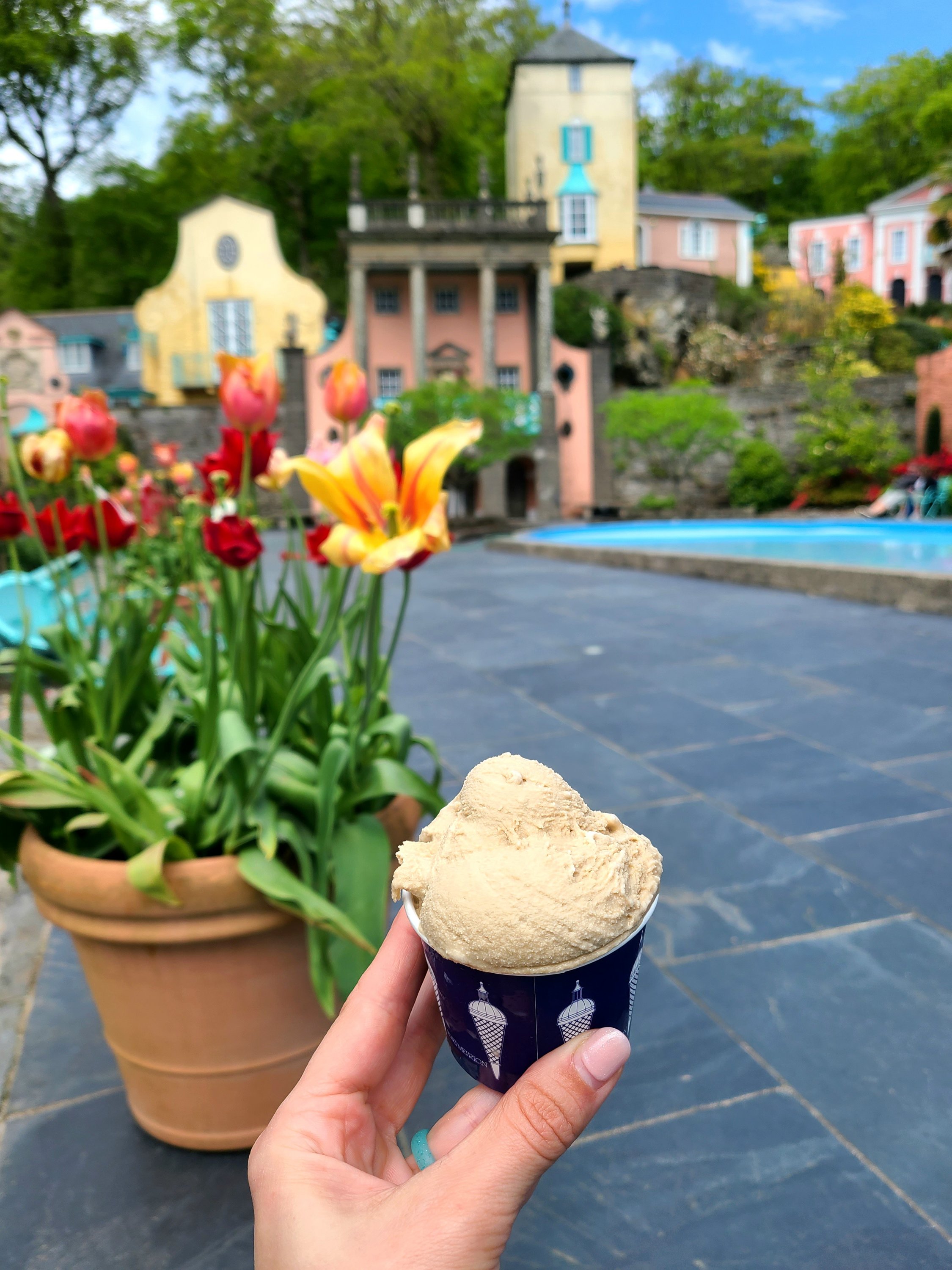
While exploring the village, you’ll come across a variety of shops and cafes where you can shop for some famous Portmeirion pottery, check out the art gallery, and then grab an authentic homemade gelato at ‘Angel Ices.

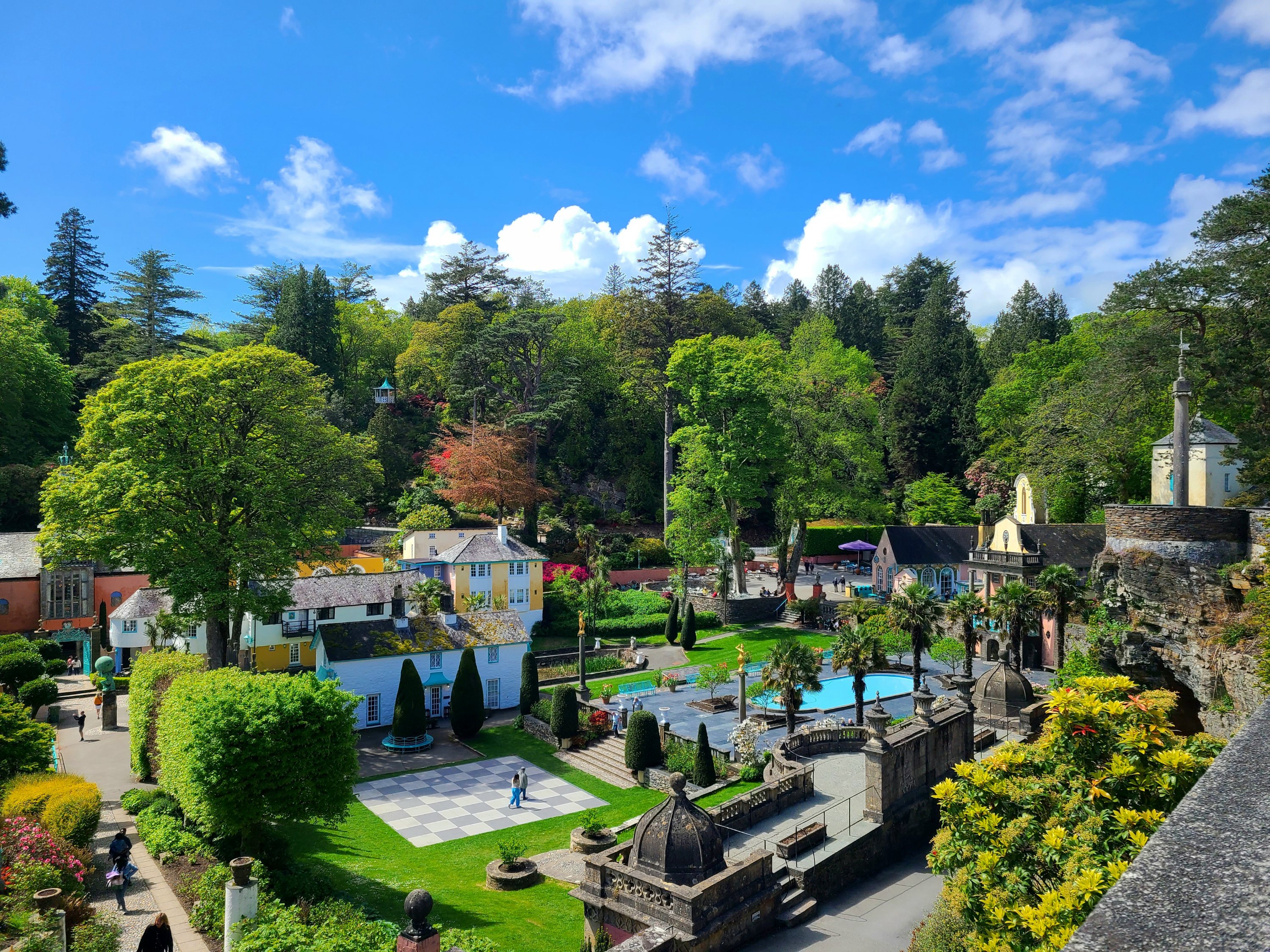
Enjoy your gelato by the fountain in the Central Piazza, surrounded by a rainbow of colour, or play a game of chess on the life-sized chess board found here.

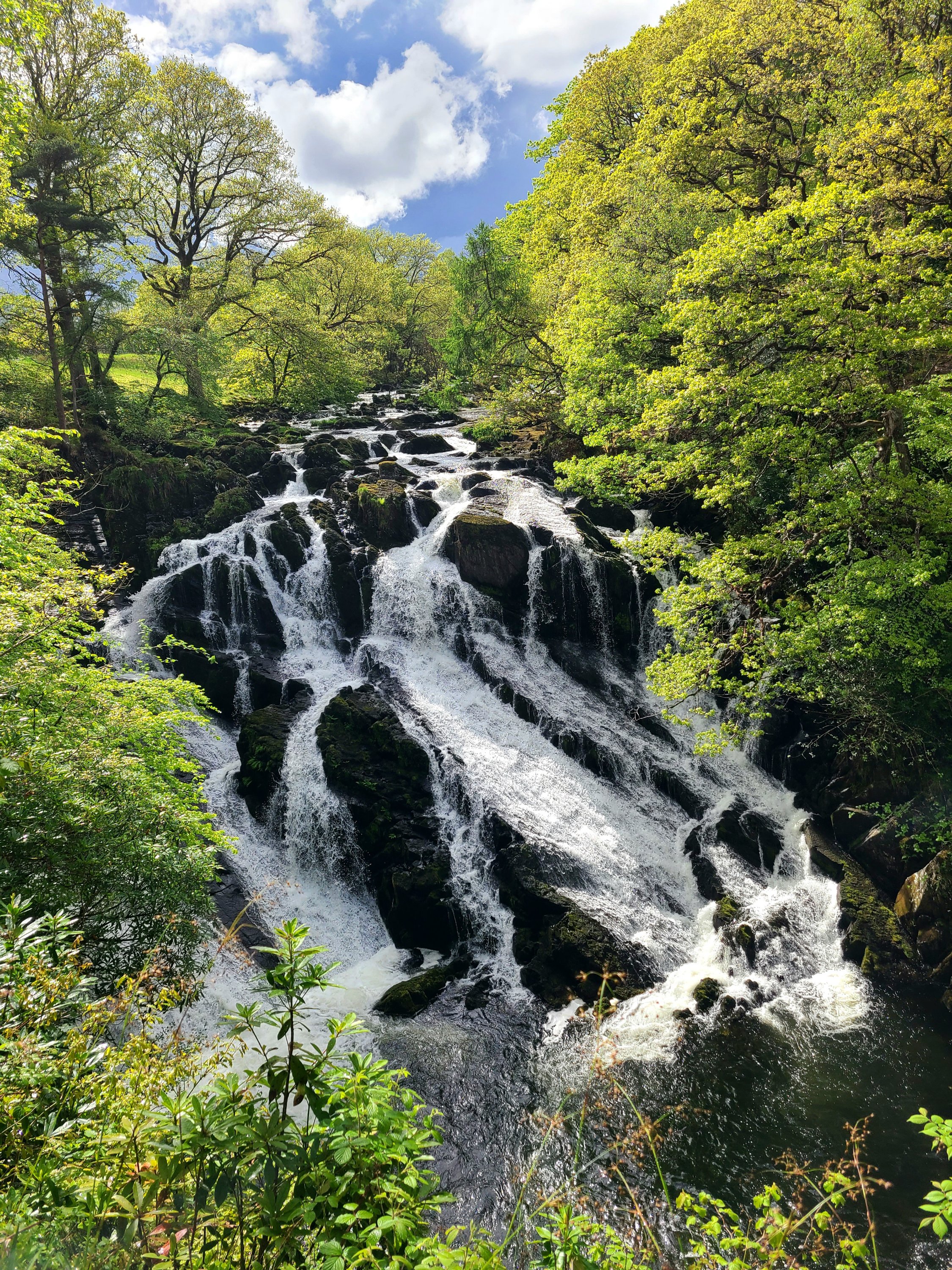
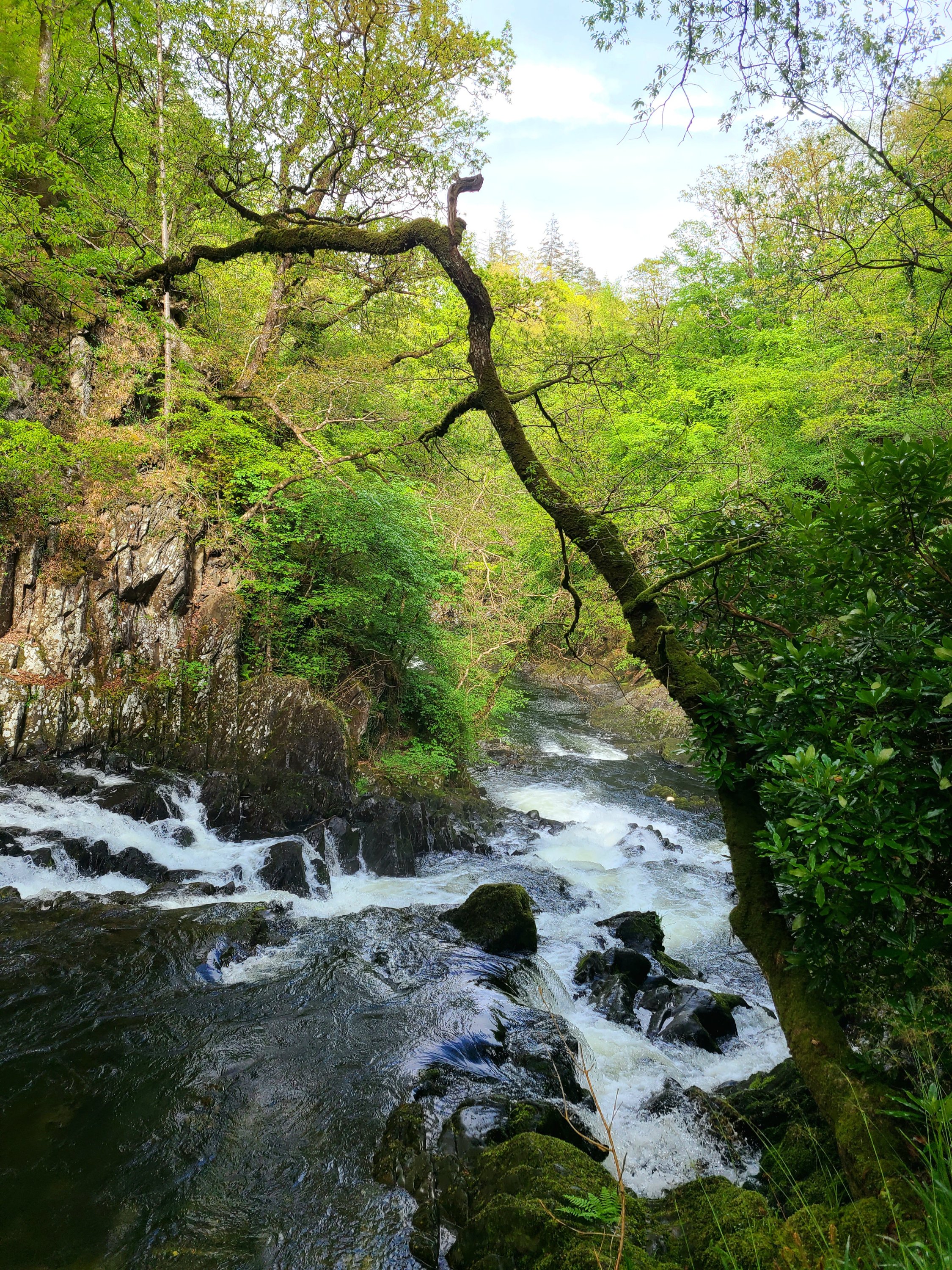
Once you’re done relaxing, Portmeirion Village is set amongst 70 acres of forest, with 19 miles of pathways & walking trails.

There is actually a subtropical forest here, known as The Gwyllt, which means ‘wildwood’ in Welsh. The Gwyllt features some of Britain’s largest trees, rare flowers, and secret gardens.

Hidden along the pathways are the Japanese Garden, with its pagoda and lily-covered lake, and secret sites like the Dog Cemetery, Ghost Garden, and Shelter Valley.

Along the waterfront, you’ll find the lighthouse and the old stone boat, which is an homage to the Amis Reunis, the original boat that Clough used as a houseboat when he first bought the property. You can also take a walk along the white sandy beaches of the Dwyryd Estuary.

If you have time, indulge in a spa treatment at the Mermaid Spa in the village.

Portmeirion is open year-round and is most easily reached by car.

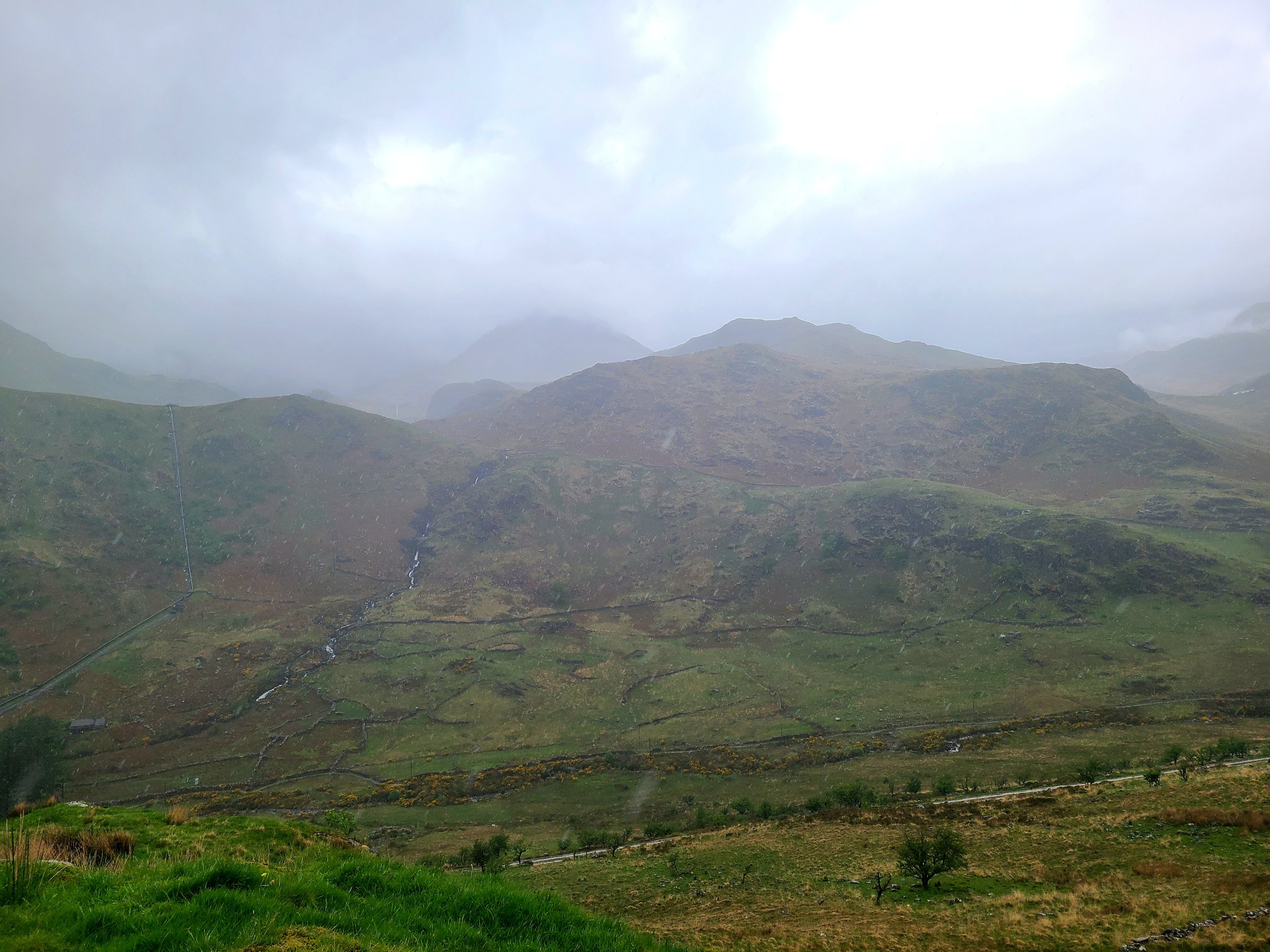
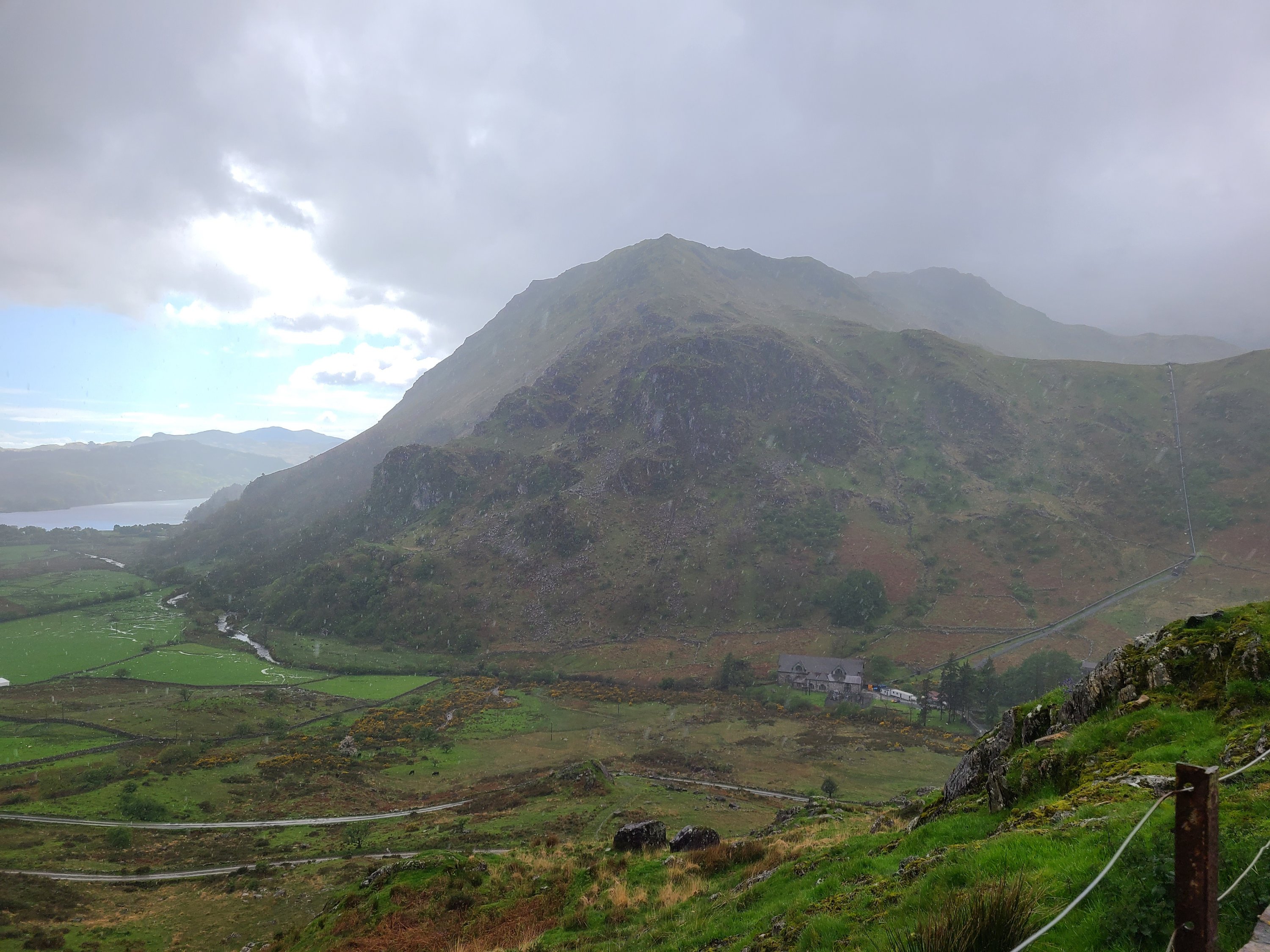
It’s the perfect addition to a North Wales road trip, particularly if you’re already in the area to visit Snowdonia.

If you don’t have a car, another great way to visit Portmeirion is on a tour like I did. This tour from Llandudno included castles, Snowdonia National Park, and Portmeirion.

(The entry fee to the village is not included in the price.)

Whether you decide to spend a few hours or a few days, I definitely recommend adding a stop at the charming village of Portmeirion and indulging in the Welsh Riviera!

Categories: Blog, Europe, Photo, Where in the World | Tags: , , , , , , , , , , | 2 Comments

A seaside holiday in Llandudno, Wales

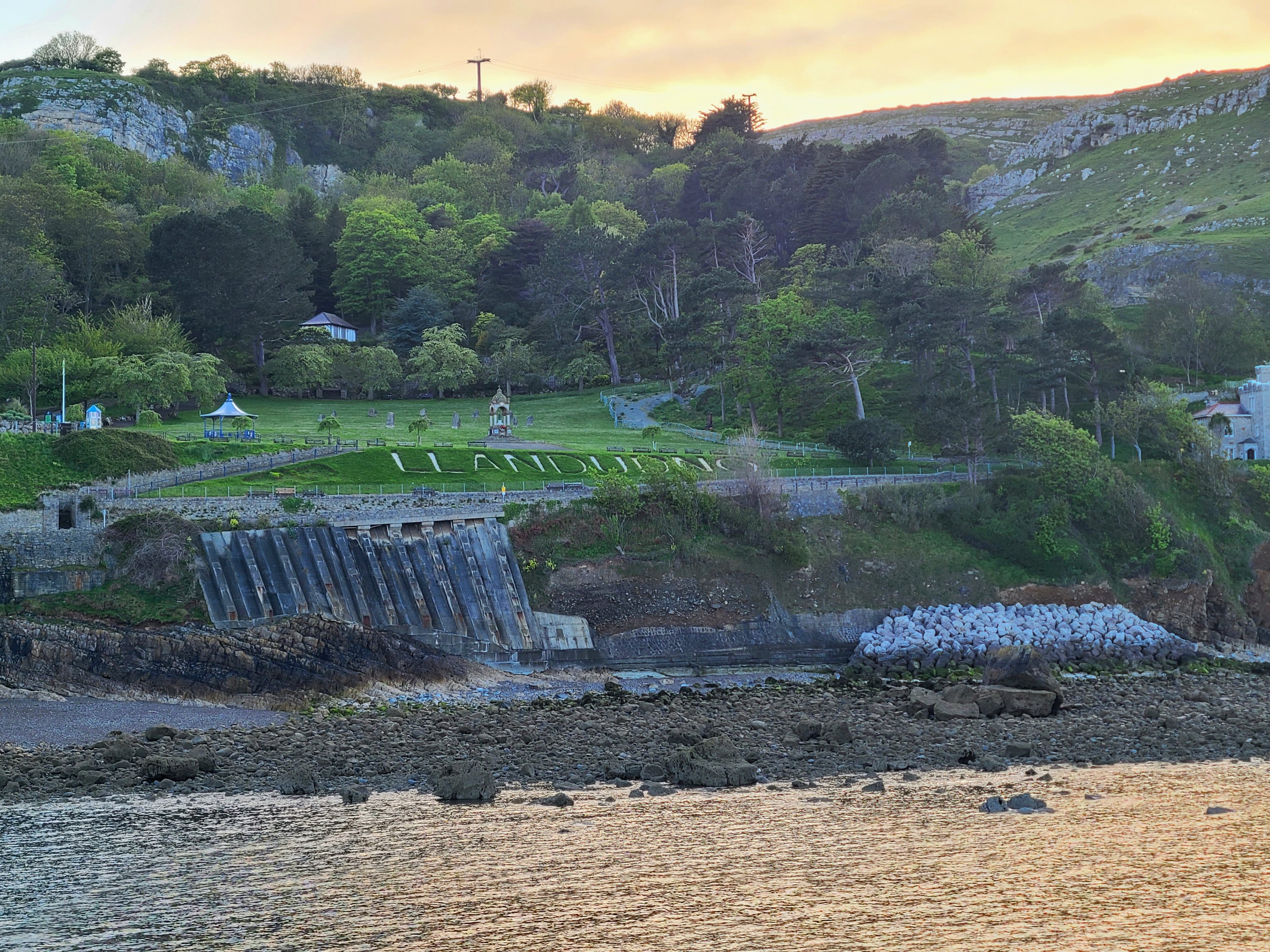
Looking for a seaside getaway in Northwest Wales? Llandudno should be at the top of your list!
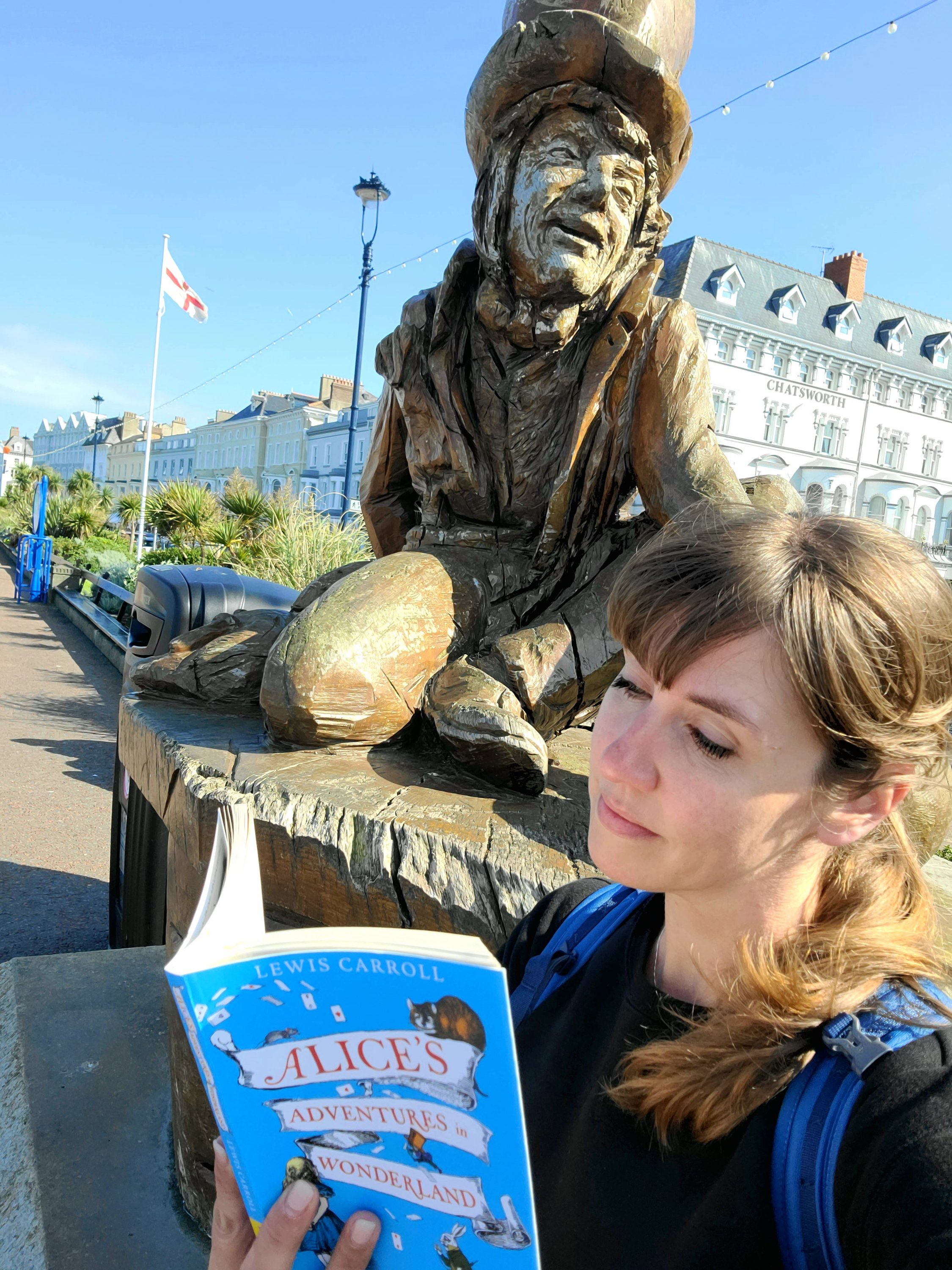
Llandudno began as a small settlement of mainly copper mine workers, but it was the desire for seaside getaways during the Victorian era that led to Llandudno becoming a popular holiday destination.

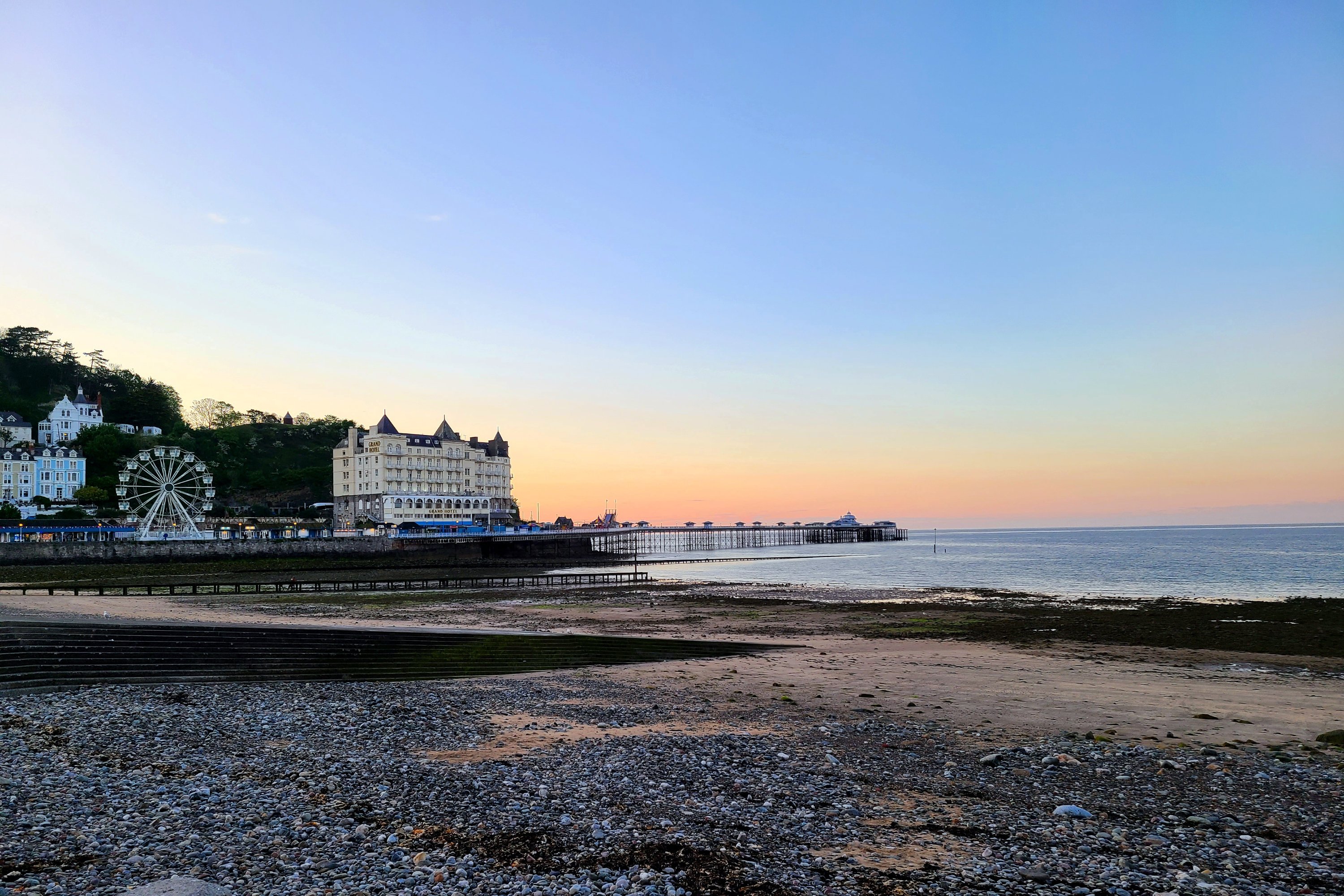
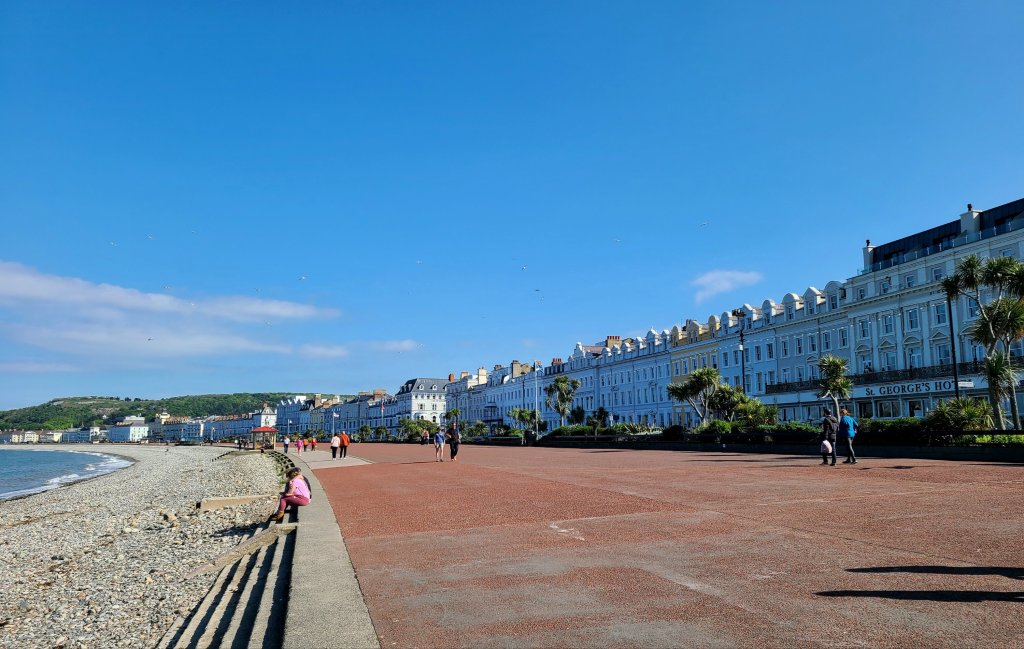
The Llandudno Promenade, stretching almost two miles long, is quite an impressive sight. With large Victorian hotels lining one side and the beach on the other, it’s the perfect spot for an evening stroll.

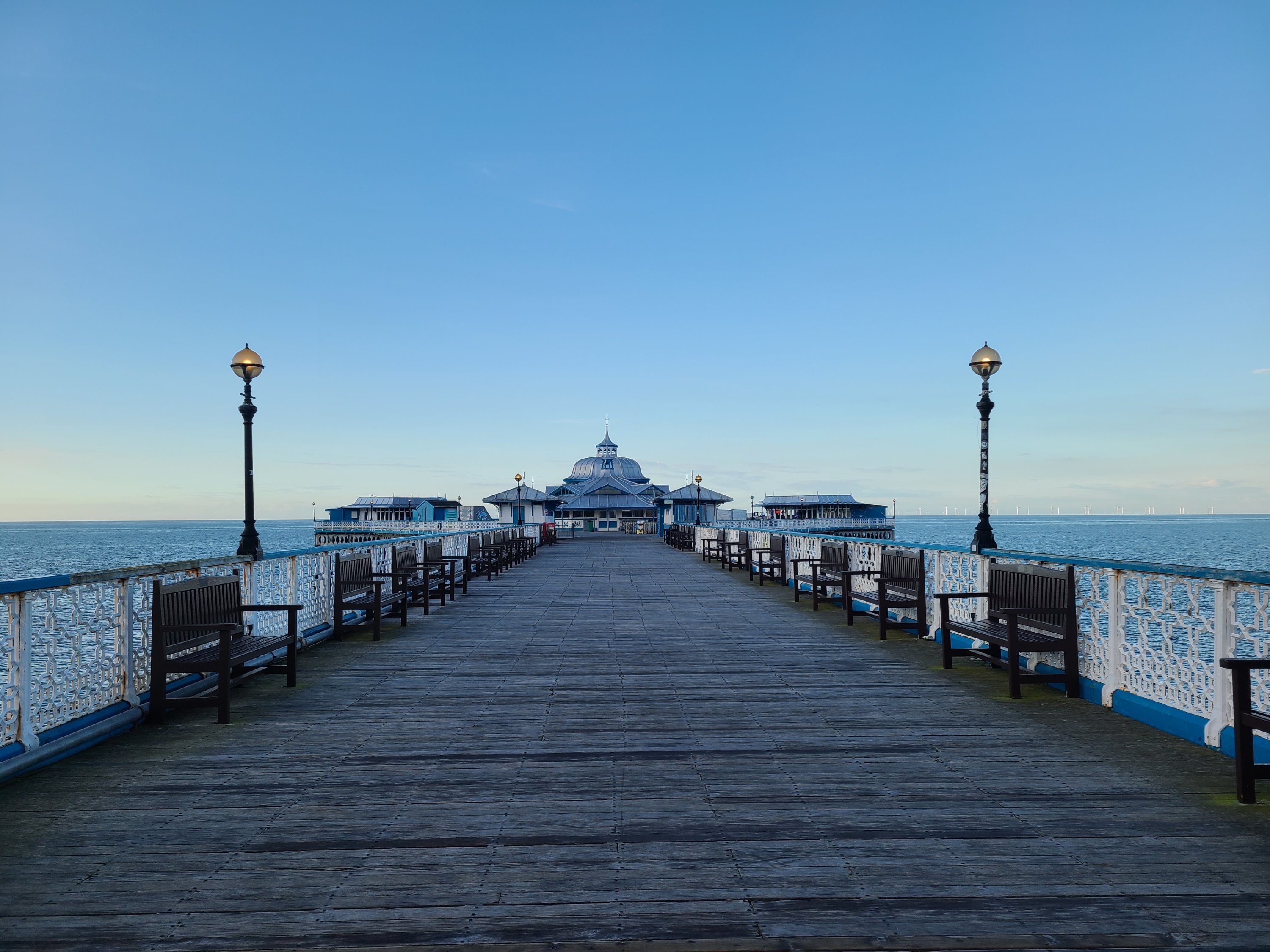
One of the most popular sights in Llandudno is Llandudno Pier, located at the west end of the promenade. This Victorian pier has been around since 1878. Jutting out into the Irish Sea, the pier is 2,295 feet in length, making it the longest pier in Wales. Along the pier, you’ll find a wide range of attractions, concessions, food stalls, and an arcade. 

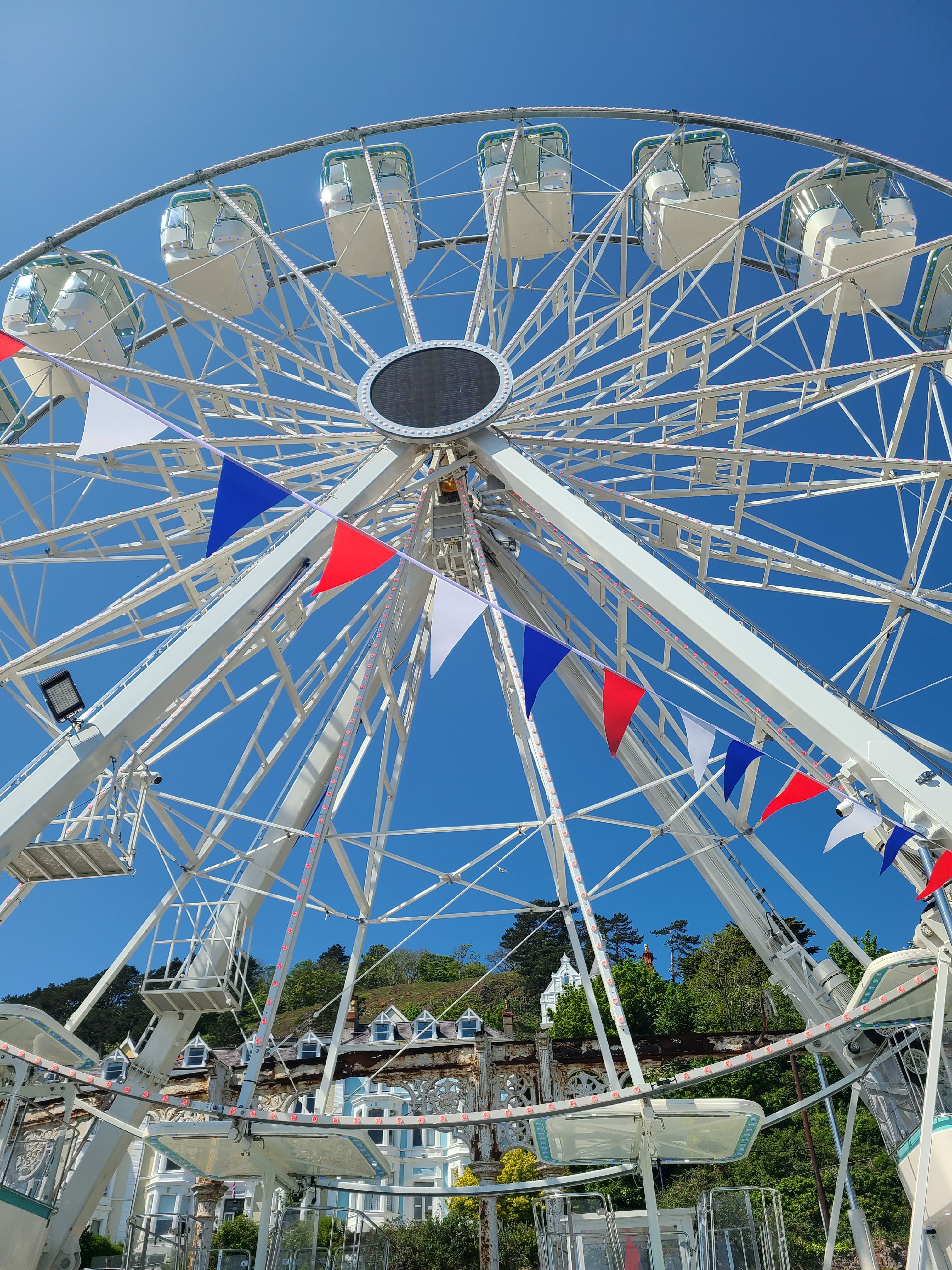
One of the most famous attractions is the Pier View Ferris Wheel, which stands 70 feet tall and has 18 gondolas providing riders with a stunning view of the promenade as well as the Great Orme as they enjoy the ride. Even more spectacular is seeing it lit up with 10,000 lights in the evening!
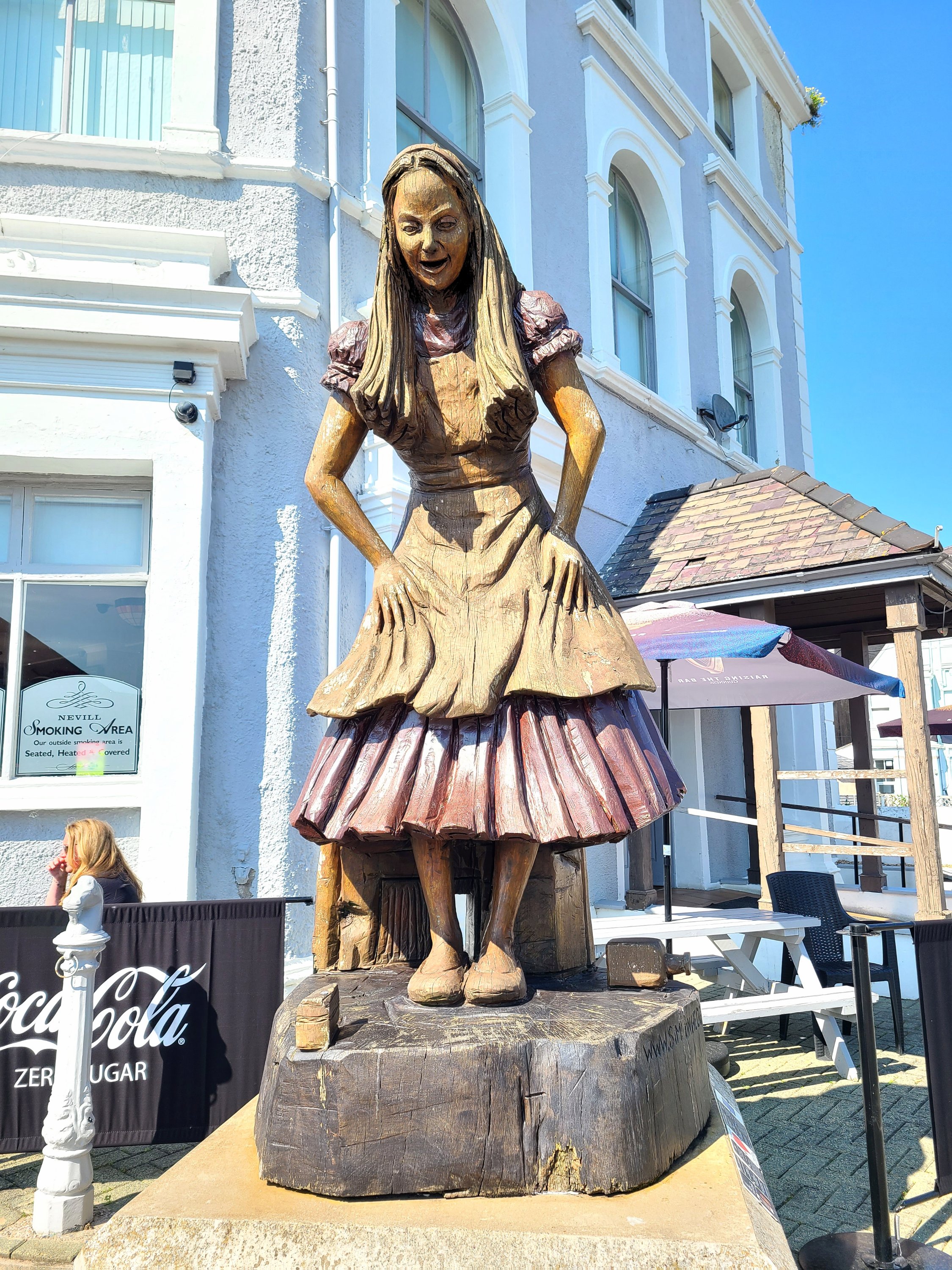
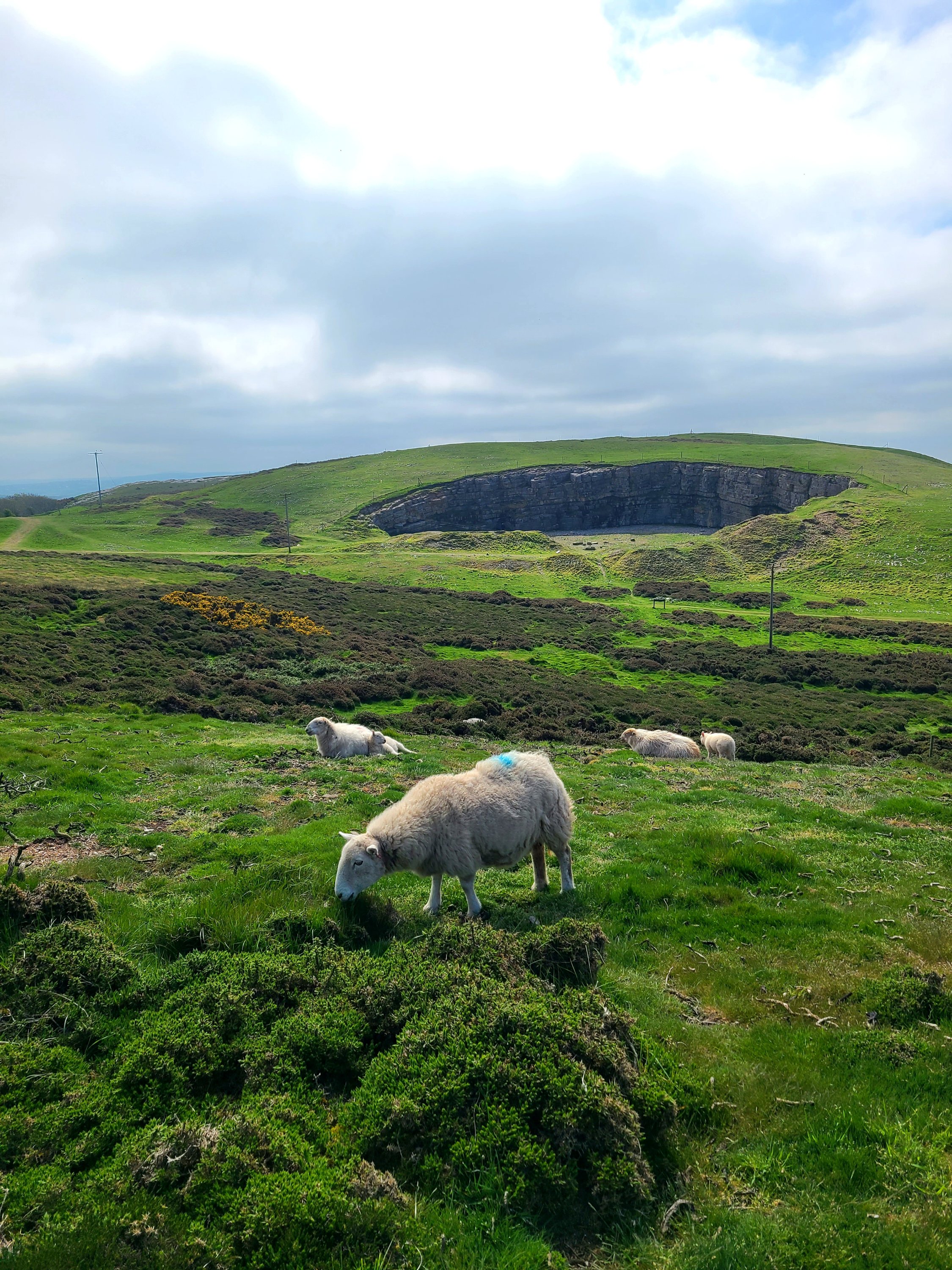
Rising above Llandudno stands the Great Orme, one of the most spectacular parks in Wales, with scenic views and diverse wildlife. It’s a limestone headland that has been mined for over 4,000 years.

This area became a popular spot during the Bronze Age when miners began prospecting the area for copper. Today, there are numerous trails to hike in the Great Orme, or you can take a drive around the Marine Drive Toll Road, taking in the views and trying to find the famous Kashmir goats. A pair of goats from the Windsor Royal Herd were given to Major General Sir Savage Mostyn around 1880. The herd was released on the Great Orme 20 years later and the goats have been roaming wild ever since! Easier to spot are the herds of sheep found grazing all over.

(You can walk or bike the Marine Drive Toll Road for free. Cars cost £4.50 for the 5-mile scenic drive.)

There are two other ways to get to the summit: Cable Cars or the Tramway.

The Llandudno Cable Cars leave from Happy Valley Park and travel 679 feet up to the summit of the Great Orme. You can enjoy the panoramic views on this 9-minute journey.

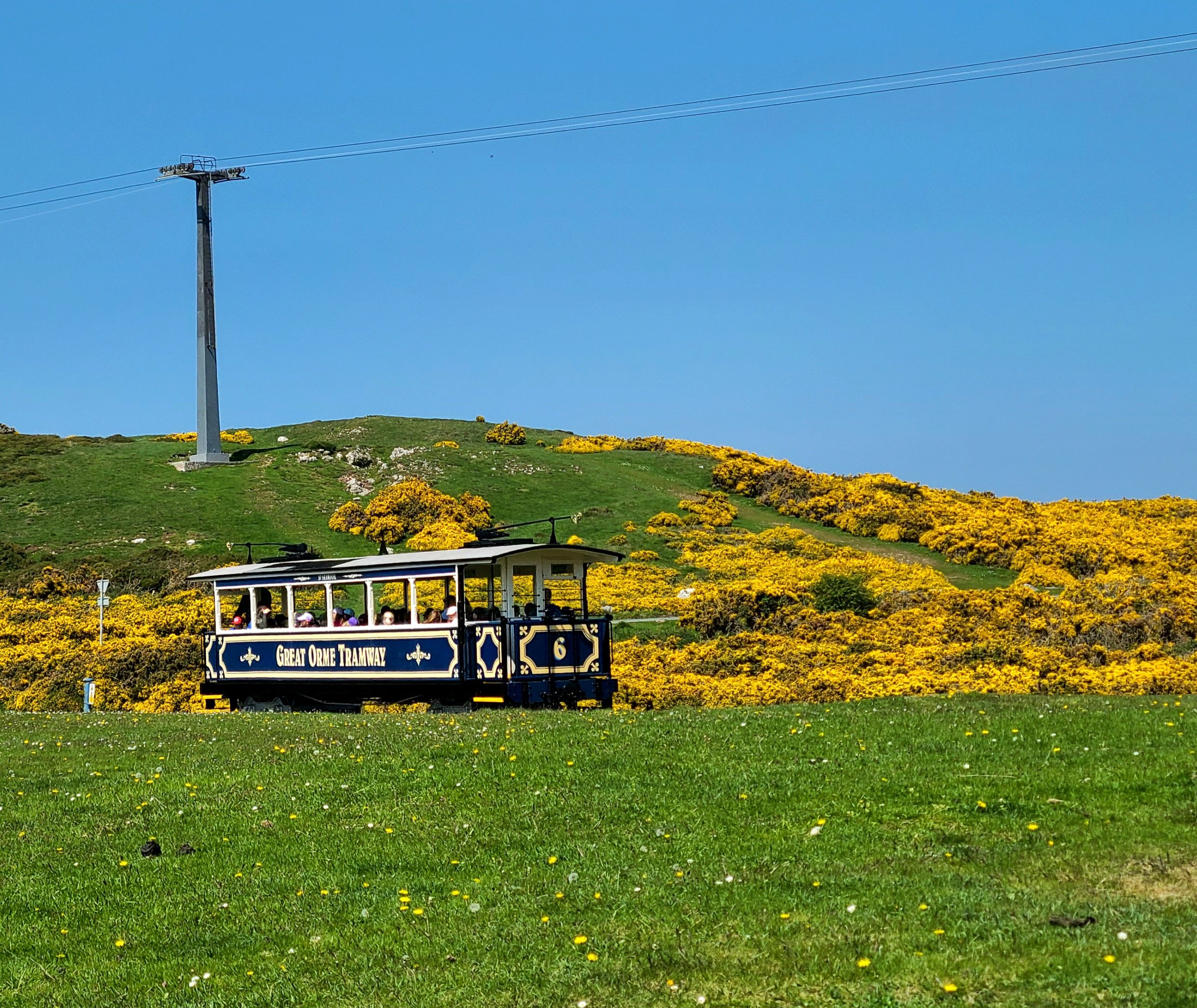
The Great Orme Tramway is another option to summit the Great Orme. The tram opened in 1902 and is Britain’s only funicular, or cable-hauled, tramway. The journey begins at Victoria Station and climbs up through the Great Orme Country Park and Nature Reserve to the summit, stopping to switch trams at the Halfway Station. Here, you can learn more about how the tramway works and watch the giant cables turn to move the tram along the tracks. At the summit, there is a cafe, gift shop, and some more info on the area to peruse once you are done taking in the beautiful views!

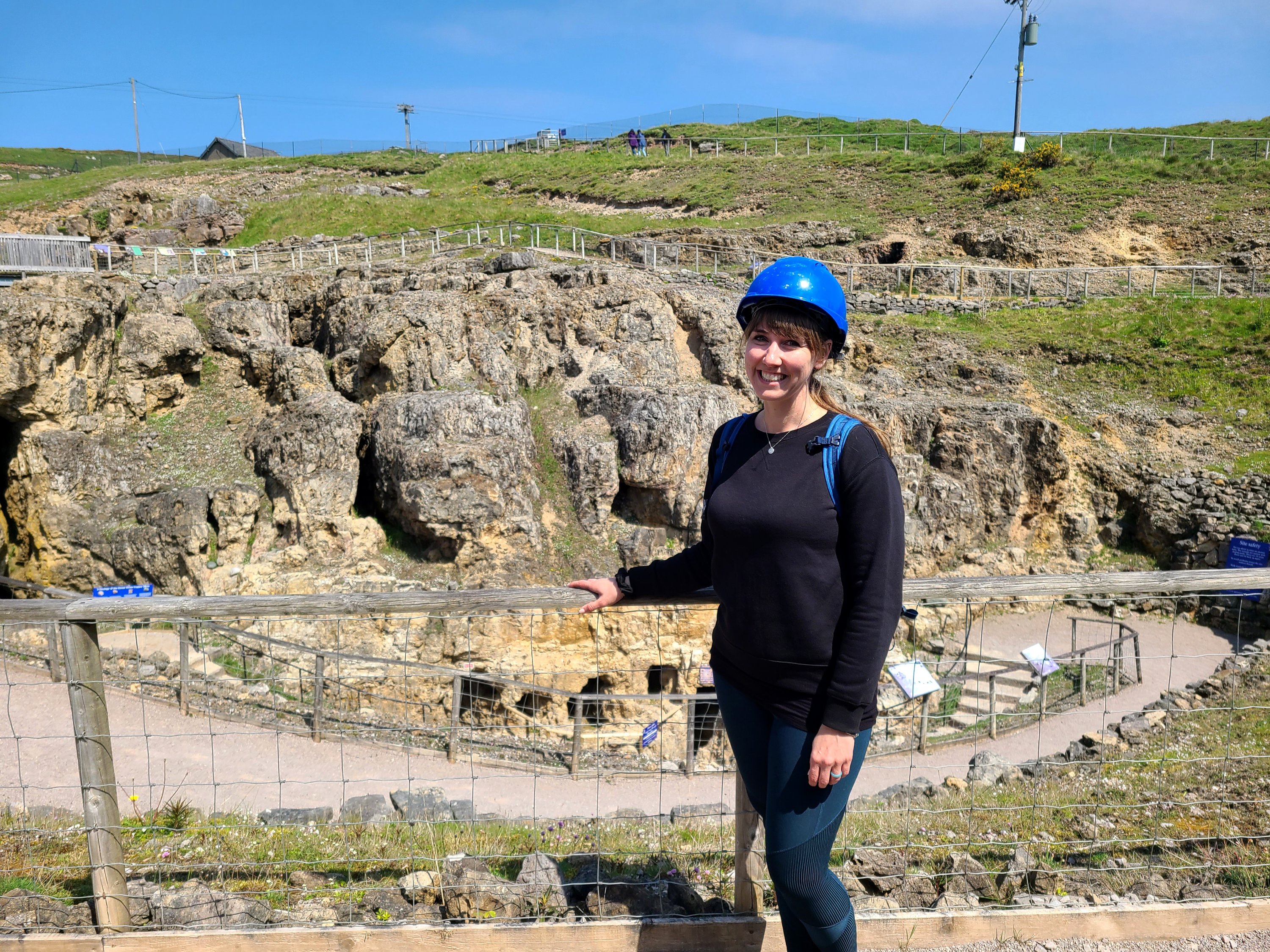
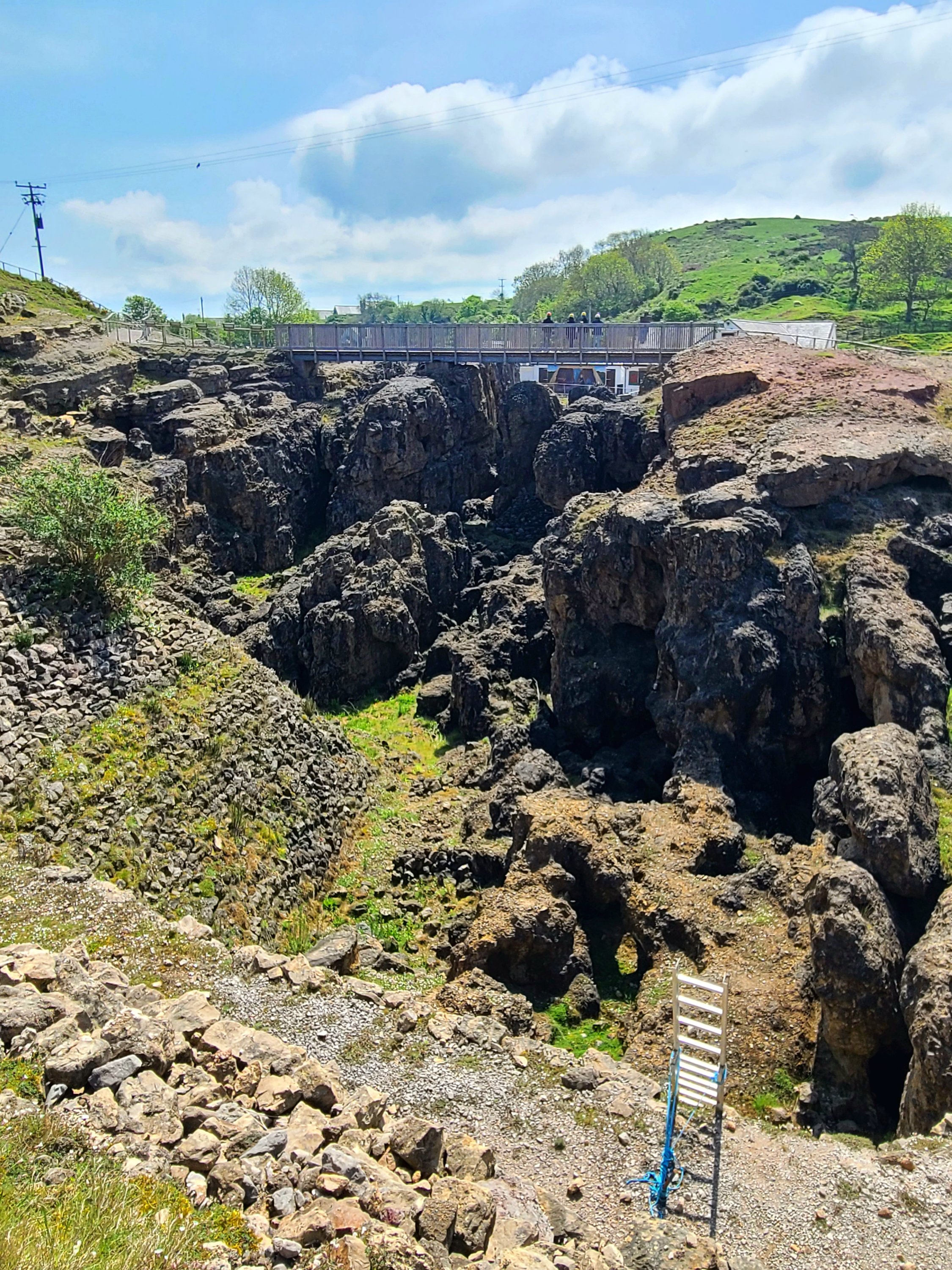
Great Orme Bronze Age Mine is located near the halfway stop on the tramway. The copper mine was uncovered in 1987 during plans to landscape that area of the Great Orme. Since then, mining engineers, cavers, and archaeologists have continued to discover more tunnels and large areas of the surface landscape. It is considered to be the largest prehistoric mine discovered so far.

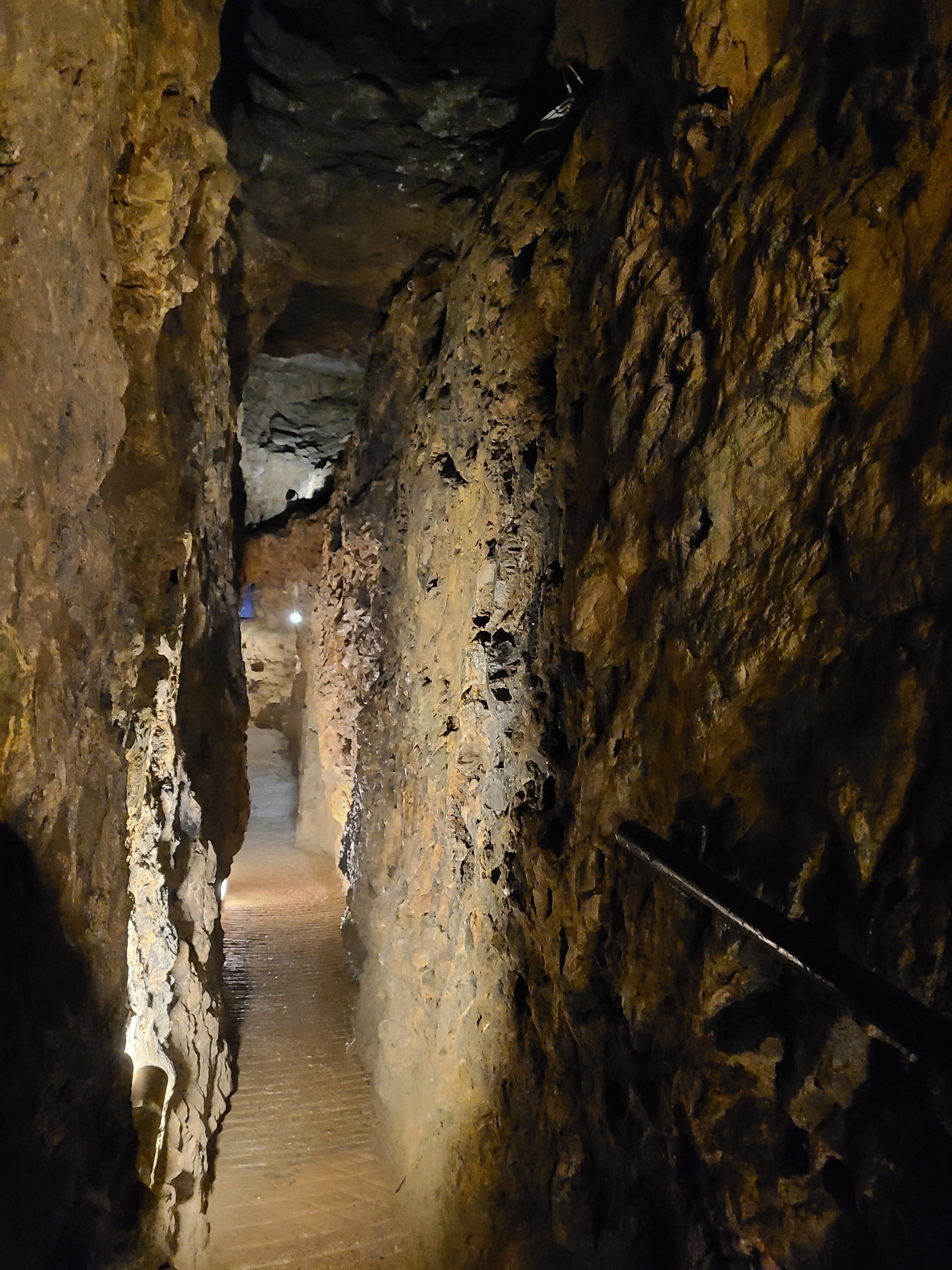
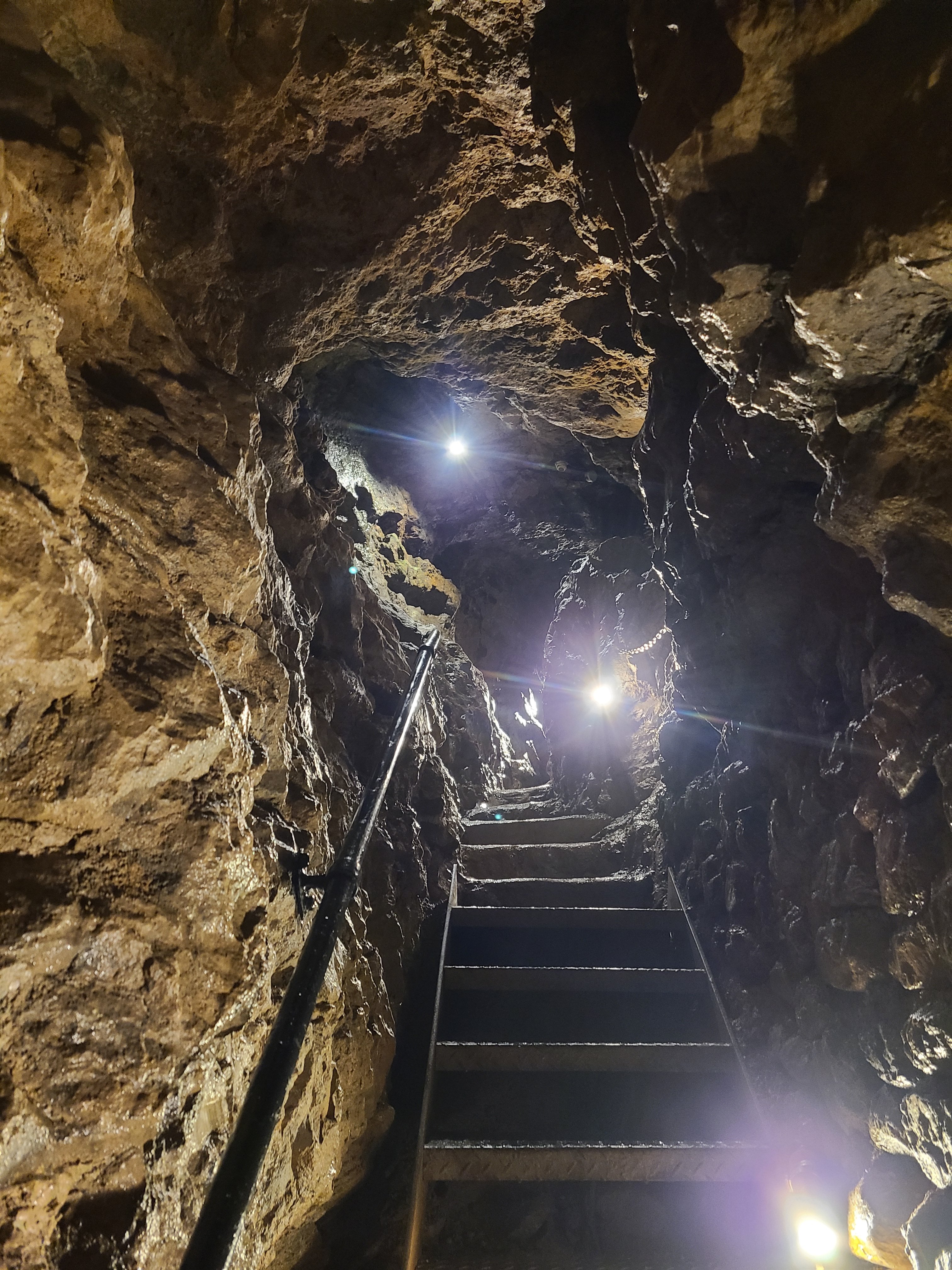
After a quick introduction video, you put on your hard hat and head down into the mine on a self-guided tour, exploring tunnels mined over 3,500 years ago. There are nine levels of Bronze Age tunnels found here. On the tour, you are able to explore levels 1 and 2, down 18m of the 46m total. The tunnels are very narrow and the ground is uneven in spots as you make your way down and then back up to the surface.

Once you’re back outside the mine, you can see down into the pit and learn about the steps involved in copper/bronze mining. It’s an interesting spot to explore with a lot of local history.

(Open daily at 9:30am. Last entry 4:30pm. Entry £10.50.)

Happy Valley Park, located on the slope of the Great Orme, was donated to the town of Llandudno by Lord Mostyn in 1887 as a celebration of Queen Victoria’s golden jubilee. What was once a quarry has now been turned into a beautiful park that features a statue of Queen Victoria as well as gardens, a cafe, a putting green, a ski slope, and the cable car base station while offering great views of Llandudno Pier.

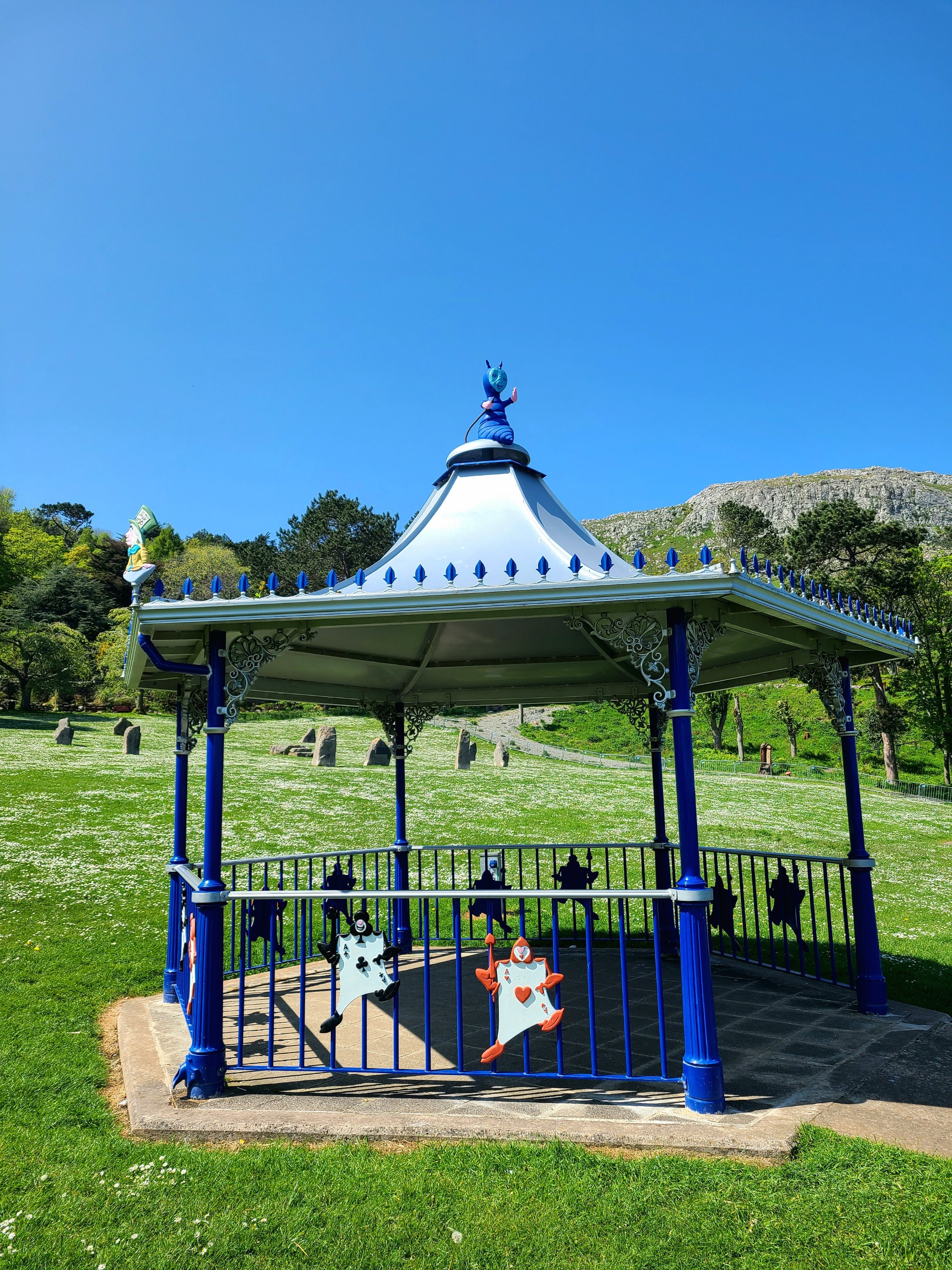
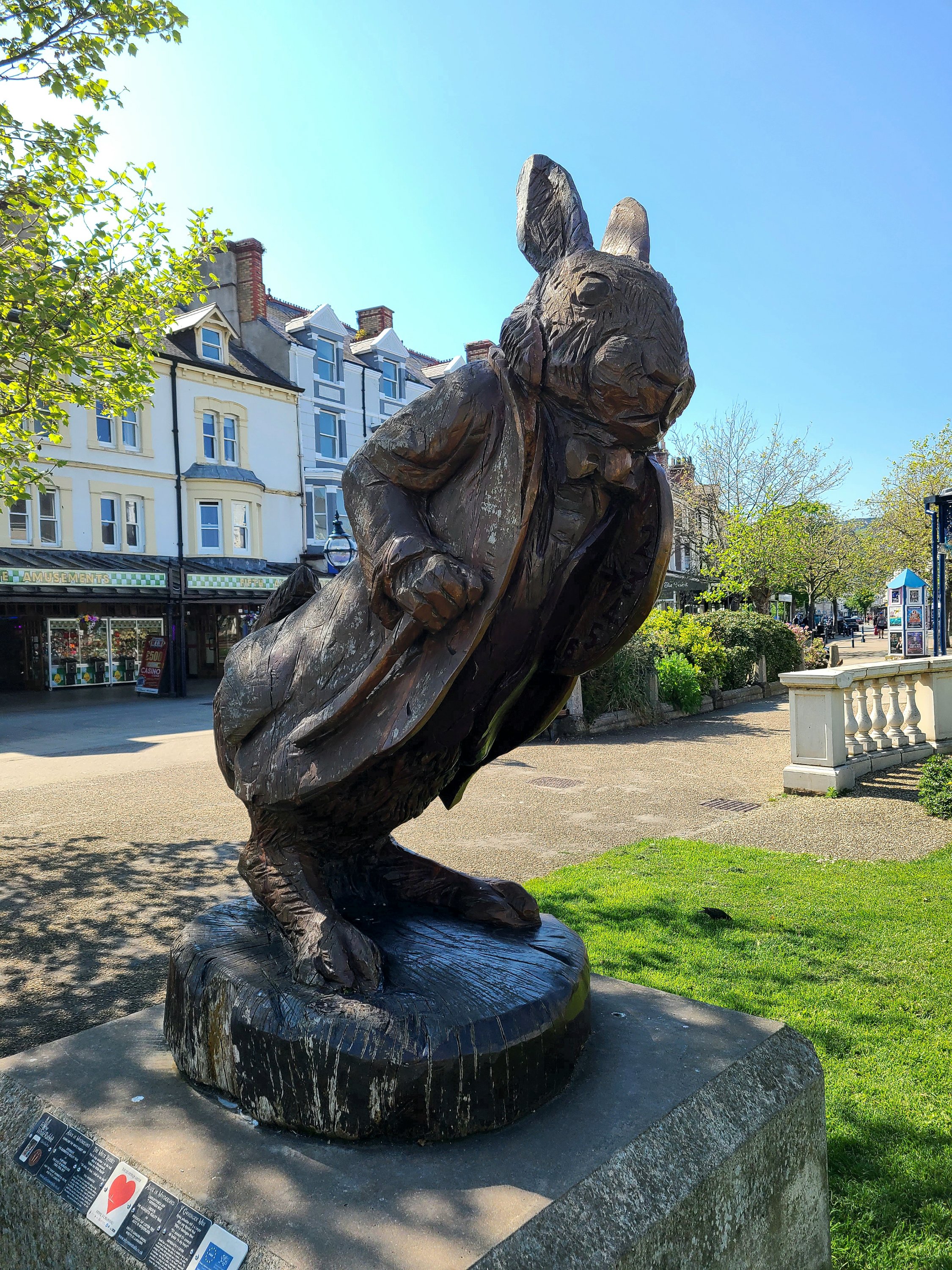
As you wander the streets of Llandudno, you will come across statues from Alice in Wonderland. It is said that the real ‘Alice’ spent the first of many summer holidays here in 1861 and inspired Charles Dodgson, who we know best by his pen name, Lewis Carroll, to write his famous novel Alice’s Adventures in Wonderland.

The town has embraced this story, unveiling an iconic White Rabbit statue in 1933. Since then, Llandudno has made the most of its Alice connection and you’ll find statues of characters like Alice, the Mad Hatter, the Queen of Hearts, and the White Rabbit scattered all around the town. Want to find them all? You can purchase an Alice in Wonderland Town Trail Map, “Follow the White Rabbit,” at the Tourist Information Centre and follow the 55 bronze cast footprints in the pavement starting outside the Llandudno Library.

Once you’ve finished your journey down the rabbit hole, head over to “The Looking Glass,” an Alice-themed dessert cafe, on Mostyn St. As you step inside the colourful dessert wonderland, the smell is amazing. The wholevenue is adorned with Alice in Wonderland-themed quotes and items.

From the bar you can order your ice cream with waffles or pancakes, as a banana split and more, and then choose what assortment of toppings and sauces you want to add to your creation. If you have a sweet tooth, you’d be ‘mad’ to miss enjoying a treat at this curious cafe!

Ready for some real food?

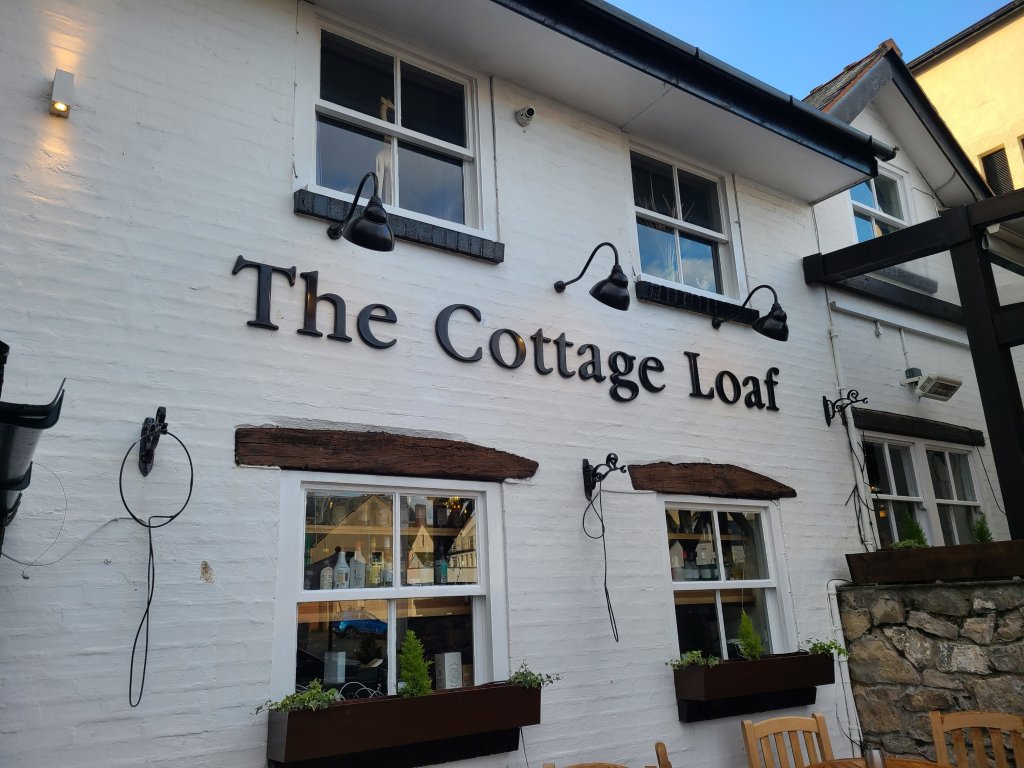
Head to The Cottage Loaf, a traditional Welsh country pub. It’s got a homey feel with wooden beams, fireplaces, old heavy furniture, and a great bar with a large variety of beer, including some local craft ones.

This charming town has something for everyone to enjoy on your Victorian-style seaside holiday!

Categories: Blog, Europe, Photo, Where in the World | Tags: , , , , , , , , , , , | 1 Comment

Colourful Tenby: Wale’s ‘Little Fortress of the Fish’

While researching seaside towns to visit in Wales, I quickly found that Tenby checked all the boxes:

Sandy beaches ✔️

Castle ruins ✔️

Colourful houses ✔️

Local brewery ✔️

and a nearby island inhabited by monks to explore✔️

So, I took the train from Cardiff and headed off to enjoy a few days by the seaside.

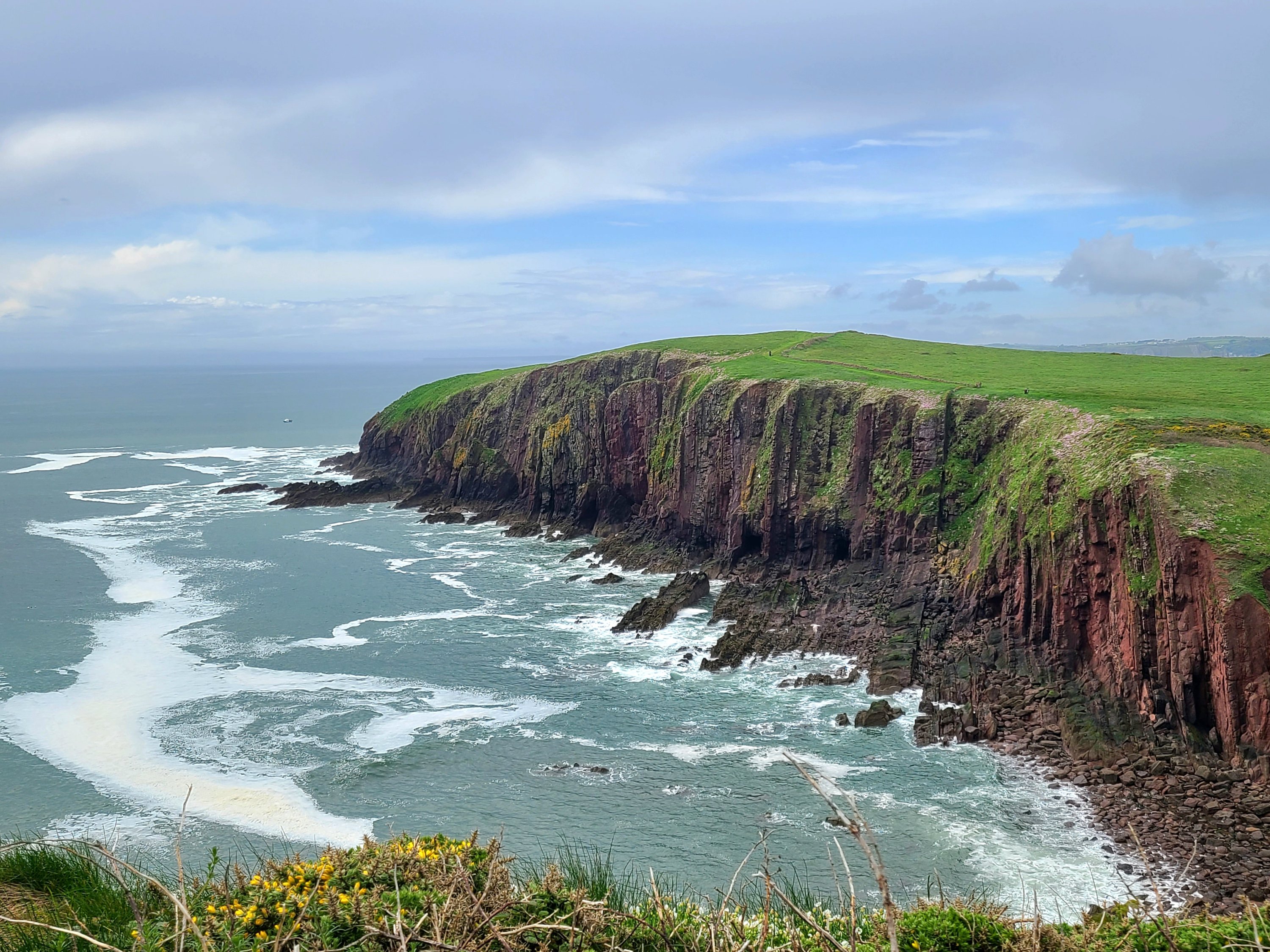
The historic fishing village of Tenby is located in the beautiful Pembrokeshire area of Southwest Wales.

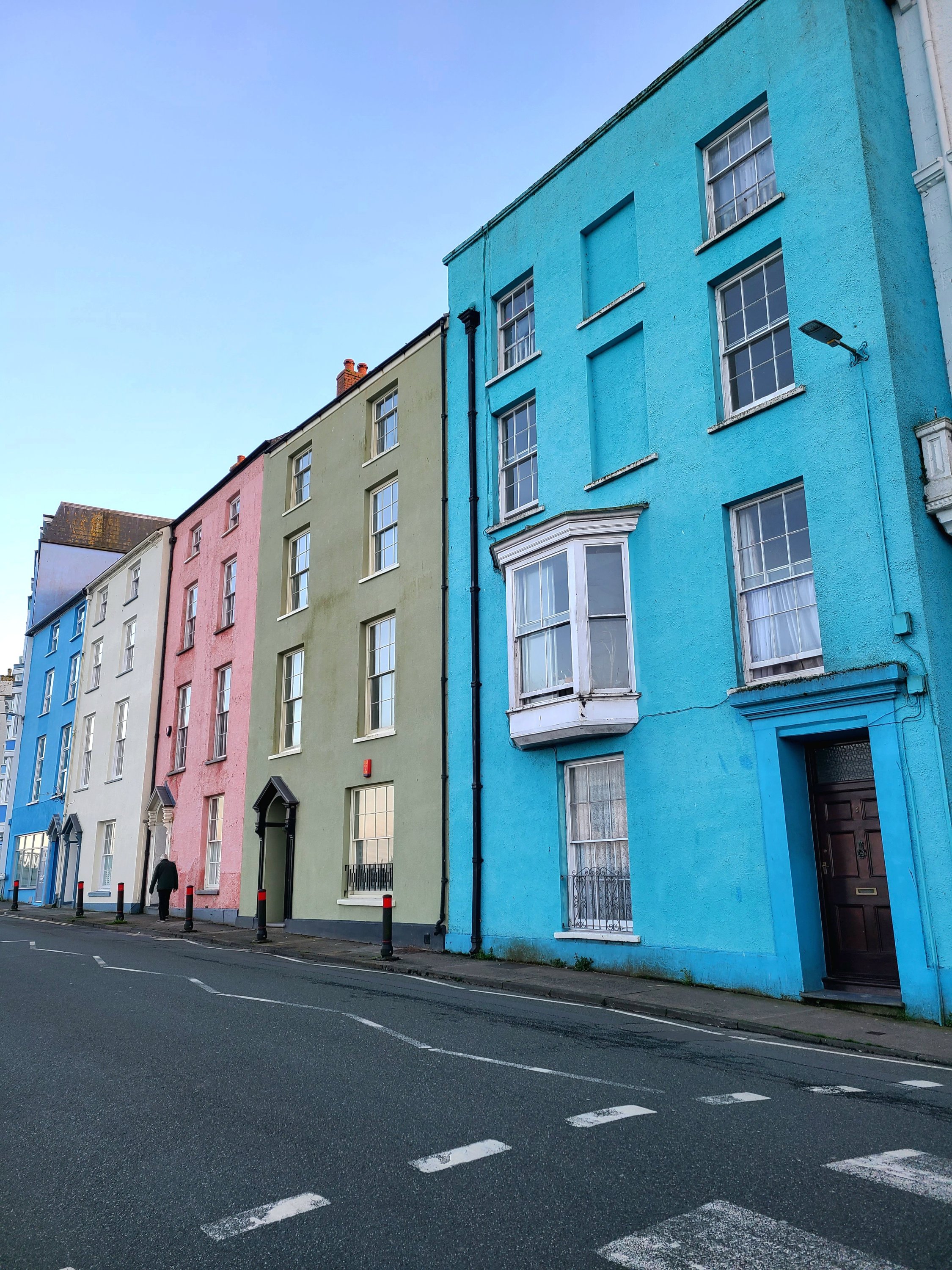
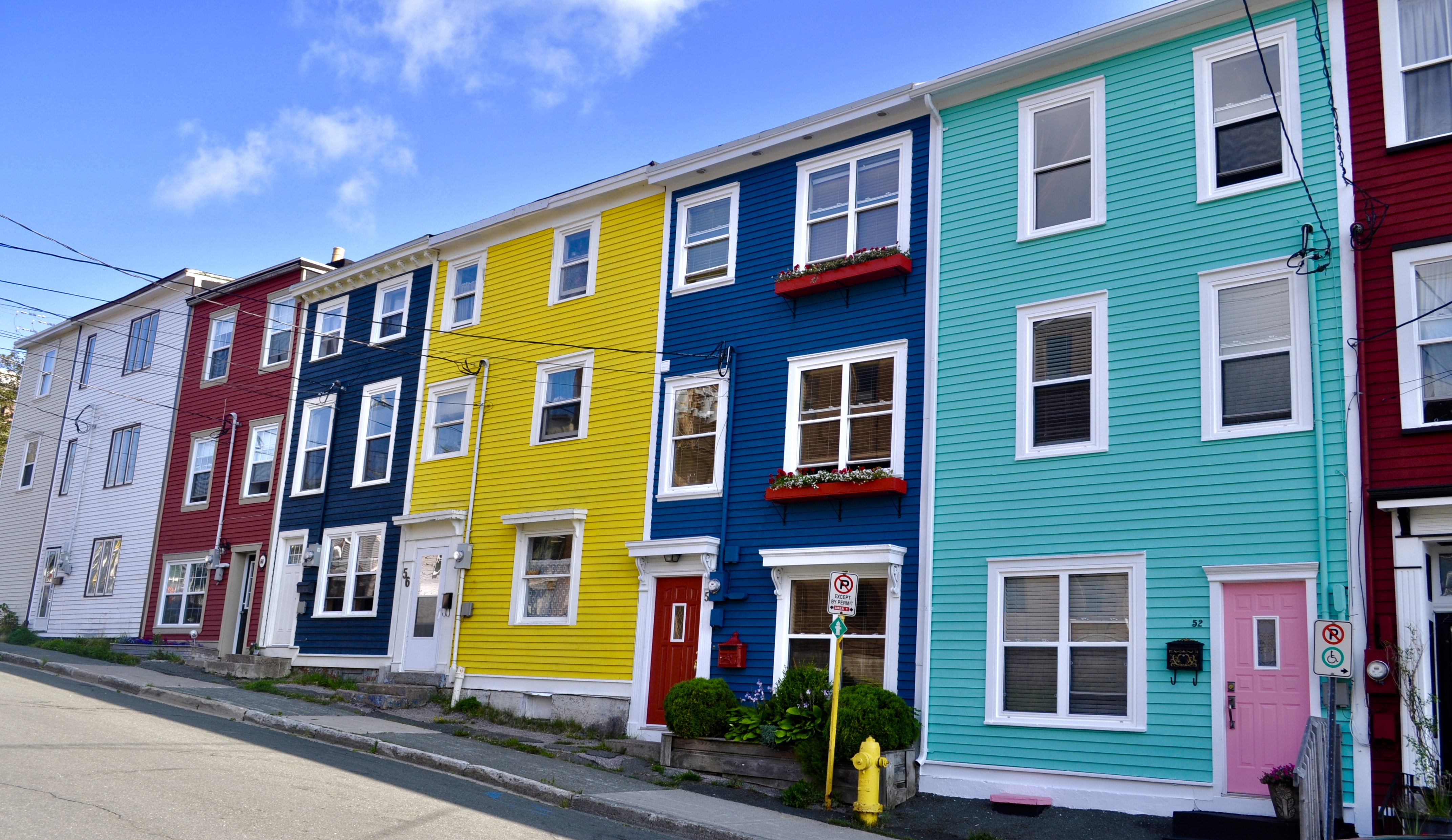
As a Canadian, it instantly reminded me of St. John’s, Newfoundland, with its colourful rows of houses, fishing boats, harbour, and plenty of fresh local seafood.

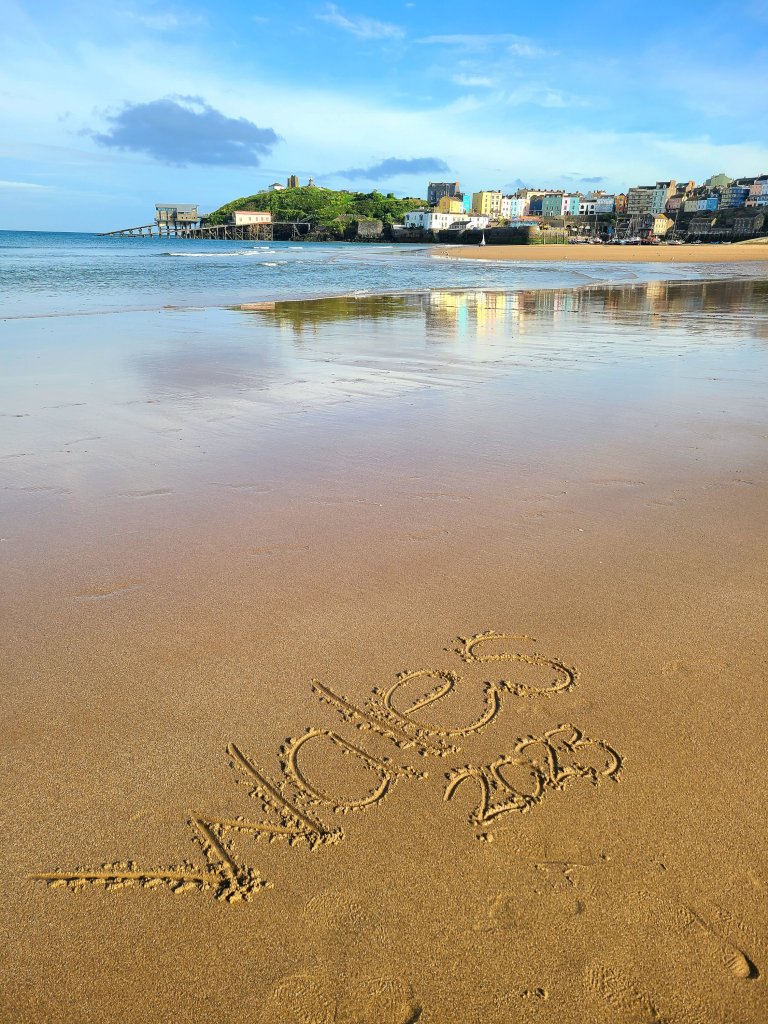
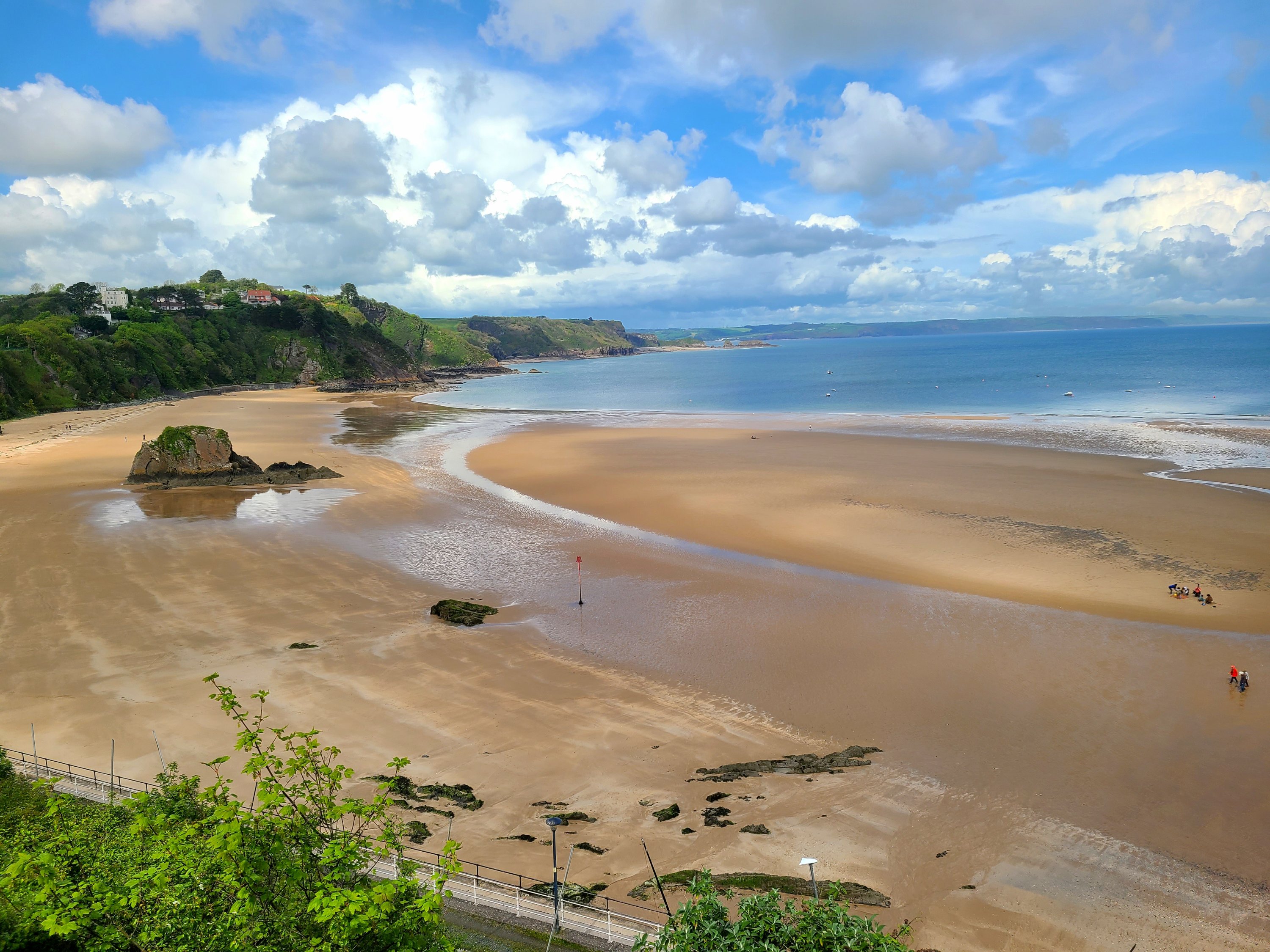
In Tenby, you are never far from a sandy beach. North, South and Castle beaches are all an easy walk from anywhere in town and with lots of space, especially when the tide is out, there’s plenty of room for everyone.

Tenby’s Welsh name, Dinbych-y-Pysgod, means ‘Little Fortress of the Fish’ and fishing is very popular here. Explore the harbour and find locals fishing off the pier or book a mackerel fishing excursion from one of the boat operators. You can also book tickets for a seal safari, island cruise, sunset cruise, and more.

Early in the morning, you will find the harbour full of boats floating in the calm water, but as the tide goes out, soon the boats are sitting in the sand. It’s quite the sight!
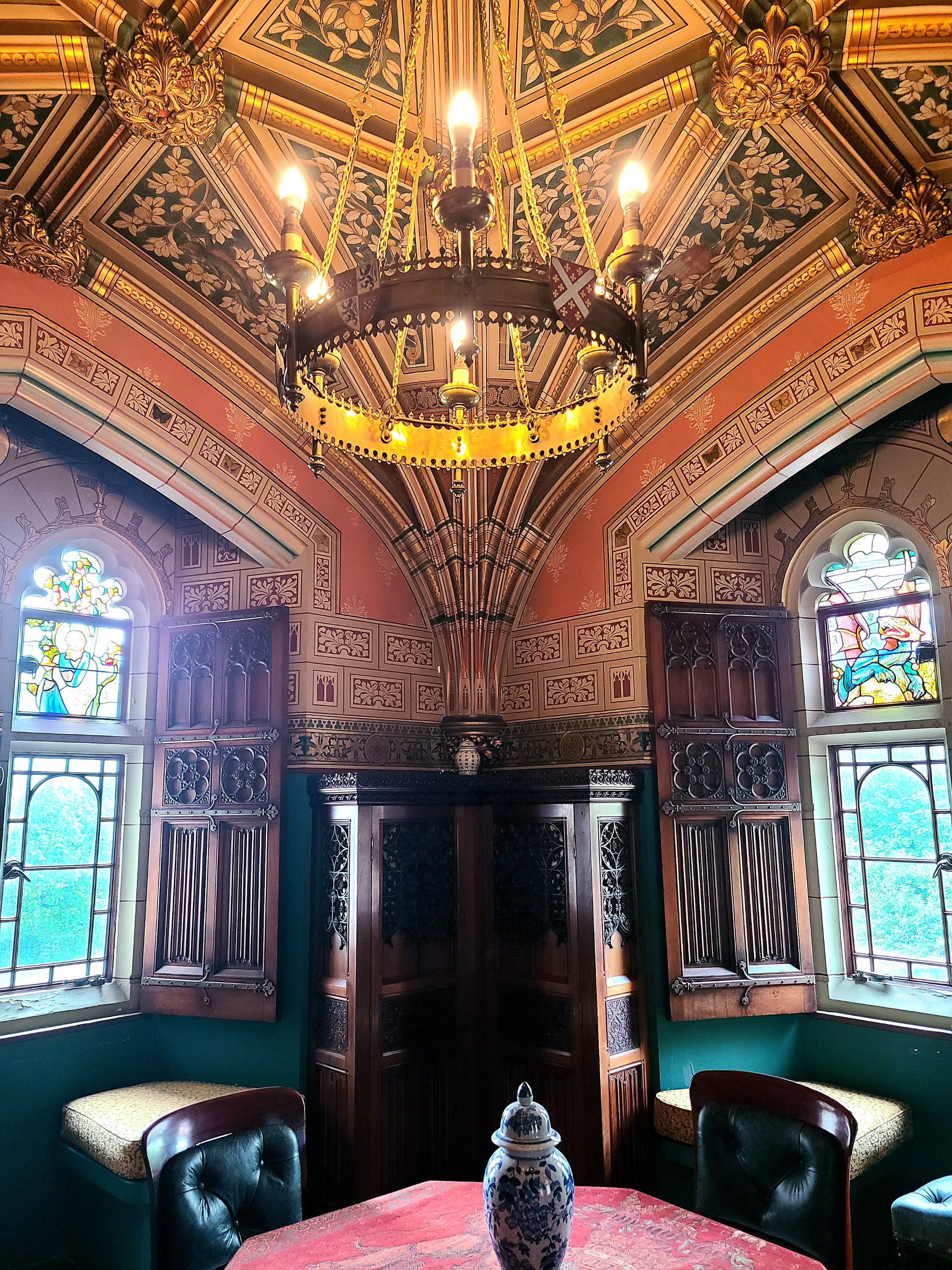
The harbour has its own small beach to enjoy as well as the old stone St Julian’s Fisherman’s Church.

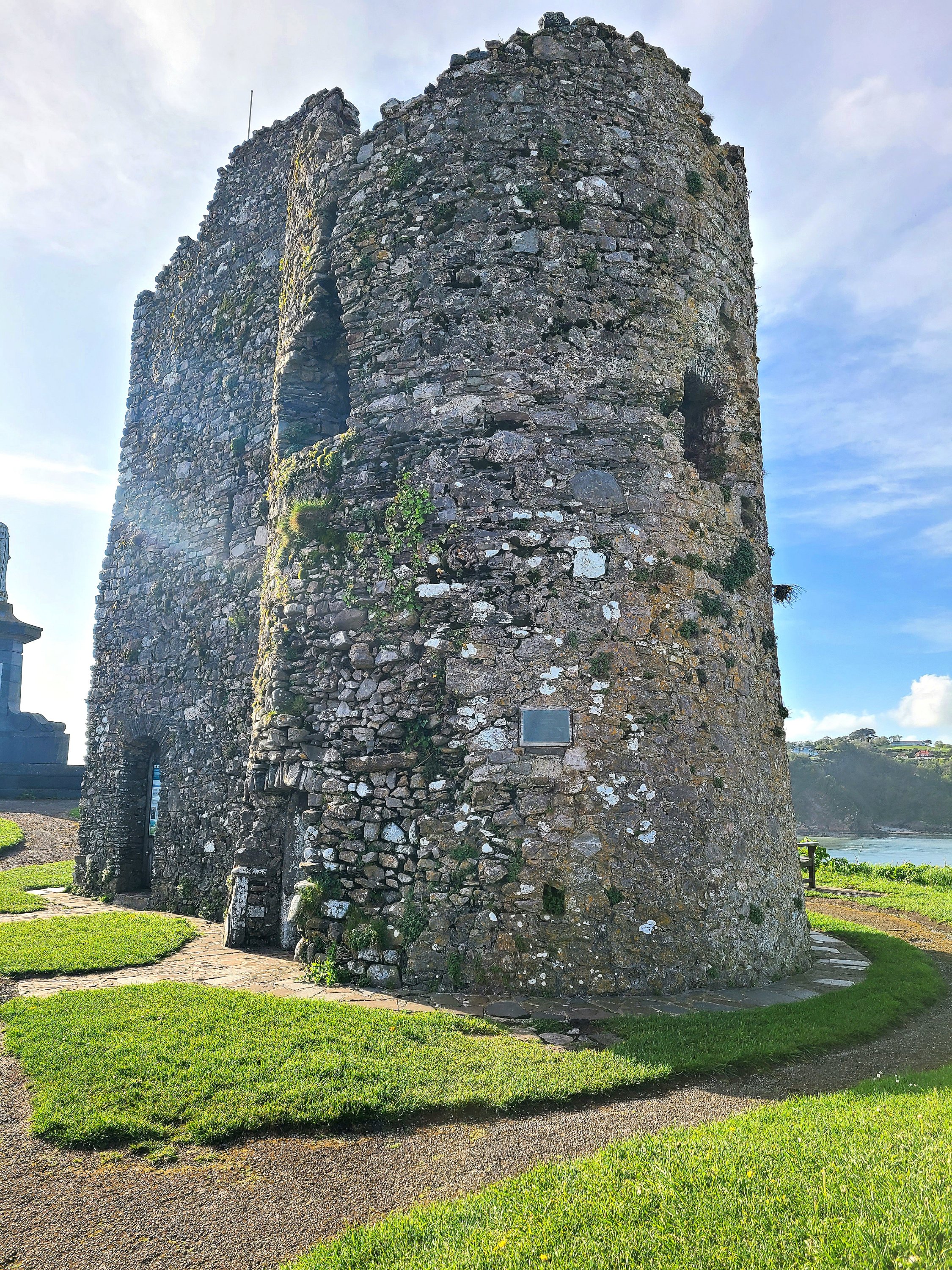
Tenby Castle was built by the Normans in the 12th century. Today, all that’s left of Tenby Castle is a small tower perched on top of Castle Hill, overlooking Castle Beach and surrounded by the sea.

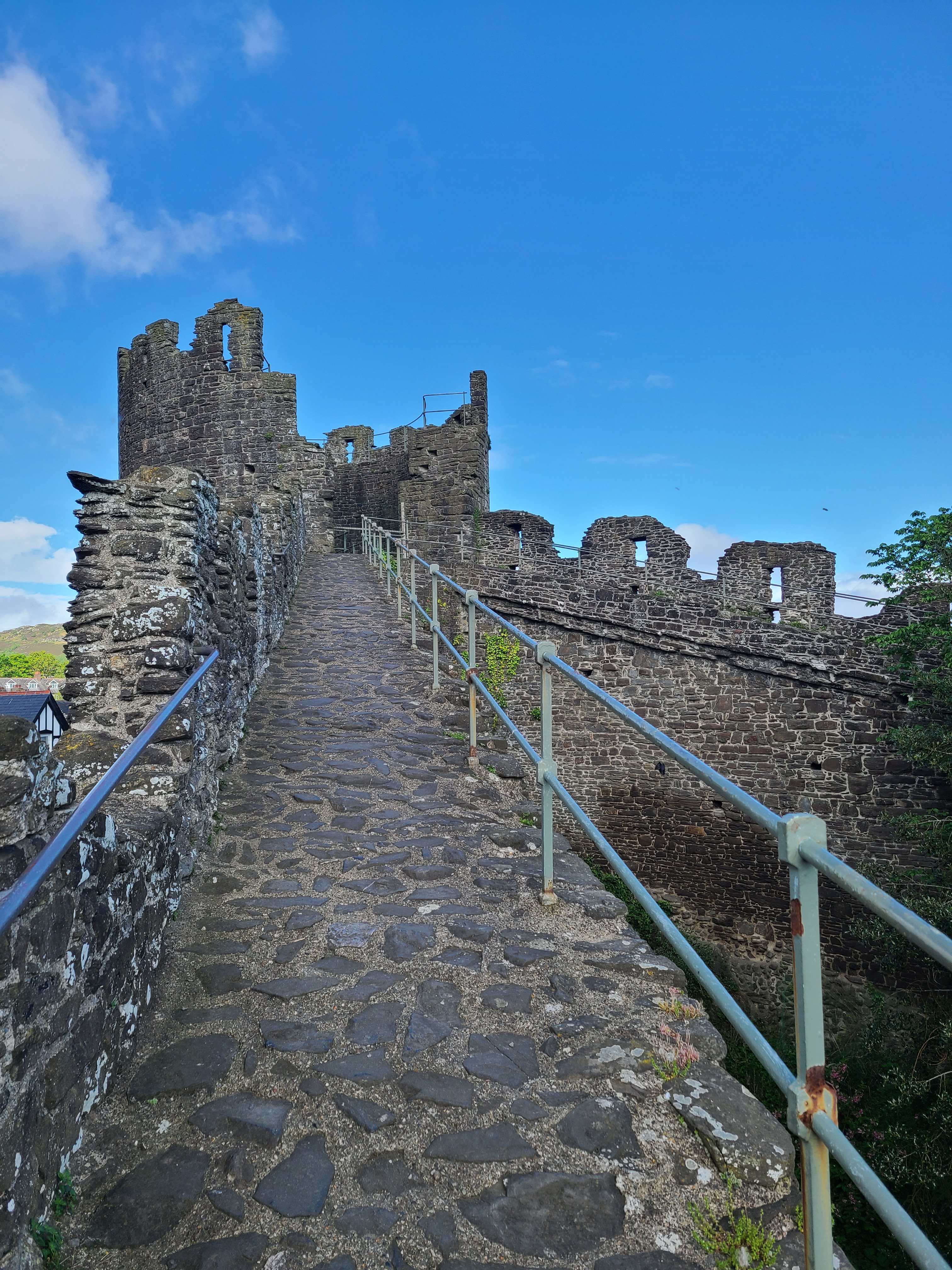
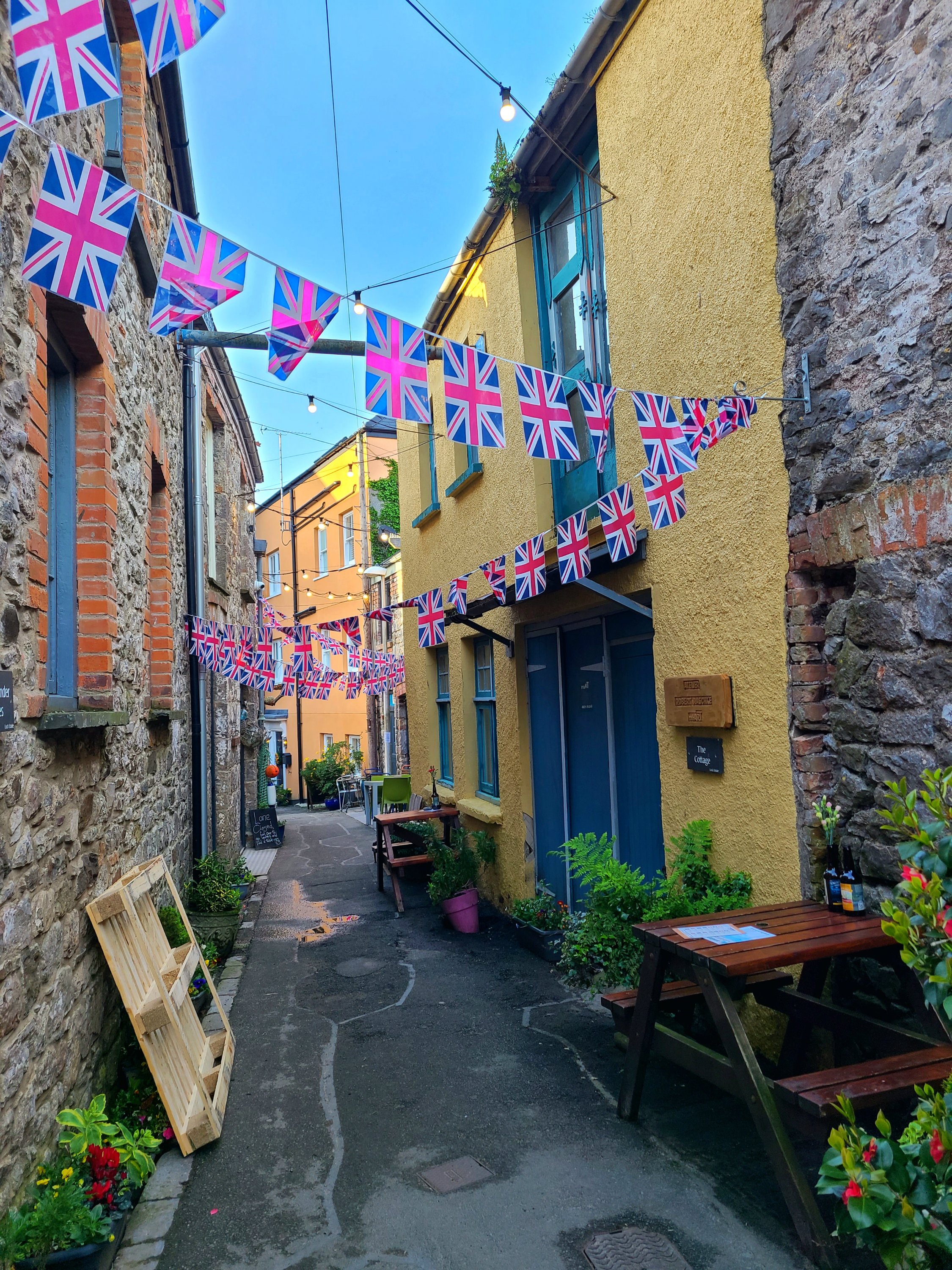
While most of the castle is gone, the old town walls remain fairly intact, especially on the east side. The main entrance here is ‘Five Arches’ gate, leading to a maze of narrow streets that make up the picturesque old town of Tenby.

St Catherine’s Island & Fort has a very interesting history including a 13th century chapel, Victorian fort, palatial home, wartime garrison, zoo, movie location, and is now a visitor attraction.

Located just off Castle Beach, at low tide, St Catherine’s becomes a tidal island that’s easy to stroll across the beach to. (The entrance fee is £5. Open daily during the summer. Times depend on the tides.) 

I loved walking along the waterfront, past all the colourful houses and up and down the hilly old streets, making my way around town.

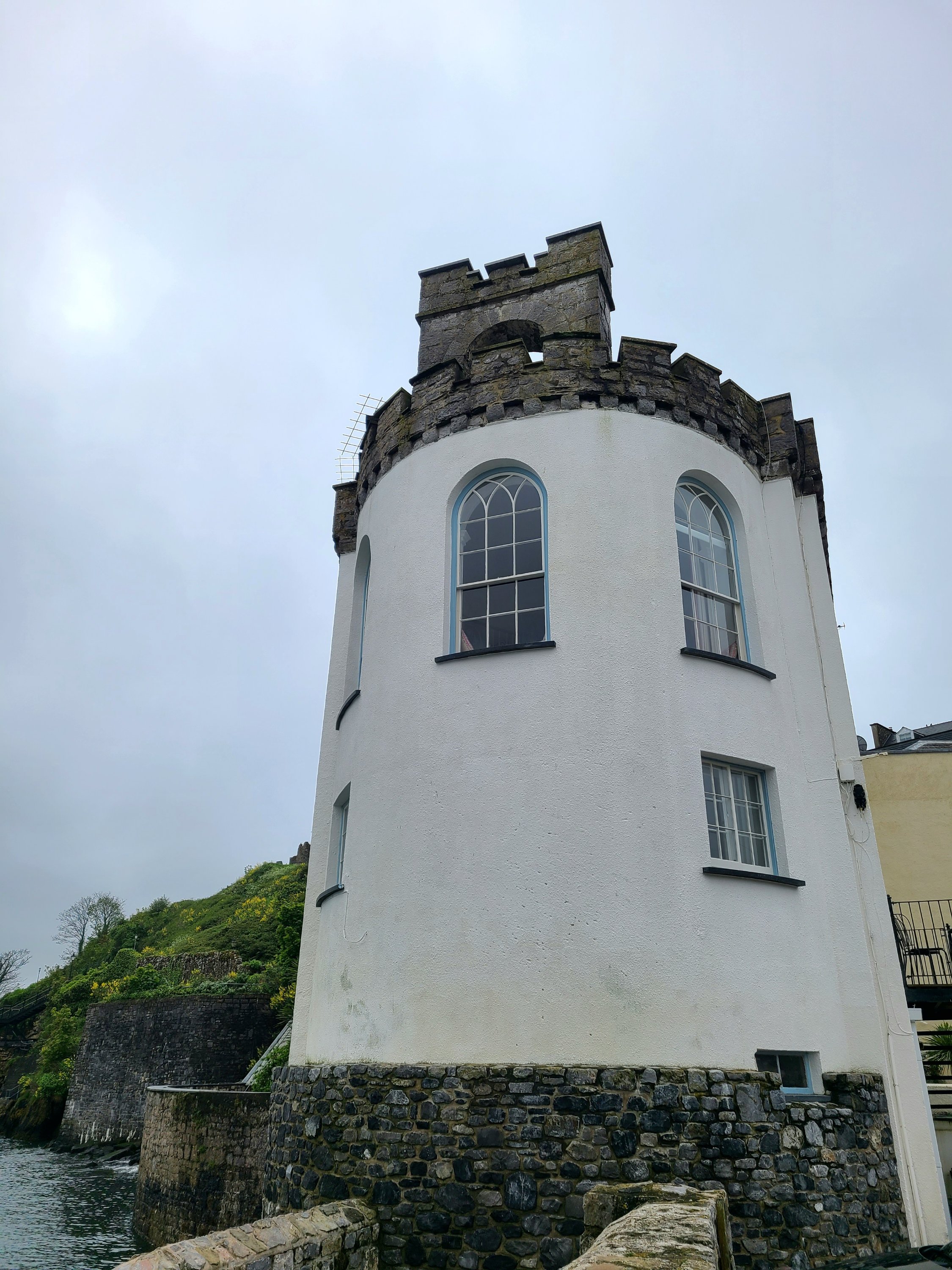
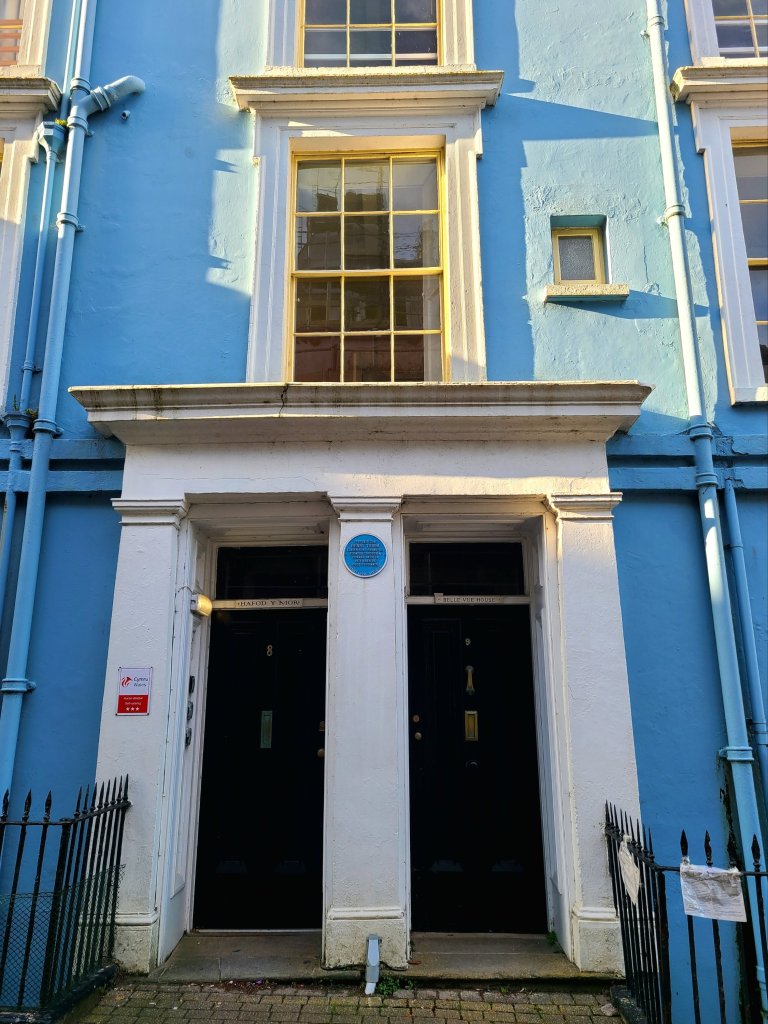
As I wandered around, I found a number of old buildings with plaques on them stating what famous person had lived or vacationed there, including authors Mary Ann Evans (aka George Eliot) and Roald Dahl. (I would have loved to stay in this cabin by the water!)

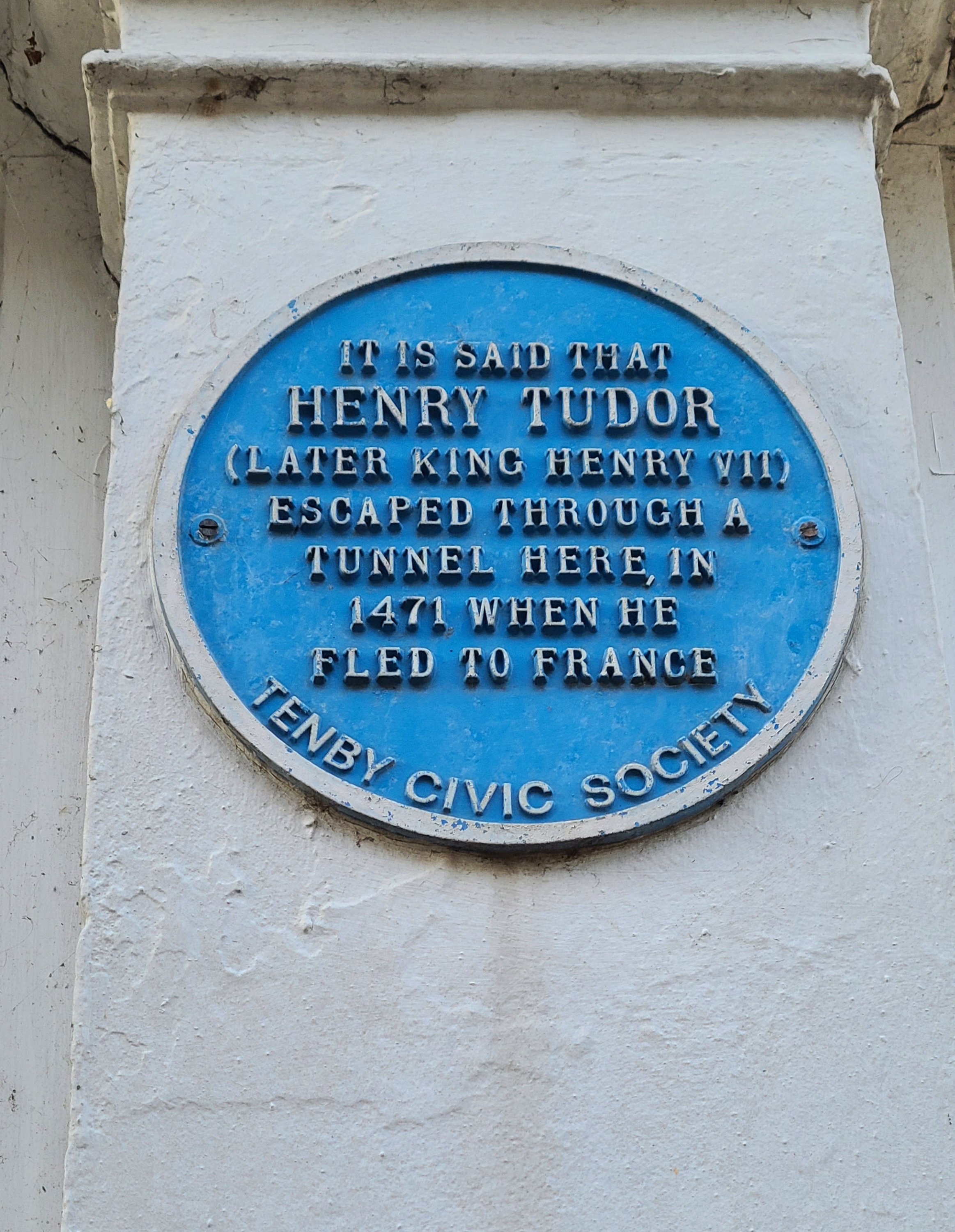
And this house, where it’s said that Henry Tudor (later King Henry VII) escaped through a tunnel and fled to France in 1471!

St. Mary’s Church stands in Tudor Square. During the Middle Ages, it was the largest Medieval Church in Wales and reflected the town’s prosperity as a bustling port town.

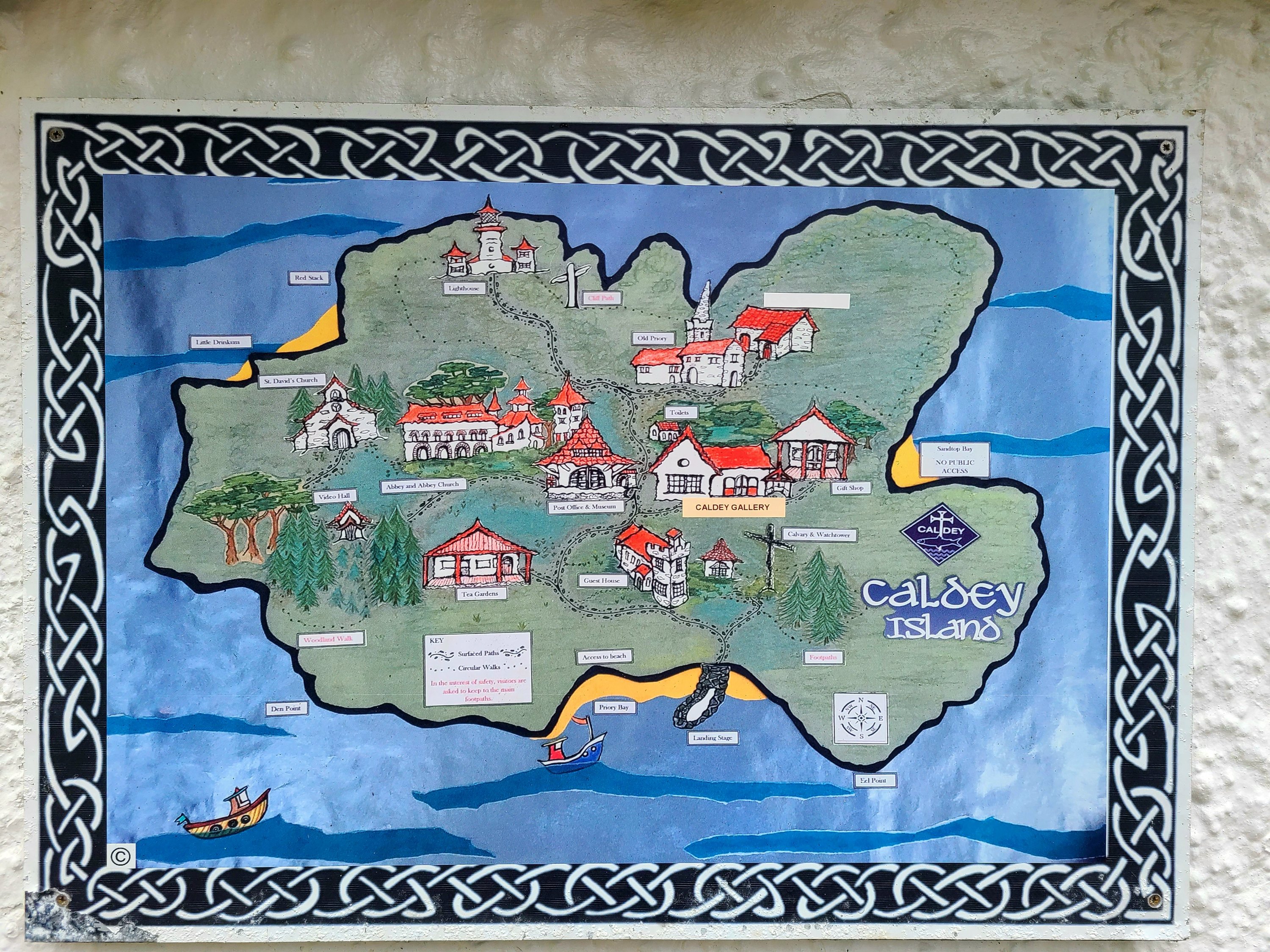
Caldey Island is a small island, 2.4km long & 1.6km wide, located about a 20-minute boat ride from Tenby. (£15 return, buy from a kiosk down by the harbour.)

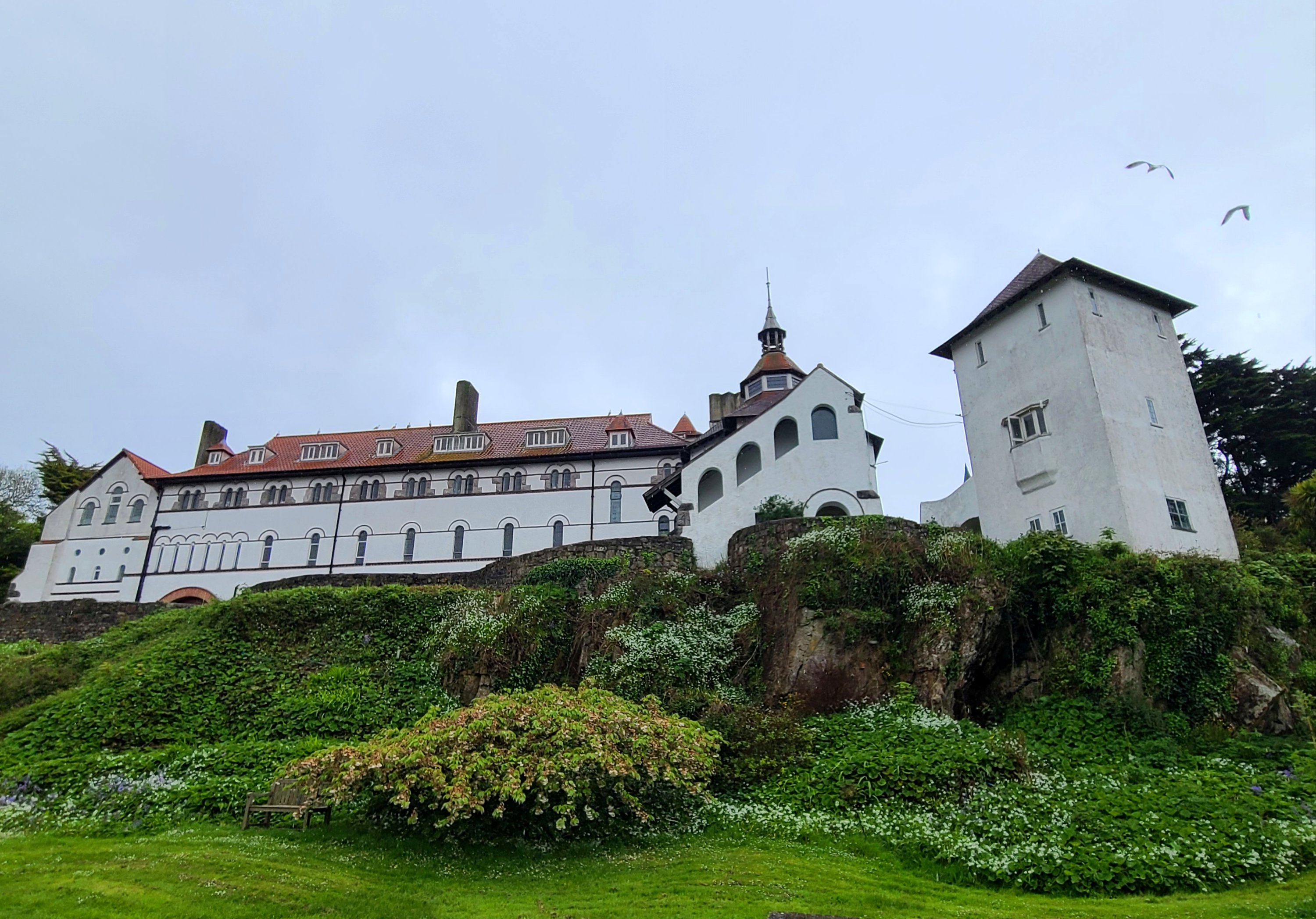
The island has been inhabited by monks since the 6th century. Currently, Caldey Island is home to Cistercian monks, who built the abbey here in 1906. The island is also home to one of the area’s most beautiful beaches and gorgeous cliff views along the island’s trails. The small village hosts a tea garden, gift shop, gallery, and post office. The monks make and sell chocolate and perfume on the island and I definitely recommend the chocolate!

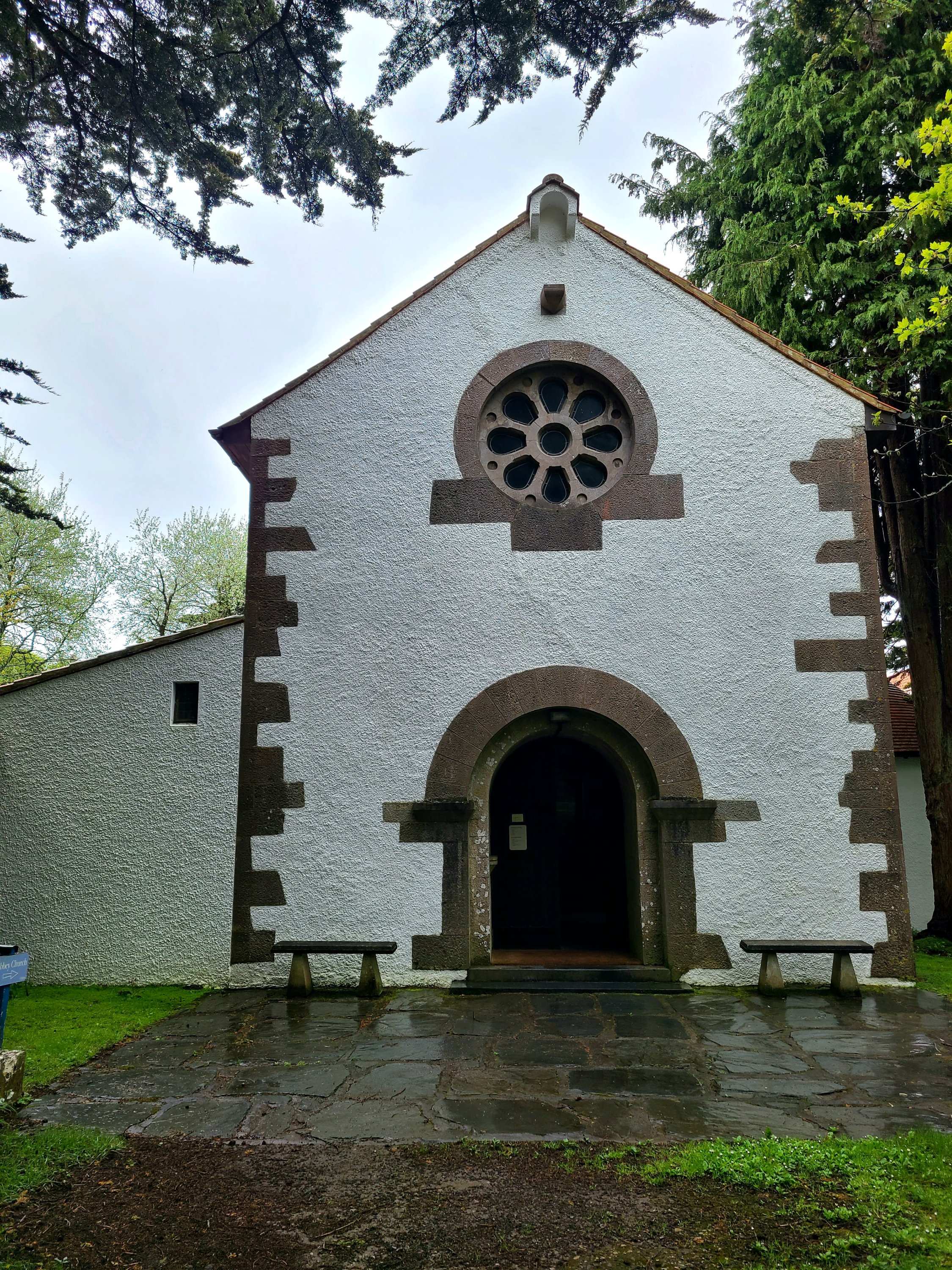
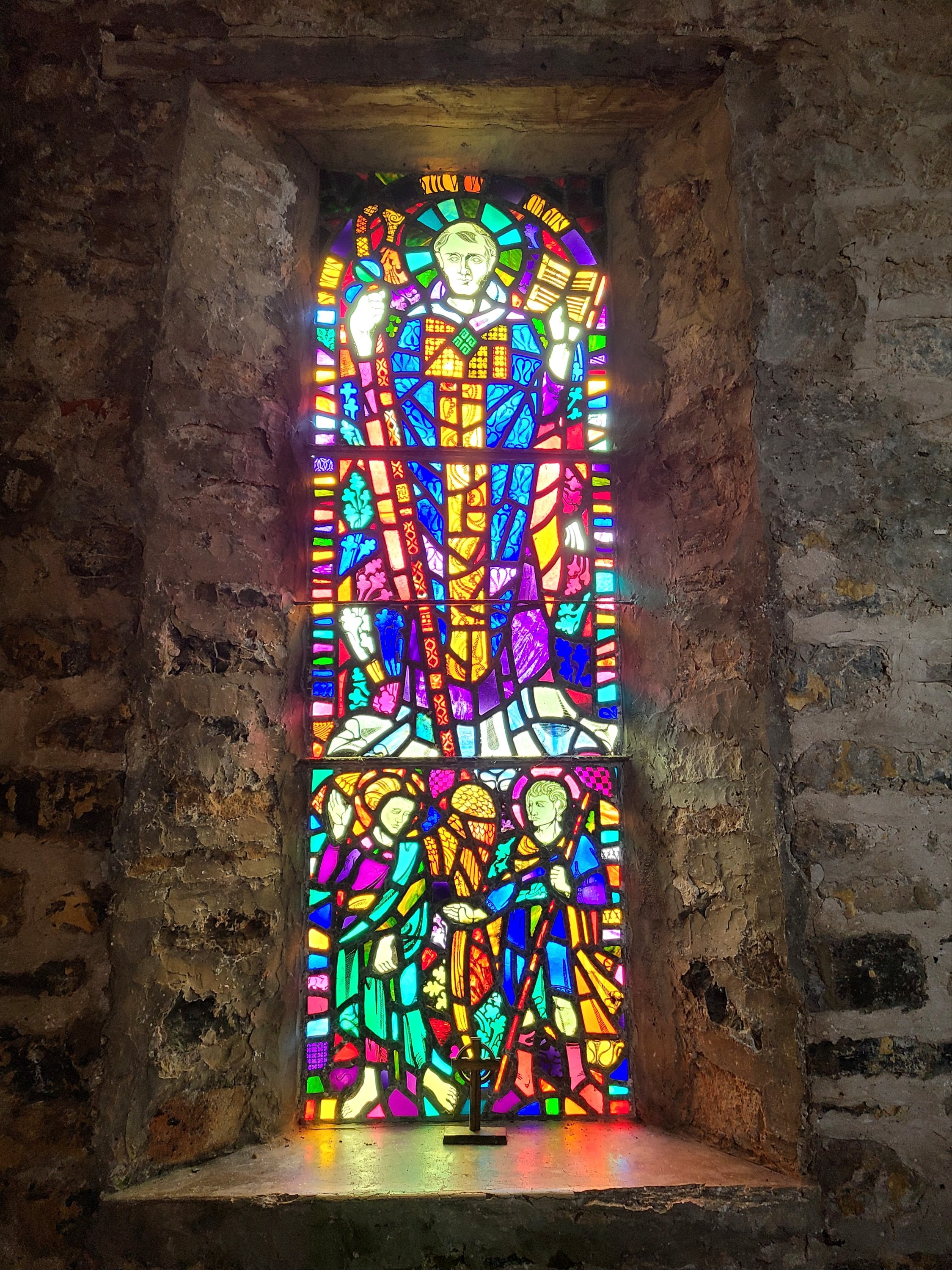
Here, you will also find St. David’s Church, with some beautiful stained glass and the Italianate Abbey, home to the Cistercian monks. Guests may enter the Abbey Church, but the rest of the Abbey is private.

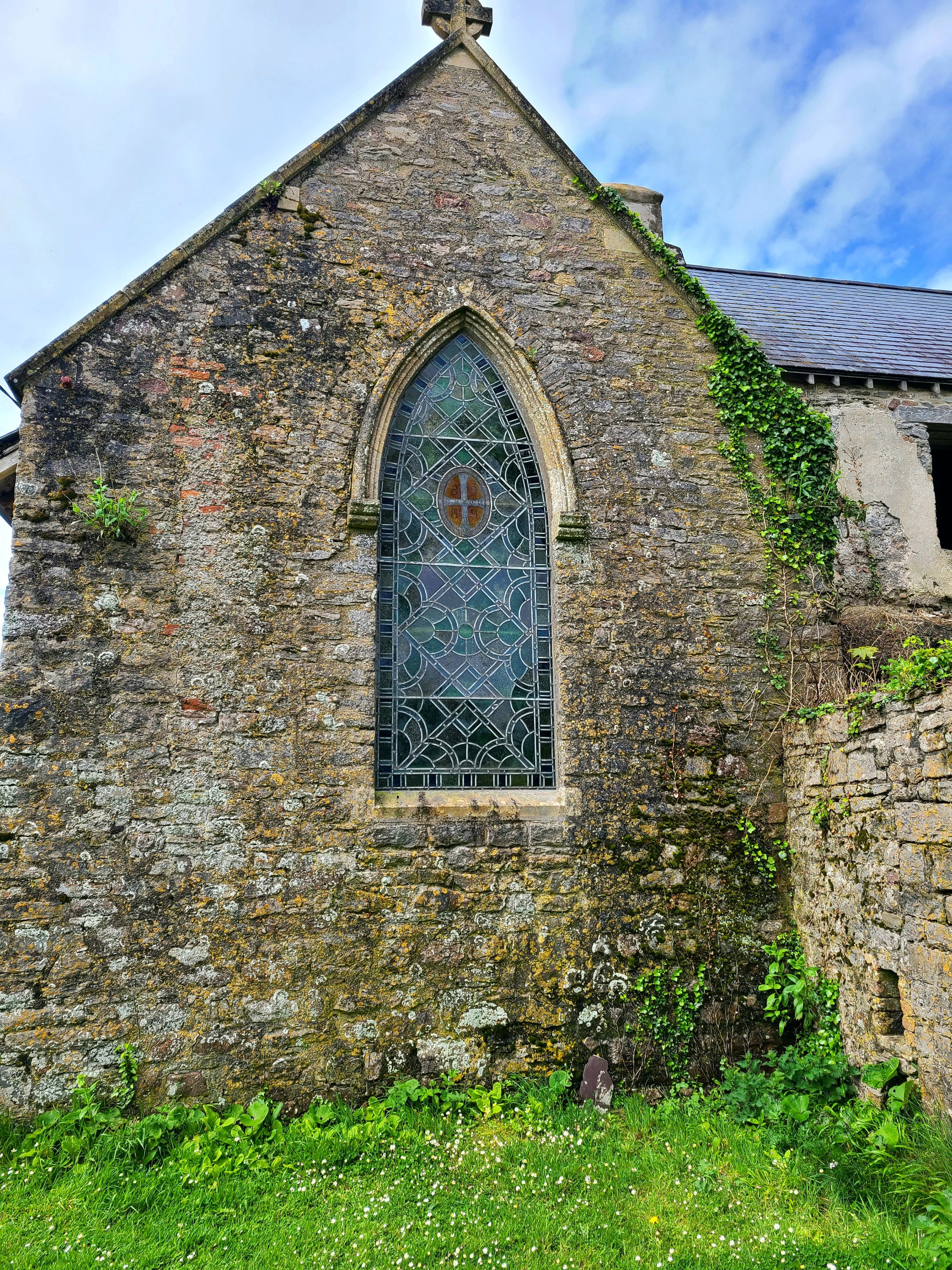
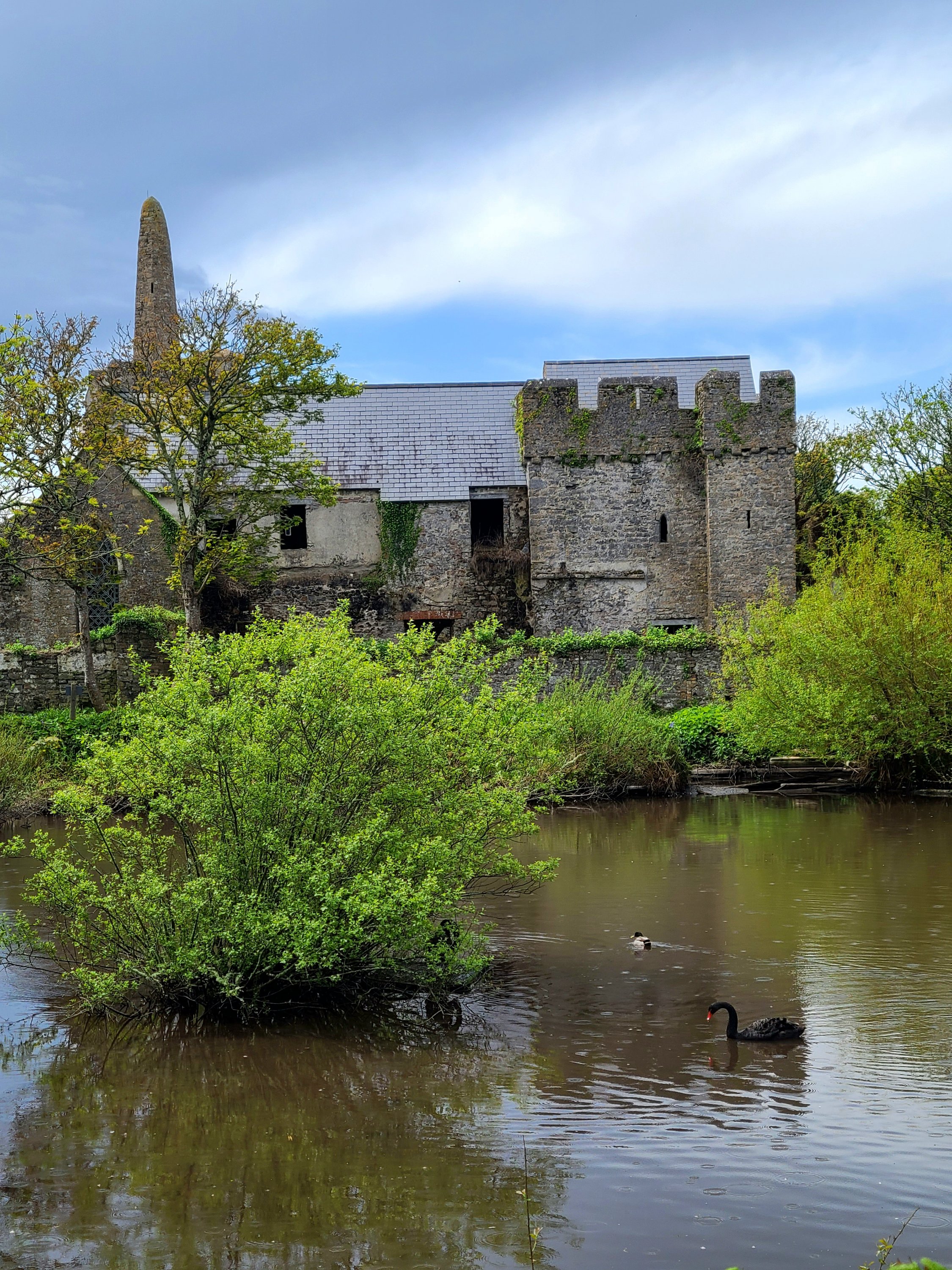
St Illtyd’s Church and Old Priory is the oldest building on the island. While some of it is now in ruins, most of the church remains and the stained glass inside is beautiful. The pond out front is also host to the island’s black swans.

Caldey island has several walks to explore, allowing guests to enjoy the views and the island’s wildlife.

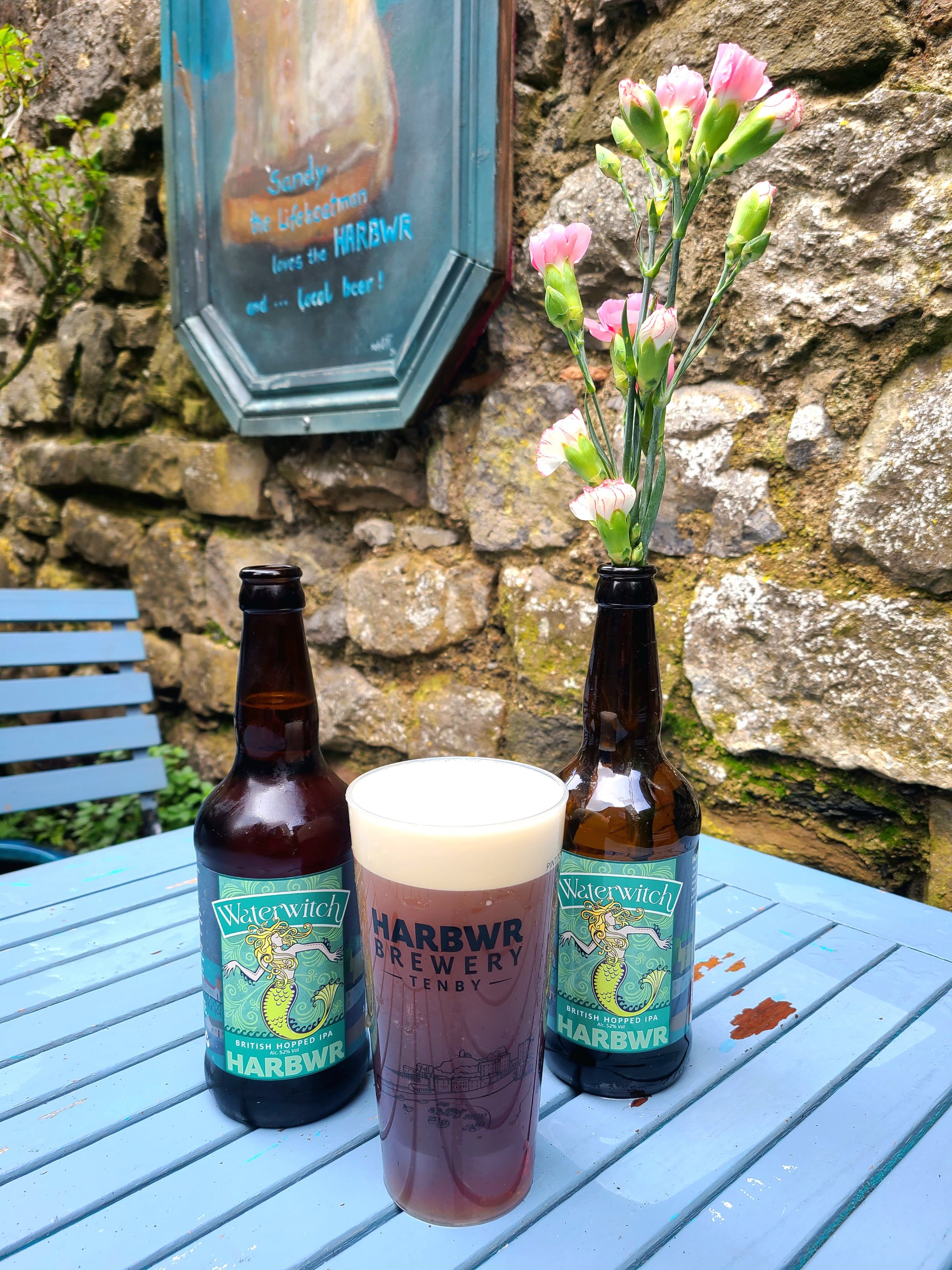
If, like me, you are a fan of beer, and craft beer in particular, then Tenby Harbwr Brewery is a must. Filling up most of an alleyway, this brewery has a beer garden, retail store, taproom, and outdoor alley sitting, as well as a restaurant. Grab a pint (or two) and enjoy!

As you stroll along the historic streets of Tenby, you’ll come across a number of quaint shops, restaurants, and snack shops. (Be sure to stop for a local Welsh cake!) After spending my day by the water, I went looking for fish & chips. I chose Tenby’s Traditional Fish & Chips for takeout and enjoyed my meal back down by the water, watching the sun set over this colourful seaside wonder.

Categories: Blog, Europe, Photo, Where in the World | Tags: , , , , , , , , , , | 3 Comments

Charming Cardiff

I’ve travelled to the UK many times over the years, but had never made it to Wales. So, on a recent trip, I figured it was time!

The capital of Wales, Cardiff, or Caerdydd in Welsh, started out quite small. In 1801 there were only about 2,000 people living here. Rapid growth between 1801-1911 led to a population of 180,000 by 1911. Cardiff only officially became the capital of Wales in 1955 and is still a relatively small capital with around 488,000 people. 

I wasn’t sure what to expect from Cardiff, but quickly fell in love with its charm. The city centre is filled with restaurants, pubs, and shopping as well as historic sights to explore.

Cardiff is a city of Victorian and Edwardian arcades. Originally, these covered pedestrian thoroughfares were designed to enable locals to enjoy indoor shopping without any concern for the weather. Within the walls of Cardiff’s seven arcades, you’ll find a maze of over 100 independent stores and local eateries. But even if the weather is great, they are still beautiful to explore.

The Cardiff Arcade Company turned a retired slum house into the city’s first shopping plaza, The Royal Arcade, in 1858. Castle Arcade, which was built between 1882 and 1889, is one of my faves, most famous for its balconies and two large arches mirroring each other. It’s quite the sight!

As I only had two full days to explore the city, I started my visit with a quick stop for some Welsh cakes from Fabulous Welshcakes (they are delicious!) and then went on a free walking tour.

I find they are a great way to get oriented with a new city, learn some history and fun facts, and get great recommendations on where to eat, drink, and visit.

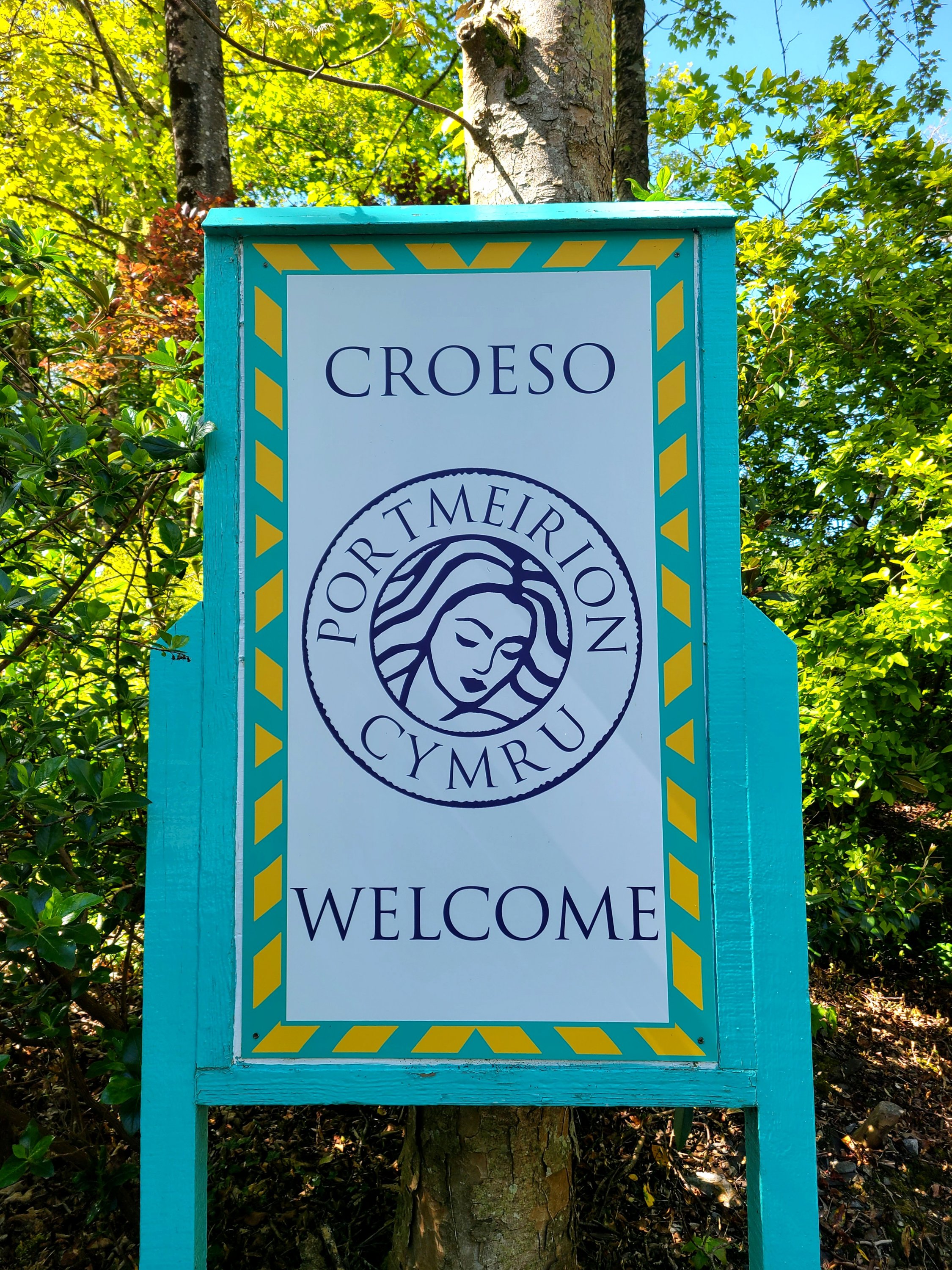
This tour was no exception, and I even learned a few Welsh phrases! Welsh is the oldest language in the UK. Wales in Welsh is ‘Cymru’ and Welcome is ‘Croeso.’ In the 1500s, the Welsh language was banned by England and English was the only official language until 1967, when Welsh was finally given language status. The 1993 Welsh Language Act gave Welsh equal status to English and you will now find all road signs, official documents, etc. written in both languages. There has been a big push to bring the Welsh language back after years of decline, and once again it is being taught in schools.

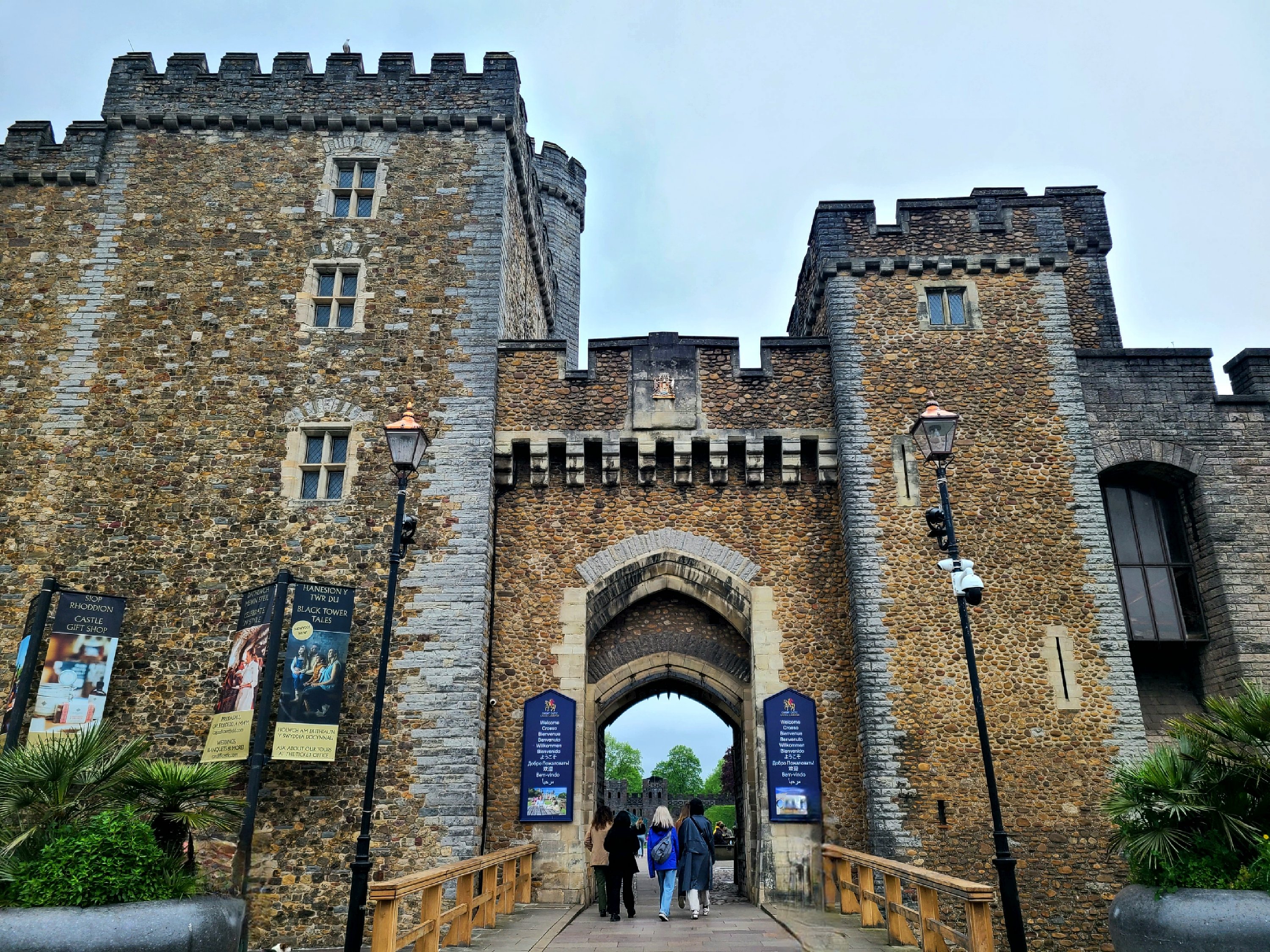
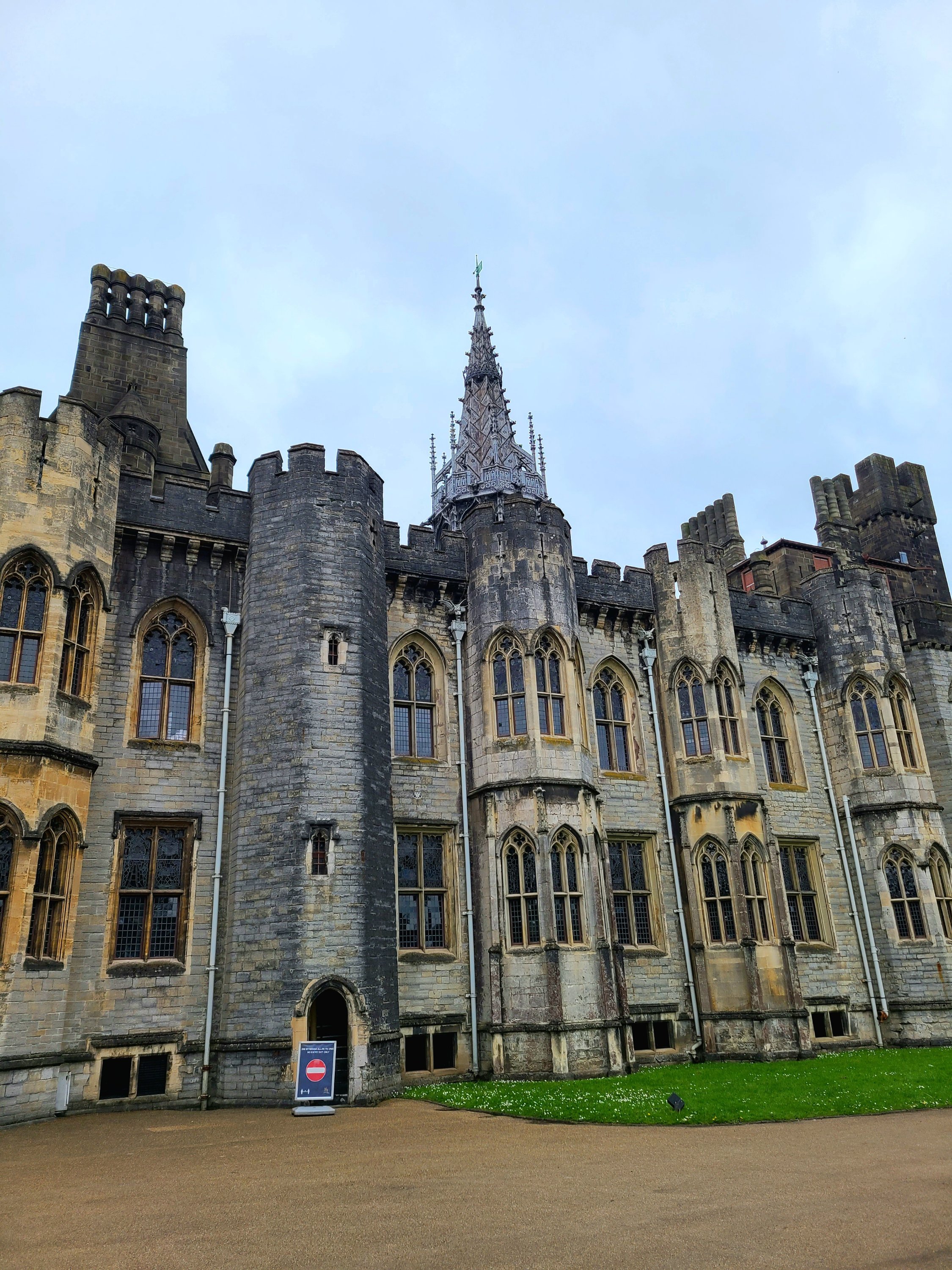
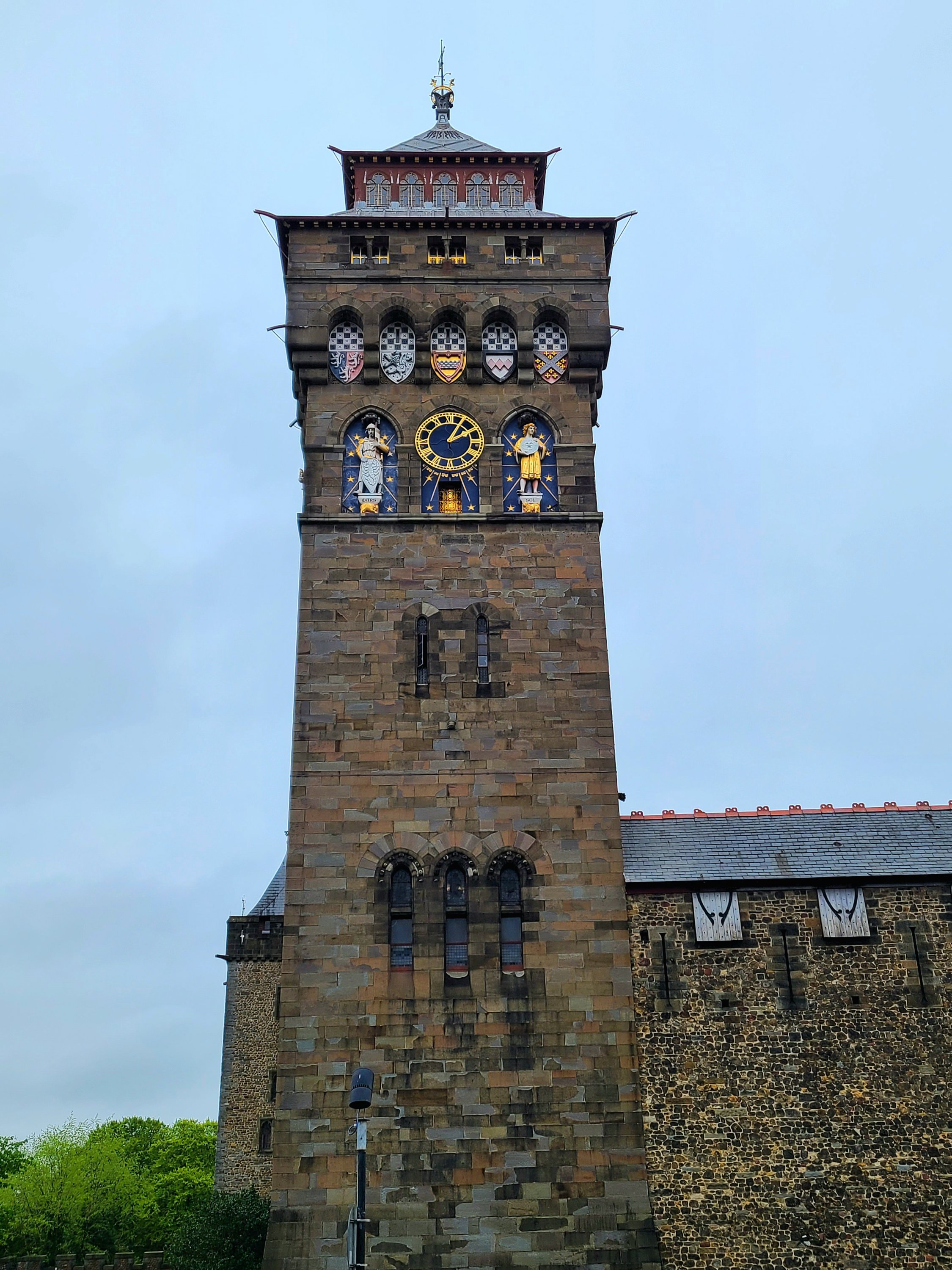
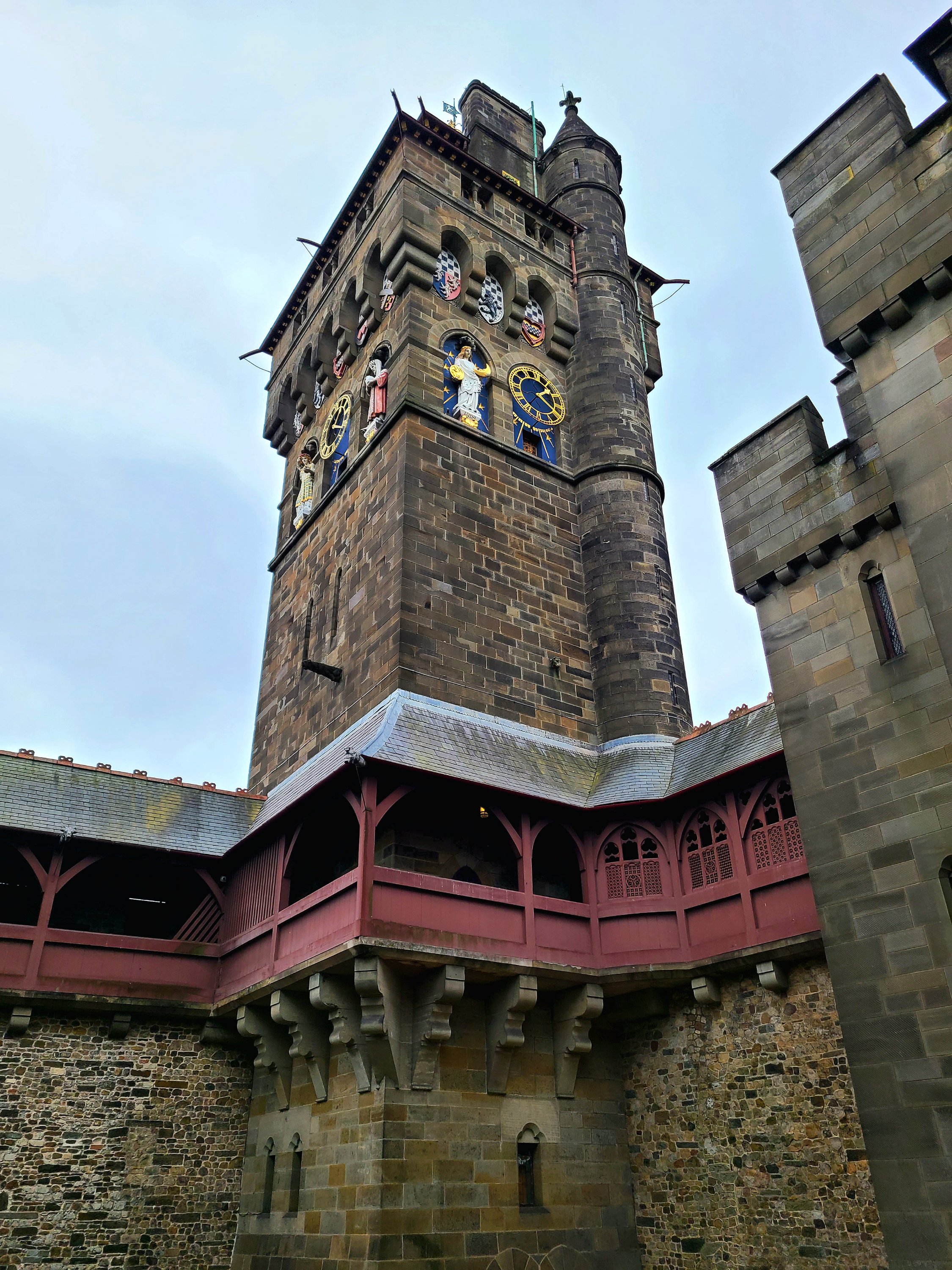
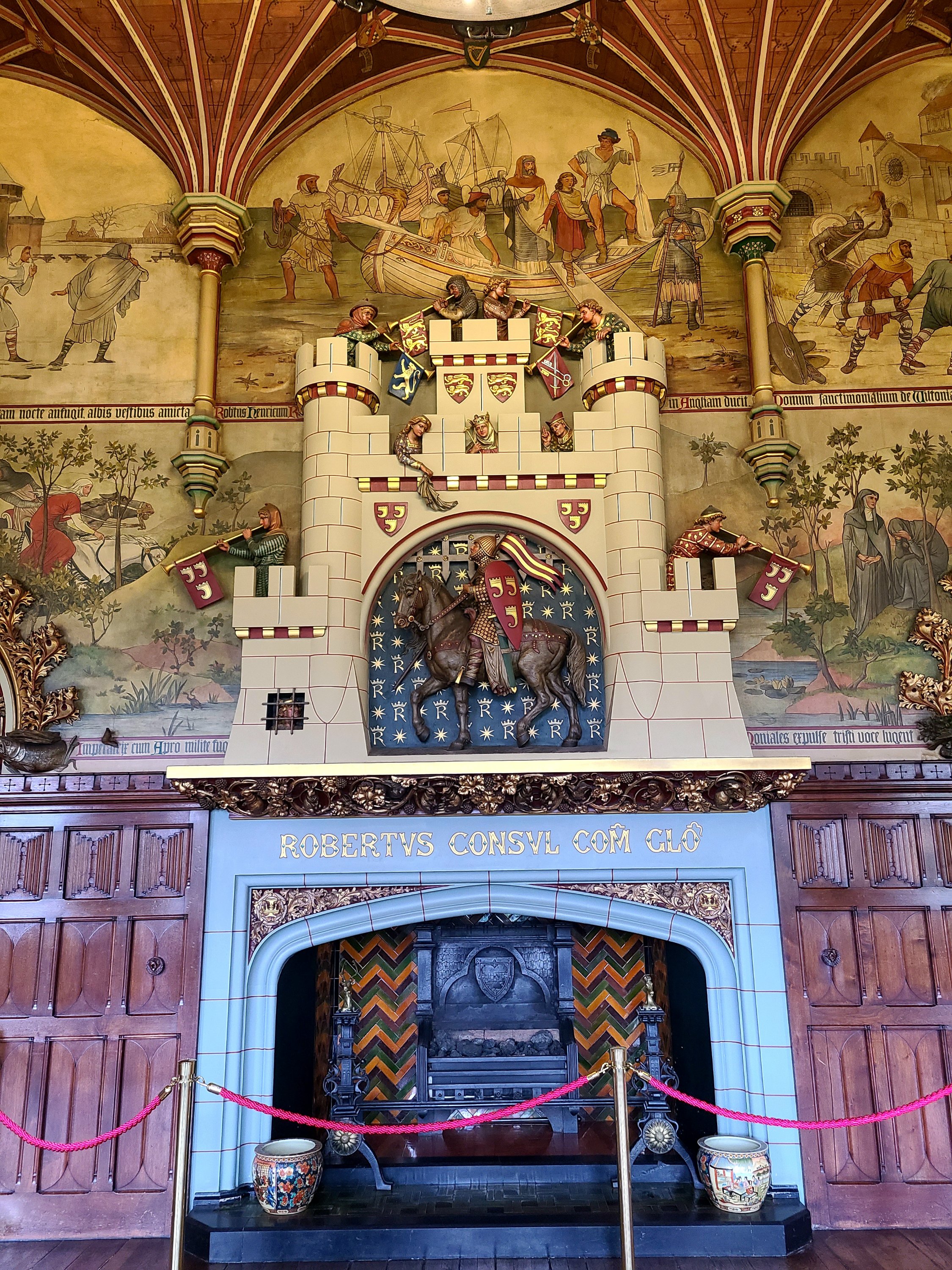
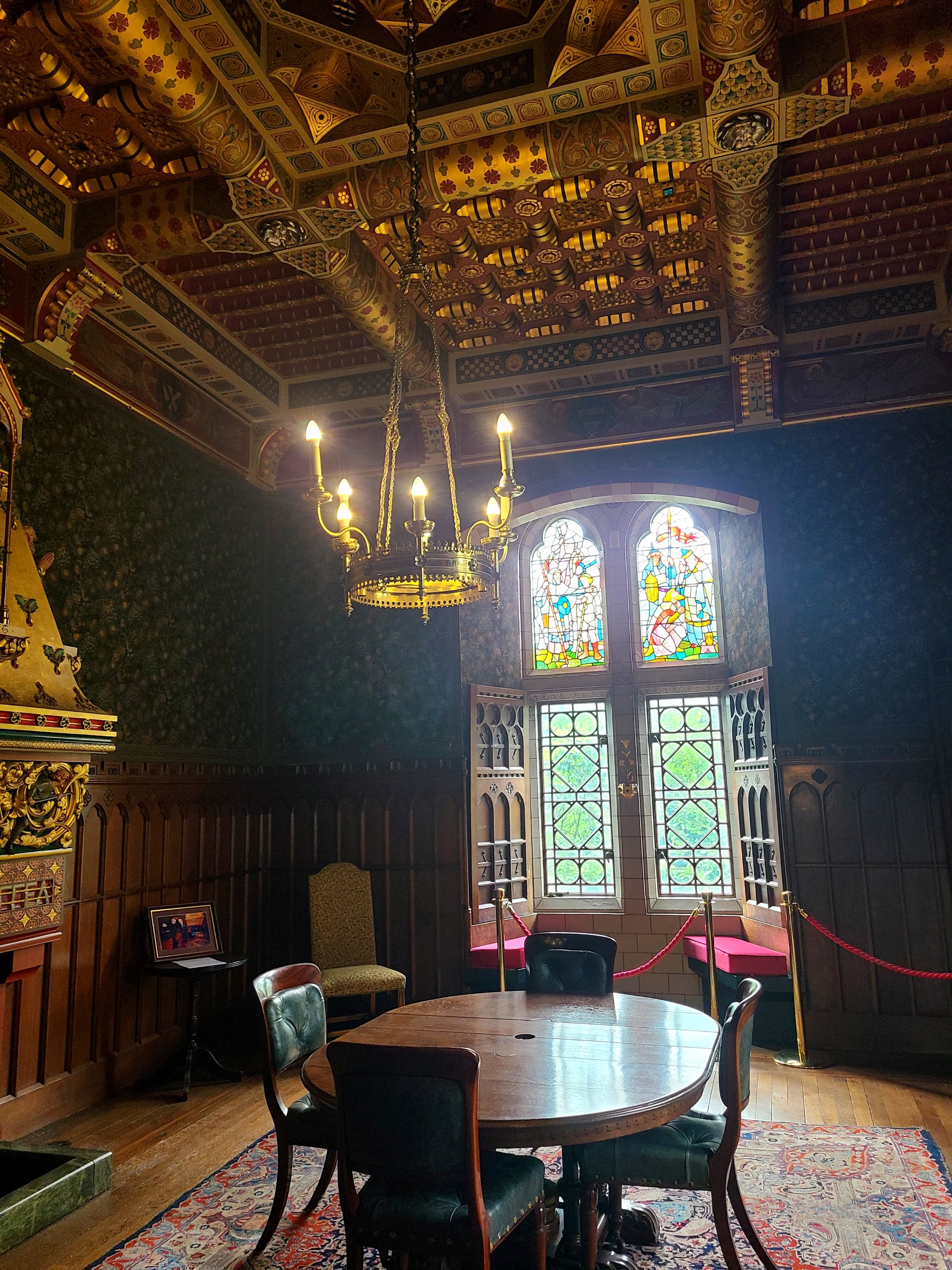
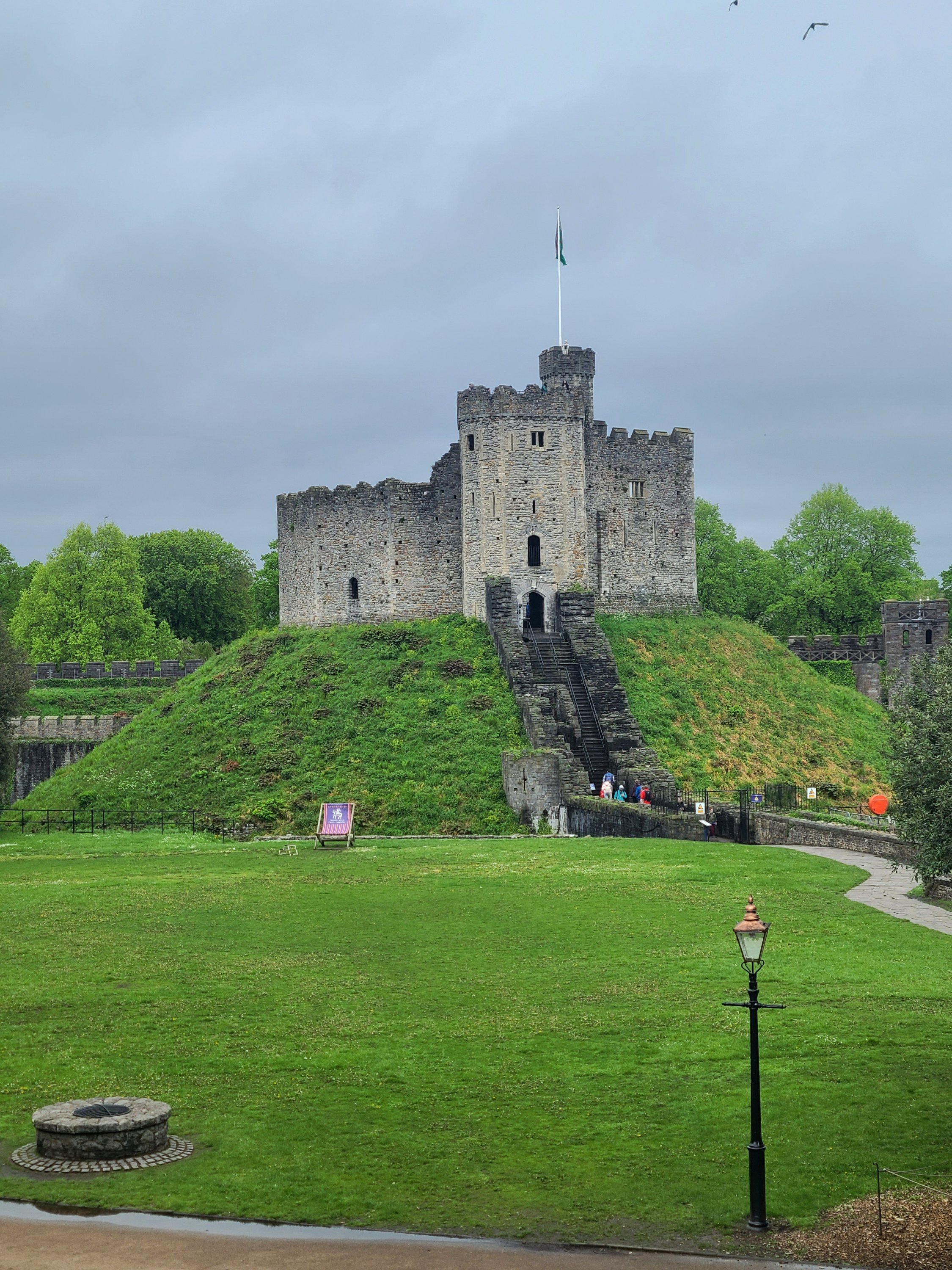
A must-see in Cardiff is Cardiff Castle, nestled right in the city between shops and the leafy green Bute Park. The castle’s history dates back 2,000 years, when the Romans built a series of forts. During the 11th century, the Normans built the Keep which is still found on the Castle Green. During the 19th century, the Bute family transformed the House into the lavish Victorian Gothic home that’s on display today. Then, in 1947, Cardiff Castle and its extensive parkland were given to the City of Cardiff by the Bute family. 

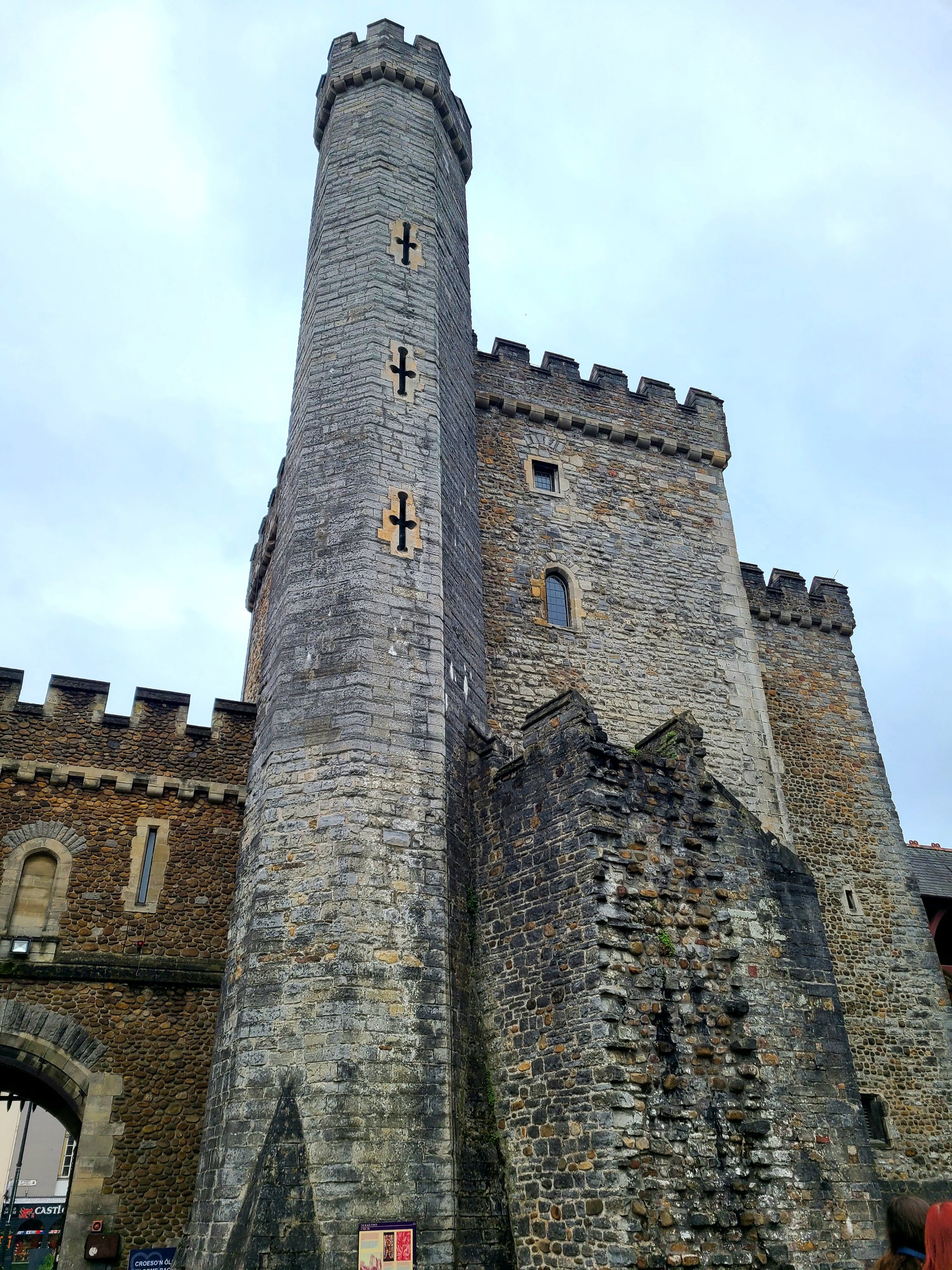
A general admission ticket (£14.50) allows access to most of the castle grounds. You can also purchase add-ons for the Black Tower, a guided House Tour, or a Clock Tower tour.

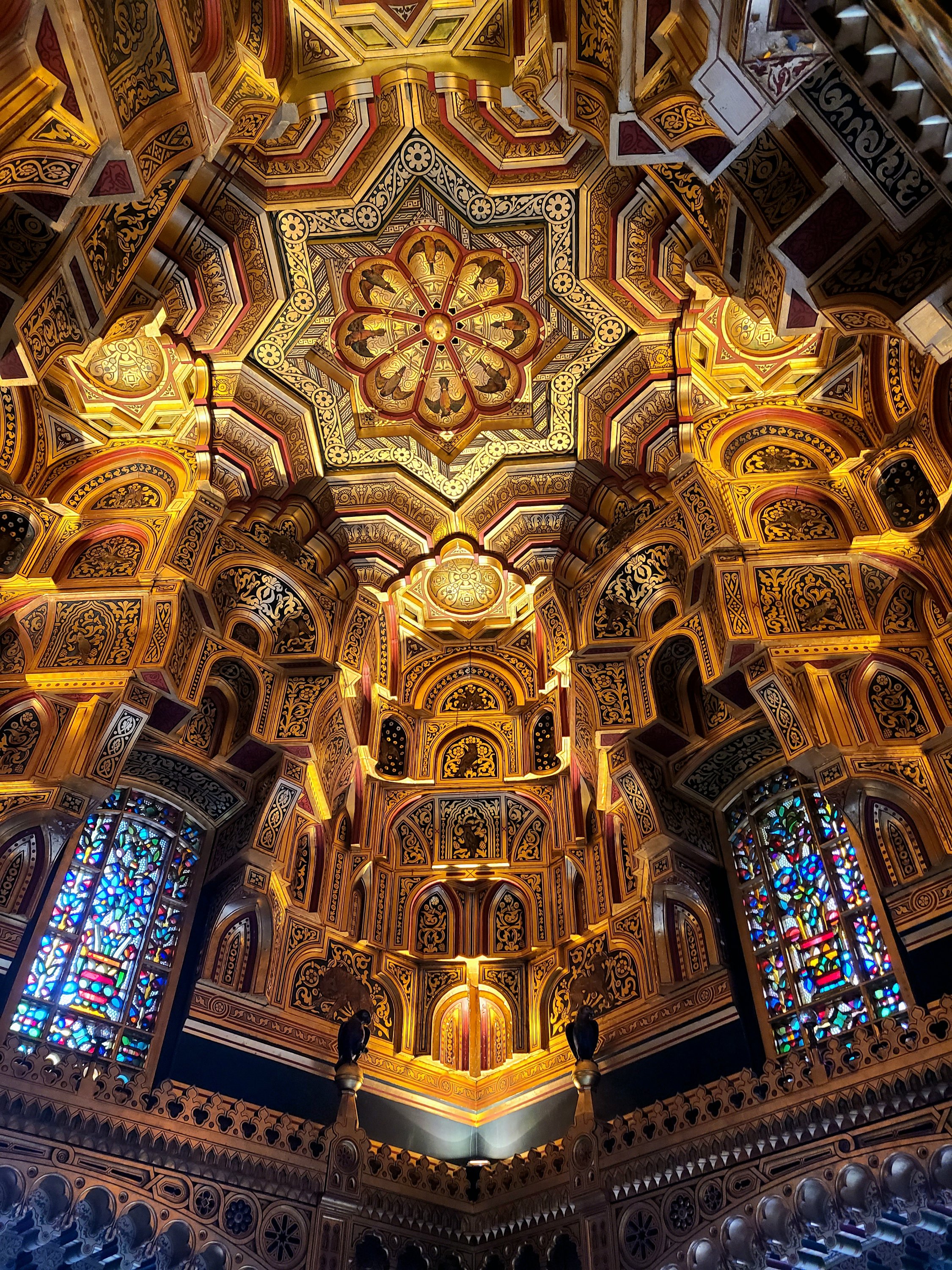
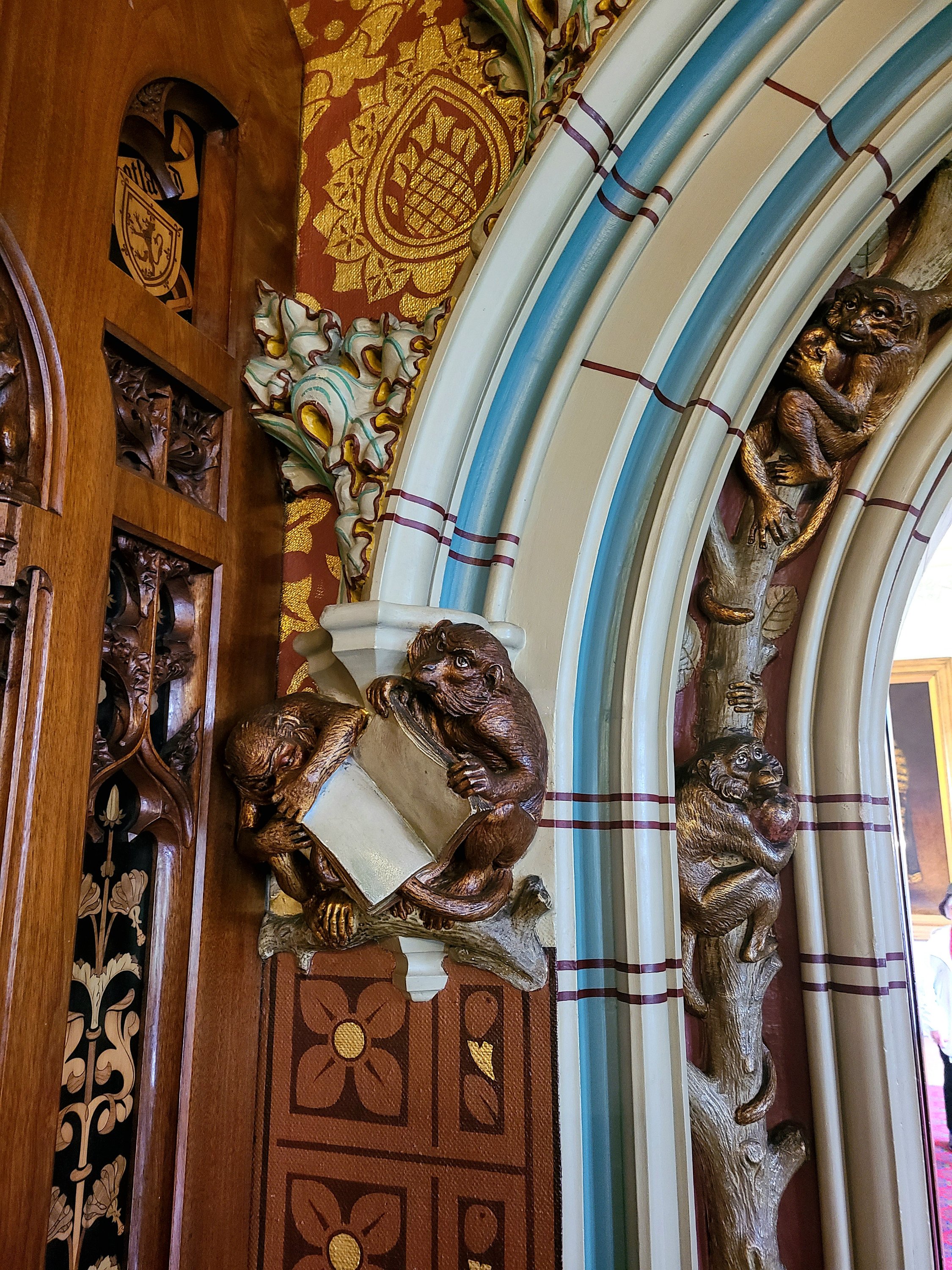
The oldest parts of the residential buildings date back to the 1500s. In 1865, the 3rd Marquess of Bute began working with art-architect William Burges to transform Cardiff Castle into a medieval dream palace. Each room of the house is ornately decorated. Favourites of mine included the Arab Room and the Library.

 The twelve-sided Keep continues to stand on the Castle Green and you can climb up to the top for a great view of the city. 

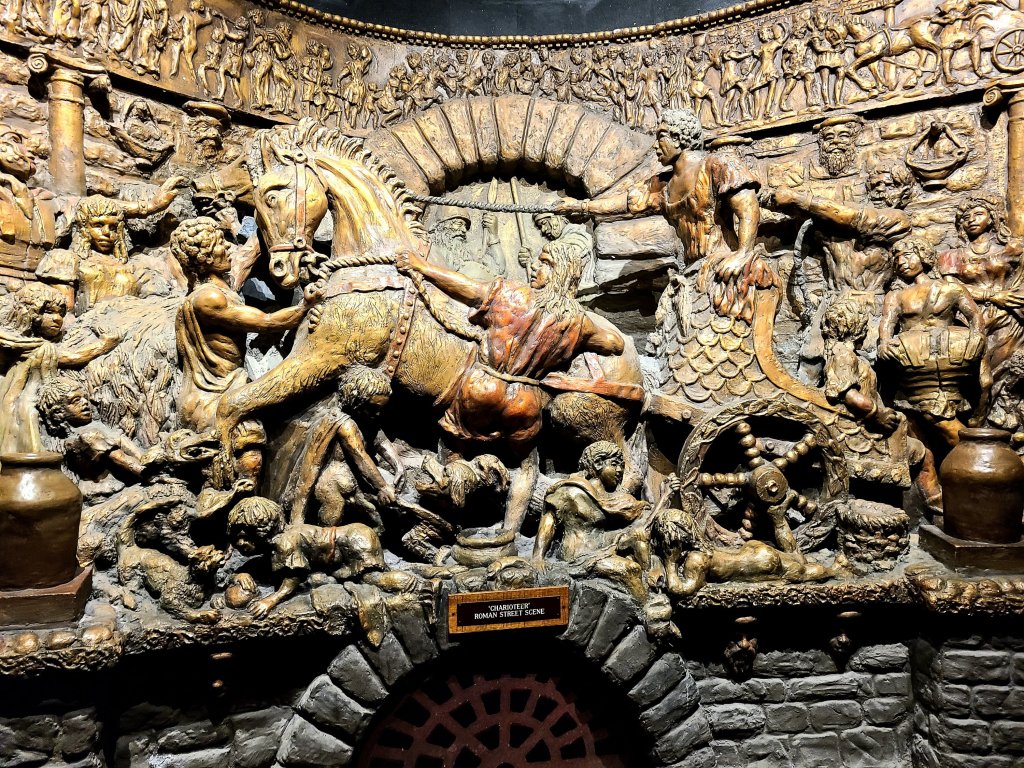
In the Visitors Centre, you will find parts of the old Roman Walls that were hidden for 900 years, as well as the Roman Chariot corner. The Firing Line Museum is also found here, with displays from The Queen’s Dragoon Guards and The Royal Welsh’s military history.

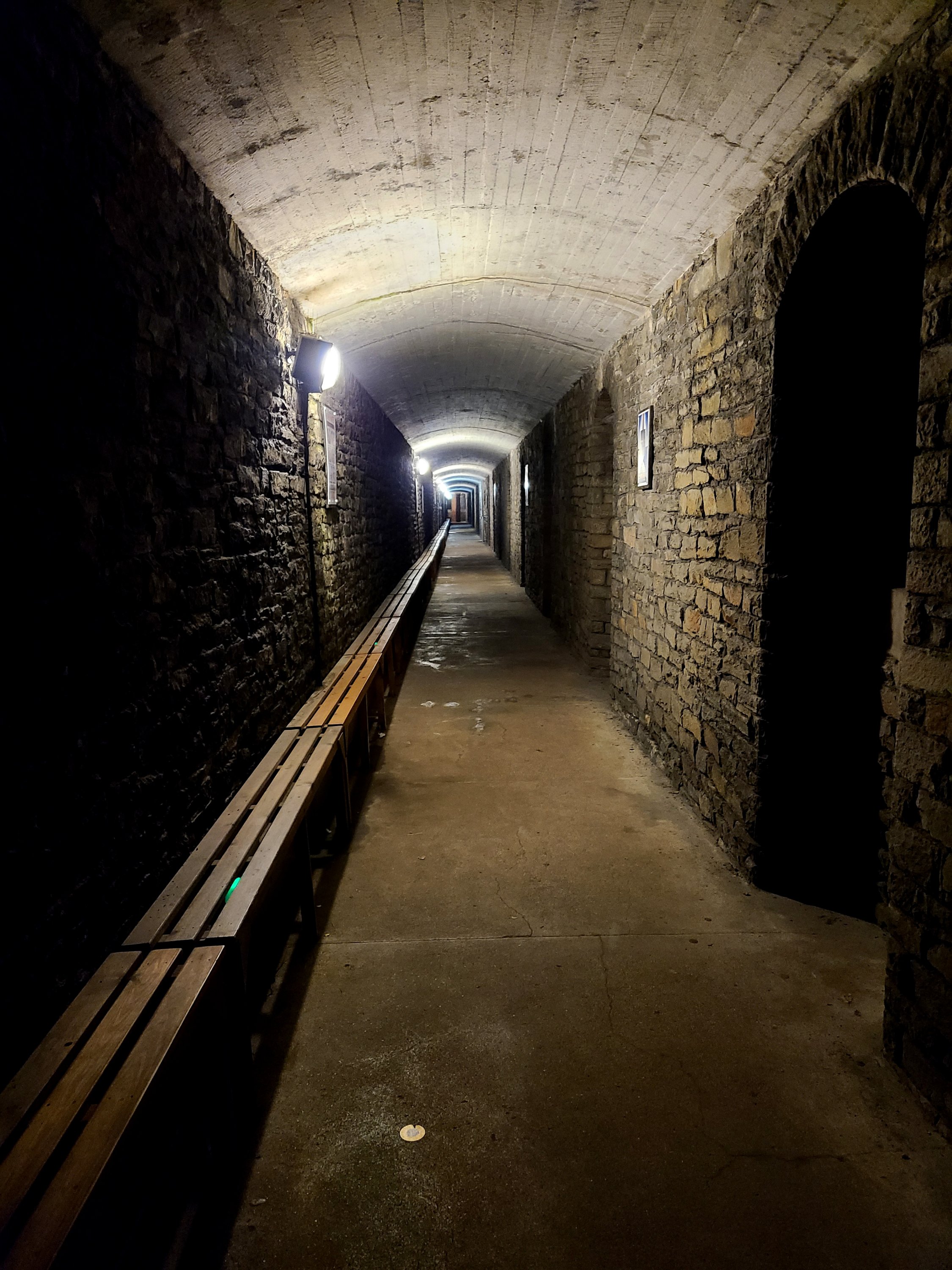
My favourite part to explore was the wartime shelters & tunnels found within the walls. It’s estimated that over 1800 people took shelter within the castle walls during air raids in World War II.

While Cardiff can be quite a rainy city, I lucked into some nice sunny spring weather, perfect for wandering through Bute Park, the city’s green heart. There are numerous trails, gardens, champion trees, and food options amongst the many things to see in the park. You can also catch the water taxi to Cardiff Bay here.

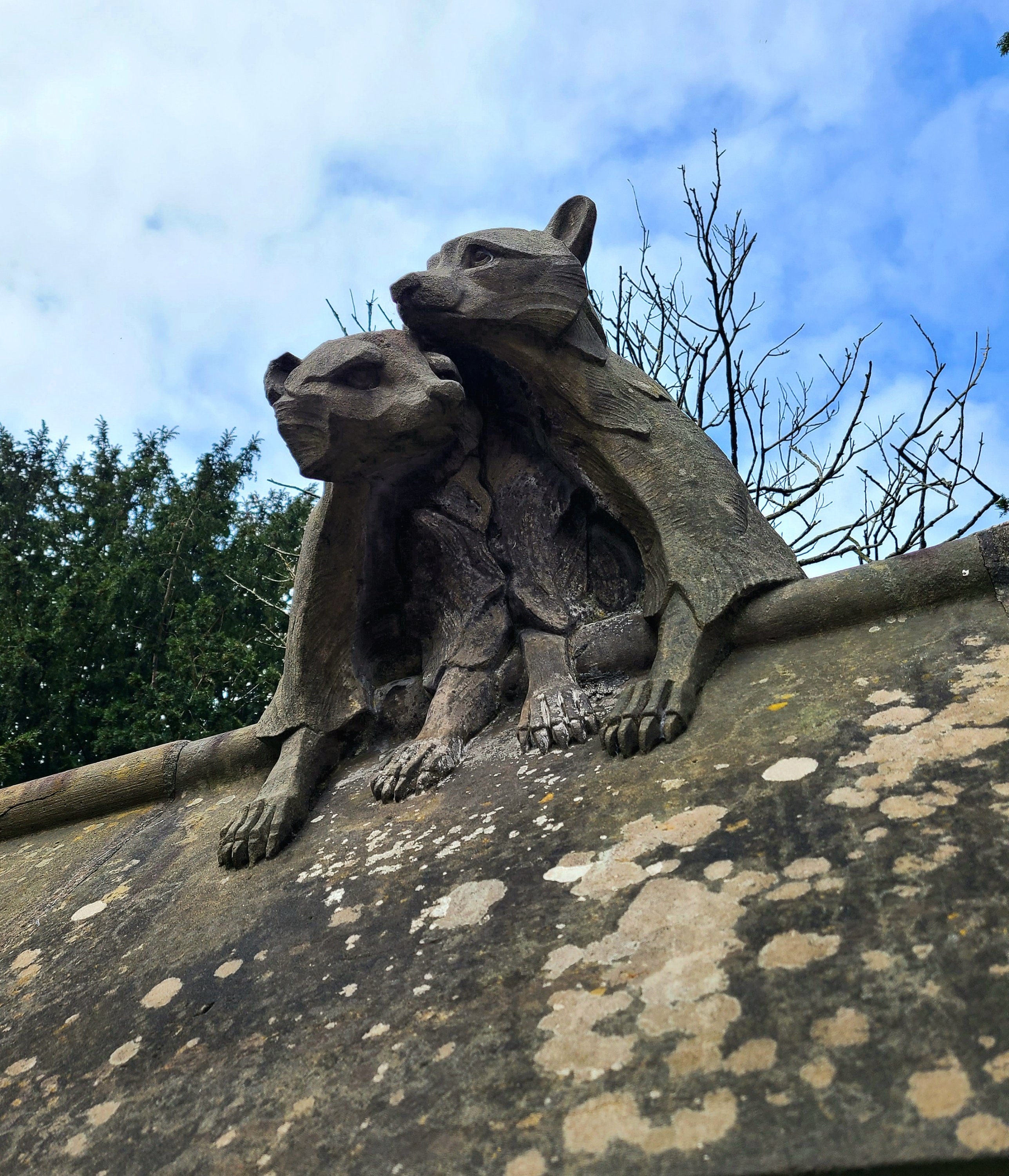
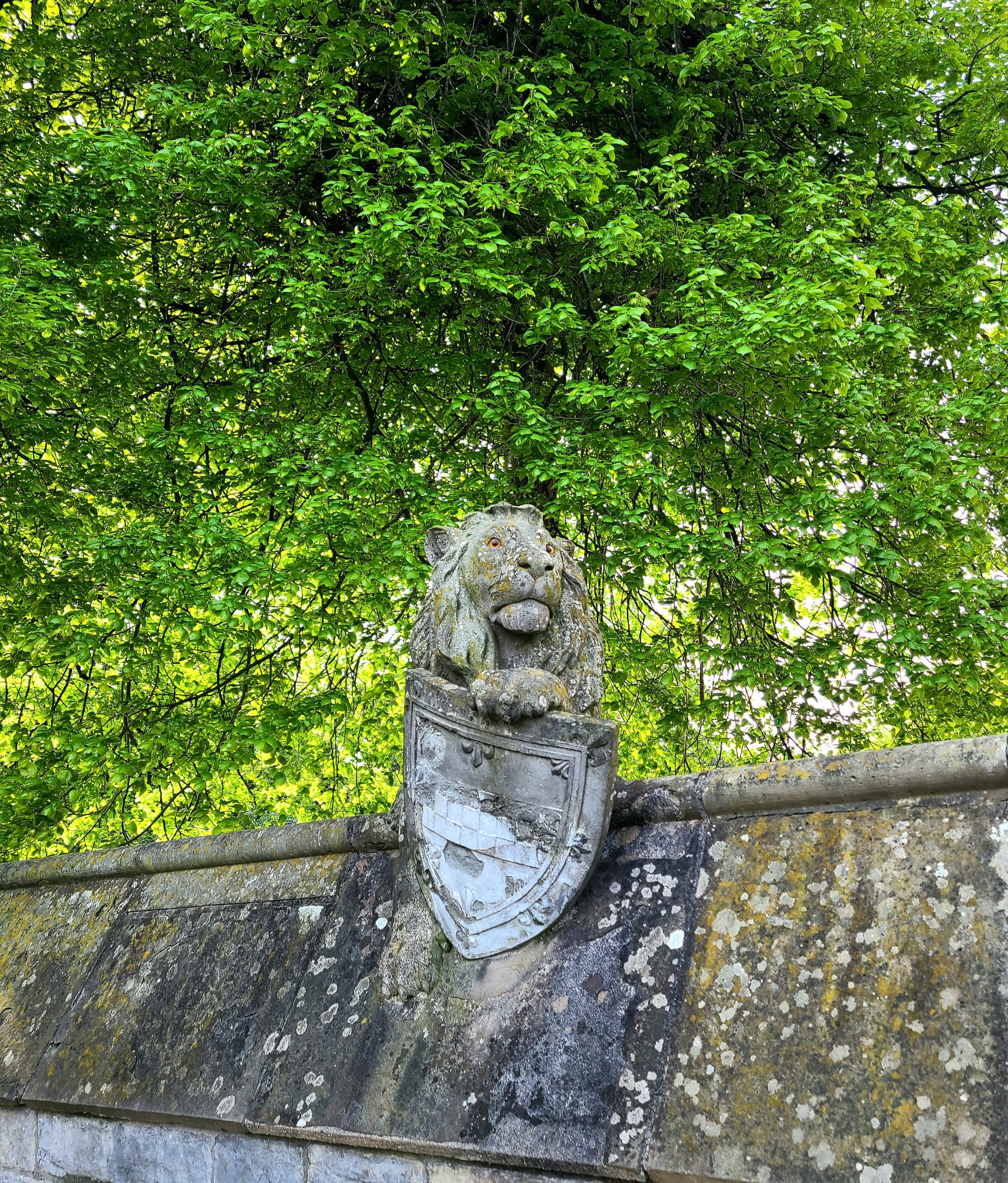
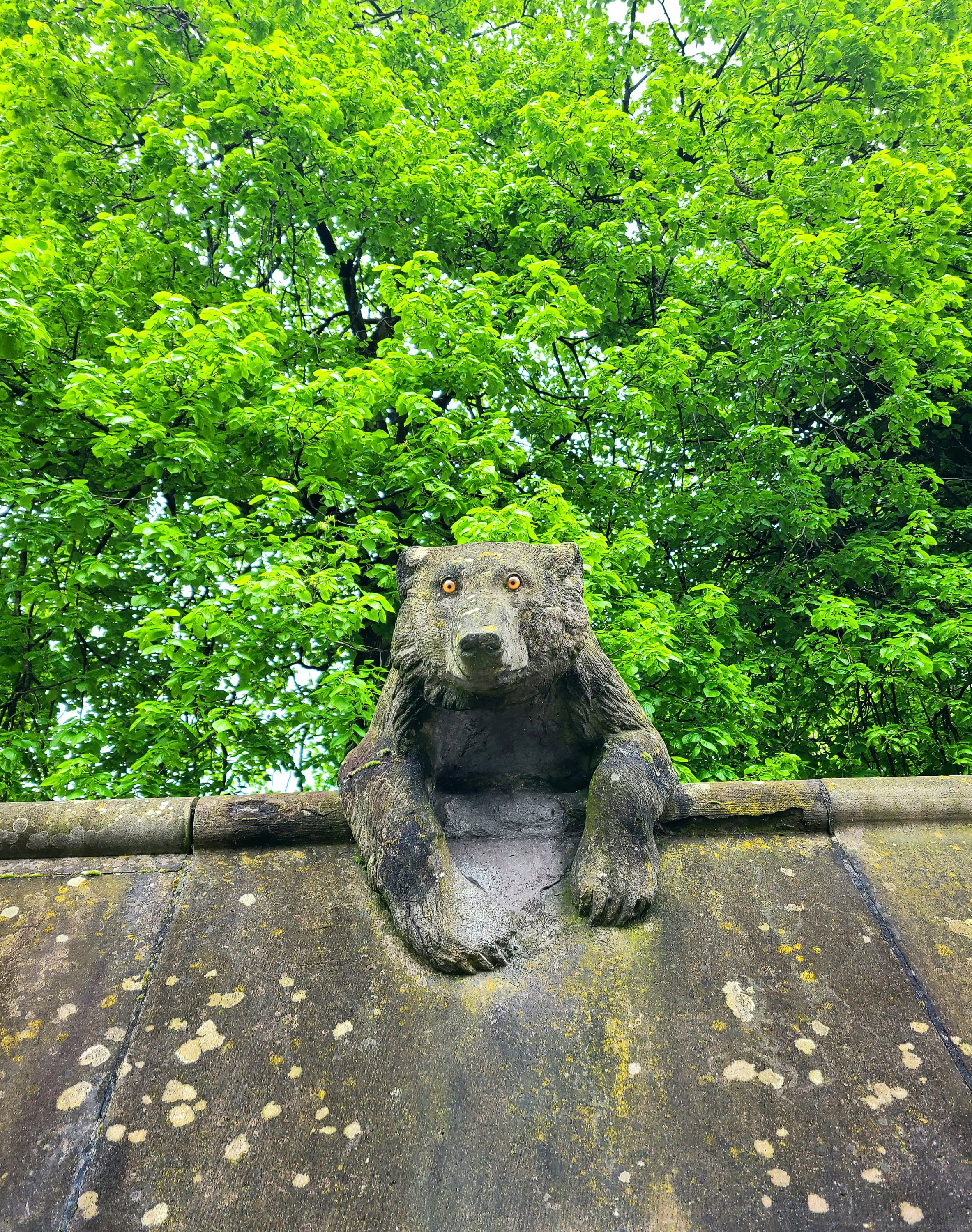
My favourite part is the section of the walls lining Castle Street, near the west entrance of Cardiff Castle, known as the “Animal Wall.” Carving of the original animals began in 1880 under the direction of the 3rd Marquess of Bute. By 1890, the first sculptures on the wall were complete, including a pair of lions, a lioness, a lynx, a bear, a sea lion, a wolf, a pair of apes, and a hyena.

The wall was moved in 1923 and additional animals were added—a vulture, beaver, leopard, a pair of raccoons, a pelican, and an anteater. You can tell the originals apart from the later ones as they have glass eyes. There are 15 in total.

The Victorian Cardiff Market, located in the centre of the city, has been around in one form or another since the 1700s. While you will no longer find livestock here, many of the old features are still retained by this lively market, and shoppers will find everything from traditional Welsh food, produce, clothing, antiques, food stalls, and more. Closed on Sundays and holidays (of course, the days I was visiting).

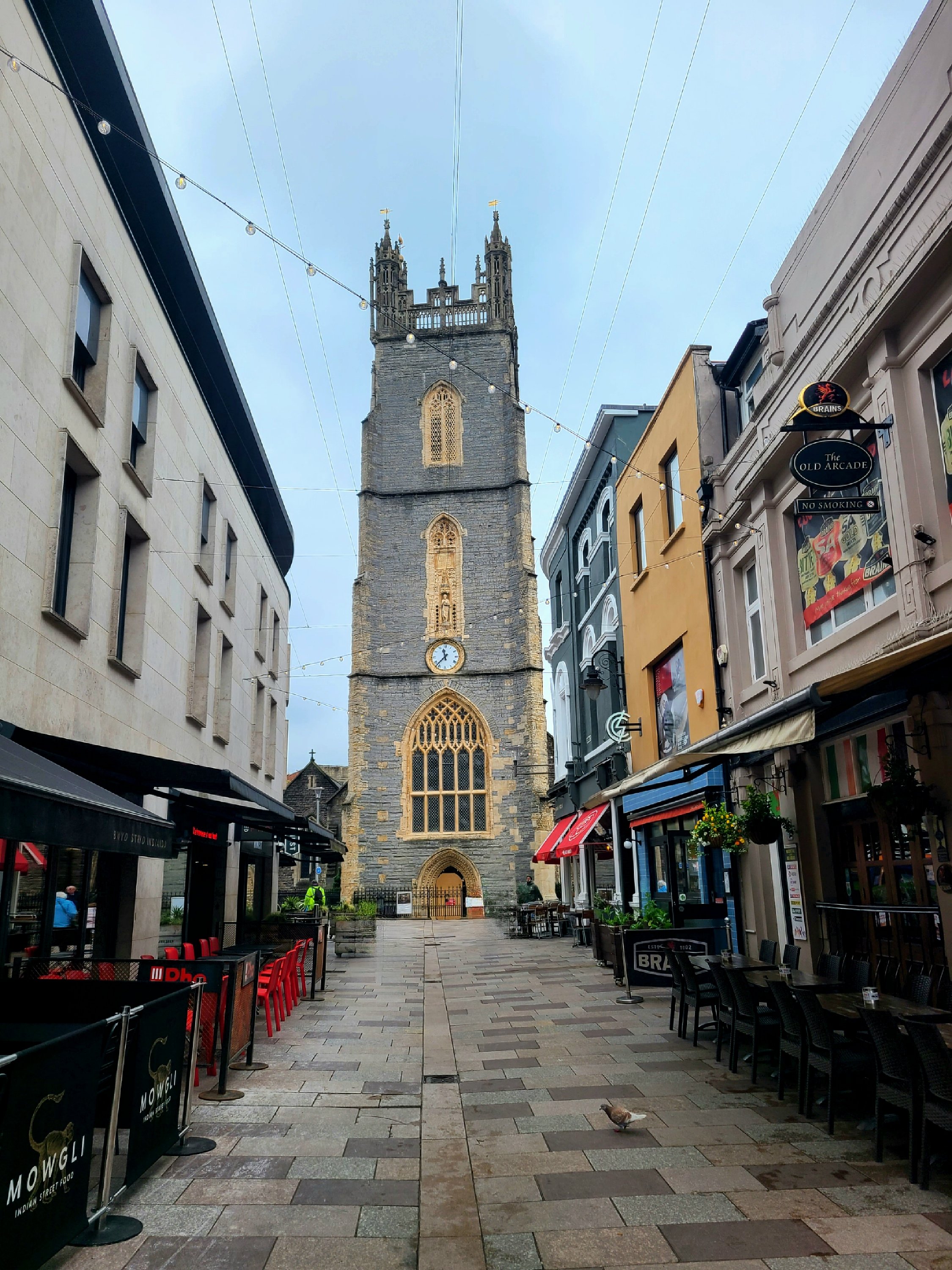
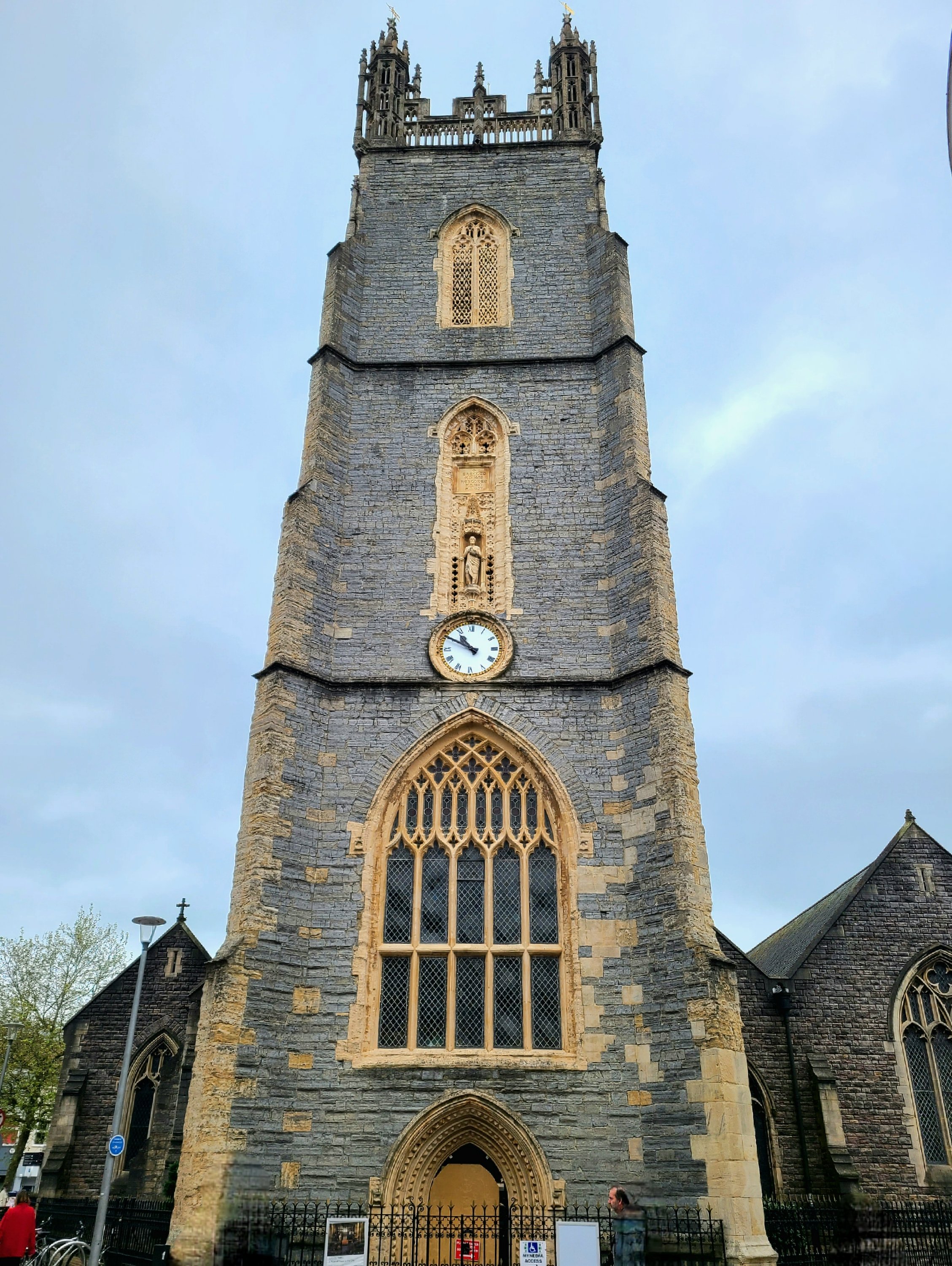
One of the oldest medieval buildings left in Cardiff is the Parish of St John the Baptist Church, located across from Cardiff Market. Originally built in 1180, the 40m tower can be seen throughout the city.

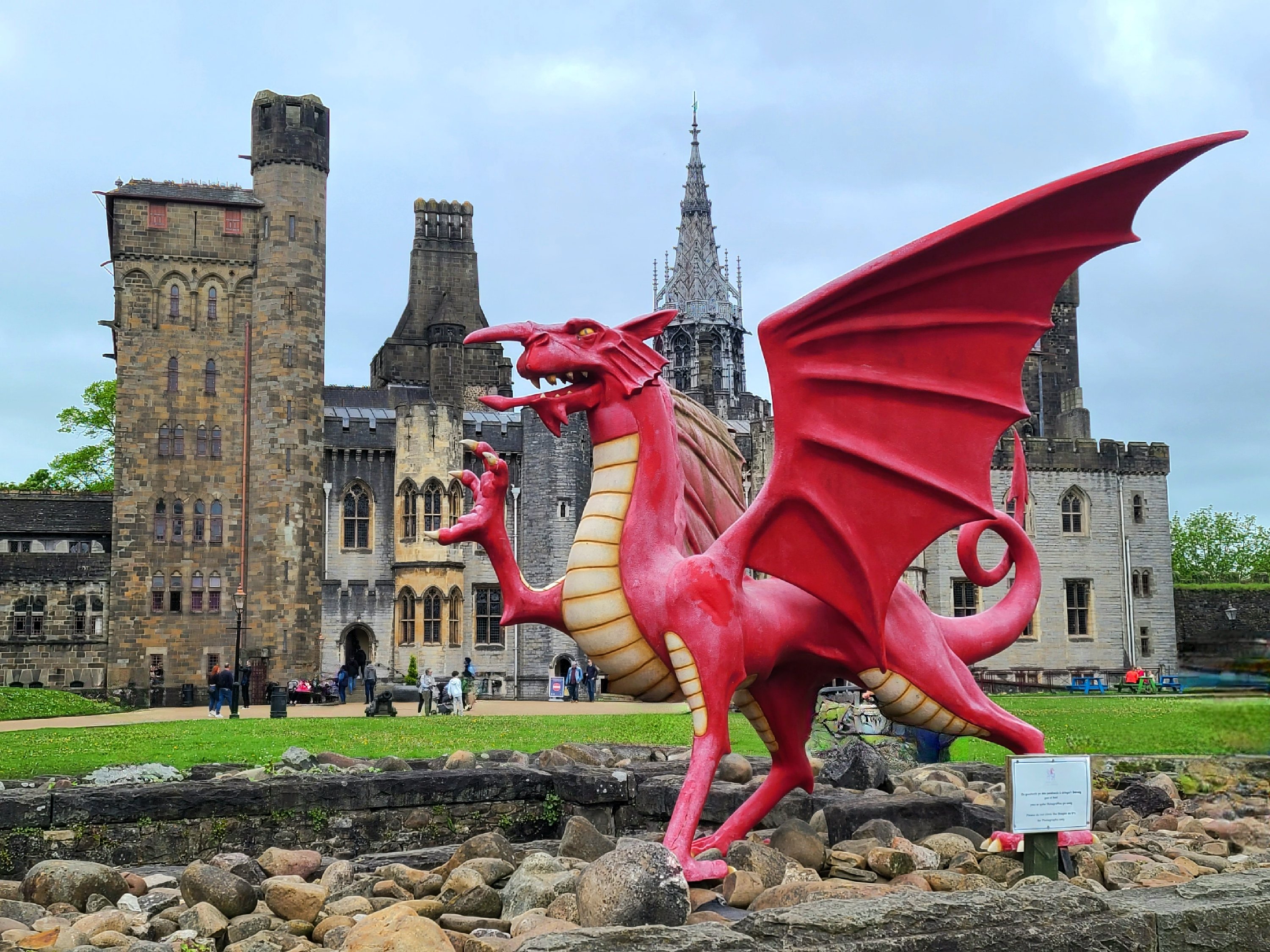
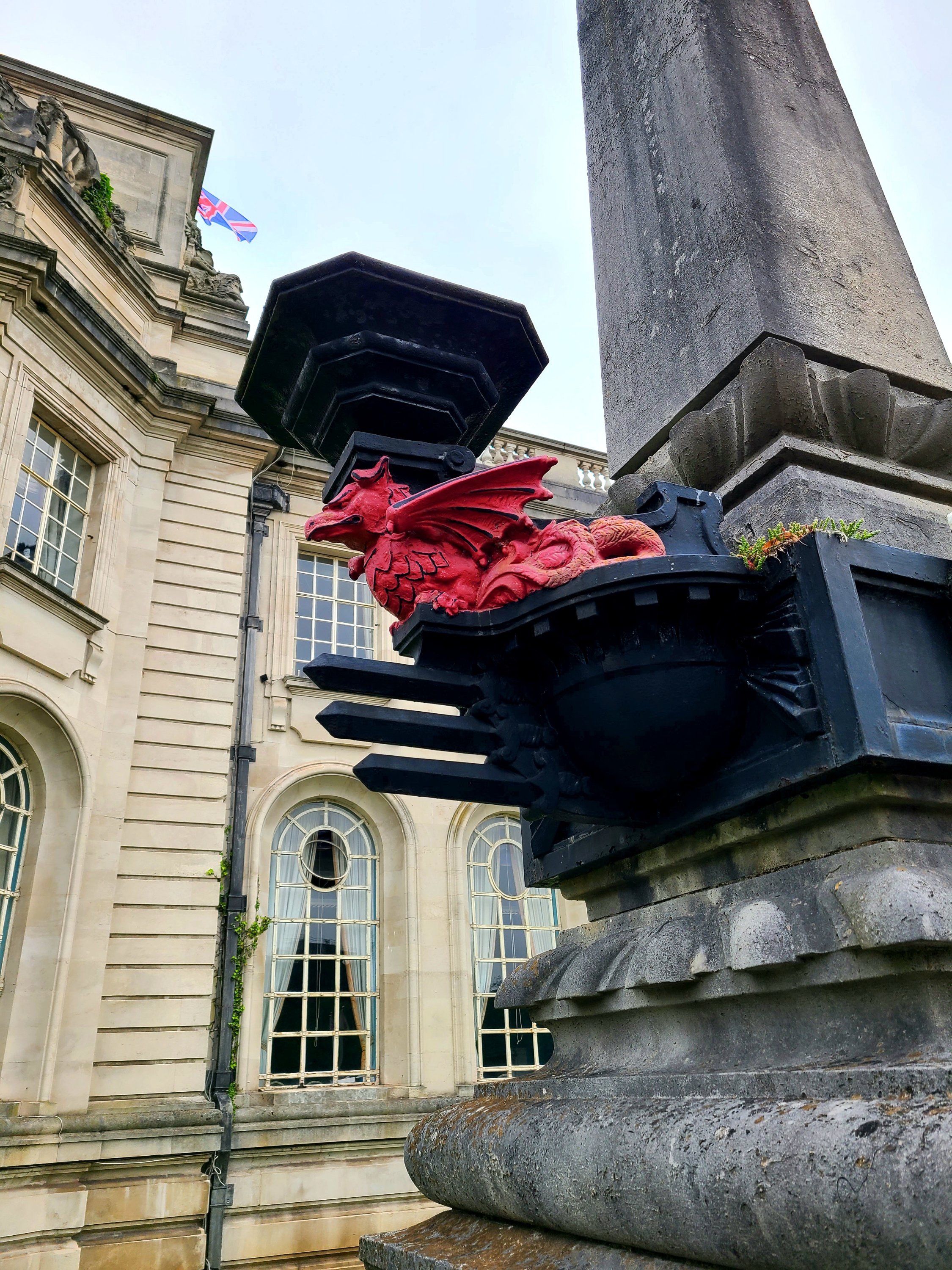
Principality Stadium, located in Cardiff centre, is the main stadium for the national rugby team, Wales’ national sport. I also learned that the national animal is the dragon, the national flower is the daffodil, and unlike any other country I know, the national vegetable is the leek! It’s said that St David, the Patron Saint of Wales, told the Welsh soldiers to wear a leek on their helmets so they could spot each other better during the battle with the Saxons!

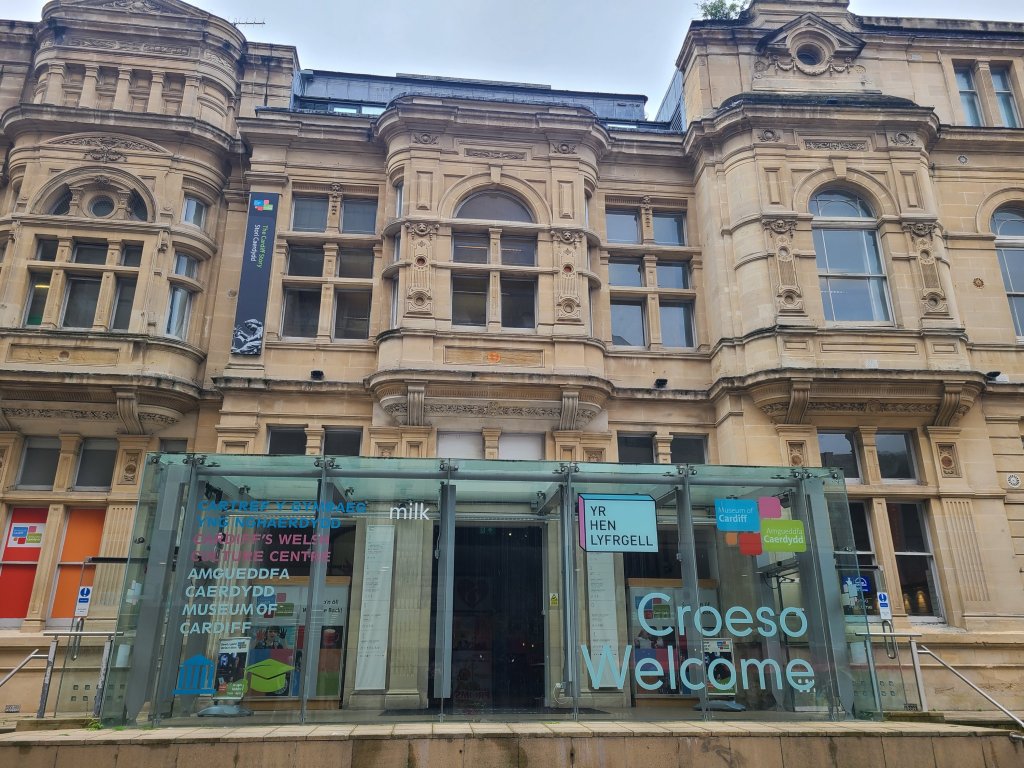
If museums are your thing, the Museum of Cardiff exhibits the history of the city with over 3000 artifacts from the city’s past. There is also National Museum Cardiff, a museum and gallery featuring special exhibits, including one currently running, ‘BBC 100 in Wales.’ Admission is free to both museums.

About a 35-minute walk north is stunning Llandaff Cathedral. Take a walk through Bute Park and along Pontcanna Street, with its beautiful old flats, as you make your way there.

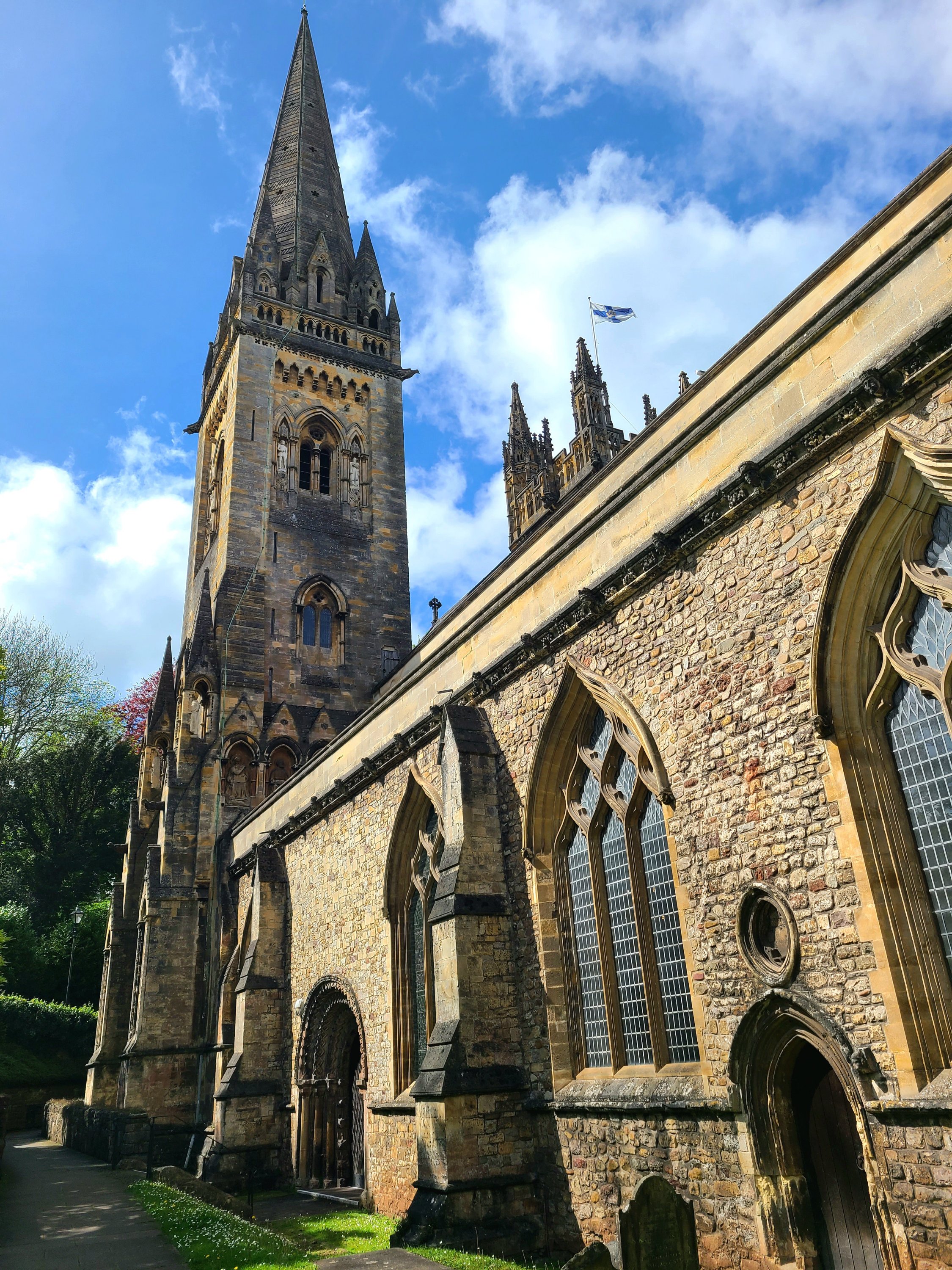
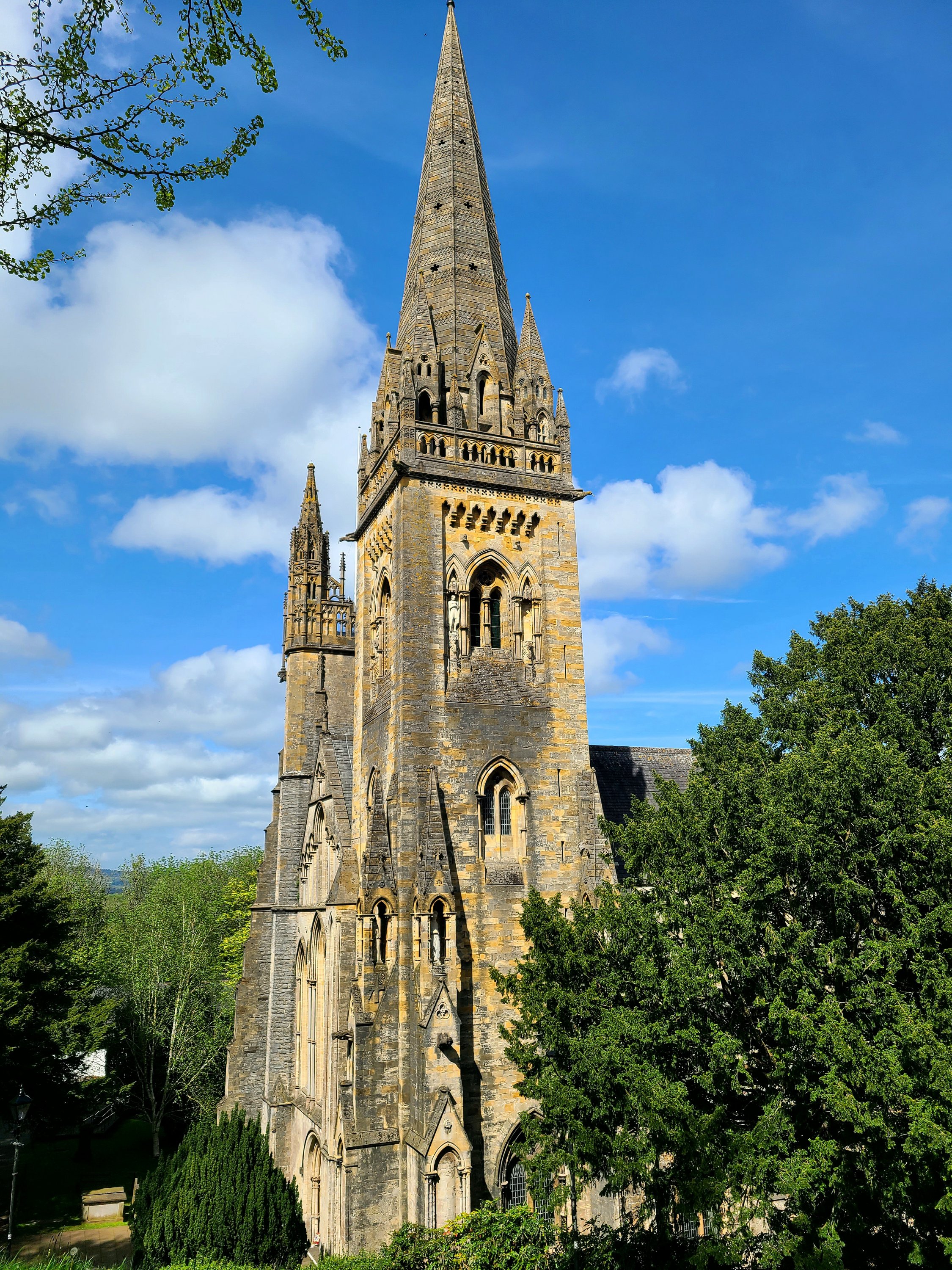
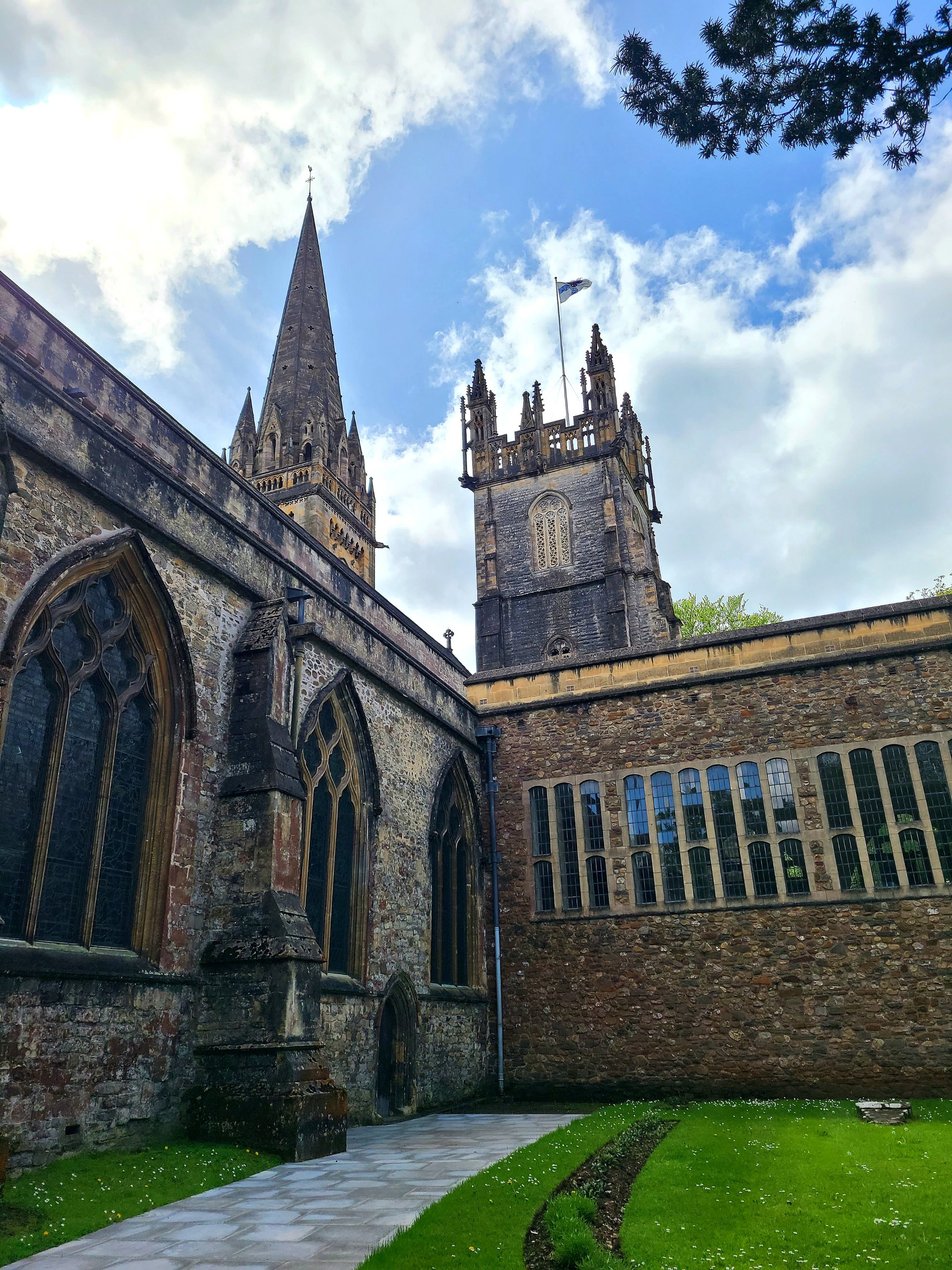
Llandaff Cathedral stands on one of the oldest Christian sites in Great Britain, dating back to the 6th century. The present Cathedral dates back to 1107 and is considered to be one of the most notable medieval works of art in Wales.

I never thought of Cardiff as a foodie destination, but there are tons of restaurant options in Cardiff, including some serving traditional Welsh fare.

I had dinner at The Botanist and fell in love with the decor. I felt like I was eating dinner in a fancy greenhouse, where they played live music in a gazebo (including a great rendition of Dolly’s ‘Jolene’ by request!) and have a delicious Sunday Roast menu as well as their famous hanging kebabs.

And, of course, no trip anywhere in the UK is complete without a pint or two at one of the many local pubs!

Getting there:

Fly into Rhoose Cardiff International Airport. While the train doesn’t connect directly to the airport, there is a shuttle bus (£2) that takes you to Rhoose Cardiff International Rail Station where you can catch a train to Cardiff Central Station. (£5.20+)

You can also take trains, buses, or drive from England, Scotland, and the rest of Wales.

I found the train system in Wales to be excellent and you can easily book your tickets in advance online, usually saving you money. 

Categories: Blog, Europe, Photo, Where in the World | Tags: , , , , , , , , | Leave a comment

NYC: It’s been too long!

While I always love traveling somewhere new, sometimes spending a couple of days in one of my favourite places makes for a perfect escape.

It’s been four years since I was last in New York City, a place I have visited at least once a year for over a decade until Covid put a halt to my travel plans. 

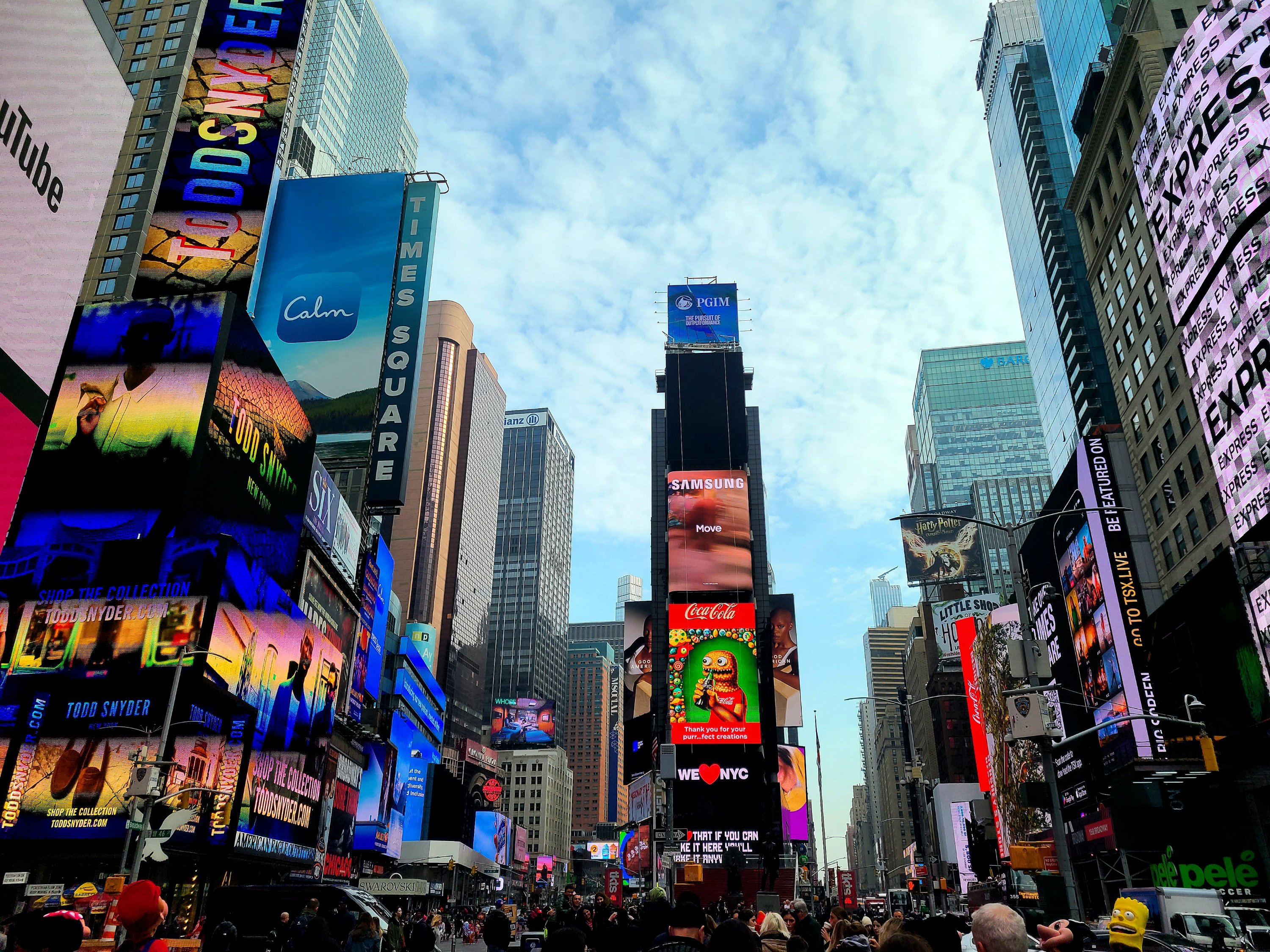
Wandering through Times Square, already bustling by 9am, it felt great to be back.

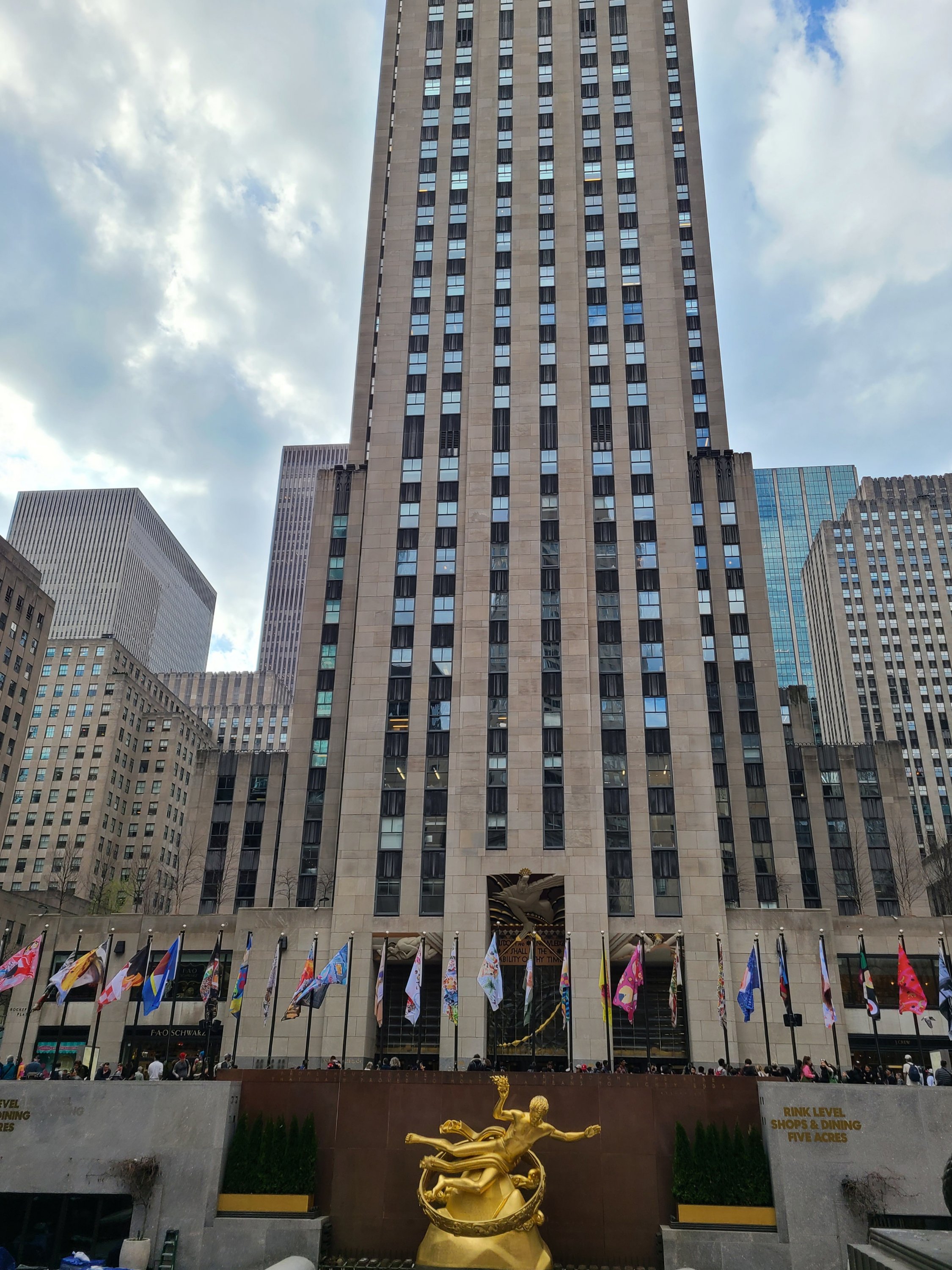
One of my favourite things about visiting a place I’ve been many times is being able to relax. Sitting around doing nothing is not in my nature at home or when I travel, but knowing I will be back gives me the freedom to do just that. It was a beautiful, sunny day when I arrived, so I spent almost an hour sitting in one of the many little parkettes, enjoying my Dunkin Donuts iced coffee in the sunshine. Then, after wandering the streets, I grabbed a cupcake from Magnolia Bakery (a must on each of my NYC stays) and sat in Rockefeller Center people watching.

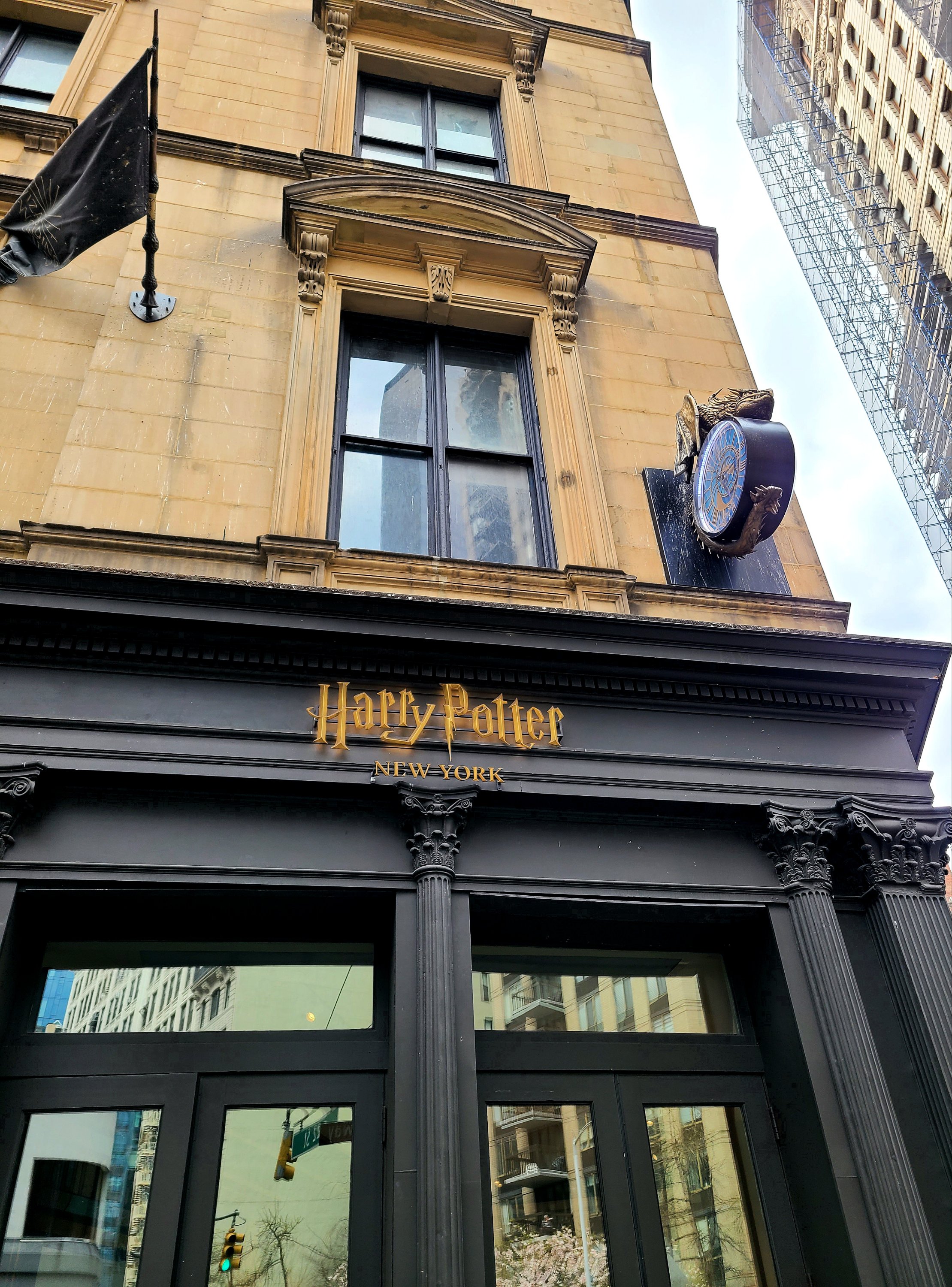
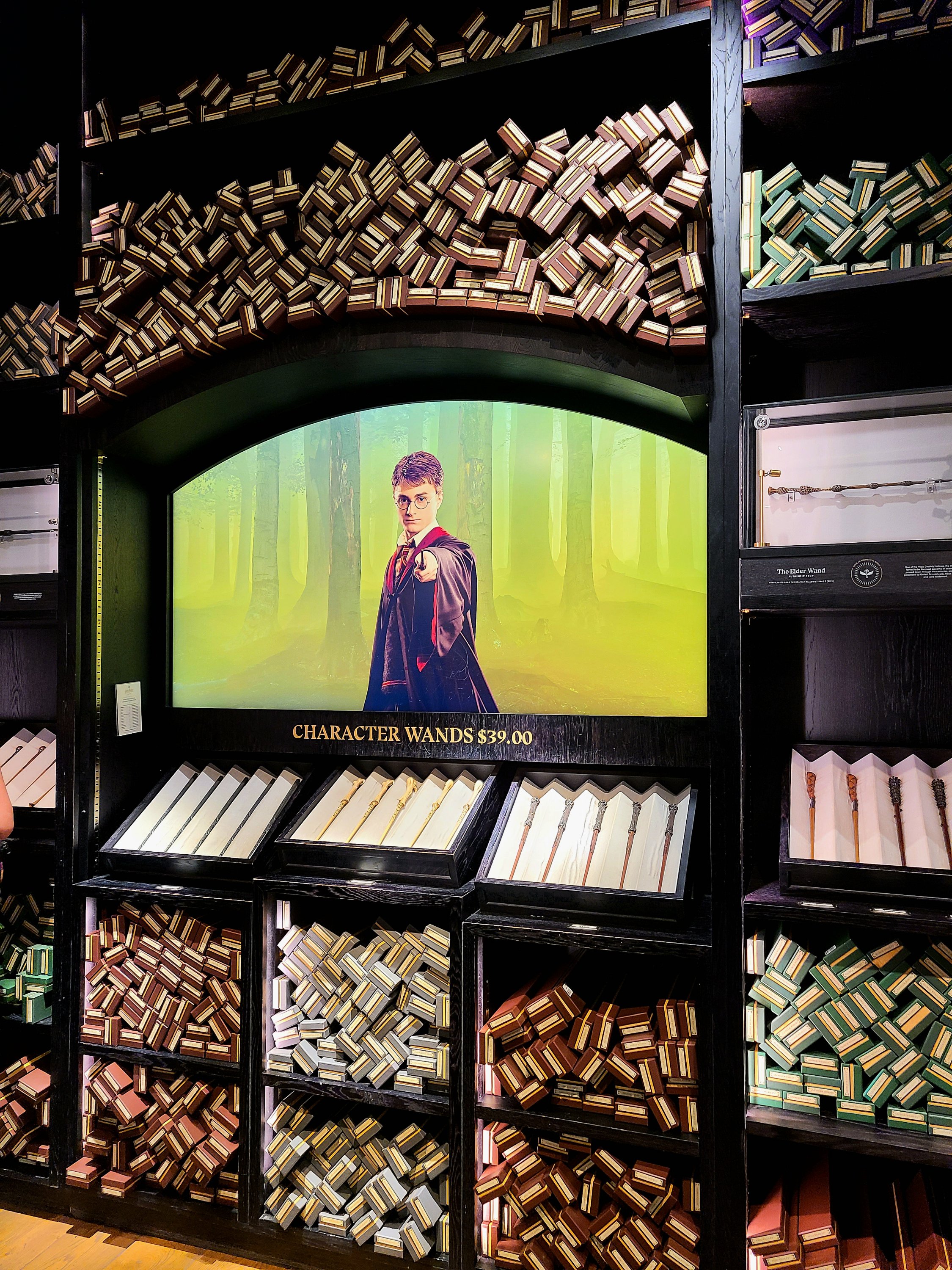
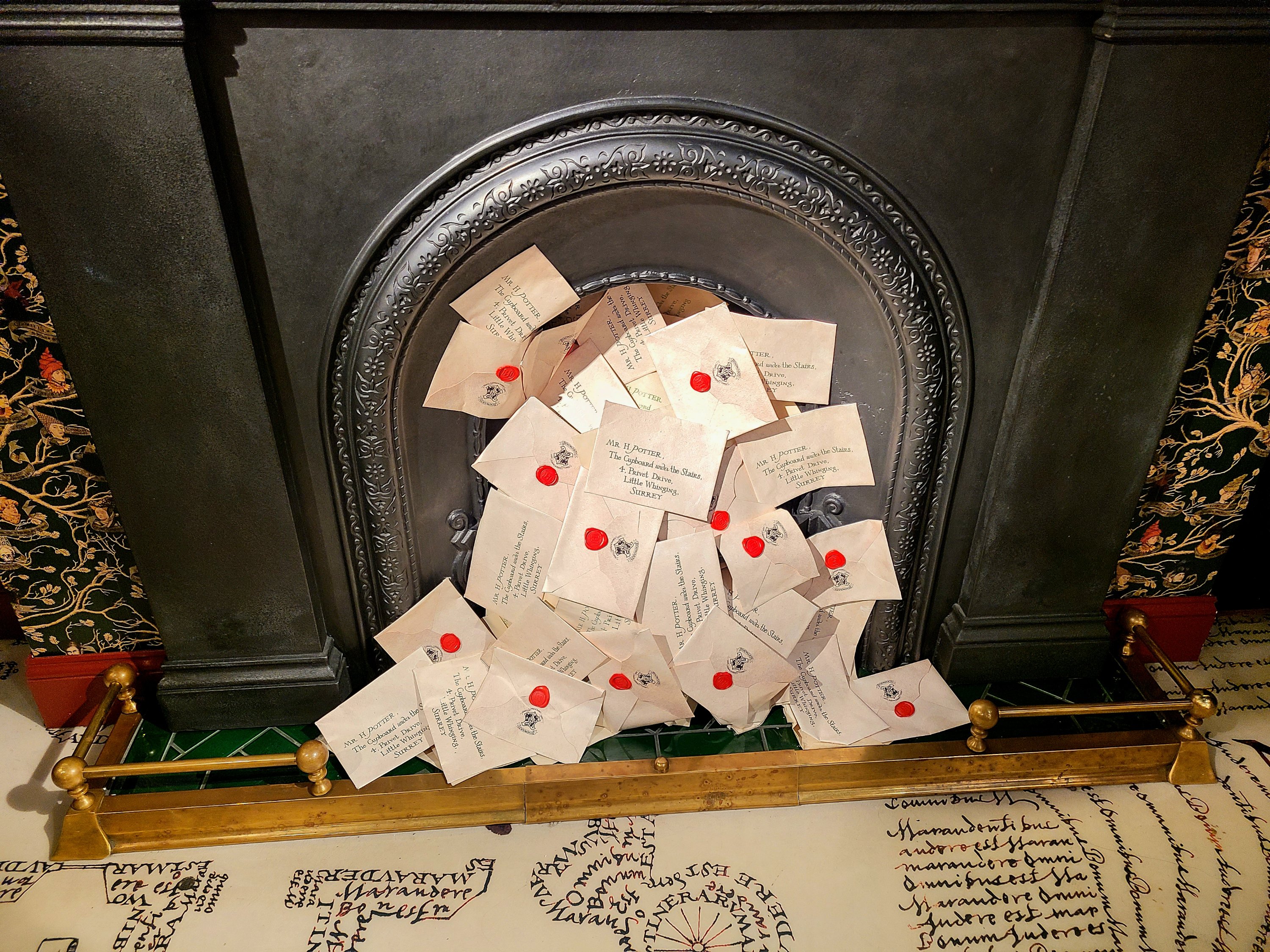
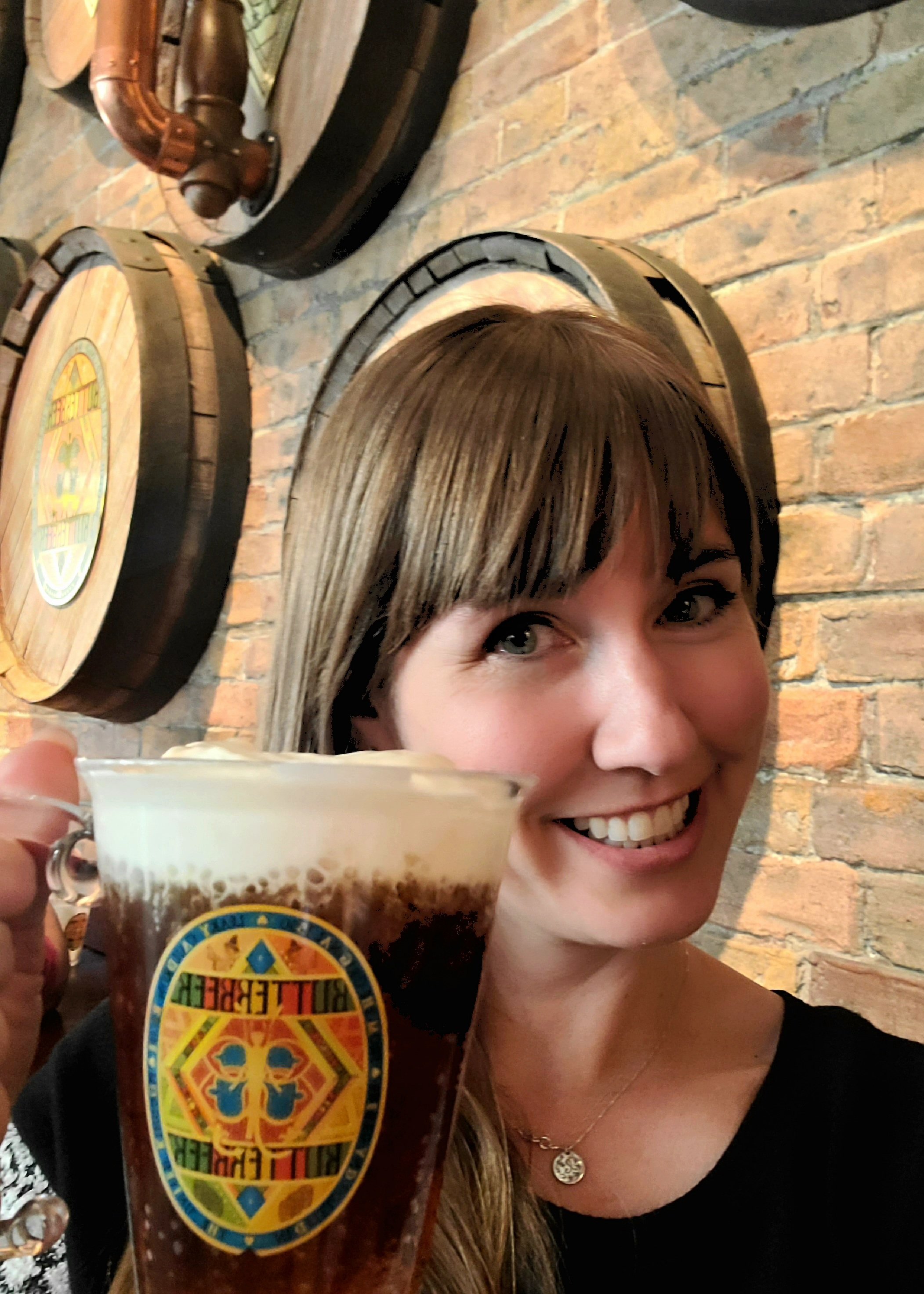
I had around 52 hours to spend here, so after checking into my accommodation in Queens, I headed to check out the Harry Potter store. The store contains two floors filled with merchandise from both Harry Potter and the Fantastic Beasts franchises as well as some memorabilia from the movies. The decor is fun and filled with some classic photo ops throughout and there is a Butterbeer bar where you can enjoy a cold Butterbeer while you take a break from shopping.

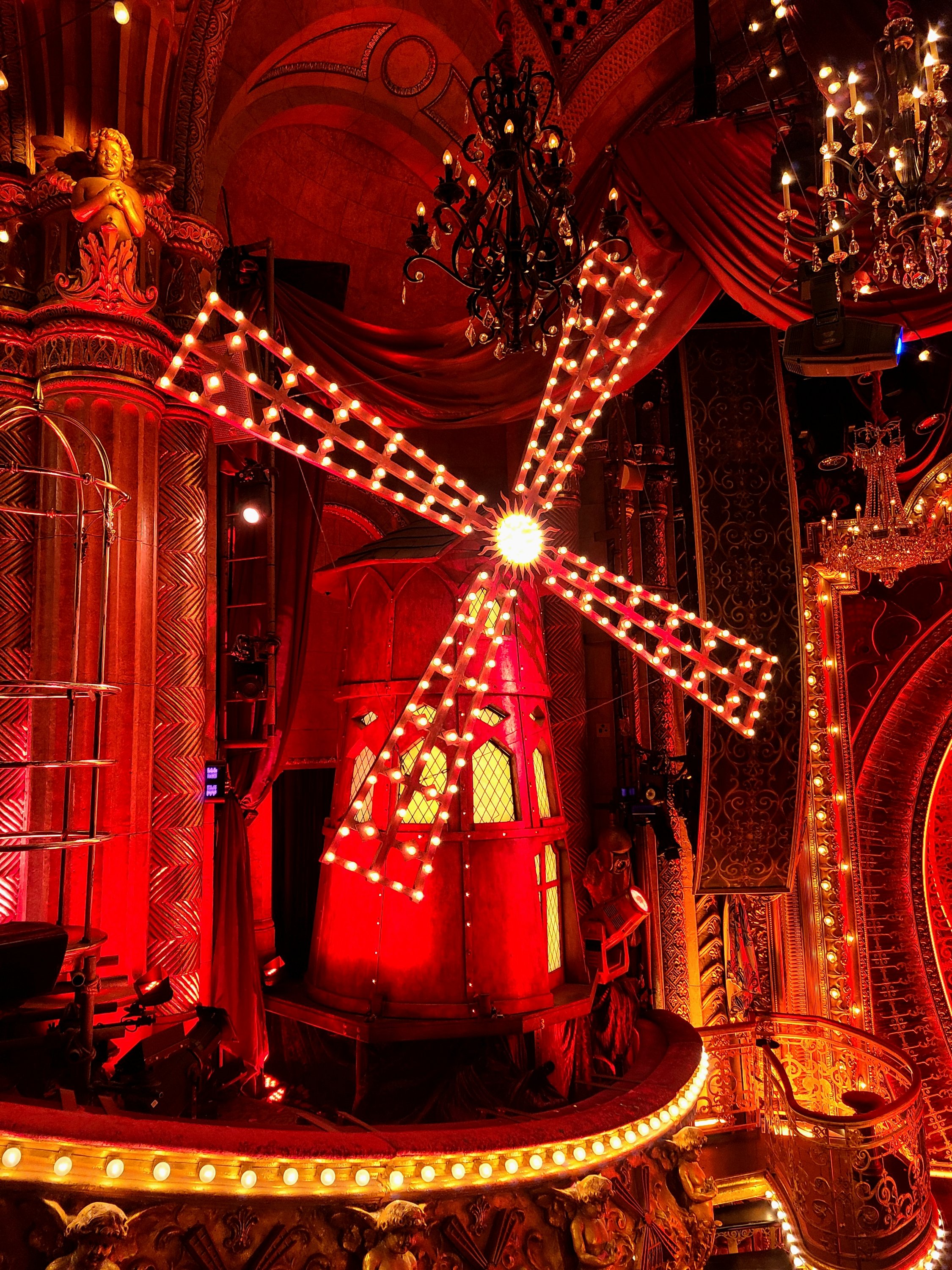
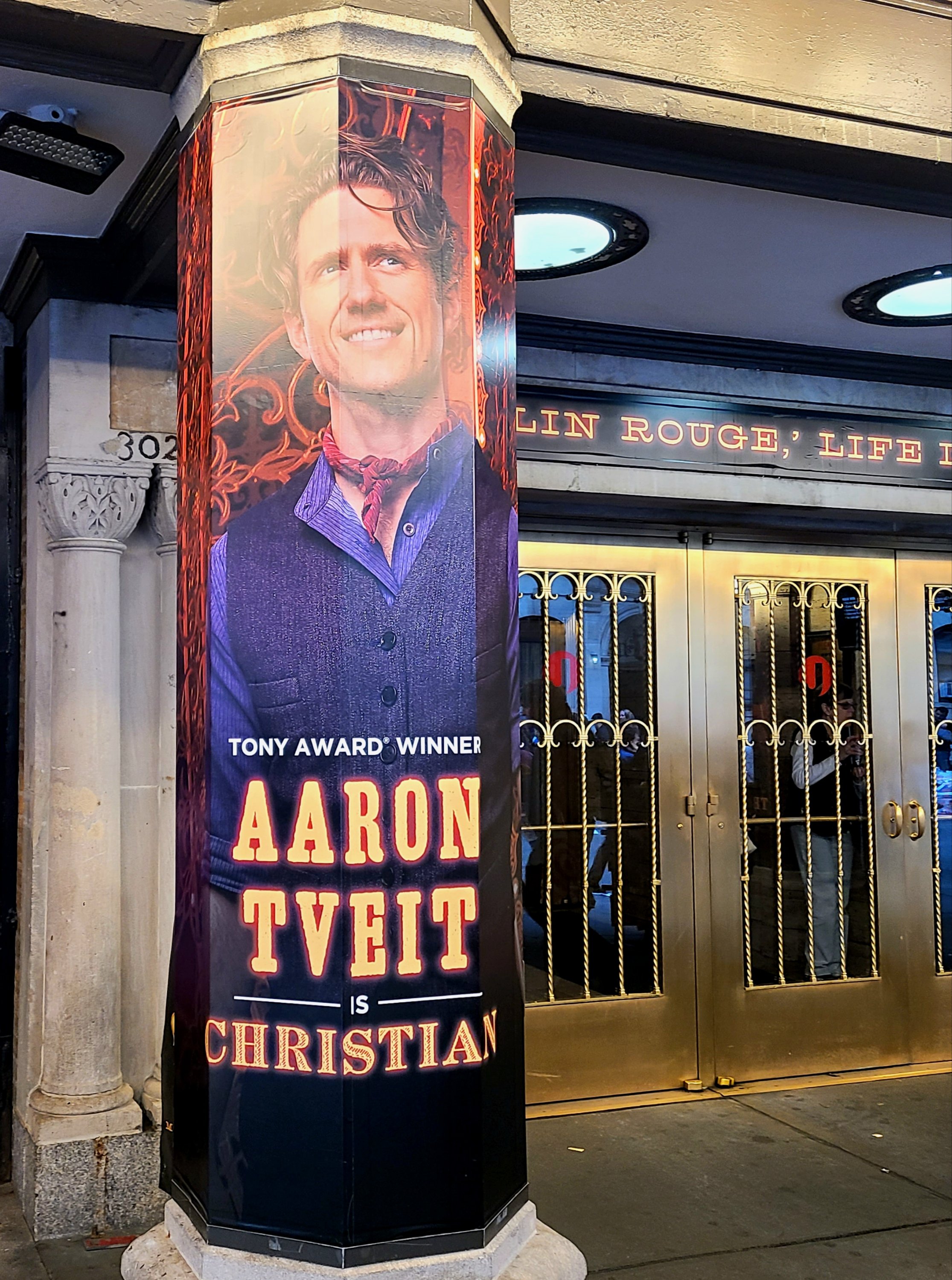
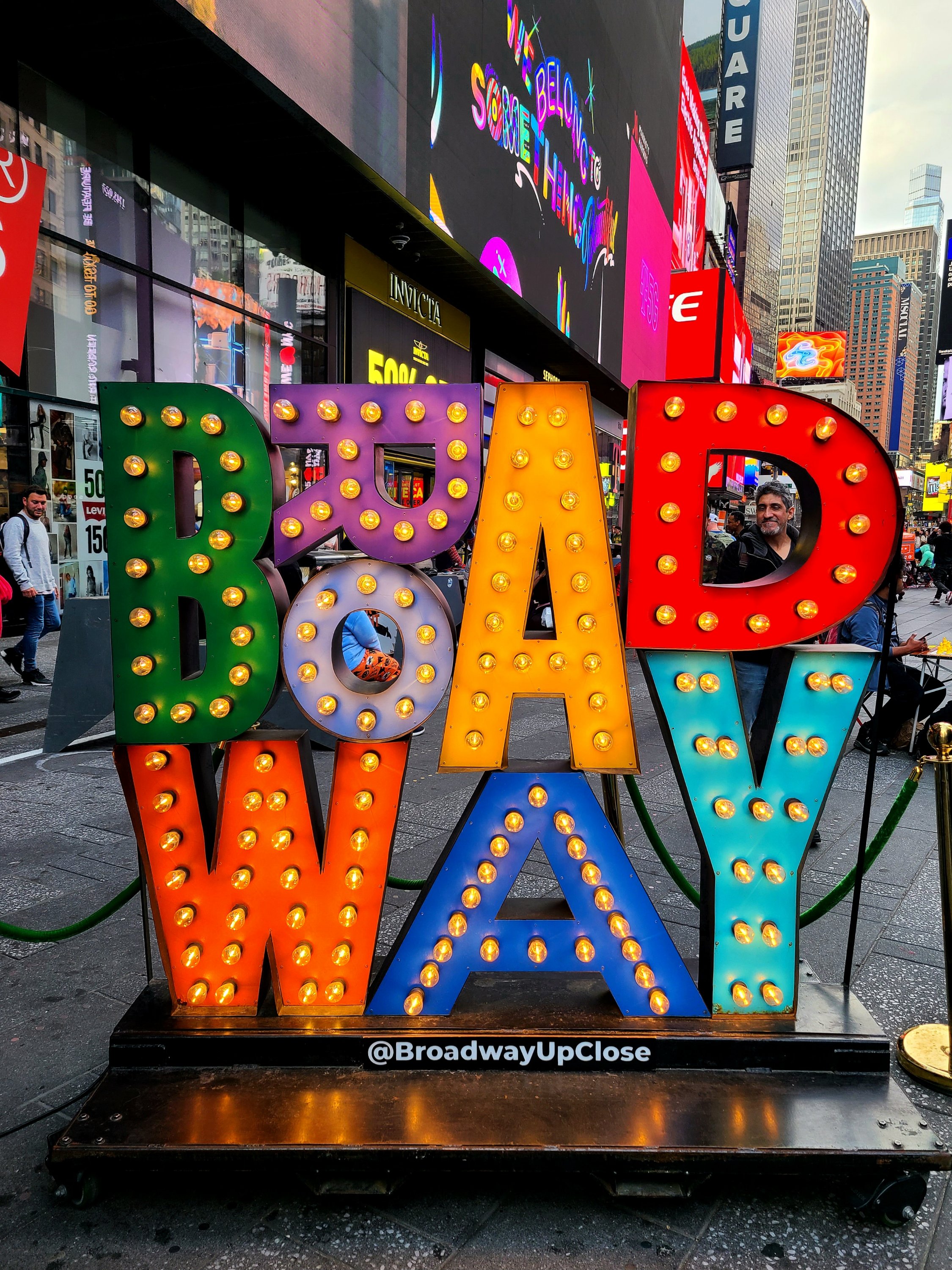
As always, my main reason for coming to NYC was to see shows on Broadway. This trip was specifically planned around seeing Moulin Rouge while Aaron Tveit was back for a limited time playing Christian.

The decor inside the theatre was amazing and the show was excellent (as was Aaron Tveit!) 

I also saw Life of Pi and Parade (starring another favourite Broadway performer of mine, Ben Platt). I leave each show feeling both inspired and desperately missing performing. 

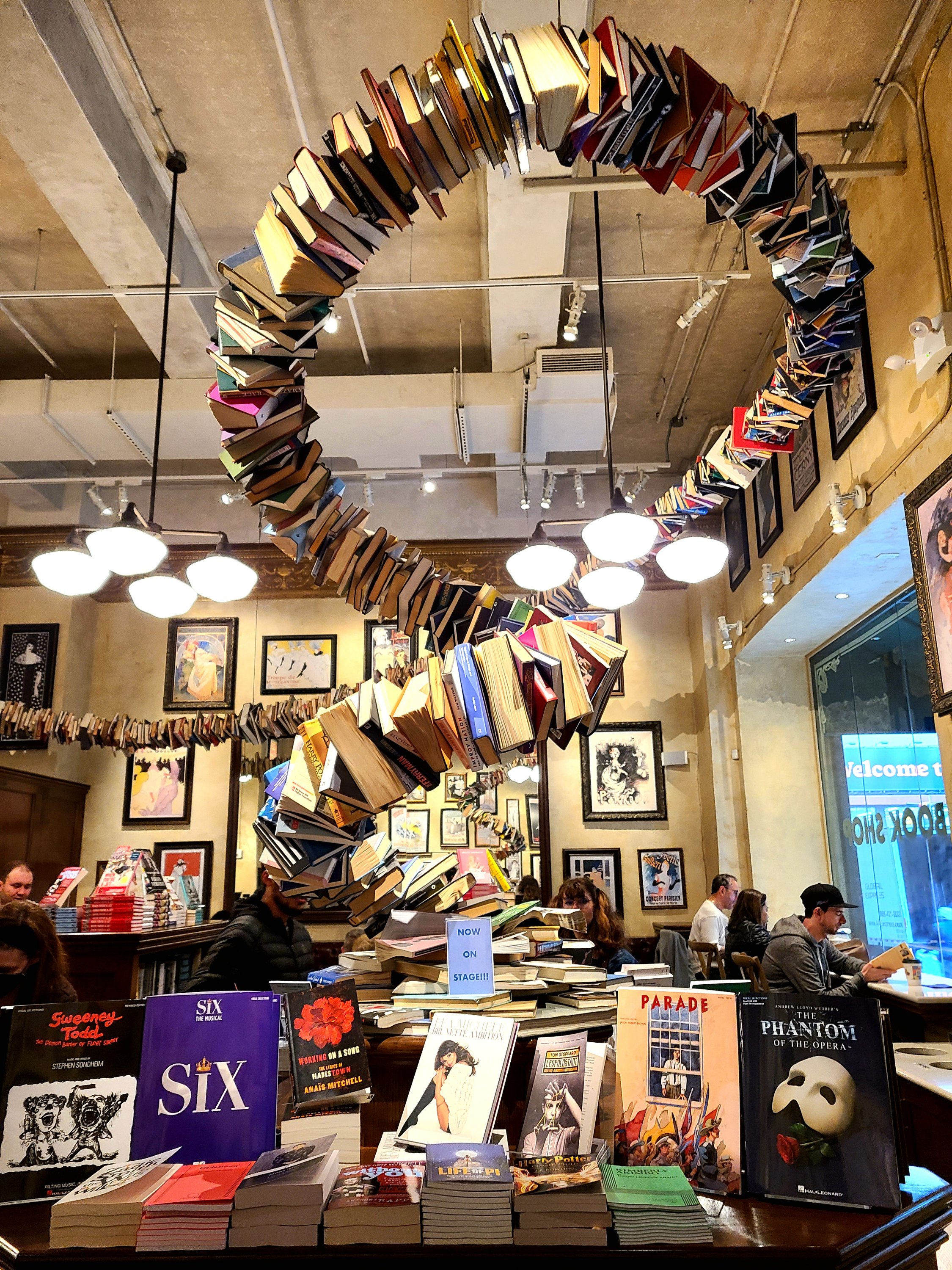
The other planned stop on this mini getaway was The Drama Book Shop with shelves filled with plays, scores, librettos, books on script writing, set design, lighting, autobiographies, monologues, audition techniques, and anything else you could ever want to read about the performing arts.

Always a popular spot in the New York theatre scene, the shop has been around since 1917, moving locations several times and now found on West 39th St with Lin Manuel Miranda as one of its new owners! As you walk in the door, you are met with a very cool bookworm winding its way throughout the shop.

With a cafe inside, you can grab a coffee and curl up in one of the chairs after perusing the shelves for the perfect read. I could happily spend hours here.

Walking along these streets that have become so familiar over the years as I head to catch my bus back to the airport, I feel both tired and refreshed…the perfect way to once again leave one of my favourite places!

Categories: Blog, North America, Where in the World | Tags: , , , , , , , , , , , | Leave a comment

Exploring Hawaii’s Big Island

Big Island, the largest of the Hawaiian Islands, has something for everyone. But as we only had a few days to explore, we squeezed in as much as we could.

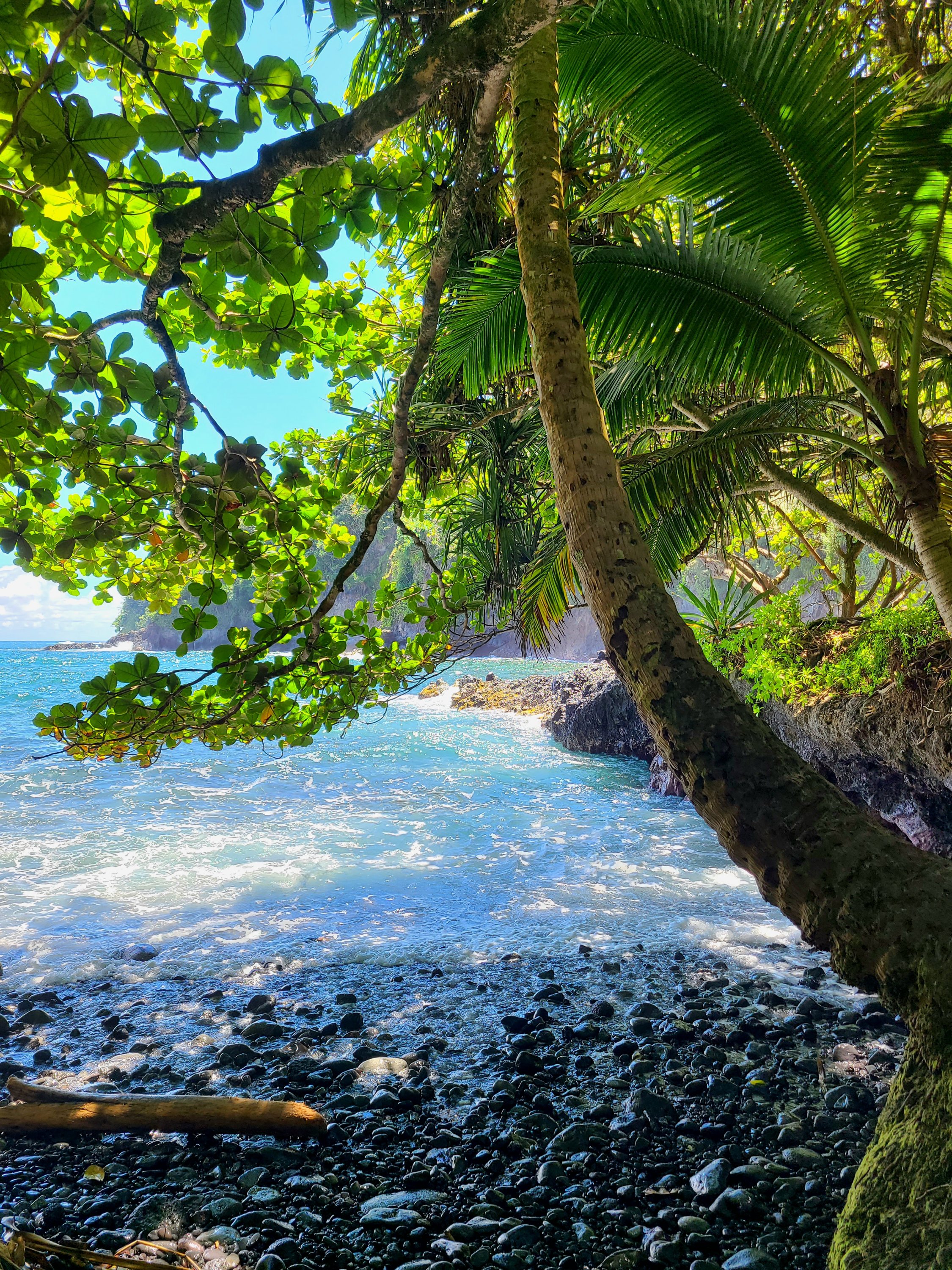
Flying into Kona, we stayed in the area near the airport the first night. With the time difference, we were all up early and went out to explore the area. We wandered around the historic Kailua Village and Niumalu Beach, where beautiful turquoise water crashed against black lava rock.

There’s a sacred archaeological site, Ahuʻena Heiau, found near the pier with woven huts and tiki statues that can be viewed from a distance.

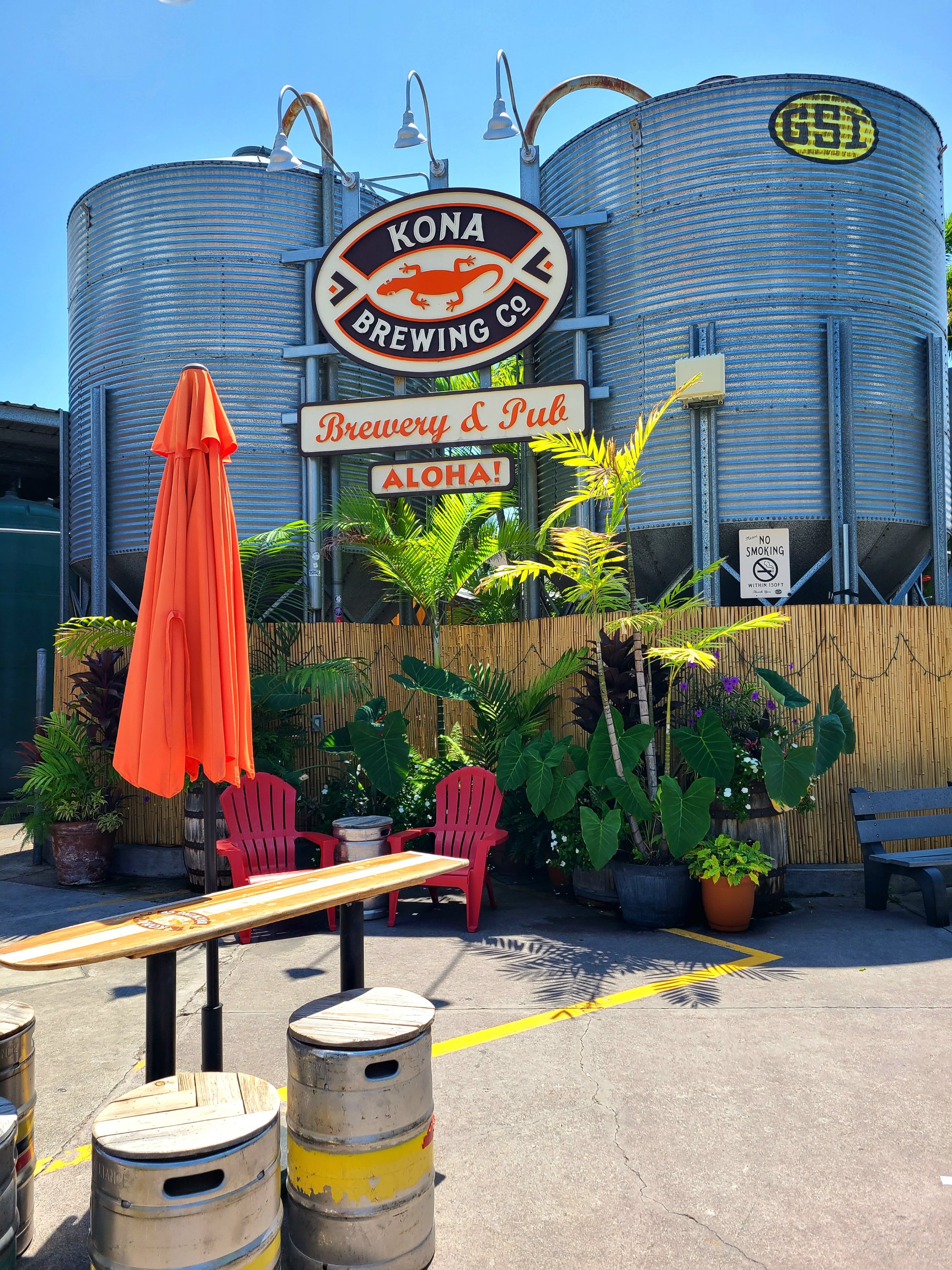
Before starting our drive around to Hilo, on the other side of the island, we stopped at the Puna Chocolate Company. There are four different locations on the island, two cacao orchards where you can do a walking tour, and two smaller chocolate factories and cafes. This one was the Kona Cafe & Chocolate Factory. We read about the local Hawaiian-grown cacao and how the volcanic soil and climate here are ideal for growing excellent cacao to make delicious chocolate and watched them churning chocolate through the viewing window.

We bought a variety of chocolate including peanut butter, molasses caramel toffee, and macadamia nut with toasted coconut and headed upstairs to enjoy our own chocolate tasting! Kona Brewing Co is located next door, so we hoped to do a beer tasting next, but unfortunately it was closed, so we continued on our way to the other side of the island to our Airbnb in Hilo.

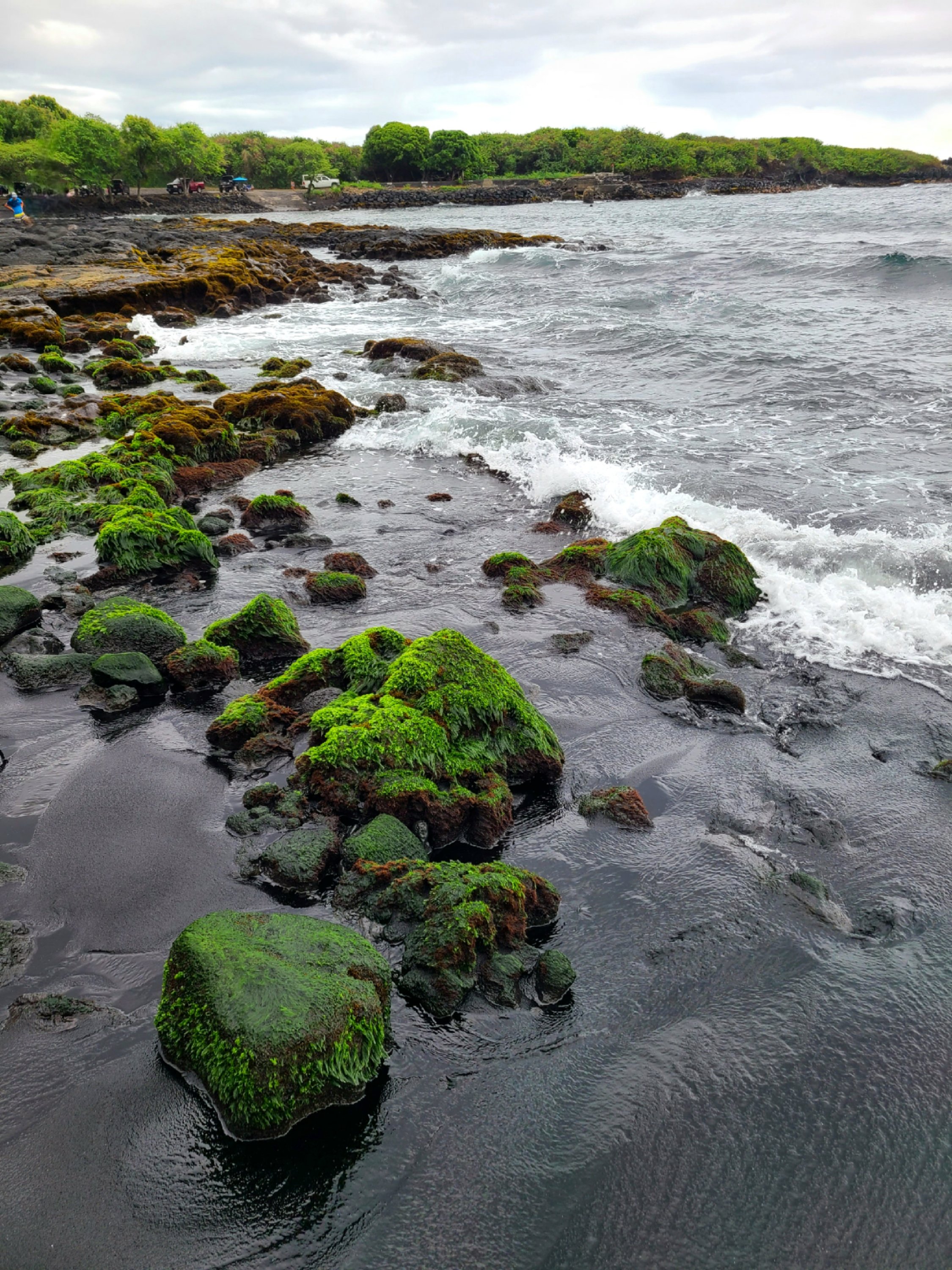
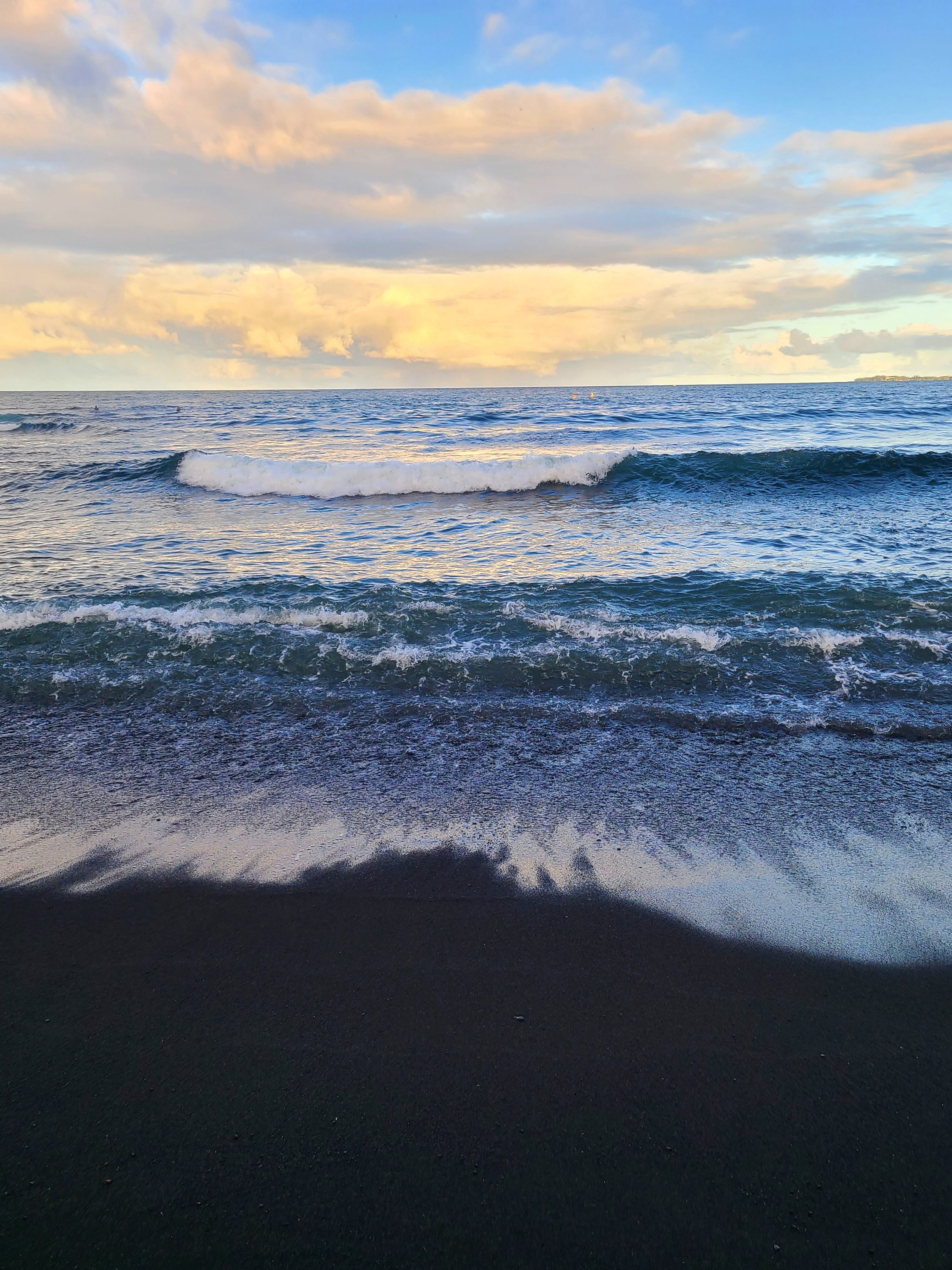
There are some beautiful scenic lookout spots as you drive around Big Island and we stopped at quite a few as we made our way to Punalu’u Black Sand Beach.

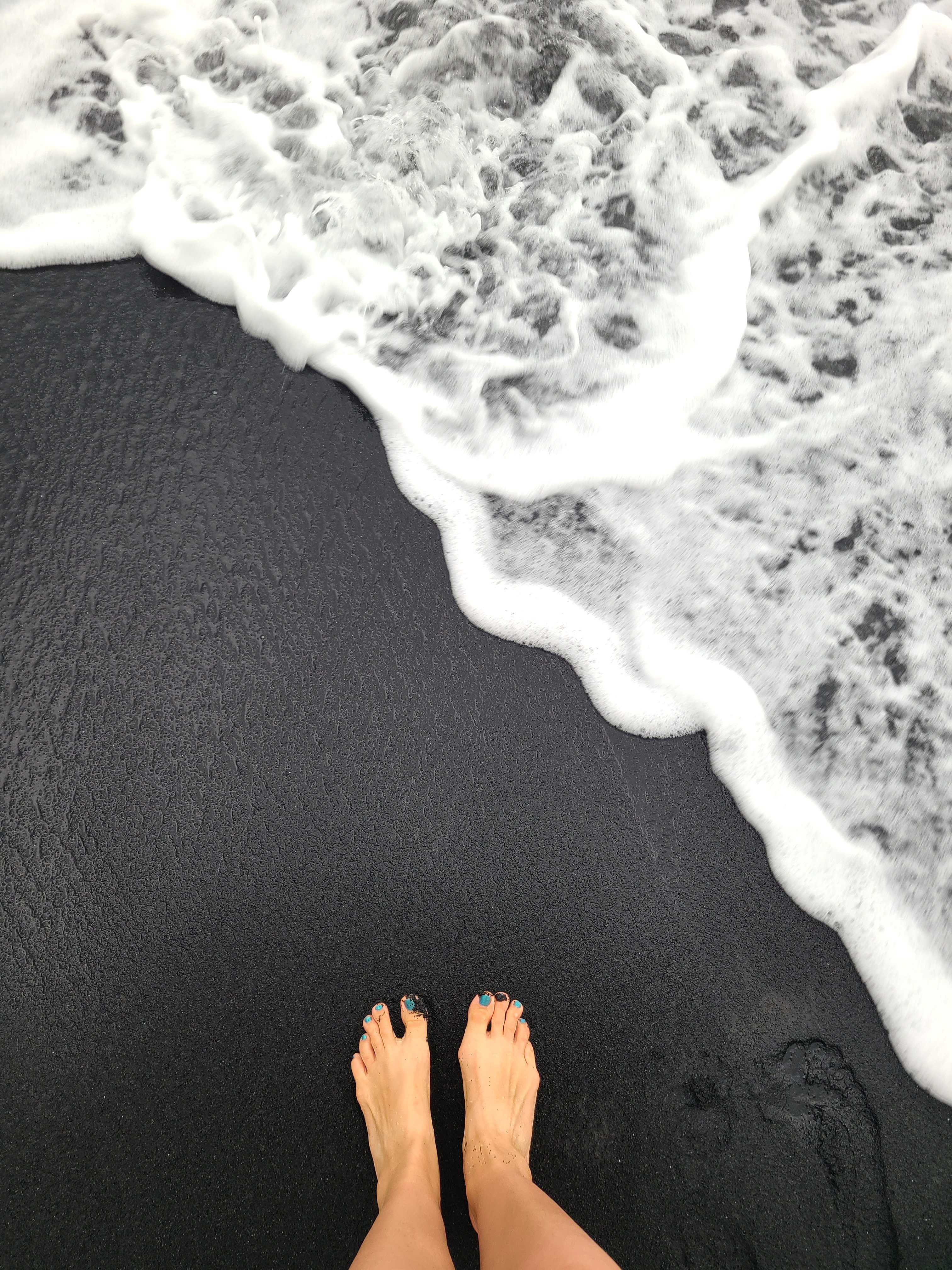
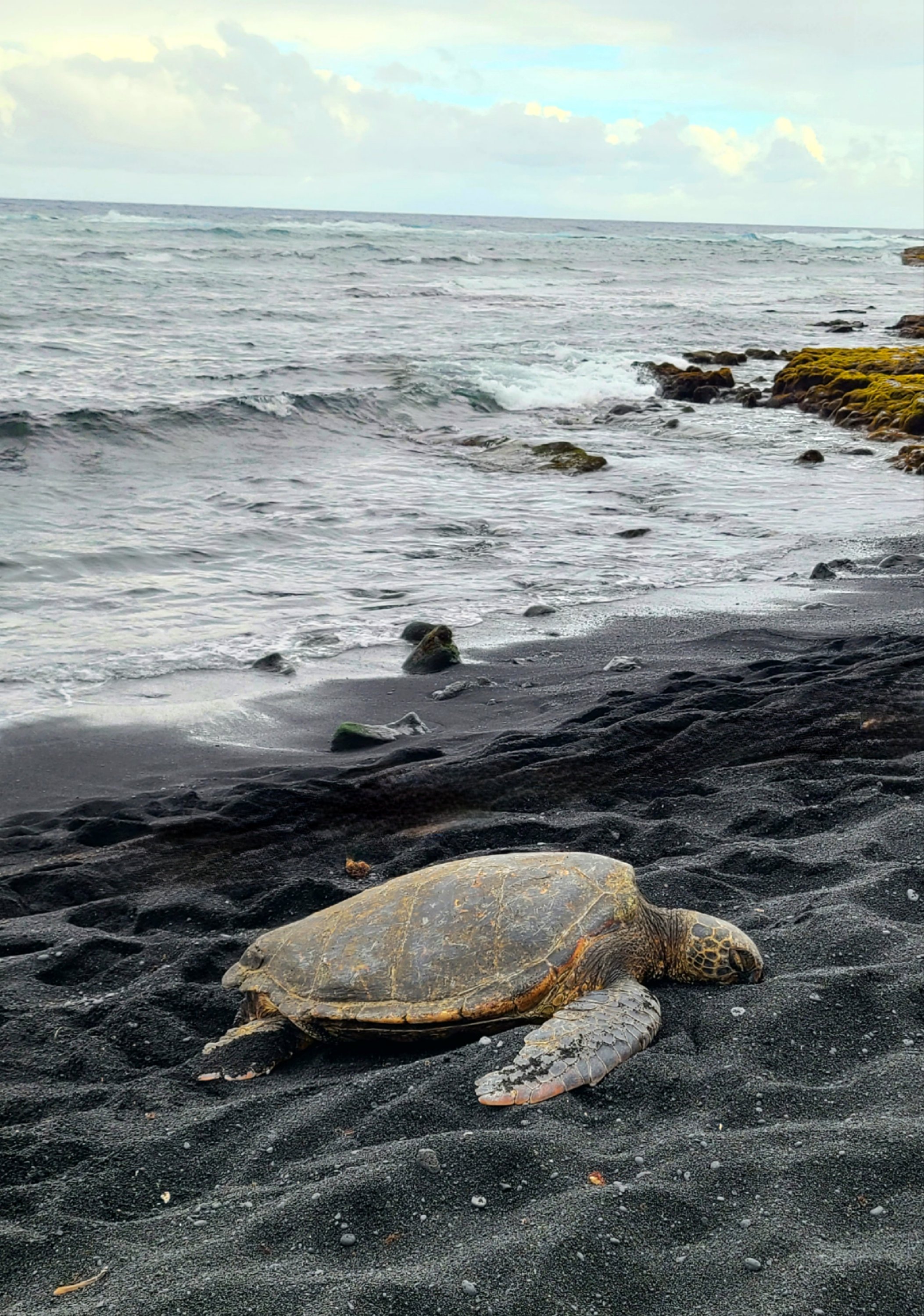
I have never seen sand this black. It was beautiful watching the huge waves crashing in and wading in the chilly water, but the highlight was seeing six Hawaiian Green Sea Turtles basking in the sand!

Sea turtles are protected in Hawai’i under both state and federal law. There were volunteers at the beach ensuring the sea turtles were roped off and that everyone stayed at least 10 feet away from them.

After, we stopped at Punalu’u Bakeshop, the southernmost bakery in the USA. It smelled amazing and the Hawaiian sweet bread was delicious.

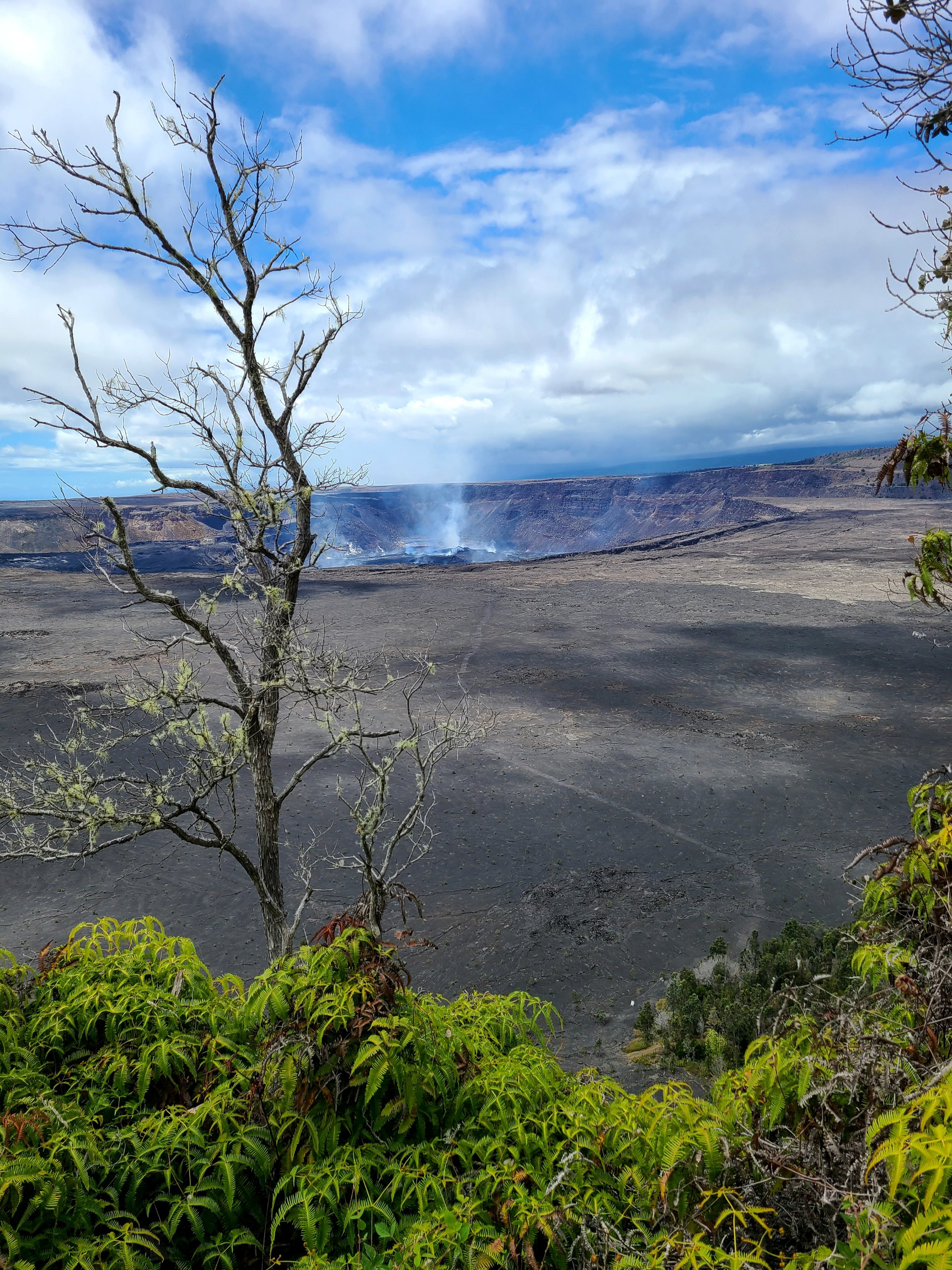
Hawai’i is known for its volcanoes, so while on Big Island, Hawai’i Volcanoes National Park is a must-do! There is a walking tour led by a park ranger that leaves from the visitor’s centre every day at 11am and 2pm, which I highly recommend. We had Ranger Dean, a conservation biologist, who was so enthusiastic and clearly loves his job. He was a wealth of knowledge on the unique geological, biological, and cultural landscapes here. Two of the world’s most active volcanoes, Kilauea and Mauna Loa, are found here and the park has been designated as an International Biosphere Reserve as well as a UNESCO World Heritage Site. Ranger Dean told us that 90-95% of the plants found here are unique to Hawai’i.

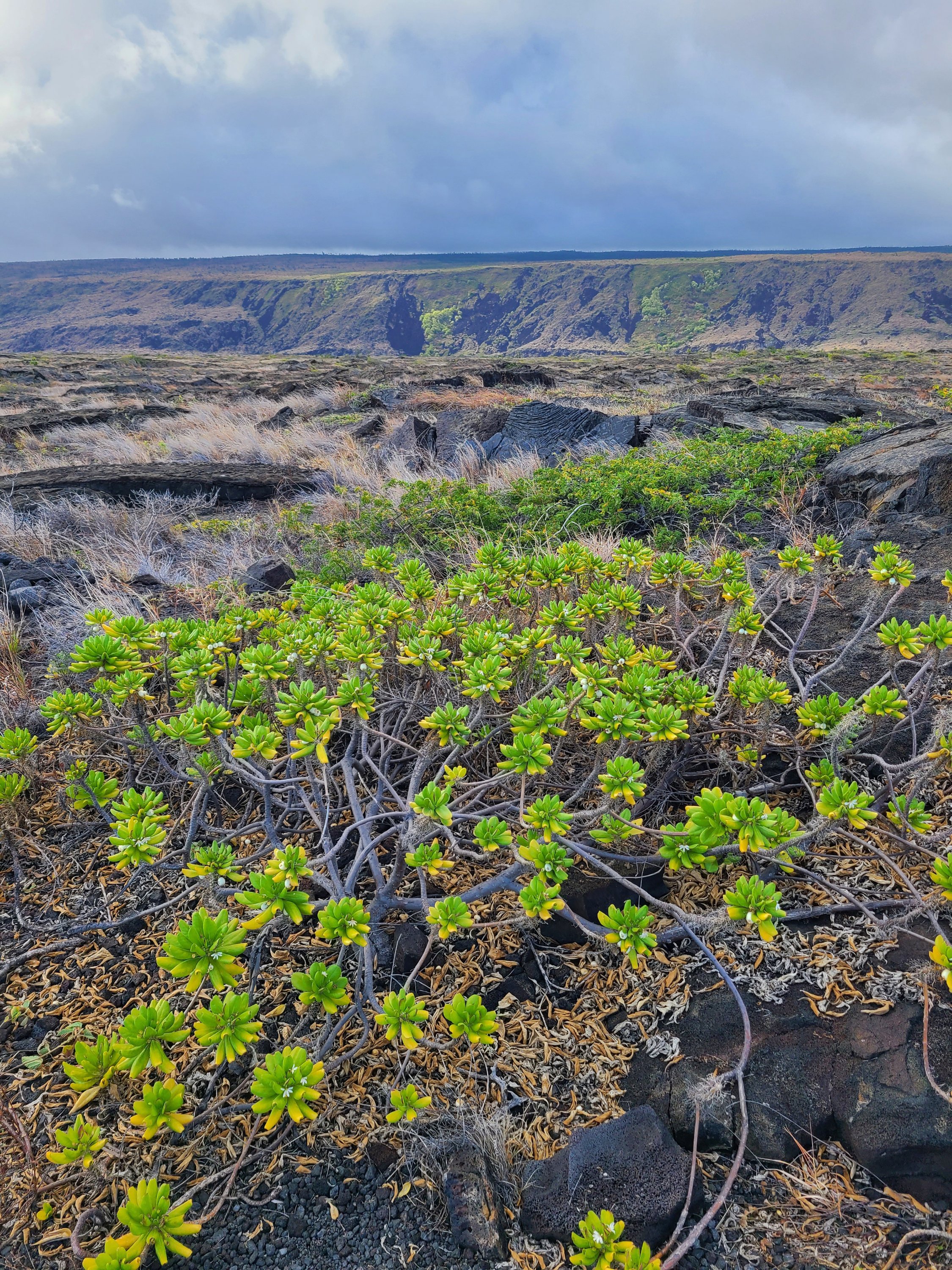
Some were very interesting, including a giant fernlike tree that had ‘fur’ patches growing on it that felt just like petting a cat! He explained that the fur protects the plant and if it’s removed, the plant dies. Another type of fern becomes mulch when it dies, creating ‘soil’ on the lava rock so the plant can continue to grow! The adaptability of vegetation here is amazing.

We soon made our way to a clearing in the trail, and in the distance, you could see the giant crater-style volcano, Kilauea, smoking away. There are some interesting ancient Hawaiian stories about how the volcanoes here came to be. They call her ‘Pele-honua-mea’ or ‘Pele,’ and she is the goddess of volcanoes and fire in Hawai’i.

The volcanoes here each tend to erupt every 2-3 years. Kilauea just erupted again in January 2023.

After the tour, we stopped for lunch at Volcano House. This restaurant is located in the hotel with a great view of the volcano. I had their Hawaiian pizza…always a favourite of mine and felt I needed to have one in Hawai’i!

Inside the park, there are numerous hiking and driving trails for guests to explore. We drove along Crater Rim Drive, stopping at several lookouts along the way as we made our way to Na’huku – Thurston Lava Tube. This is a 500-year-old cave where a river of lava once flowed. It was quite dark inside the lava tube, but it was cool to be walking through a tunnel carved by lava.

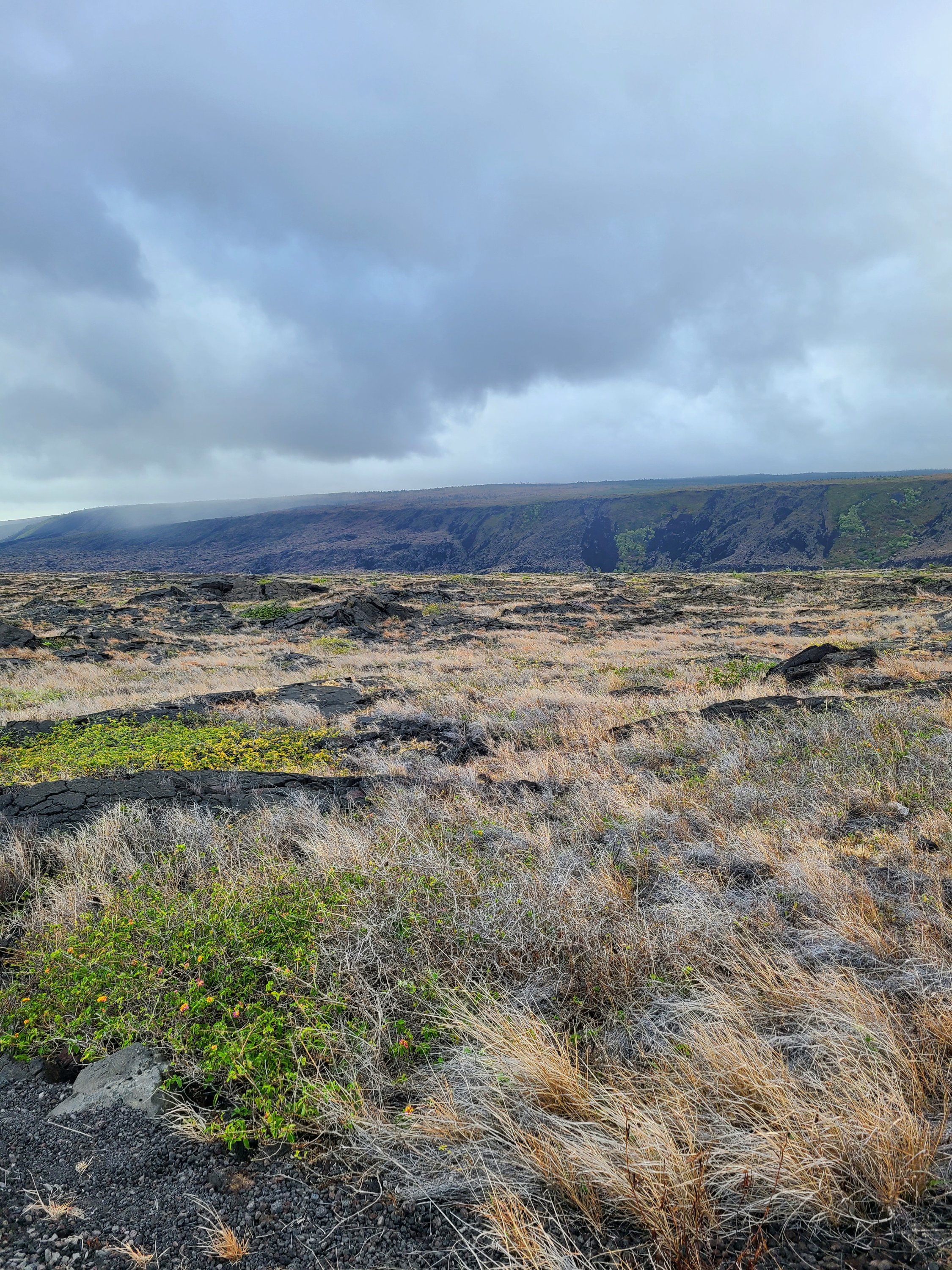
We drove along the Chain of Craters Road, which is 18.8 miles long, where you pass several old lava flows. It’s a pretty barren landscape with lots of lava rock, but interesting to see how vegetation has started to make its way back, depending on how long ago the lava passed through.

The road ends at the Holei Sea Arch, an arch that was created by lava flowing into the Pacific Ocean.

If you enjoyed the volcano by day, you can also head back after dark to really see the glowing red lava.

(Entrance fee – $30 per vehicle, good for 7 days.)

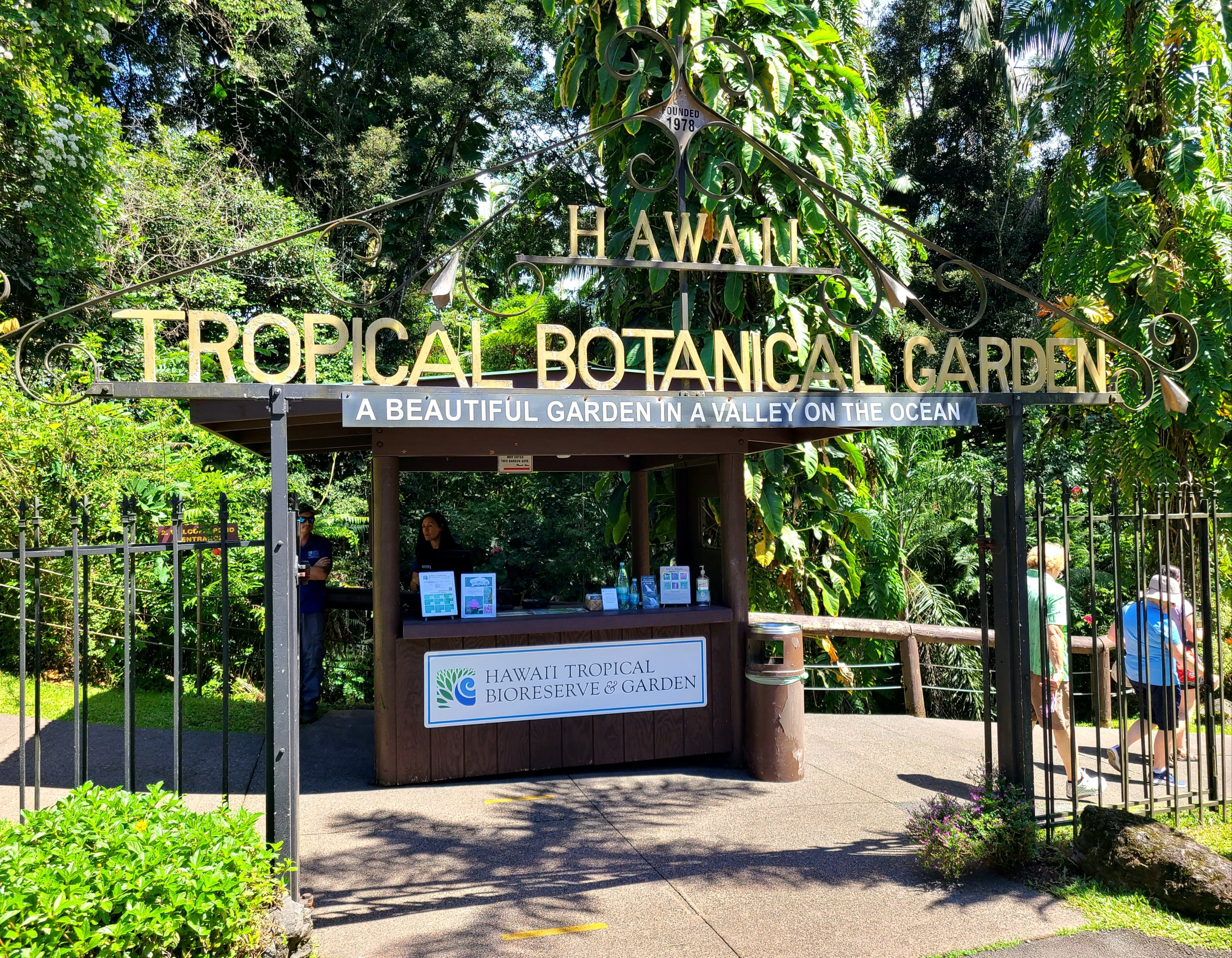
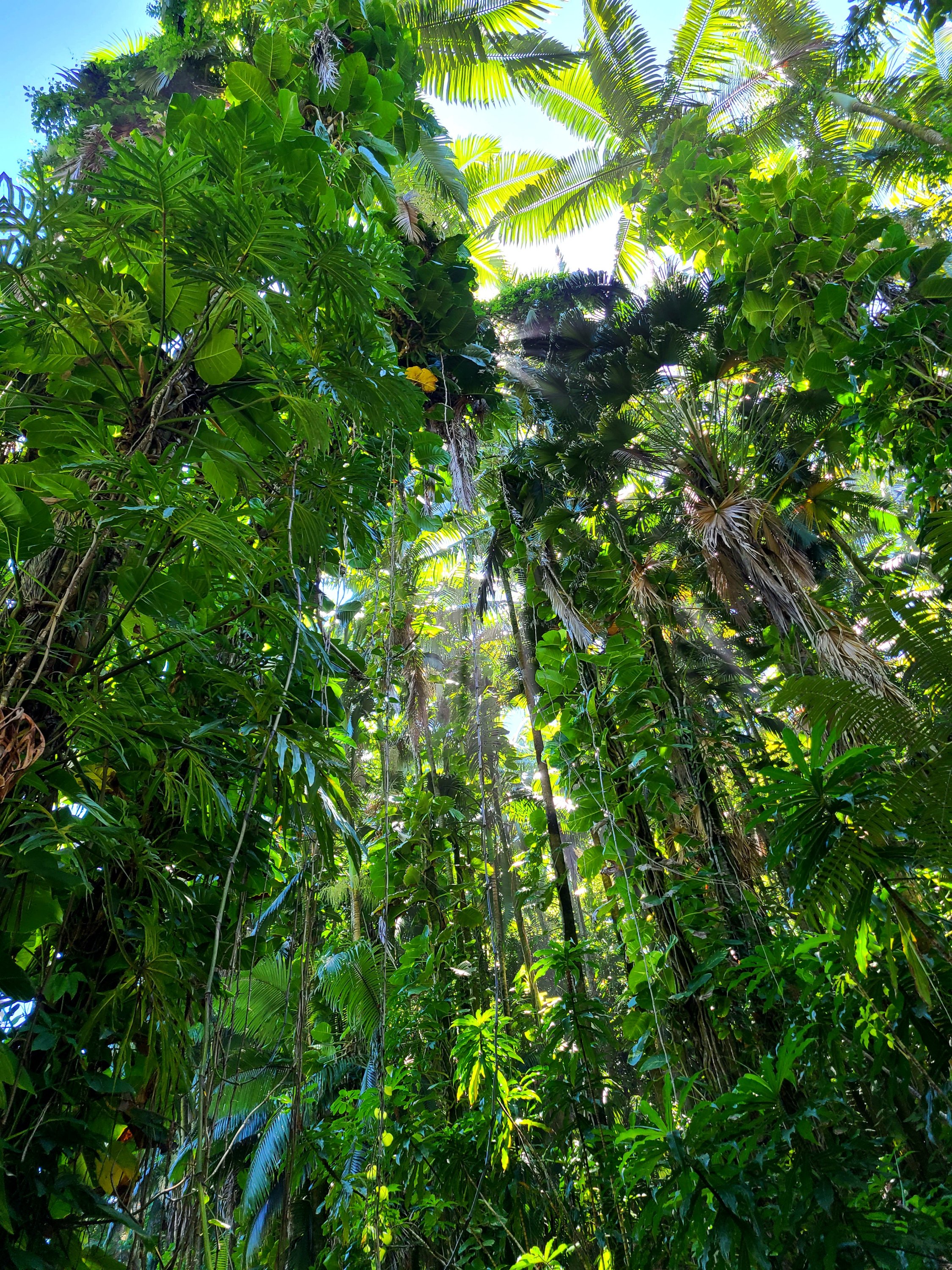
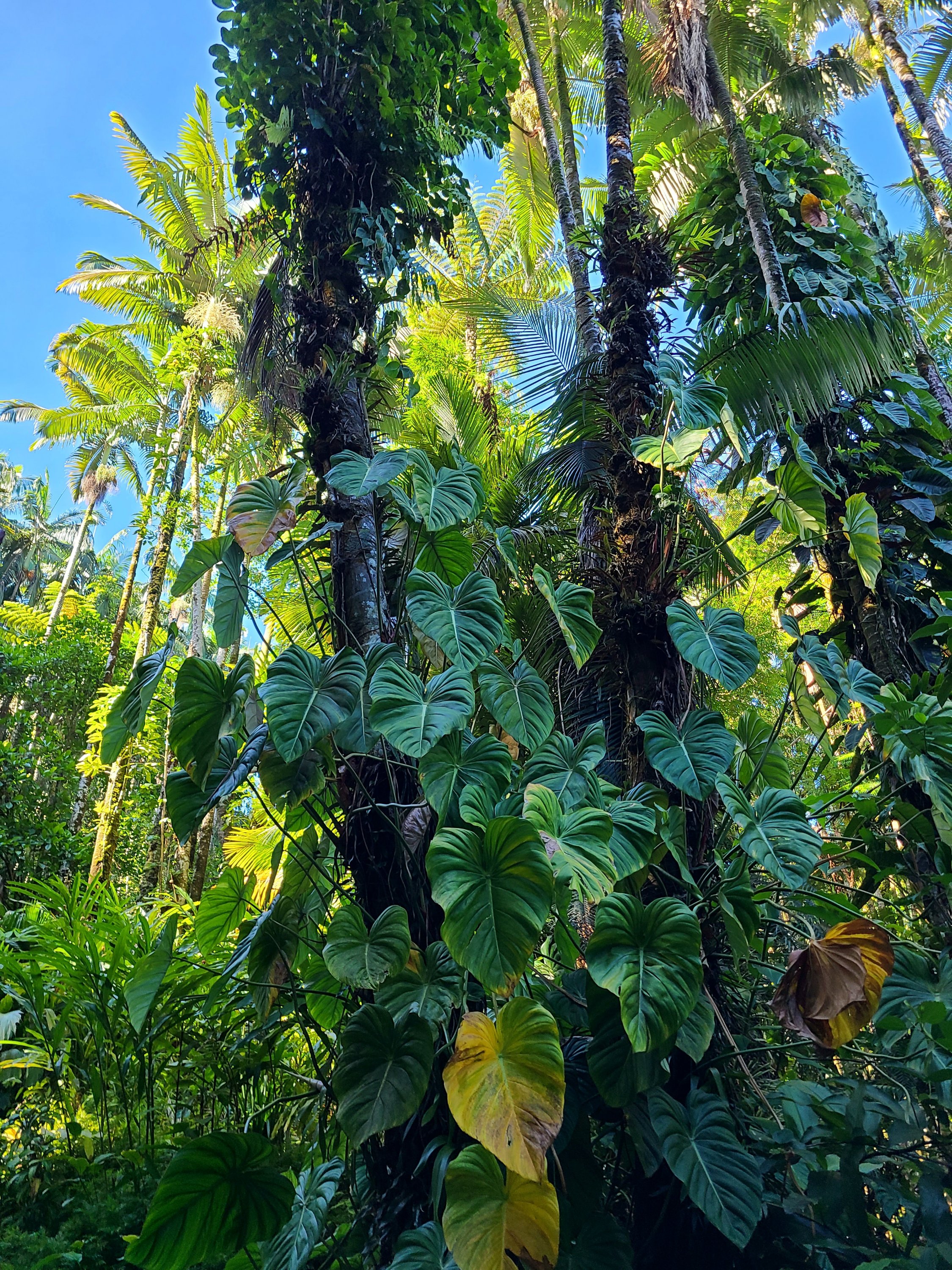
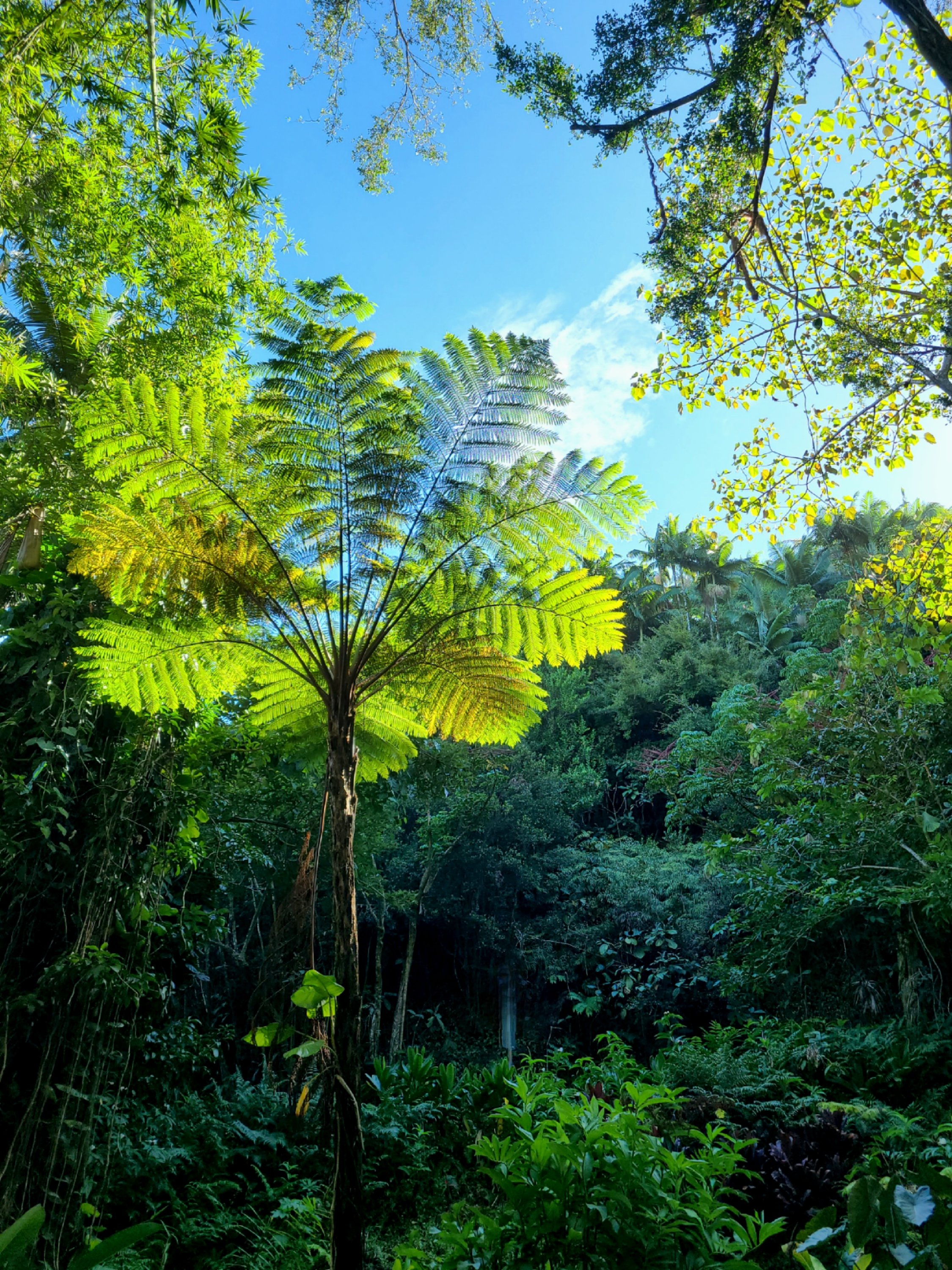
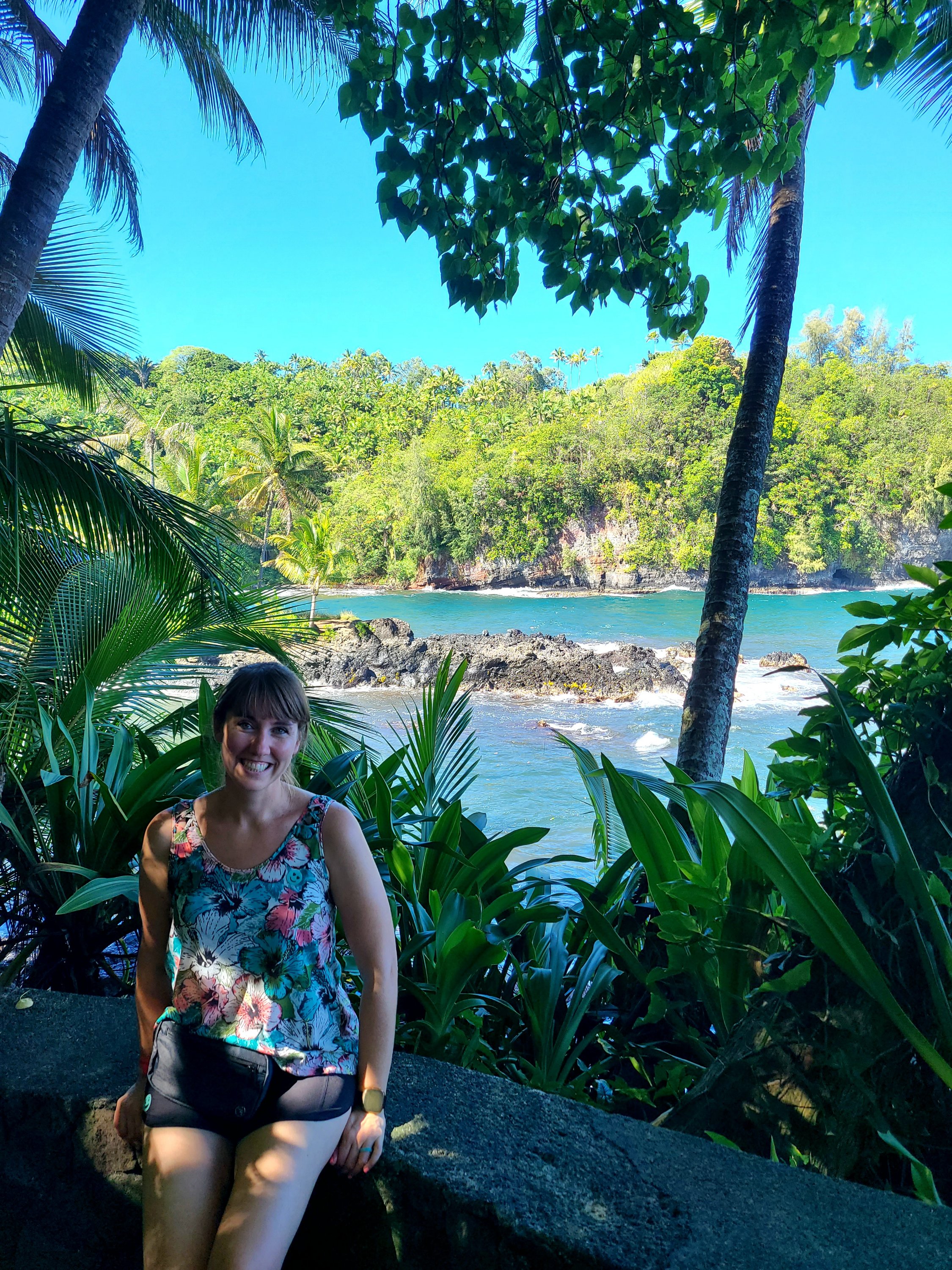
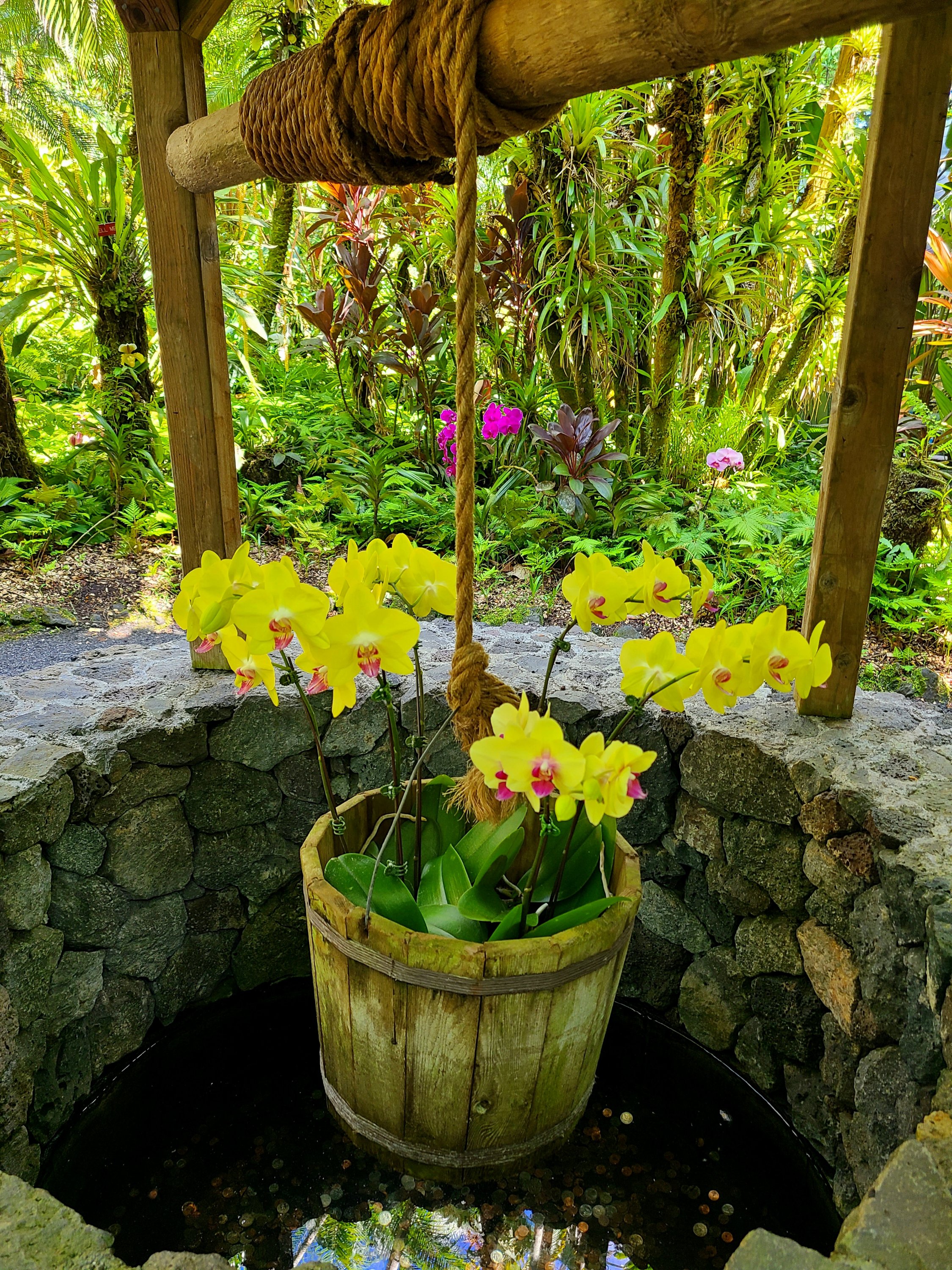
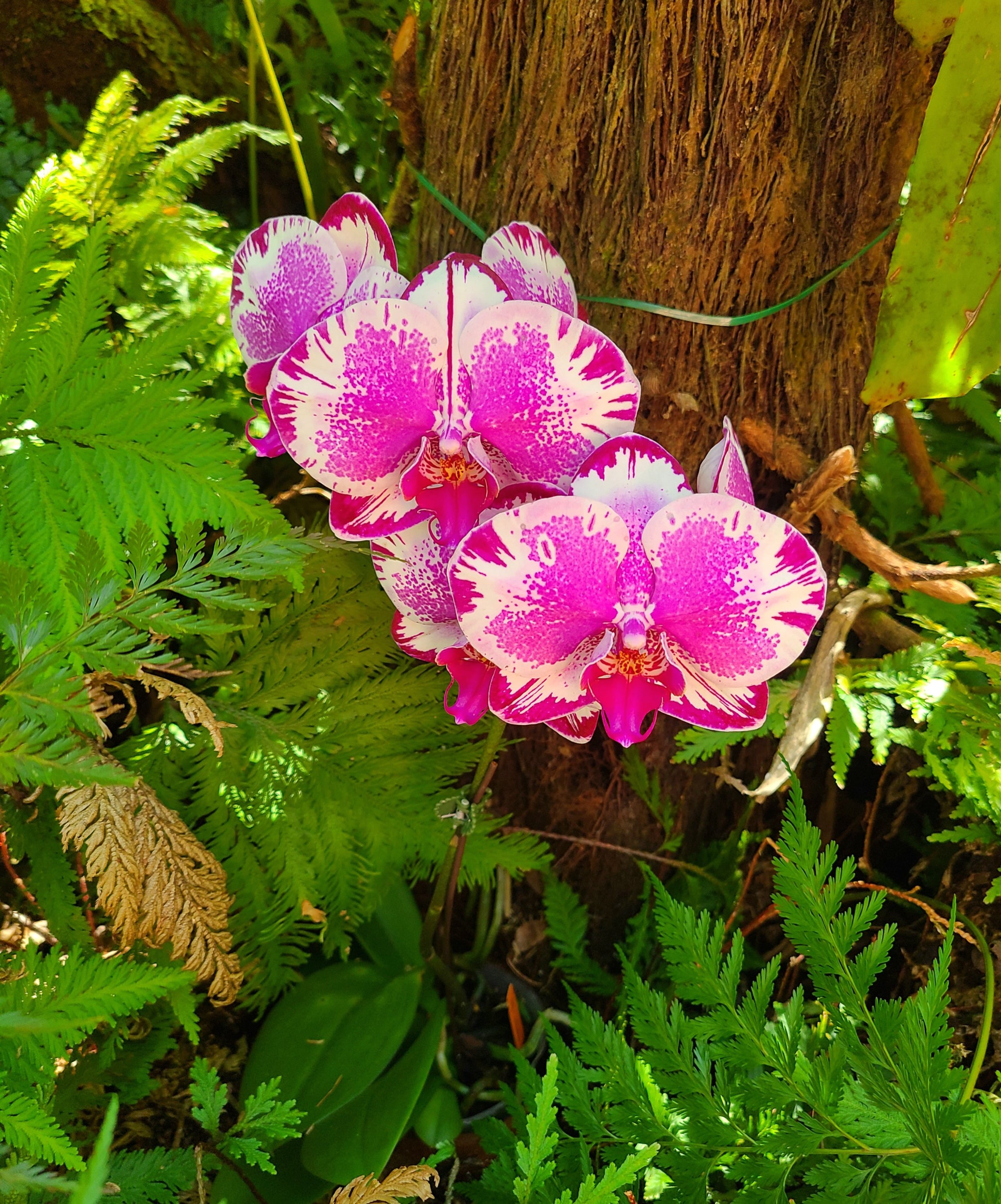
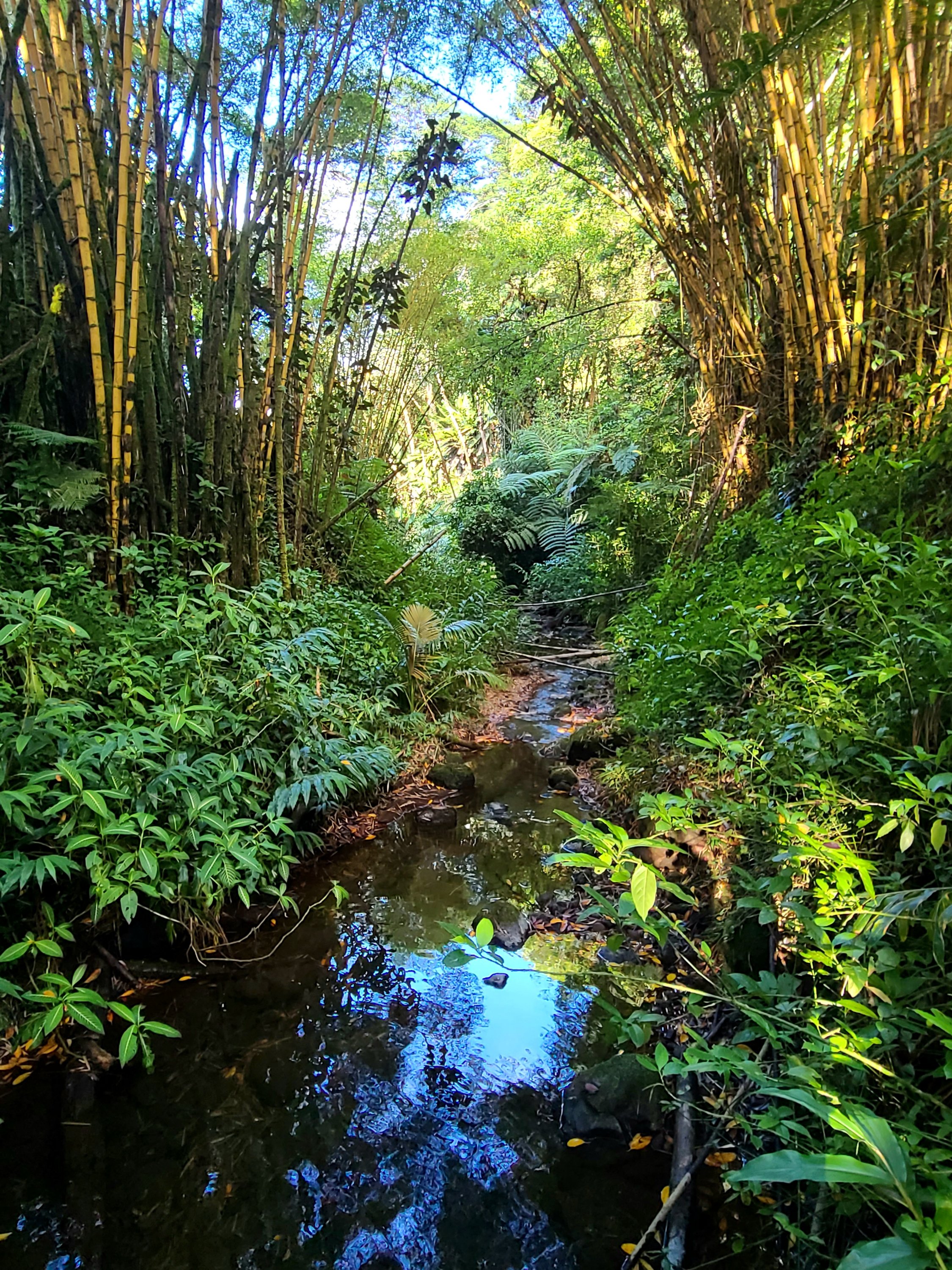
If you love lush tropical plants and beautiful landscapes, then Hawaiian Tropical Bioreserve & Garden is a must! It was founded in 1978 by Dan and Pauline Lutkenhouse, who bought 17 acres here after falling in love with the overgrown ‘jungle’ on the ocean. They turned it into a garden, which opened to the public in 1984 after spending six years hand-clearing the tropical jungle. They later purchased another 20 acres and donated it all to the Hawaiian Tropical Bioreserve & Garden, establishing a non-profit nature reserve and protecting Onomea Bay. To enter, you head down a steep 500-foot boardwalk leading into the beautiful gardens. I have never seen anything so lush. This is exactly what I imagined when I thought about Hawaii. Huge ferns, birds of paradise, hibiscus, massive sprawling Banyan trees, streams with little waterfalls, a lily pond with koi fish, over 150,000 types of orchids, giant palm trees, and so much more. You can easily spend a few hours here, wandering around paradise!

(Open 9am-5pm, with last entrance at 4pm. Admission – $25)

There are also walking trails around Onomea Bay on either side of the Tropical Botanical Gardens with some gorgeous viewing areas.

As we drove around Hilo and the surrounding area, we stopped at several beaches and waterfalls. Top ones include:

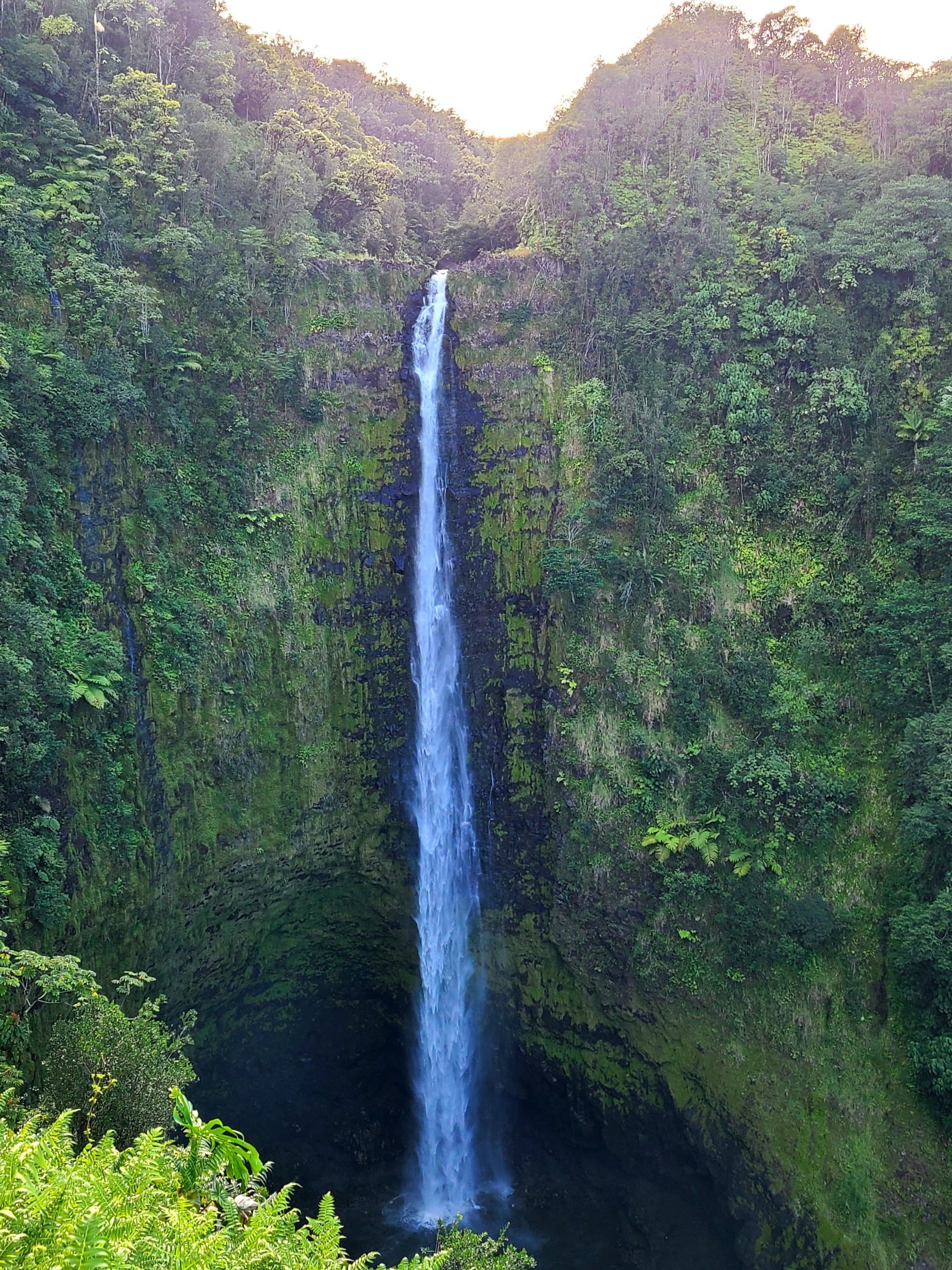
Akaka Falls State Park ($5) – Walk a circle route through lush tropical gardens to falls. 442 feet straight down into the gorge.

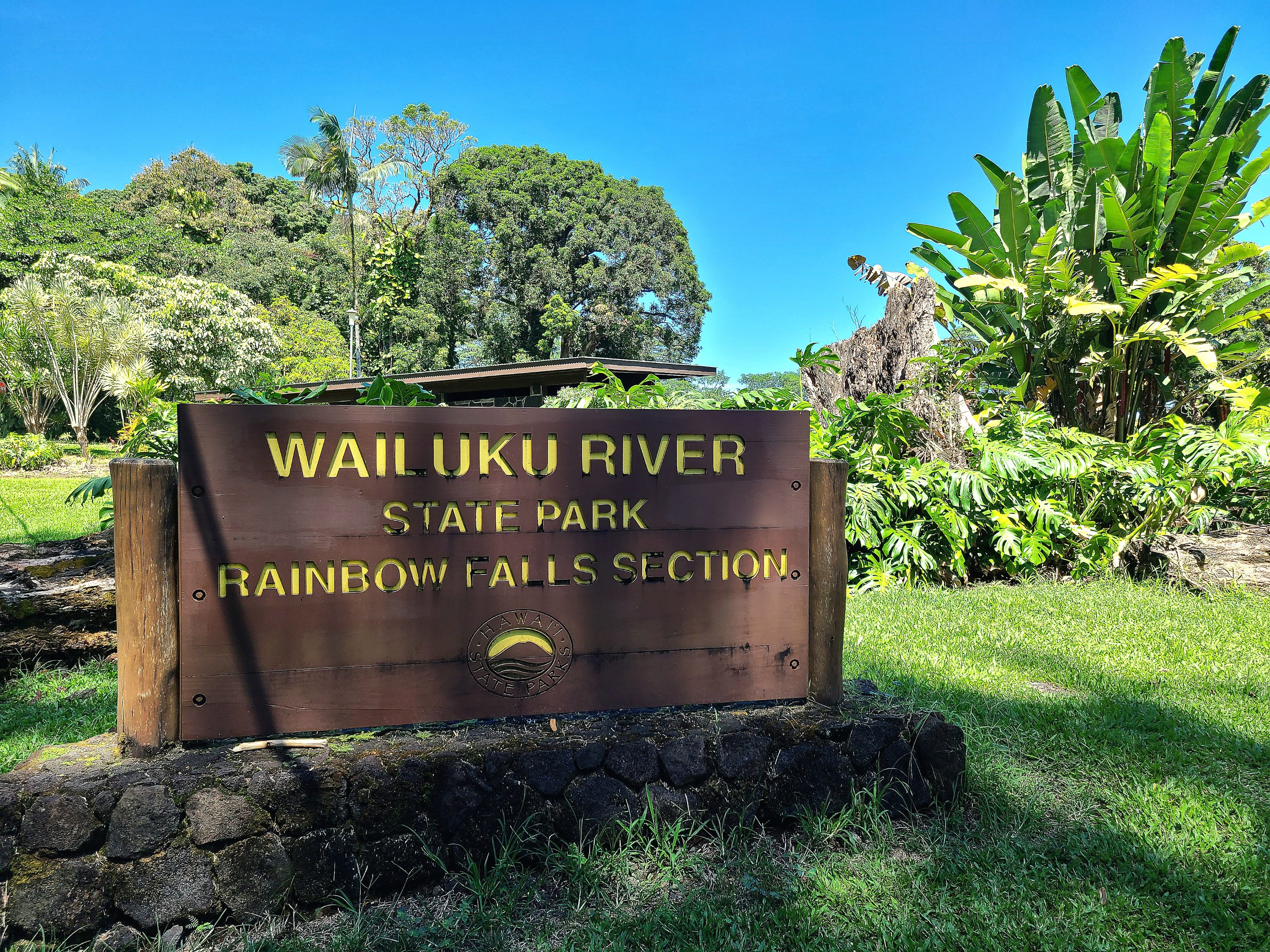
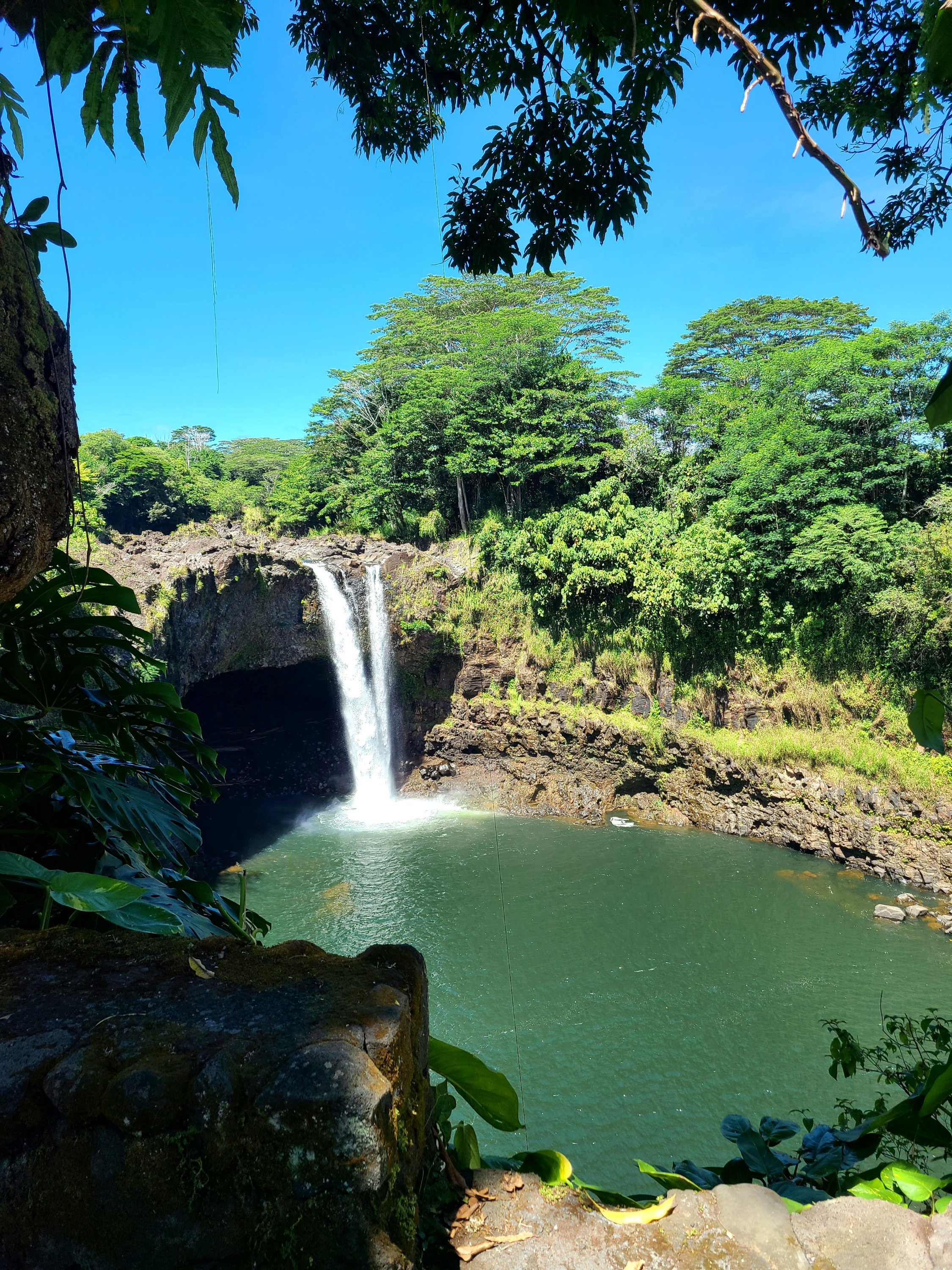
Wailuku River State Park – Rainbow Falls – quick stop right off the highway.

Honoli’i Park – popular beach and surf spot.

After enjoying the beach, head for dinner at Pineapples, a popular open-air restaurant in Hilo with pineapple decor and delicious island-inspired food and drinks. I highly recommend their Pineapple Pow drink (a whole Maui Gold Pineapple filled with Maui’s ocean organic vodka, pineapple chunks, watermelon grenadine, and OJ blended and topped with whipped cream and tropical fruit garnish!)

You can also get a Pineapple No Pow as a non-alcoholic version. It was delicious, as was my grilled pineapple burger!

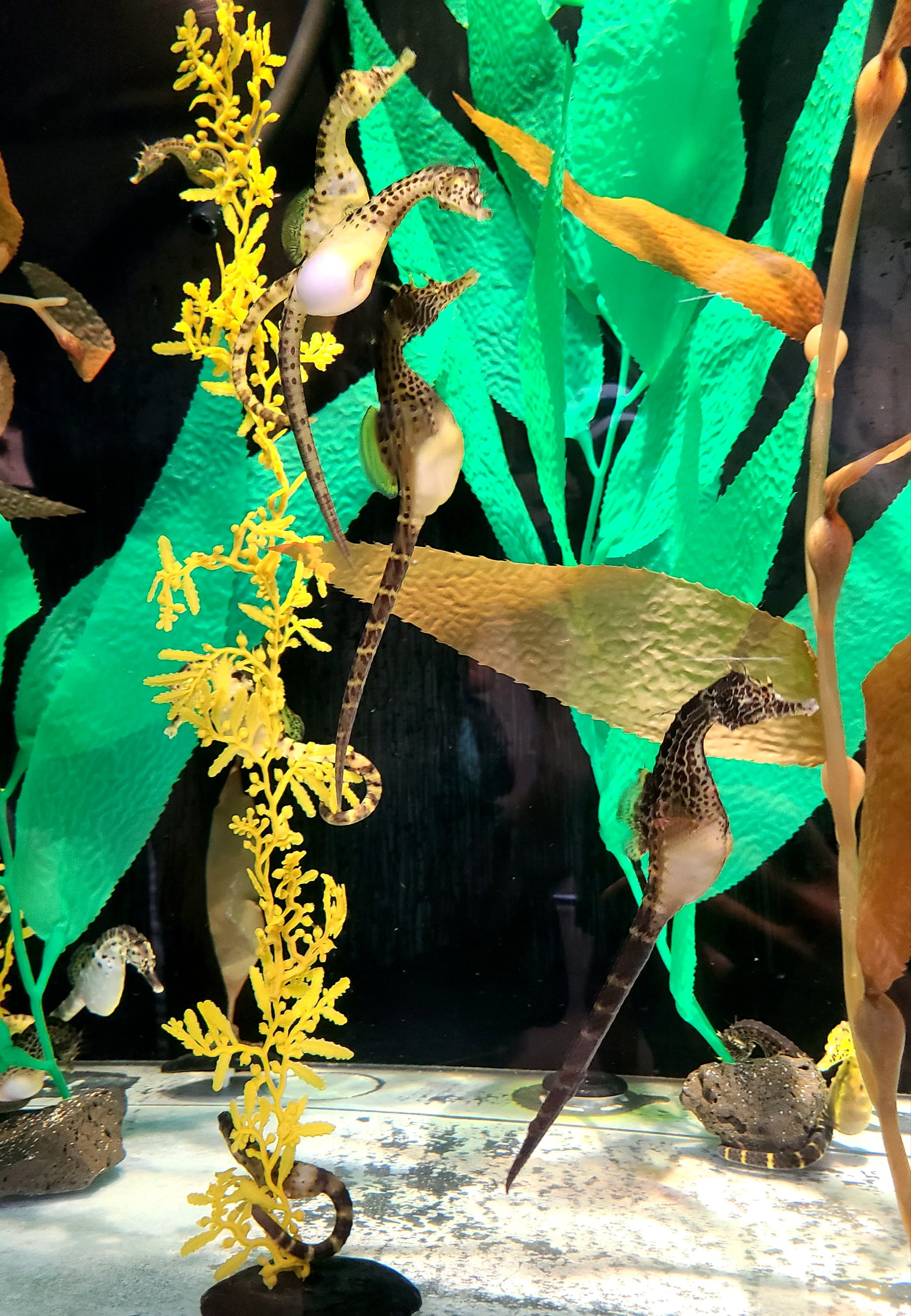
Our final stop on this short Big Island adventure was at Ocean Rider Seahorse Farm. The Seahorse Hawai’i Foundation began in 1998 and they have been saving seahorses and sea dragons ever since. Before this time, seahorses were on their way to the endangered species list as so many were being captured and sold as pets, usually dying off within a week of being captured. At the farm, they have been able to successfully breed them for the pet trade, leading to a drastic decline in those being captured in the wild. We learned that they are hunters who need to be able to swim after the tiny shrimp they mainly eat, which is one of the reasons wild ocean seahorses struggle in aquariums. So, by breeding seahorses that are able to live in aquariums, they have been able to save hundreds of thousands of these creatures from being captured!

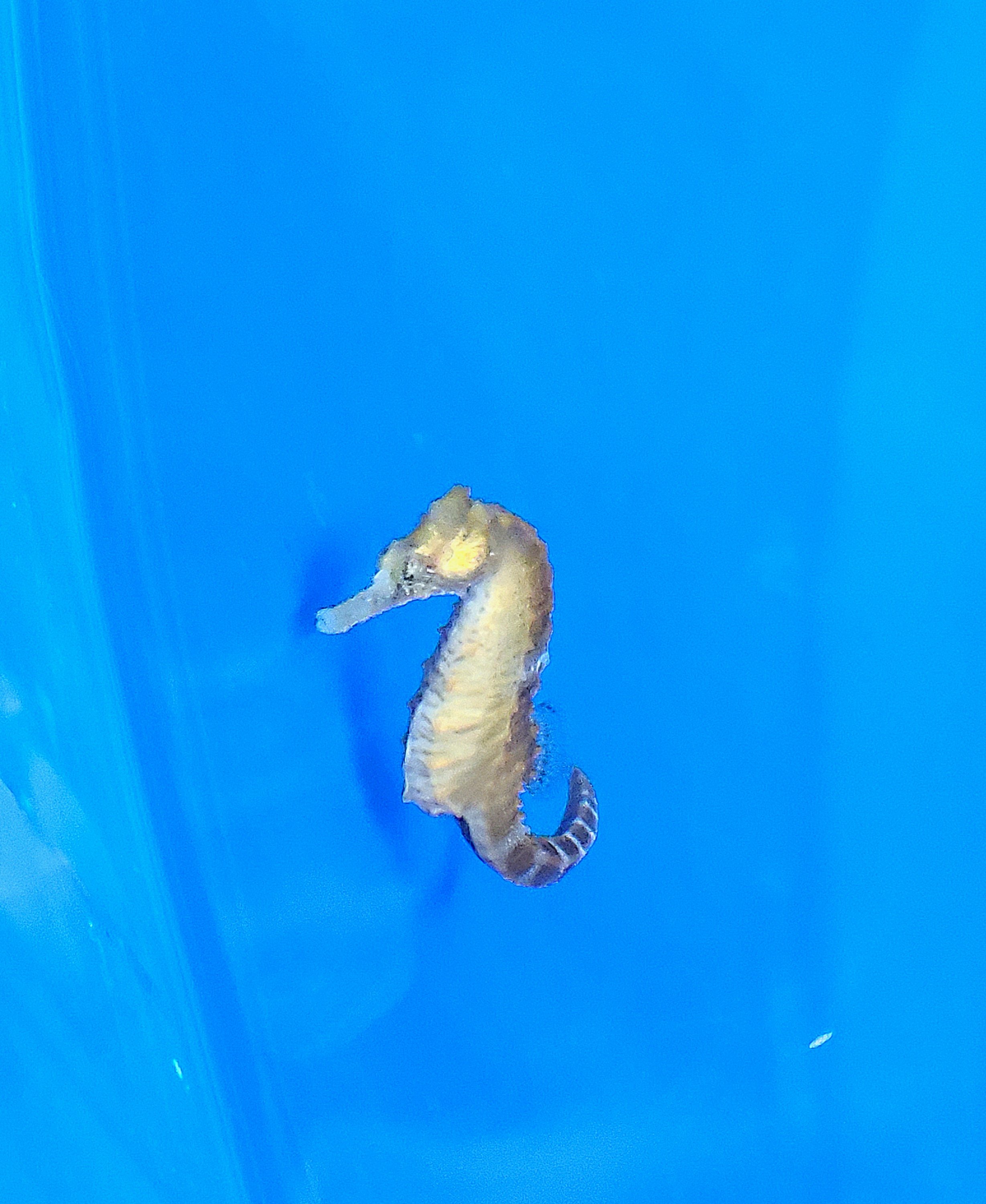
During the tour, we learned all about the seahorses here and were able to see them in various stages of growth from tanks filled with hundreds of tiny “fry,” only a week old, to slightly larger ones that were about a month old or so. Seahorses hit maturity around one, and at this time they are separated into smaller tanks containing 2-6 of them. At this age, they find a partner, as seahorses mate for life. It was so sweet watching them swim around, linking their little tails together as a sign of affection. A seahorse’s tail is similar to a monkey’s and it allows them to grab onto things and anchor them to coral. In these couples, it is the male who gets pregnant and has a little pouch filled with babies. The American Seahorse is pregnant for 30 days after the female deposits her eggs in his pouch. After 30 days, the male gives birth to 500-600 fry! They are independent right away and a few minutes after their young swim away, they begin the breeding process again. They look so cute with their big belly sacks!

The highlight of this tour was getting to ‘hold’ a seahorse! We were instructed on how to make our hands into ‘coral’ and lower them down into the tank, and one of the staff helped guide a seahorse over to you. Then, as long as they wanted to, the seahorse would wrap its tail around our fingers and hold on—just like it would with coral.

They didn’t stay long and were never forced to link onto you, but what a neat experience it was to have a sweet little seahorse decide to hang out on your fingers!

At the end, there are a variety of tanks with different breeds of seahorses and sea dragons from around the world.

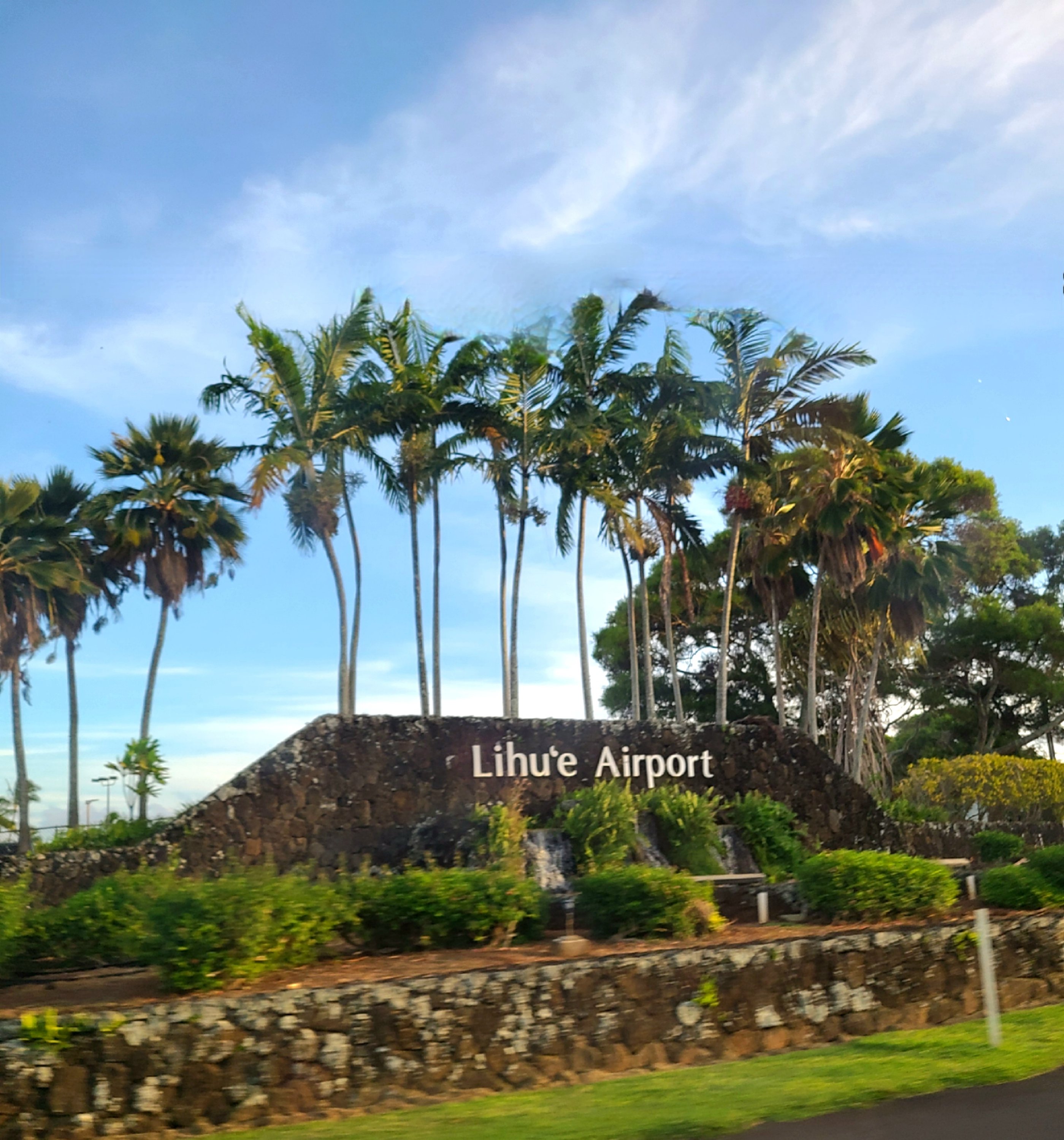
Ocean Riders is near the airport and was a perfect final stop here before heading over to Kauai.

(Open Monday-Friday. Tours at 10am, 12pm & 2pm.)

This trip was a great way to scratch the surface of this beautiful island. With so much more to discover, it’s a great excuse to book a trip back here!

Categories: North America, Photo, Where in the World | Tags: , , , , , , , , , , , , , | Leave a comment

Aloha Kauai

Kauai, the oldest of the Hawaiian Islands, is known as the Garden Island and as soon as you arrive, it’s easy to see why.

The island is one of the wettest places on earth, averaging 440 inches of rainfall annually. It has a very diverse landscape, with everything from caves to waterfalls and steep canyons to river valleys. This diverse landscape is host to micro-ecosystems where you can find 145 endangered species of plants and a dozen endangered exotic birds, some of which can only be found on Kauai.

We were only in Hawaii for a week, celebrating my aunt’s 70th birthday, and being ambitious, we decided to visit two islands, meaning we really had to decide what we wanted to see in each place and make the most of our days.

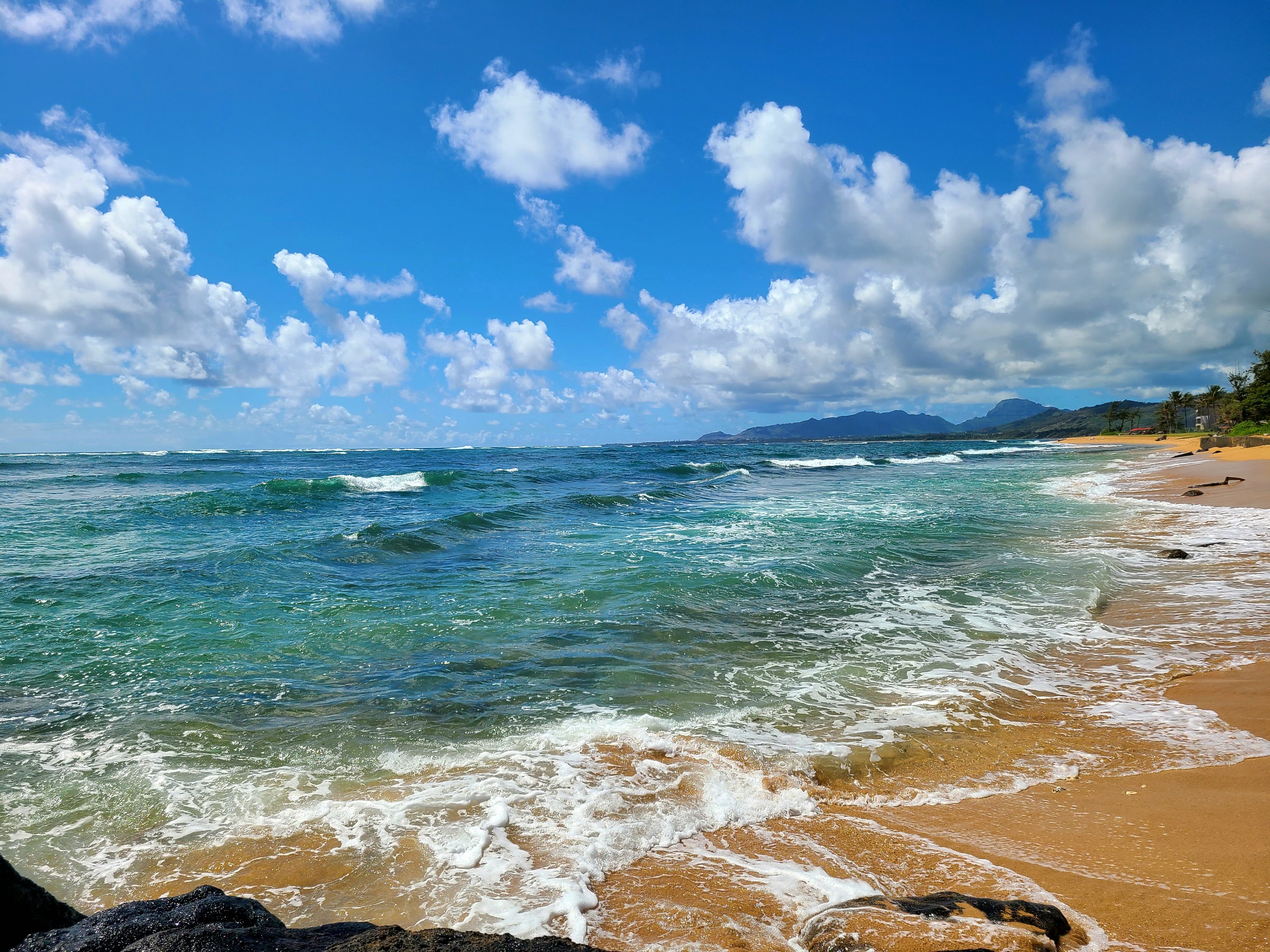
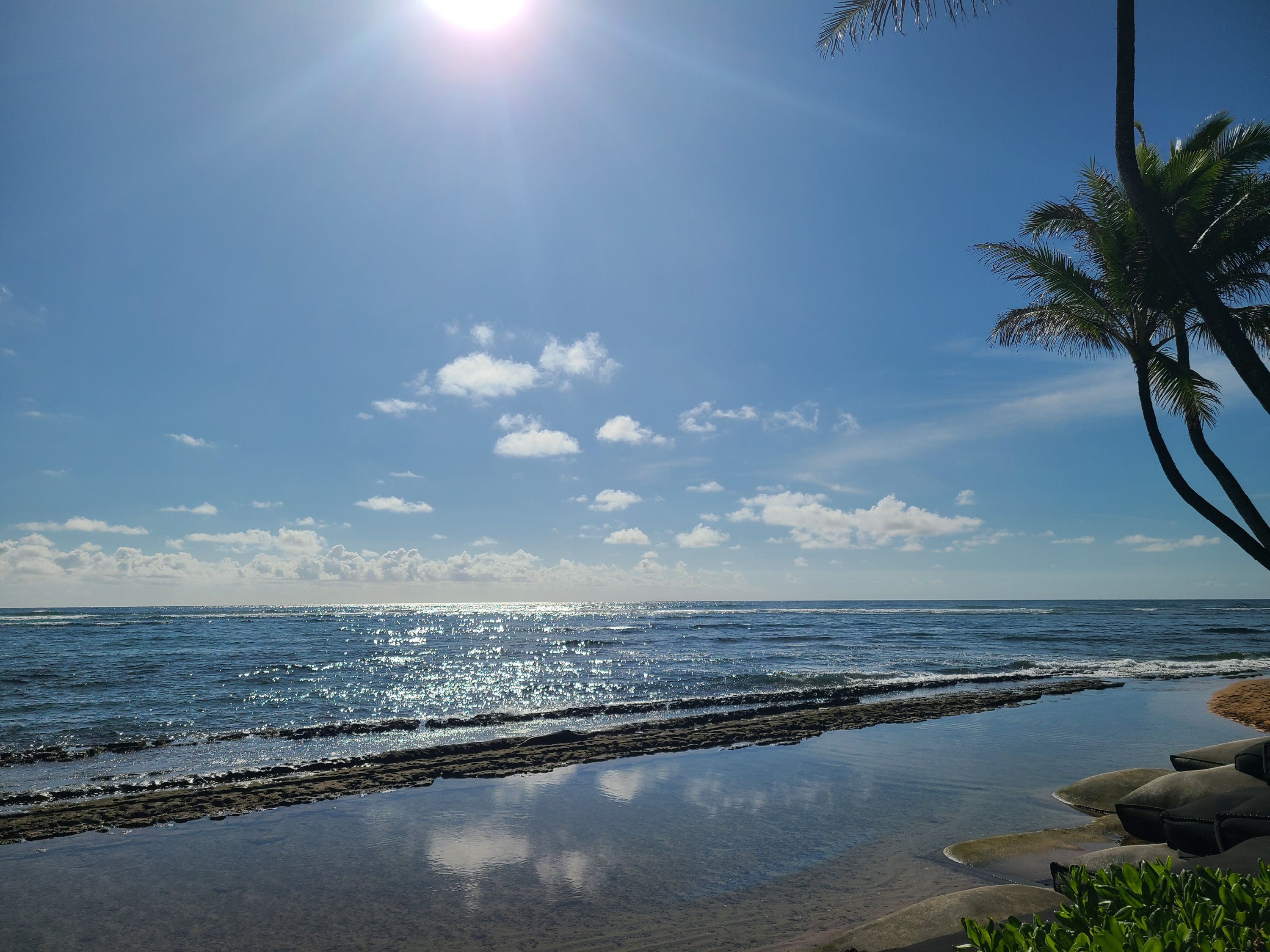
We rented a 3-bedroom condo on the beach in Kauai-Kailani, and walking along it, coffee in hand, watching the waves crash in was a perfect way to start each day.

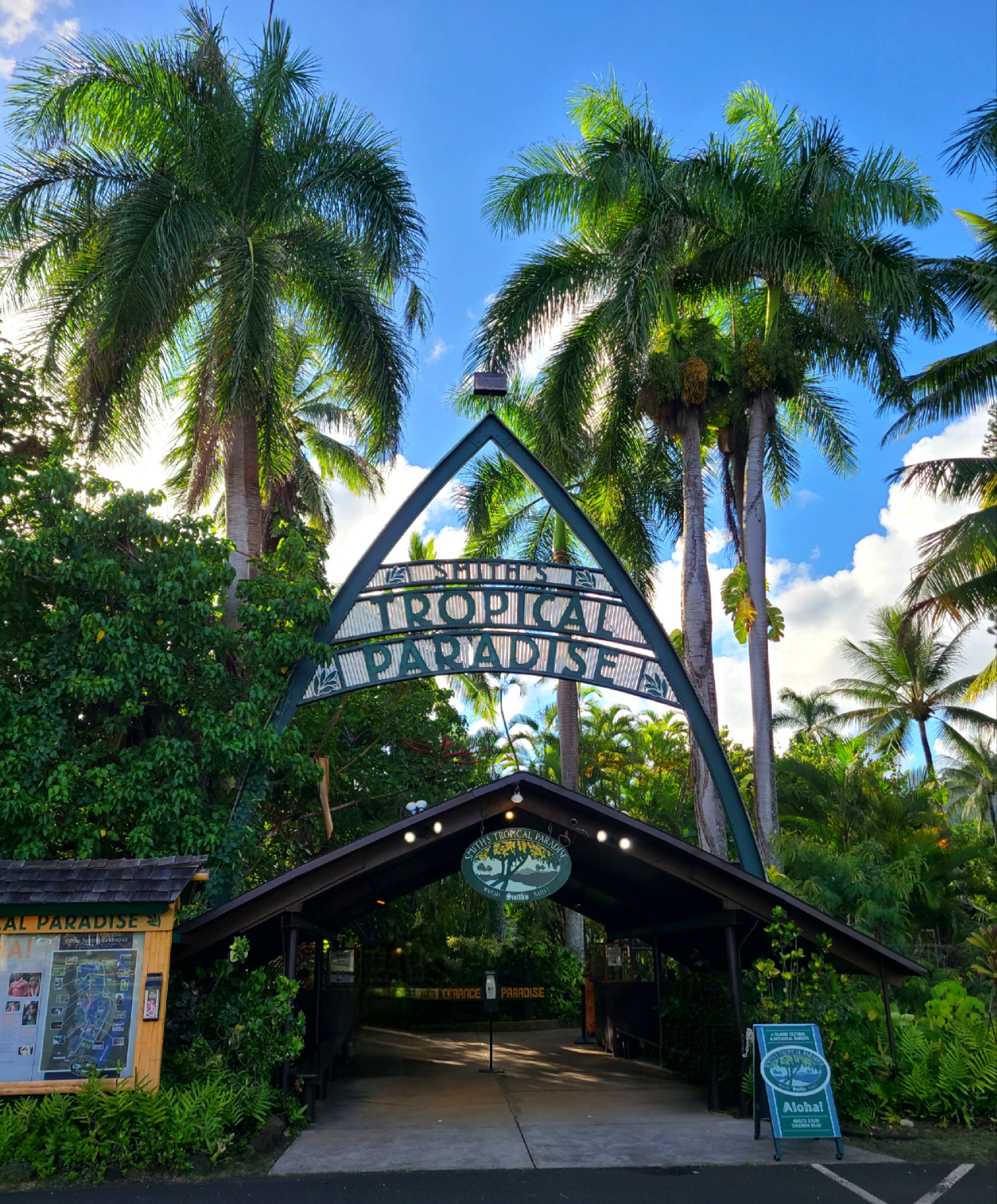
At the top of our list of things to do here was attend a luau. We chose Smith’s Tropical Paradise Garden Luau, a family-run luau and tropical garden that has been around for over 60 years. 

This is the same luau my grandma attended 30 years ago, making it an extra special stop for her daughters and granddaughters! We enjoyed a boat ride to the Fern Grotto and then wandered around the lush tropical gardens before enjoying a traditional Hawaiian feast followed by the evening show.
(More about that here)

The easiest way to explore Kauai is by renting a car and driving around. It was easy to navigate our way around the island, making stops along the way and enjoying the beautiful landscape..

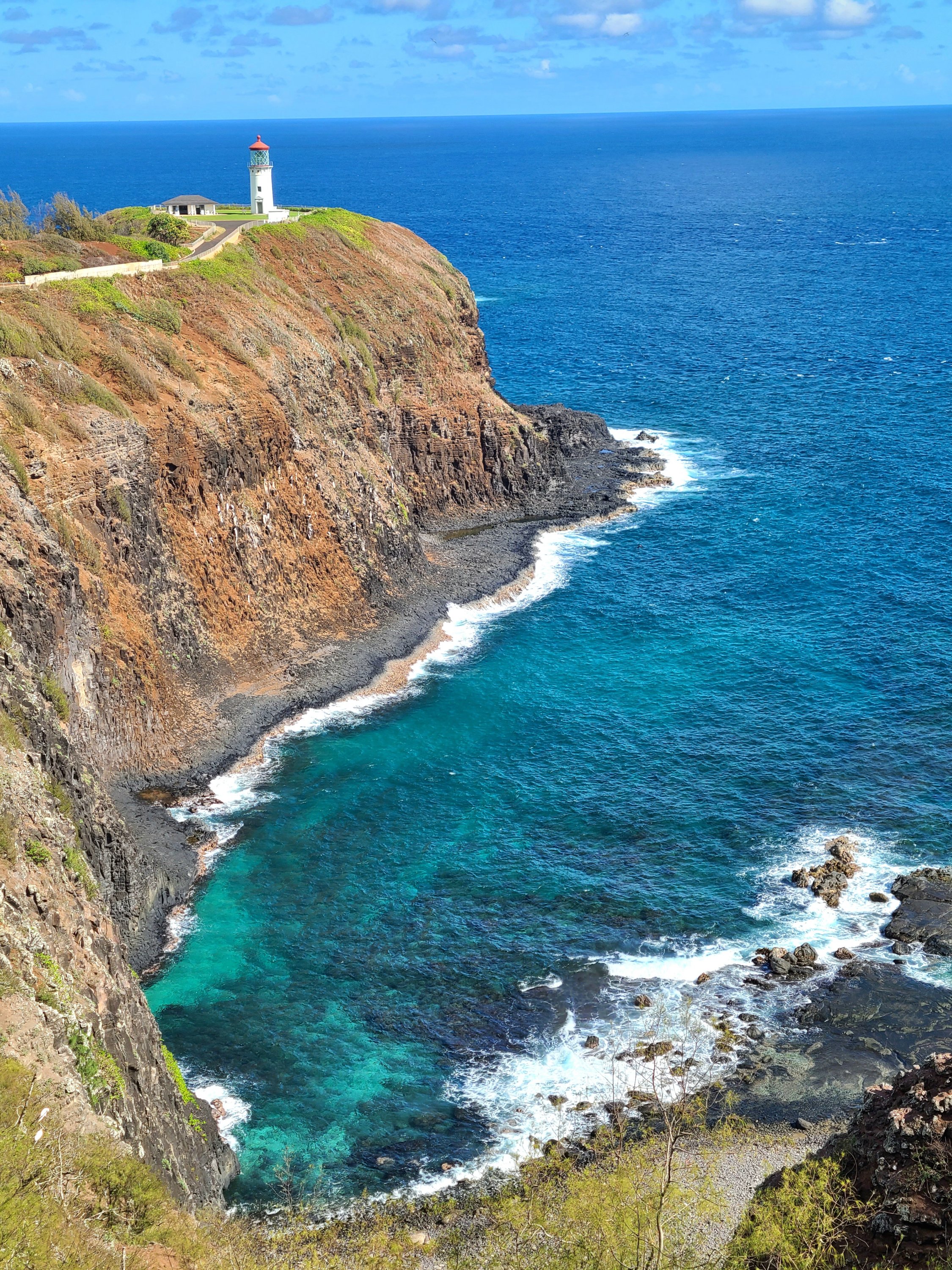
Located on the Northernmost point of the island is Kilauea Point National Park Wildlife Refuge– home to a variety of nesting seabirds and also a migration stop for humpback whales in the winter.

You can get a great view down to the Daniel K. Inouye Kilauea Point Lighthouse and surrounding cove from the lookout above or you can head down below and walk around the grounds ($10 entrance fee for those 16+).

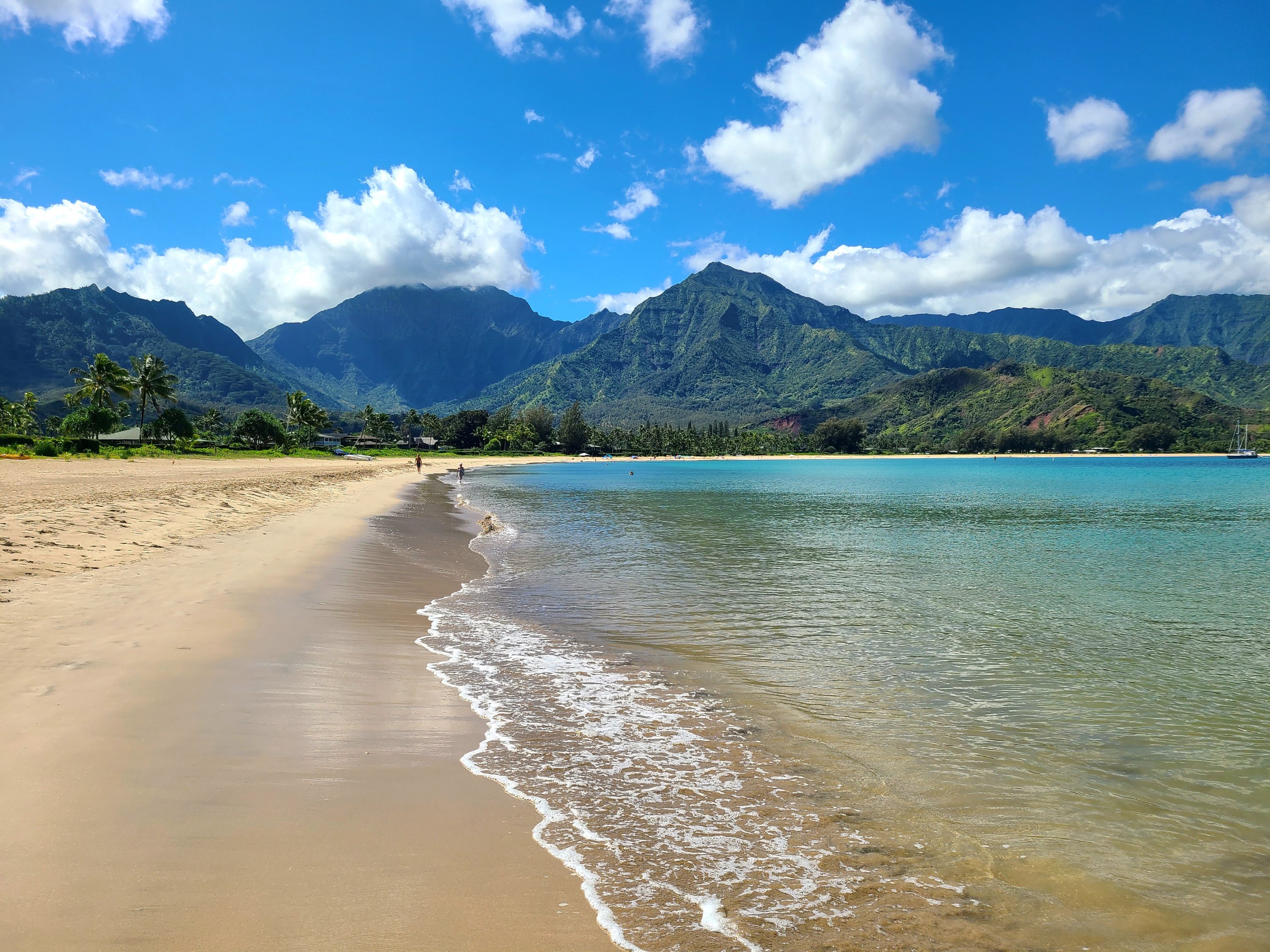
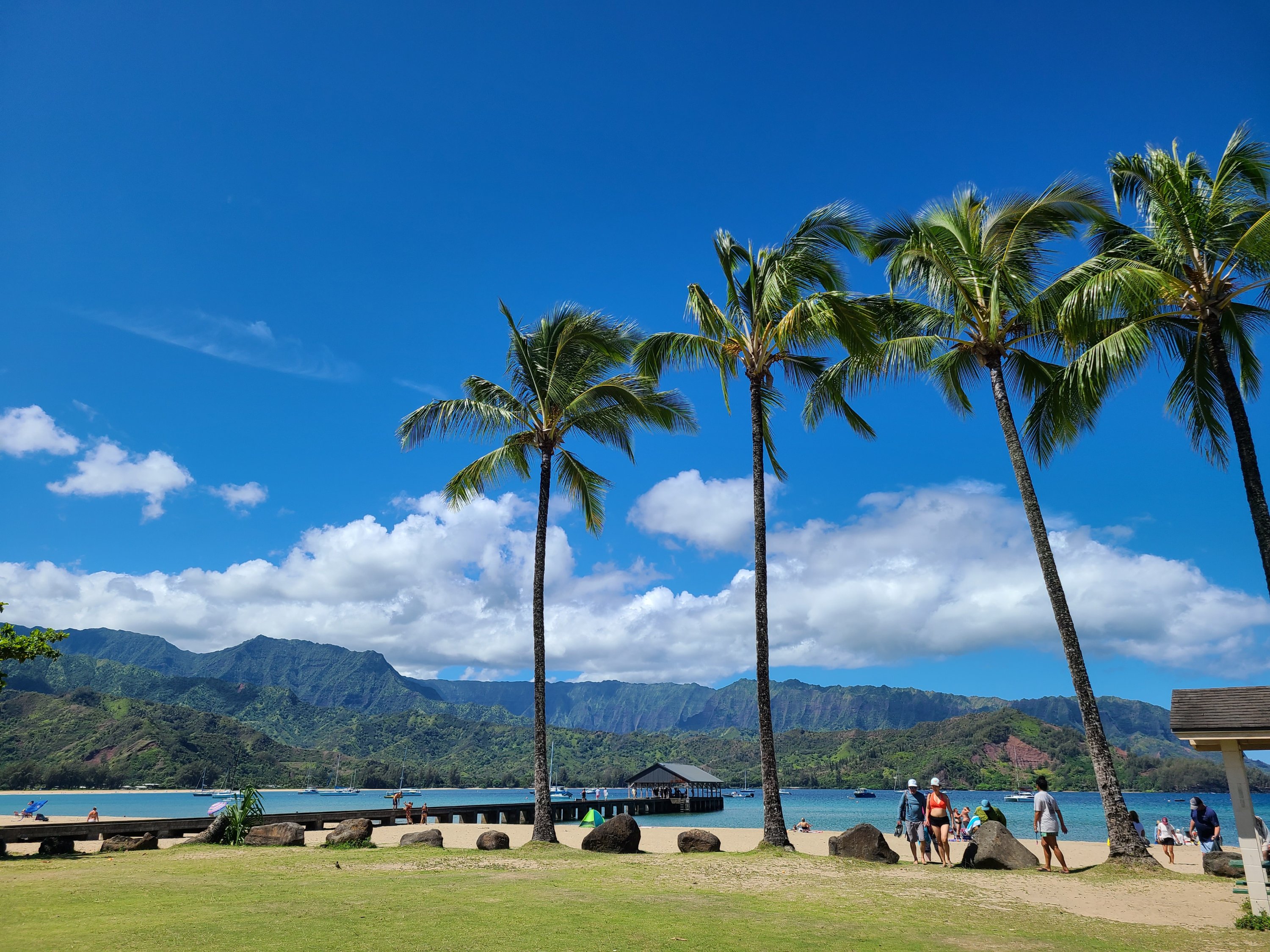
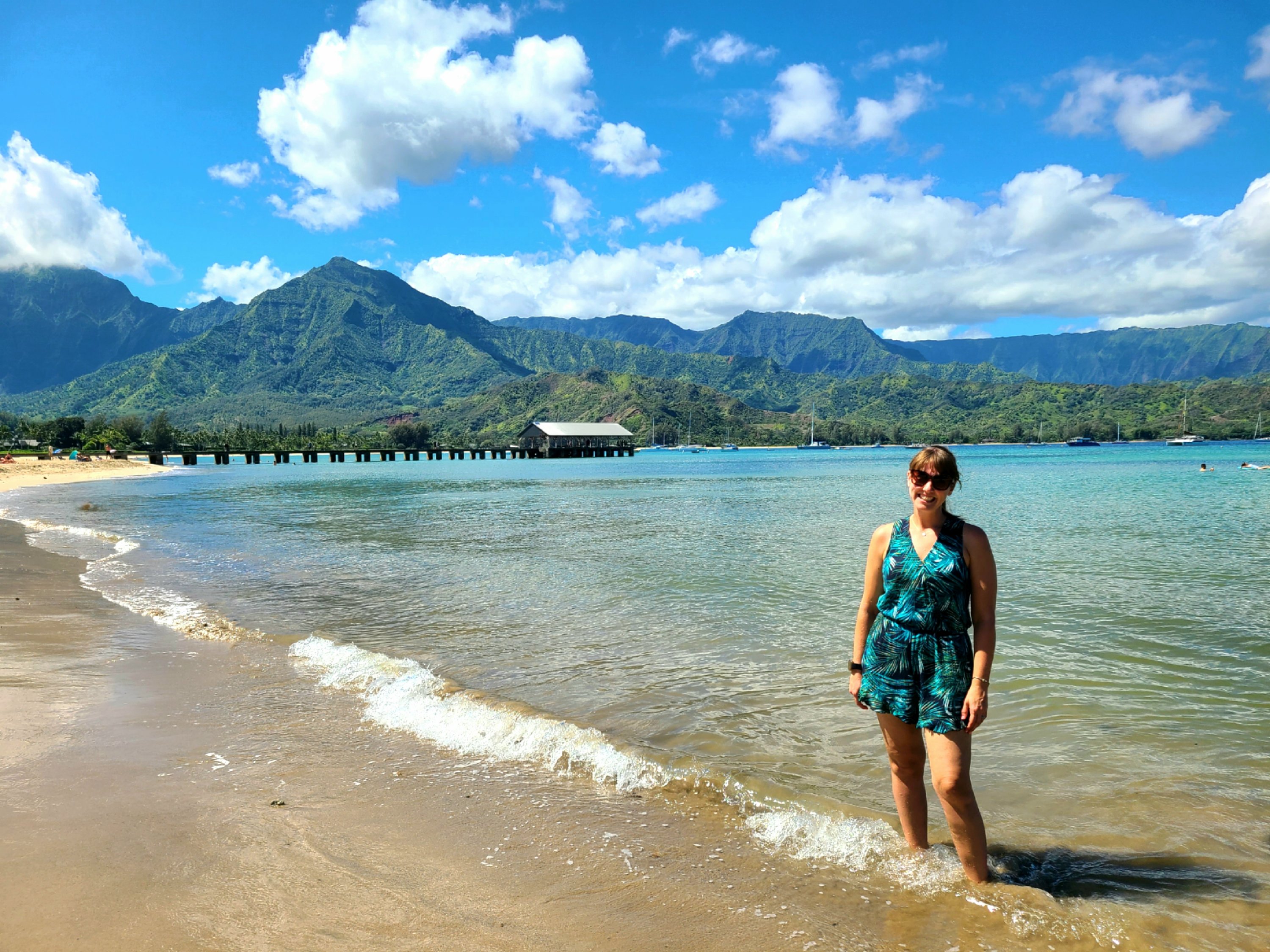
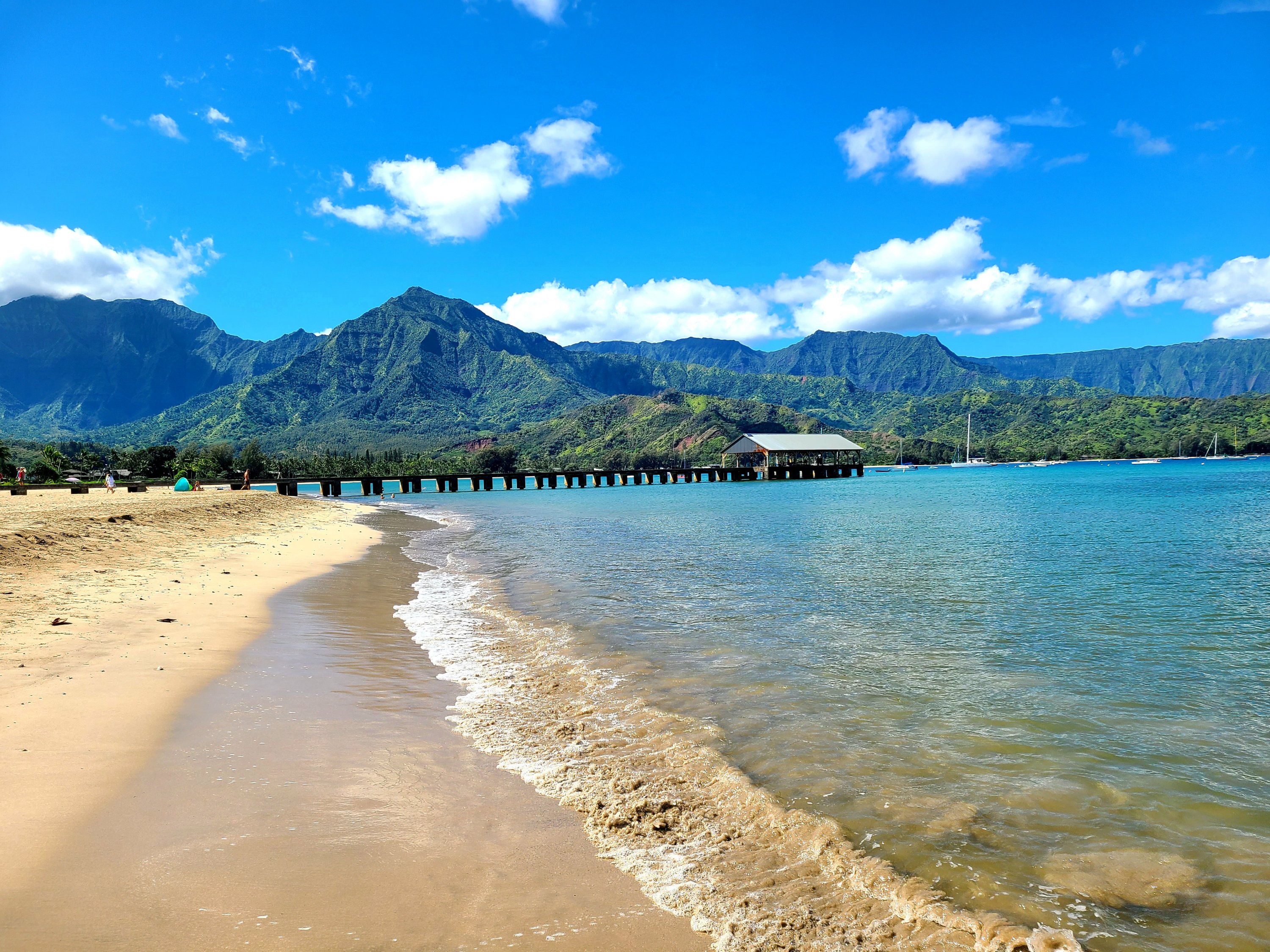
Hanalei Bay is a two-mile-long crescent-shaped bay in the cool town of Hanalei. The vibe here was great and I’d definitely love to come spend more time here. The beach and surrounding area were paradise—so beautiful it was hard to leave! The beach felt like it went on for miles, filled with people enjoying a beautiful day swimming and surfing with Hanalei’s misty green mountains located at the end.

The historic Hanalei Pier was built in 1892 and is a favourite spot among locals. The pier became world famous when it was featured in the classic Rodgers & Hammerstein film, South Pacific.

As we drove along, we stopped to check out waterfalls. Wailau was up first. Located just north of Lihuʻe at the south end of the Wailau River, it’s easily seen from the side of the road. Here, the water shoots right out of the rock.

Next up was Ōpaekaʻa Falls. You could only see it from a distance, but this 151-foot-tall waterfall cascades down into a hidden pool below.

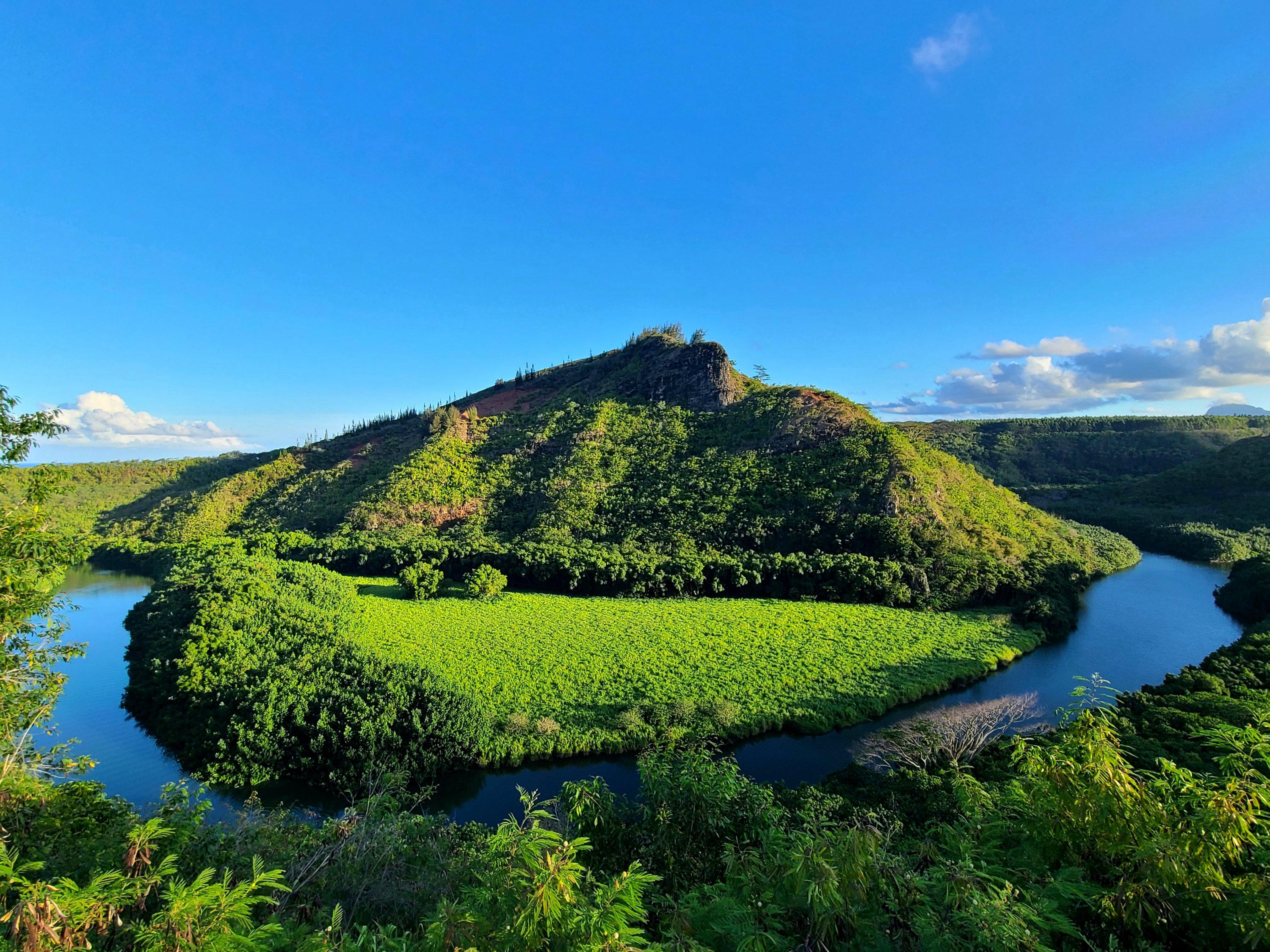
“Ōpaekaʻa” means “rolling shrimp,” which were once abundant in the stream. The site has picnic tables and restrooms and across the street is the Wailau Heritage Trail lookout, and what a stunning view it was, with the river curving around a huge green hill in the middle.

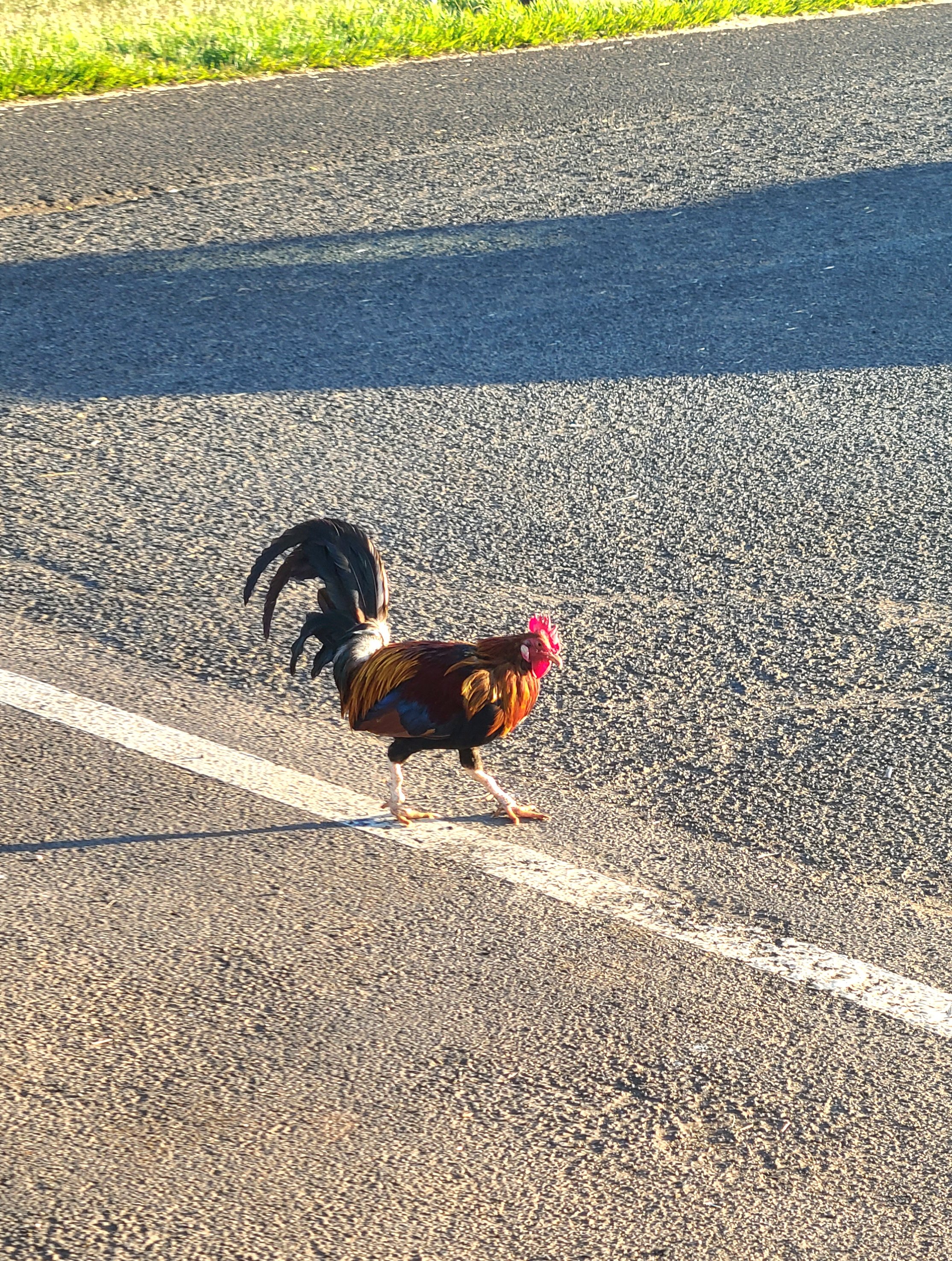
Like other stops along the way, this one had a number of chickens. There are SOOO many chickens and roosters strutting around this island like they own the place. While on our tour at the Fern Grotto, we learned it was because during the last hurricane here, they all escaped their cages and have been running wild and multiplying ever since!

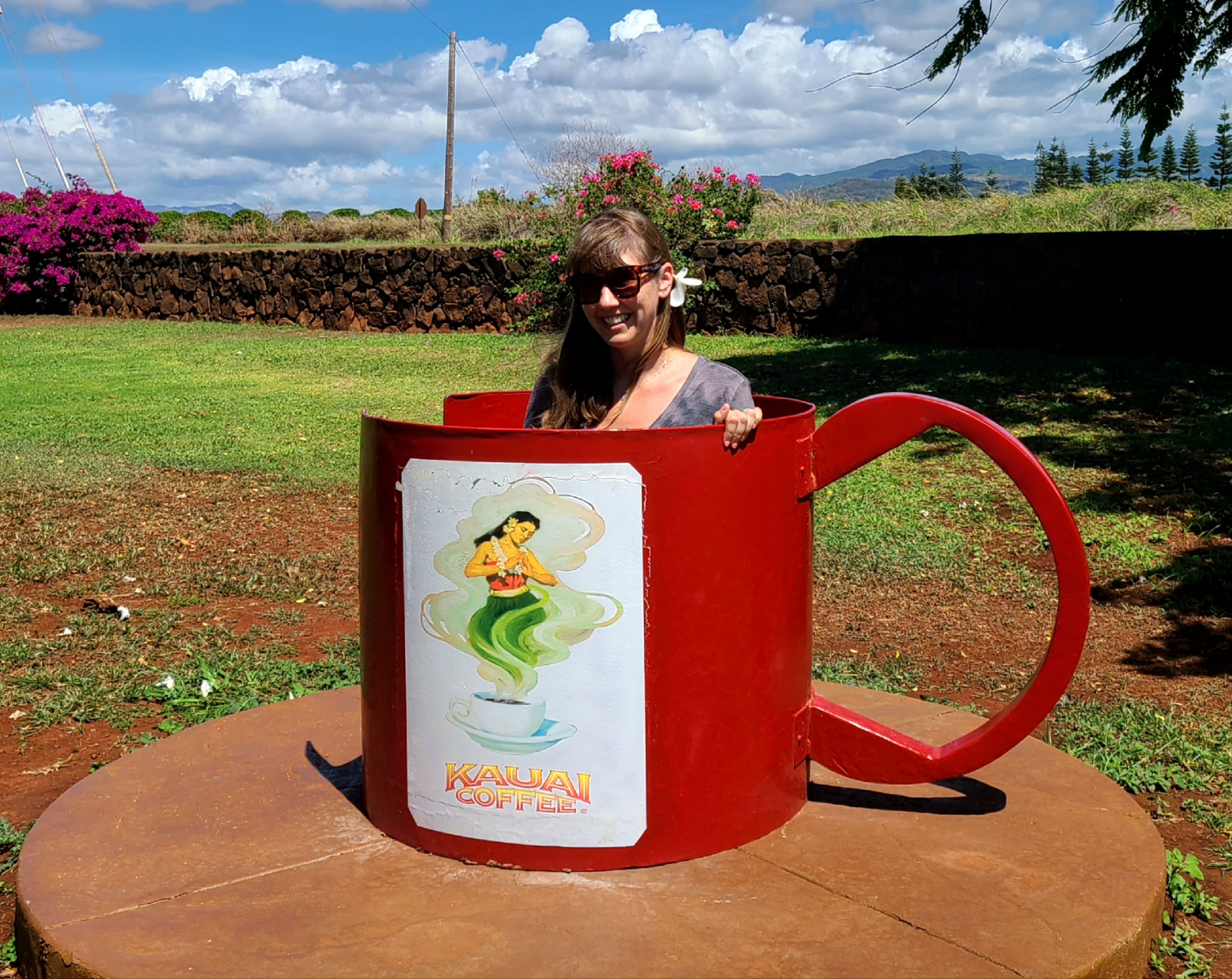
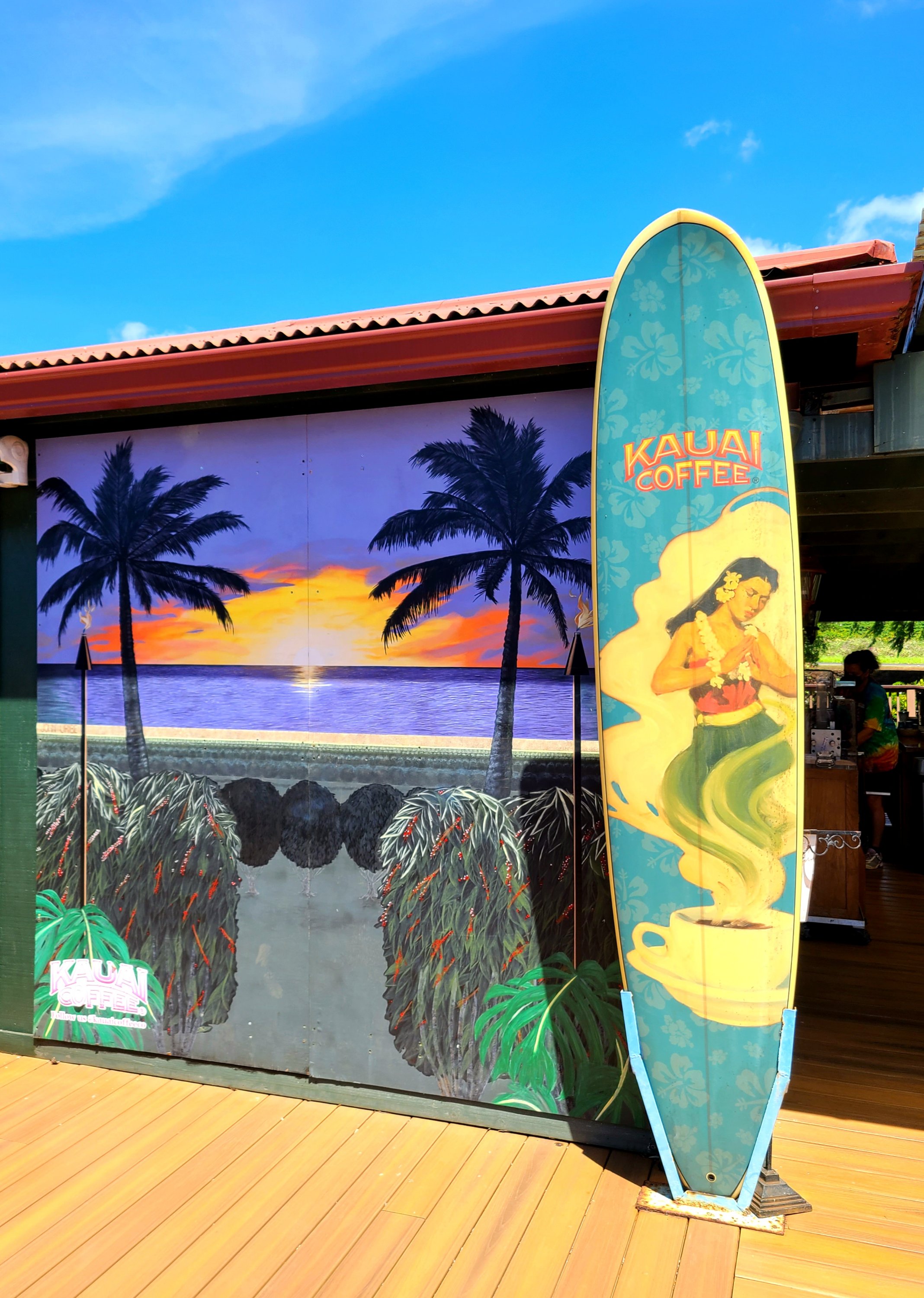
Kauai is known for its coffee and as a coffee lover, we had to make a stop at the Kauai Coffee Company.

We did a self-guided tour around the grounds, learning all about how the coffee beans are grown and then did a free sampling of some of their coffee varieties. The white chocolate macadamia nut was my favourite!

On Kauai’s South shore near the town of Poʻipu, we stopped at one of the island’s most photographed sites- the Spouting Horn blowhole.

Here, the water channels into a lava tube and releases a huge spout of water that can reach 50 feet in the air- an impressive sight!

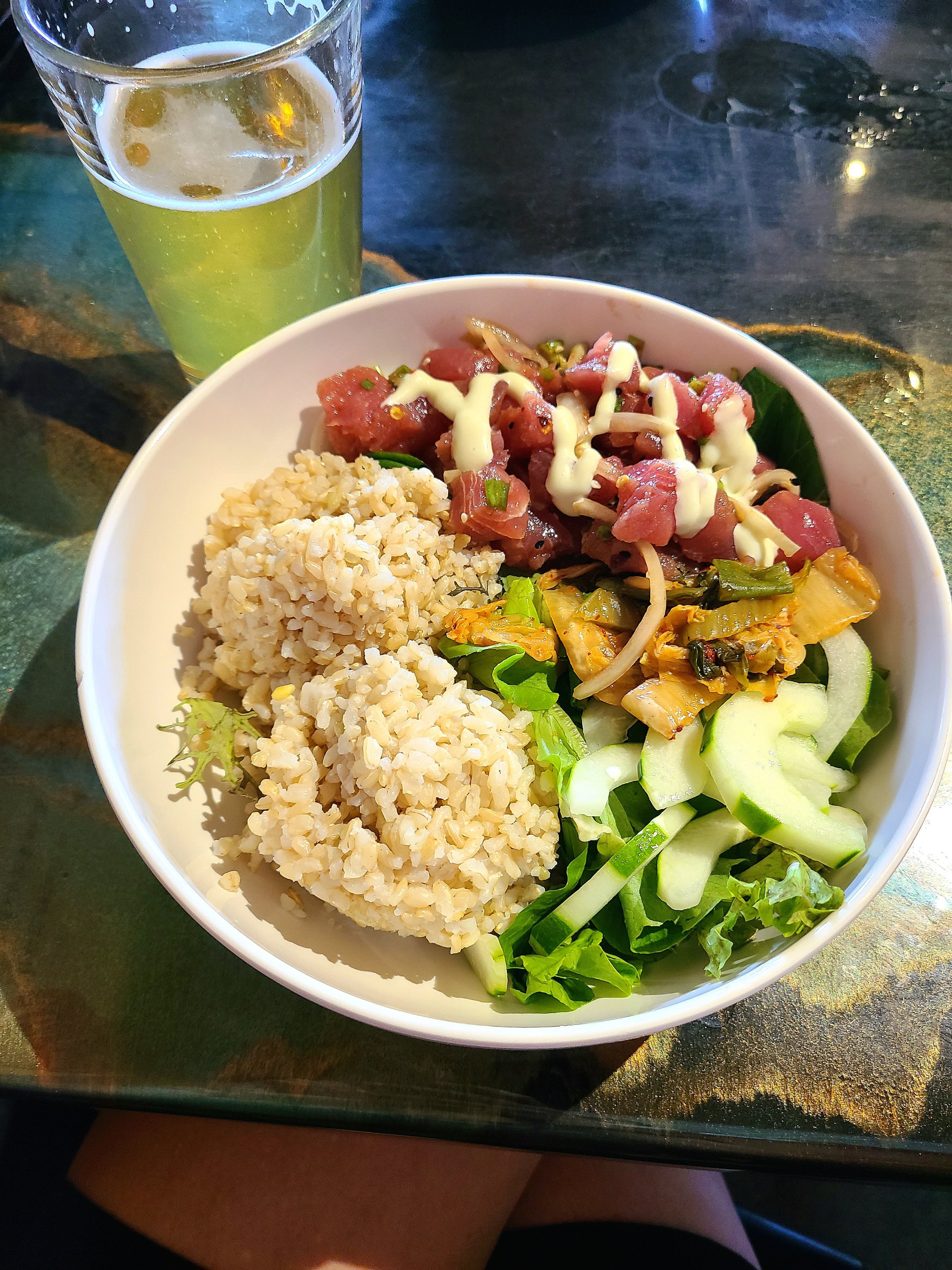
I ended our time on Kauai by finally getting the ahi tuna poke bowl I’d been craving before heading to catch our flight.

I could have happily spent a month exploring this lush island, but with only 3 nights, we packed in what we could and I made a promise that I’d be back to see the rest, especially to take a helicopter ride over the Napali Coast and explore Waimea Canyon. 

Categories: Blog, North America, Where in the World | Tags: , , , , , , , , , , | Leave a comment

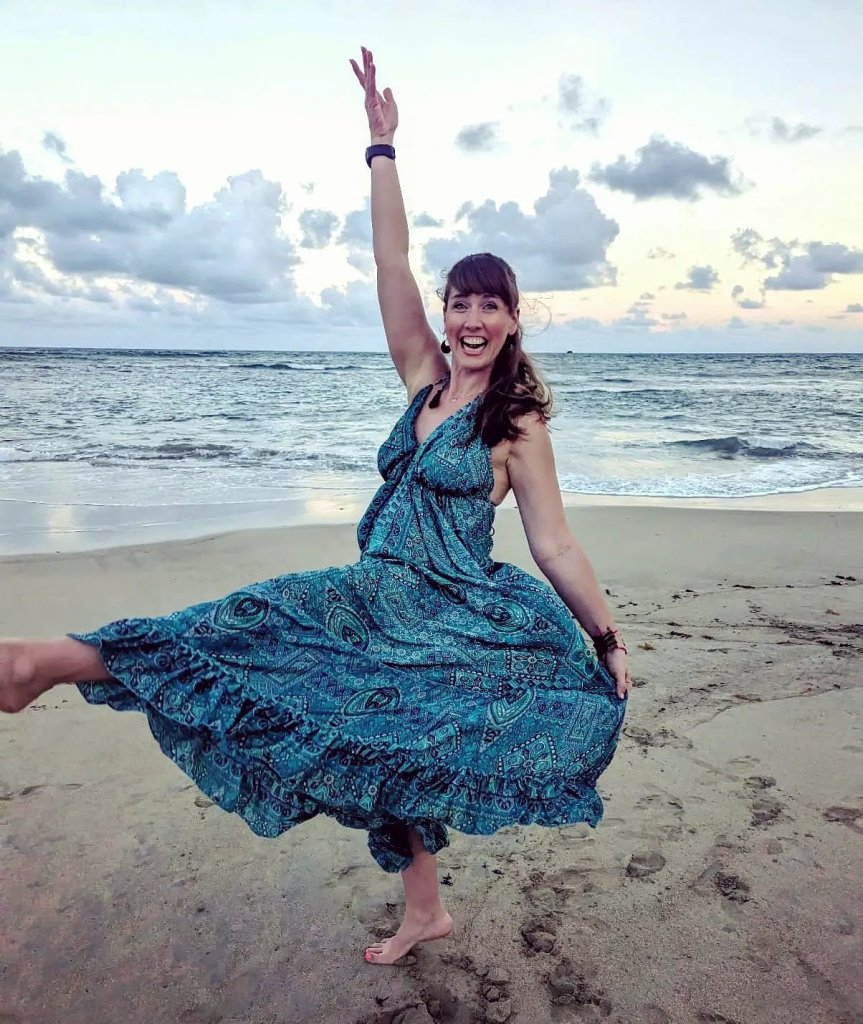
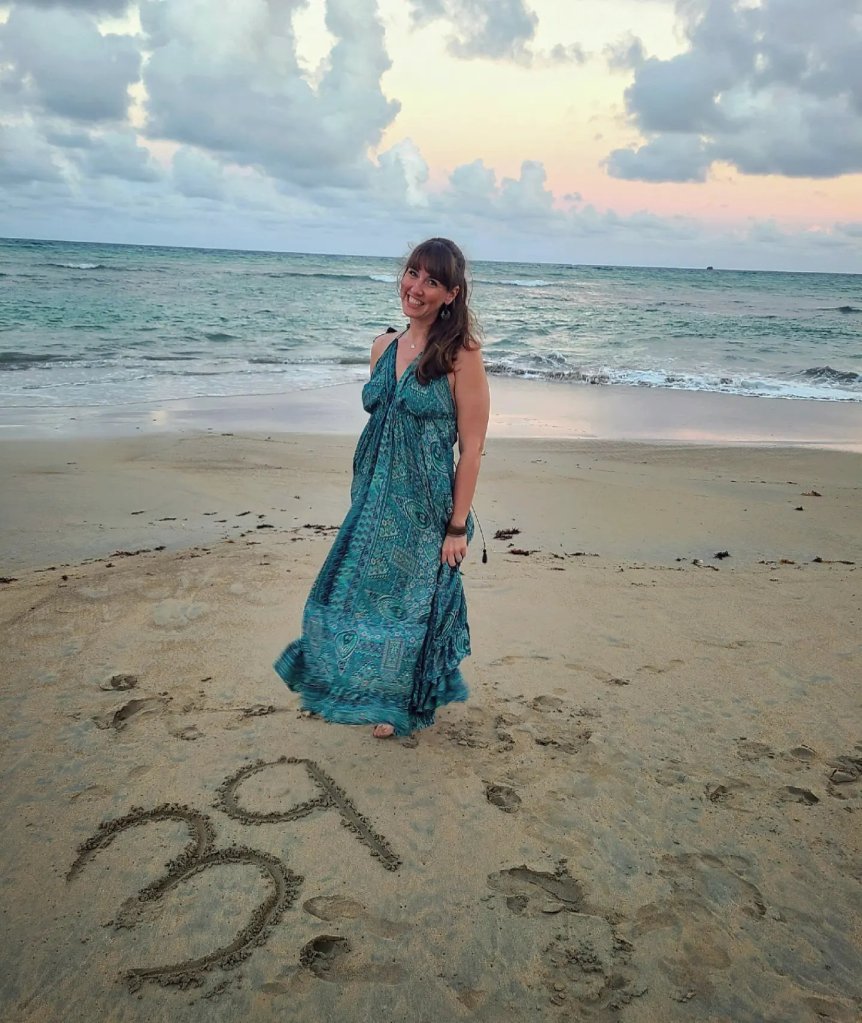
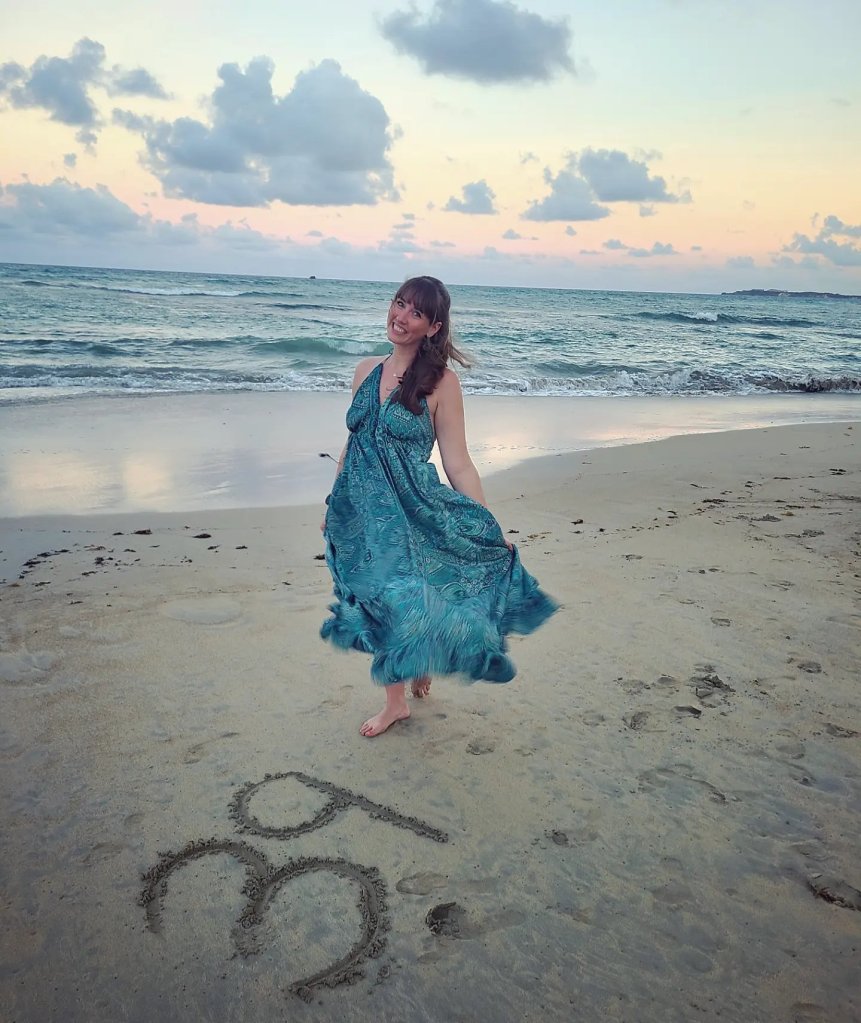
Hello 39


“Aging is just another word for living.” – Cindy Joseph

I came across this quote recently as I was thinking about the fact that I’m now entering the final year of my 30s and wondering where the time has gone…

I’ve always loved celebrating my birthday (in fact, these days I basically celebrate for the whole month of January), and whenever possible, I try to celebrate it in a different country.
However, once I hit about 27, I started stressing about the fact that I was getting older and running out of time for all the things I want to do and places I want to visit in my life and that I seemed to be on such a different path from so many of my peers.
It took me years to realize that while growing older was inevitable, the path I took was totally my choice and what a
winding path around the world it has been!

So, today, when I look back over the past 38 years and all the beautiful memories, I know how I got here and I’m ready for another year of adventures.

Hello 39!

Categories: Blog, Caribbean, Photo, Where in the World | Tags: , , , , , , | Leave a comment

The Legend of Sleepy Hollow

A few years ago, I made a list of all the Halloween inspired places I wanted to visit. Salem was first up and we had a great time exploring the town and learning about the history of the Salem witch trials.

This spooky season, we drove to Sleepy Hollow, NY to explore the setting of Washington Irving’s “The Legend of Sleepy Hollow.” Irving’s short story is a favourite read of mine this time of year, so I was eager to see what the town had to offer. 

Halloween decor was everywhere, with houses and businesses here really getting into the spirit of the season. 

‘The Legend of Sleepy Hollow’ Must Sees

If, like me, you are mainly visiting Sleepy Hollow in October near Halloween because you love The Legend of Sleepy Hollow (book, movie adaptations and/or shows), then here are the sights you’ll want to see!

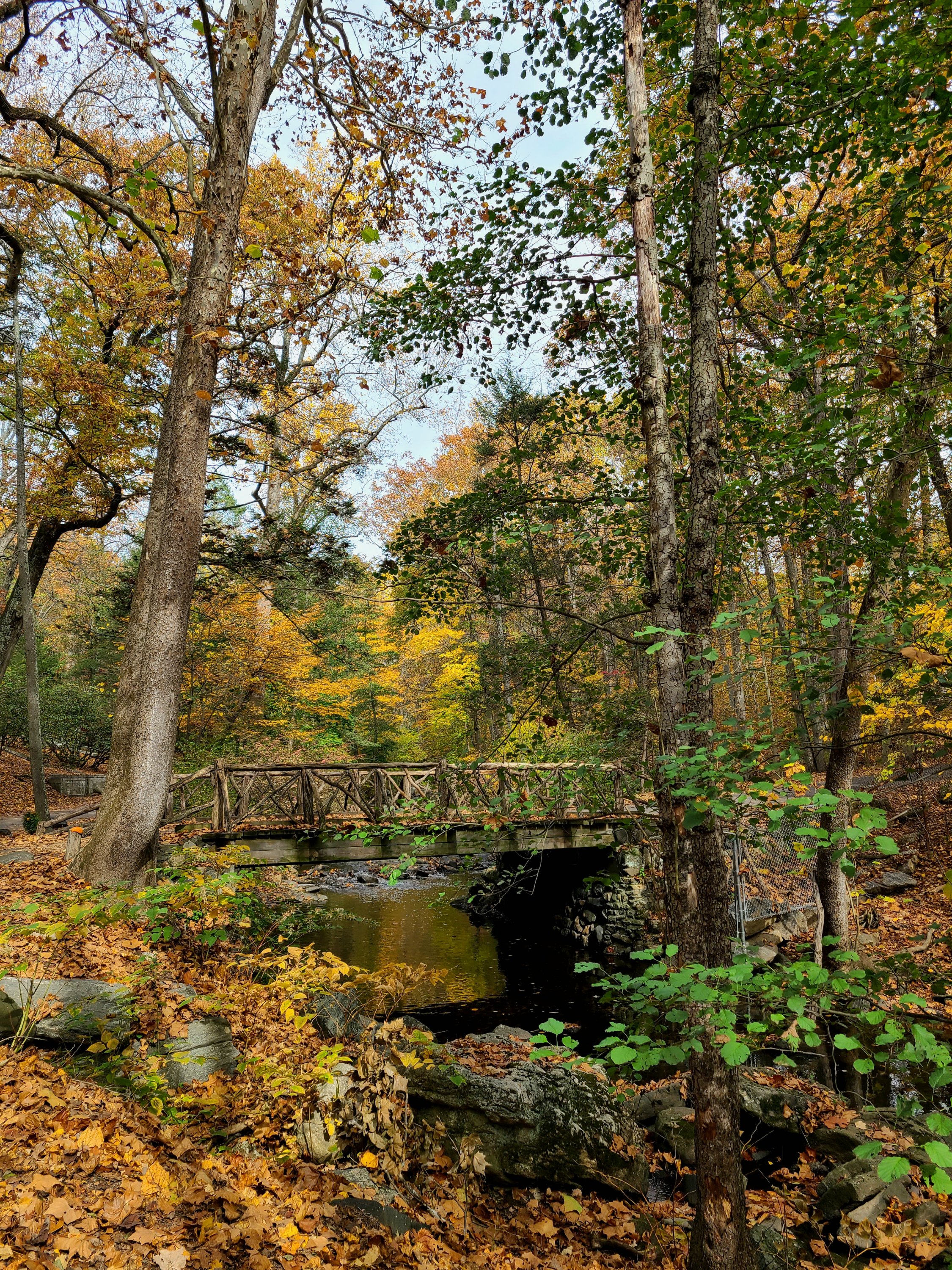
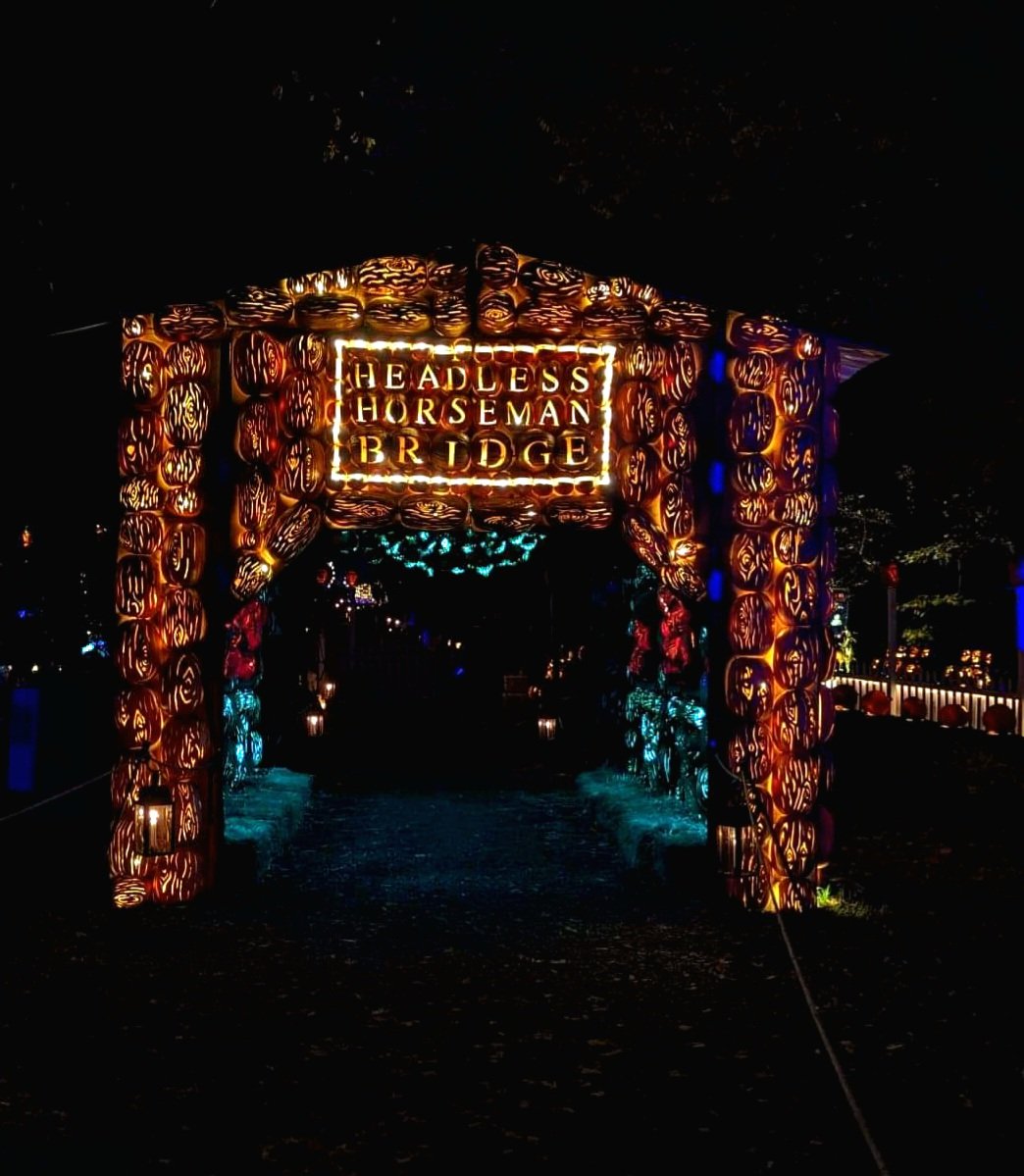
Headless Horseman Bridge

“If I can but reach that bridge,” thought Ichabod, “I am safe.” ~The Legend of Sleepy Hollow

The famous bridge where Ichabod Crane was unseated by a pumpkin is the most popular destination in Sleepy Hollow that doesn’t exist … at least not in the same location it’s found in “The Legend of Sleepy Hollow.”

That simple wooden bridge that spanned the river in the late 1700s has long since rotted away.

This Headless Horseman Bridge is located in Sleepy Hollow Cemetery.

*Fun Fact: As vehicles cross the bridge at just the right speed, you can hear the hoofbeats of the Headless Horseman’s horse!

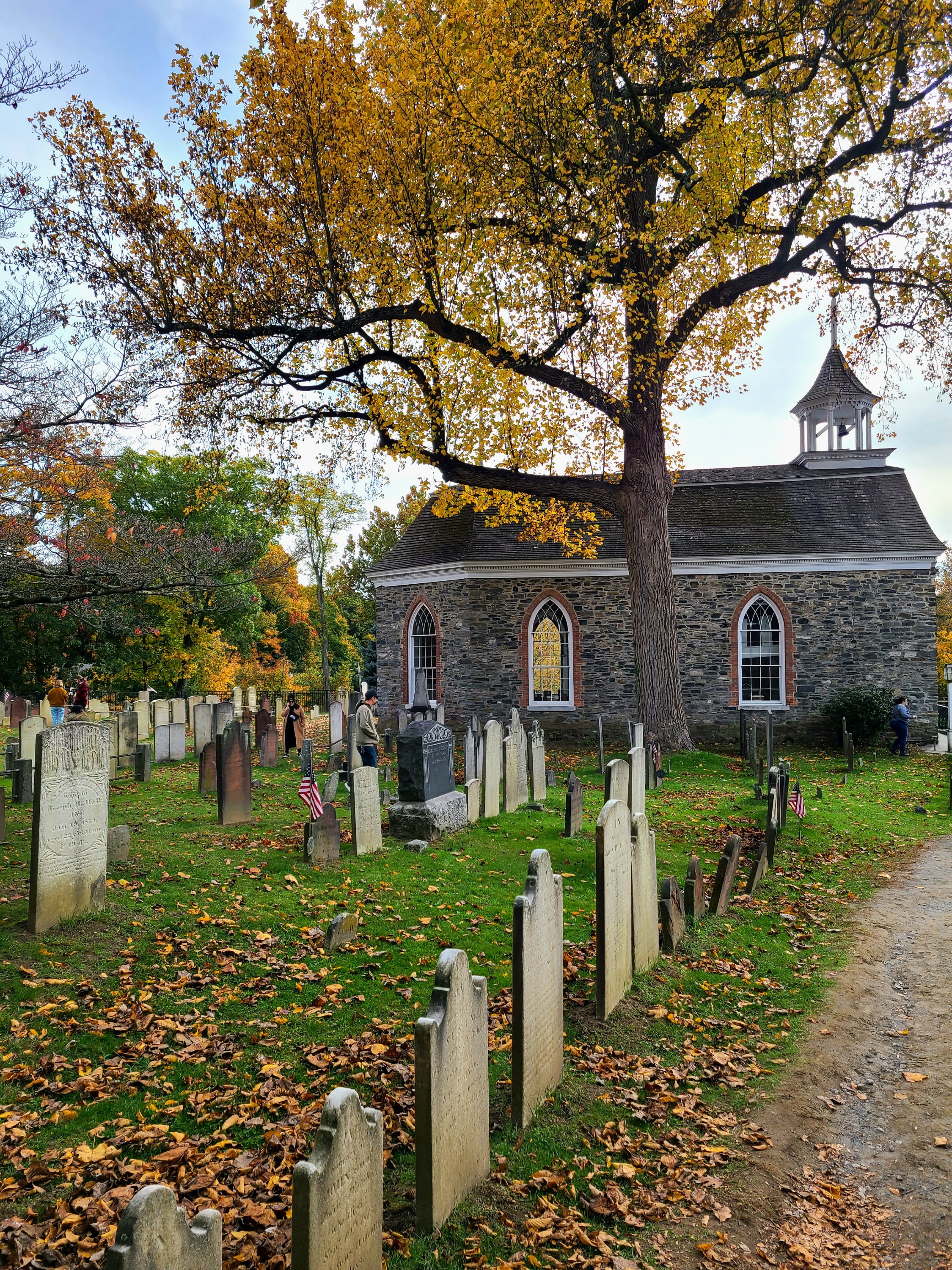
The Old Dutch Church & Burying Ground

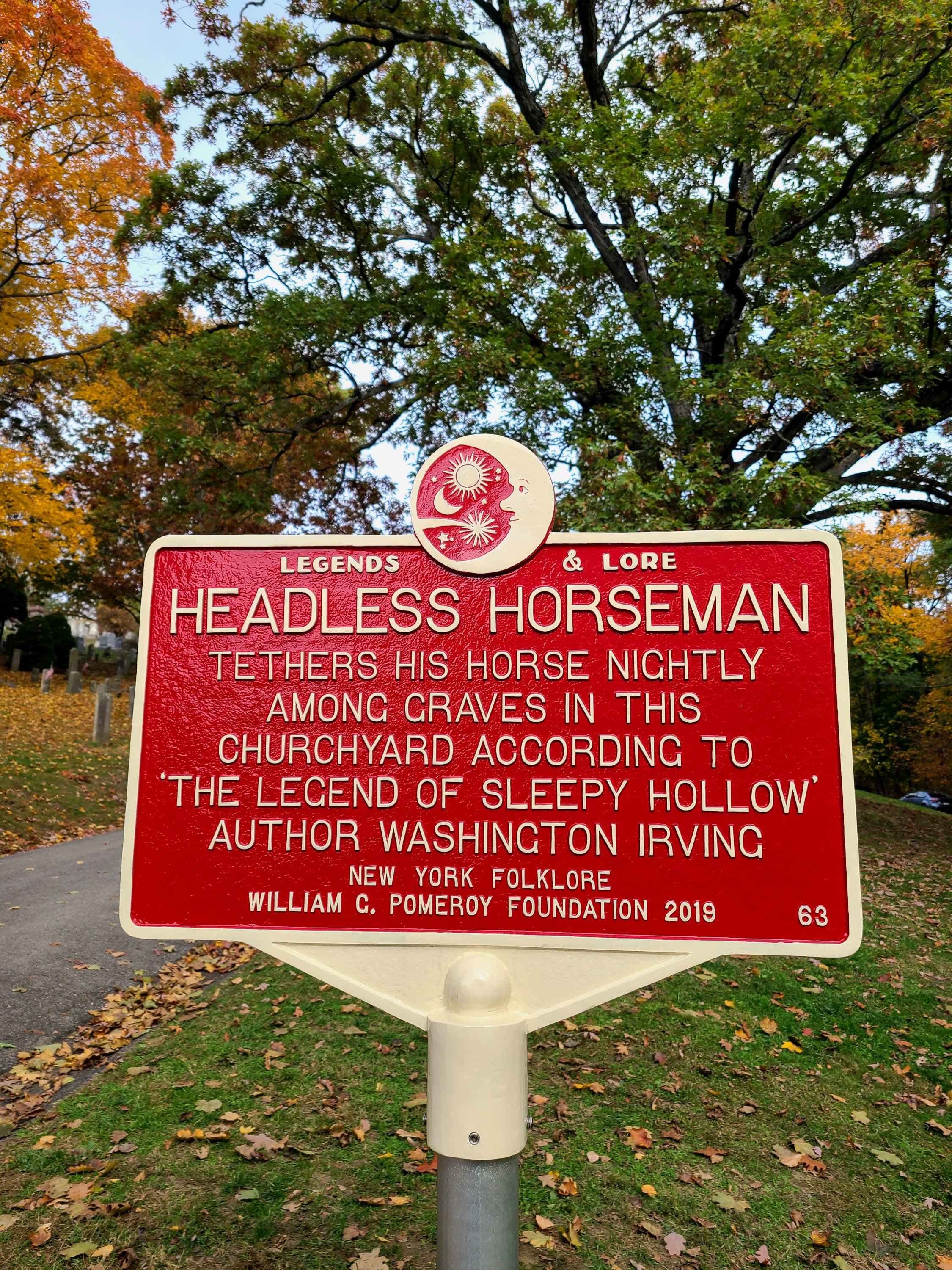
“Indeed, certain of the most authentic historians of those parts, who have been careful in collecting and collating the floating facts concerning this spectre, allege that the body of the trooper, having been buried in the church-yard, the ghost rides forth to the scene of battle in nightly quest of his head; and that the rushing speed with which he sometimes passes along the Hollow, like a midnight blast, is owing to his being belated, and in a hurry to get back to the church-yard before daybreak.”   

~The Legend of Sleepy Hollow

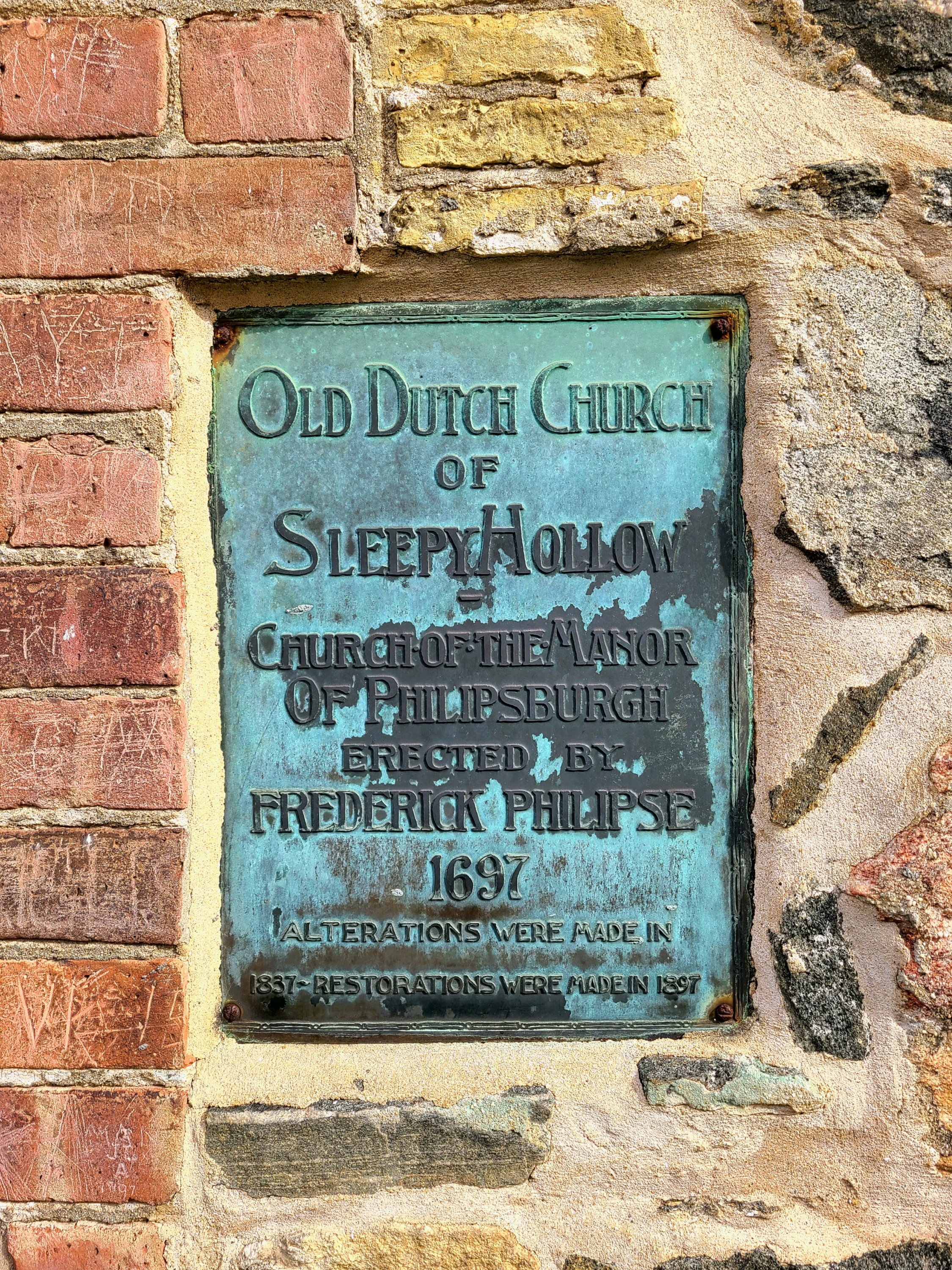
The Old Dutch Church & Burying Ground was founded around 1685.

The church’s 2.5-acre burying ground is said to be the haunt of the Headless Horseman in “The Legend of Sleepy Hollow.” It’s also the resting place of local citizens who are said to have inspired Irving’s characters of Katrina Van Tassel, Brom Bones, and others.

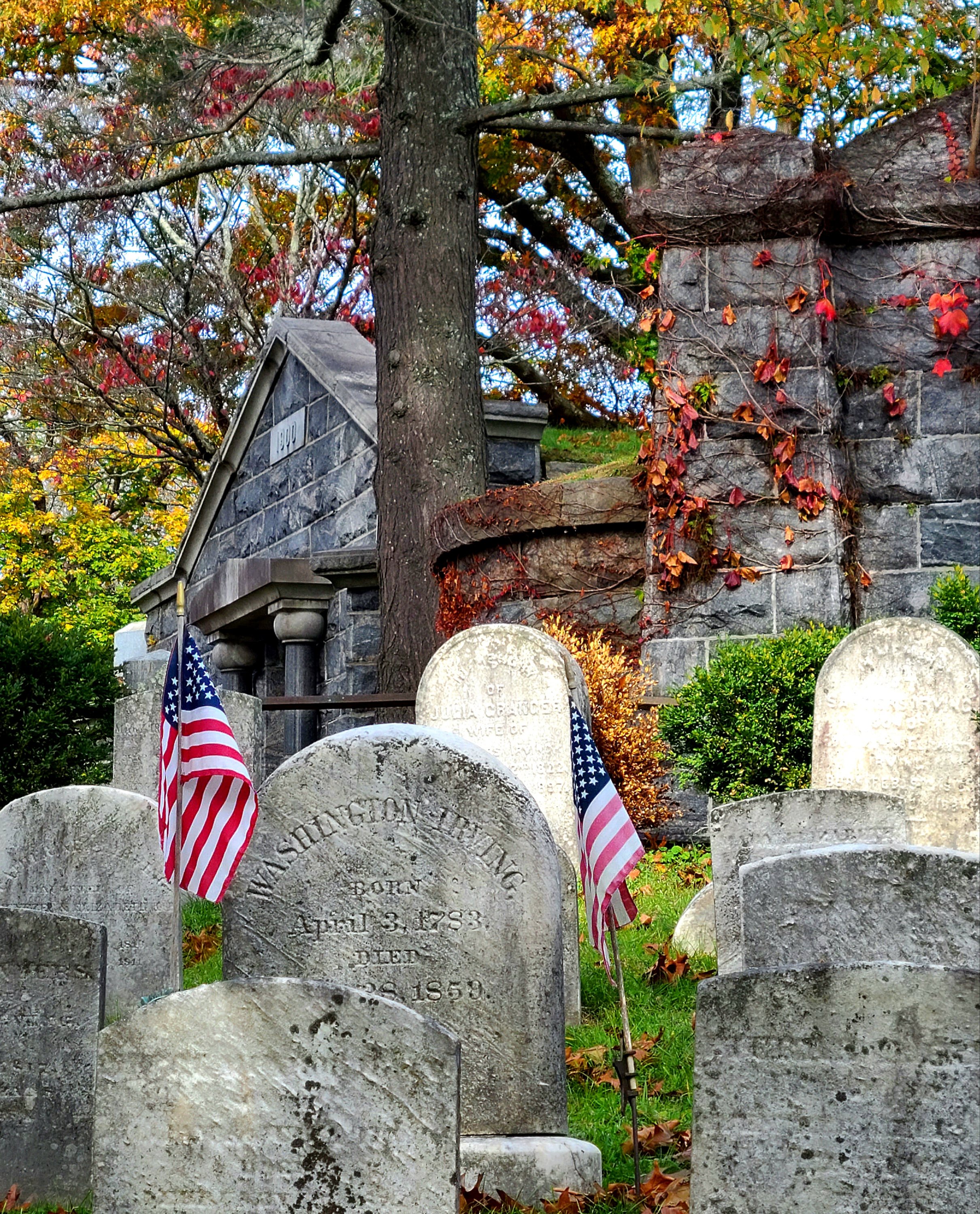
This small cemetery is found adjacent but separate to Sleepy Hollow Cemetery, where Washington Irving’s grave can be found.

Sleepy Hollow Cemetery

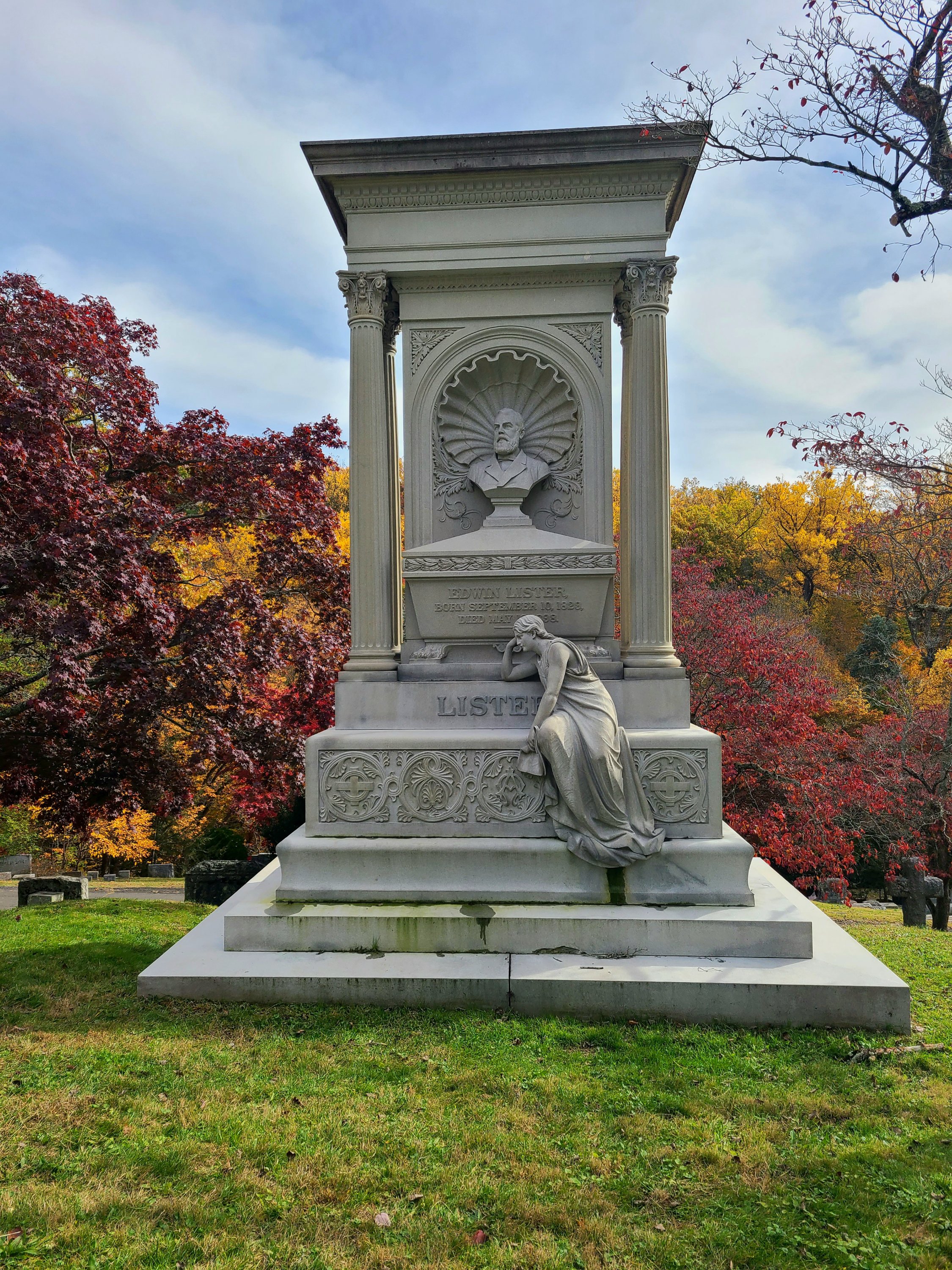
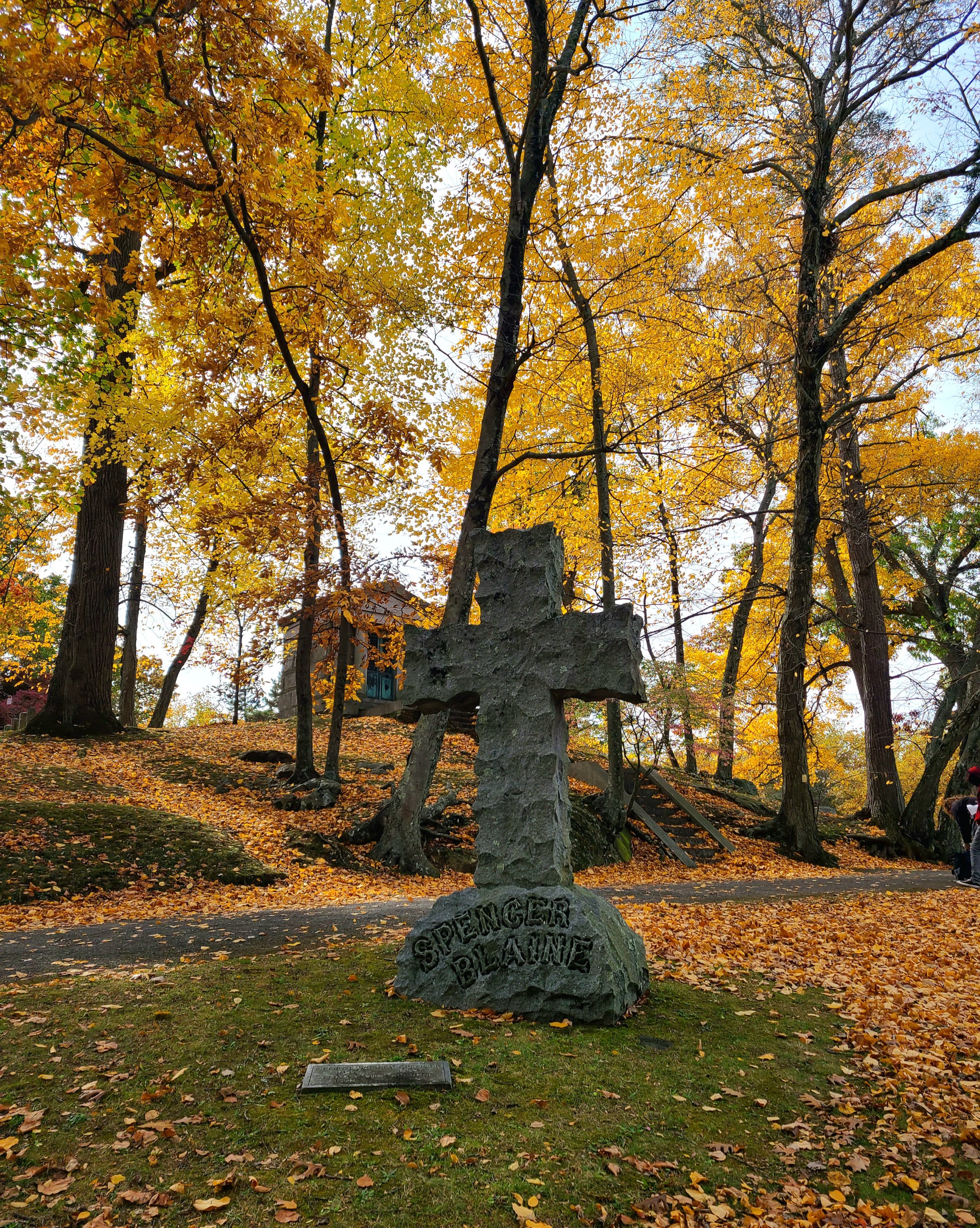
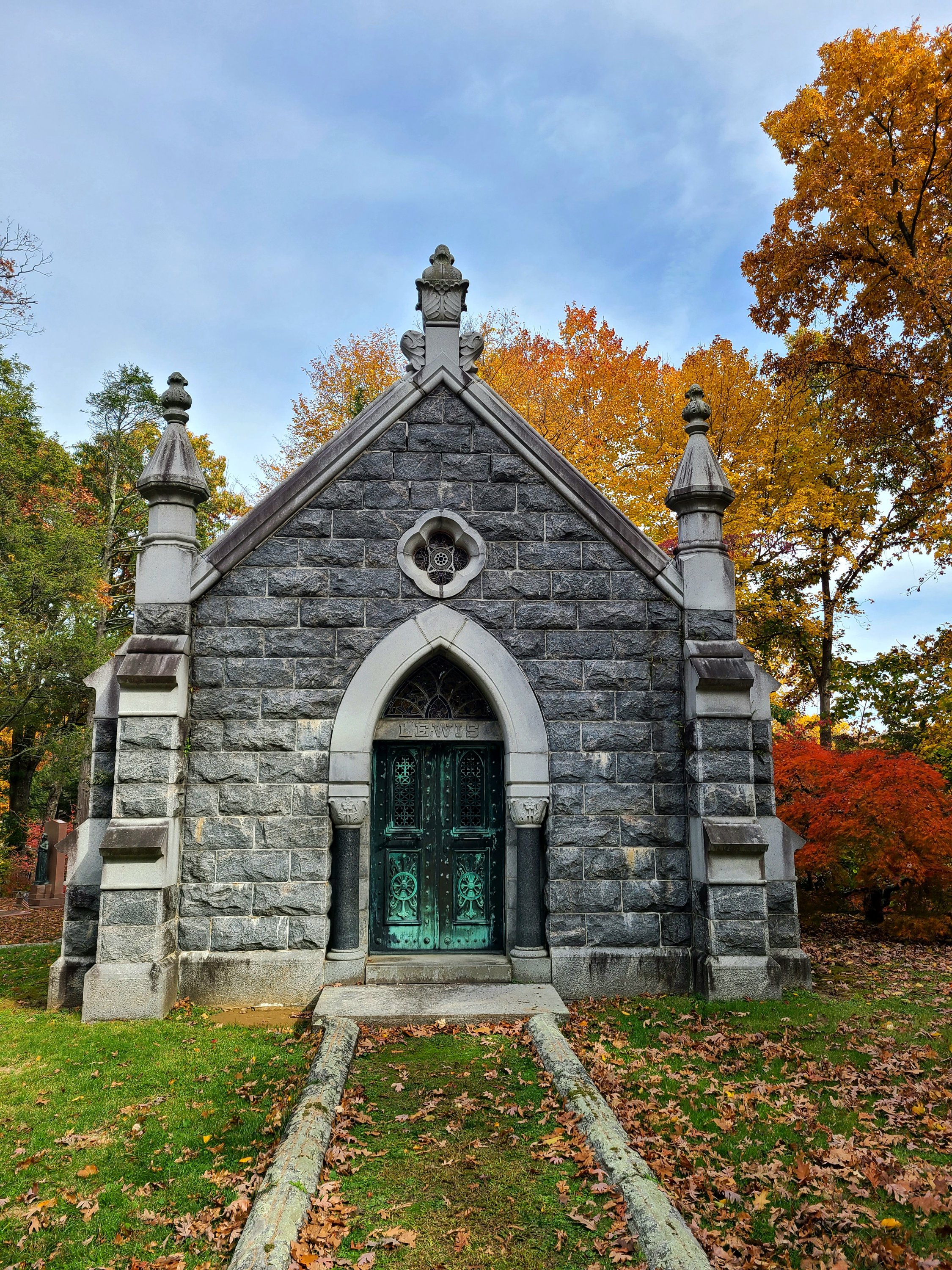
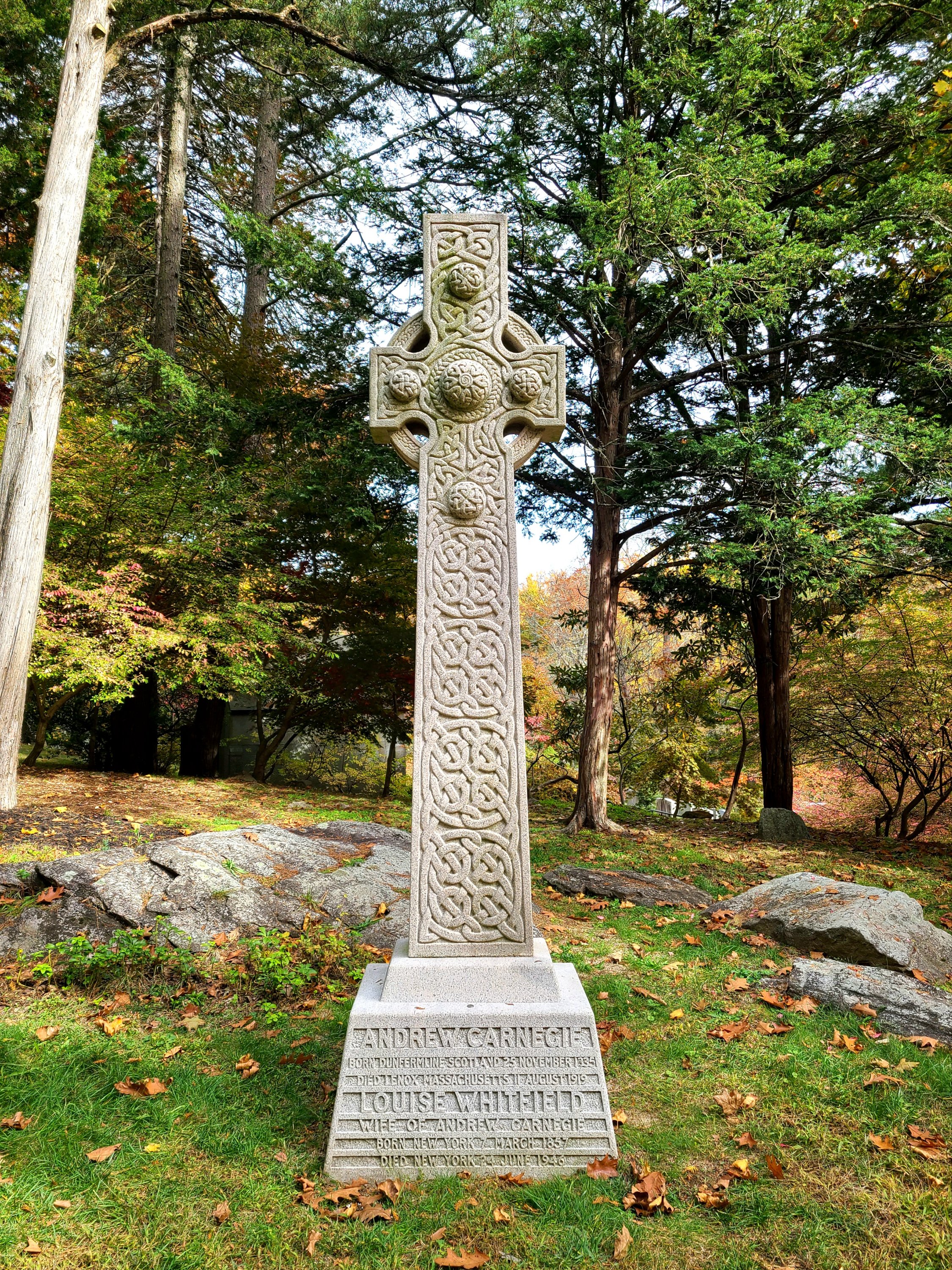
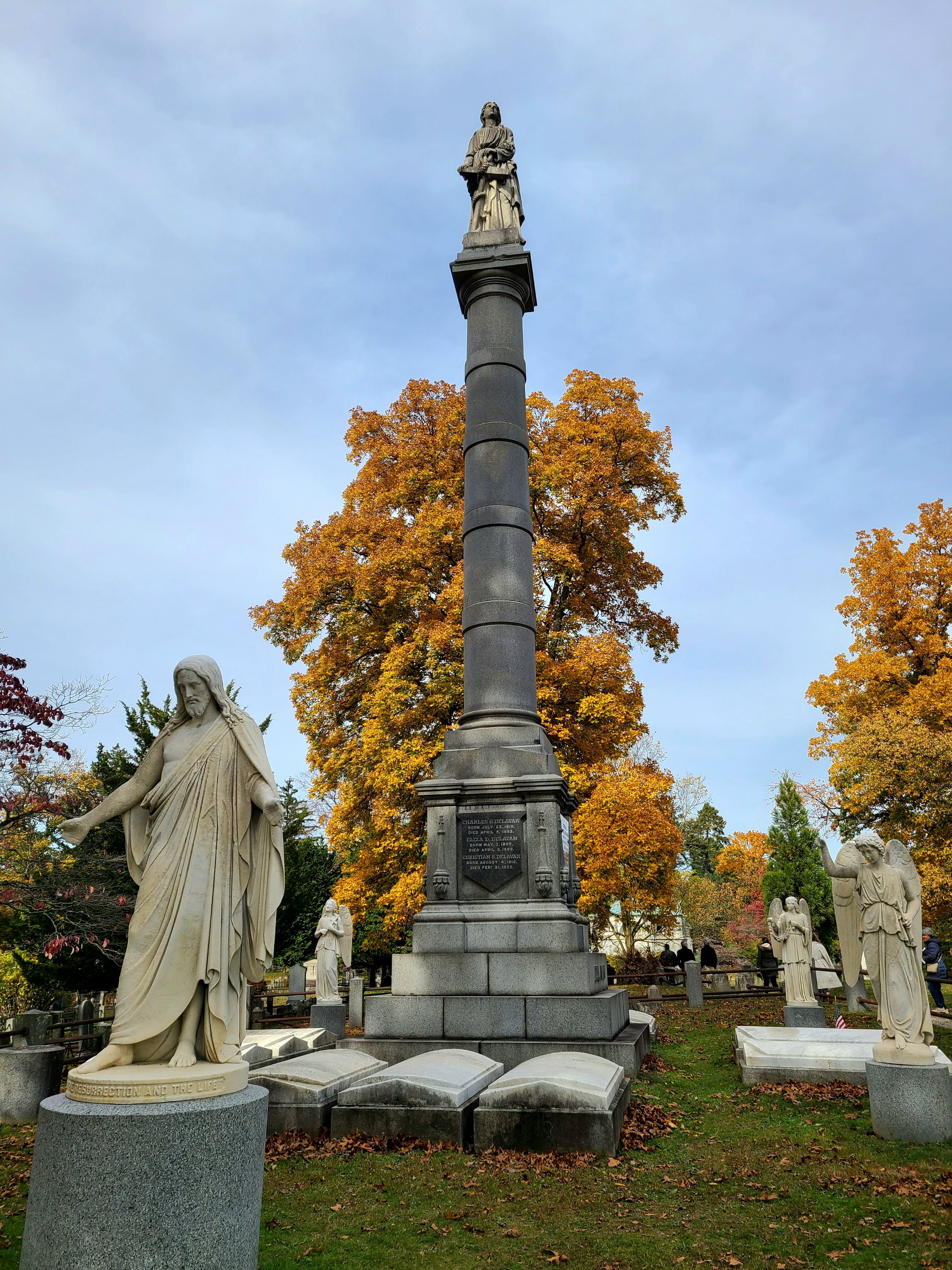
The 90-acre cemetery has seen over 45,000 interments, including some famous ones like Washington Irving, Andrew Carnegie, Walter Chrysler, Elizabeth Arden, and William Rockefeller. 

You can walk or drive the grounds on your own or book one of the various tours offered both during the day and in the evening. 

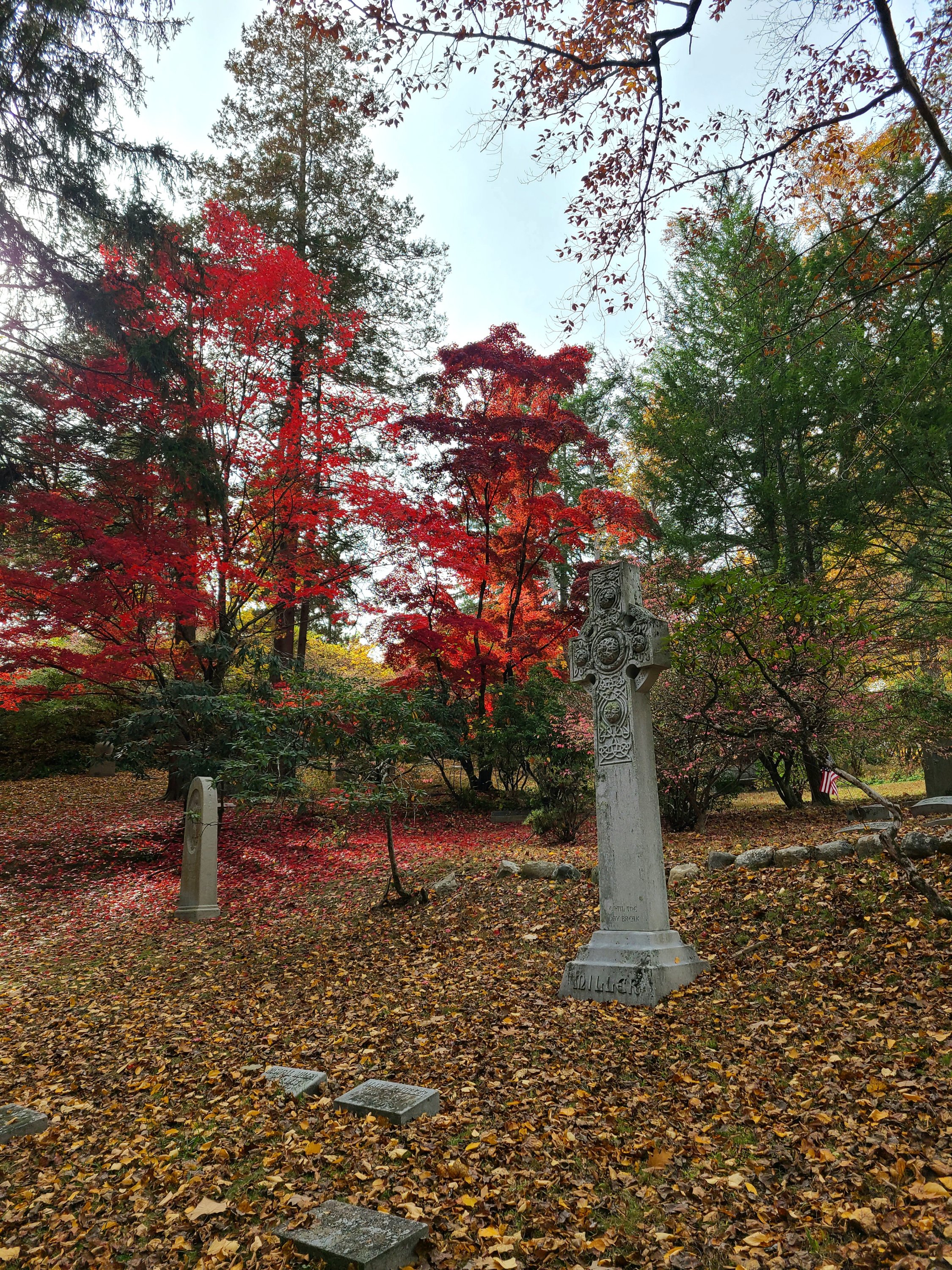
It’s a beautiful spot to wander around and enjoy the beautiful October colour. Just be respectful, and if driving, be sure you aren’t blocking driveways or parking on graves as you make your way around. 

The grounds close at 4:30 p.m.

Location: 540 North Broadway, Sleepy Hollow, NY 10591

Headless Horseman Statue

“Ichabod was horror-struck on perceiving that he was headless! – but his horror was still more increased on observing that the head, which should have rested on his shoulders, was carried before him on the pommel of his saddle!”

~The Legend of Sleepy Hollow


This 18-foot statue of Ichabod Crane being chased by the Headless Horseman was unveiled on Halloween 2006.

It’s located a few feet from where the Horseman would have hurled his pumpkin head at Ichabod.  

It’s a popular photo op and the perfect place for catching up on Irving’s famous legend!

362 North Broadway, Sleepy Hollow, NY 10591

The Legend of Sleepy Hollow Sculpture

Located across the street from the statue by the entrance to Philipsburg Manor, you’ll find The Legend of Sleepy Hollow Sculpture, which depicts Ichabod Crane fleeing for his life from the Headless Horseman. 


The sculpture was presented in 1974 to the village of North Tarrytown.

The village changed its name to Sleepy Hollow in 1997.

Location: Philipsburg Manor, 381 North Broadway, Sleepy Hollow, NY 10591

EVENTS

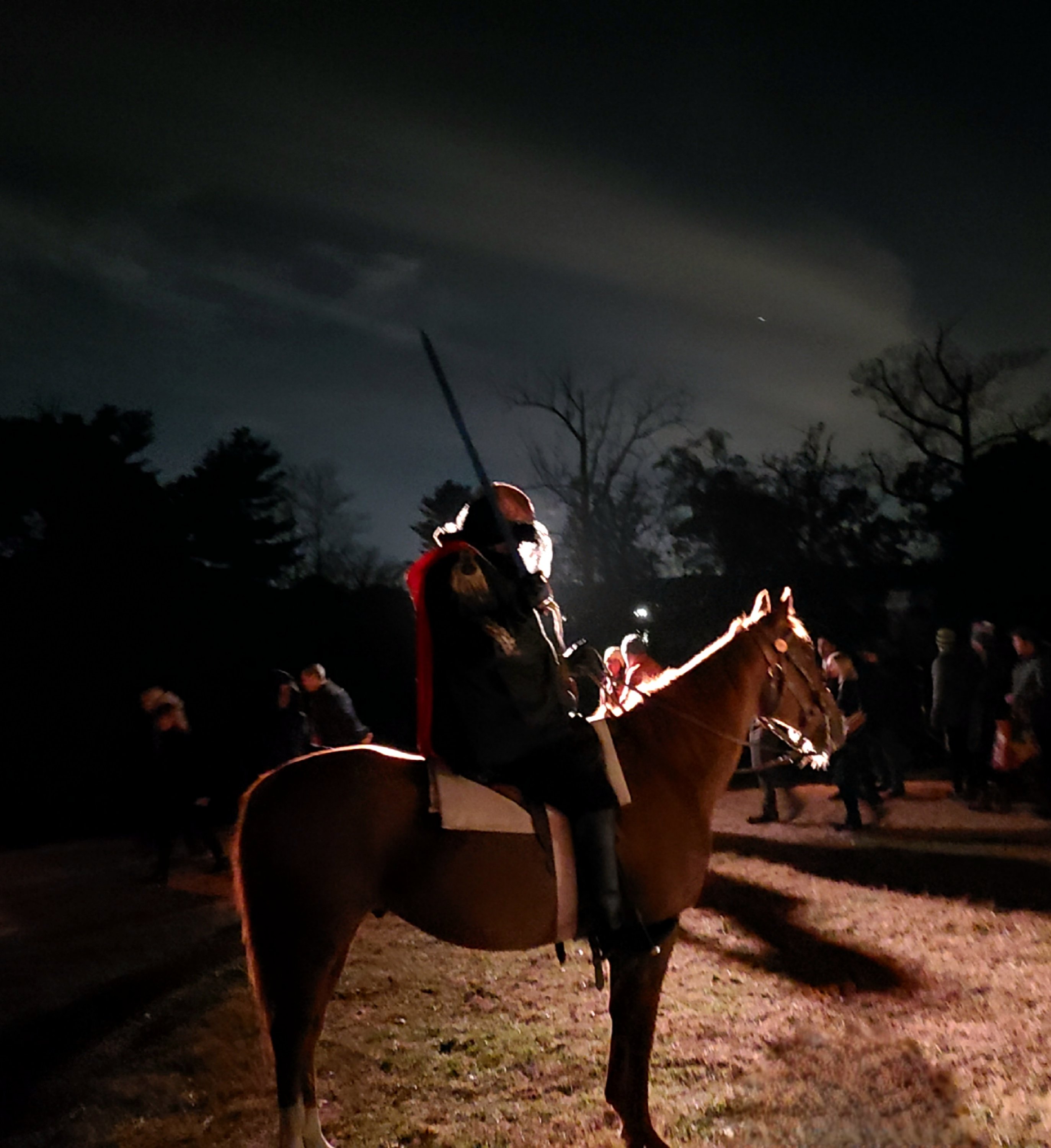
October in Sleepy Hollow offers something for everyone, from ghost tours to blazing pumpkins, storytelling, gothic mansions, a Halloween parade and, if you’re lucky, a sighting of the Headless Horseman himself! 

Irving’s Legend

Head to Irving’s Sunnyside, the author’s picturesque estate nestled along the Hudson River, where a candlelit path takes you down to see master storyteller Jonathan Kruk perform his rendition of Irving’s Legend, a dramatic performance of the classic tale. Live music and an appearance from the Headless Horseman himself make this a spooky, spectacular experience for all!

The performance lasts about an hour and takes place outdoors, so be sure to dress for the weather. 

More info and tickets can be found here

Home of the ‘Legend’

During the day, you can also take a spooky tour here on the grounds of Washington Irving’s estate. A special exhibit highlights how the Legend has lived on in popular culture through the centuries since its publication.

Location: 3 W Sunnyside Lane, Irvington, NY 10533

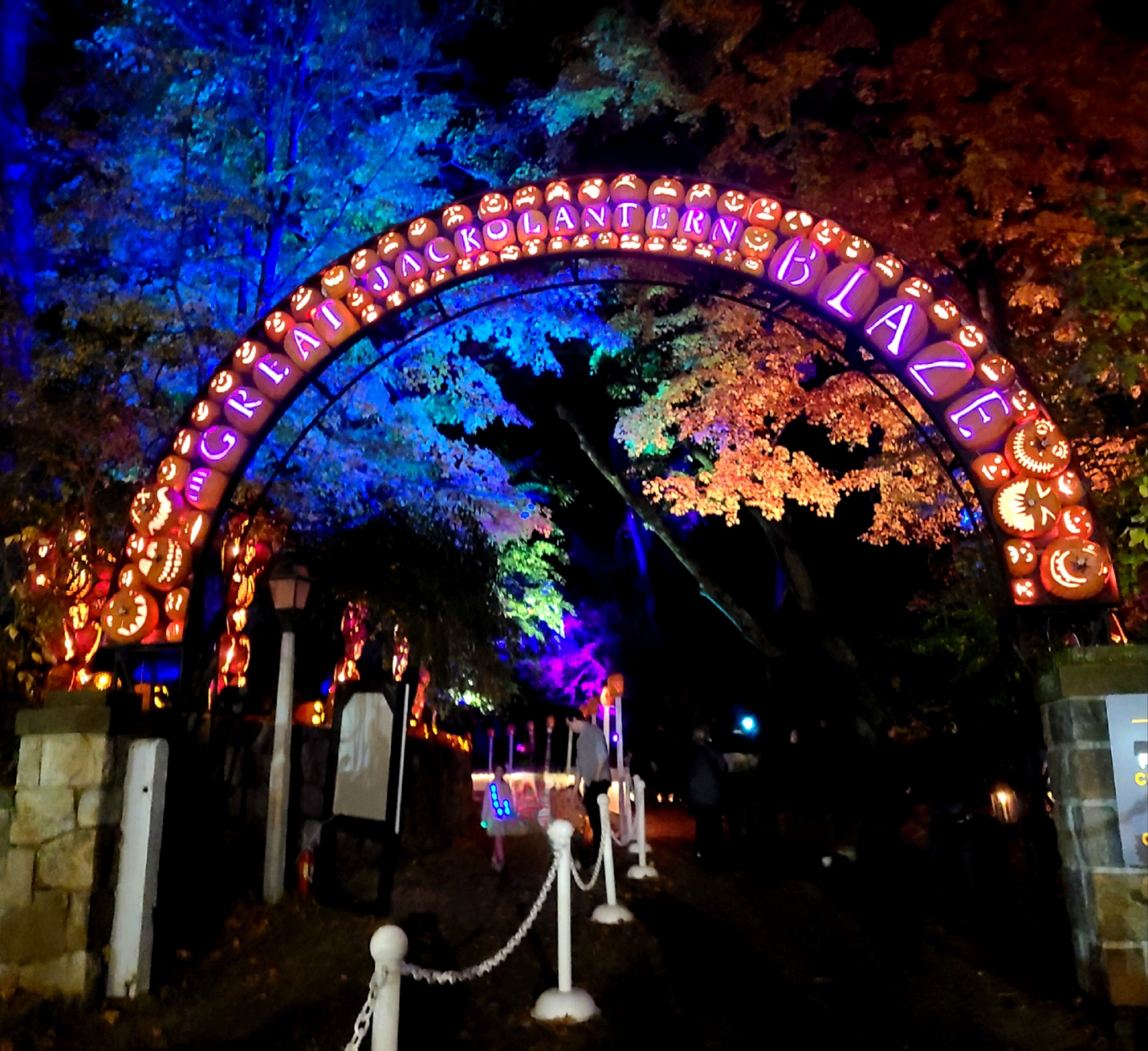
The Great Jack O’Lantern Blaze

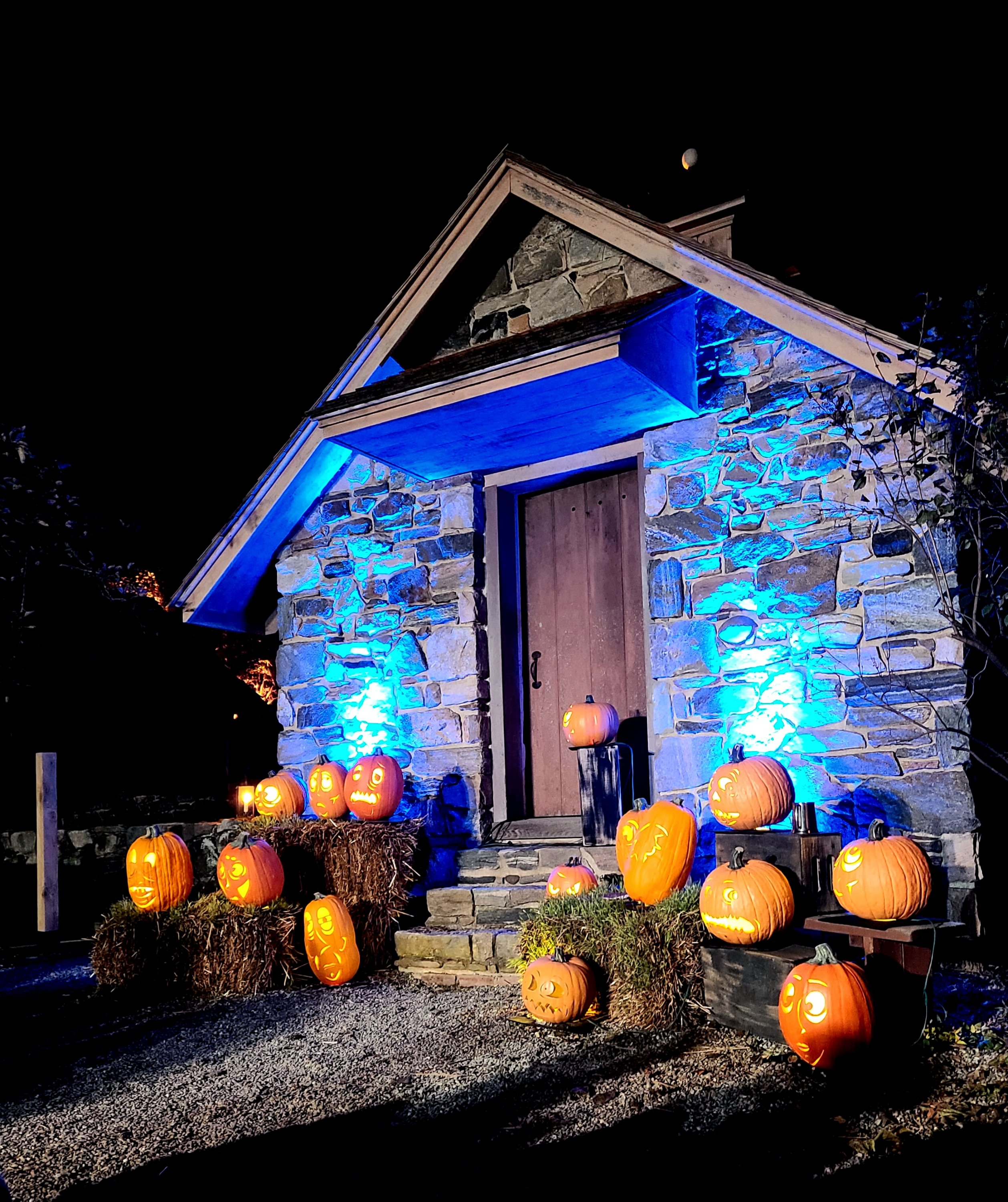
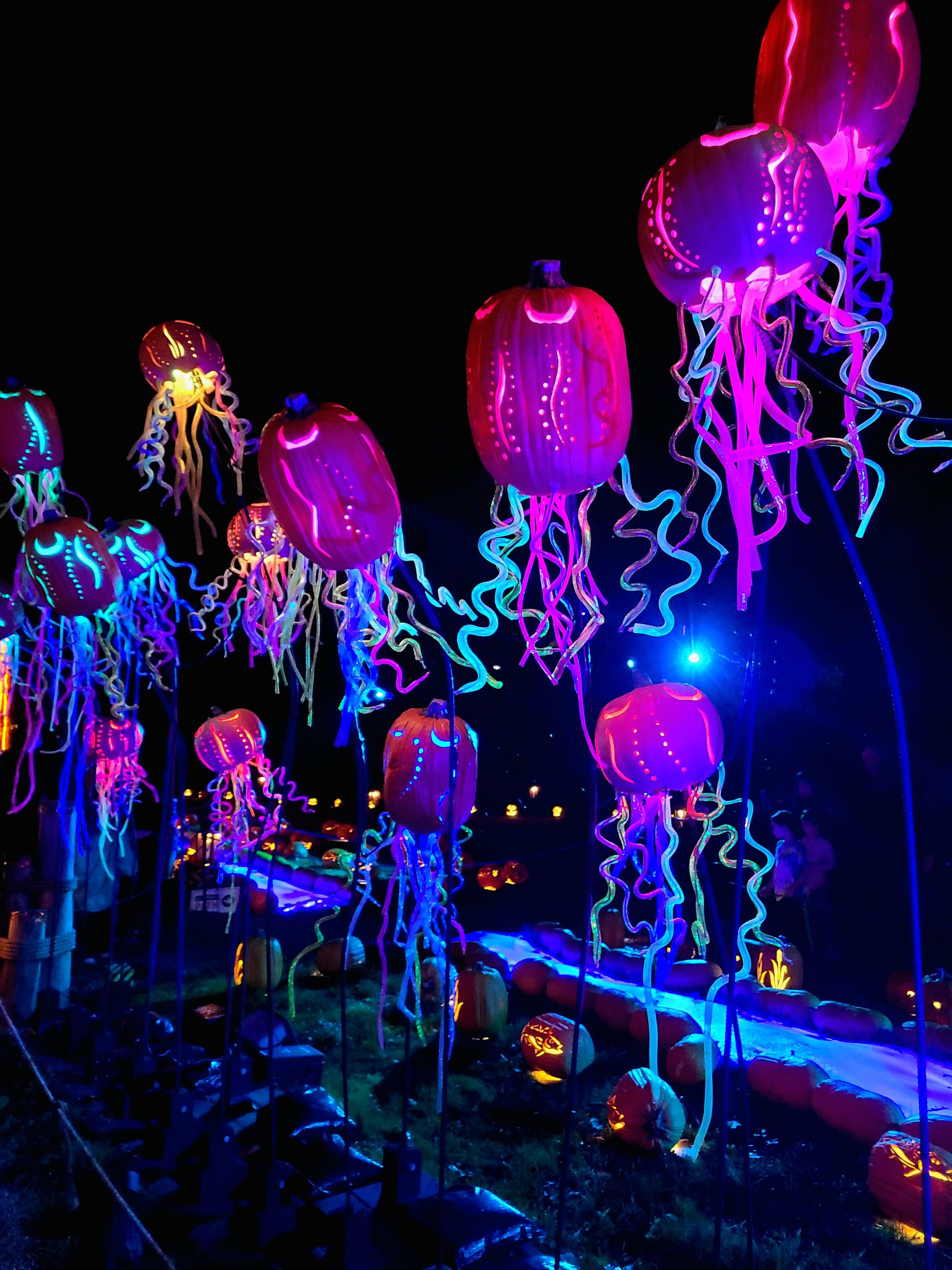
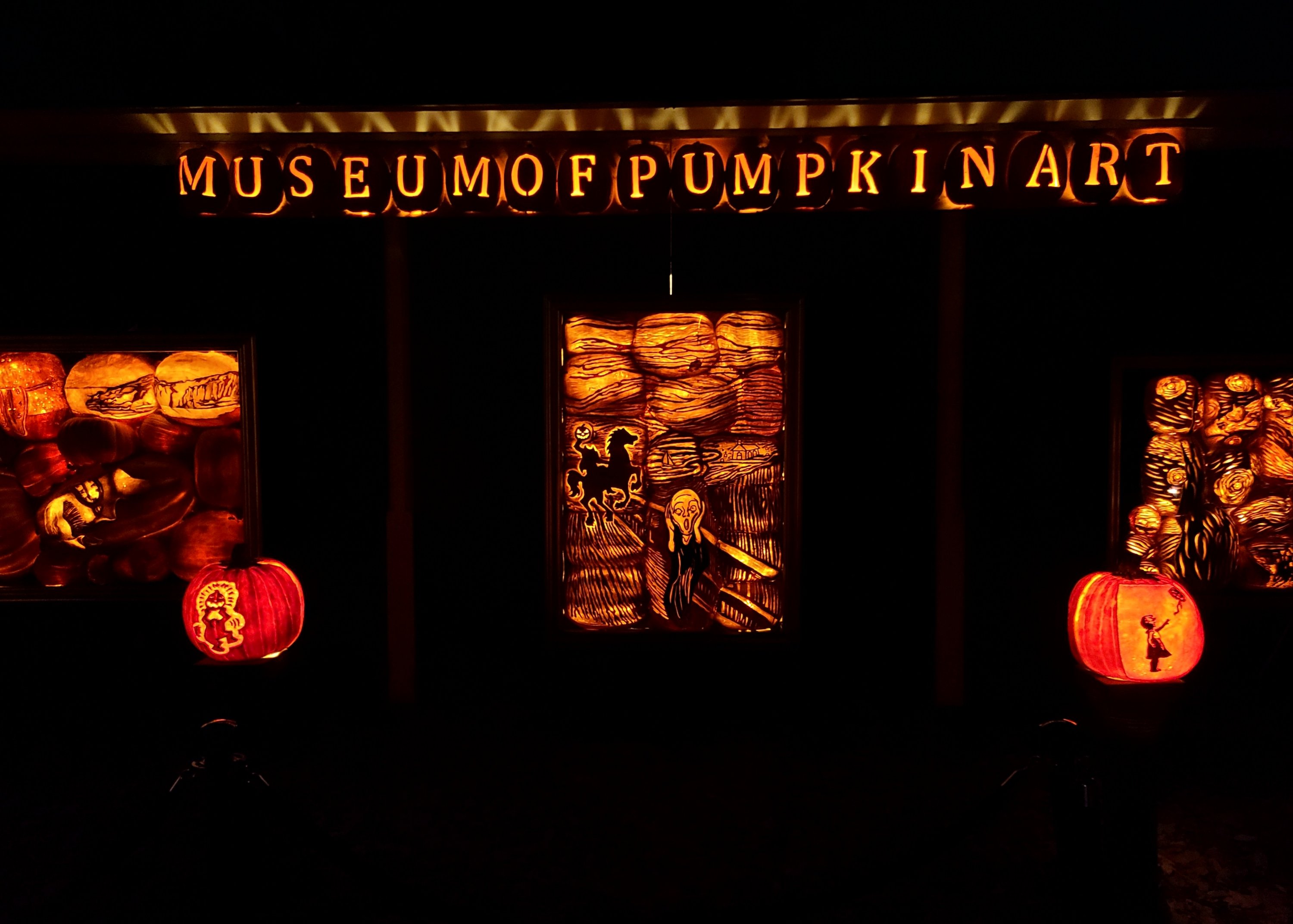
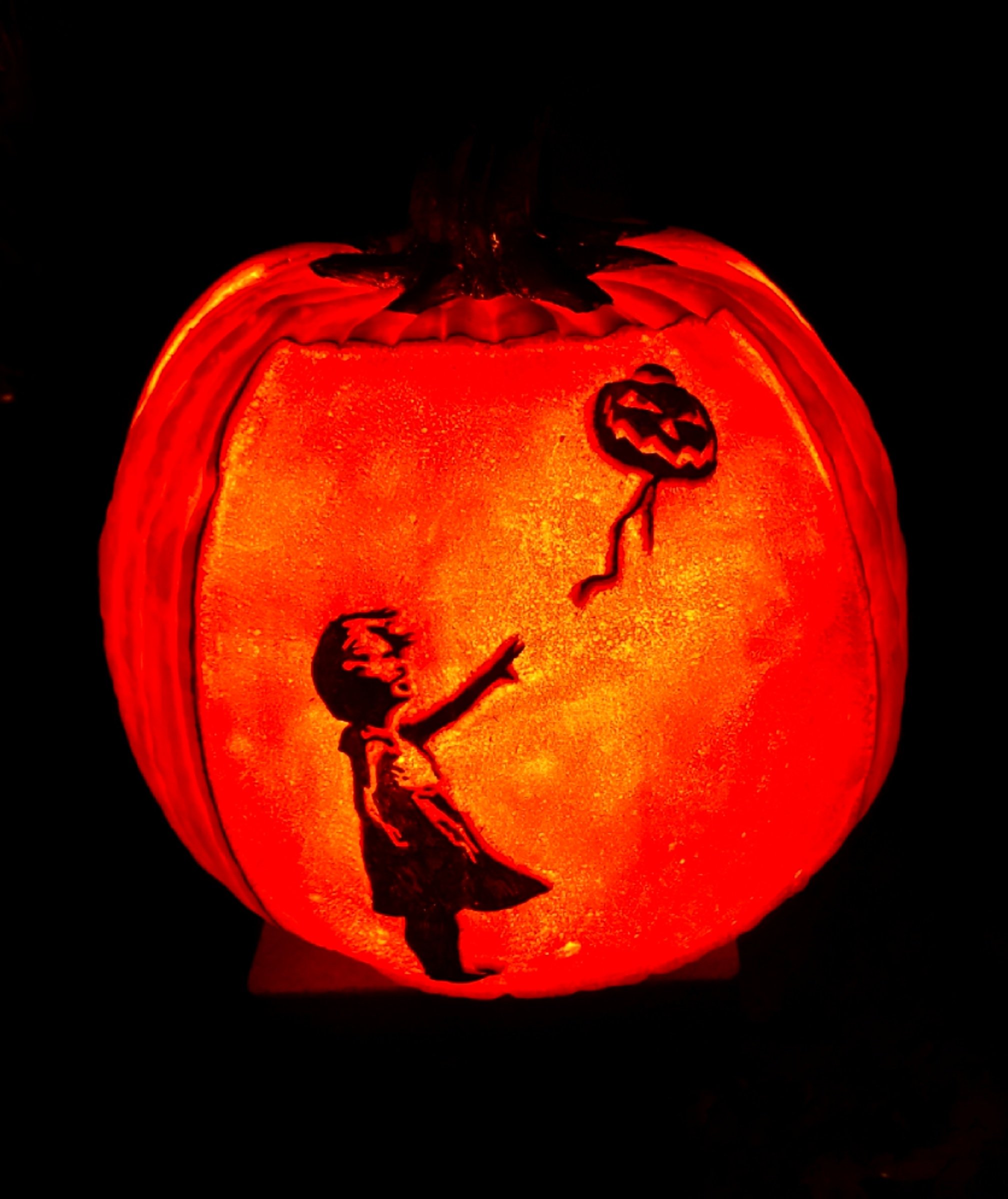
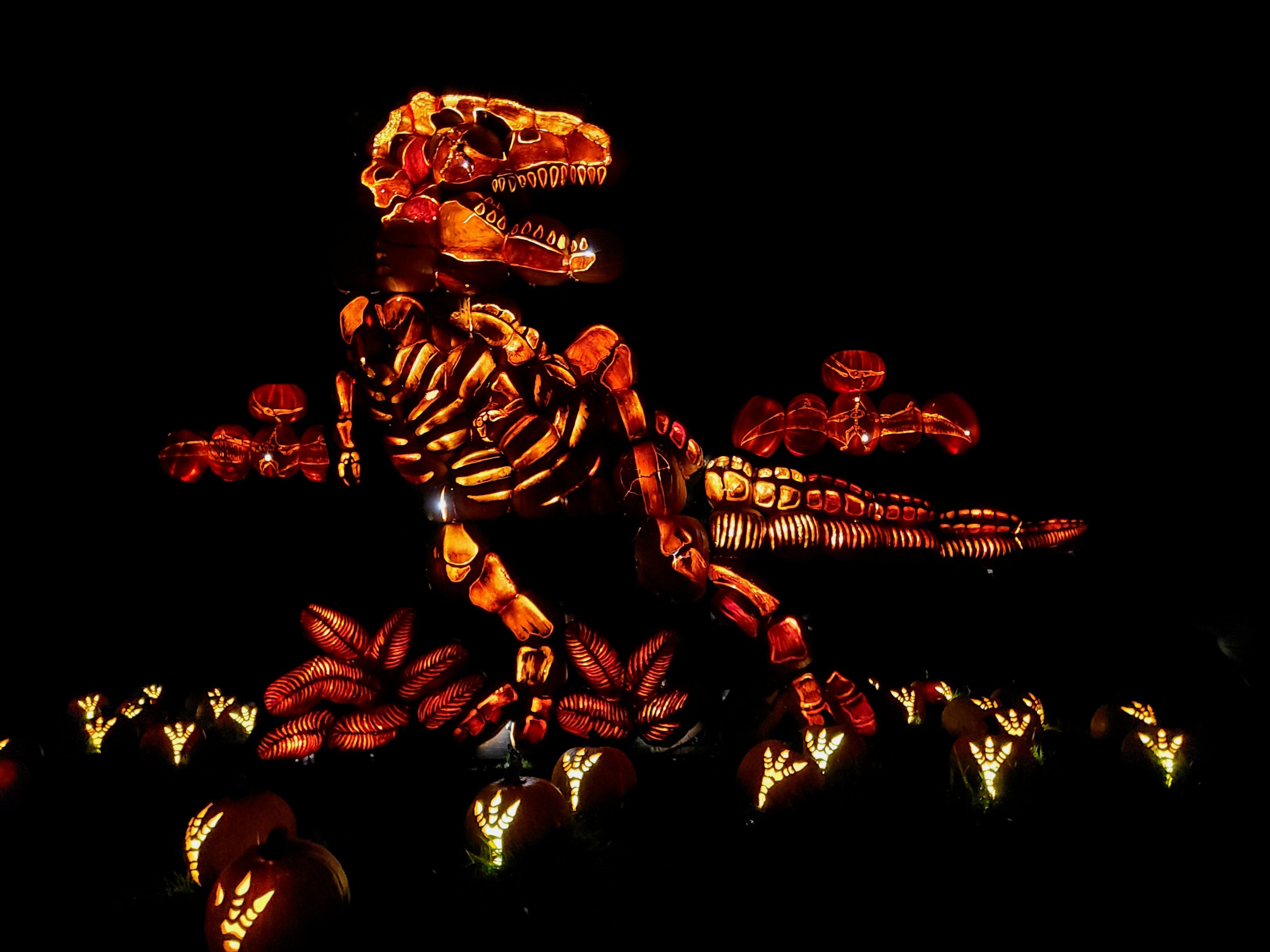
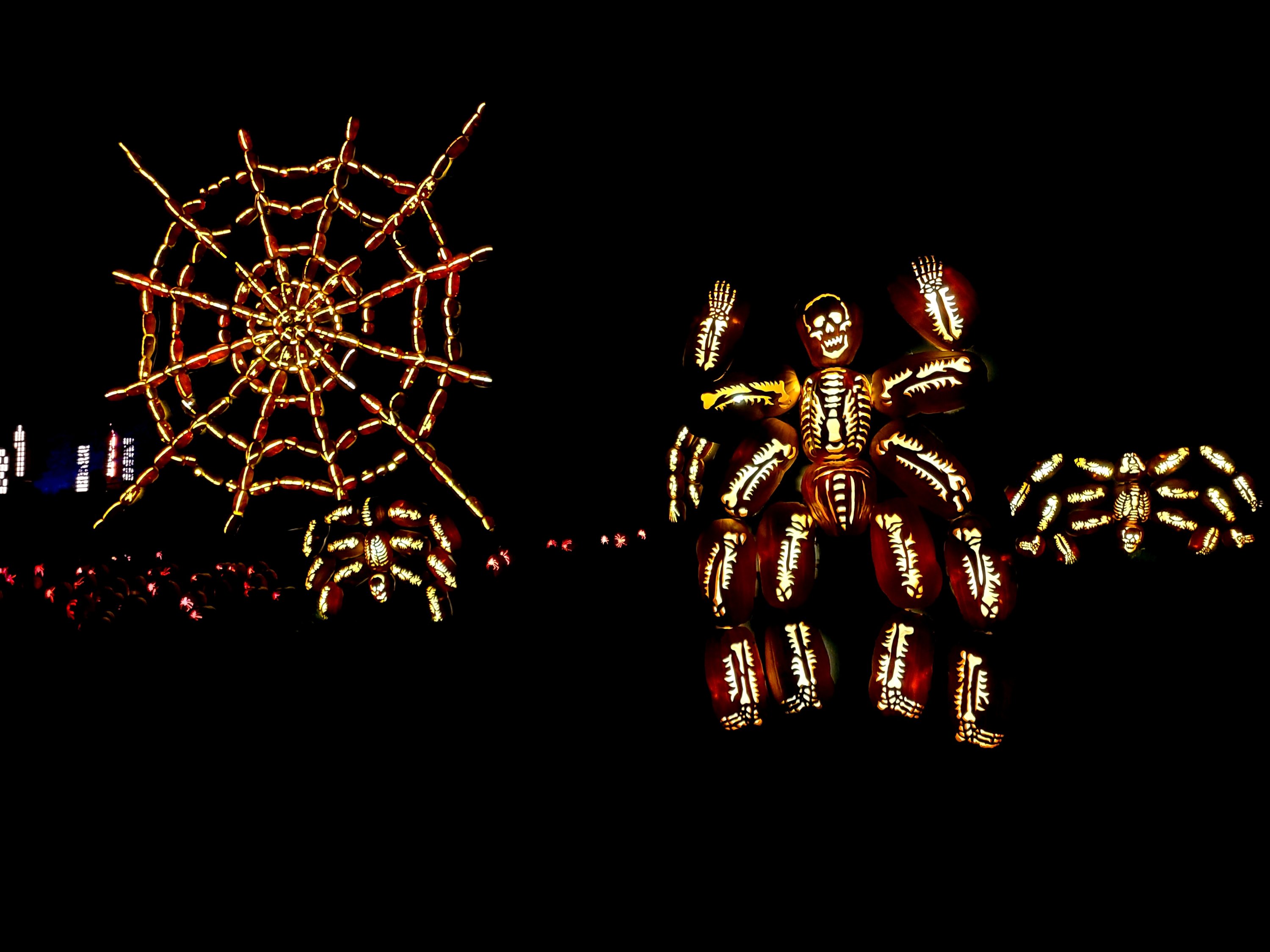
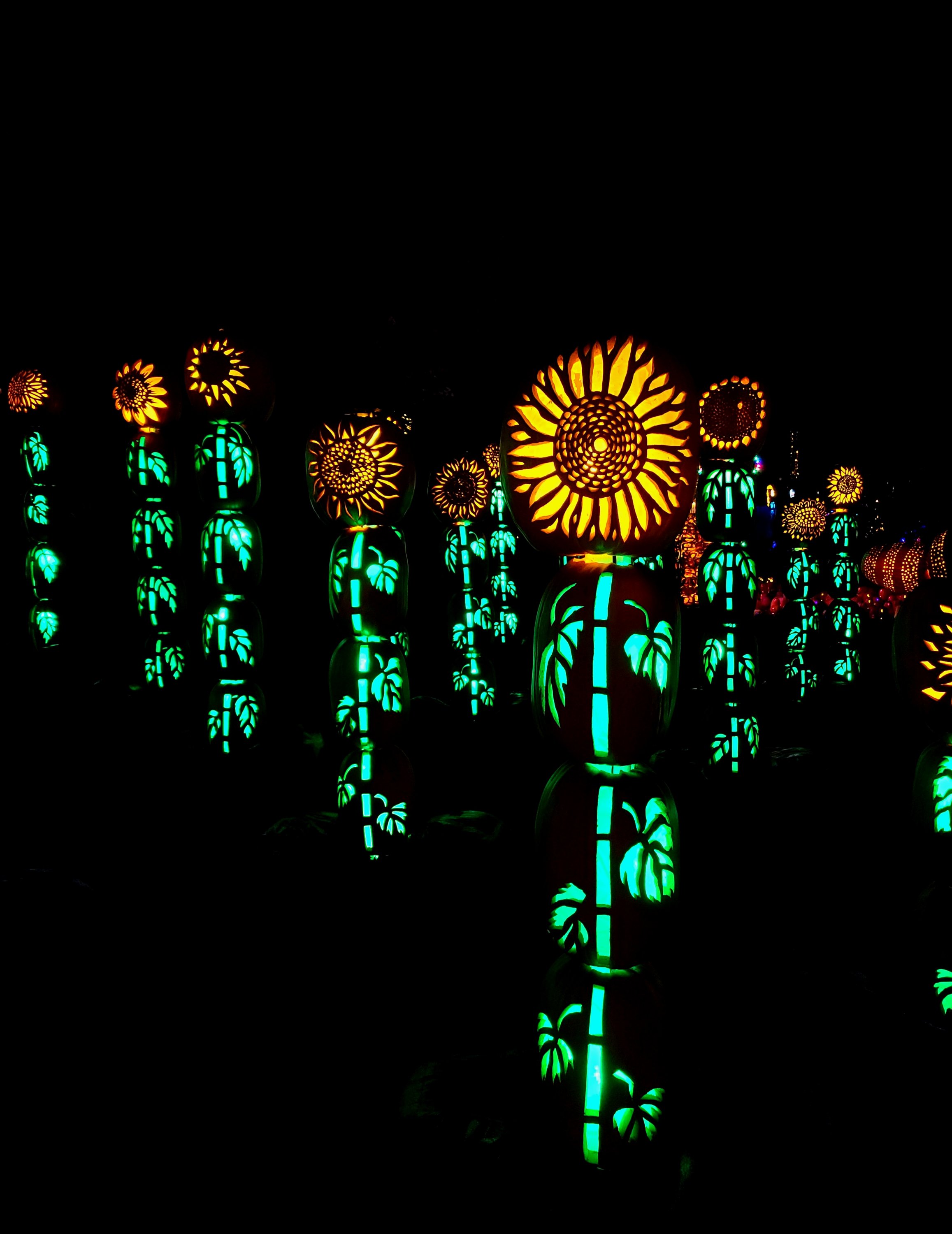
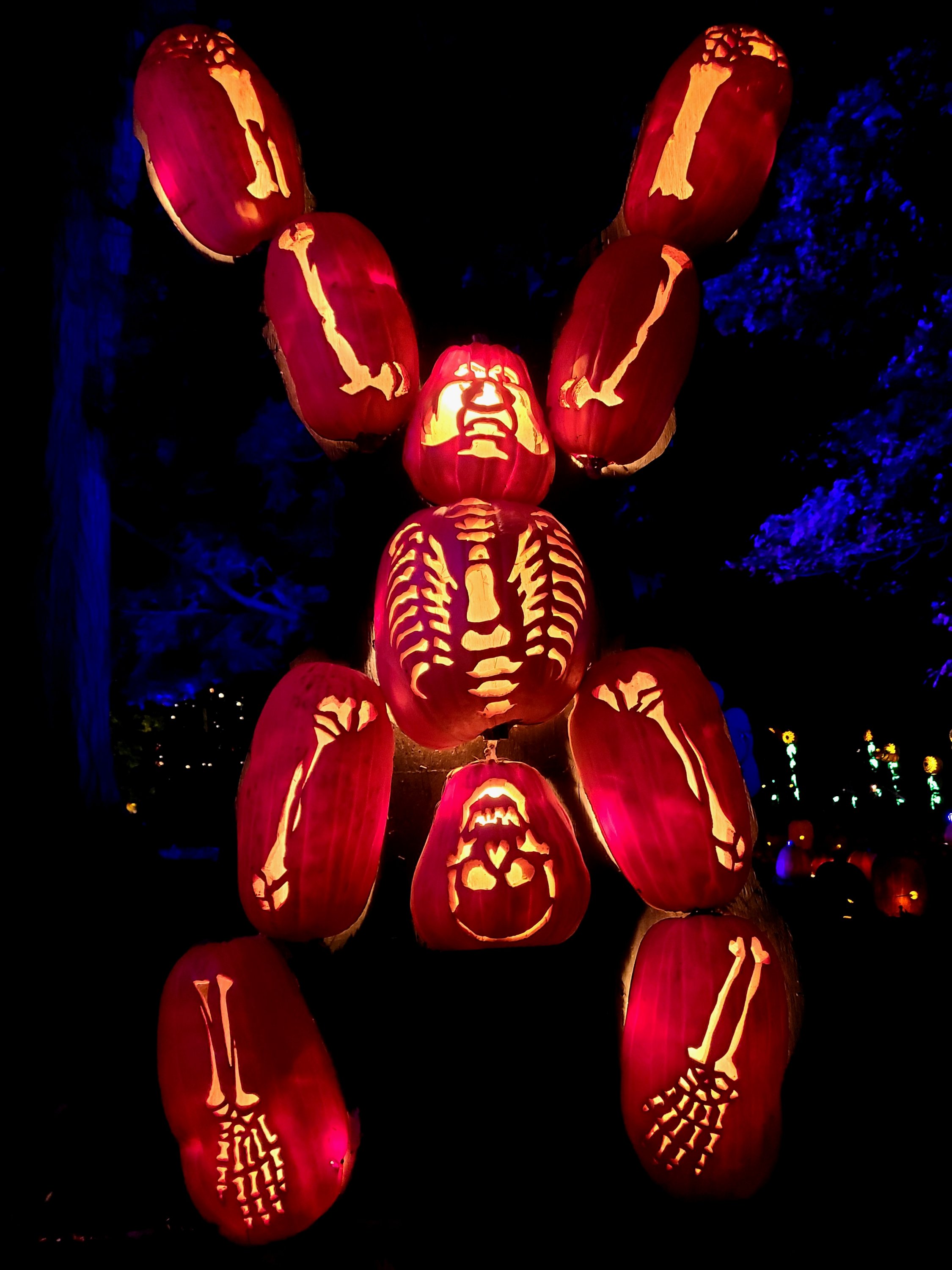
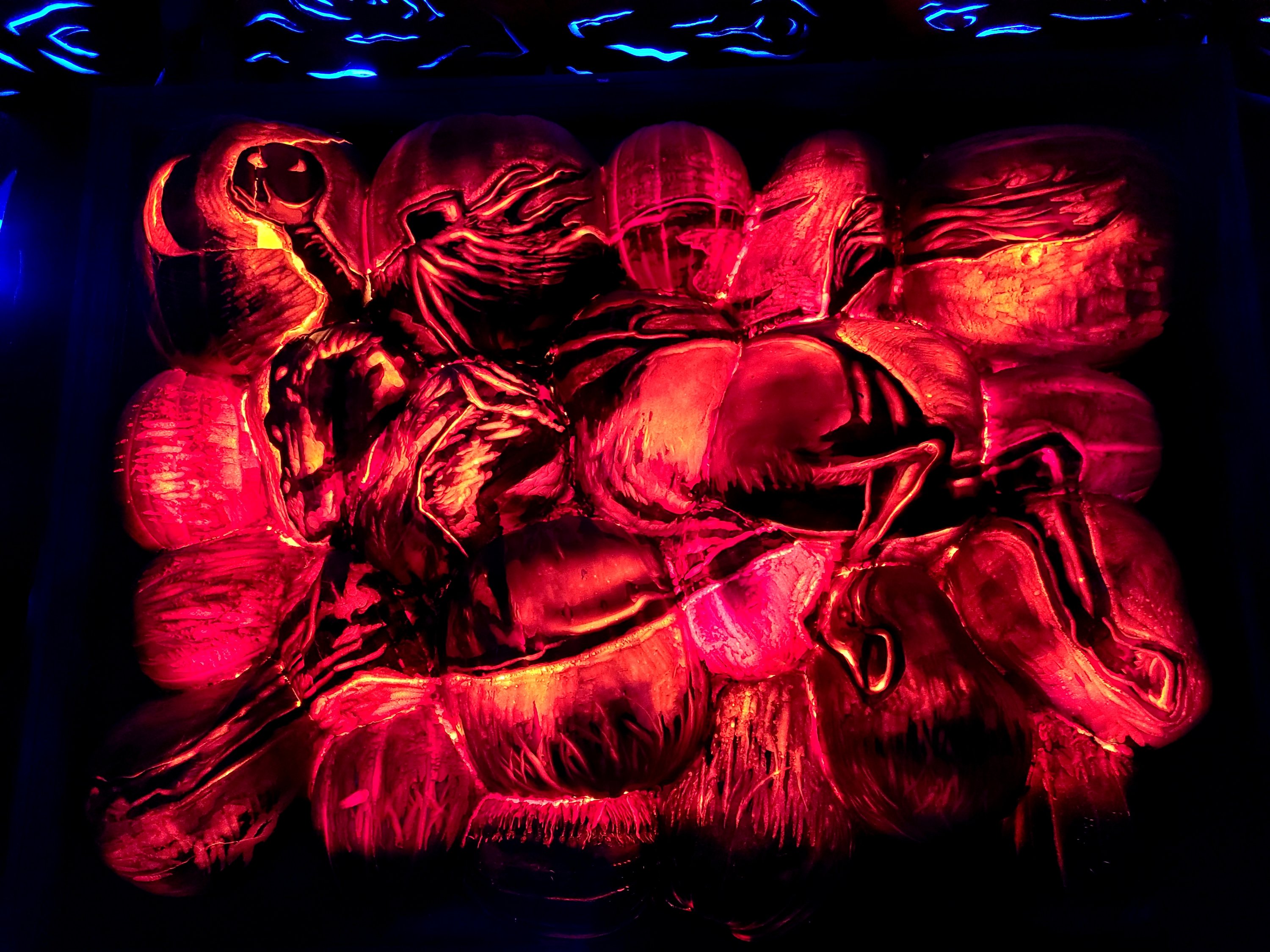
The area’s biggest Halloween event features over 7,000 hand-carved pumpkins illuminated against the mysterious backdrop of Van Cortlandt Manor’s 18th-century buildings. 

Grab a beer or a hot cider and spend an hour or so making your way through the trail of beautifully carved pumpkins.

Tickets need to be purchased in advance. More info can be found here.

Location: Van Cortlandt Manor, 525 South Riverside Avenue, Croton-on-Hudson, NY 10520

There are lots more tours and events happening throughout the month of October, including the Sleepy Hollow Halloween Parade on the Saturday before Halloween.

For a full list of events click here.

Eating & Drinking

Bridge View Tavern 

A charming tavern with a good selection of beers on tap and some unique food options like the North American Elk Burger, the Chipotle Bison Burger, the Wild Boar Chorizo Burger, and the Disco is Dead Fries (wild boar fries).
They also have a beer garden. Menu can be found here.

Location: 226 Beekman Ave, Sleepy Hollow, New York 10591

Captain Lawrence Brewing Company

The Hudson Valley’s largest craft brewery hosts a large brew facility, indoor beer hall, and outdoor beer garden. They offer a variety of beers on tap or you can opt for one of the two tasting flights. They also have food, including numerous pizzas to choose from. I recommend the Honeybear Pie!


They now have two locations. More info can be found here.

Tips

The best time to go is in October. The closer to Halloween, the better!

You’ll also find the best fall colours during the month of October.

Most events have parking included with your ticket.

While exploring the town, there are municipal lots with parking for $1 per hour.

The town is very walkable, so find a spot to park and set off!

Beware of the Headless Horseman and enjoy your time in Sleepy Hollow!

Categories: Blog, North America, Photo, Where in the World | Tags: , , , , , , , , , , , | Leave a comment

Hawaiian Luau

In traditional Hawaiian culture, the feast and festivities of a Luau were used to celebrate special occasions. So, while in Hawaii to celebrate my aunt’s 70th birthday, a Luau was high on our to-do list.

We chose the Smith Family Garden Luau at Smith’s Tropical Paradise on the island of Kauai. While sorting out my grandma’s slides from her trip to Hawaii in 1991, I found that this is the luau she attended while on the island, so since we were back in Hawaii with her two daughters and two of her granddaughters, it felt like the perfect place to celebrate!

Smith’s Tropical Paradise was created over sixty years ago by Walter Smith Sr. and his wife Emily along the Wailua River. Today, four generations later, the company has grown as the Smith family continues to welcome guests to explore their beautiful gardens, take a boat ride to the Fern Grotto, and enjoy a feast and show at the Garden Luau.

We started with a two-mile boat ride along the Wailua River with Captain Walter Jr. III sharing stories about the island and his family’s company on our way to visit the Fern Grotto.

Once docked, there’s a short walk through the lush rainforest to the Fern Grotto—a geological wonder of Kauai. Here, the ferns grow upside down from the roof of the grotto, which was formed millions of years ago.

When my grandma visited thirty-one years ago, guests were able to walk right into the grotto and be surrounded by the ferns. Unfortunately, this is no longer an option as rocks have begun to fall from the ceiling and the grotto was deemed unsafe for entry.

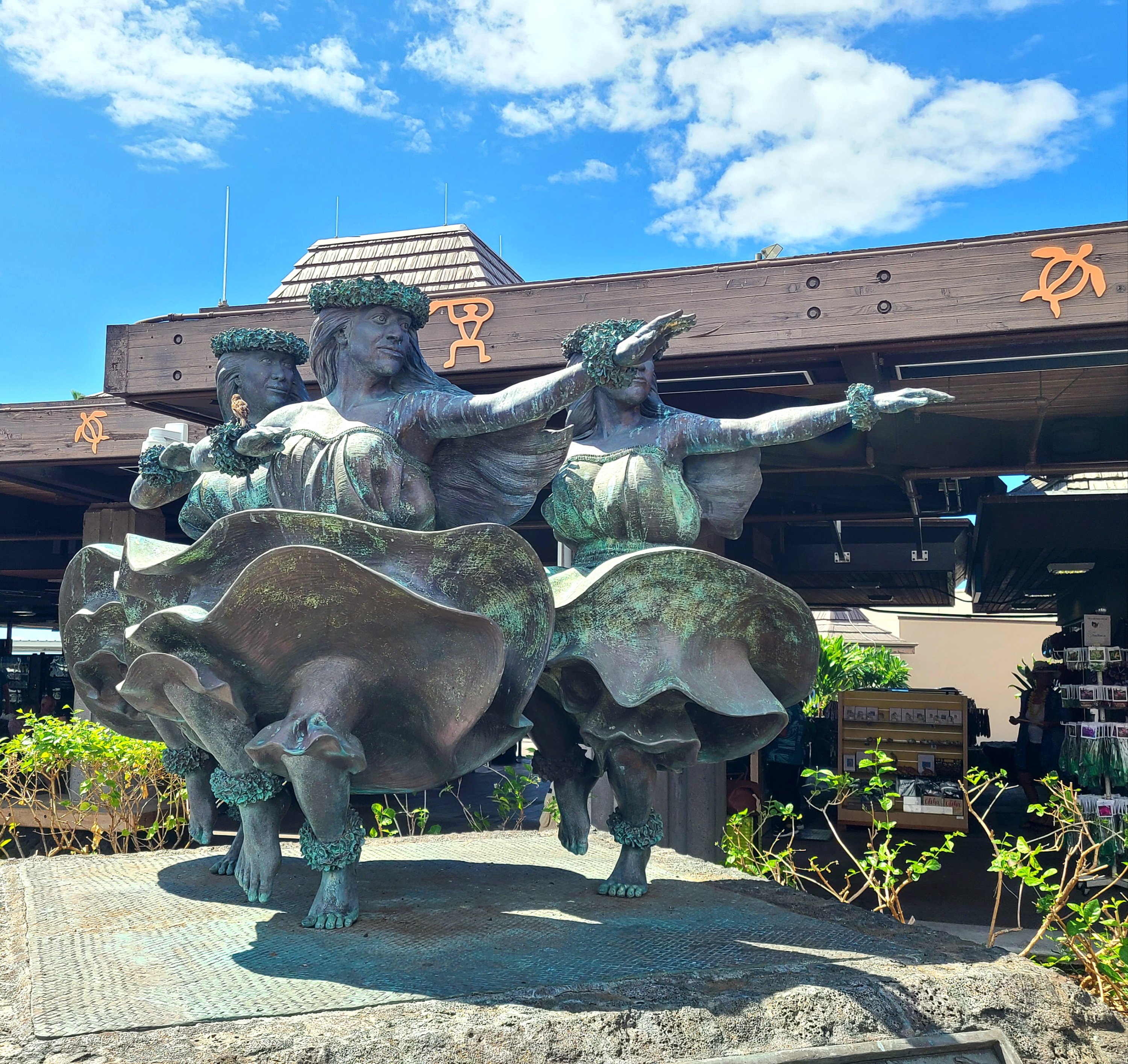
So, in order to continue tours here, they built a large platform out front. While here, we were treated to several Hawaiian songs performed by one of the crew on ukulele while another showed us some traditional hula dances. More of these were performed on the boat ride back.

From here, we headed over to explore the gardens at Smith’s Tropical Paradise, where we were greeted with a shell lei before boarding a tram for a tour around the thirty-acre botanical garden.

Since I began sorting through Grandma’s travel slides, I’ve enjoyed seeking out places she’s been on my travels and trying to get a similar photo to the ones she took.

The, entrance may have changed a bit in the past 31 years, but I’d say it still looks pretty similar!

Then you were free to wander around the beautiful, lush grounds including a Hibiscus garden, Japanese Garden, Bamboo Rainforest, multiple ponds, and more. The grounds were gorgeous with all the lush green foliage and brightly coloured flowers, with the mountains creating a lovely backdrop!

At 6 p.m., the Imu ceremony begins where they dig the Kalua pig out of the earthen imu oven.

The host explains about the Hawaiian cooking method called Kalua and what food to expect during dinner before sounding the conch shell and giving the food a blessing.

The Smith family entertains during cocktails and dinner with Hawaiian songs, stories, and hula. So we grabbed a Mai Tai and a Blue Hawaiian and enjoyed the music.

The dinner was delicious and included many traditional Hawaiian dishes like Kalua pig, beef teriyaki, sweet ‘n’ sour mahi mahi, lomi salmon, fresh poi, Hawaiian sweet potato, various salads, and dessert including tropical fruit, coconut cake, and rice pudding.

The Rhythm of Aloha show began at 8 p.m. in the outdoor Lagoon Theatre, complete with an erupting volcano!

The show was great—full of music and dance with some history of the island woven in. There were traditional hula dances from Hawaii and Tahiti, Samoan fire dances, and traditional dances from New Zealand, Japan, and the Philippines.

It was a fun show and made me want to learn to hula! (Pre-Covid, guests were invited up to participate, so hopefully that will open again soon!)

It was a wonderful way to experience some Hawaiian culture with my Ohana, made even more special as we shared the same experience as my grandma!

More info

The entire Fern Grotto tour takes about one hour and twenty minutes. Tickets are best purchased online ahead of time. Tickets are $30 for adults and $15 for children. Tours currently run Monday, Wednesday, Thursday, and Friday.

*If you are going to the luau after the boat tour, select the 3:30 p.m. time.

The Smith’s Family Garden Luau dates vary based on time of year. Check the website for more details. Adult $125.00, Jr. (7-13) $35.00 & Child (3-6) $25.00. The luau includes entrance to the gardens, dinner, drinks, and the show.

If you just want to tour Smith’s Tropical Paradise gardens, you can Monday, Wednesday, and Friday between 8:30–4 p.m. Tickets are $10 and can be bought at the entrance.

Categories: Blog, North America, Photo, Where in the World | Tags: , , , , , , , , , , , , , , | 3 Comments

Blog at WordPress.com.