Posts Tagged With: Balkans

A day in Montenegro

 Nestled in the Balkans along the Adriatic coast with rugged mountains, medieval villages and beautiful beaches, Montenegro has something for everyone. It only became an independent country in 2006 and while they are not officially part of the European Union yet (scheduled for 2028 as long as the requirements are met) they do use the Euro as their currency.

You could easily spend a week or so exploring this beautiful country, but if you are short on time, you can get a good feel for Montenegro in a full day.

It is an easy day trip from Dubrovnik either by car or by bus.

After crossing the border, we made our way to the small town of Perast, on the Bay of Kotor.
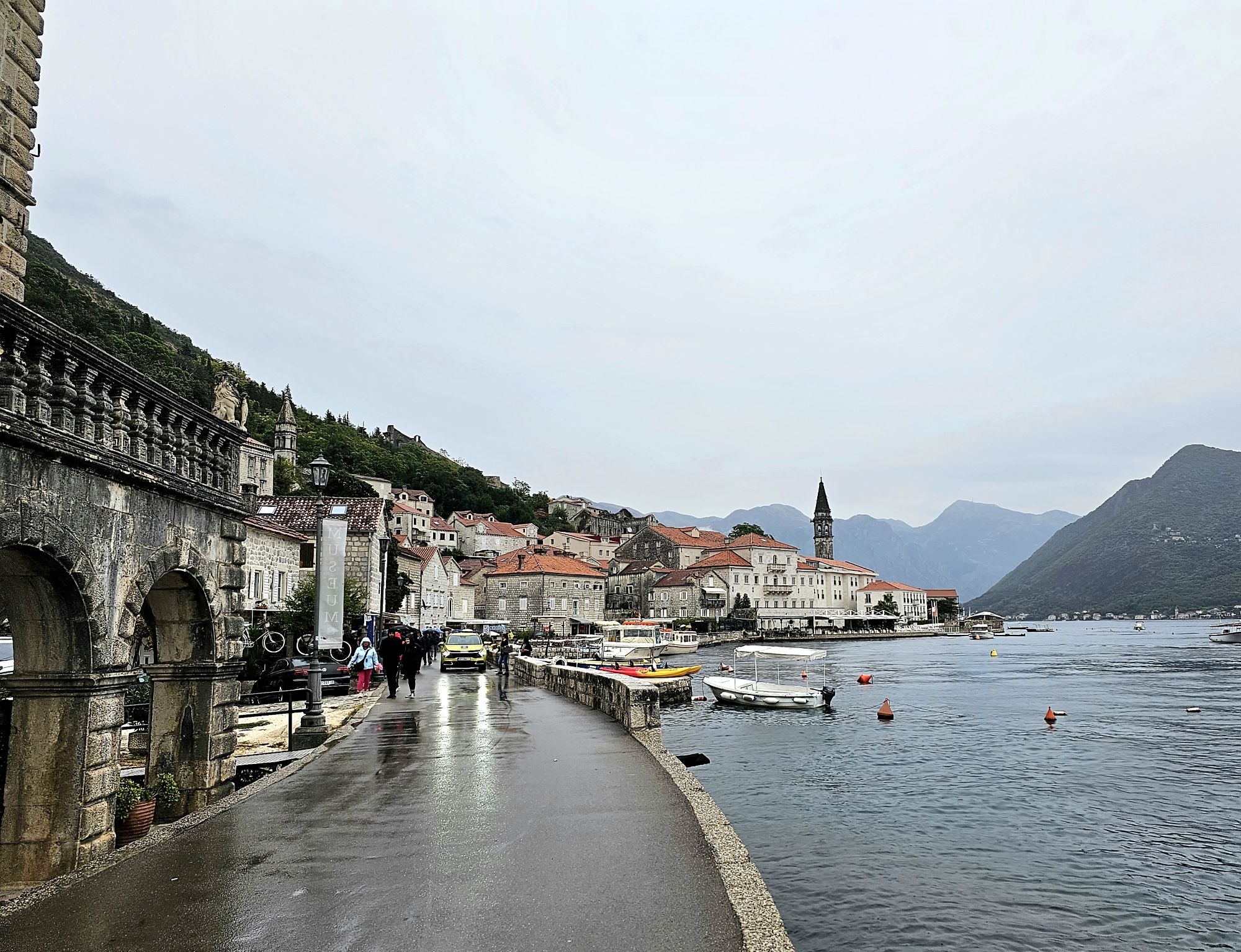
From here, you can board a boat and head out into the Bay of Kotor to visit Our Lady of the Rocks. (€10 RT).

This small islet was created by a bulwark of rocks and made bigger by sinking ships loaded with more rocks. The Roman Catholic Church of Our Lady of the Rocks is the only building found on the islet.
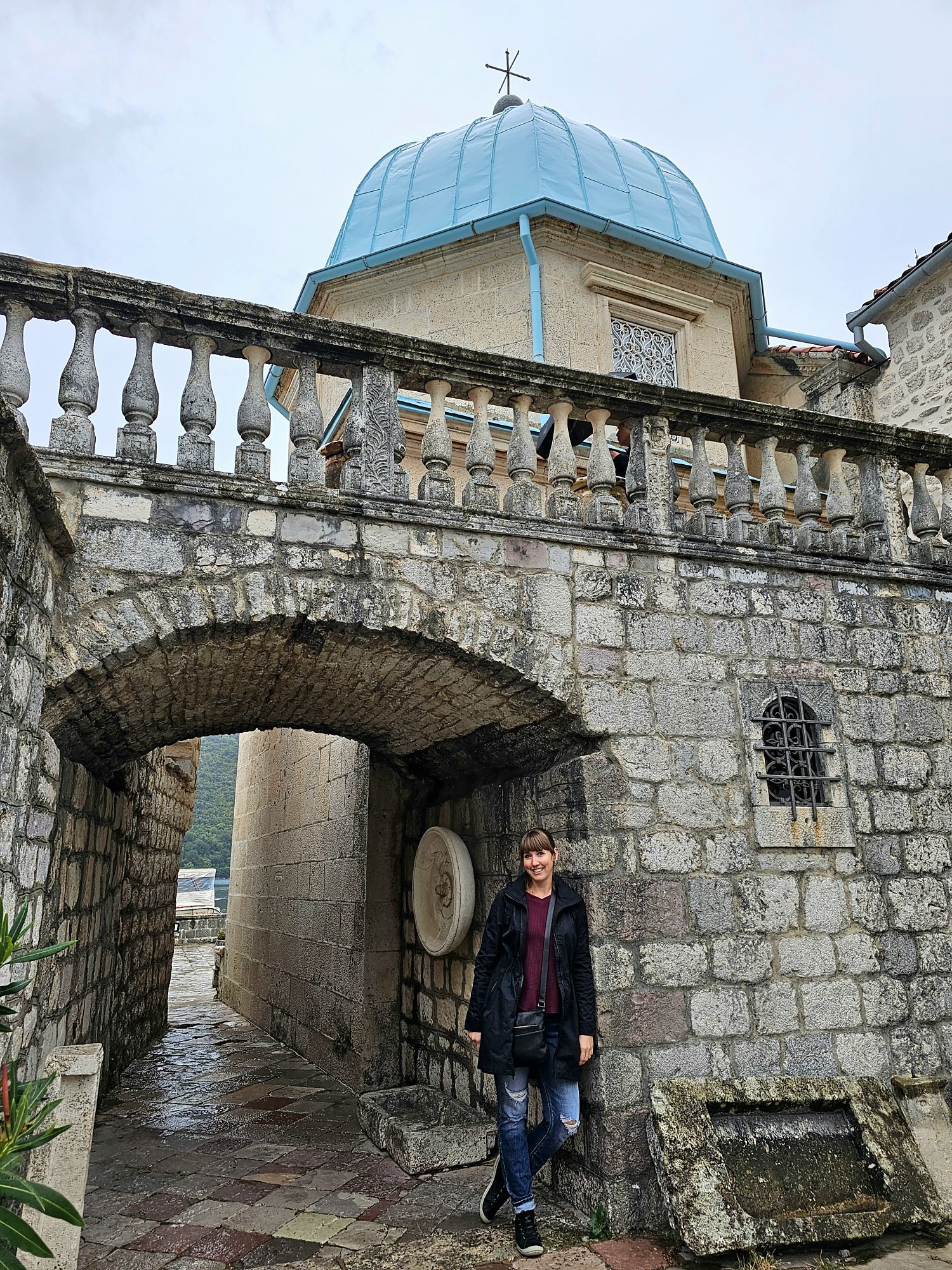
According to legend, the islet was built over the centuries by sailors after finding the icon of Madonna and Child on the rock in the sea on July 22, 1452. From then on, after each successful voyage, they laid a rock in this spot in the bay. Over time, the islet gradually emerged from the sea. This tradition continues today, when every year at sunset on July 22, local residents take their boats and throw rocks into the sea continuing to widen the surface of the island!

The first church was built in 1452. It was later taken over by the Catholics and in 1632 the present Church of Our Lady of the Rocks was built and then later renovated in 1722. It costs €2 to enter, but is well worth seeing the beautiful artwork inside. This includes 68 paintings by Tripo Kokolja, a local 17th-century baroque artist, silver votive tablets and the famous votive tapestry embroidered by another local, Jacinta Kunić-Mijović. It took her 25 years to complete her work and she went blind in the process. She used gold and silver fibres but what makes this tapestry so famous is the fact that she also embroidered her own hair into it.

Today, the upstairs area has been turned into a museum filled with artifacts from life in Perast including beautiful paintings, tools, weapons and household items.
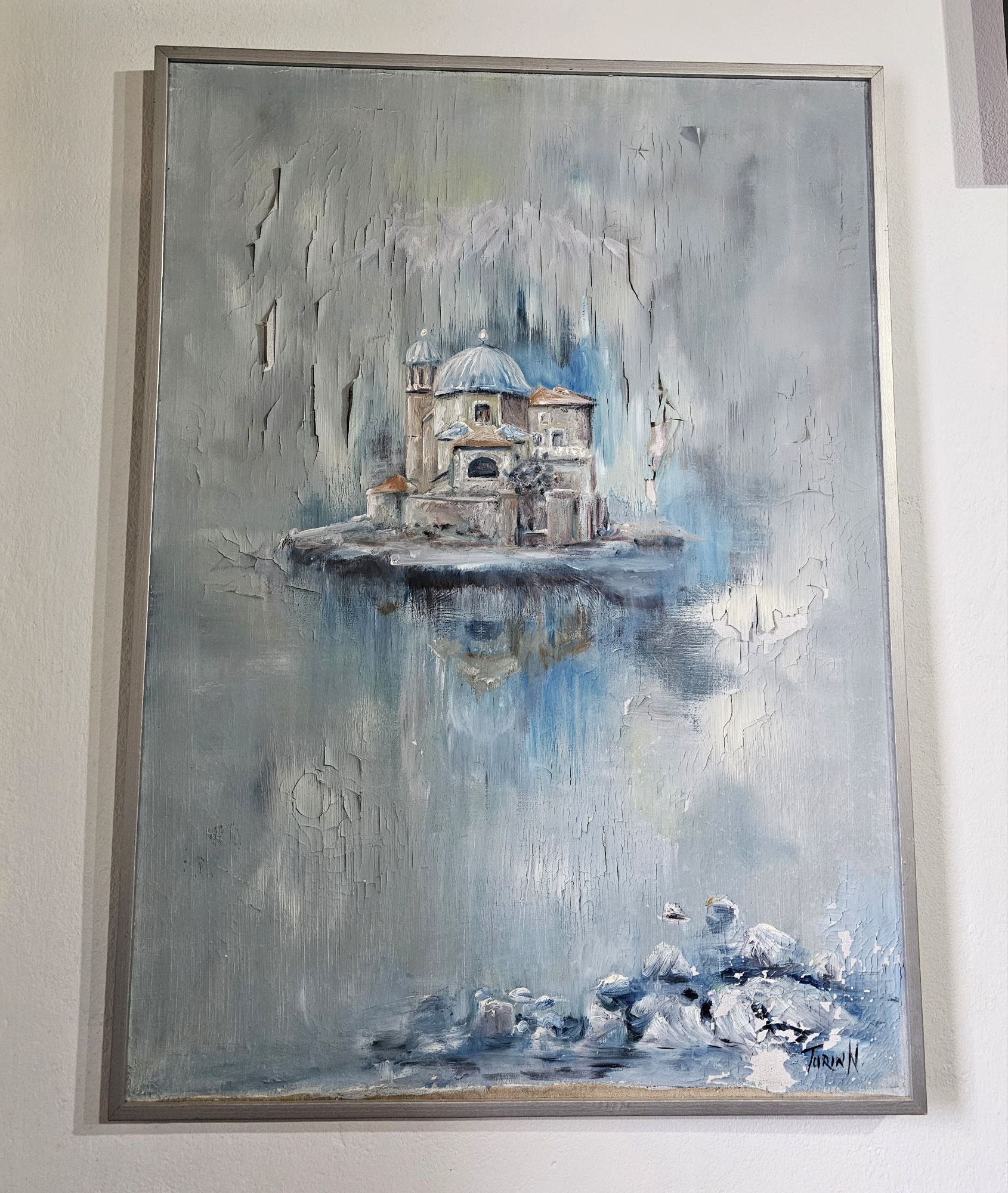
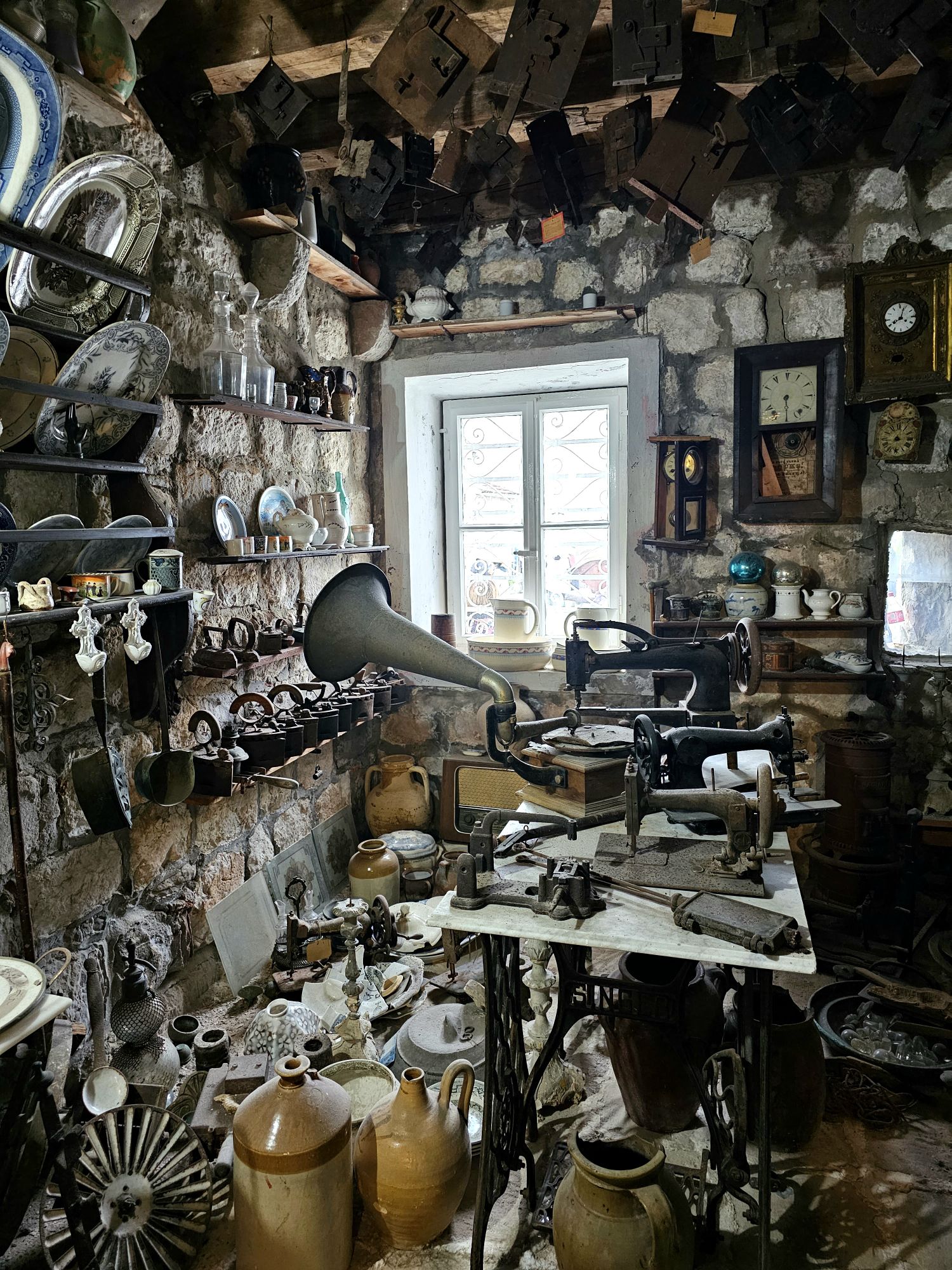
There is another islet nearby, Sveti Dorde or St George Islet, which has a small monastery from the 12th century and a cemetery for Perast nobility.

The town of Perast itself is small, but worth a wander around if you have a chance. The seafront promenade runs for 1.5km along the bay, making it the perfect place to go for a stroll.

From here, we continued around the Bay to Kotor, making our way to Kotor’s famous Old Town.
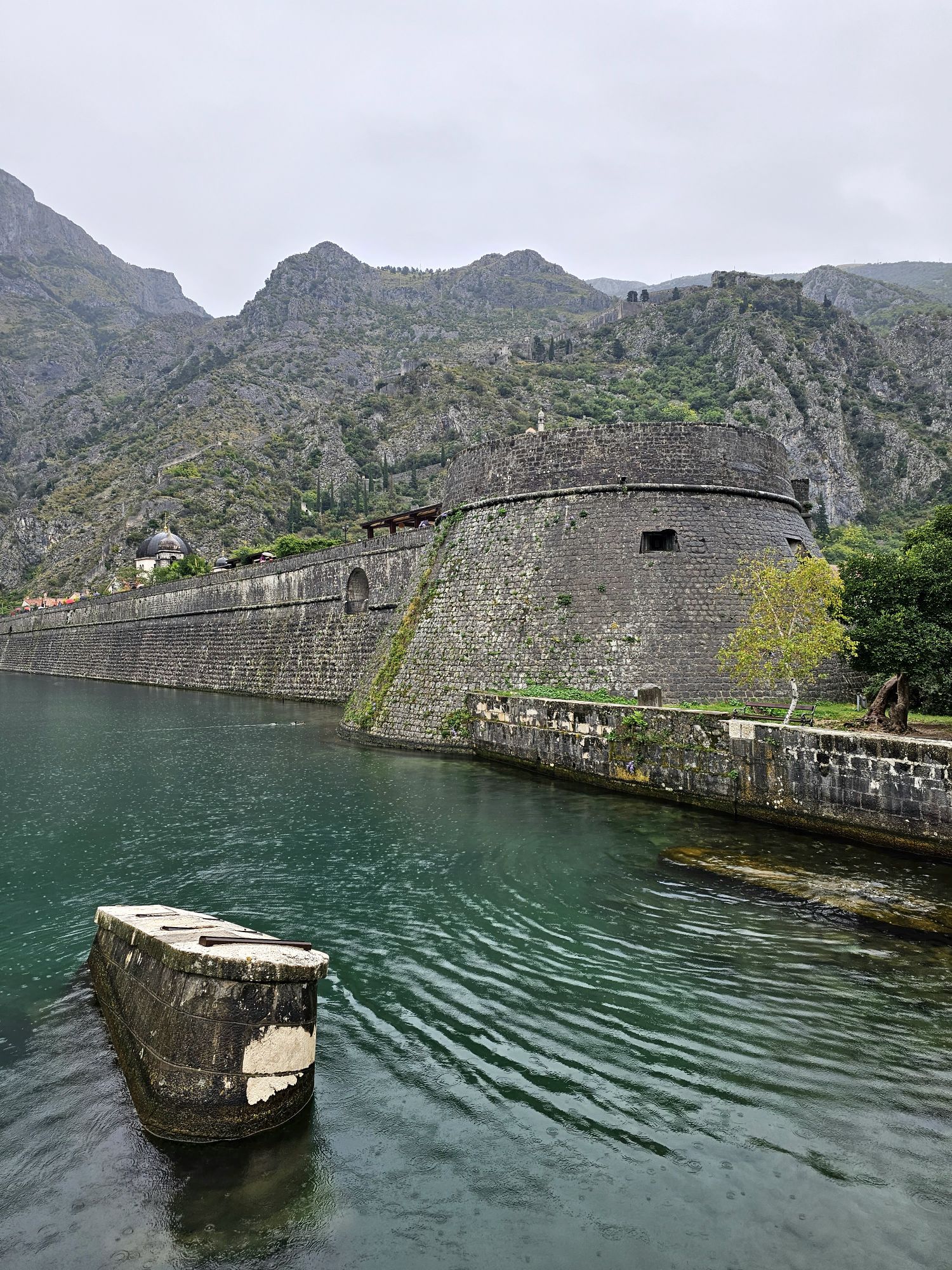
Old Town is completely walled in and it costs €1 to enter through the main gates, built in 1555.

You can walk a small section of the walls for free, but you need to pay if you want to head up into the hills. (Cost €8) The free section has great views of the hills, the water below and several of the churches inside the walls.

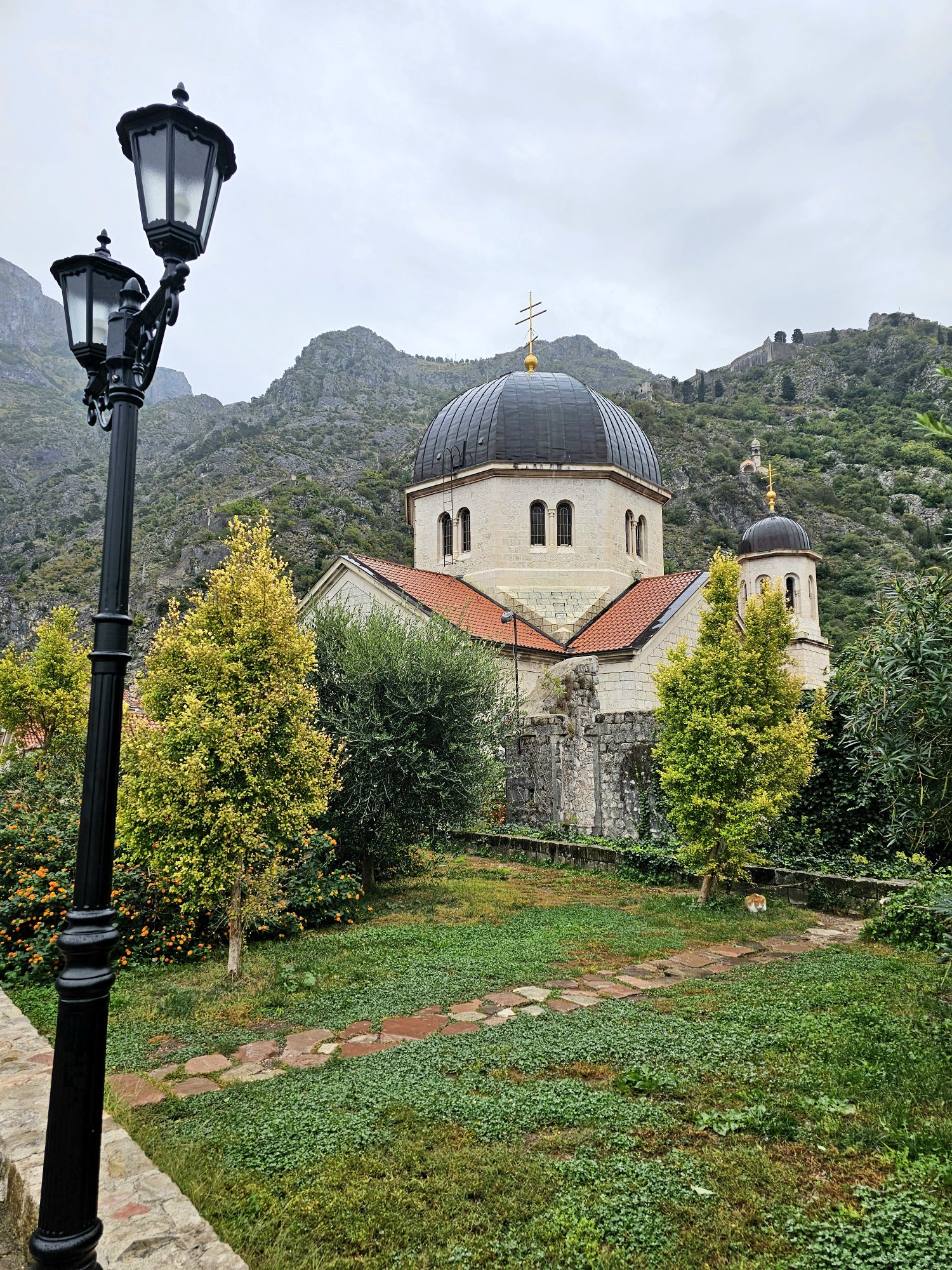
Old Town is listed as a UNESCO World cultural site and it is easy to see why. I loved wandering around the cobblestone streets with all the old sandy coloured medieval buildings with their dark green shutters and terracotta roofs. There are a number of old churches found here. The most famous one is St. Tryphon’s Cathedral.

Now a church and a museum, this is definitely one of the most impressive looking buildings. It was built in 1166 and then reconstructed after it was damaged by several earthquakes. The front was also destroyed in 1667 and during the renovation, baroque bell towers were added. However, the one of the left remains unfinished and is shorter than the one on the right.

The Serbian Orthodox Church, Sveti Nikola is found in St. Lukes Sq with two large green domed towers and a Serbian Flag. It is beautiful inside with vaulted ceilings, paintings and ornate carvings. In the same square you will find Sveti Luka, a smaller church from 1195 containing some of the original fresco murals painted on the walls. There are a number of other churches located in Old Town, many of which you can enter.

There are also lots of shops, restaurants and cafes found in within the walls of Old Town Kotor.

We stopped for a slice of Moskva Snit cake, which was highly recommended as a local dessert. Made with pineapples, sour cherries, almond and butter cream, it was delicious!

If cats are your thing, there is also a Cat Museum located here. As my husband is allergic, we decided not to explore this one, but you will find cats everywhere. They are loved and considered sacred here. They are seen as good luck as they get rid of mice, rats and snakes and by doing so helped to protect the city from disease. You will find cat souvenirs in every store!
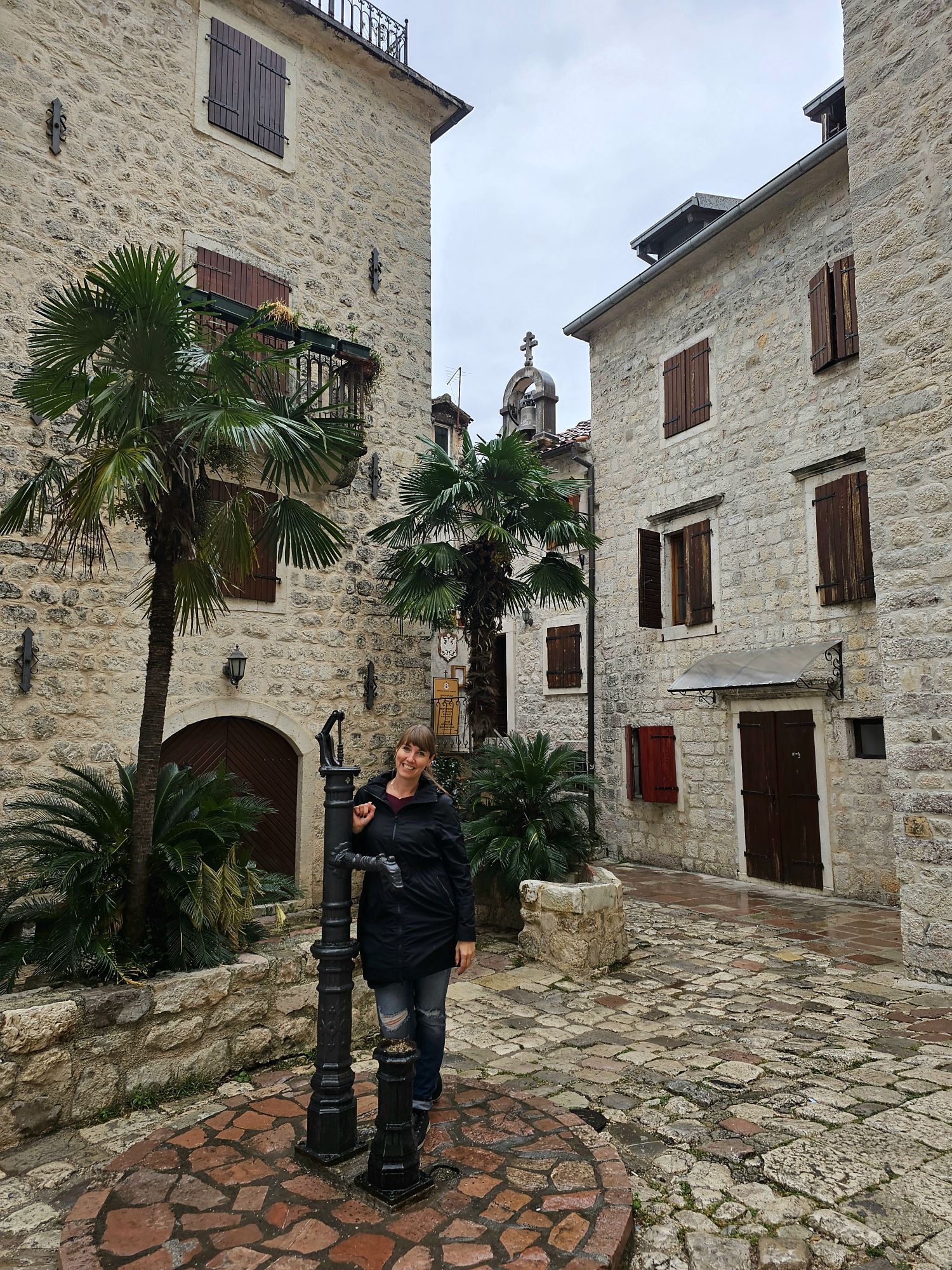
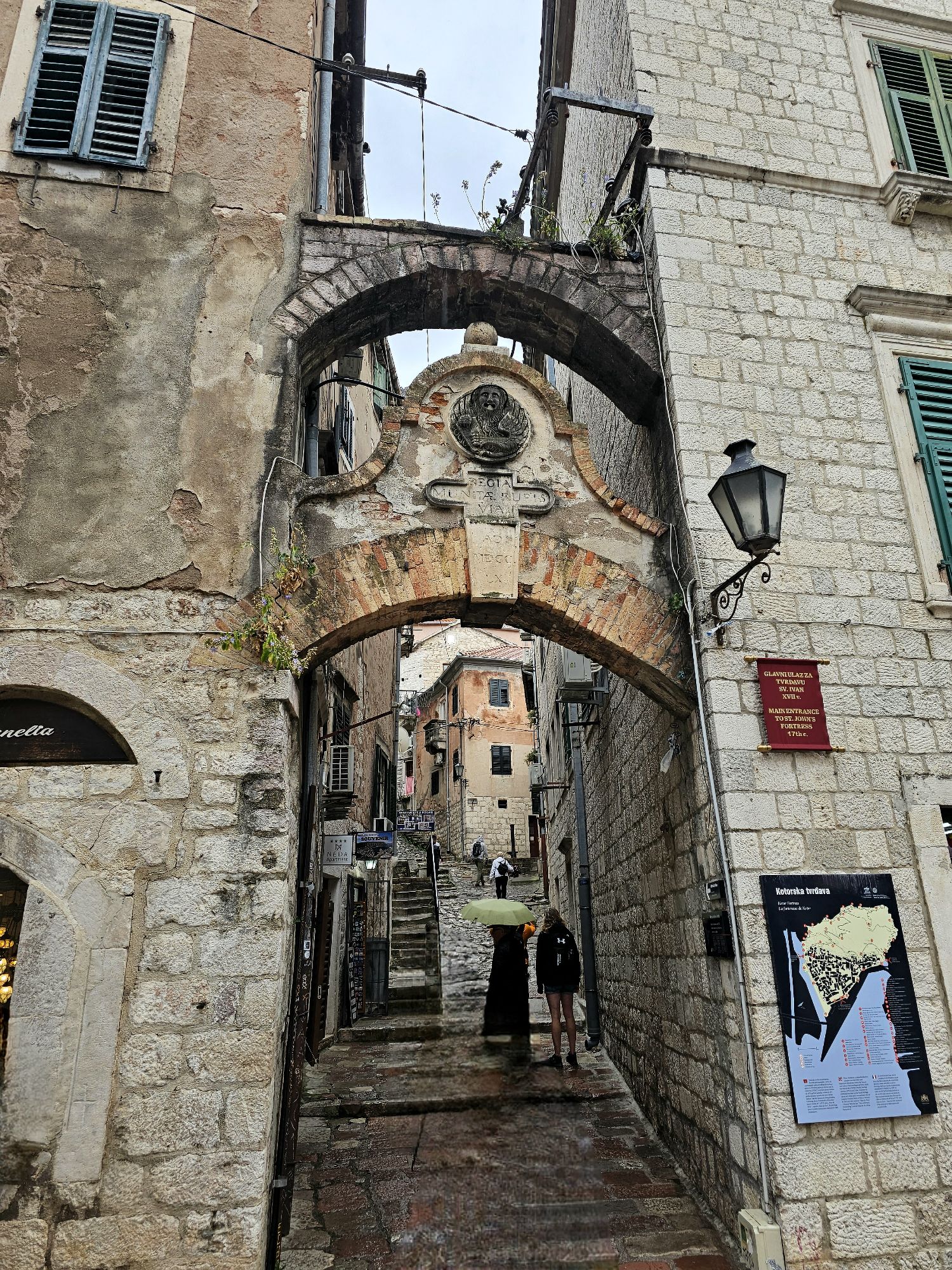
I loved just wandering around the cobblestone streets and through the narrow alleyways. Such a beautiful place to explore!

About a 30 minute drive along the Bay of Kotor, you’ll find Budva, a summer beach getaway on the Adriatic Sea.

‘Budva Riviera’ is known for its sandy beaches and nightlife. This part of Montenegro is growing and there is construction everywhere. However, amongst all the new builds is the Venetian walled Old Town- Stari Grad. While it is much smaller than Kotor’s Old Town, it is definitely worth exploring.

Located right on the water, next to a marina filled with fancy yachts and fishing boats, you can enter into Old Town through one of the five gates. Budva dates back 2500 years, making it one of the oldest settlements on the Adriatic coast.

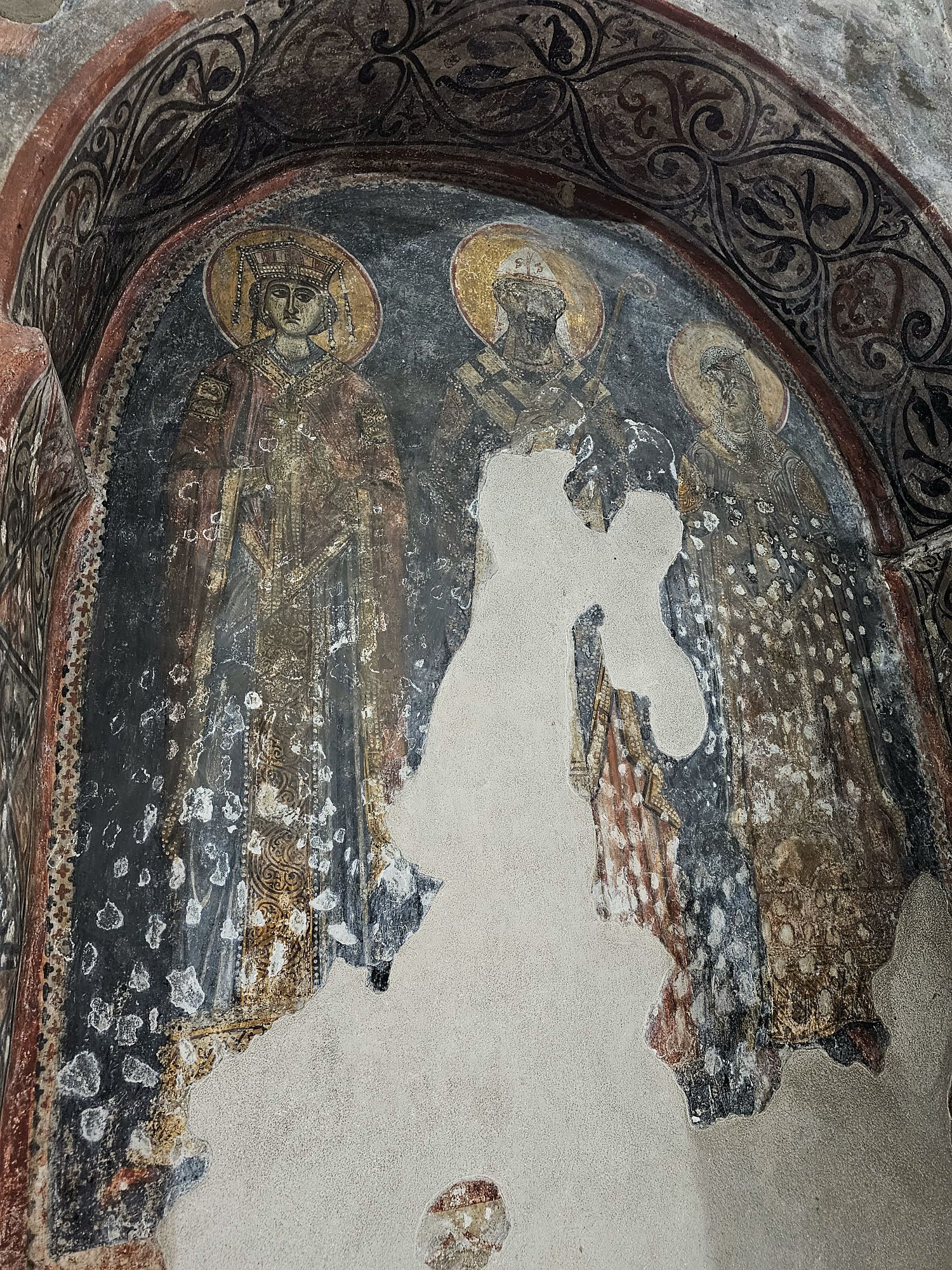
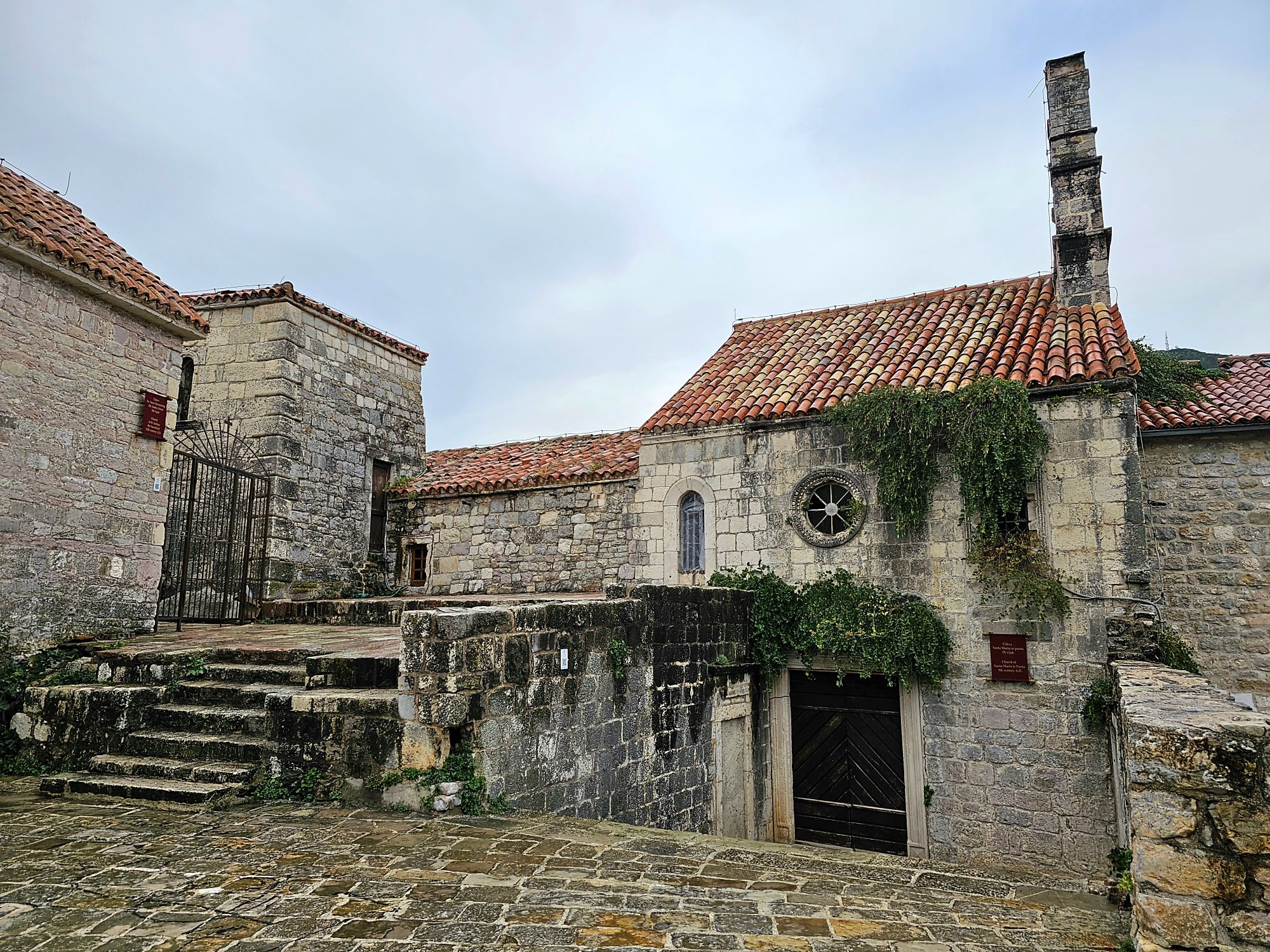
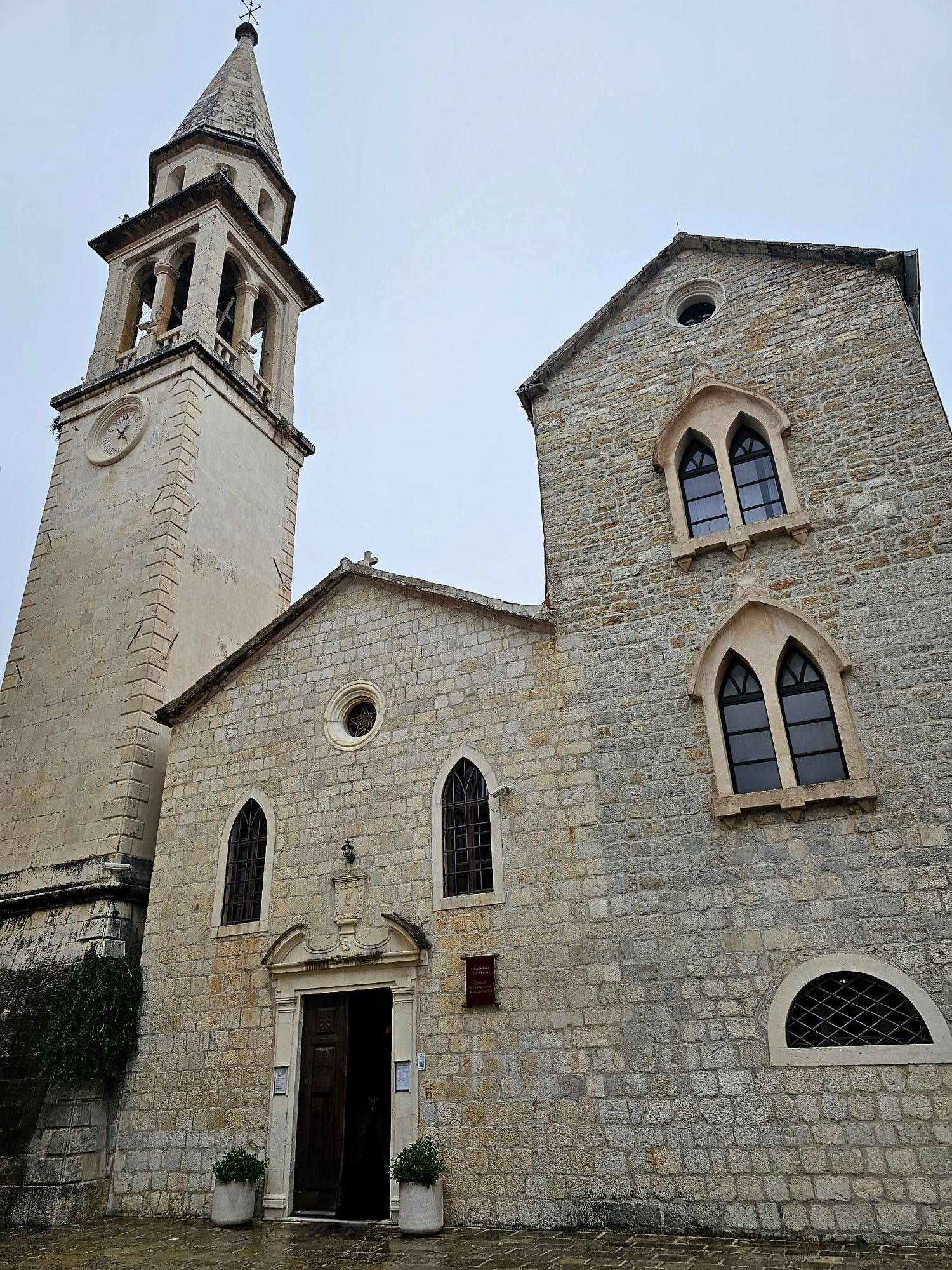
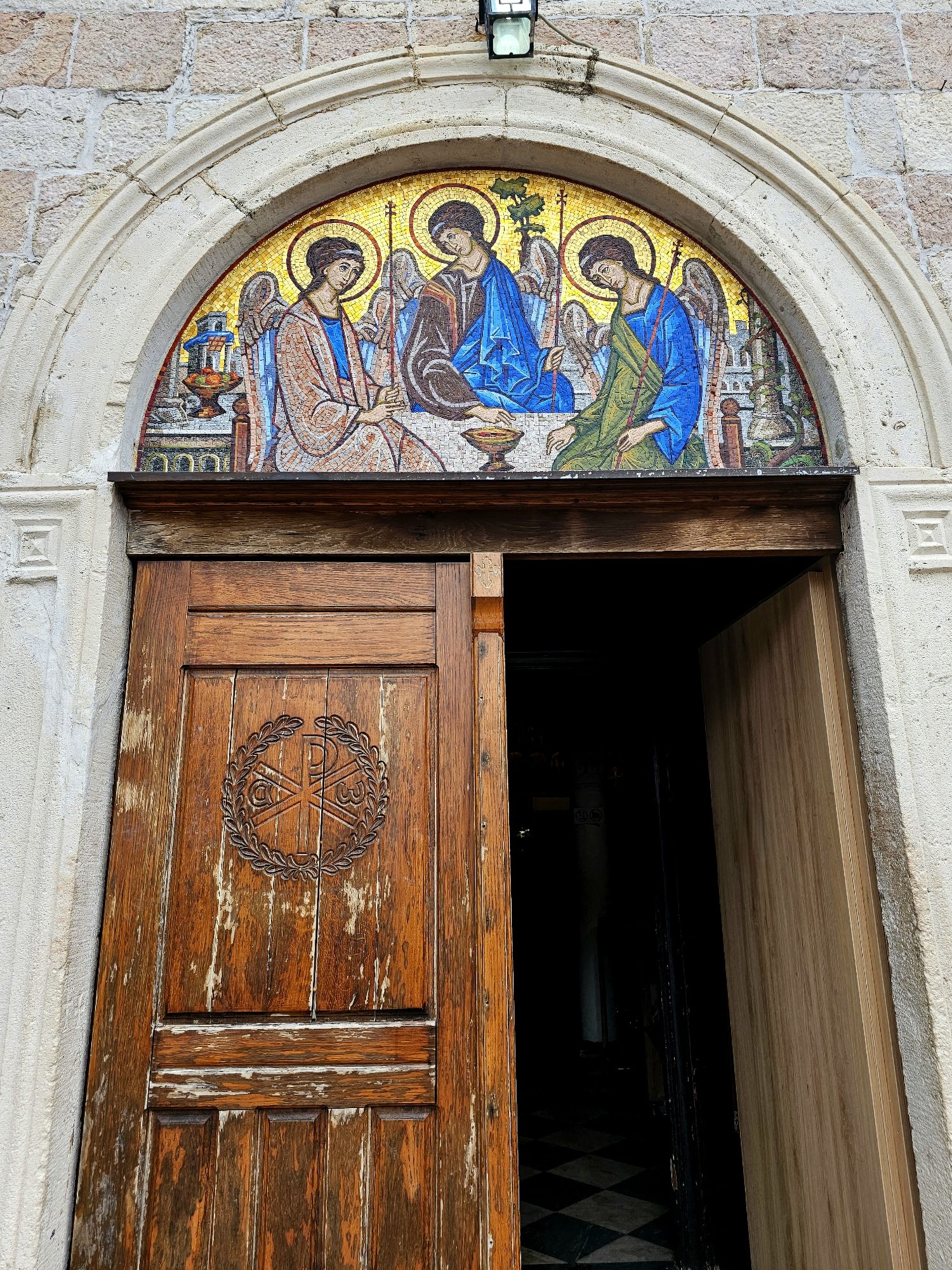
Just like in Kotor, there are many beautiful old churches found amongst the cobblestone streets. Including the Church of St John the Baptist, built in the 7th century AD, which is considered to be one of the oldest churches on the Adriatic Coast. Nearby is the Church of the Holy Trinity, a pretty pink and white stone building from the 19th century with beautiful mosaics above the door located in the Square of Salt. There are a few other churches along the seawall, including the Church of St Sabbas the Sanctified from the 12th century and the Church of Santa Maria in Punta, built in 840 AD, another one of the oldest buildings on record in Budva.
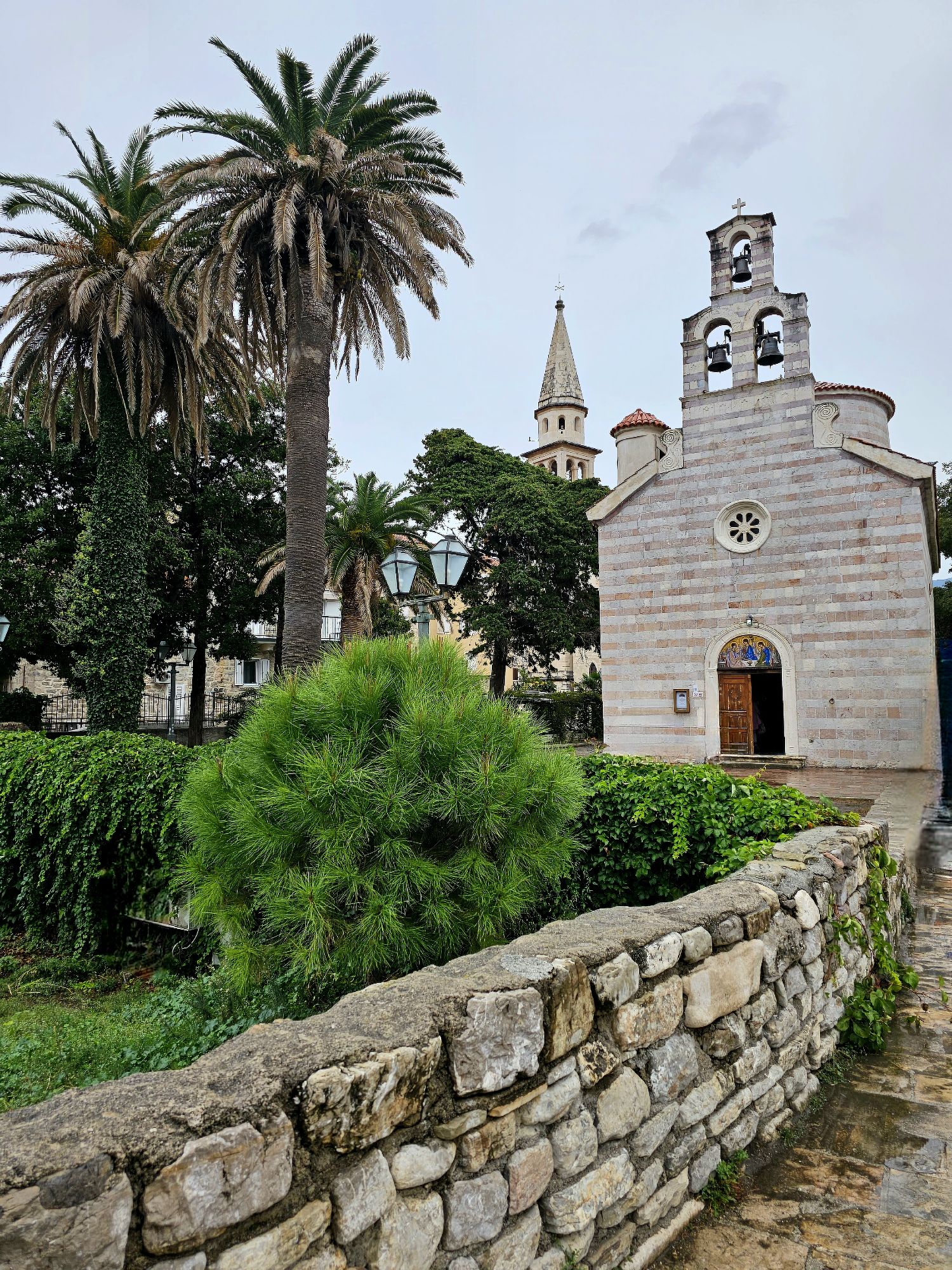
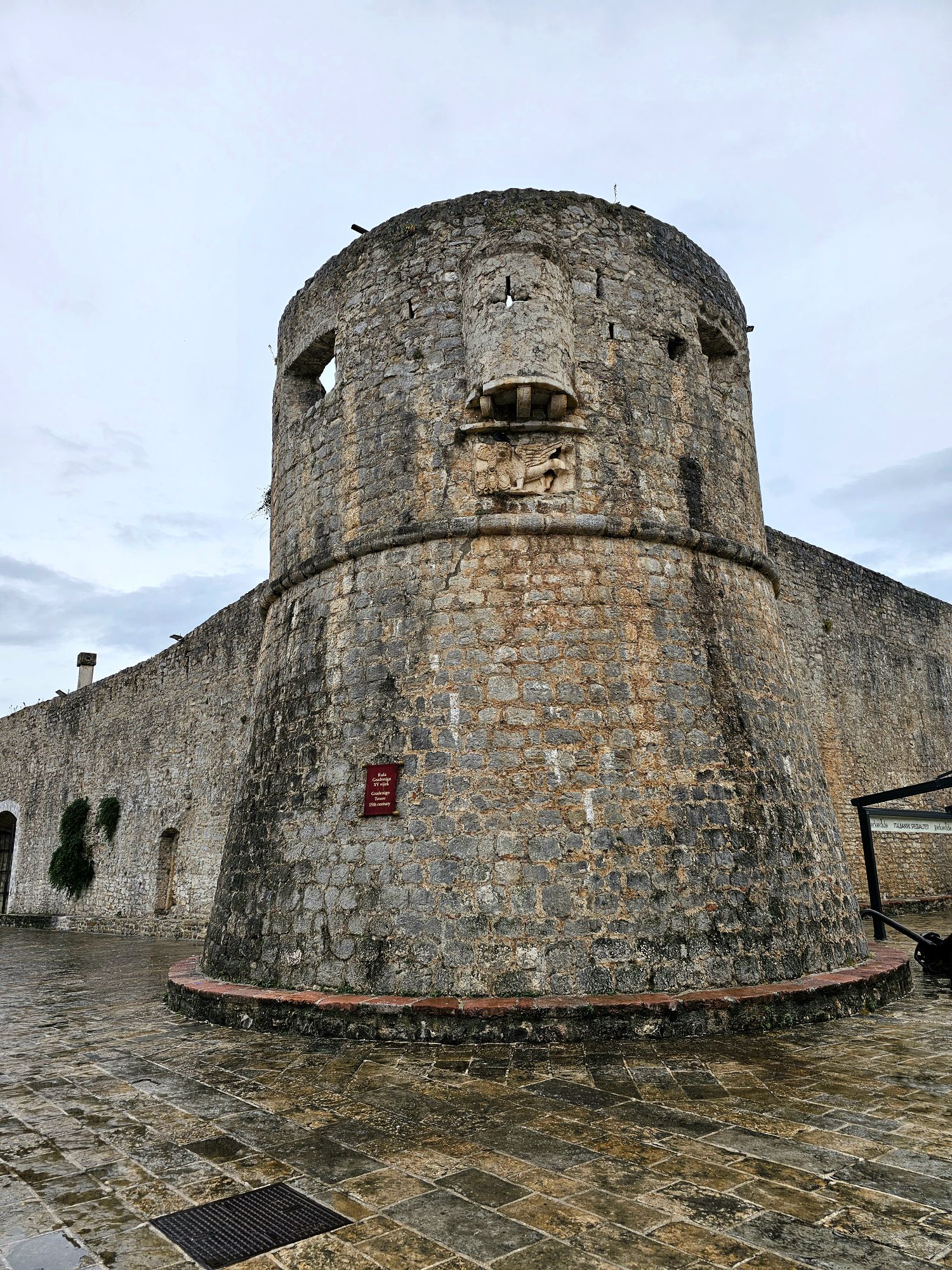
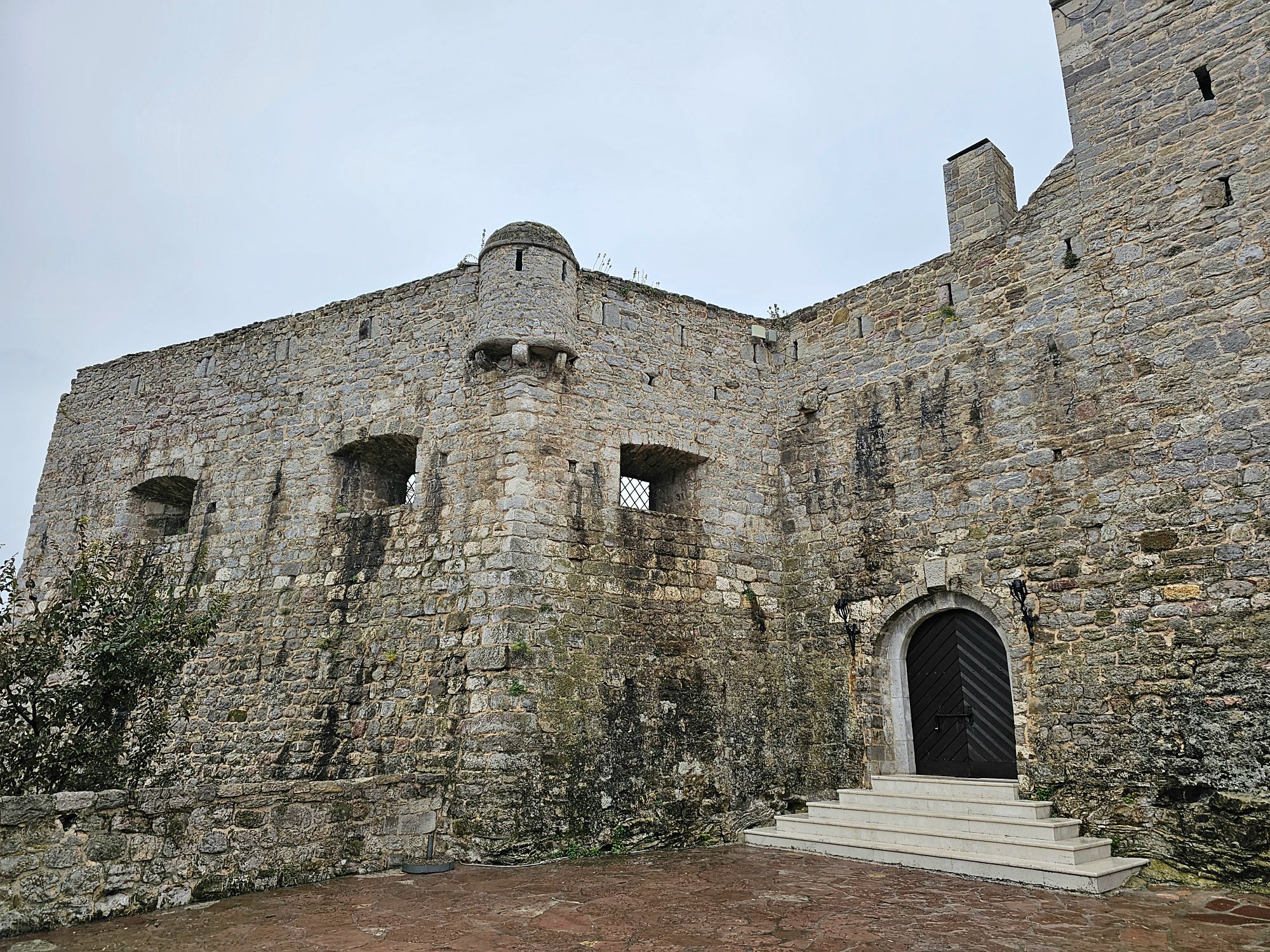
From Salt square, the walls lead to the Citadel, right along the sea. Part of it was built in 840 with the present version being built in the 19th century during the Austrian Occupation in WWII and just like in Kotor, you will find cats everywhere, including enjoying an afternoon at the beach!
After exploring Old Town, we enjoyed a delicious seafood lunch at Jadran’s by the water with a local Niksicko beer.

From there, we caught the ferry back across the Bay of Kotor, which I highly recommend as it saves time on the drive and the views are beautiful!

We booked our bus trip with Super Tours and they picked us up from our hotel in Dubrovnik and dropped us back off after a full day touring around Montenegro. As we only had one day, we opted to go this route and thoroughly enjoyed our tour, seeing some of the main highlights of Montenegro!
Categories: Blog, Europe, Photo, Where in the World | Tags: , , , , , , , , , , , , , , , , | Leave a comment

A Day in Bucharest, Romania

While in Romania, we spent most of a day exploring Bucharest, before taking the train on to the Transylvanian Region.

As I often do, especially on short stays in a new place, I joined a free walking tour to learn as much as I could in the short time I had. Our guide, Elena, took us through more than 500 years of history including Vlad the Impaler, the height of communism, the ’89 Revolution, and more as we made our way around part of the city.

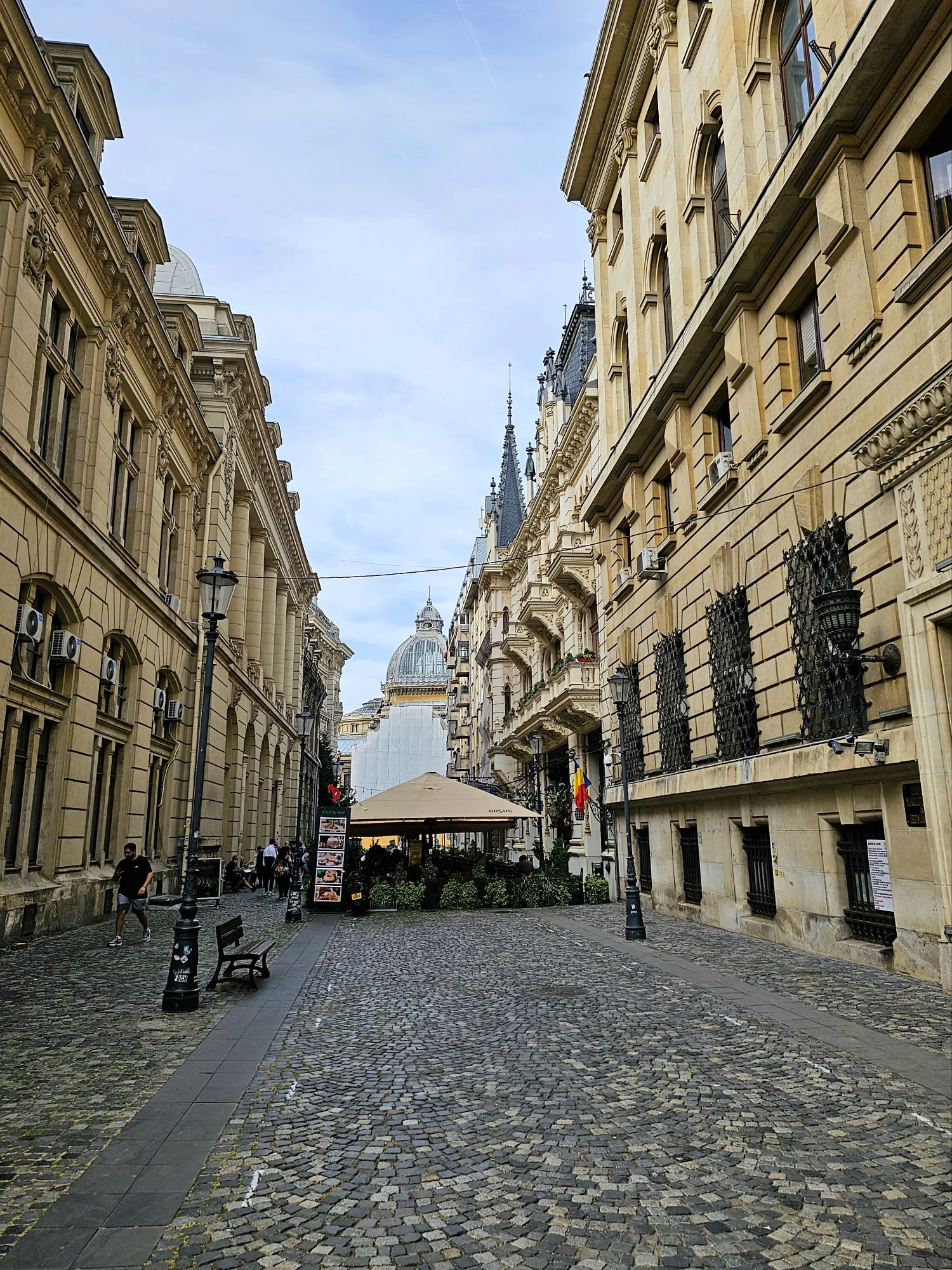
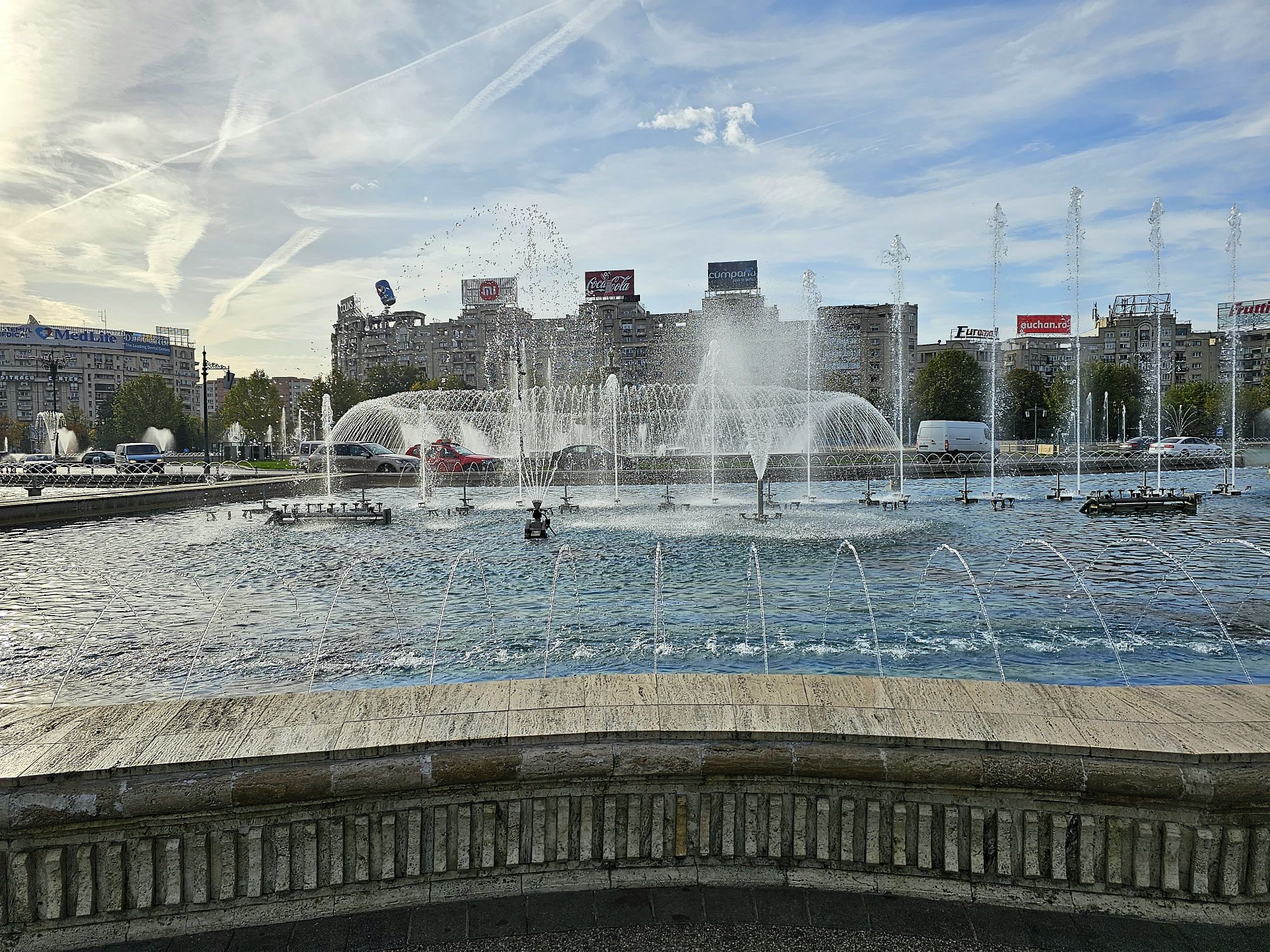
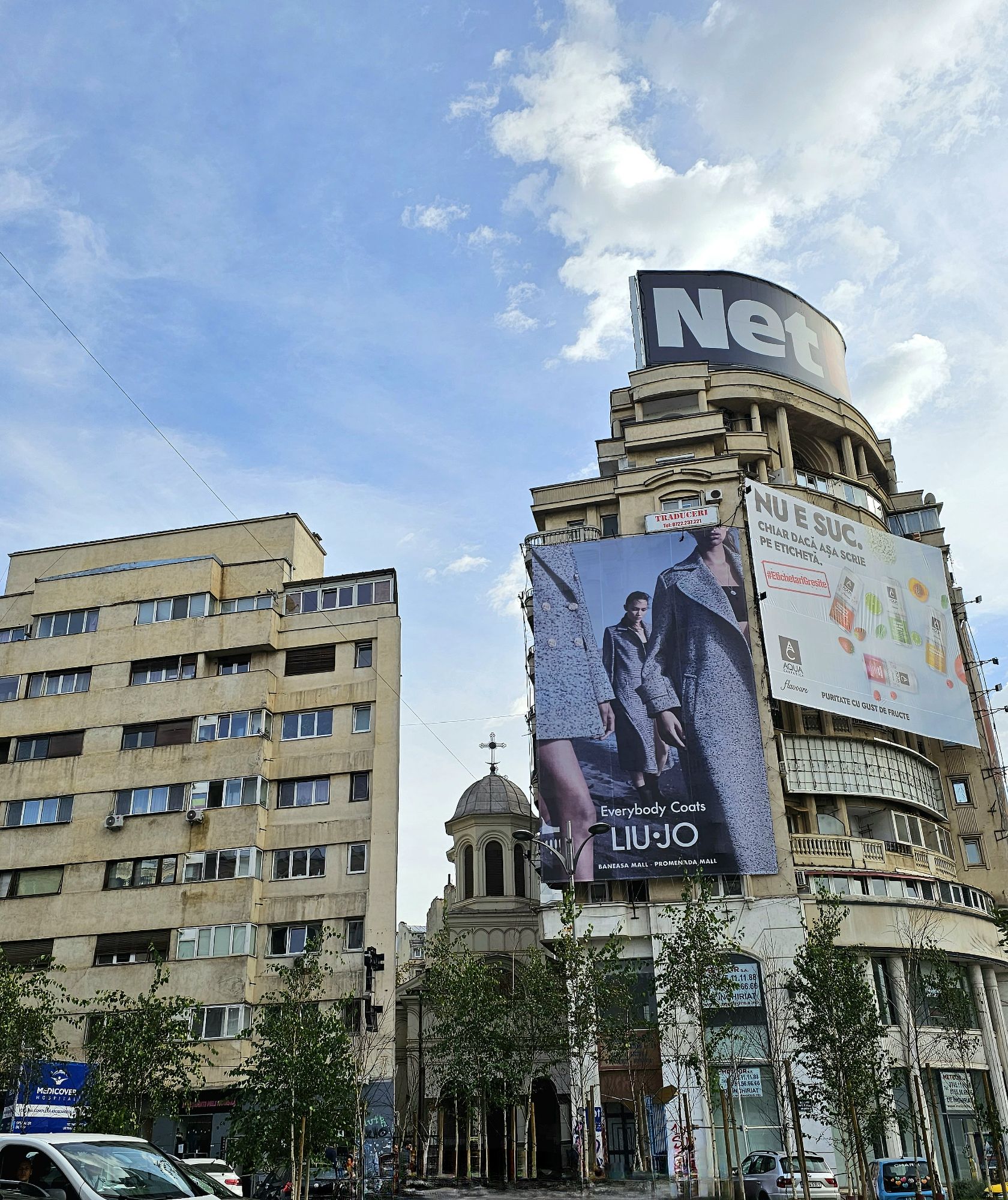
At first glance, Bucharest is not one of Europe’s beautiful old cities. However, as you begin to explore, you soon find that all the beautiful, old buildings are hidden behind the ‘Communist Curtain,’ as Elena put it. 

During the communist regime of Nicolae Ceausescu, many of the buildings that were not destroyed were hidden away. When you stand in the centre square, you see a wall of concrete buildings, but as you make your way past them, you find the city’s hidden gems. Some buildings were even moved out of the way to save them from being destroyed.

With less than a day to explore, here are some of the highlights.

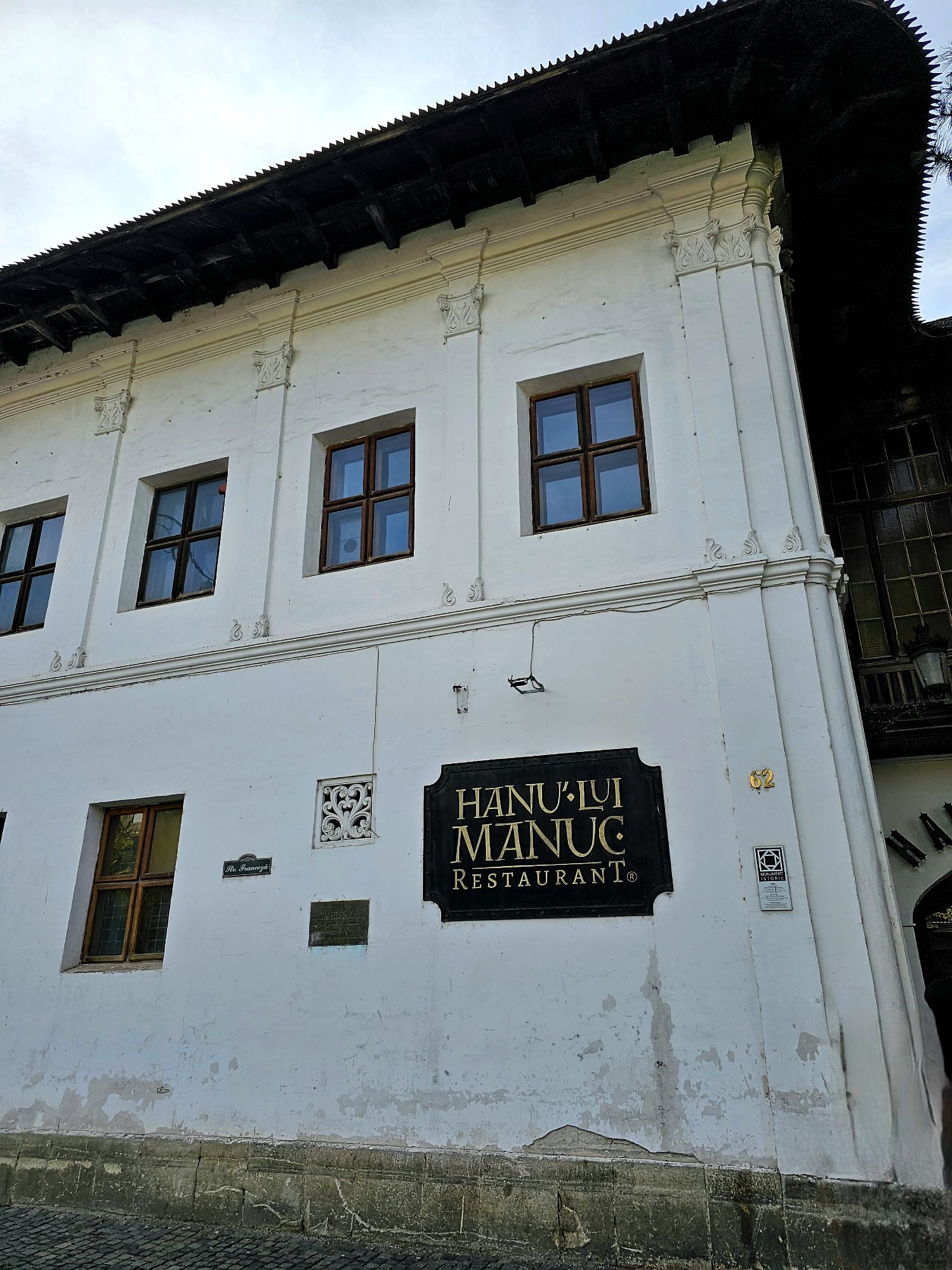
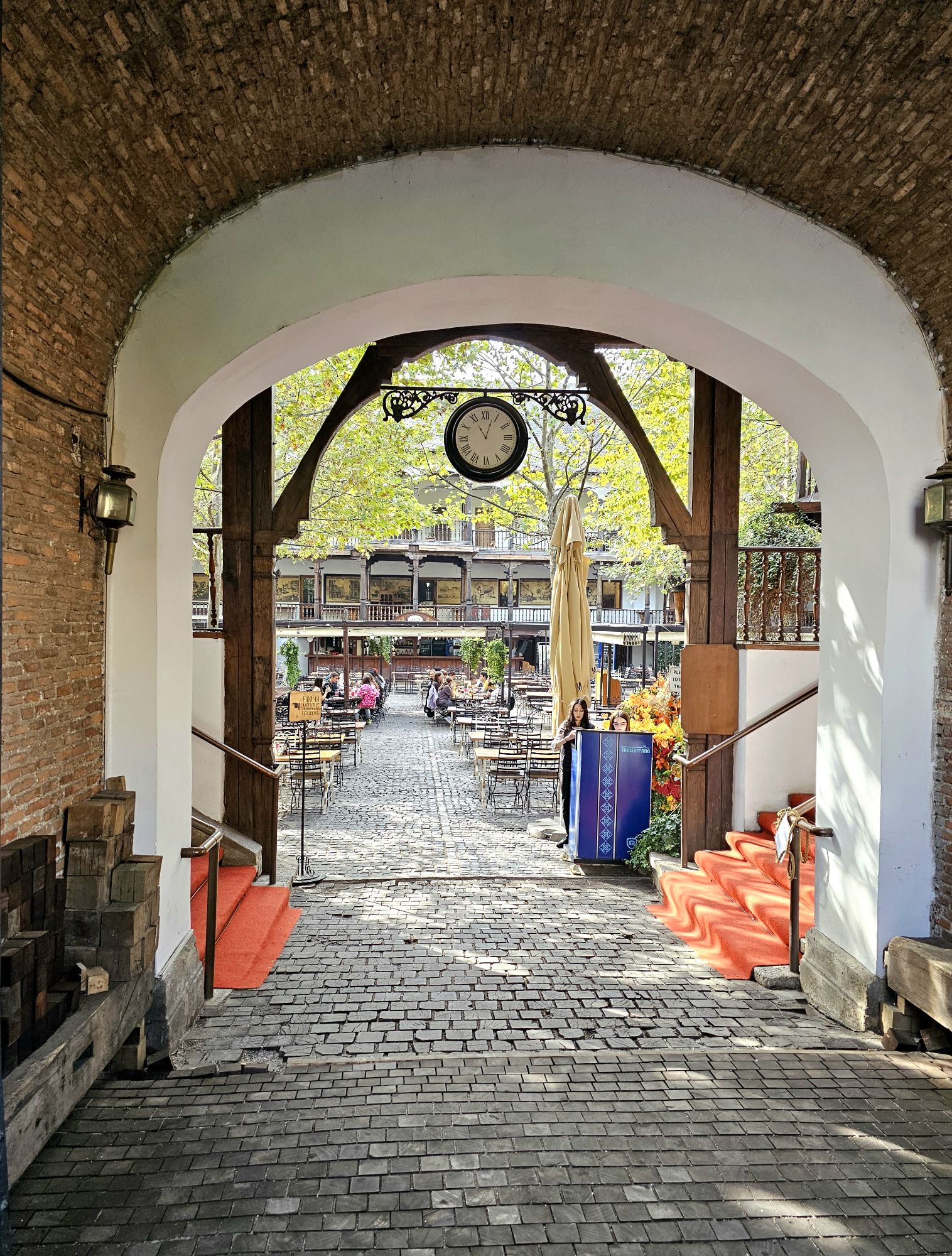
Hanul- Lui Manuc is the oldest operating hotel building in Bucharest. Inside the gates it houses a popular restaurant. This used to be a stop for travellers on their way from Vienna to Constantinople. It was built in 1808 and continues to serve traditional Romanian food.

There are still some wooden cobblestones near the entrance to the courtyard, showing what the streets used to look like. The inner courtyard used to house wagons and horses of the travellers and merchants who stayed here overnight.

Across the square is St Anthony Church, the oldest church remaining in Bucharest from 1559. It was destroyed by fires in both 1611 and 1847 and rebuilt. Inside are beautiful frescoes in the neoclassical style, painted in 1852. 

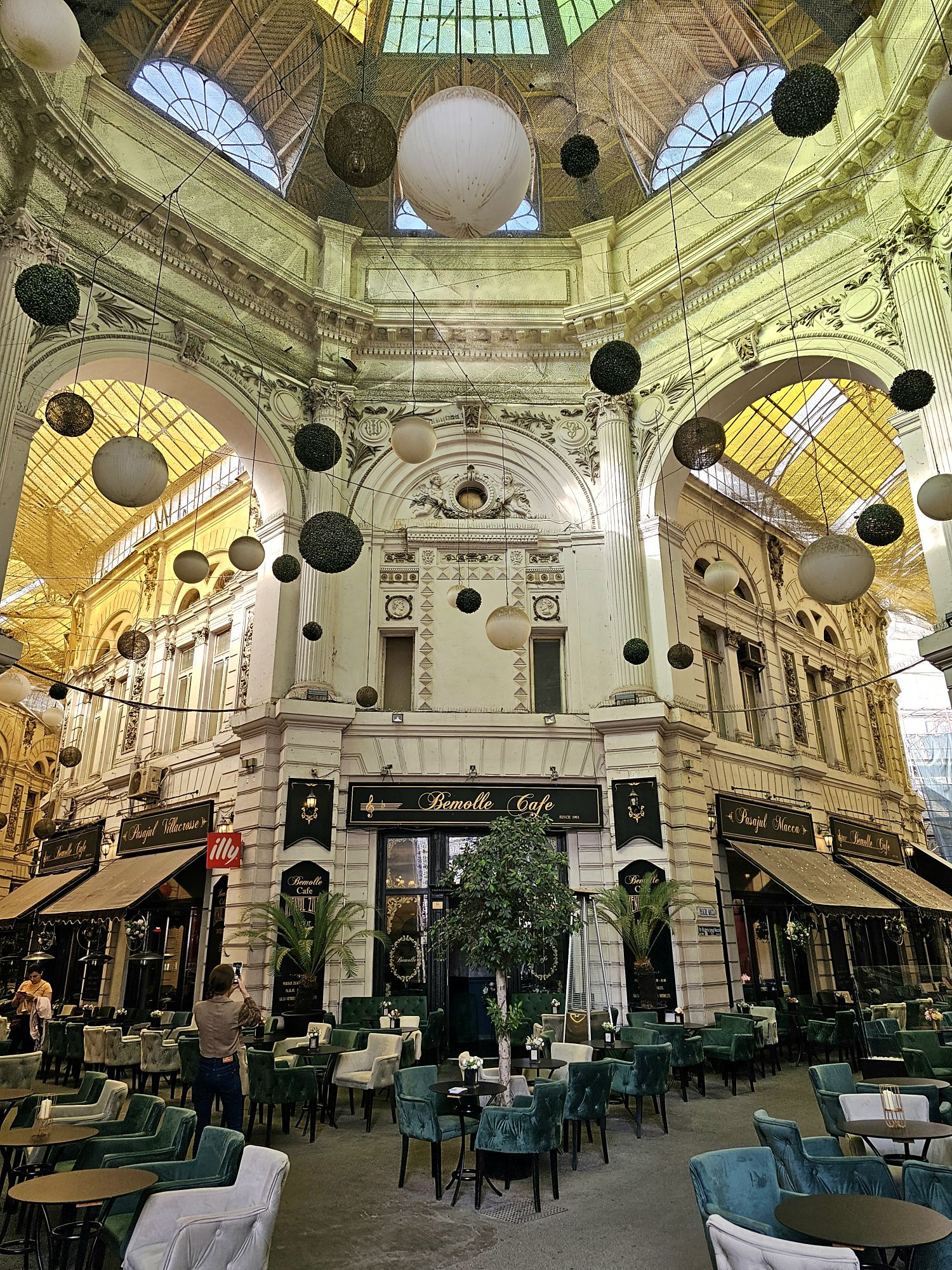
Thanks to its abundance of French-inspired architecture, Bucharest is often referred to as ‘Little Paris.’ A great example of this is the beautiful horseshoe-shaped passage in the heart of the Old Town known as Pasajul Macca-Vilacrosse, where today you will find cafes and eateries. 

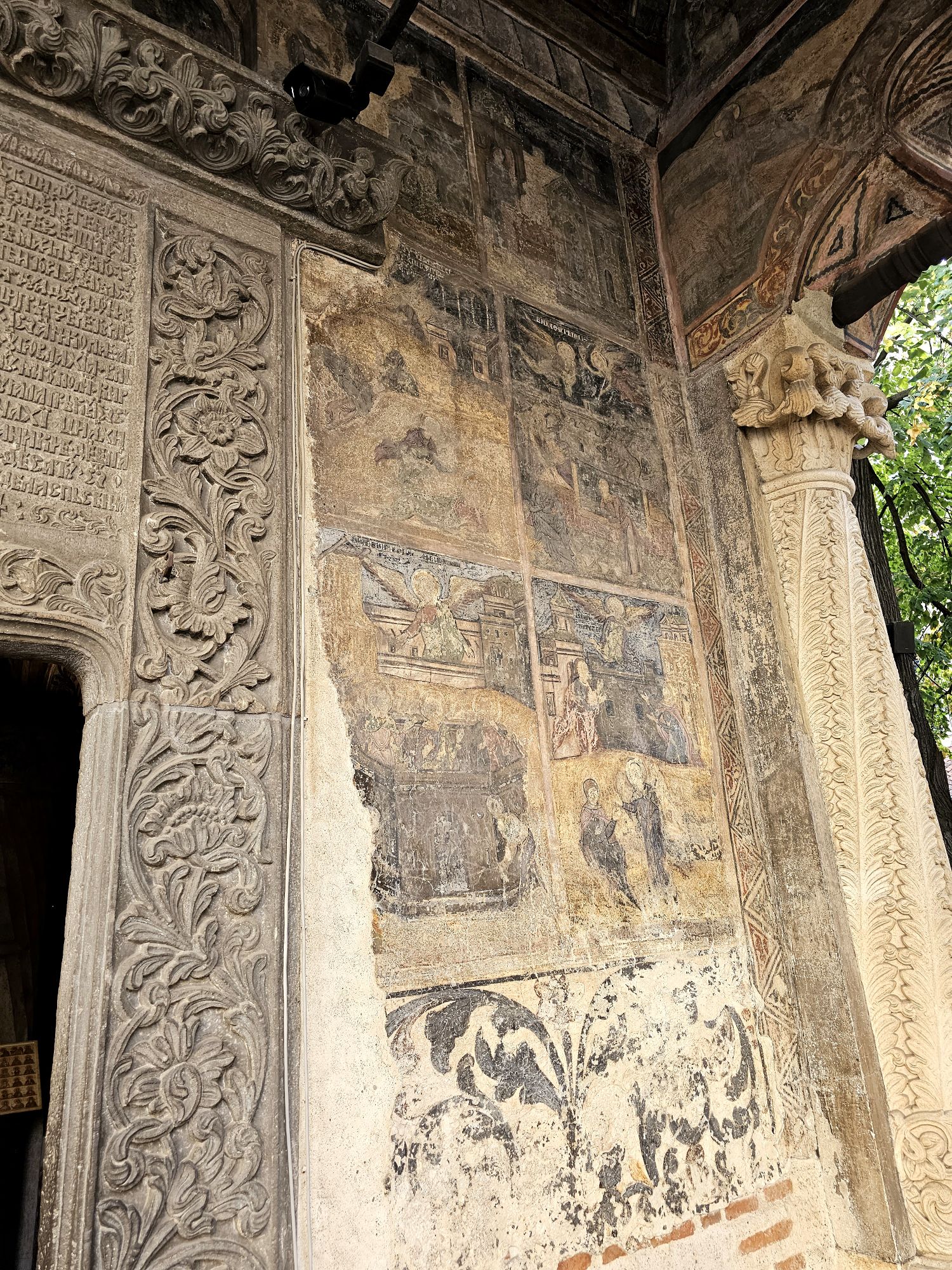
The most beautiful building, in my opinion, is the 18th-century Eastern Orthodox Church of Stavropoleos Monastery.

With its stunning architecture, ornamental motifs and paintings and secret courtyard housing cloisters behind, it’s the perfect secret spot to get away from the rest of the city and relax in silence for a little while. Definitely a must-see spot in Bucharest.

As a huge book lover, hearing there was a bookstore with six floors located in Bucharest, I had to find it. Cărturești Carusel, translated as ‘Carousel of Light,’ is situated in a restored 19th-century building in the heart of Bucharest’s Old Town.

Here, you will find well over ten thousand books and a cute cafe on the top floor. I could have easily spent hours here!
Revolution Square, near the university, is the site of the 1989 uprising that led to the end of the communist regime after Ceaușescu was captured and executed on Christmas Day.

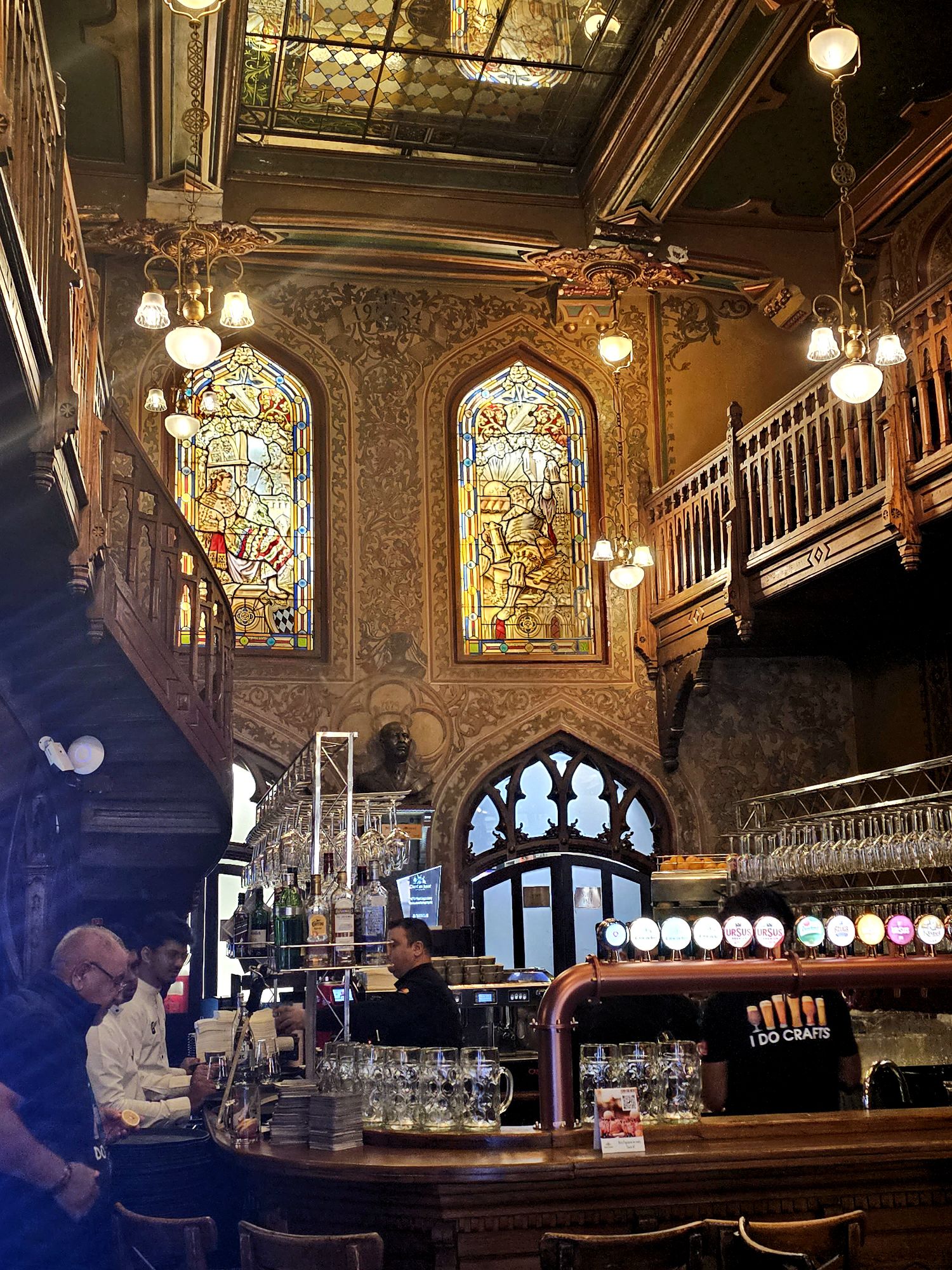
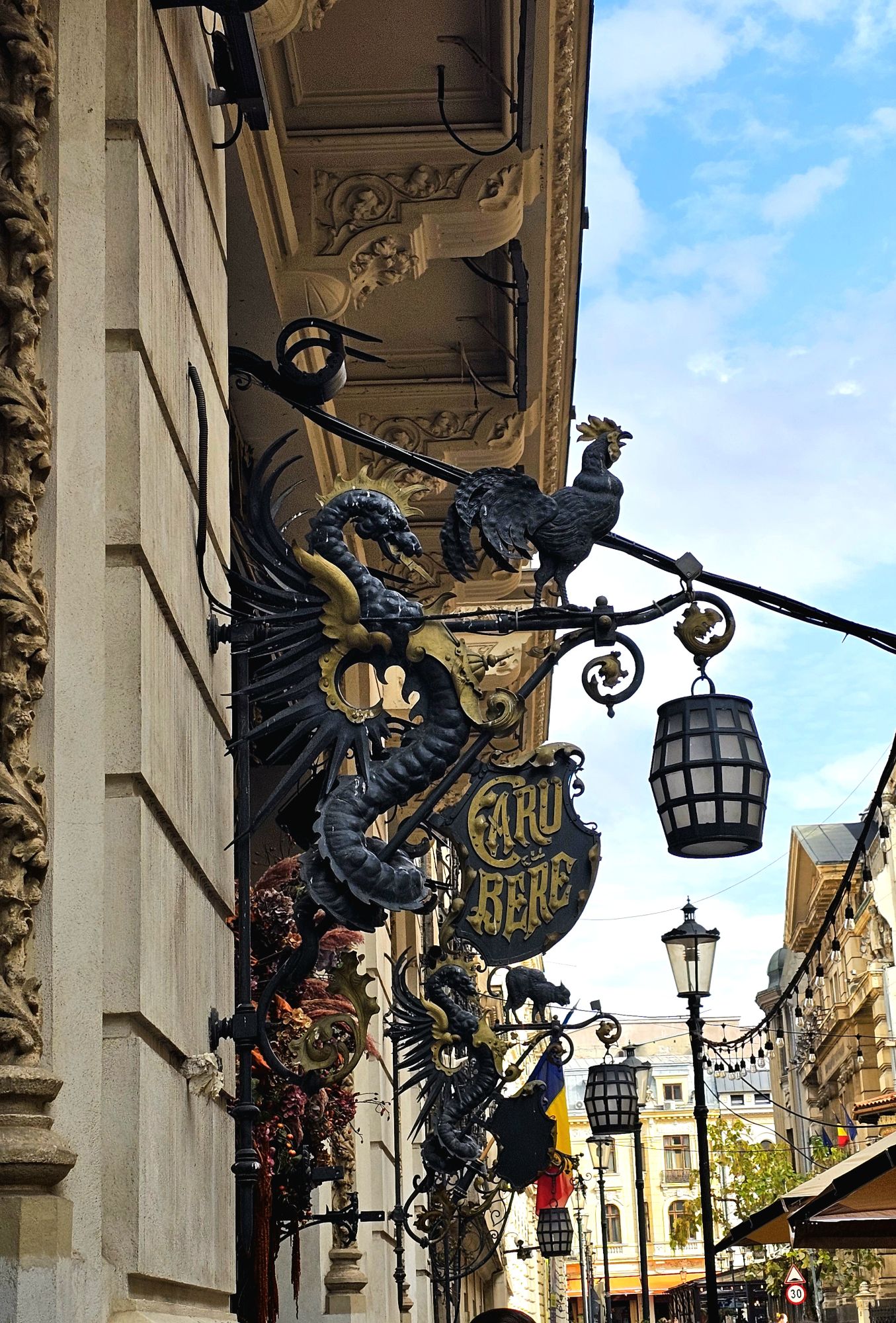
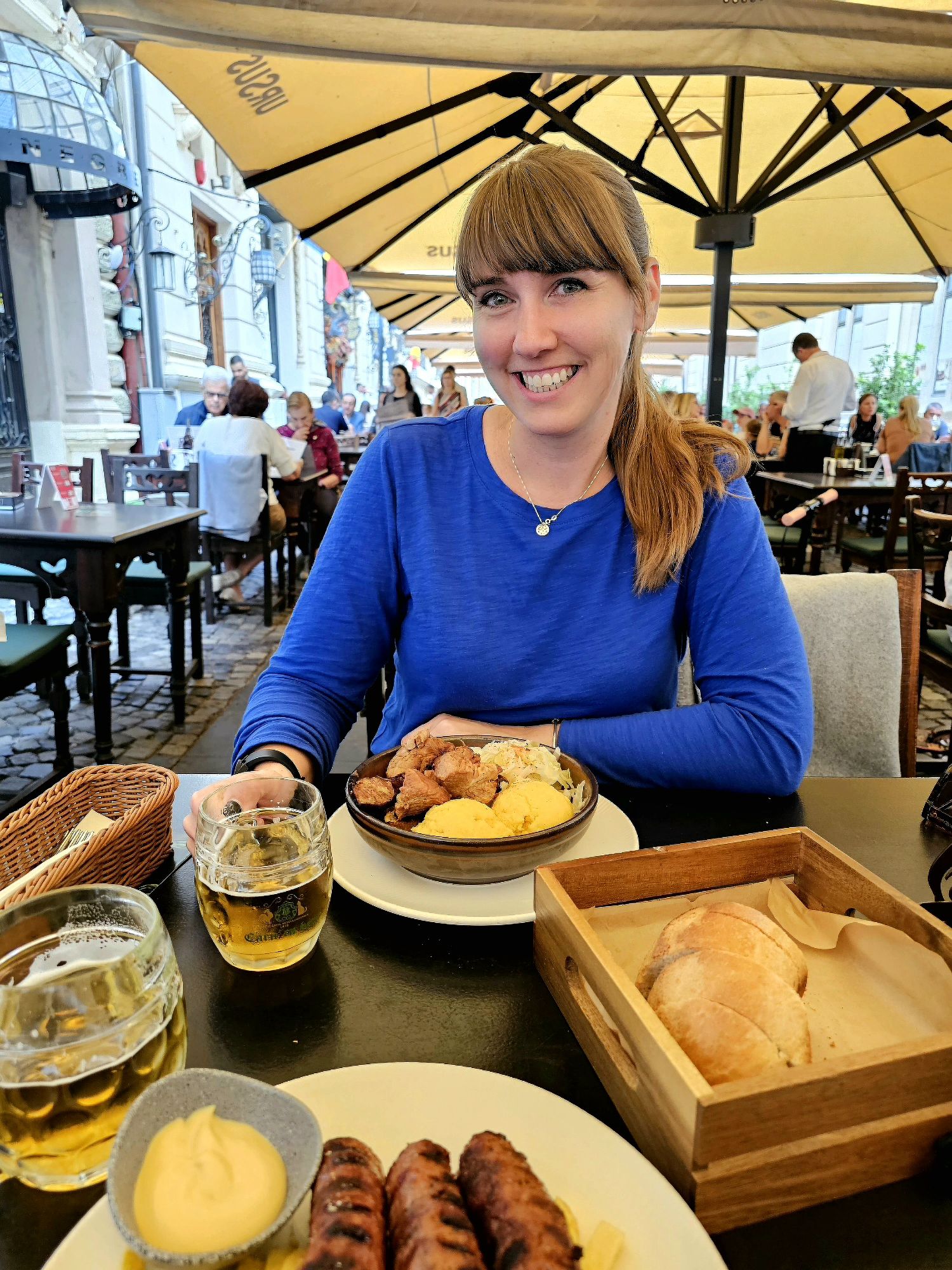
Take a break from exploring and enjoy a traditional Romanian meal at one of the oldest breweries in Bucharest, Caru’ cu bere. It began in 1879 as La Carul cu Bere(the beer wagon). At this time, the beer was brought to the brewery by horse-drawn wagons. For several years, the three Mircea brothers ran several beer houses in the area of the Villacros Passage, until one started construction of the Caru’ cu bere building in 1899.

The famous restaurant and brewery still stands there today. This gorgeous neo-gothic style building is filled with stained glass, paintings, mosaics, and carved panels on the inside, as well as a great bar area. There is also a nice patio and traditional live music and dance can be enjoyed most days.

We enjoyed a pint of the beer made here and some traditional dishes, including Papanași (traditional Romanian fried doughnuts made with cottage cheese and topped with smetana and jam). So good!

We needed a few more hours here to make it to the Palace of the Parliament and the Roman Athenaeum, but we had a train to catch to Brasov, so we spent the last bit of time wandering around the beautiful streets of Old Town Bucharest before heading out.

Info

  • Train from Bucharest Henri Coandă International Airport to Bucharesti Nord Station 5 RON 20-25 mins
  •  Subway system is convenient and easy to navigate. 2-ride ticket is 6 RON
Categories: Blog, Europe, Photo, Where in the World | Tags: , , , , , , , , , , , , | Leave a comment

Exploring Dracula’s Castle

“Once again…welcome to my house. Come freely. Go safely; and leave something of the happiness you bring.”
― Bram Stoker, Dracula

As we are well into spooky season, this year’s Halloween trip is to a place I have been dying to visit for years.

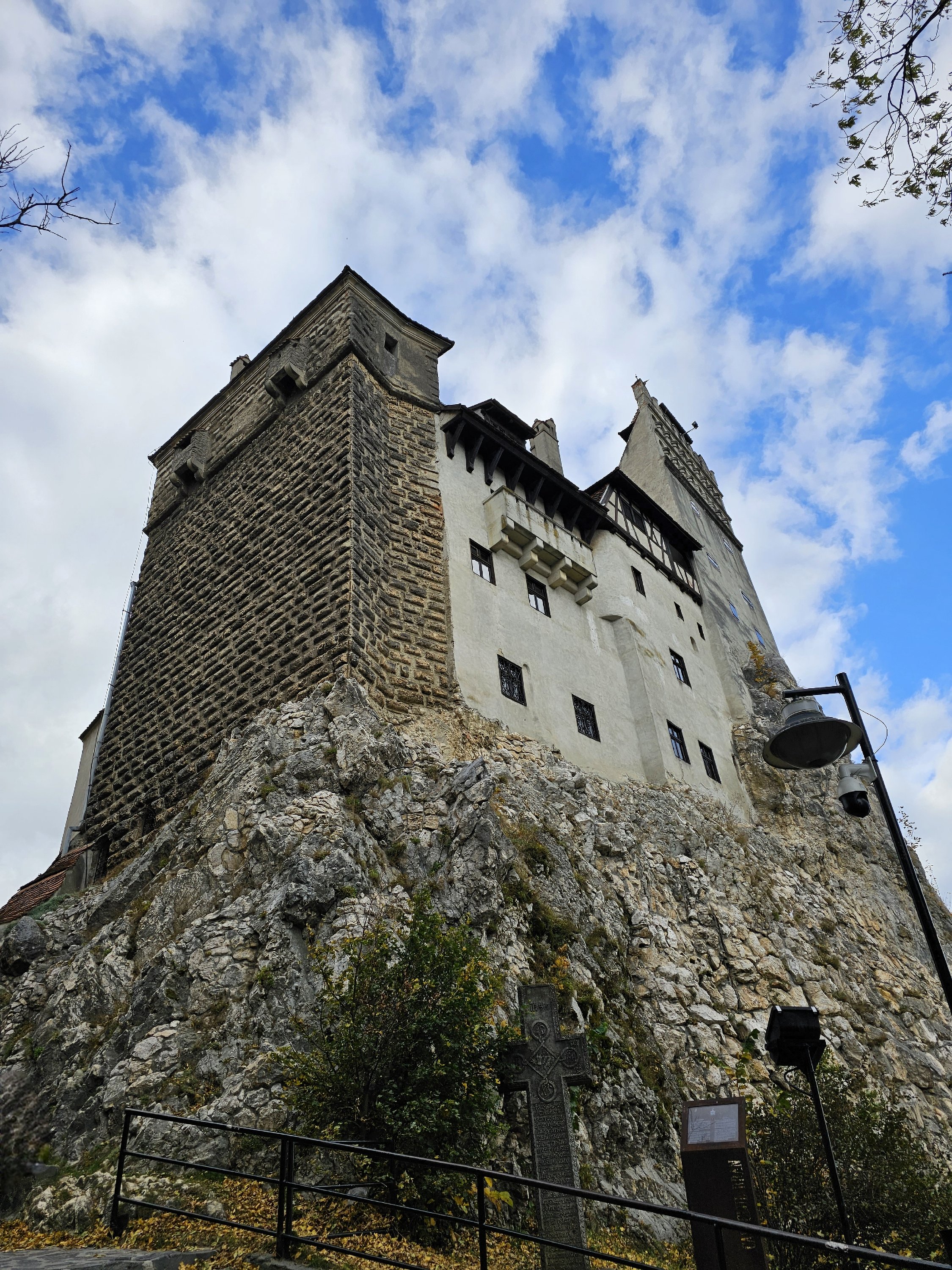
The Transylvania region of Romania instantly makes me think of a mysterious land of bloodthirsty vampires and spooky Halloween scenes with a lonely, medieval castle perched high atop a rocky cliff.

While many of these images come from watching movies about vampires…or the animated ‘Transylvania’ films, this region of Romania is still the perfect spot to visit around Halloween!

And while the whole region has a history of spooky myths and legends, for me, there was one particular spot that made visiting Romania a must: Bran Castle.

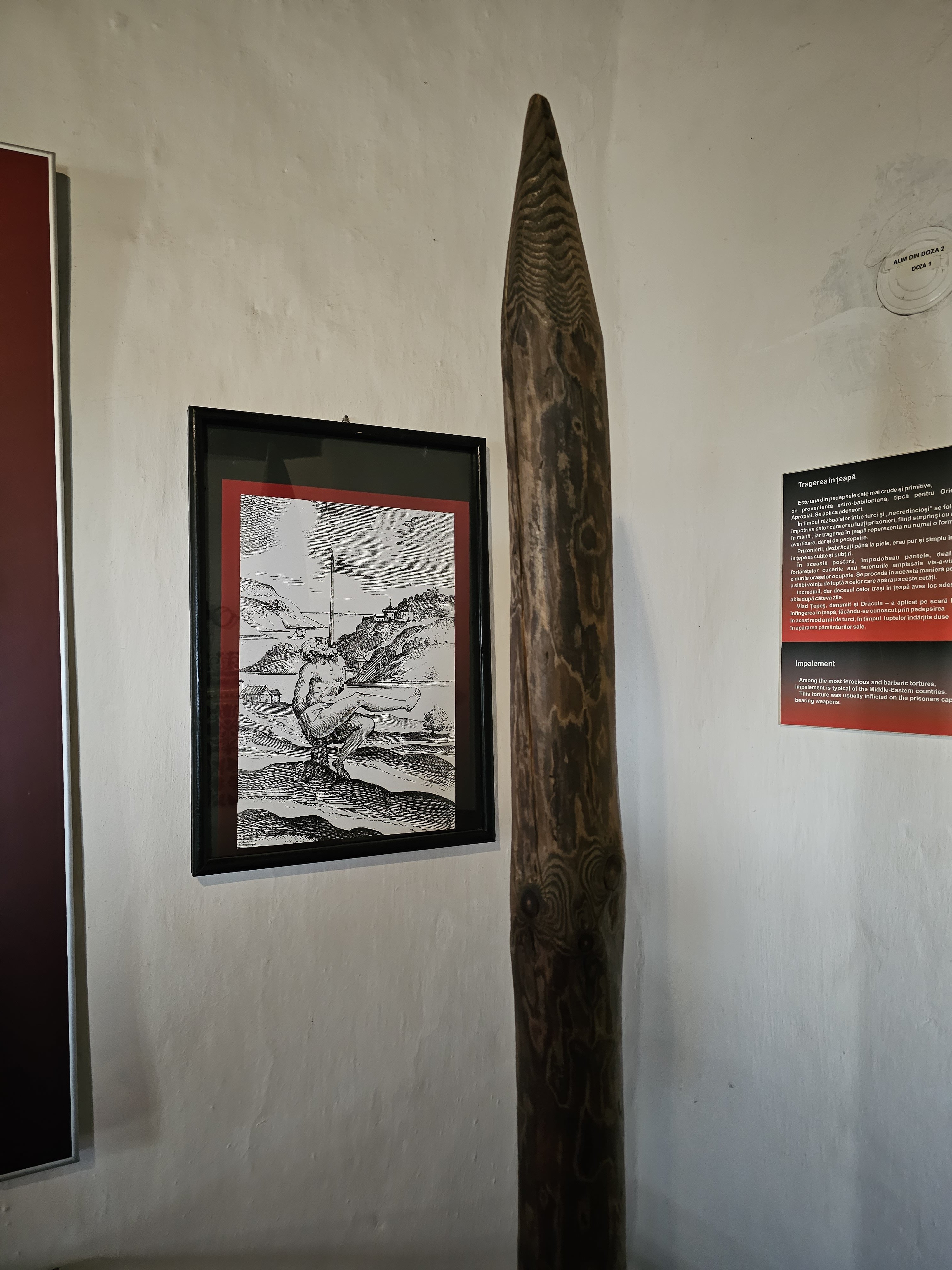
It’s easy to see why Bram Stoker decided to set his 1897 vampire novel, Dracula, here. Although the author never visited Bran Castle, the novel was inspired by superstition and some real-life exploits of the 15th-century Wallachian nobleman, Vlad Dracul III, who was also known as Vlad Ţepeş (the Impaler) as it was said that Vlad liked to impale his enemies on long spikes, leaving them to die in the field. While maybe not a vampire…Vlad definitely left a bloody wake.

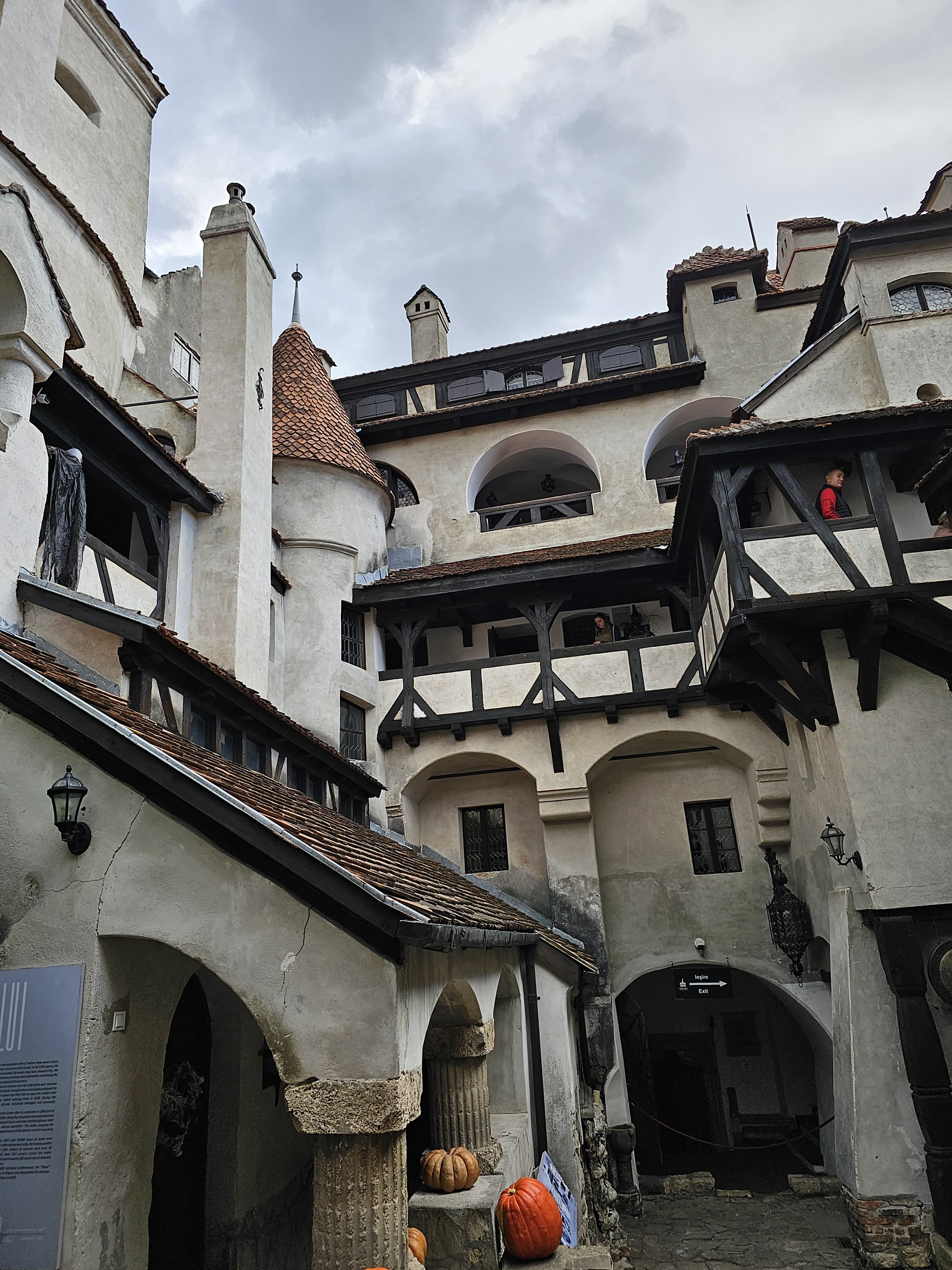
Perched high on a rocky hill with rust-coloured towers, Bran Castle looks just like you’d hope a medieval vampire castle would look.

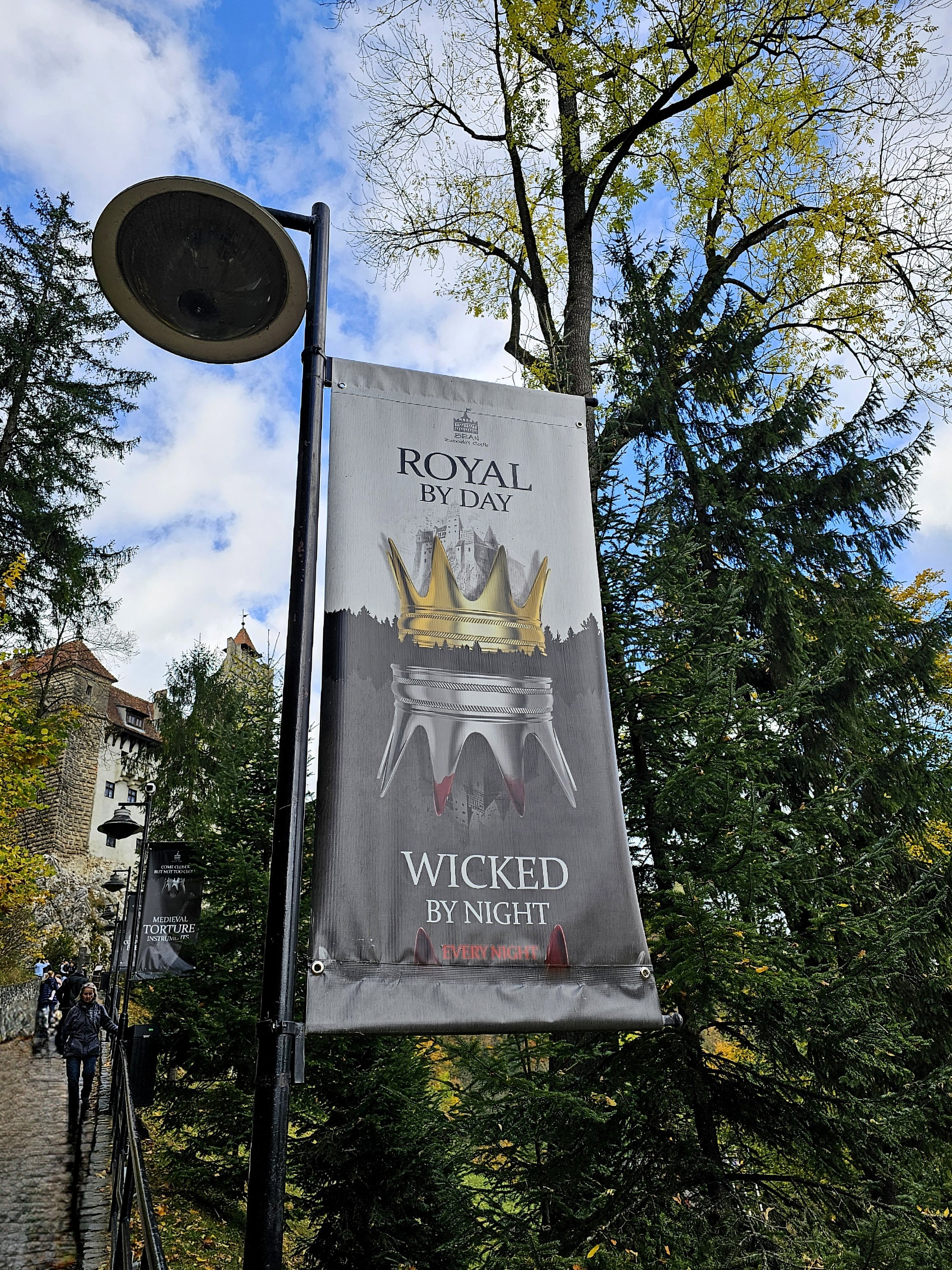
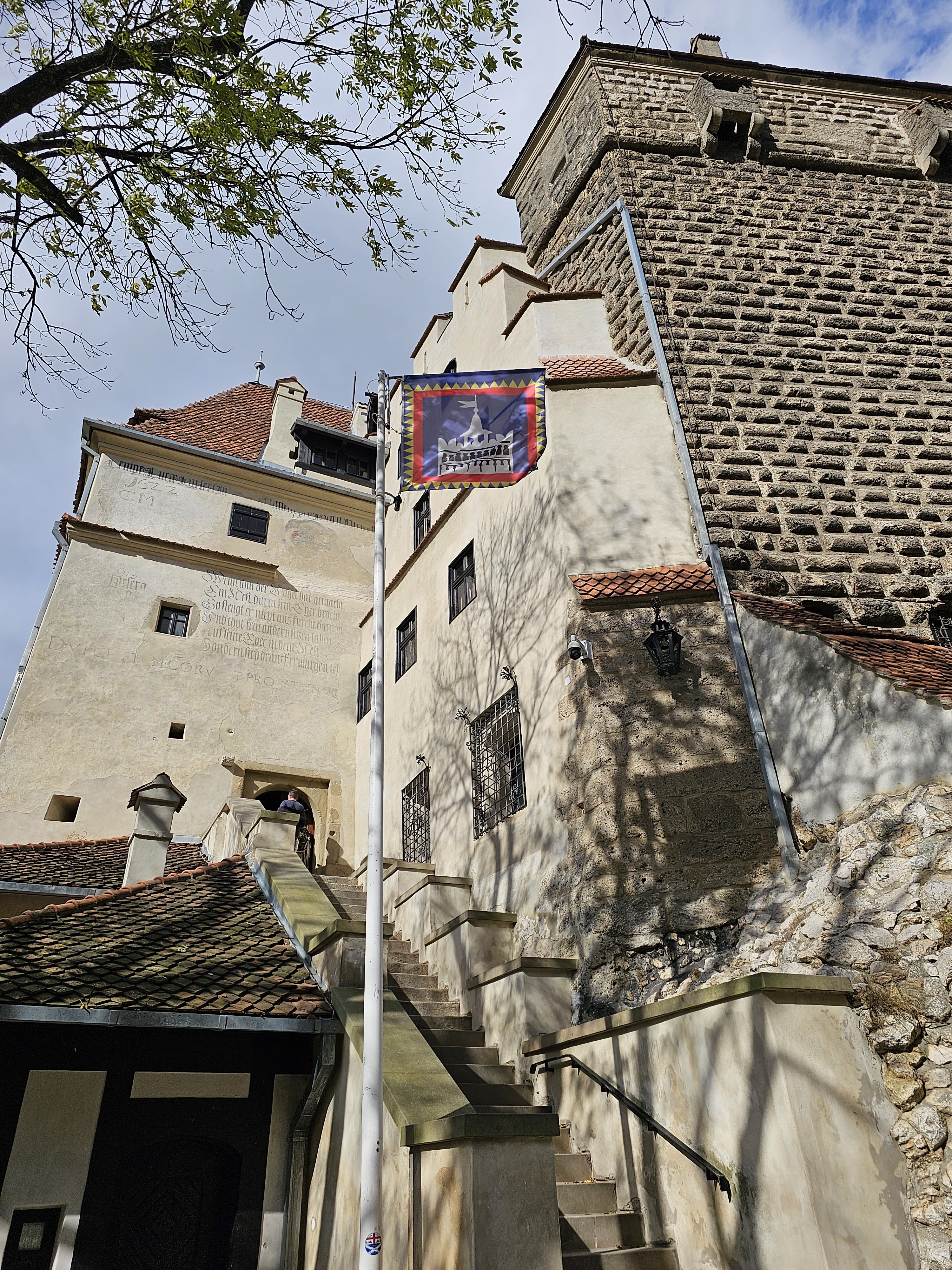
As we climbed up the cobblestone path leading to the castle, there were flags stating ‘Royal by Day. Wicked by Night,’ and looking out over the land where Vlad the Impaler once impaled over 20,000 people, you can easily imagine some angry spooks haunting this place.

Upon entering the castle, you get a brief history of the place.

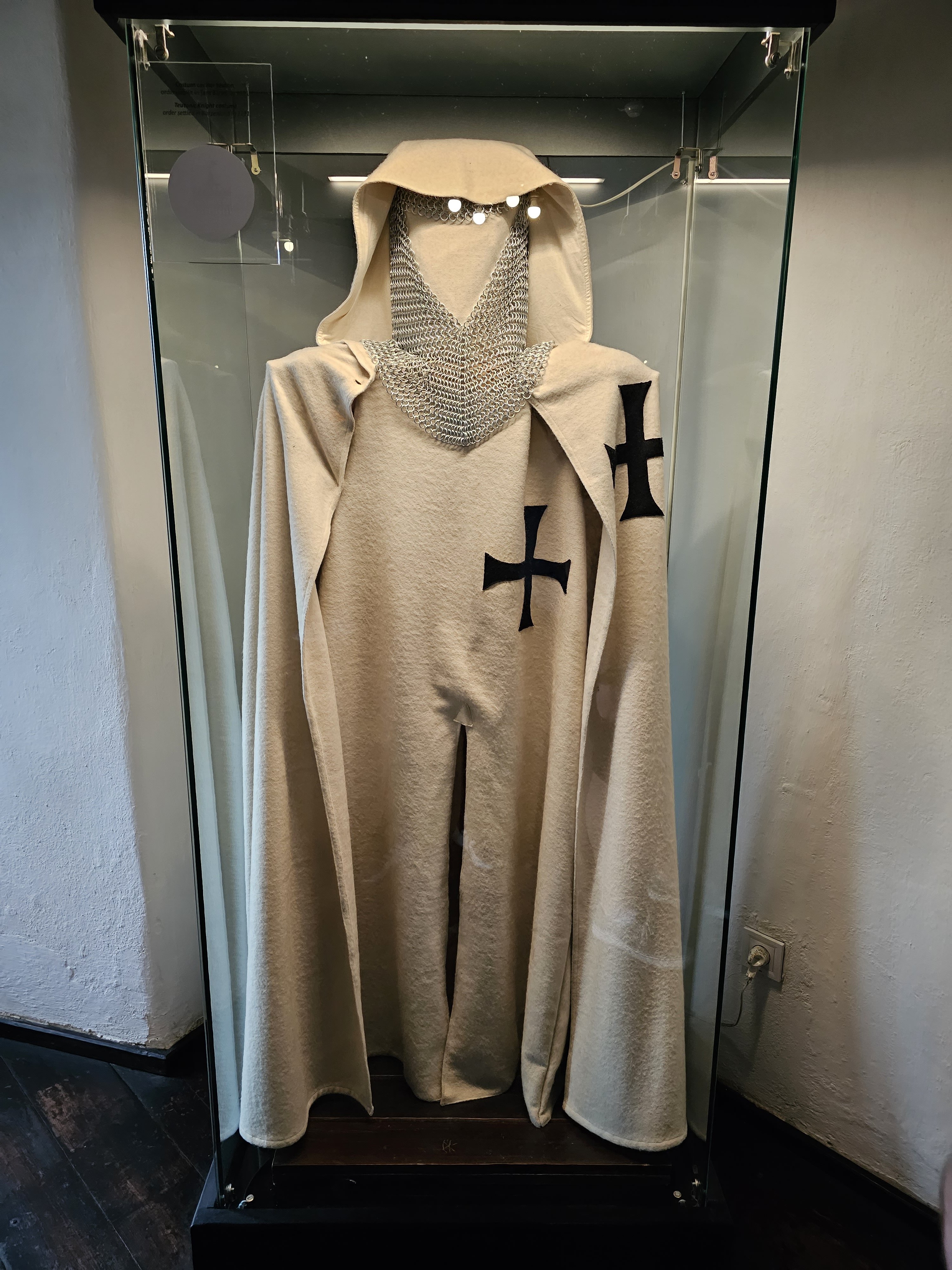
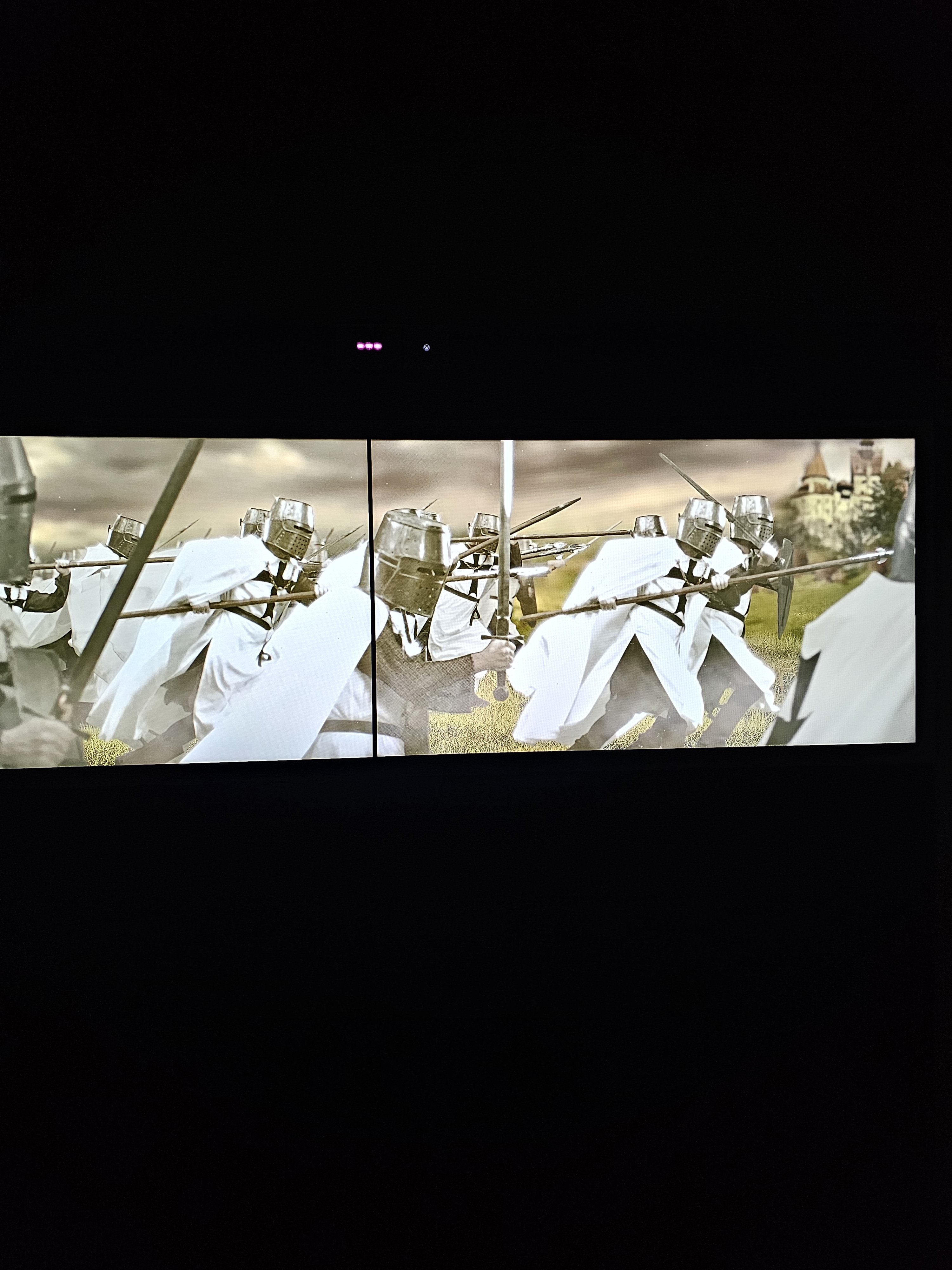
The first residents on this site were the Teutonic Knights, who constructed a wooden fortress in the early 1200s.

Bran Castle was built in 1377, when Hungarian King Louis the Great granted the people of Brasov the privilege of building a castle. It was completed in 1388. The lord of the castle was elected by the King, usually from among the Saxons. This role was increasingly important in the history of Transylvania. 

While Vlad the Impaler never lived in Bran Castle (his castle is now in ruins, located in the Principality of Wallachia), he was allied with Bran and Brasov during his first reign beginning in 1448 and into his next reign, where he was requested to handle the anti-Ottoman resistance at the border. Then, during his second reign, he changed sides and his army passed through Bran in early 1459 to attack Brasov, in order to settle a conflict between Wallachia and the Saxons. He wasn’t much of a negotiator and burned the city’s suburbs to the ground, murdering hundreds of Saxons from Transylvania. During his reign, to many Romanians he was seen as a hero for protecting them and fighting for Romanian independence.

The castle continued to change hands and fell into disrepair and was restored numerous times over the years.

In 1918, Transylvania became part of Greater Romania, and in 1920, the citizens offered the castle to Queen Marie of Romania, who was beloved. The castle became a favourite residence of the Queen, who restored and arranged it to be used as a residence for the royal family. When Queen Marie died on July 18, 1938, Bran Castle was bequeathed to her favourite daughter, Princess Ileana.

In 1948, Princess Ileana and her family were forced to leave the country by the newly installed communist regime. During these years, the castle was turned into a museum. Then, in 1987, restoration began again and in 1993, the castle was reopened as a museum.

In 2006, after years of legal proceedings, the castle was legally returned to the heirs of Princess Ileana of Romania and Archduke Anton of Austria. 

Today, it continues to be a leading tourist attraction in Transylvania and one I couldn’t wait to check out!

After learning a bit about the castle’s past, you head through the narrow corridors and steep, winding staircases to explore the castle as Queen Marie had it.

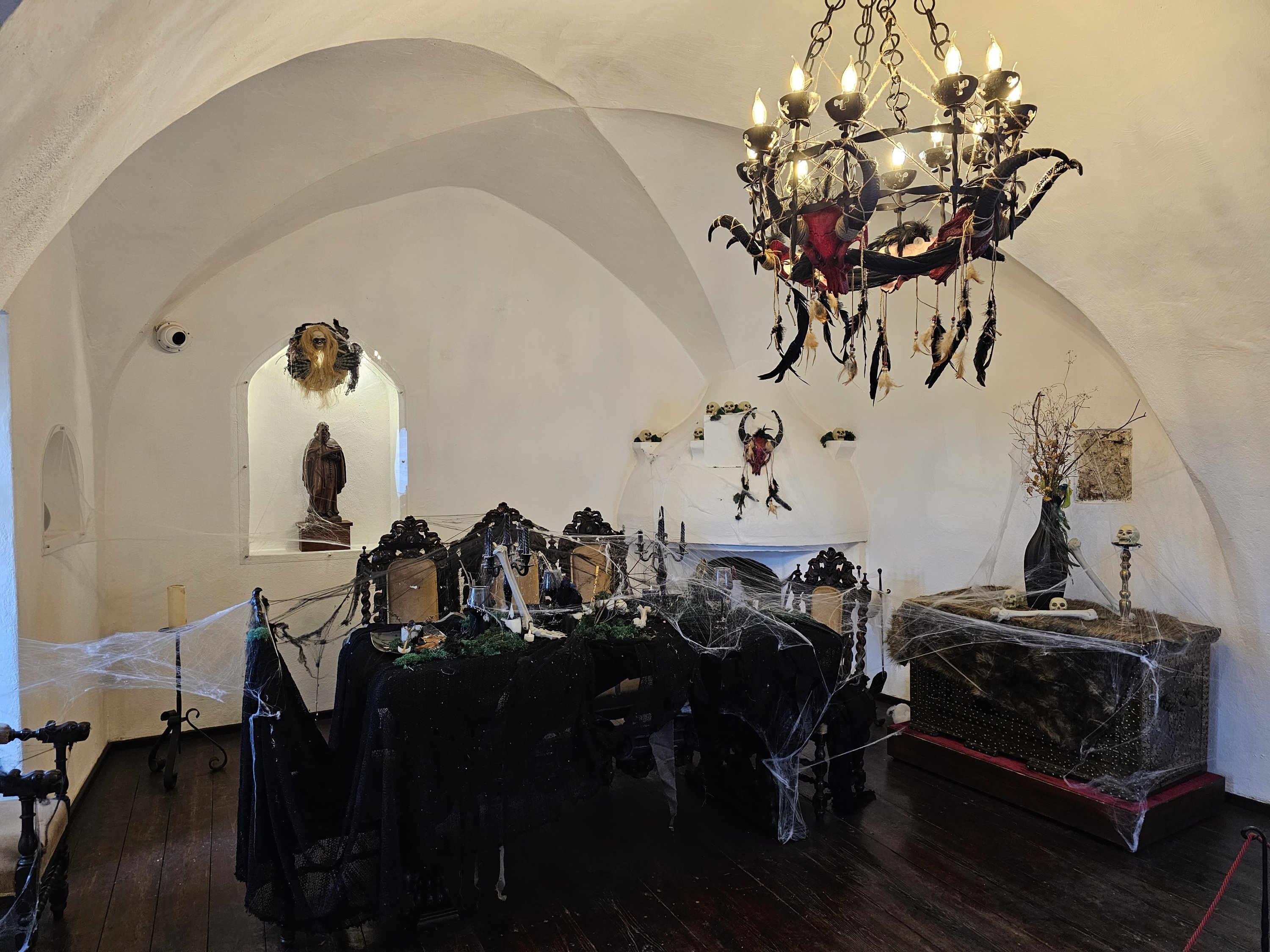
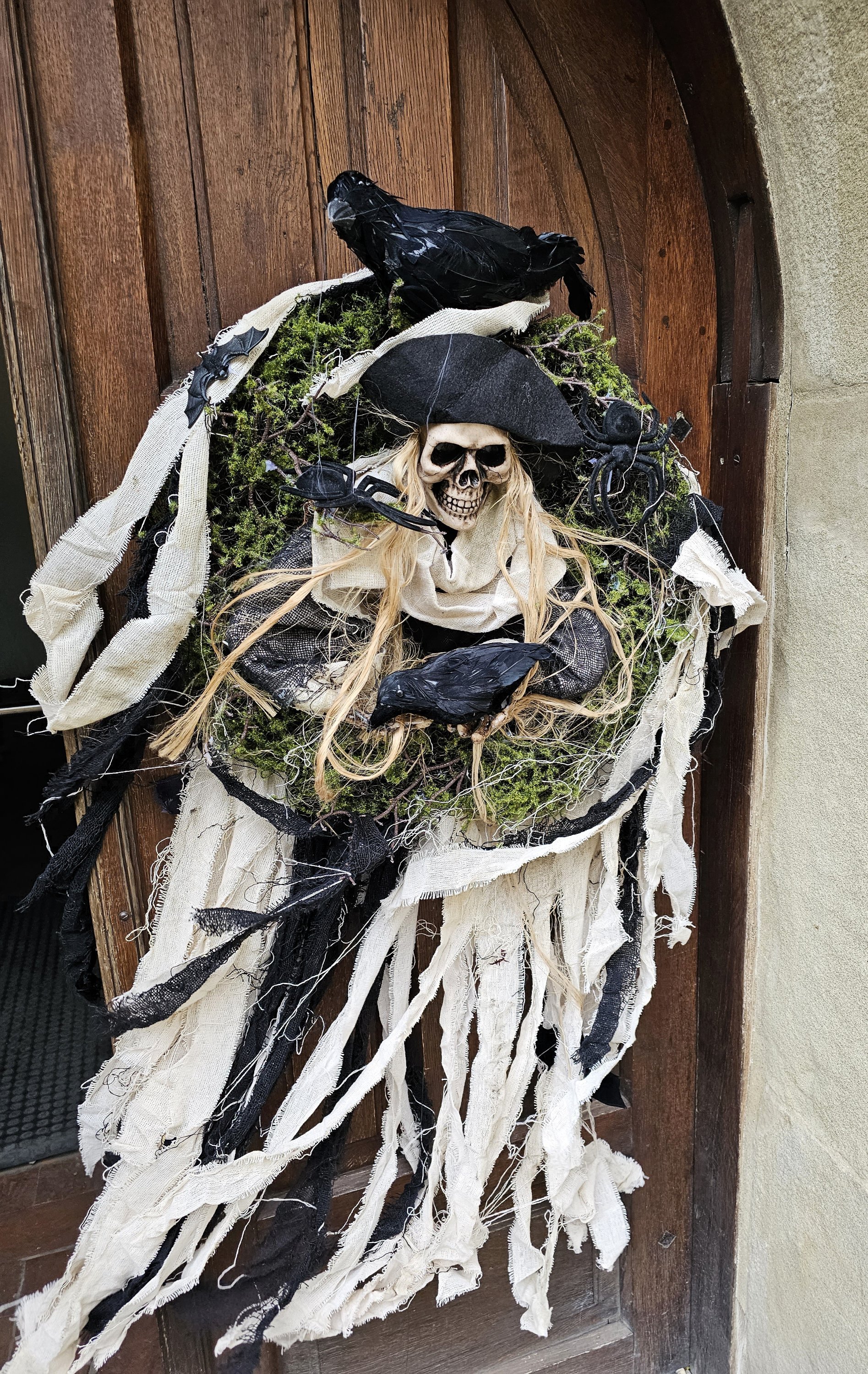
Although, this time of year, there was also a Halloween twist to the decor as they were preparing for the huge Halloween party that takes place here at the end of October. While it changed the regal feel, the whole reason we were here was to explore “Dracula’s Castle,” so the Halloween decor just added to the experience for me. (If, for some reason, Halloween is not your thing, I wouldn’t recommend visiting Bran Castle in late October!!)

Step inside both Queen Marie’s and King King Ferdinand I’s bedrooms, both filled with beautiful old pieces.

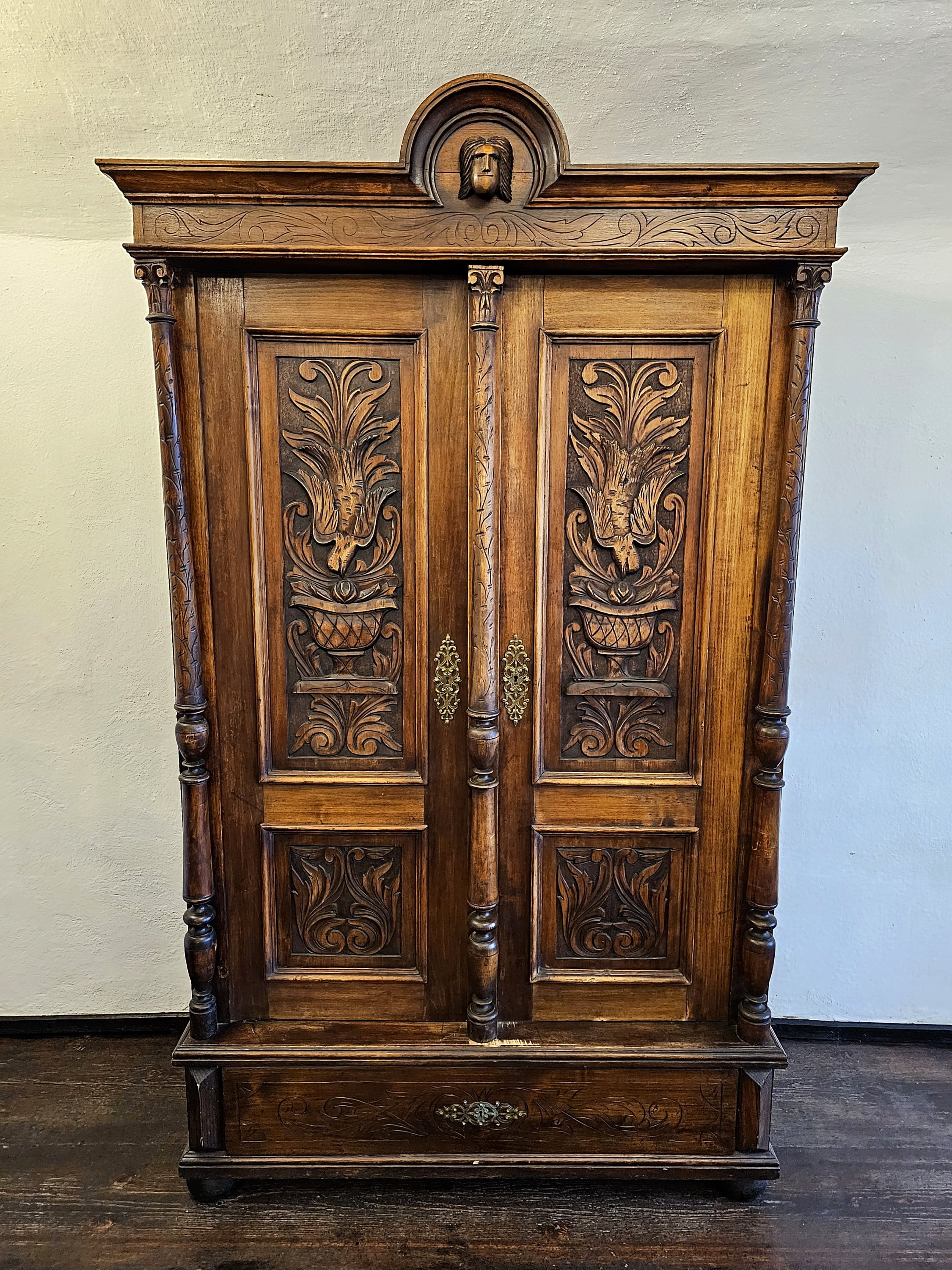
The ornately carved wooden furniture, high arched ceilings, and decor throughout the castle felt like stepping back in time.

The music room, complete with shelves of old books, a big fireplace, and lots of nooks perfect for reading, is where I’d want to spend my time.

From here, you can head towards the balcony where you will find excellent views of the courtyard. As you explore the castle, you can view the courtyard from the balconies on several levels, offering excellent photo opportunities of the many towers and beautiful fall foliage!

Then head back inside where you will find the narrow secret staircase leading from the 1st floor up to the 3rd floor. This feels exactly like the kind of place you might run into Count Dracula himself.

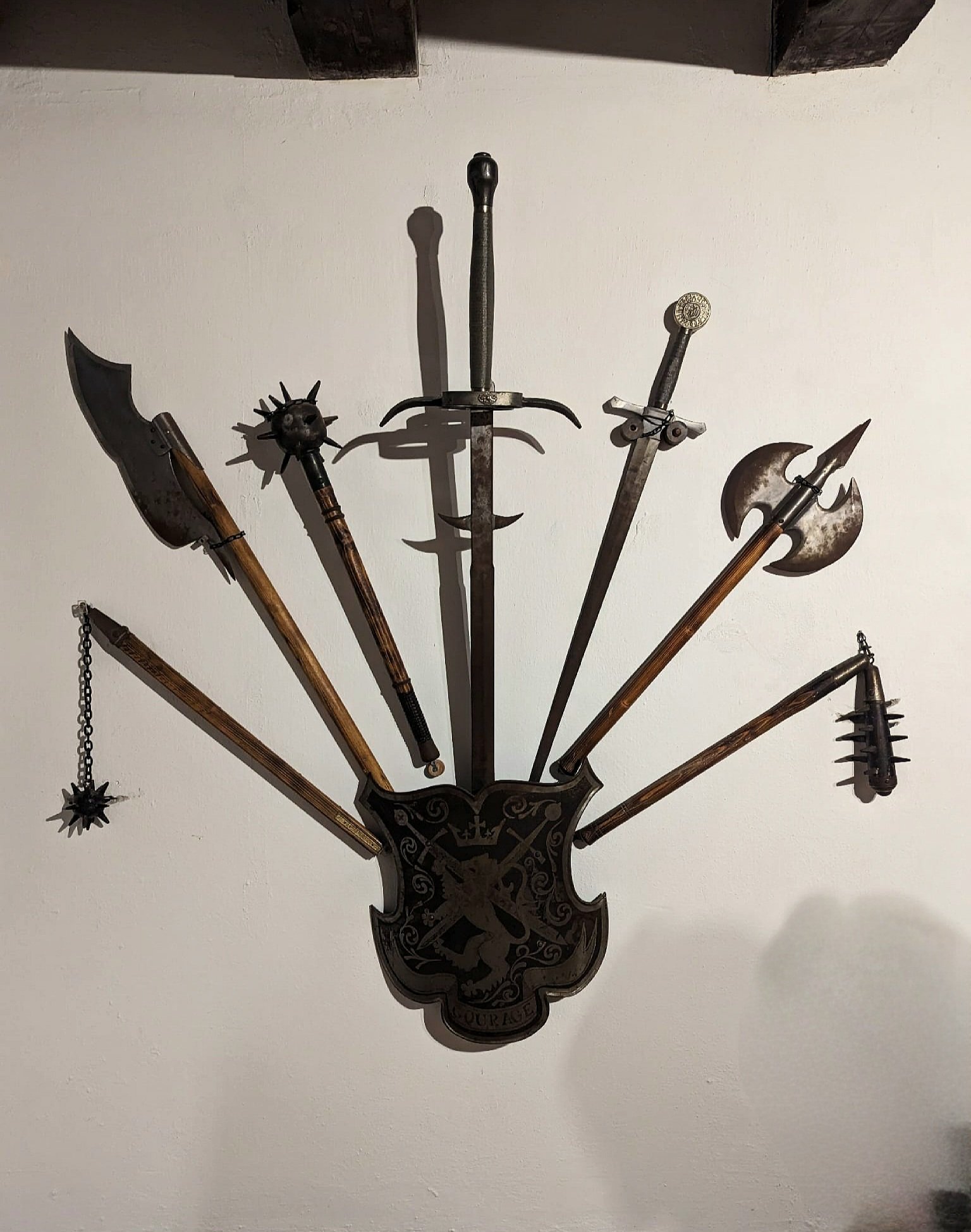
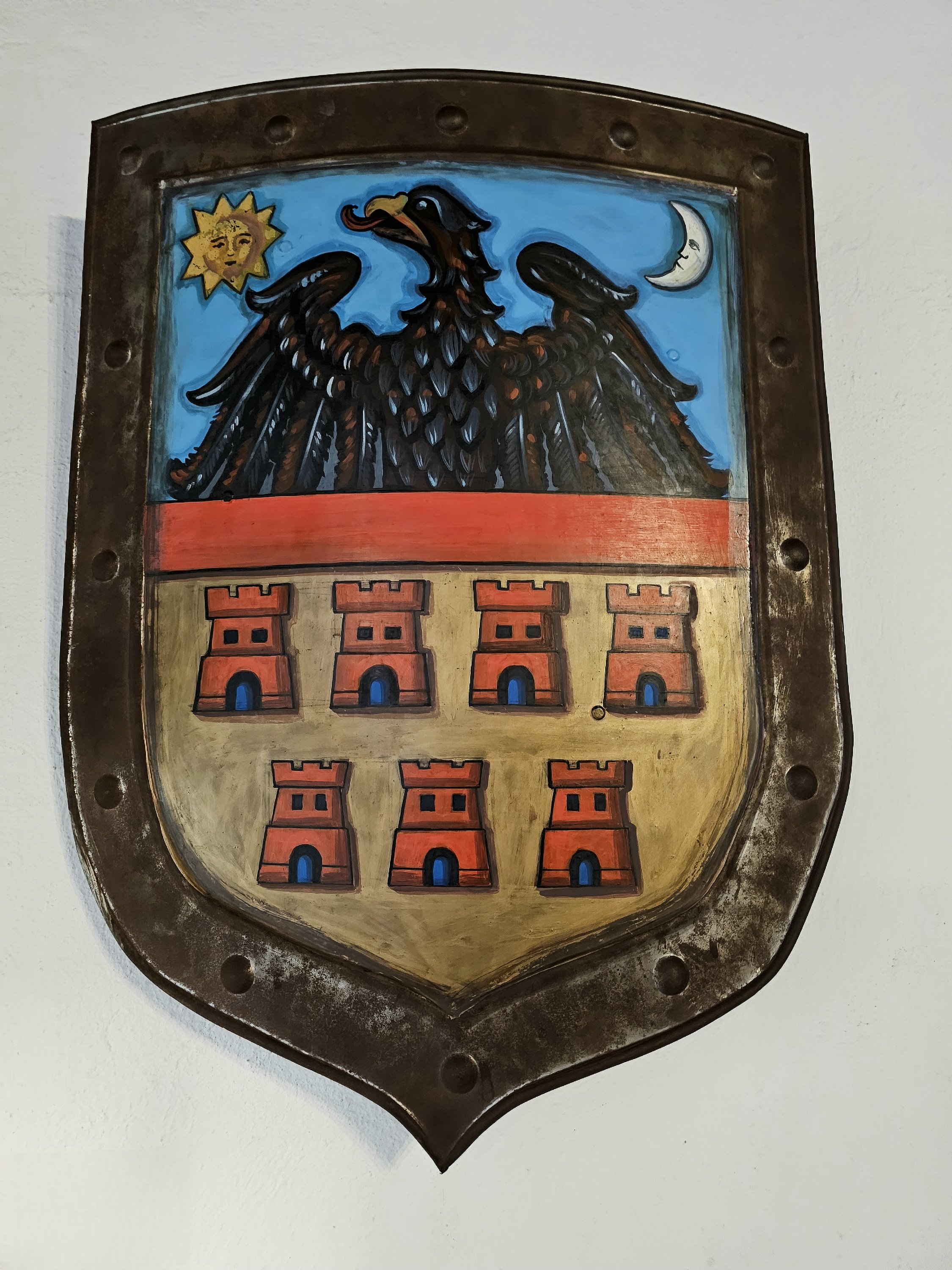
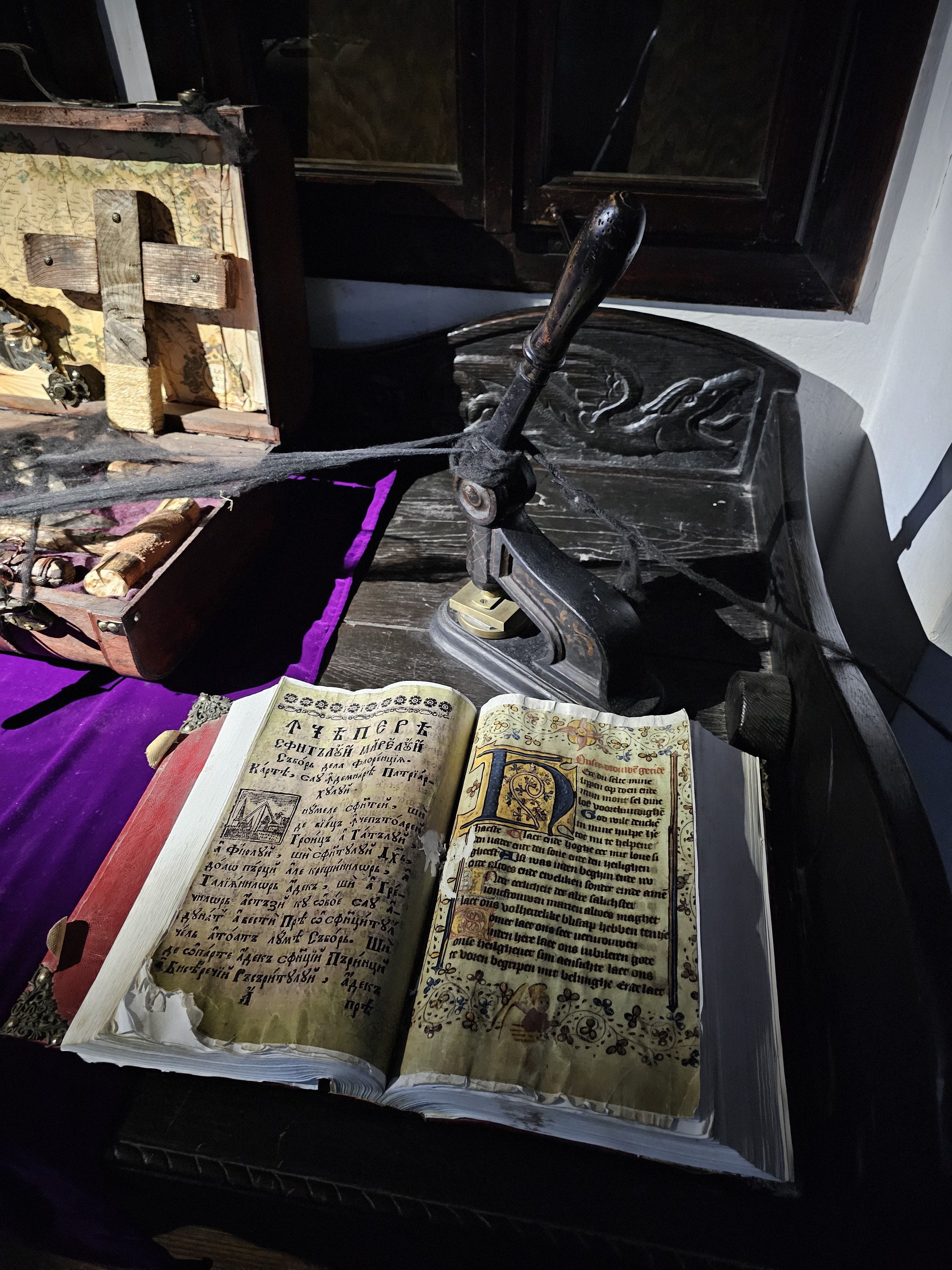
There are various rooms set up with photos, clothing, weapons, coats of arms, suits of armour, and more spread throughout the castle.

If you’re feeling brave, head to the 4th floor for the “A history of dreads in Transylvania” exhibition.

There are several rooms filled with the history of local myths and fears from the 15th century, including the Grim Reaper, the Lele, the Sântoaderi, the Solomonari, ghosts, the Strigoi and werewolves.

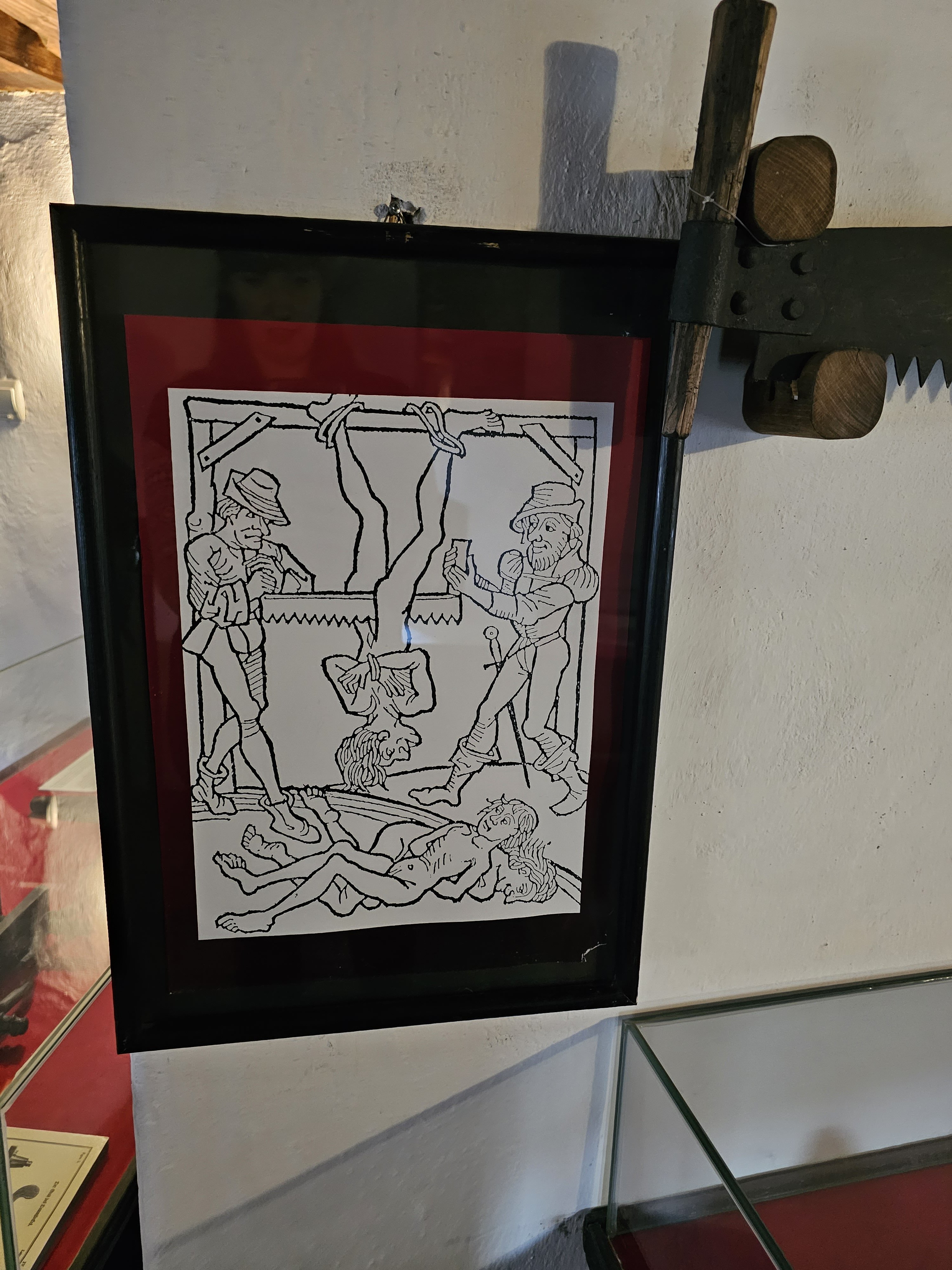
If, like Vlad, medieval torture is your thing, there is another special exhibition on Medieval Instruments of Torture.

Here, there are several rooms filled with various devices used for torture, including photos and descriptions. While all are cruel, some are truly horrifying!

Once you’ve had your fill of Medieval torture, head back downstairs and out into the courtyard, where you will also find a small gift shop.

The final exhibit before exiting the castle is the Time Tunnel. “The only elevator in the world that goes up into history and down into the future.” The castle was built with a 7-metre-deep water cistern, which was converted to a 59-metre well in the 17th century. During Queen Marie’s residence, she decided to put an elevator into the shaft to connect the Royal Park to the castle. After the Royal family was forced to leave, the tunnel remained empty and forgotten for years.

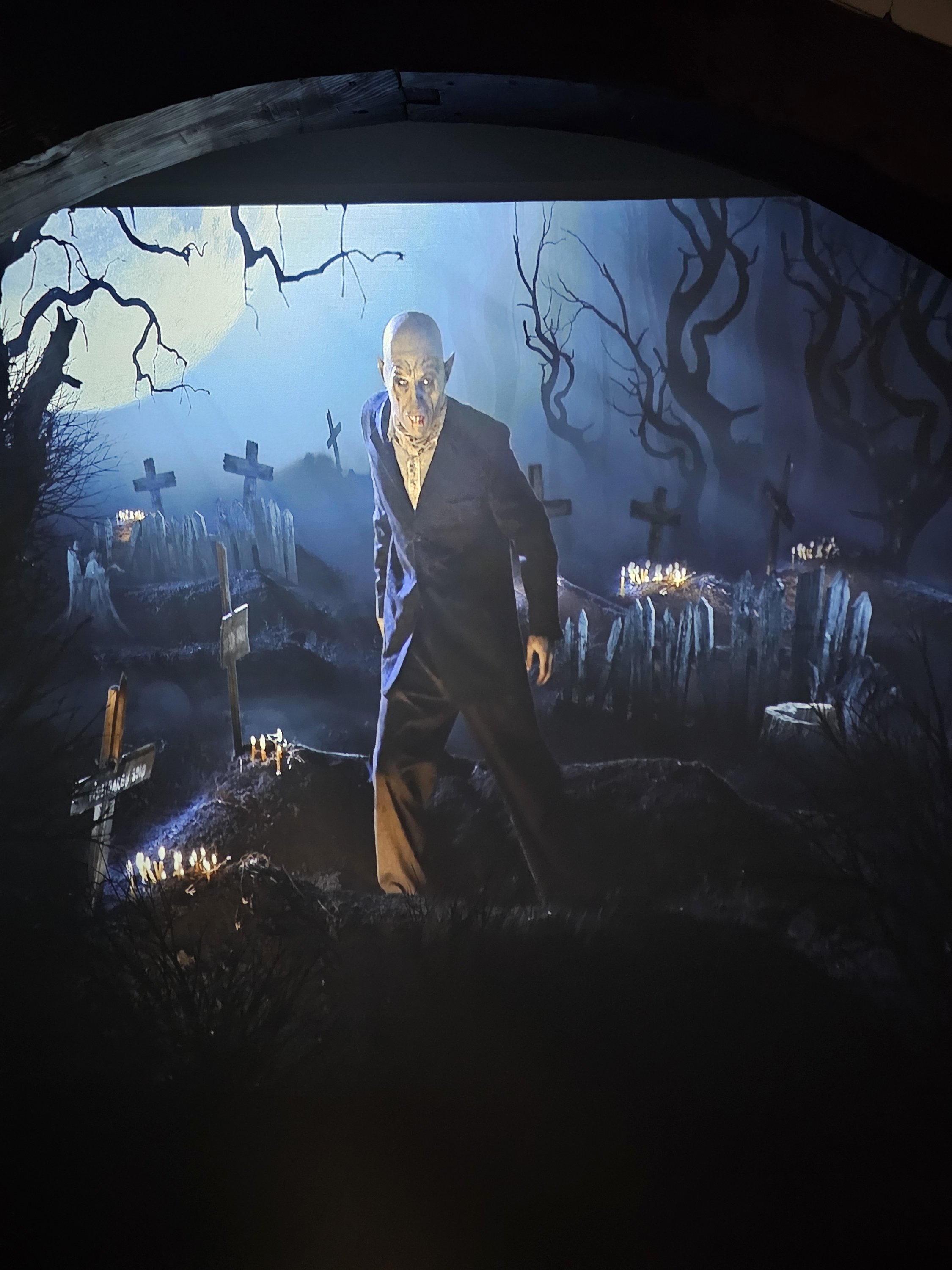
Now, you take the elevator down from the past and head into the future through a multimedia presentation through the years from the Teutonic Knights until present day Bran Castle.

The display ends with a photo opportunity which you can purchase in the gift shop.

Once you’ve finished touring the inside of the castle, be sure to wander the grounds of the Royal Park below for various views of the castle.

You can also visit Queen Marie’s Tea House for a meal or a cup of tea where the Queen used to have her five o’clock cuppa.

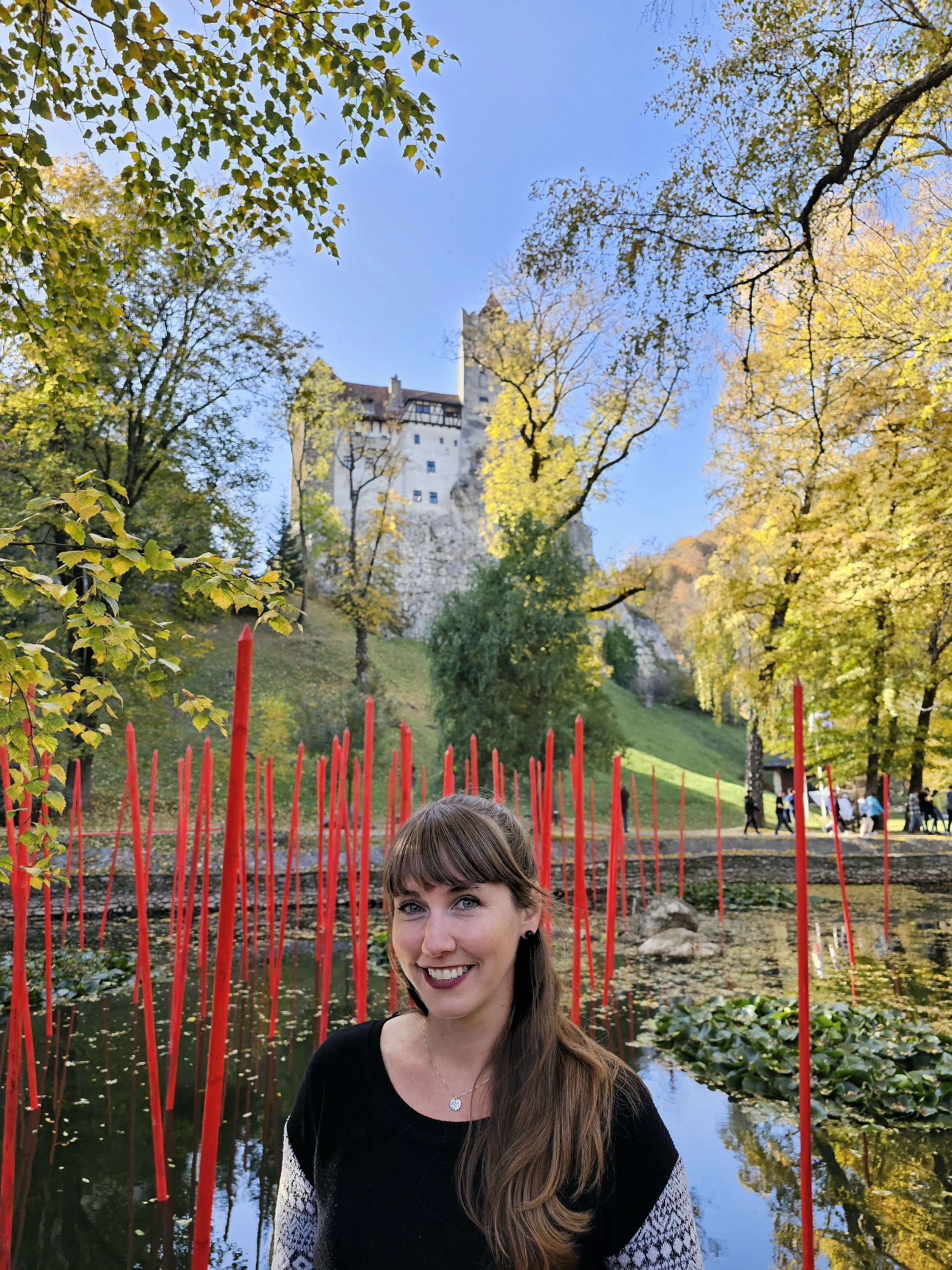
As part of the Halloween decor, the pond in the middle of the park was filled with bright red long spikes, to signify the bloody impalements performed by Vlad on his Ottoman soldier enemies.

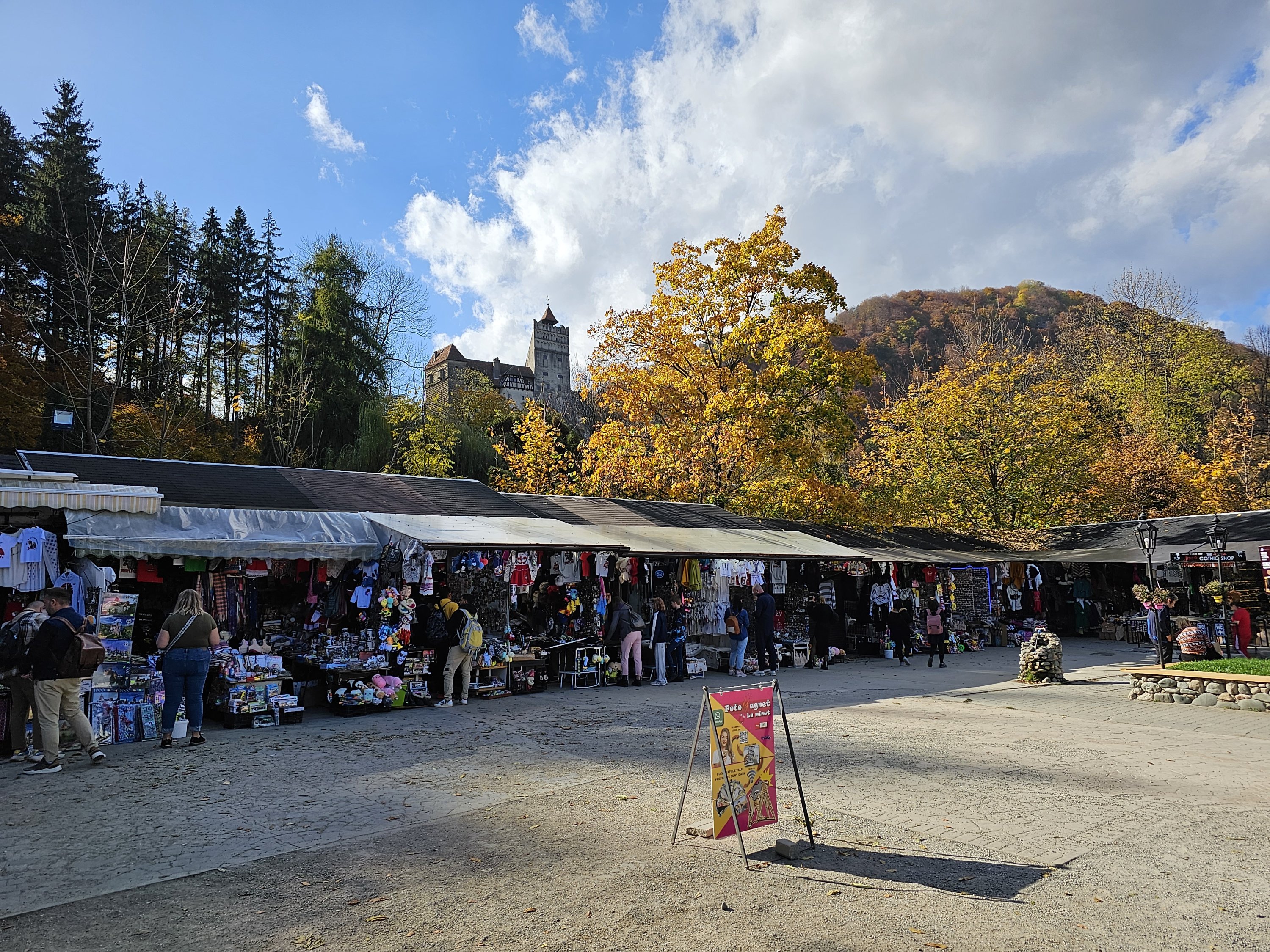
Outside the gates, there are numerous stands set up selling snacks and souvenirs to the hundreds of thousands of guests who visit each year.

While it may not actually be home to bloodthirsty vampires, between the real history and the imagined Count Dracula, Bran Castle is a Halloween lover’s must-see!

Info

You can purchase tickets just inside the main gate

Admission-

Adults – 60lei

Students – 35lei

Seniors – 45lei

Torture chambers -10lei

Time Tunnel – 20 lei

Opening times

October 1 to March 31
12:00 p.m. – 4:00 p.m. on Mondays (last admission is 4 p.m.)
9:00 a.m. – 4:00 p.m. Tuesday to Sunday

April 1 to September 30
12:00 p.m. – 6:00 p.m. on Mondays (last admission is 6 p.m.)
9:00 a.m. – 6:00 p.m. Tuesday to Sunday

Categories: Blog, Europe, Photo, Where in the World | Tags: , , , , , , , , , , , , , , , | Leave a comment

Blog at WordPress.com.