Posts Tagged With: Wales

North Wales

There are so many beautiful sights to see in North Wales that I had trouble deciding where to go. I decided to make my home base in the beautiful old seaside town of Llandudno.

When travelling, I usually like to make my own way around an area so I can spend as much time as I want at each stop. If you are doing a road trip around North Wales, you can easily drive from town to town, but as I was without a car on this short Welsh adventure, I opted to book a day trip to allow me to see as much as possible. In Llandudno, I booked a full day trip to see Portmeirion, Snowdonia & Castles with Adventure Tour Snowdonia.

Leaving from Llandudno, we made our way up and around the Great Orme, with breathtaking views of the Irish Sea and the neighbouring towns, before stopping at the nearby town of Conwy. Voted one of the best places to live in Wales, this town is definitely worth a visit.

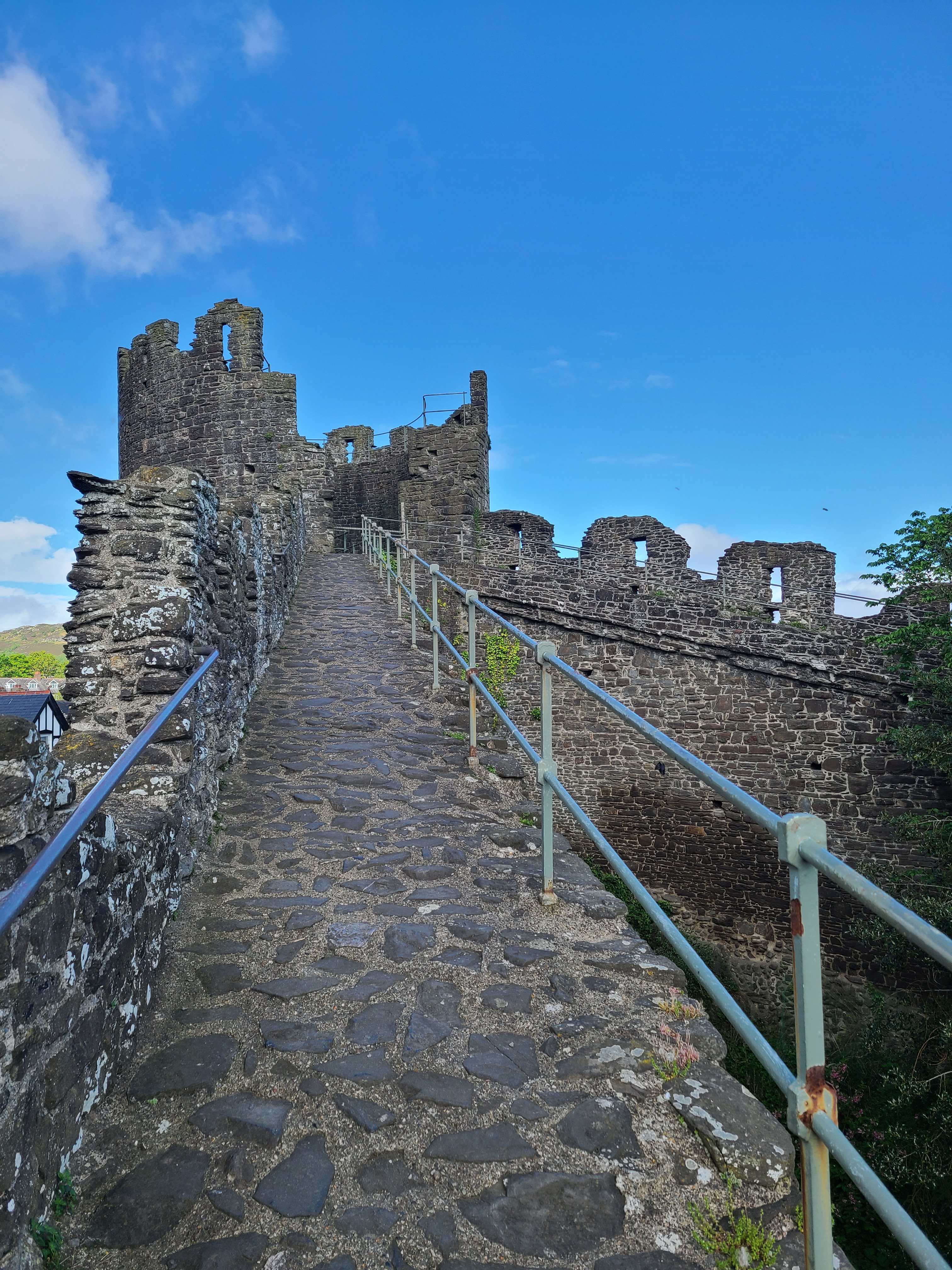
The medieval walls here are part of the UNESCO World Heritage Site that includes Conwy Castle as well as Beaumaris and Harlech Castles. They are some of the finest and most complete walls remaining in Europe, running almost uninterrupted for three quarters of a mile around Conwy’s heart, with 21 towers and three original gateways.

The best part is you can walk almost all the way around the top of the walls, giving you a great view of the town, Conwy Castle, and the countryside.

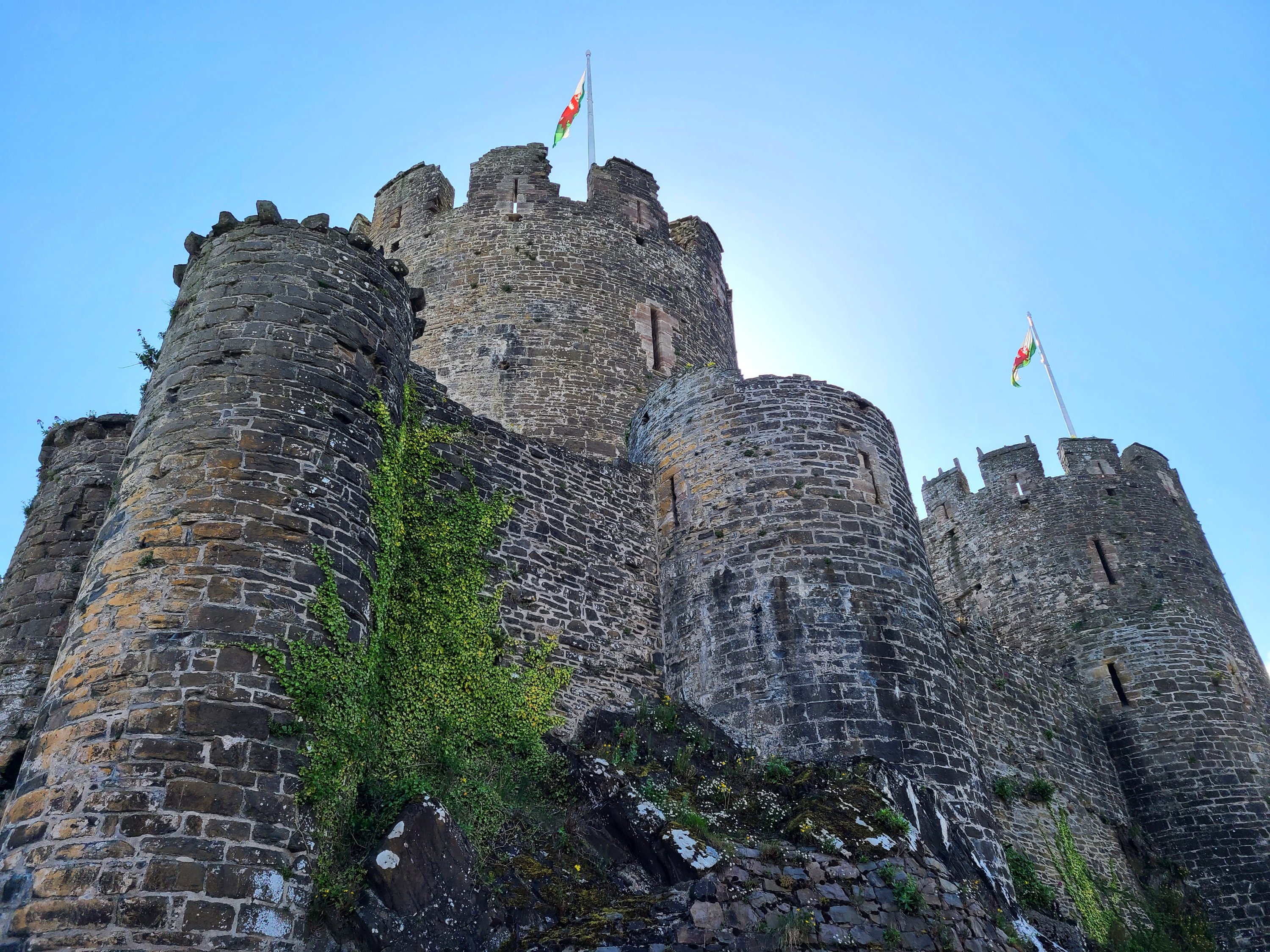
Conwy Castle towers at the entrance of the town 700 years later.

King Edward I had it built in 4 years from 1283-1287. Monks had been living here before he ordered them to leave or be killed and he then moved the castle to its current location.

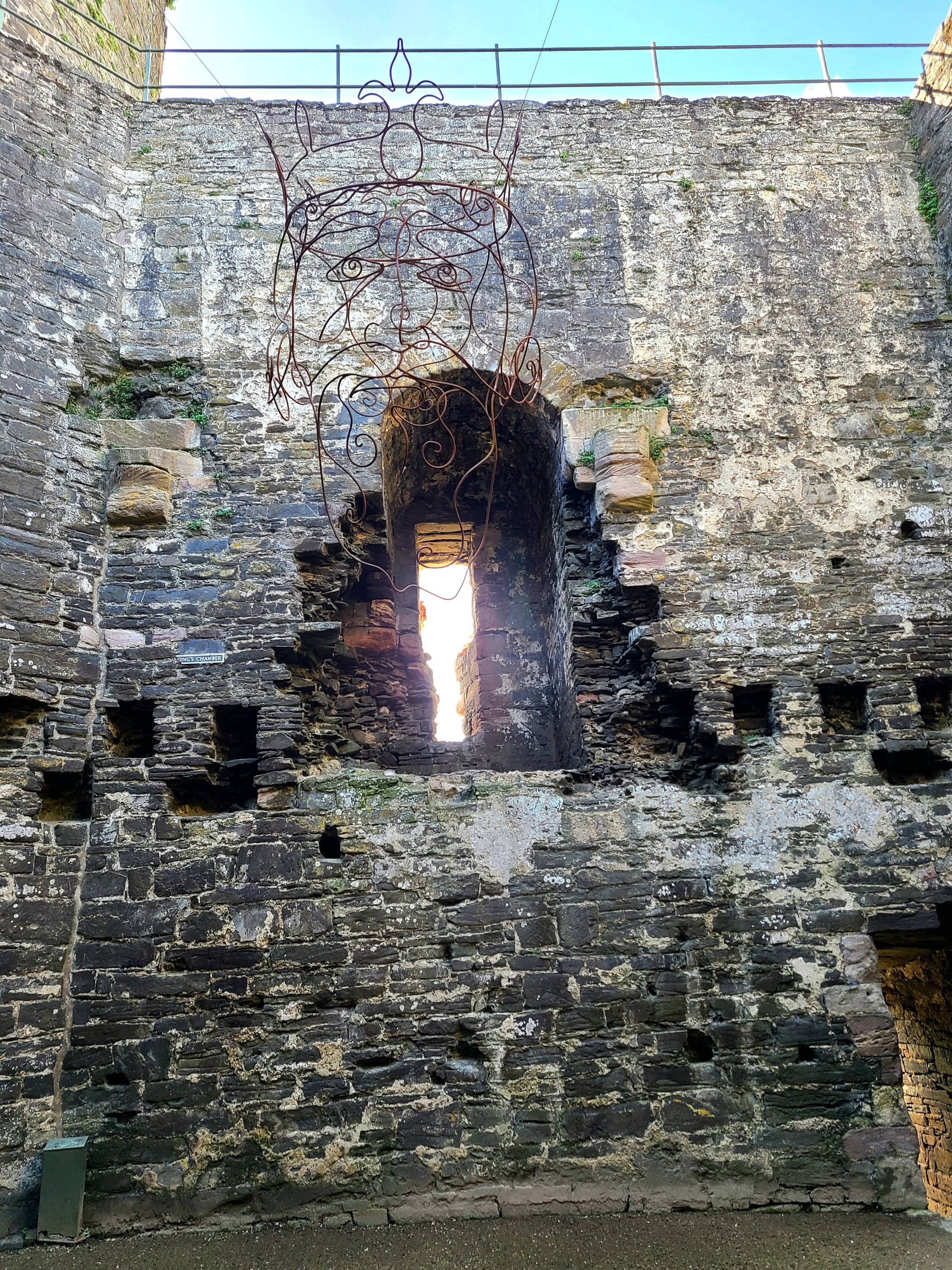
The outer walls of this medieval fortress and the spiral stairs have been restored over the years so you can still climb the levels of the eight towers throughout and imagine what it would have looked like. Apart from the absence of roofs, the interior is largely intact, especially the grand 40m/130ft Great Hall and King’s Apartments. Peer into the prison tower, check out the view from the King’s Tower, and admire the beautiful stained glass in King Edward’s private chapel tower.
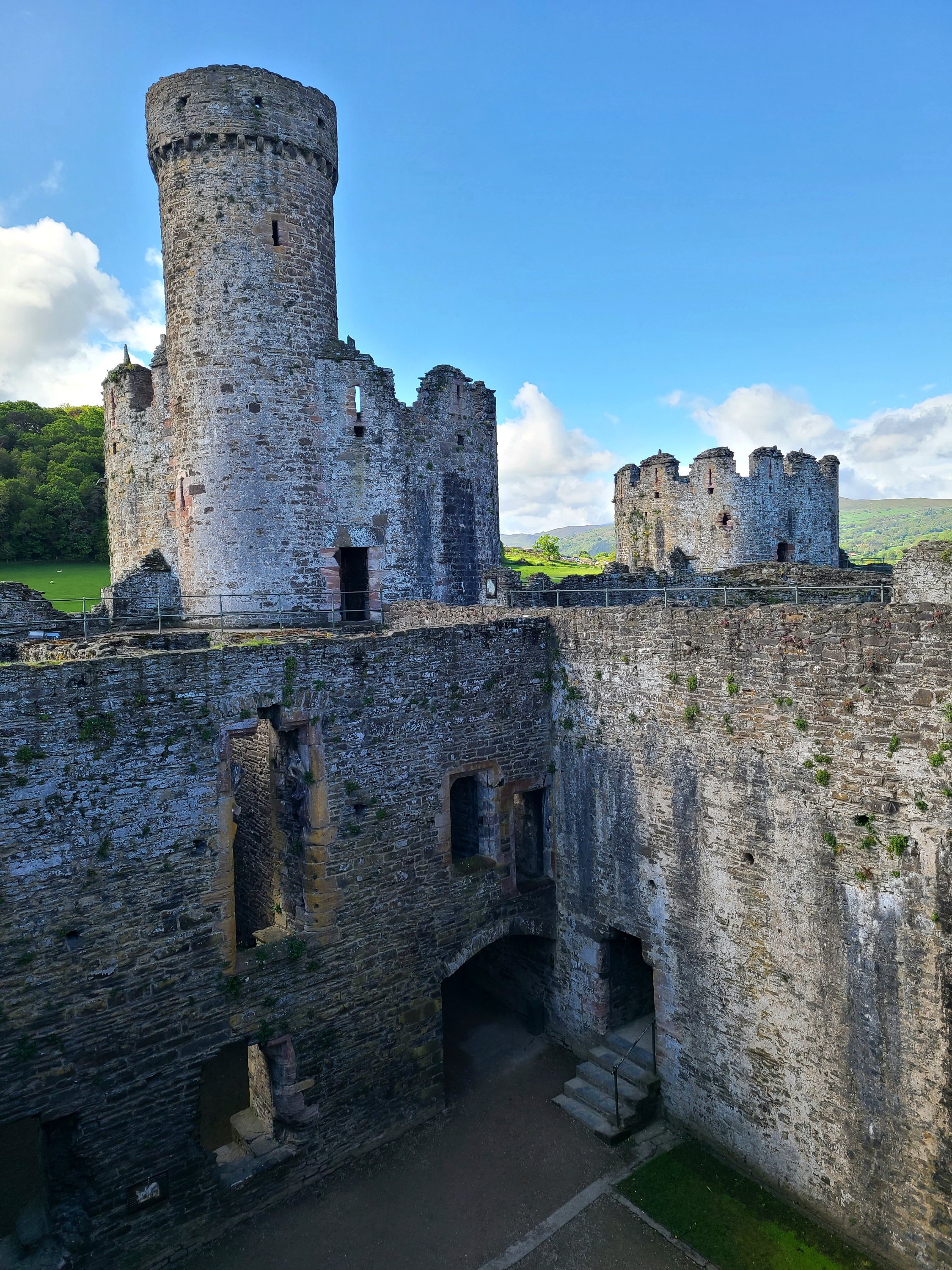
(Open daily, entry £11.70.)
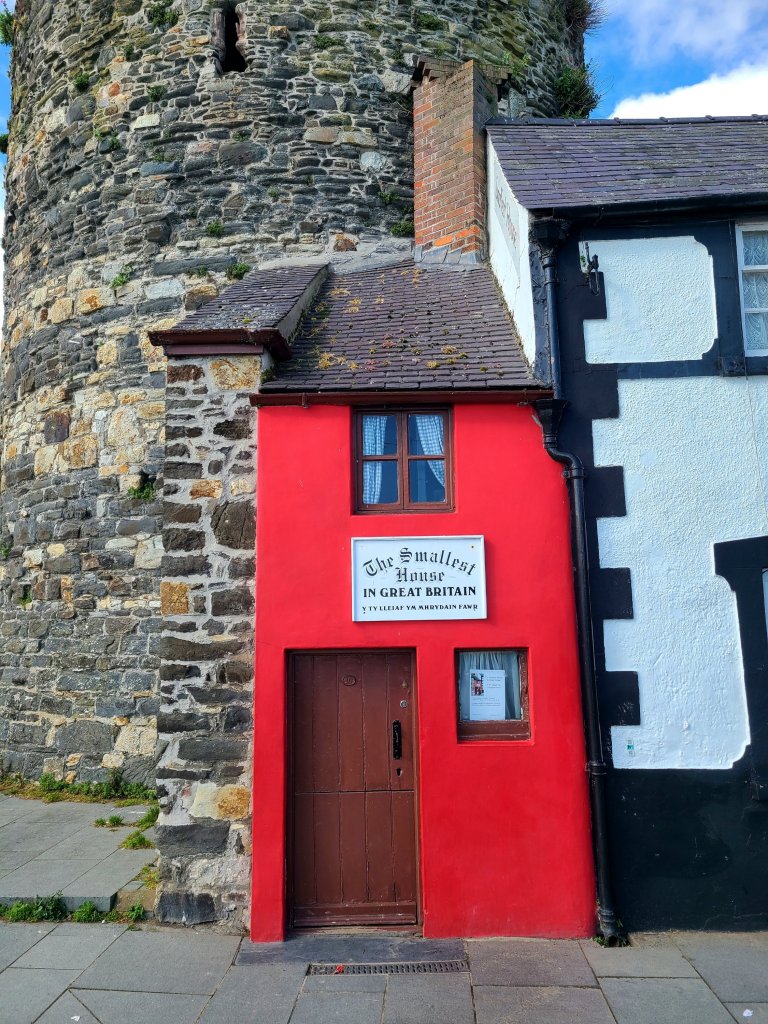
Down along Conwy Quay, you’ll find the Smallest House in Britain. This small red house measures 10ft x 6ft and was last lived in by Robert Jones, who was 6ft 3″ tall, until 1900. Since then, it has become a tourist attraction. In the early 1920s, The Guinness Book of Records confirmed its status as the smallest house in Great Britain.

Since then, it has become a tourist attraction. In the early 1920s, The Guinness Book of Records confirmed its status as the smallest house in Great Britain

(Open daily, entry £1.50.)

Also nearby is the town of Caernarfon, home to another one of King Edward I’s medieval castles.
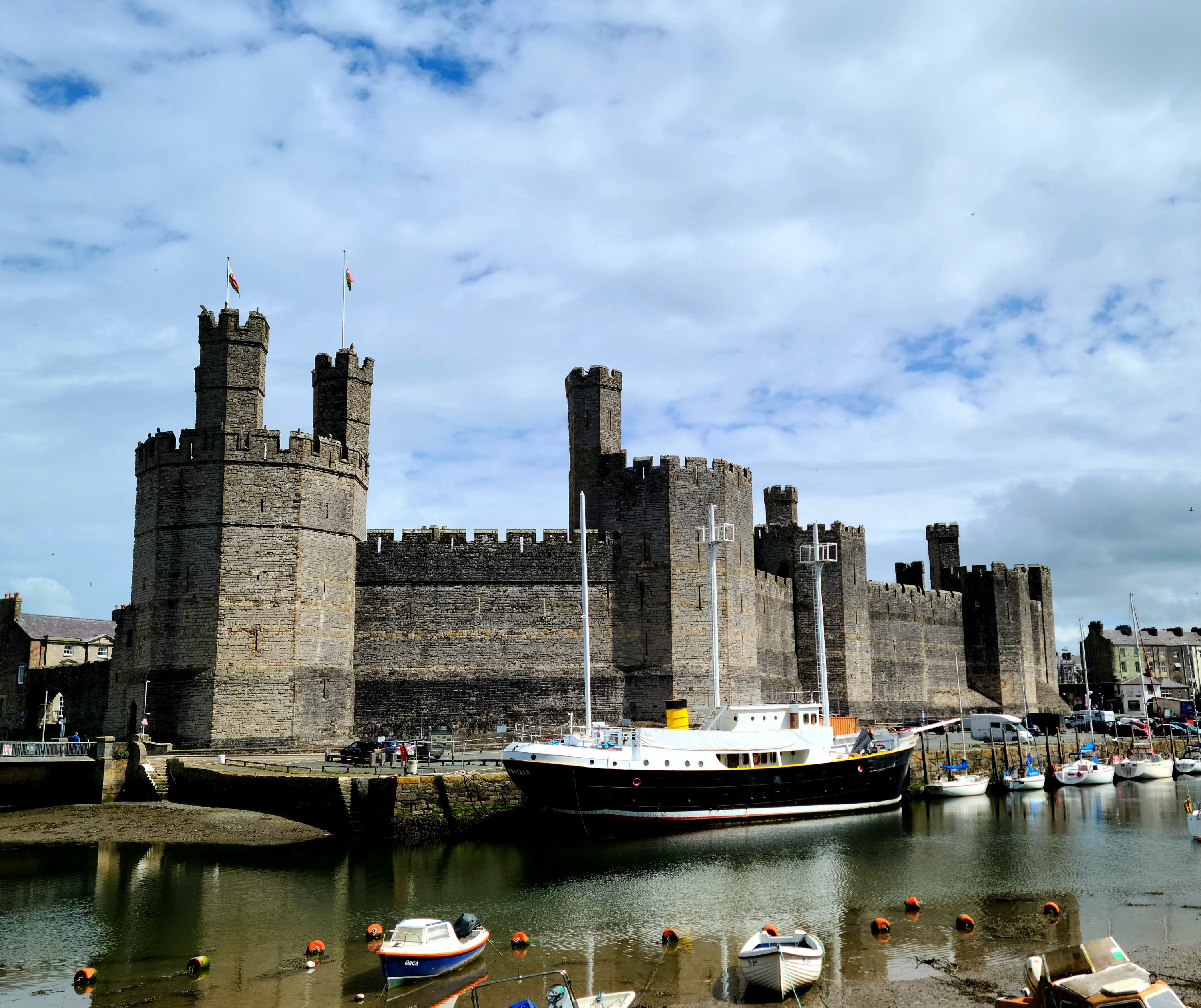
For the best views of this one, head over the bridge to get a great view of the castle with the boats in the harbour. Caernarfon Castle is recognized as one of the greatest buildings of the Middle Ages. The castle was born out of conflicts with Welsh Princes and, along with the town walls and quay, it took 47 years to build. A section still remains of Caernarfon’s walls, but not nearly as intact as Conwy’s.

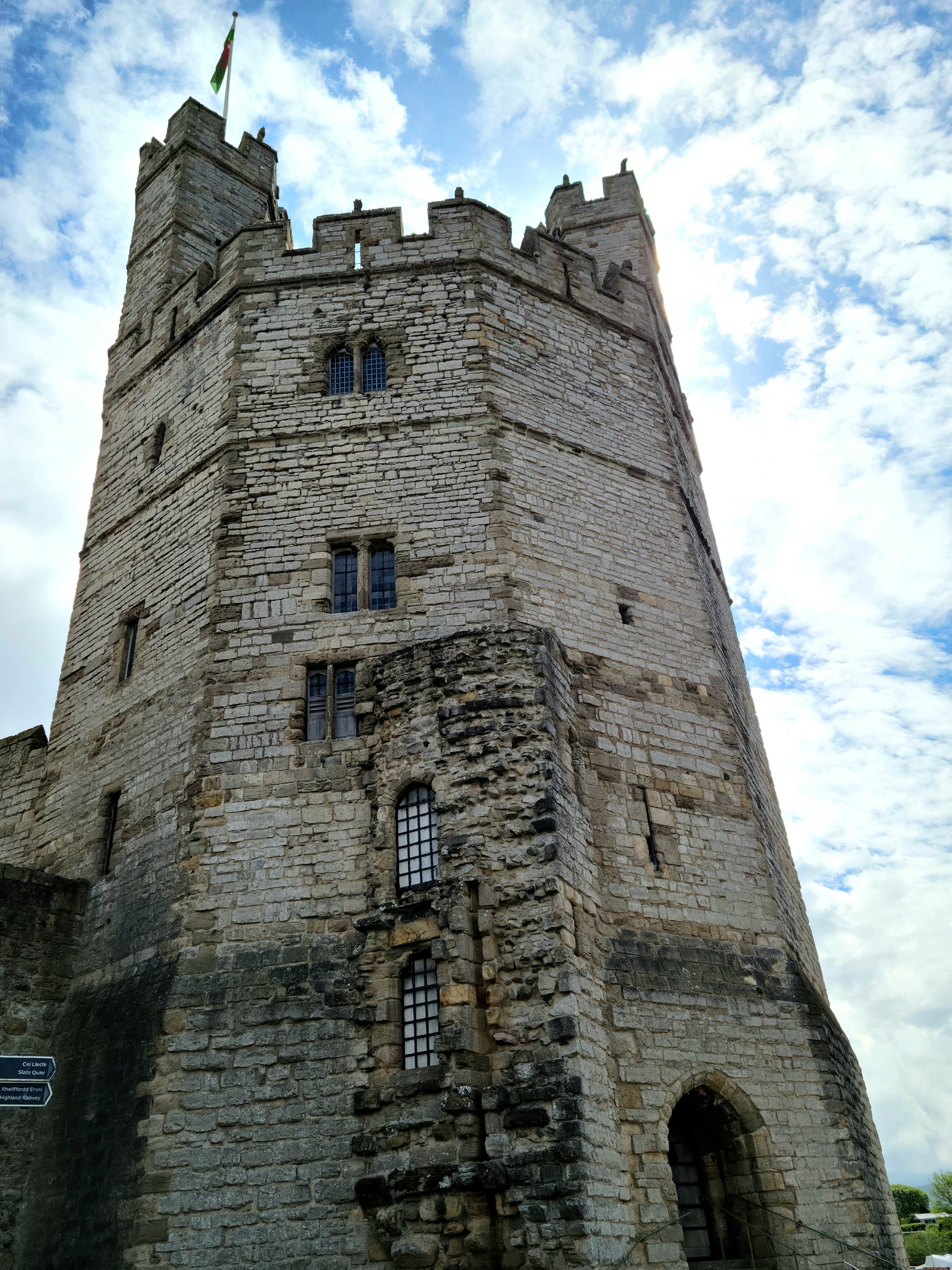
(Caernarfon Castle – Open daily, entry £12.50.)

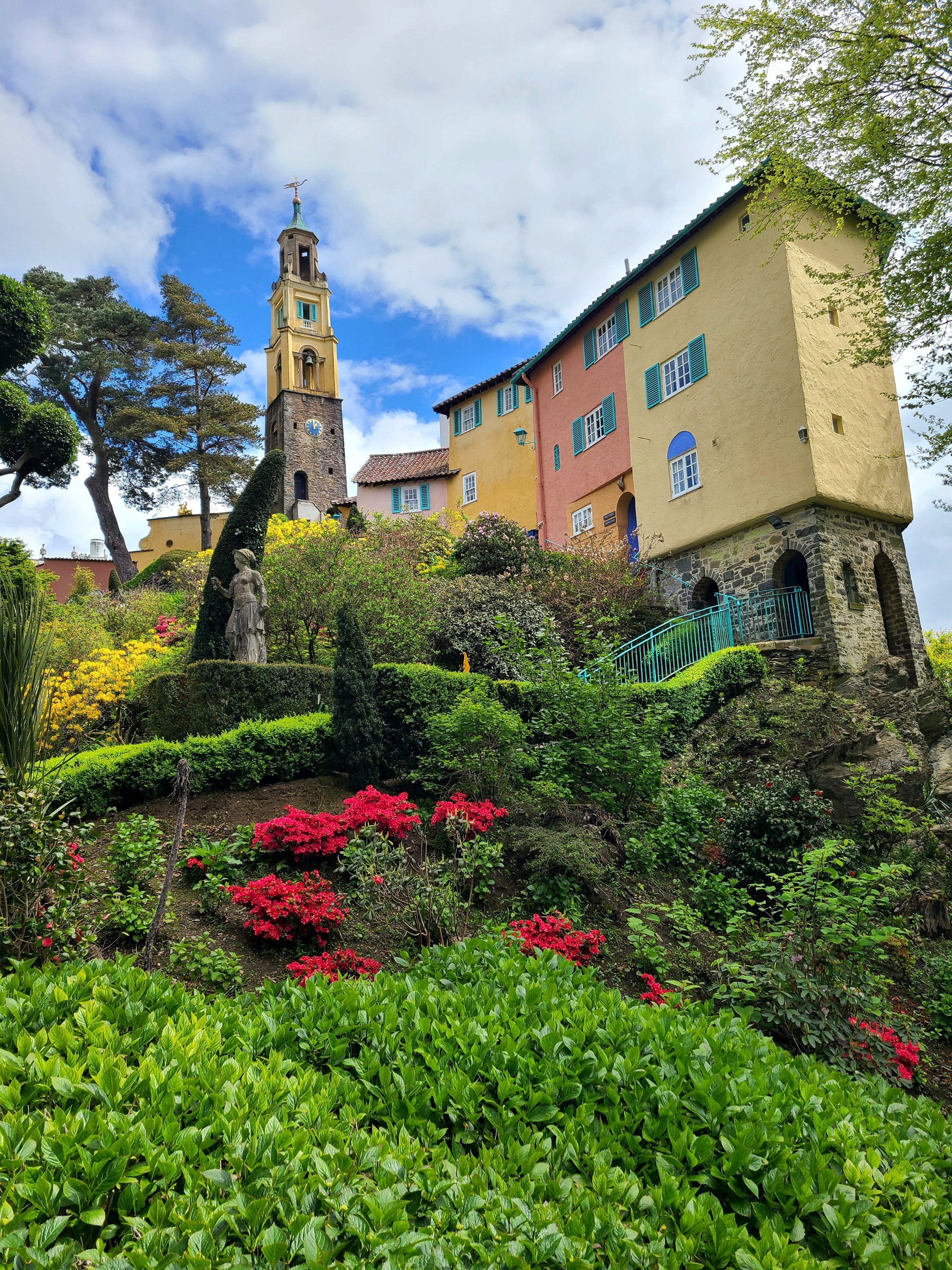
Another must-see in North Wales is Portmeirion Village—the Welsh Riviera! Designed by Welsh architect Sir Clough Williams-Ellis between 1925-1975, the village is said to be modelled on the famous Italian town of Portofino. He acquired the land in 1925 and continued developing the grounds for the next fifty years.

Wandering through the village with its pastel-coloured buildings and ornate architecture make it worth the price of admission (£18). There are two hotels and a number of self-catering cottages for those wishing to stay the night, as well as shops and cafes to enjoy.

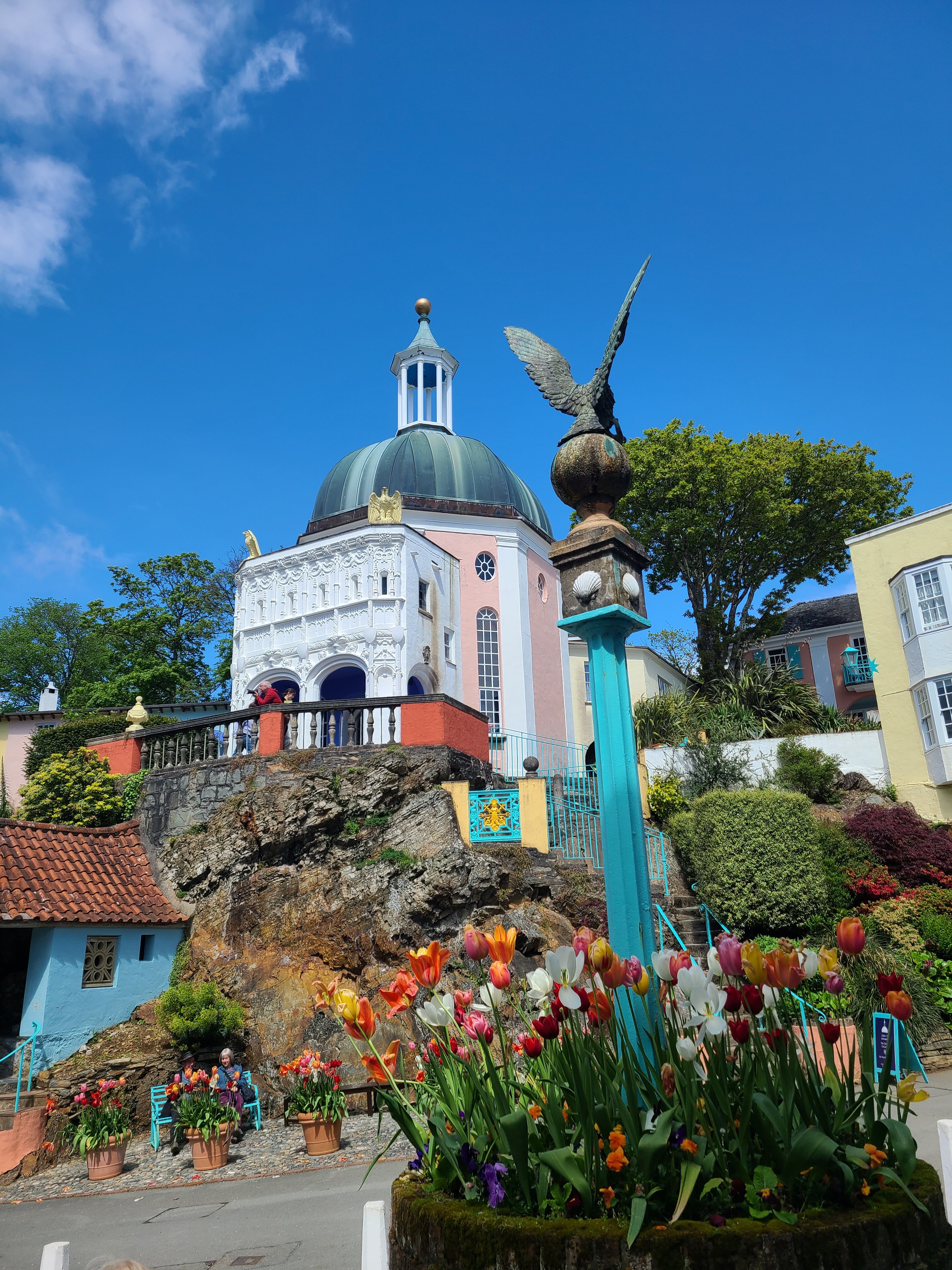
(More about my time in Portmeirion here.)
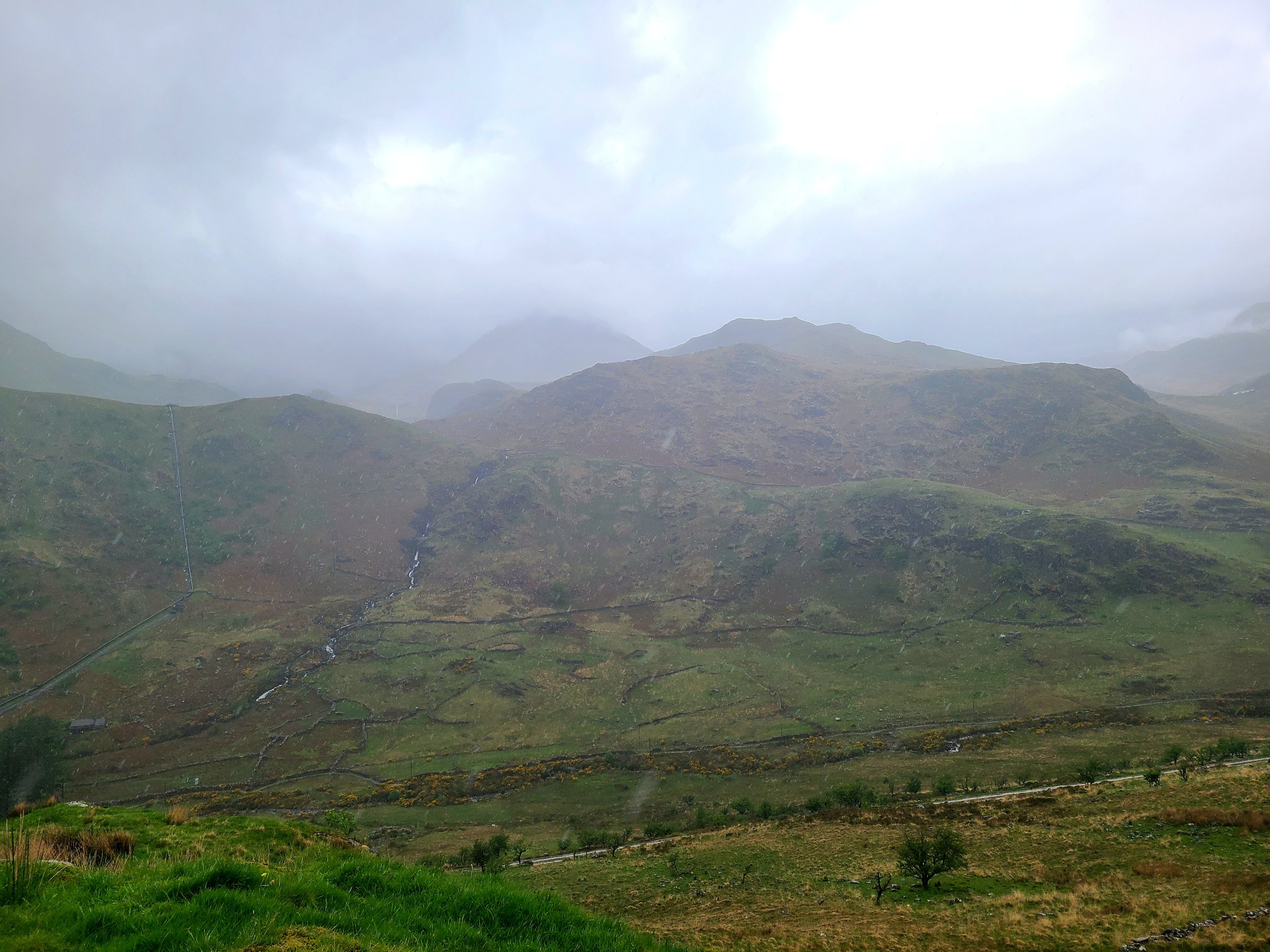
The most famous site in the area is Snowdonia National Park, the largest National Park in Wales, covering 823 square miles of beautiful landscape along the West Coast. In Welsh, it is known as ‘Eryri,’ which translates as “the place of the eagles.” Snowdonia is the oldest national park in Wales, having been founded in 1951, and is home to the tallest mountain in Wales and England, Mount Snowdon, at 3,560ft. Each year, Mount Snowdon is climbed by thousands of people by one of the many paths leading to its summit or via the popular Snowdon Mountain Railway.
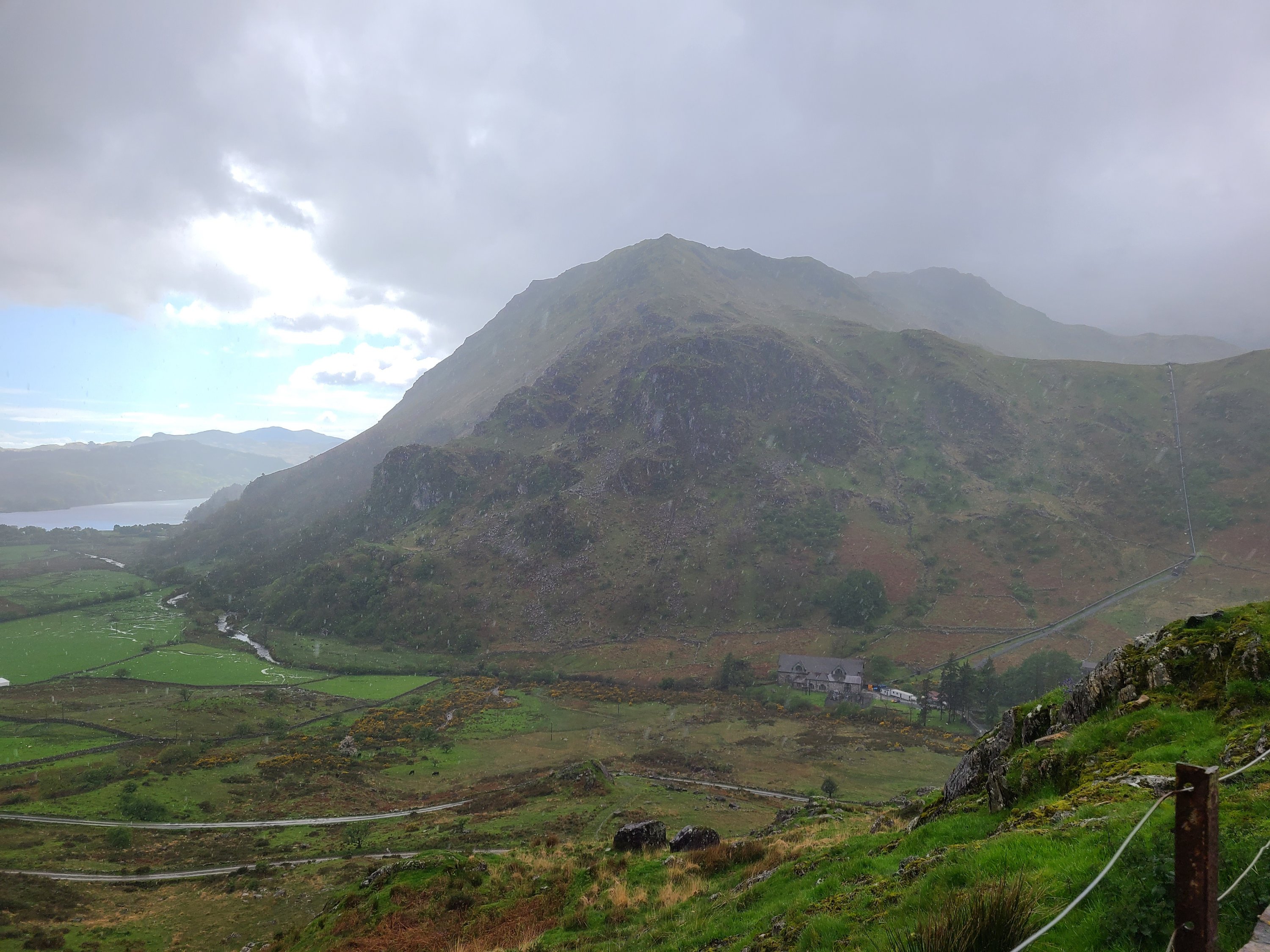
The weather can be very unpredictable here and it began to pour just as we arrived, making for low visibility. If you plan to hike, be sure to check the forecast and be prepared for sudden changes in the weather.

A few other quick stops along the way:

The Ugly House, which isn’t ugly at all, is a tearoom and garden with a mysterious history, as nobody knows who built it or when.

Swallow Falls—a cascading, multi-level waterfall found where the river Llugwy flows through a narrow chasm in the woods. A spectacular sight! (Entry £2.)
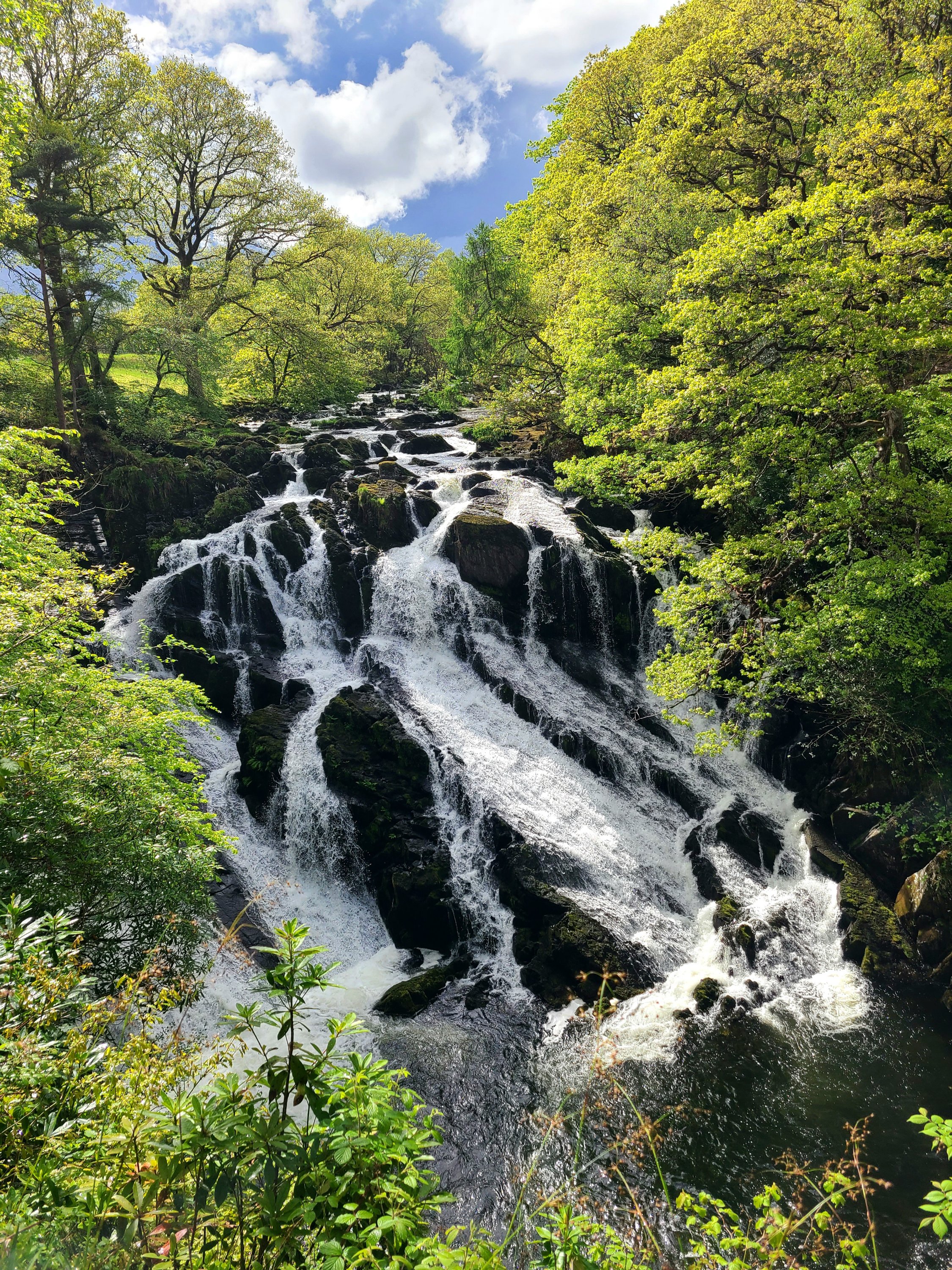
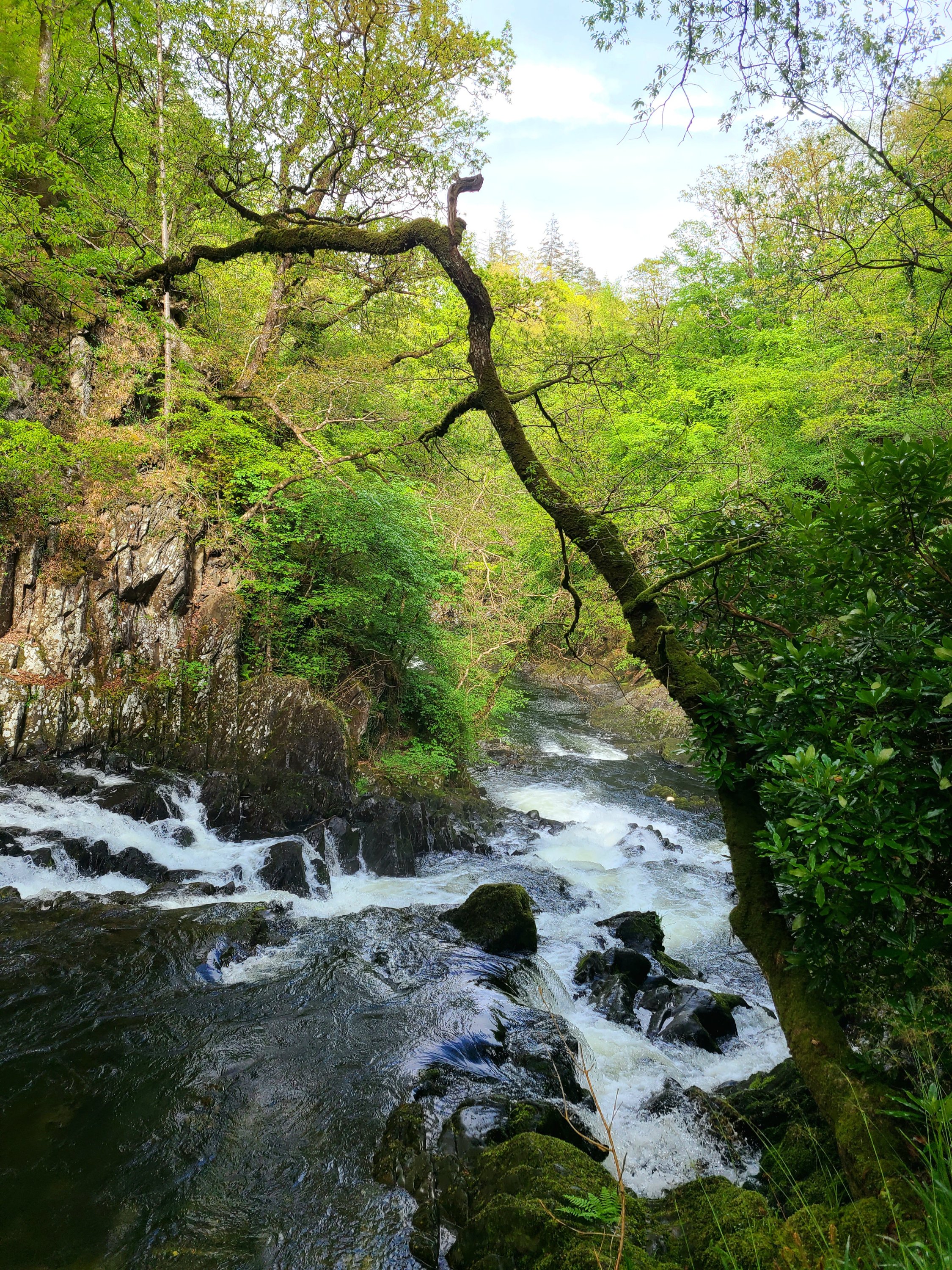
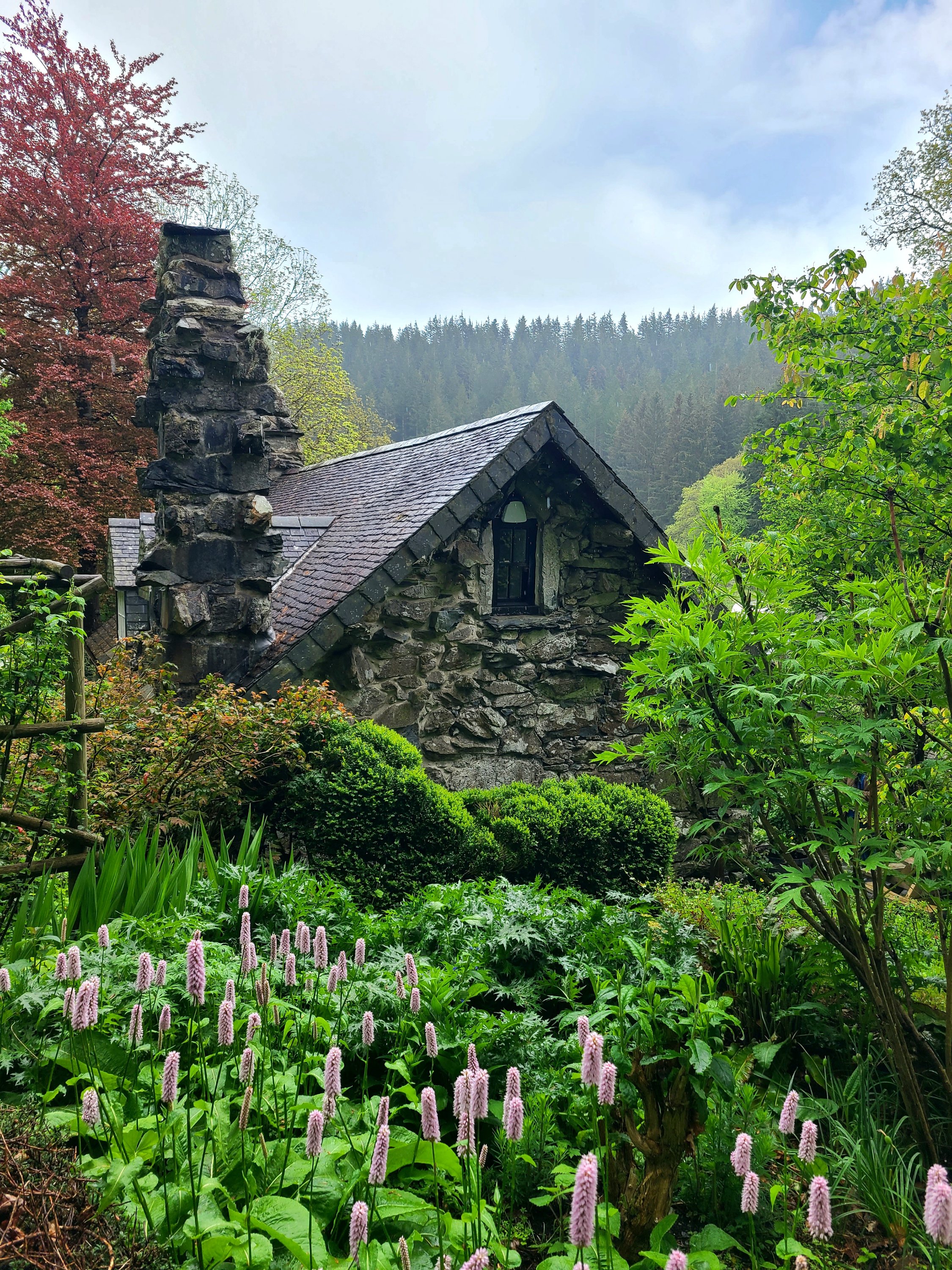
Tu Hwnt i’r Bont is a historic grade II listed 15th century tearoom located in the small town of Llanrwstwast. It was built as a residential dwelling in 1480 and from there became the Courthouse for the surrounding area. This fairytale-like dwelling is one of the most photographed sites in Wales. It was beautiful when I was there in the spring, but for the real magic, go in the fall when the leaves have all turned a majestic red. Looking at photos, I will definitely need to get back to see it in its full splendor!

With so many things to see and do in beautiful North Wales, if you haven’t already added it to your travel list, now’s the time to do it!
Categories: Blog, Europe, Photo, Where in the World | Tags: , , , , , , , , , , , , | Leave a comment

Portmeirion- The Welsh Riviera

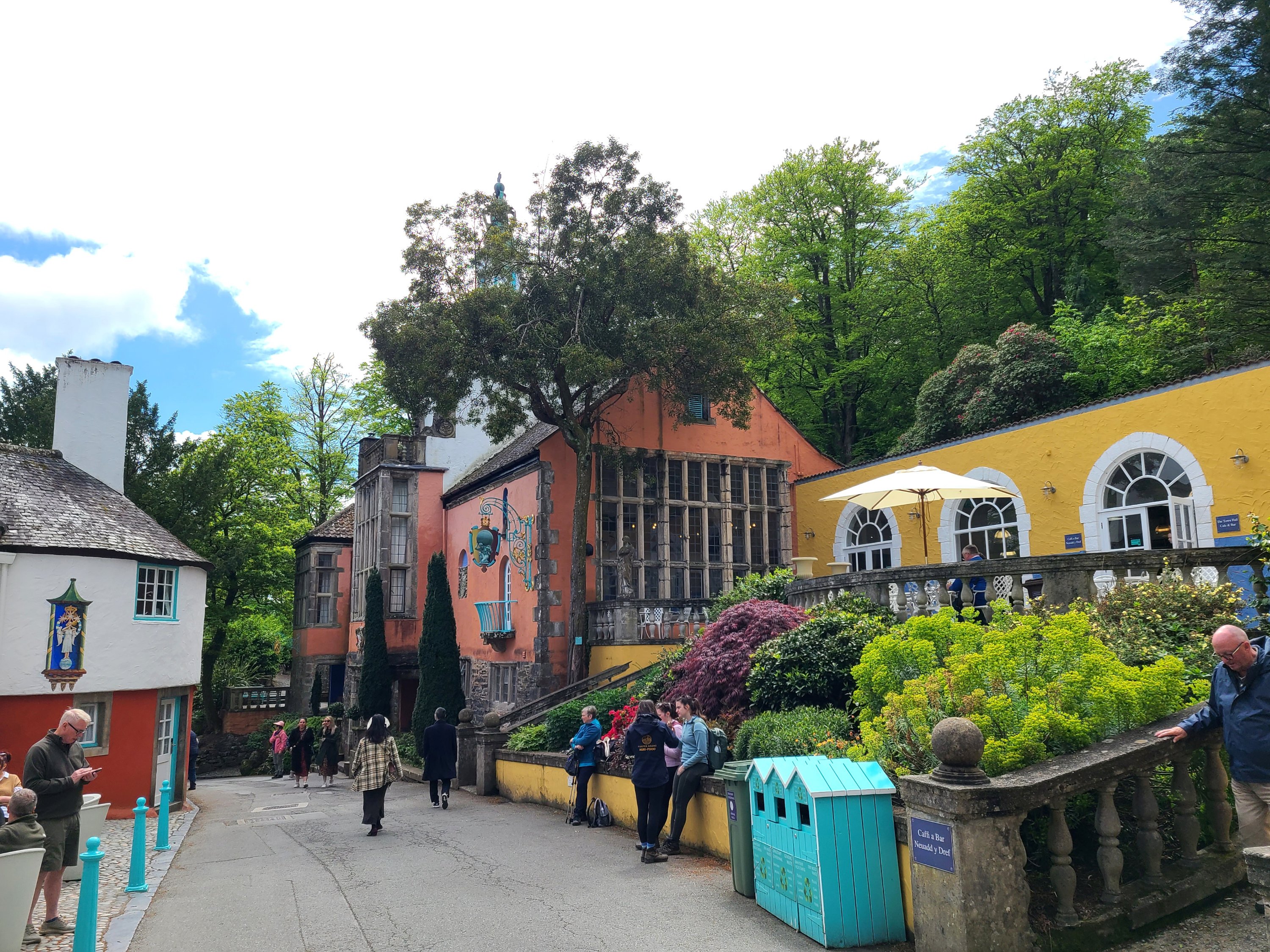
Stepping into the pastel-coloured village of Portmeirion, filled with ornate statues and brightly coloured flowers felt like I was stepping into an Italian inspired village at Disney World. Portmeirion Village was designed by Welsh architect Sir Clough Williams-Ellis between 1925-1975 and is said to be modelled on the famous Italian town of Portofino. He acquired the land in 1925, opened the Hotel Portmeirion in 1926, and then continued developing the grounds for the next fifty years.

One of the most popular tourist spots in North Wales, Portmeirion is also a great spot for weddings and other special celebrations.

Unlike most villages that you can freely wander into, Portmeirion is now owned by a charitable trust and you need a ticket to enter (Adult £18.00), but it’s worth it to wander around a charming Italian village while in the UK.

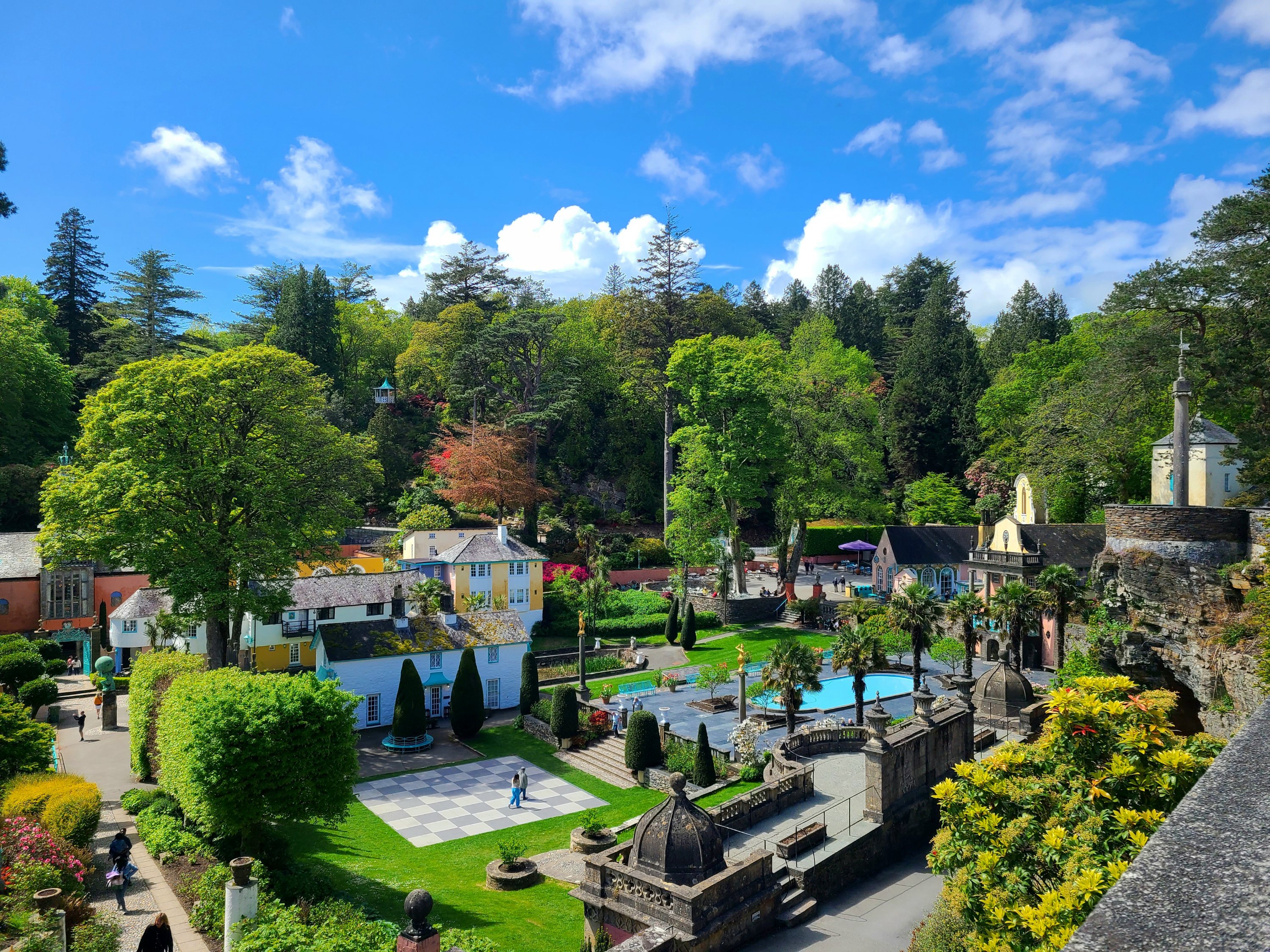
Once inside, simply exploring this unique village is one of the best things to do at Portmeirion. The pastel pink, orange, and yellow buildings and bright turquoise doors, and the ornate stonework and architecture and colourful gardens all are part of what make visiting Portmeirion so unique.

The village makes for a great day tour or overnight stay, depending on your time.

For guests wishing to stay, Portmeirion has two hotels, The Hotel Portmeirion and Castell Deudraeth, as well as a number of self-catering cottages. Both hotels also have dining options for all to enjoy.

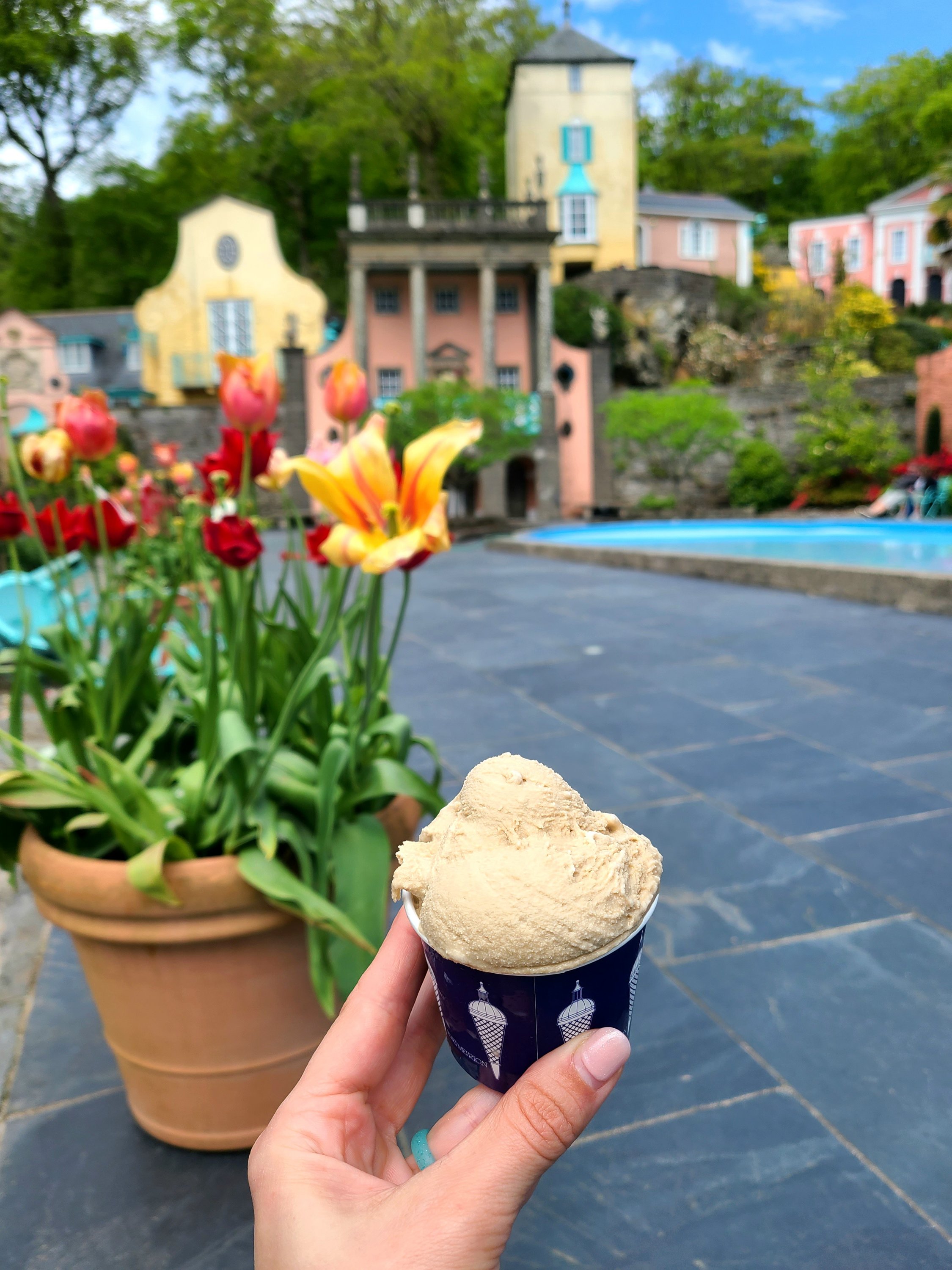
While exploring the village, you’ll come across a variety of shops and cafes where you can shop for some famous Portmeirion pottery, check out the art gallery, and then grab an authentic homemade gelato at ‘Angel Ices.

Enjoy your gelato by the fountain in the Central Piazza, surrounded by a rainbow of colour, or play a game of chess on the life-sized chess board found here.

Once you’re done relaxing, Portmeirion Village is set amongst 70 acres of forest, with 19 miles of pathways & walking trails.

There is actually a subtropical forest here, known as The Gwyllt, which means ‘wildwood’ in Welsh. The Gwyllt features some of Britain’s largest trees, rare flowers, and secret gardens.

Hidden along the pathways are the Japanese Garden, with its pagoda and lily-covered lake, and secret sites like the Dog Cemetery, Ghost Garden, and Shelter Valley.

Along the waterfront, you’ll find the lighthouse and the old stone boat, which is an homage to the Amis Reunis, the original boat that Clough used as a houseboat when he first bought the property. You can also take a walk along the white sandy beaches of the Dwyryd Estuary.

If you have time, indulge in a spa treatment at the Mermaid Spa in the village.

Portmeirion is open year-round and is most easily reached by car.

It’s the perfect addition to a North Wales road trip, particularly if you’re already in the area to visit Snowdonia.

If you don’t have a car, another great way to visit Portmeirion is on a tour like I did. This tour from Llandudno included castles, Snowdonia National Park, and Portmeirion.

(The entry fee to the village is not included in the price.)

Whether you decide to spend a few hours or a few days, I definitely recommend adding a stop at the charming village of Portmeirion and indulging in the Welsh Riviera!

Categories: Blog, Europe, Photo, Where in the World | Tags: , , , , , , , , , , | 2 Comments

A seaside holiday in Llandudno, Wales

Looking for a seaside getaway in Northwest Wales? Llandudno should be at the top of your list!
Llandudno began as a small settlement of mainly copper mine workers, but it was the desire for seaside getaways during the Victorian era that led to Llandudno becoming a popular holiday destination.

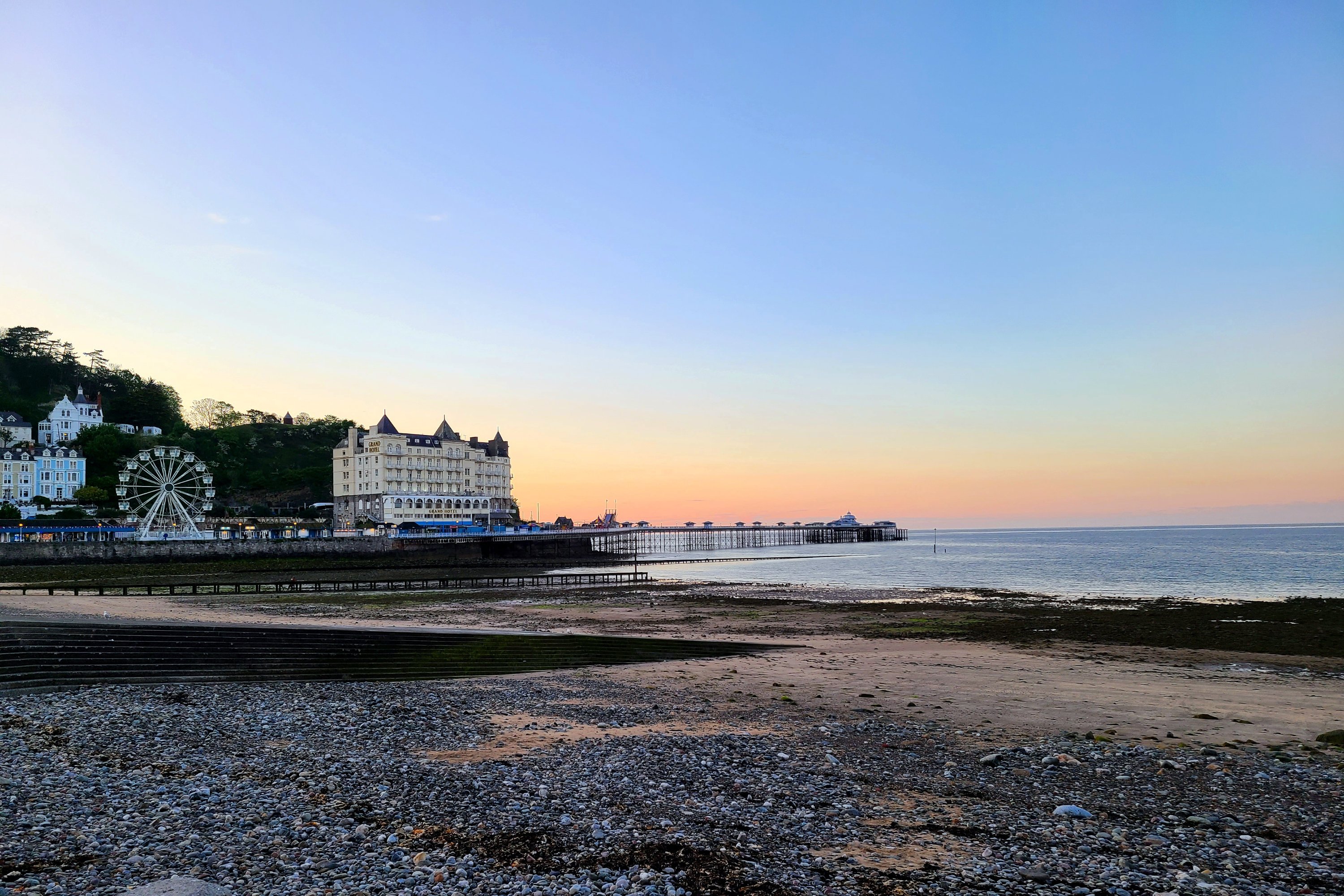
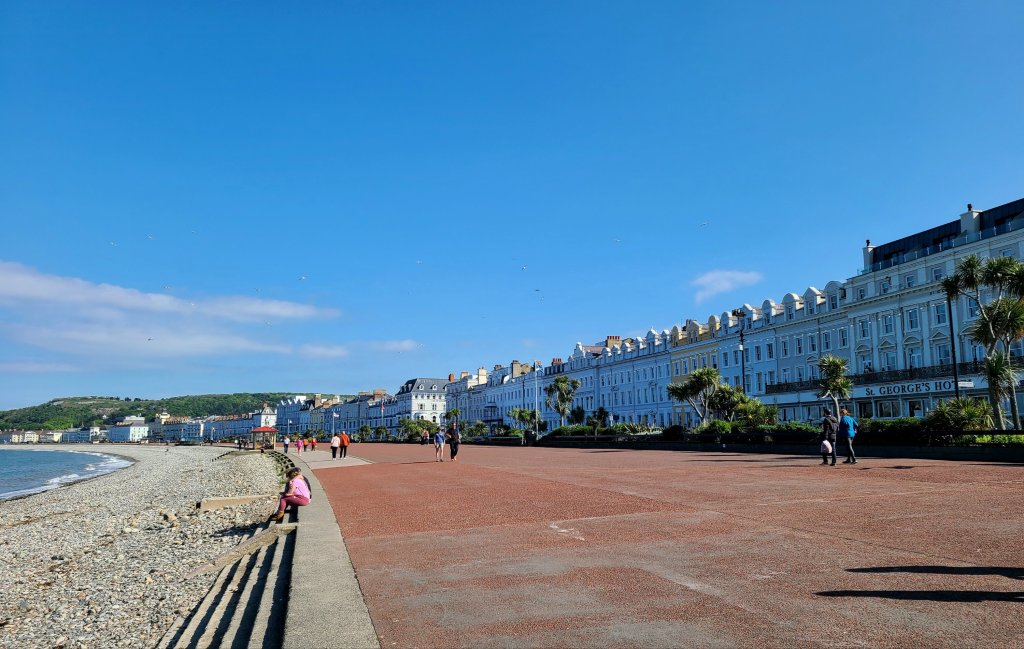
The Llandudno Promenade, stretching almost two miles long, is quite an impressive sight. With large Victorian hotels lining one side and the beach on the other, it’s the perfect spot for an evening stroll.

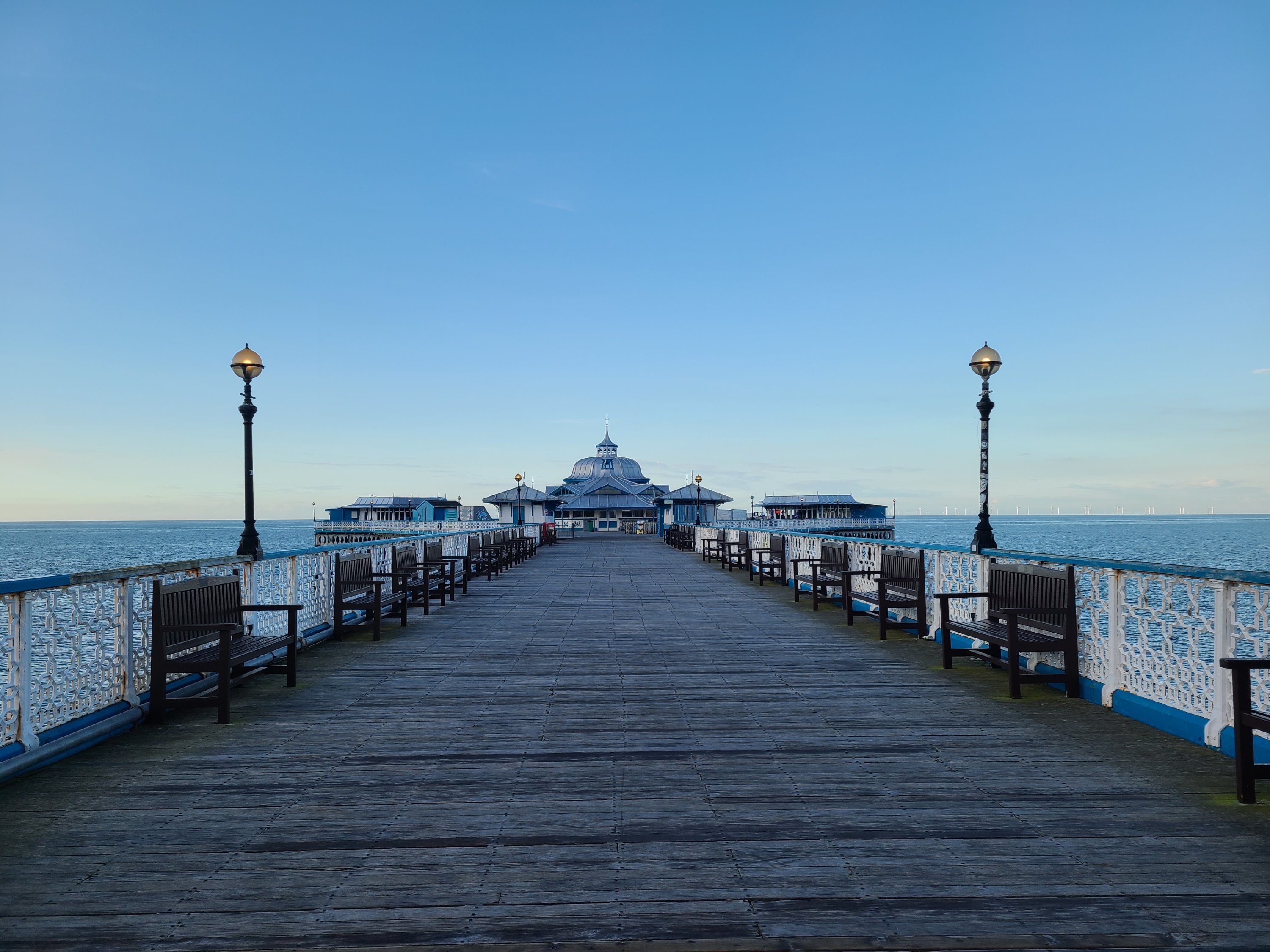
One of the most popular sights in Llandudno is Llandudno Pier, located at the west end of the promenade. This Victorian pier has been around since 1878. Jutting out into the Irish Sea, the pier is 2,295 feet in length, making it the longest pier in Wales. Along the pier, you’ll find a wide range of attractions, concessions, food stalls, and an arcade. 

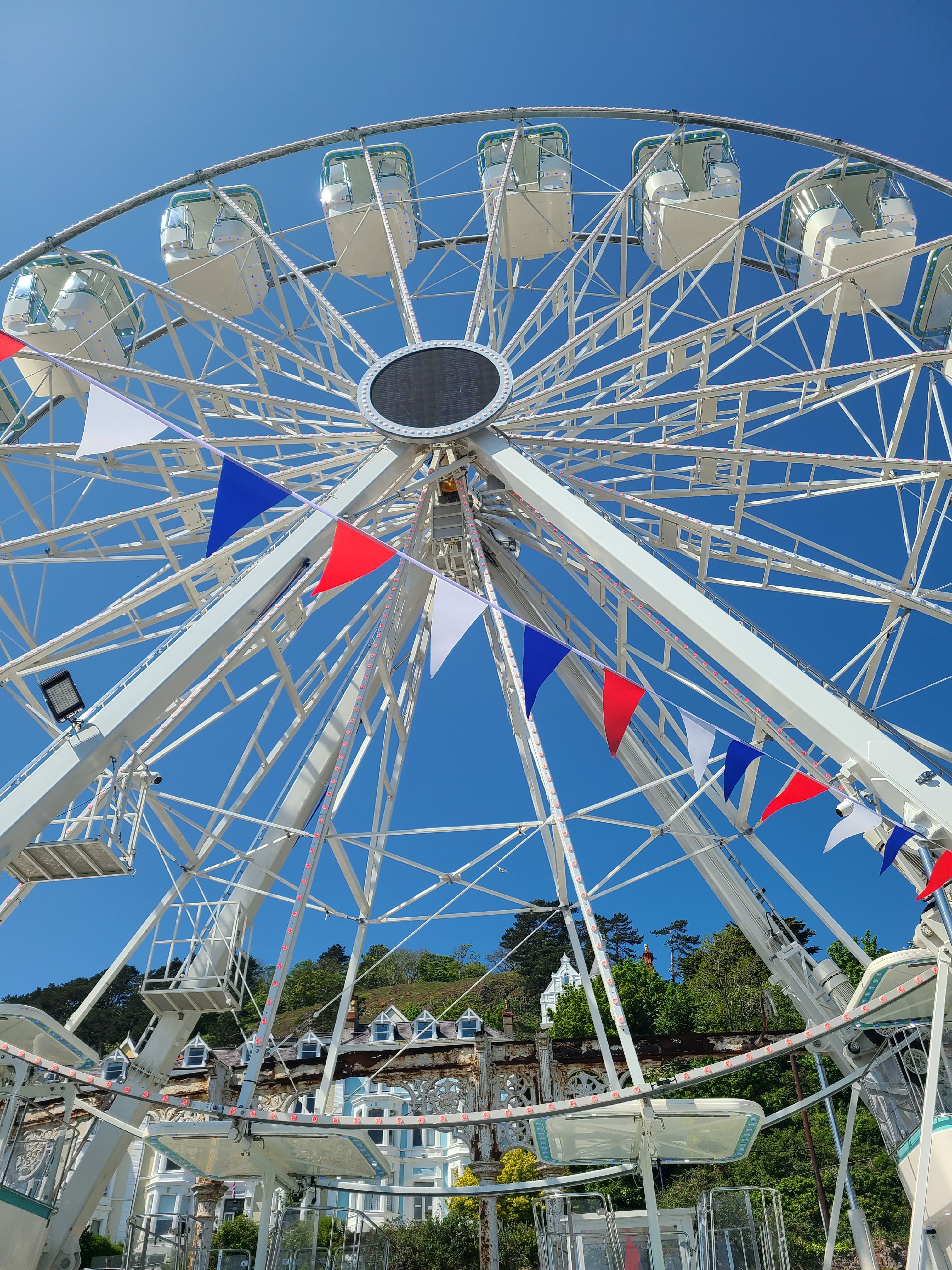
One of the most famous attractions is the Pier View Ferris Wheel, which stands 70 feet tall and has 18 gondolas providing riders with a stunning view of the promenade as well as the Great Orme as they enjoy the ride. Even more spectacular is seeing it lit up with 10,000 lights in the evening!
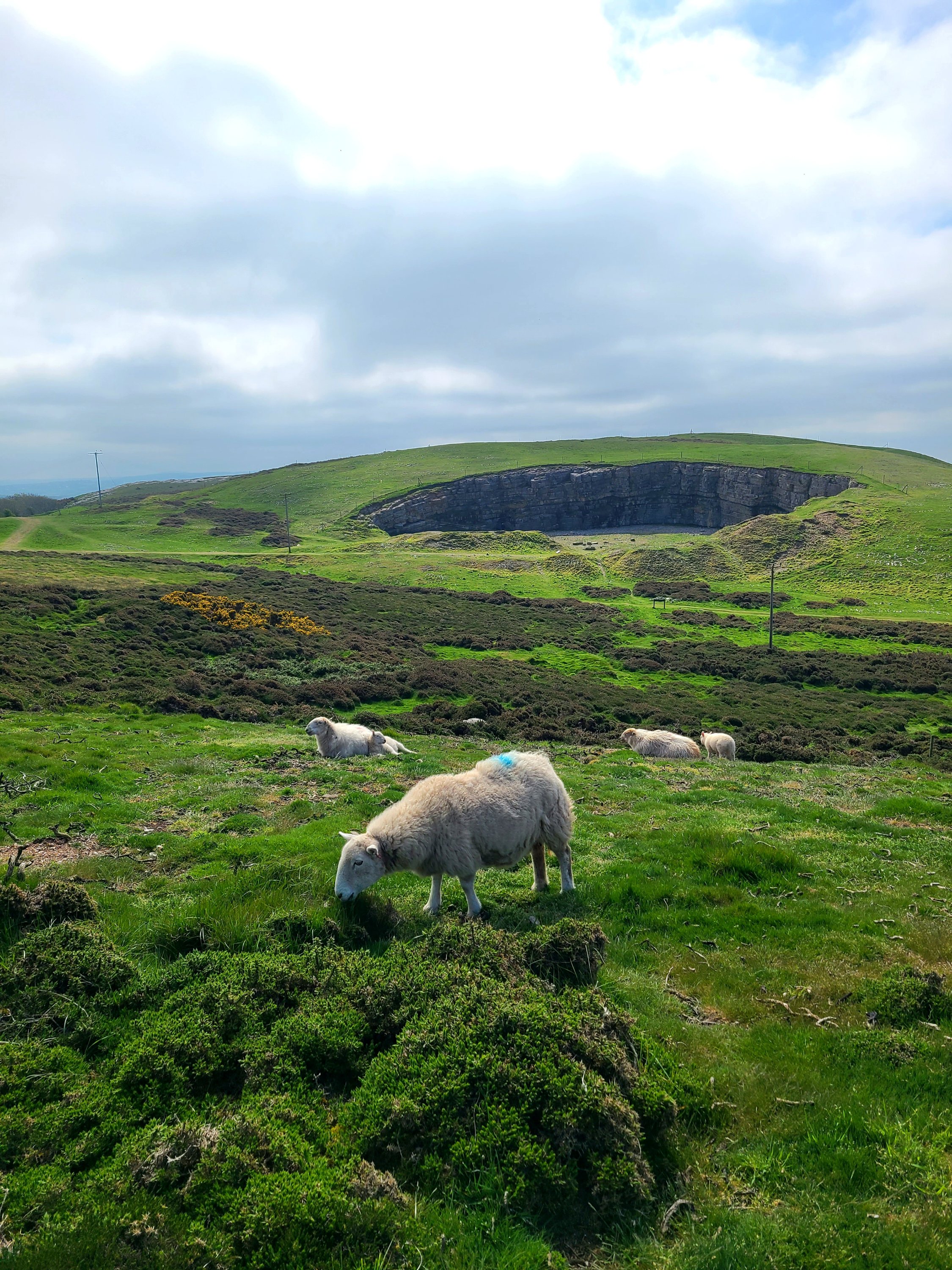
Rising above Llandudno stands the Great Orme, one of the most spectacular parks in Wales, with scenic views and diverse wildlife. It’s a limestone headland that has been mined for over 4,000 years.

This area became a popular spot during the Bronze Age when miners began prospecting the area for copper. Today, there are numerous trails to hike in the Great Orme, or you can take a drive around the Marine Drive Toll Road, taking in the views and trying to find the famous Kashmir goats. A pair of goats from the Windsor Royal Herd were given to Major General Sir Savage Mostyn around 1880. The herd was released on the Great Orme 20 years later and the goats have been roaming wild ever since! Easier to spot are the herds of sheep found grazing all over.

(You can walk or bike the Marine Drive Toll Road for free. Cars cost £4.50 for the 5-mile scenic drive.)

There are two other ways to get to the summit: Cable Cars or the Tramway.

The Llandudno Cable Cars leave from Happy Valley Park and travel 679 feet up to the summit of the Great Orme. You can enjoy the panoramic views on this 9-minute journey.

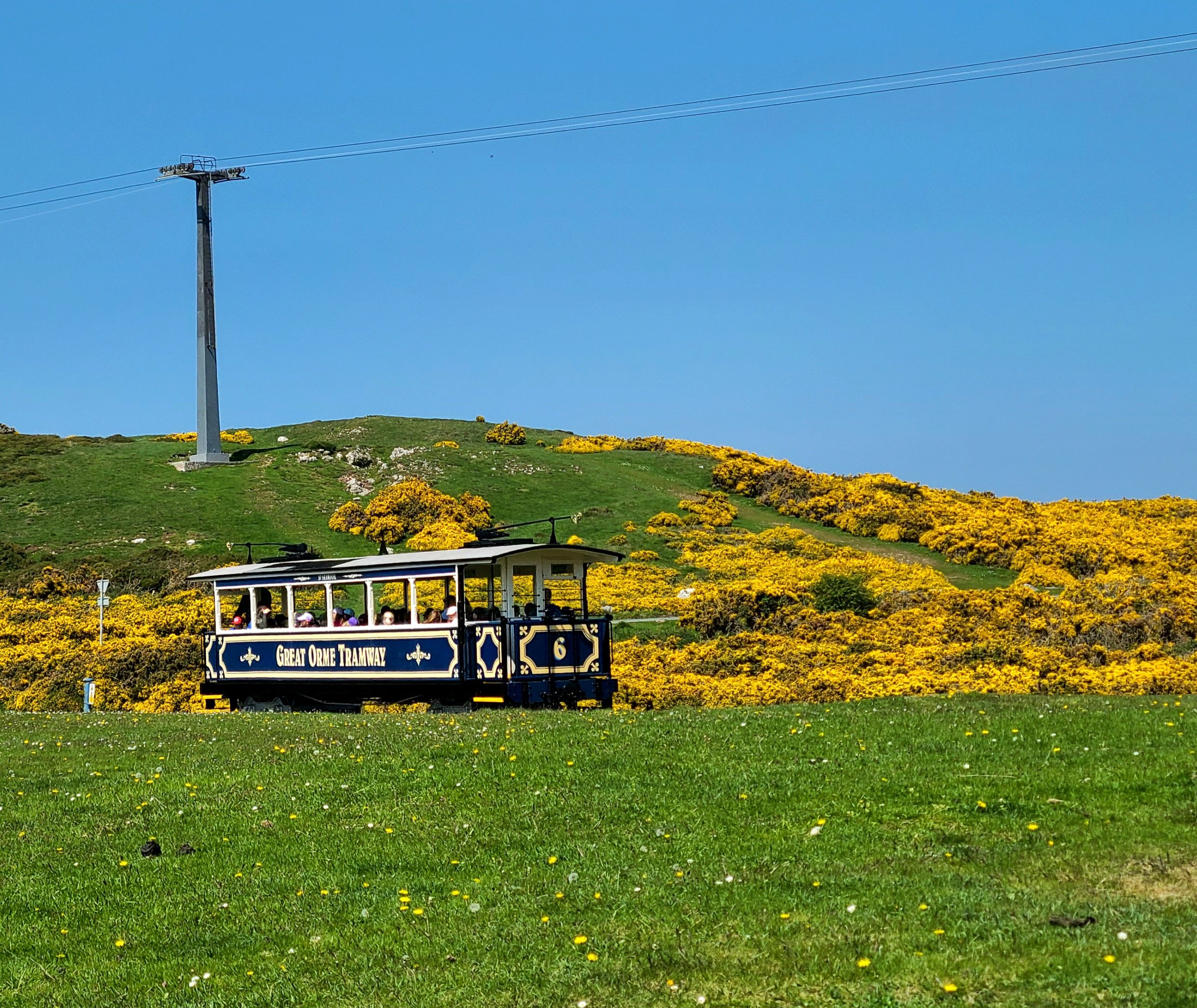
The Great Orme Tramway is another option to summit the Great Orme. The tram opened in 1902 and is Britain’s only funicular, or cable-hauled, tramway. The journey begins at Victoria Station and climbs up through the Great Orme Country Park and Nature Reserve to the summit, stopping to switch trams at the Halfway Station. Here, you can learn more about how the tramway works and watch the giant cables turn to move the tram along the tracks. At the summit, there is a cafe, gift shop, and some more info on the area to peruse once you are done taking in the beautiful views!

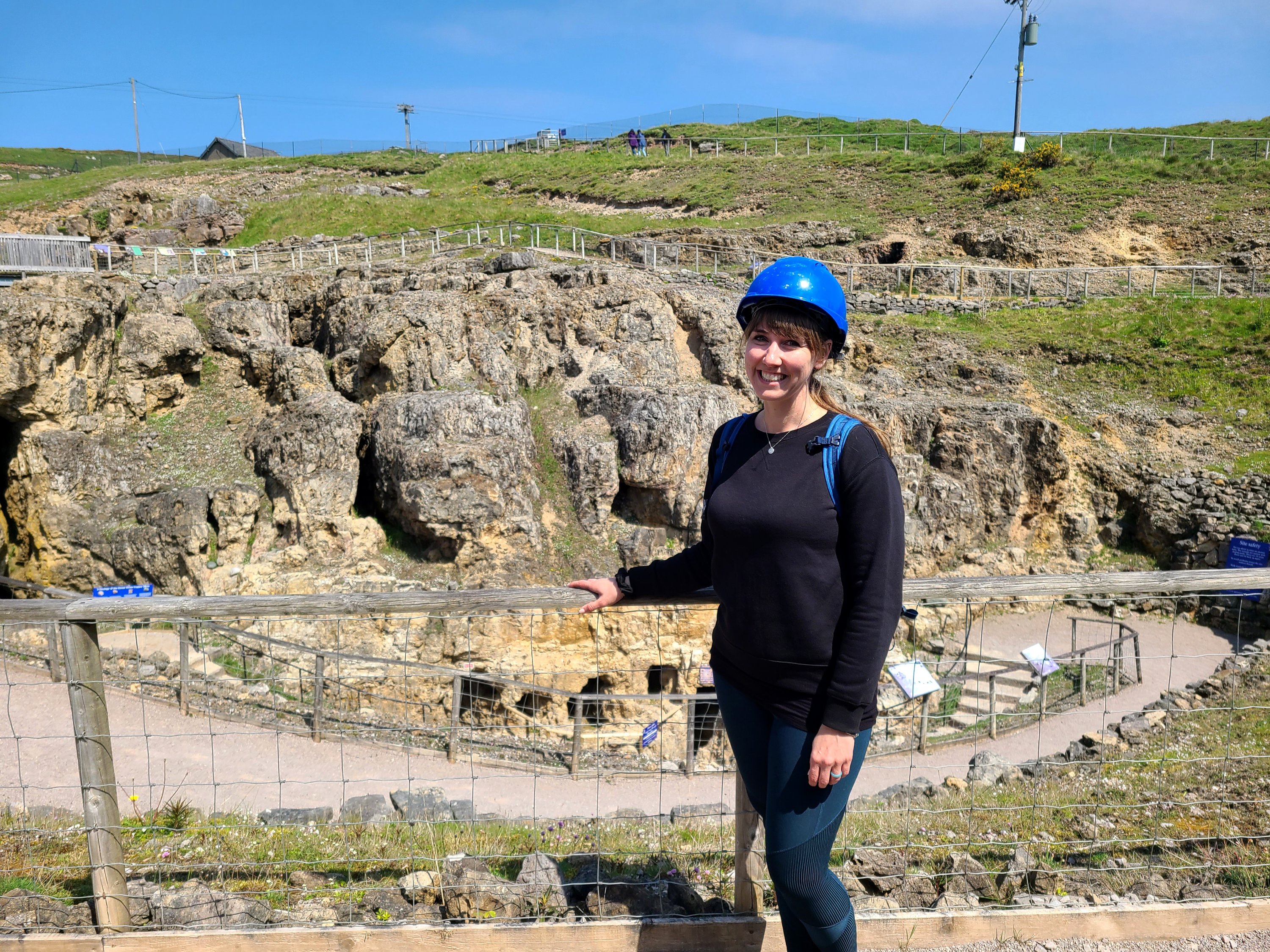
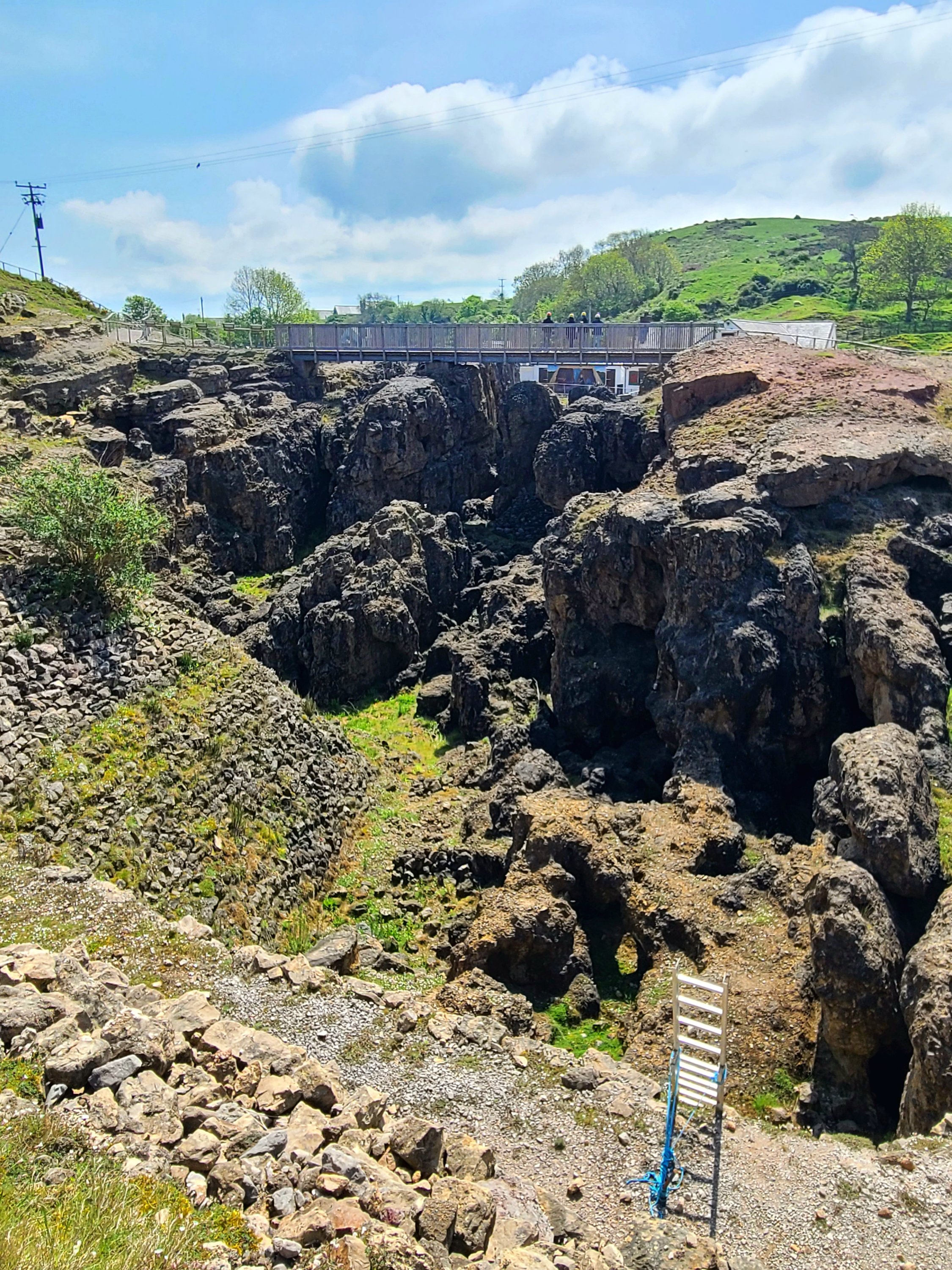
Great Orme Bronze Age Mine is located near the halfway stop on the tramway. The copper mine was uncovered in 1987 during plans to landscape that area of the Great Orme. Since then, mining engineers, cavers, and archaeologists have continued to discover more tunnels and large areas of the surface landscape. It is considered to be the largest prehistoric mine discovered so far.

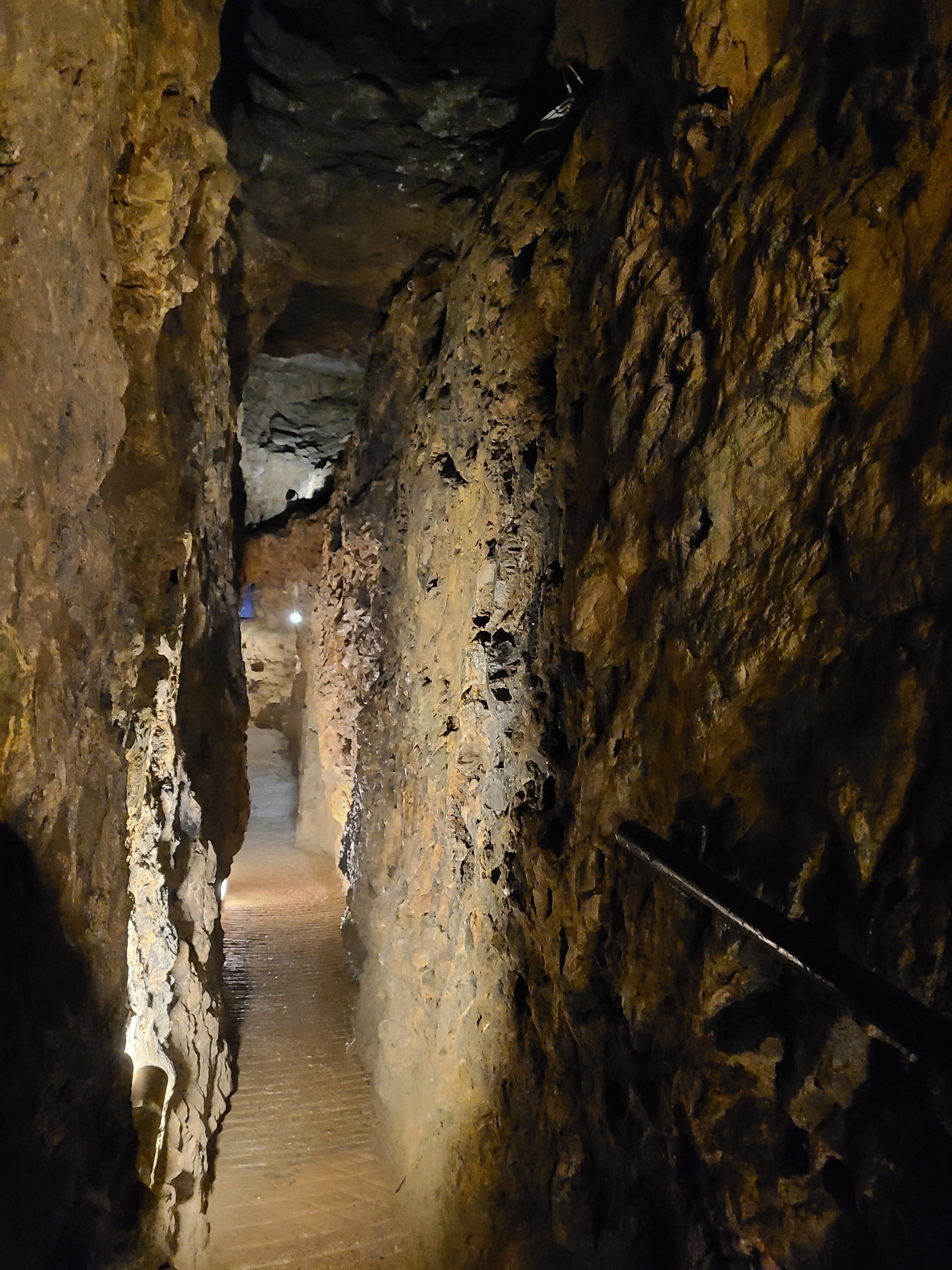
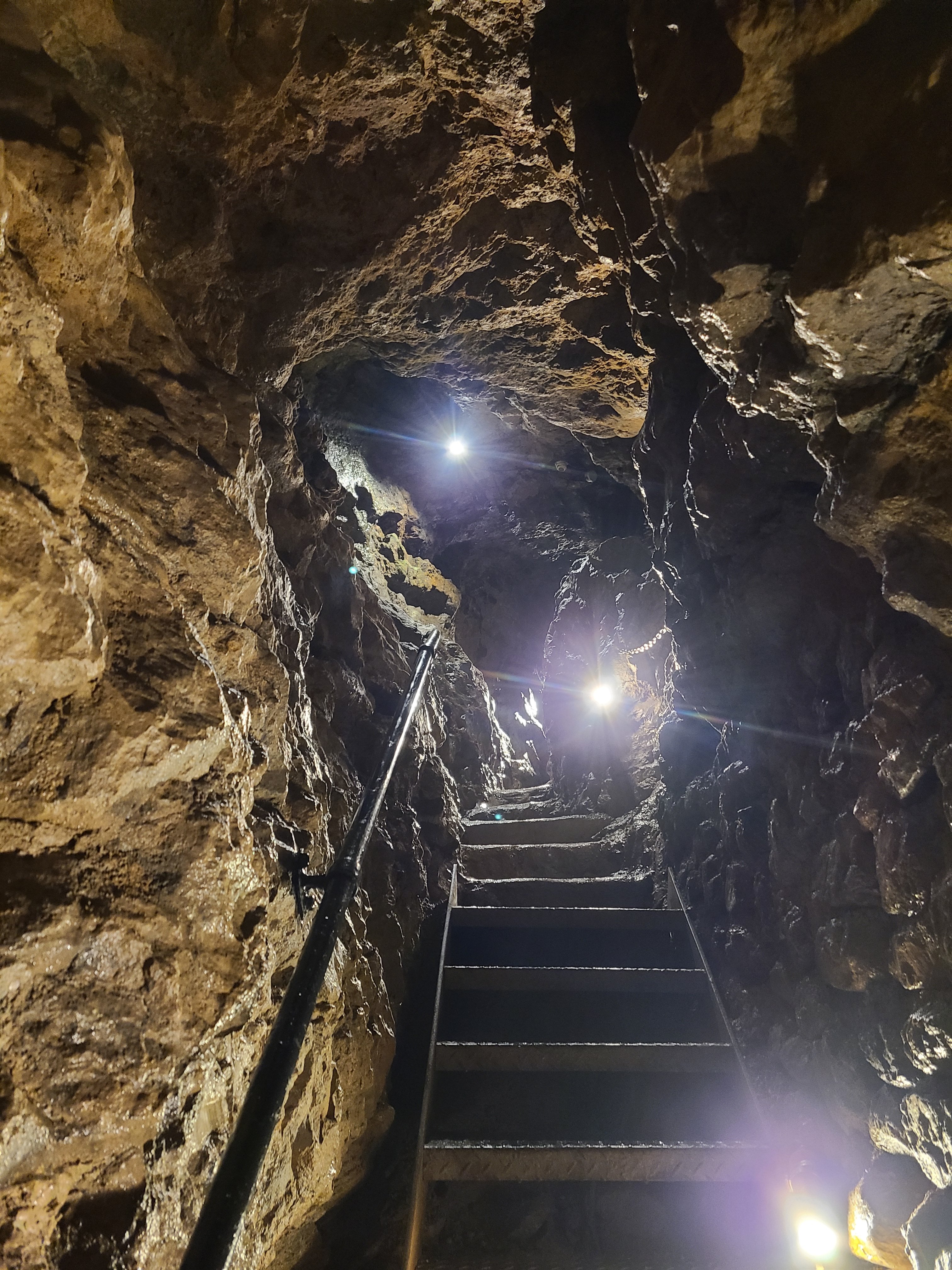
After a quick introduction video, you put on your hard hat and head down into the mine on a self-guided tour, exploring tunnels mined over 3,500 years ago. There are nine levels of Bronze Age tunnels found here. On the tour, you are able to explore levels 1 and 2, down 18m of the 46m total. The tunnels are very narrow and the ground is uneven in spots as you make your way down and then back up to the surface.

Once you’re back outside the mine, you can see down into the pit and learn about the steps involved in copper/bronze mining. It’s an interesting spot to explore with a lot of local history.

(Open daily at 9:30am. Last entry 4:30pm. Entry £10.50.)

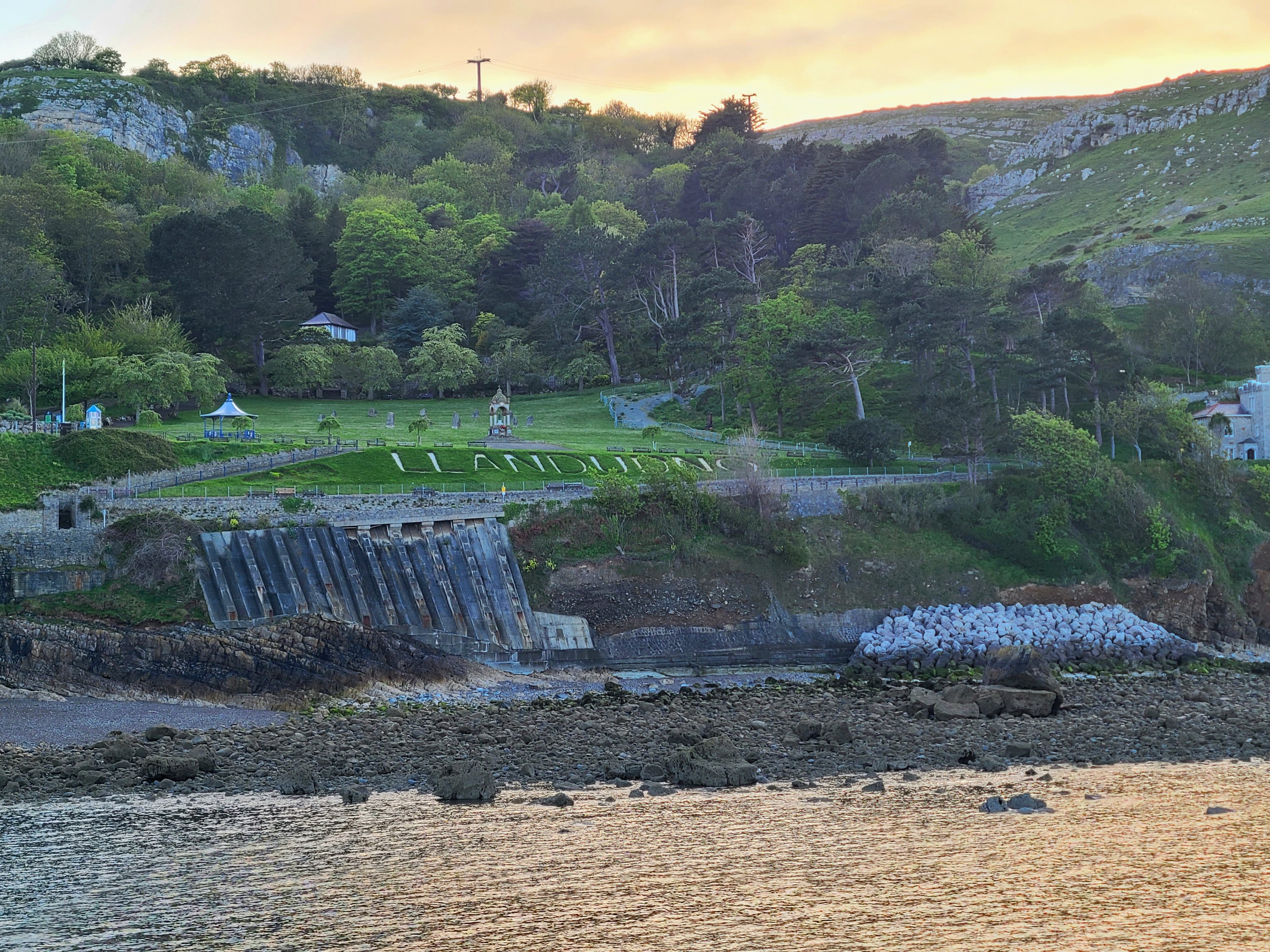
Happy Valley Park, located on the slope of the Great Orme, was donated to the town of Llandudno by Lord Mostyn in 1887 as a celebration of Queen Victoria’s golden jubilee. What was once a quarry has now been turned into a beautiful park that features a statue of Queen Victoria as well as gardens, a cafe, a putting green, a ski slope, and the cable car base station while offering great views of Llandudno Pier.

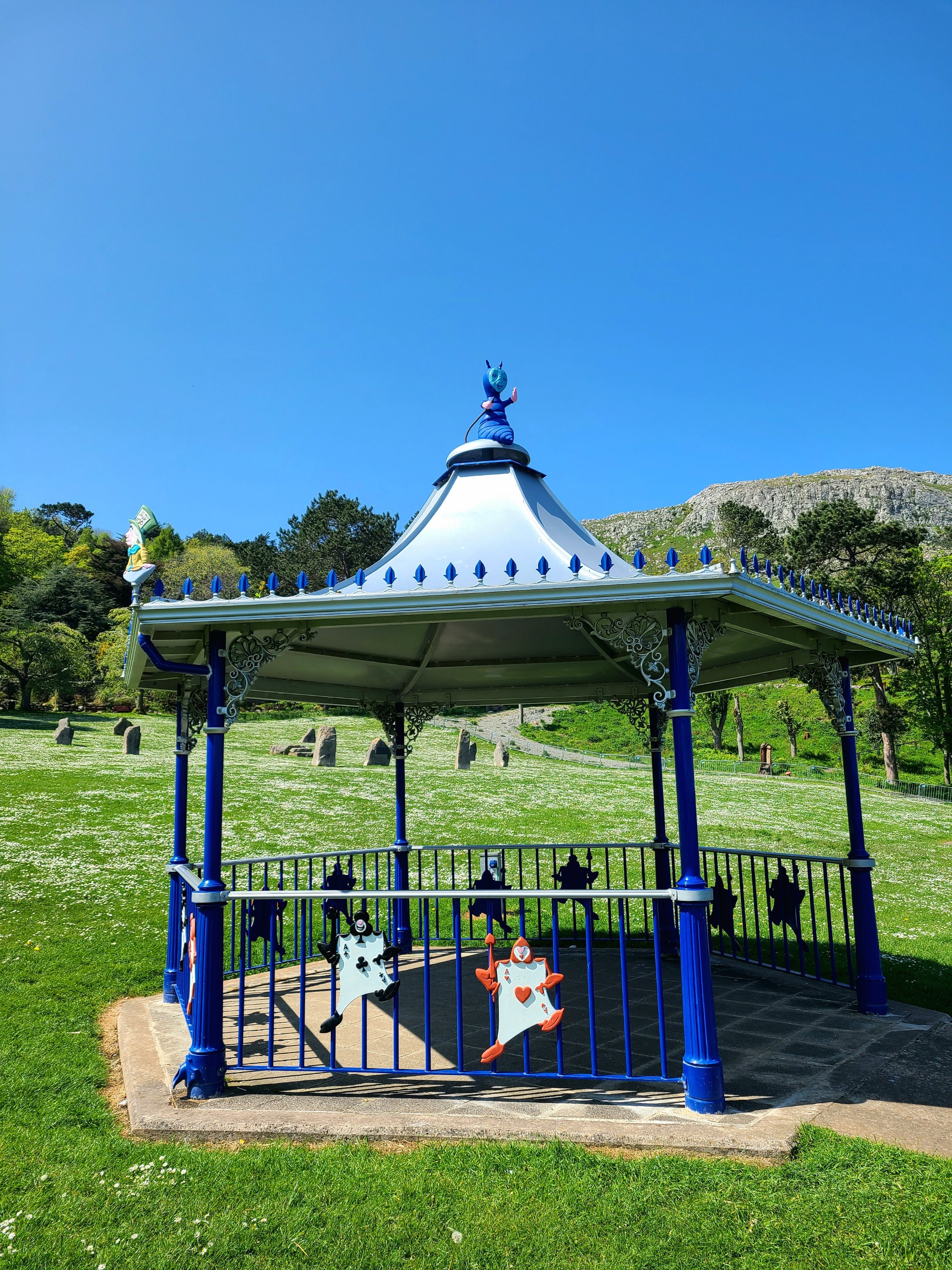
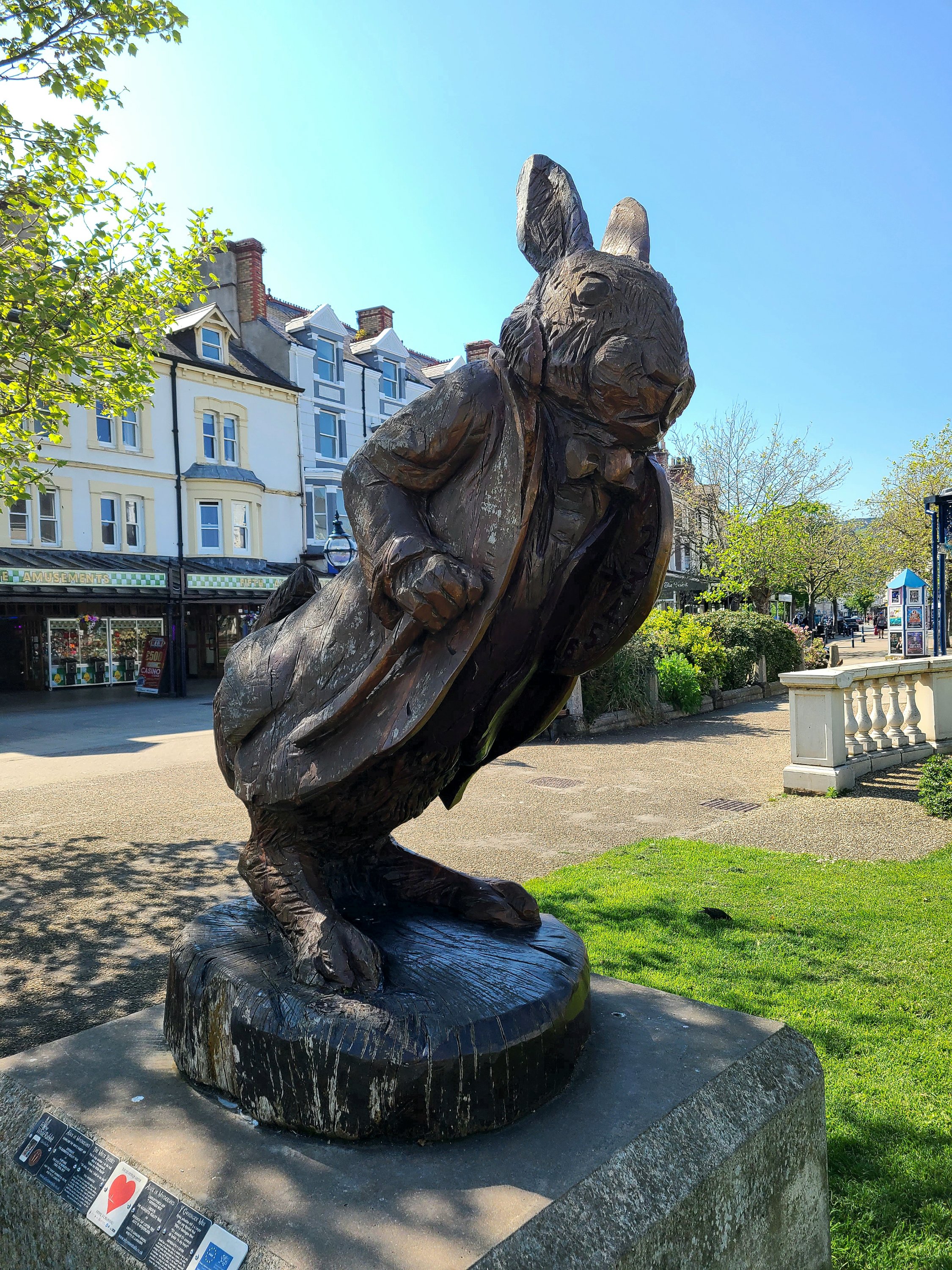
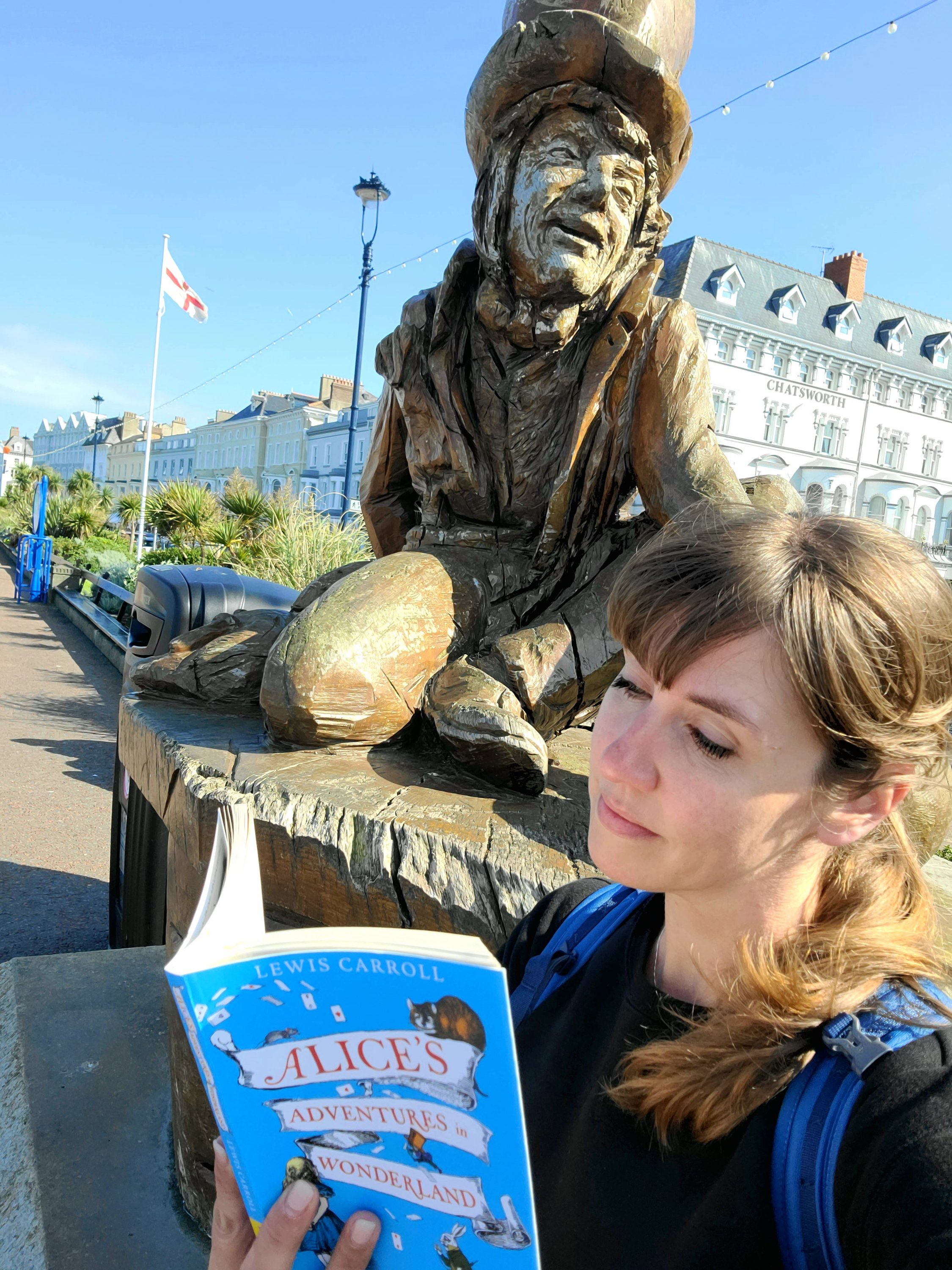
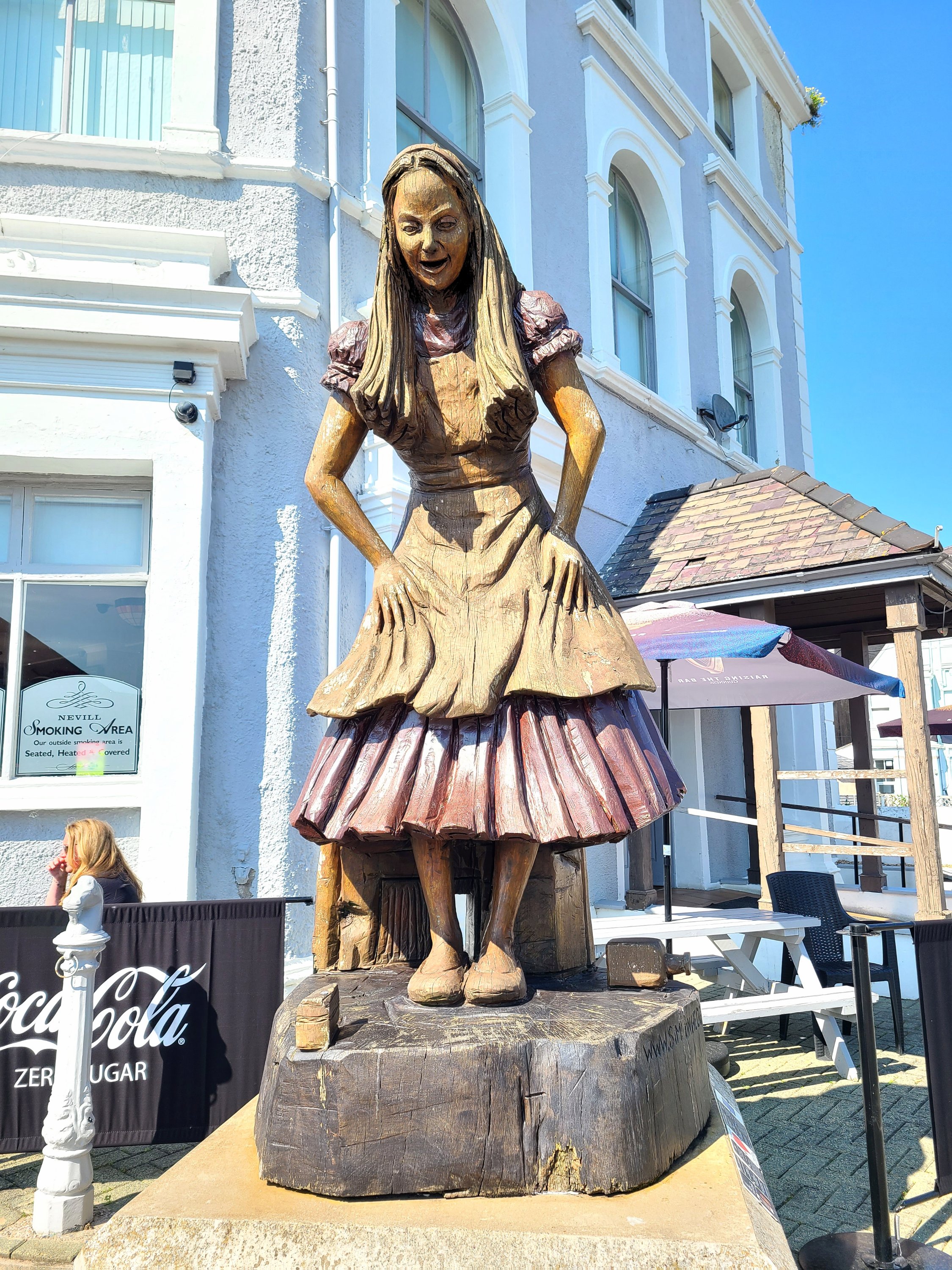
As you wander the streets of Llandudno, you will come across statues from Alice in Wonderland. It is said that the real ‘Alice’ spent the first of many summer holidays here in 1861 and inspired Charles Dodgson, who we know best by his pen name, Lewis Carroll, to write his famous novel Alice’s Adventures in Wonderland.

The town has embraced this story, unveiling an iconic White Rabbit statue in 1933. Since then, Llandudno has made the most of its Alice connection and you’ll find statues of characters like Alice, the Mad Hatter, the Queen of Hearts, and the White Rabbit scattered all around the town. Want to find them all? You can purchase an Alice in Wonderland Town Trail Map, “Follow the White Rabbit,” at the Tourist Information Centre and follow the 55 bronze cast footprints in the pavement starting outside the Llandudno Library.

Once you’ve finished your journey down the rabbit hole, head over to “The Looking Glass,” an Alice-themed dessert cafe, on Mostyn St. As you step inside the colourful dessert wonderland, the smell is amazing. The wholevenue is adorned with Alice in Wonderland-themed quotes and items.

From the bar you can order your ice cream with waffles or pancakes, as a banana split and more, and then choose what assortment of toppings and sauces you want to add to your creation. If you have a sweet tooth, you’d be ‘mad’ to miss enjoying a treat at this curious cafe!

Ready for some real food?

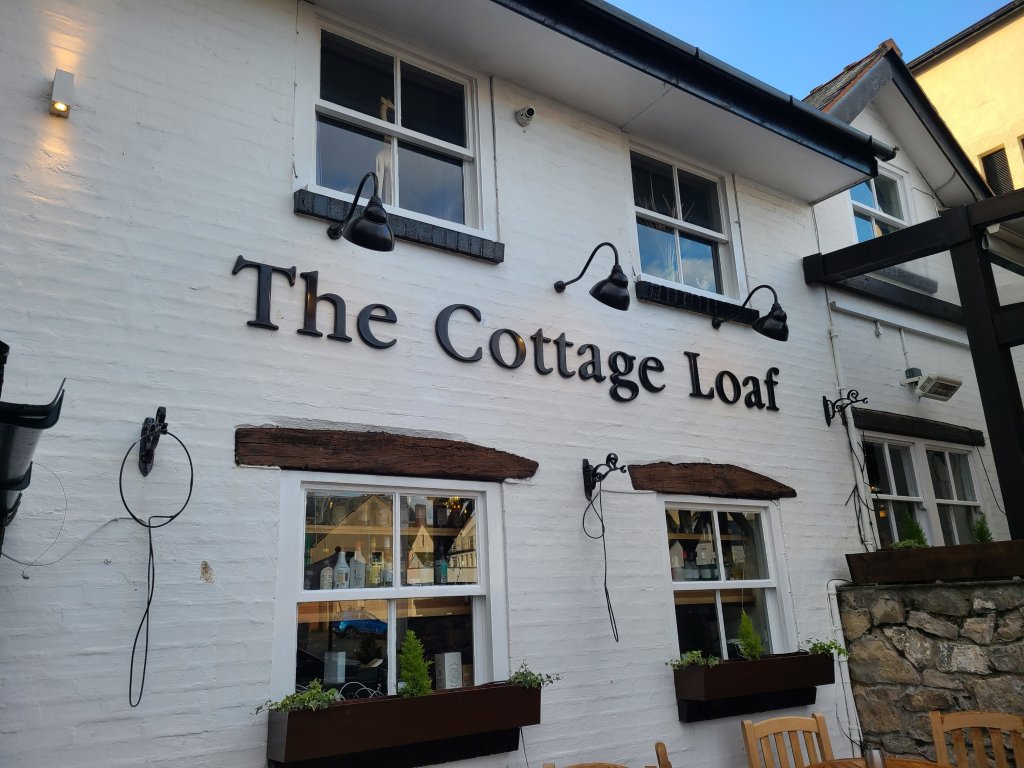
Head to The Cottage Loaf, a traditional Welsh country pub. It’s got a homey feel with wooden beams, fireplaces, old heavy furniture, and a great bar with a large variety of beer, including some local craft ones.

This charming town has something for everyone to enjoy on your Victorian-style seaside holiday!

Categories: Blog, Europe, Photo, Where in the World | Tags: , , , , , , , , , , , | 1 Comment

Colourful Tenby: Wale’s ‘Little Fortress of the Fish’

While researching seaside towns to visit in Wales, I quickly found that Tenby checked all the boxes:

Sandy beaches ✔️

Castle ruins ✔️

Colourful houses ✔️

Local brewery ✔️

and a nearby island inhabited by monks to explore✔️

So, I took the train from Cardiff and headed off to enjoy a few days by the seaside.

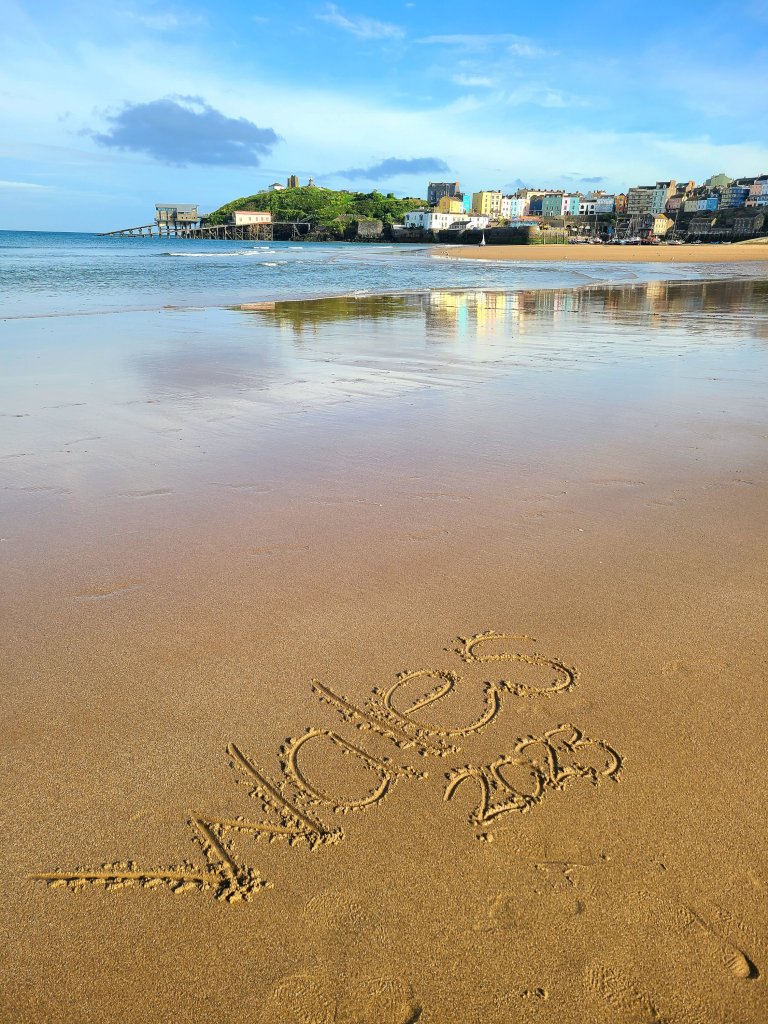
The historic fishing village of Tenby is located in the beautiful Pembrokeshire area of Southwest Wales.

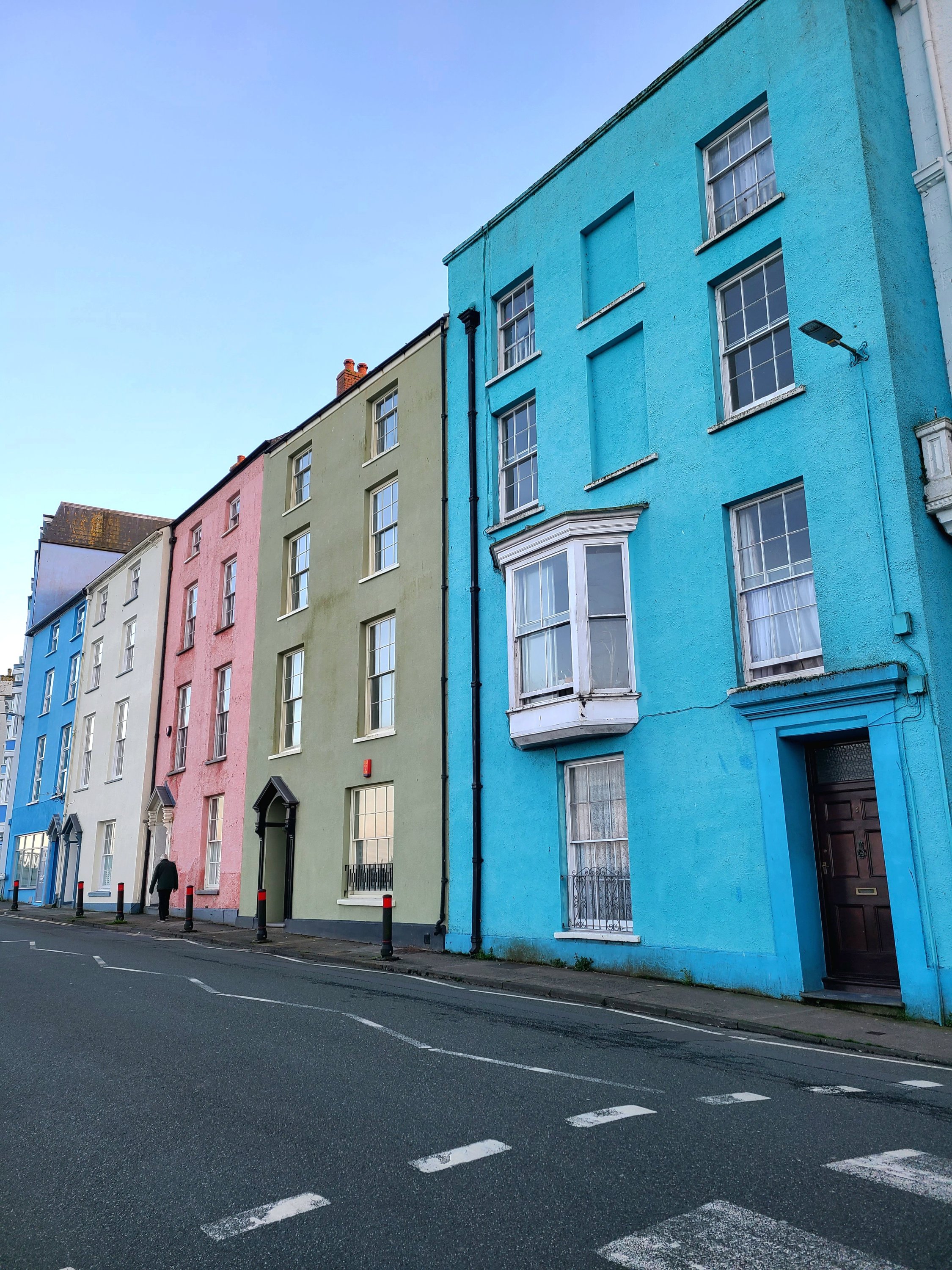
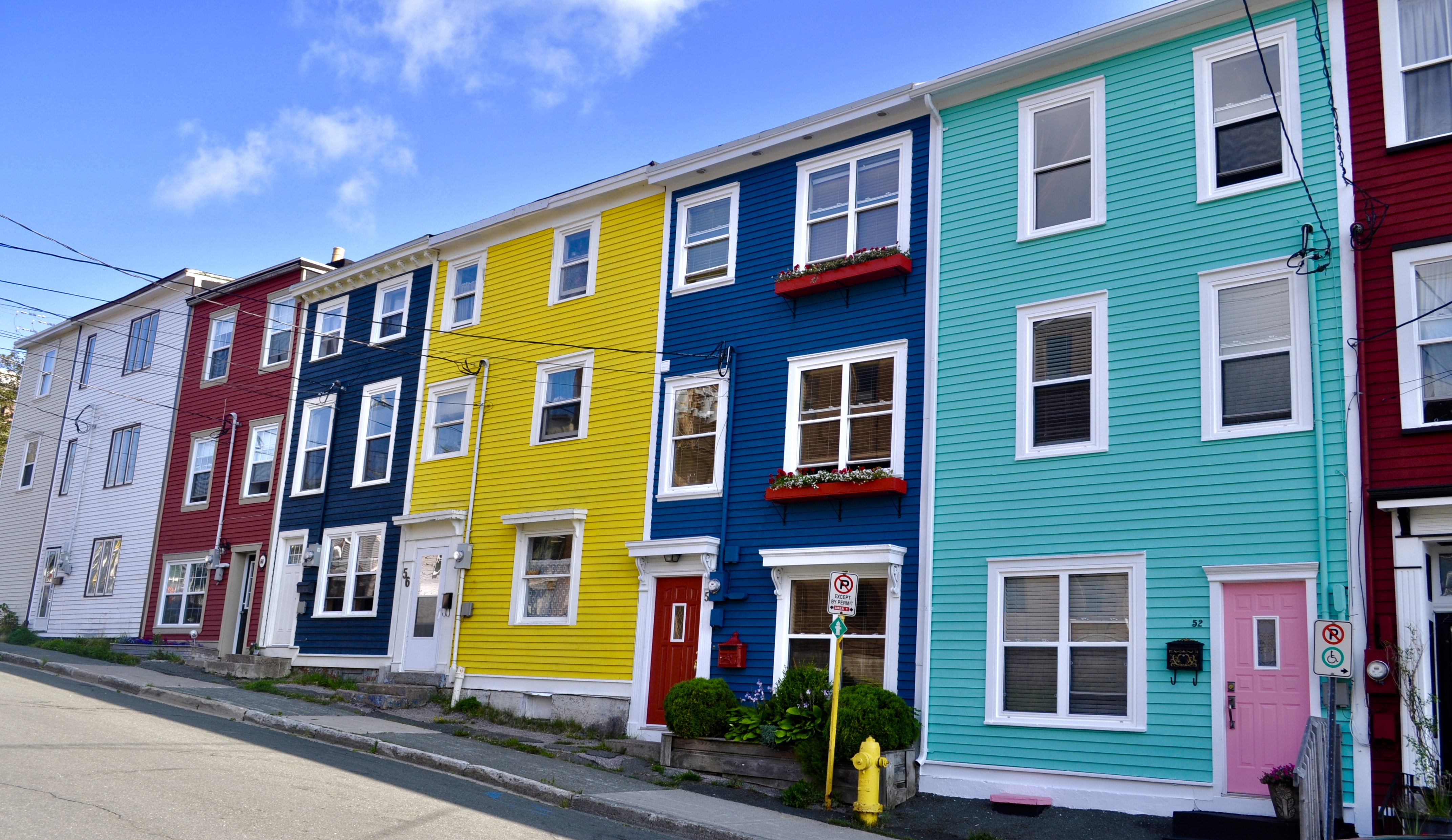
As a Canadian, it instantly reminded me of St. John’s, Newfoundland, with its colourful rows of houses, fishing boats, harbour, and plenty of fresh local seafood.

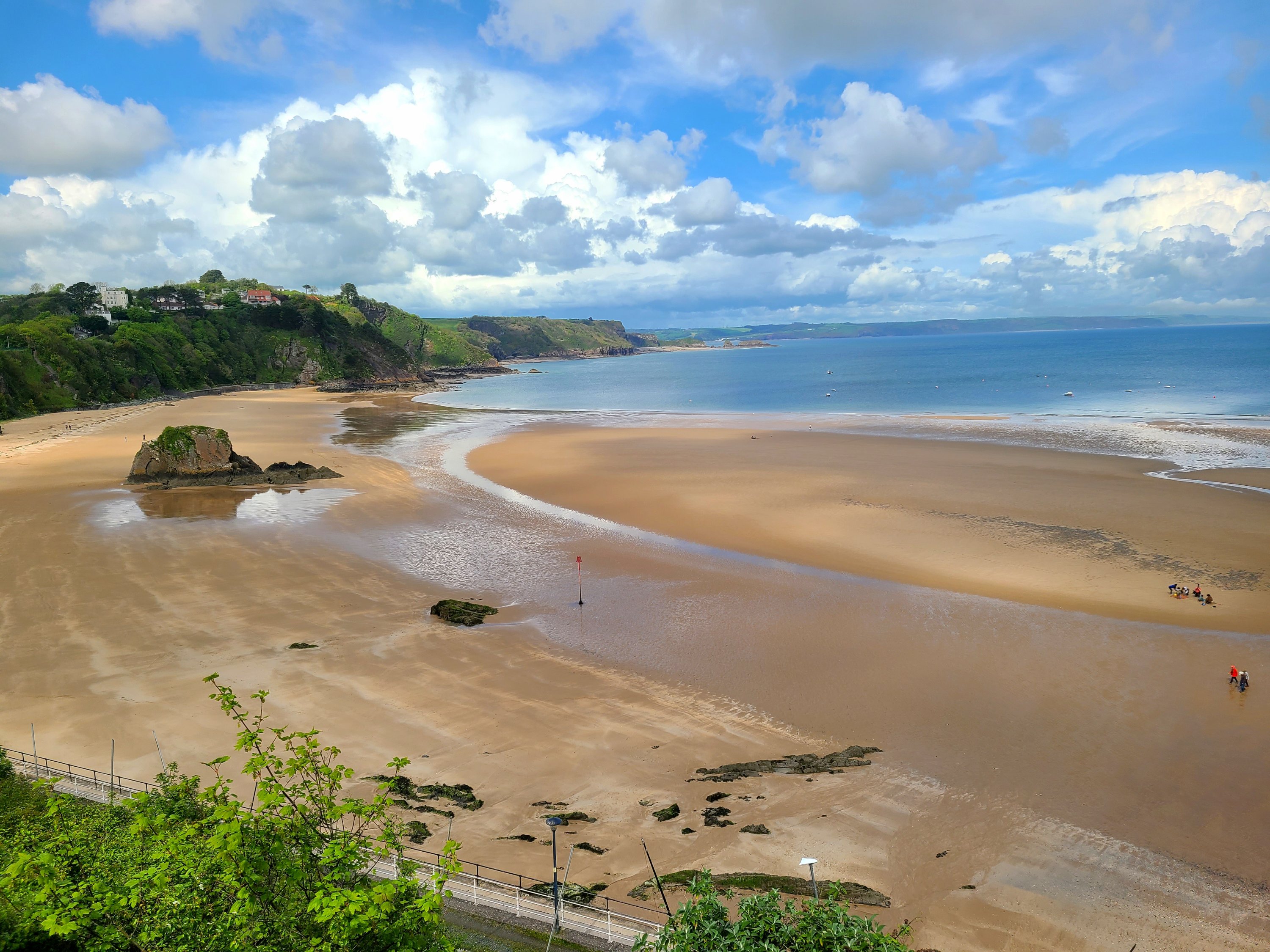
In Tenby, you are never far from a sandy beach. North, South and Castle beaches are all an easy walk from anywhere in town and with lots of space, especially when the tide is out, there’s plenty of room for everyone.

Tenby’s Welsh name, Dinbych-y-Pysgod, means ‘Little Fortress of the Fish’ and fishing is very popular here. Explore the harbour and find locals fishing off the pier or book a mackerel fishing excursion from one of the boat operators. You can also book tickets for a seal safari, island cruise, sunset cruise, and more.

Early in the morning, you will find the harbour full of boats floating in the calm water, but as the tide goes out, soon the boats are sitting in the sand. It’s quite the sight!
The harbour has its own small beach to enjoy as well as the old stone St Julian’s Fisherman’s Church.

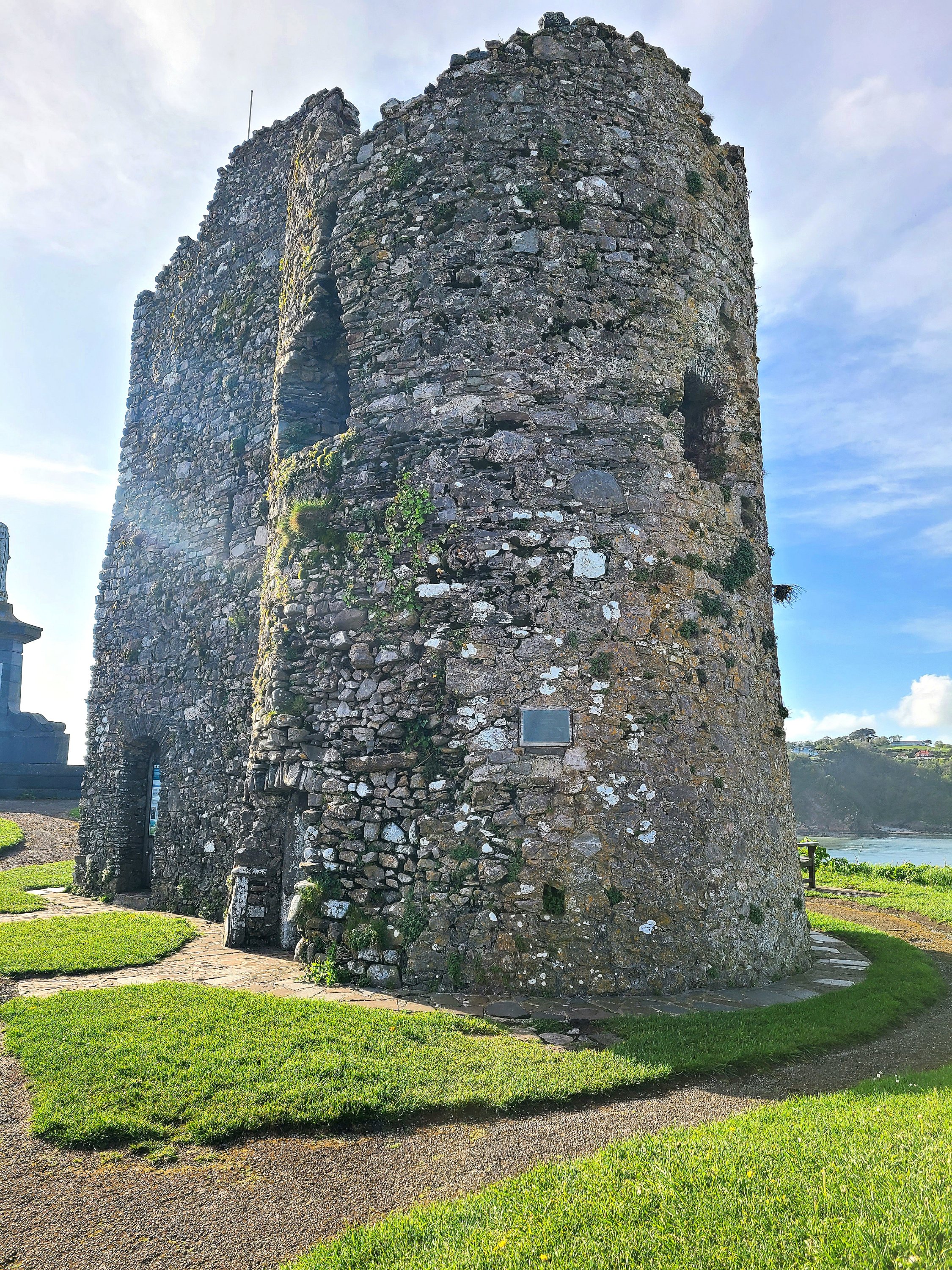
Tenby Castle was built by the Normans in the 12th century. Today, all that’s left of Tenby Castle is a small tower perched on top of Castle Hill, overlooking Castle Beach and surrounded by the sea.

While most of the castle is gone, the old town walls remain fairly intact, especially on the east side. The main entrance here is ‘Five Arches’ gate, leading to a maze of narrow streets that make up the picturesque old town of Tenby.

St Catherine’s Island & Fort has a very interesting history including a 13th century chapel, Victorian fort, palatial home, wartime garrison, zoo, movie location, and is now a visitor attraction.

Located just off Castle Beach, at low tide, St Catherine’s becomes a tidal island that’s easy to stroll across the beach to. (The entrance fee is £5. Open daily during the summer. Times depend on the tides.) 

I loved walking along the waterfront, past all the colourful houses and up and down the hilly old streets, making my way around town.

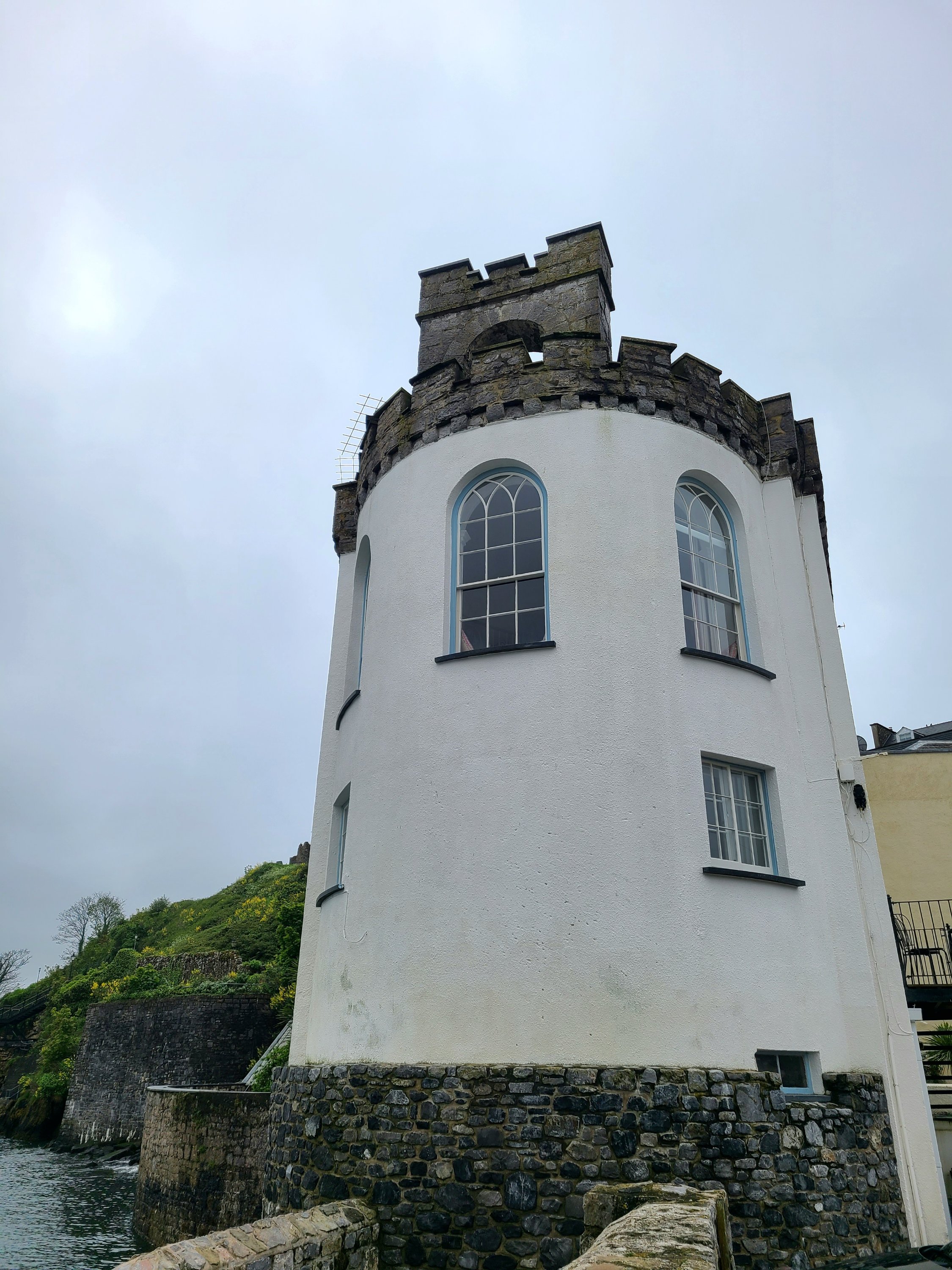
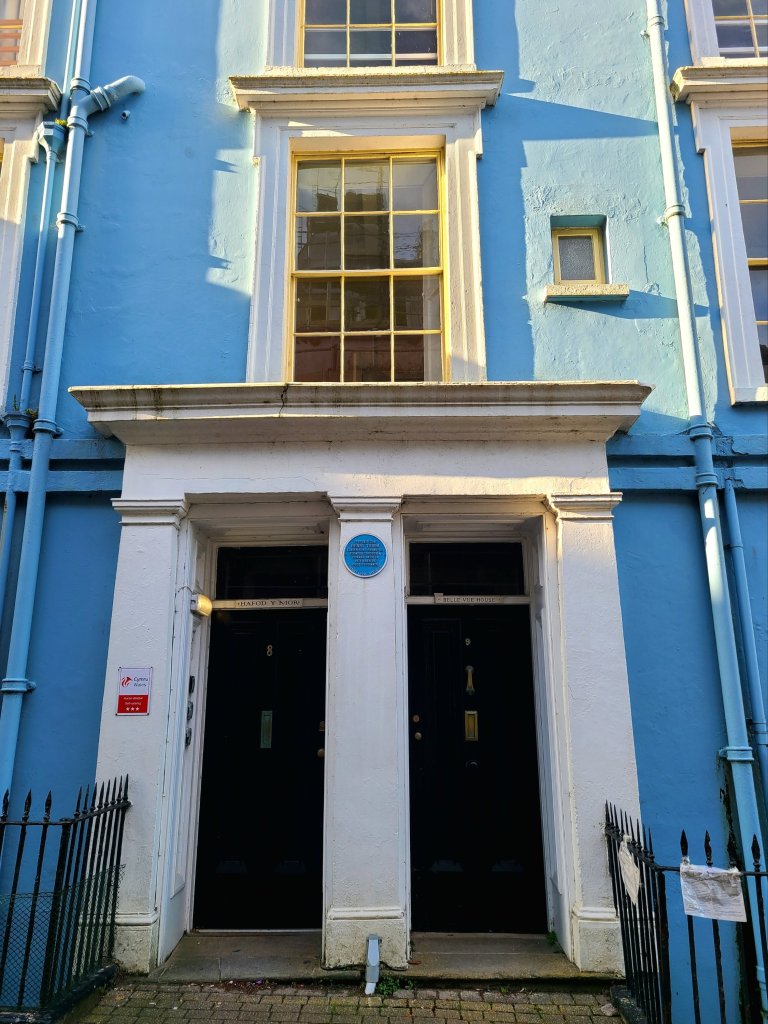
As I wandered around, I found a number of old buildings with plaques on them stating what famous person had lived or vacationed there, including authors Mary Ann Evans (aka George Eliot) and Roald Dahl. (I would have loved to stay in this cabin by the water!)

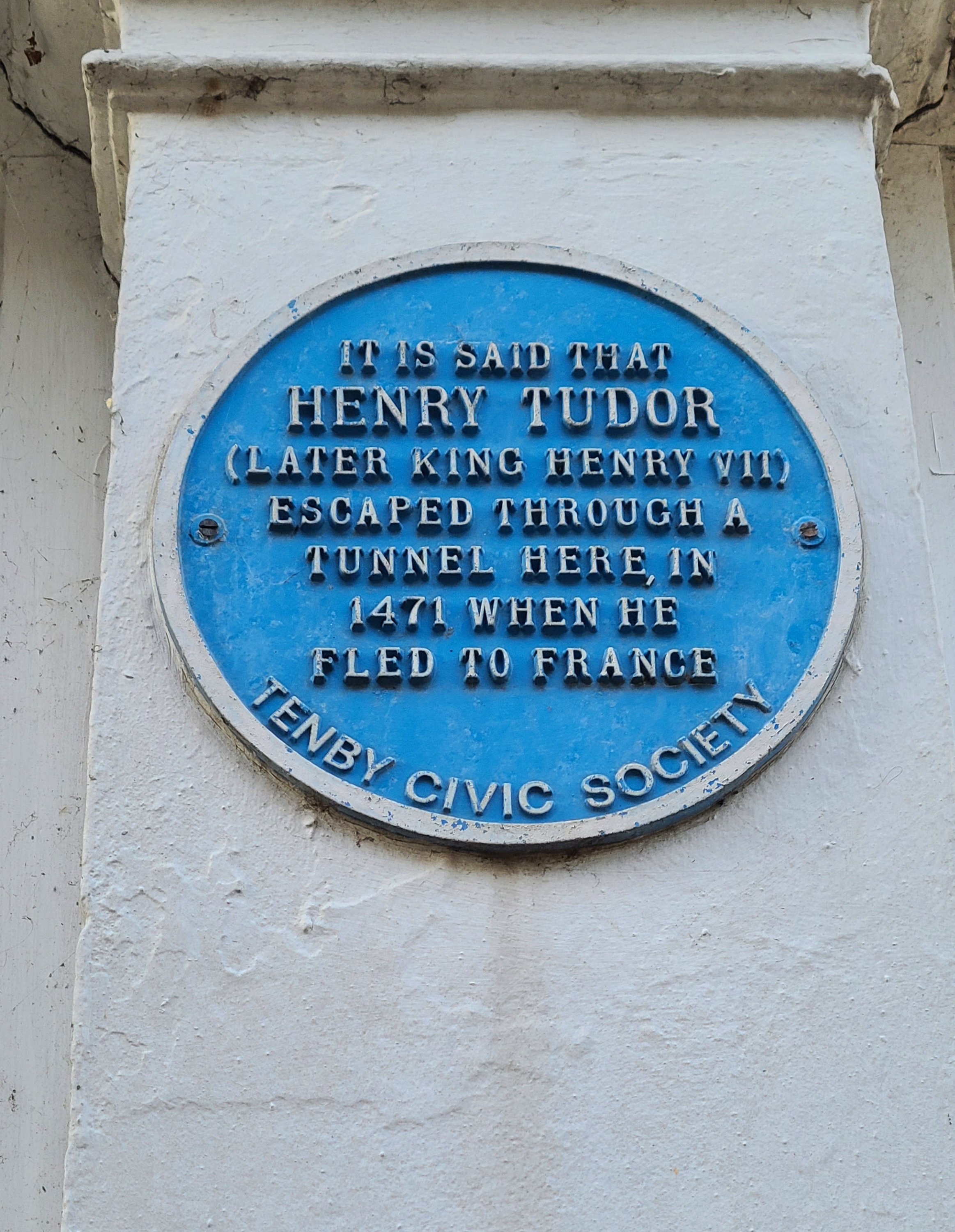
And this house, where it’s said that Henry Tudor (later King Henry VII) escaped through a tunnel and fled to France in 1471!

St. Mary’s Church stands in Tudor Square. During the Middle Ages, it was the largest Medieval Church in Wales and reflected the town’s prosperity as a bustling port town.

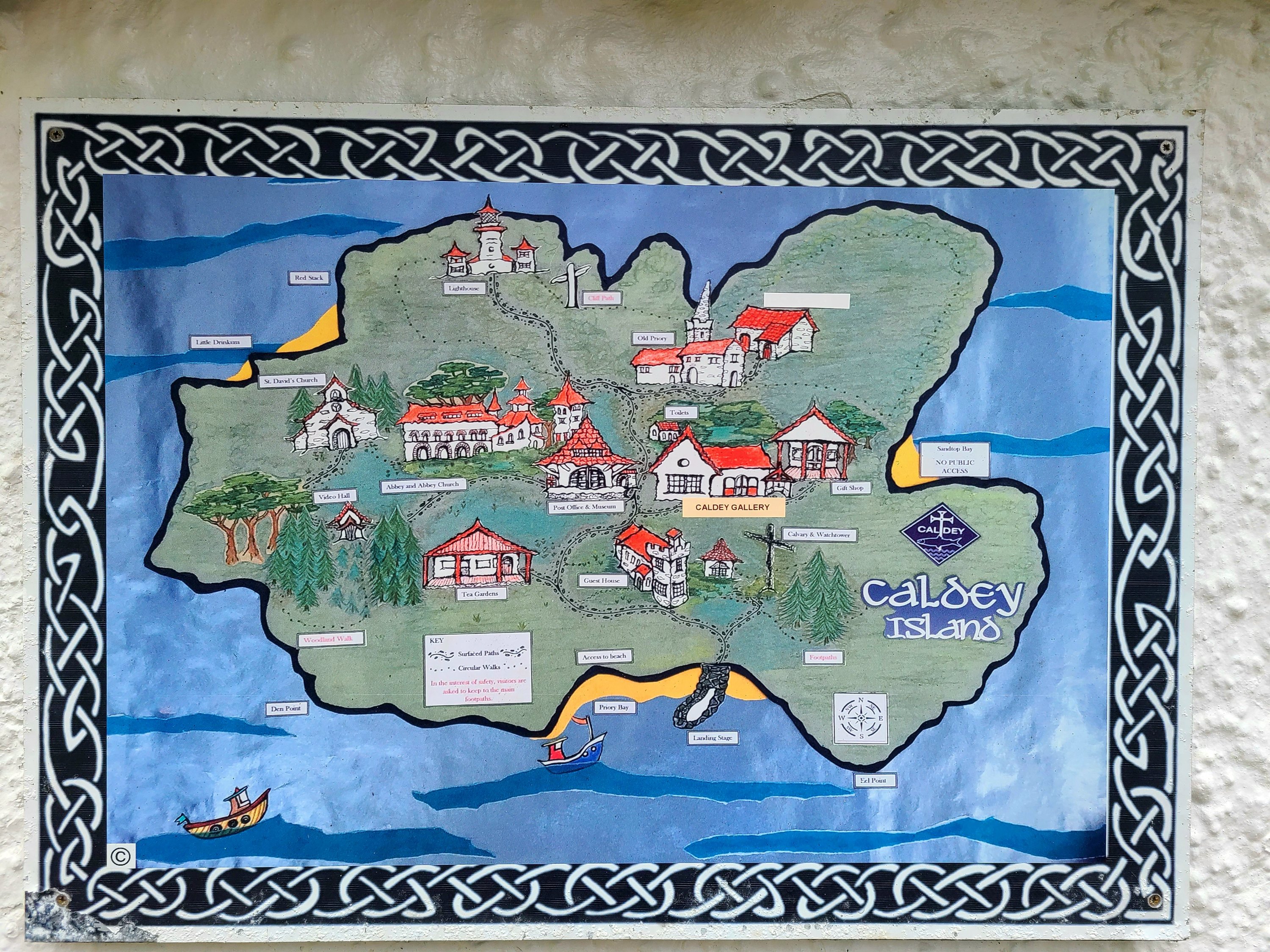
Caldey Island is a small island, 2.4km long & 1.6km wide, located about a 20-minute boat ride from Tenby. (£15 return, buy from a kiosk down by the harbour.)

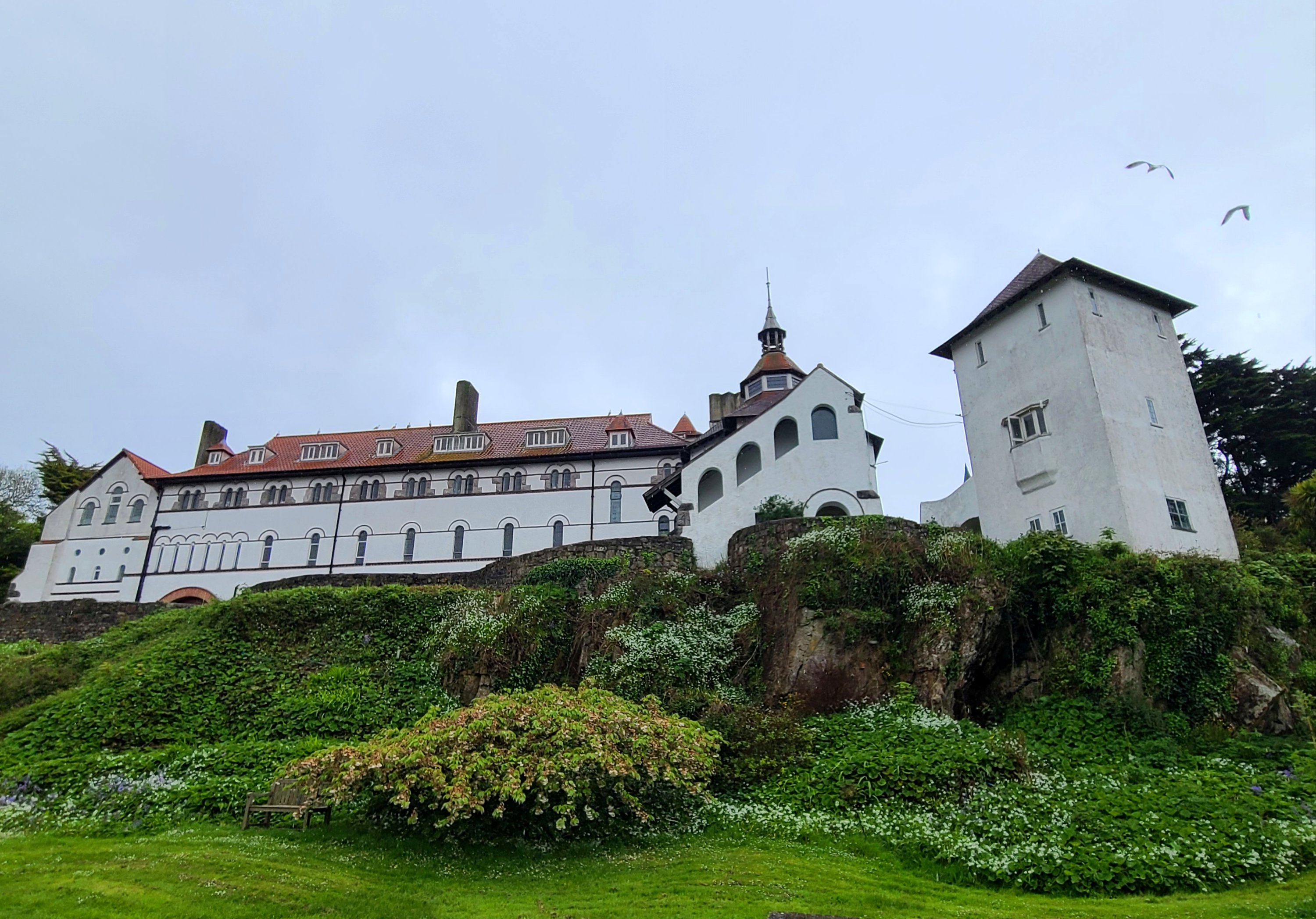
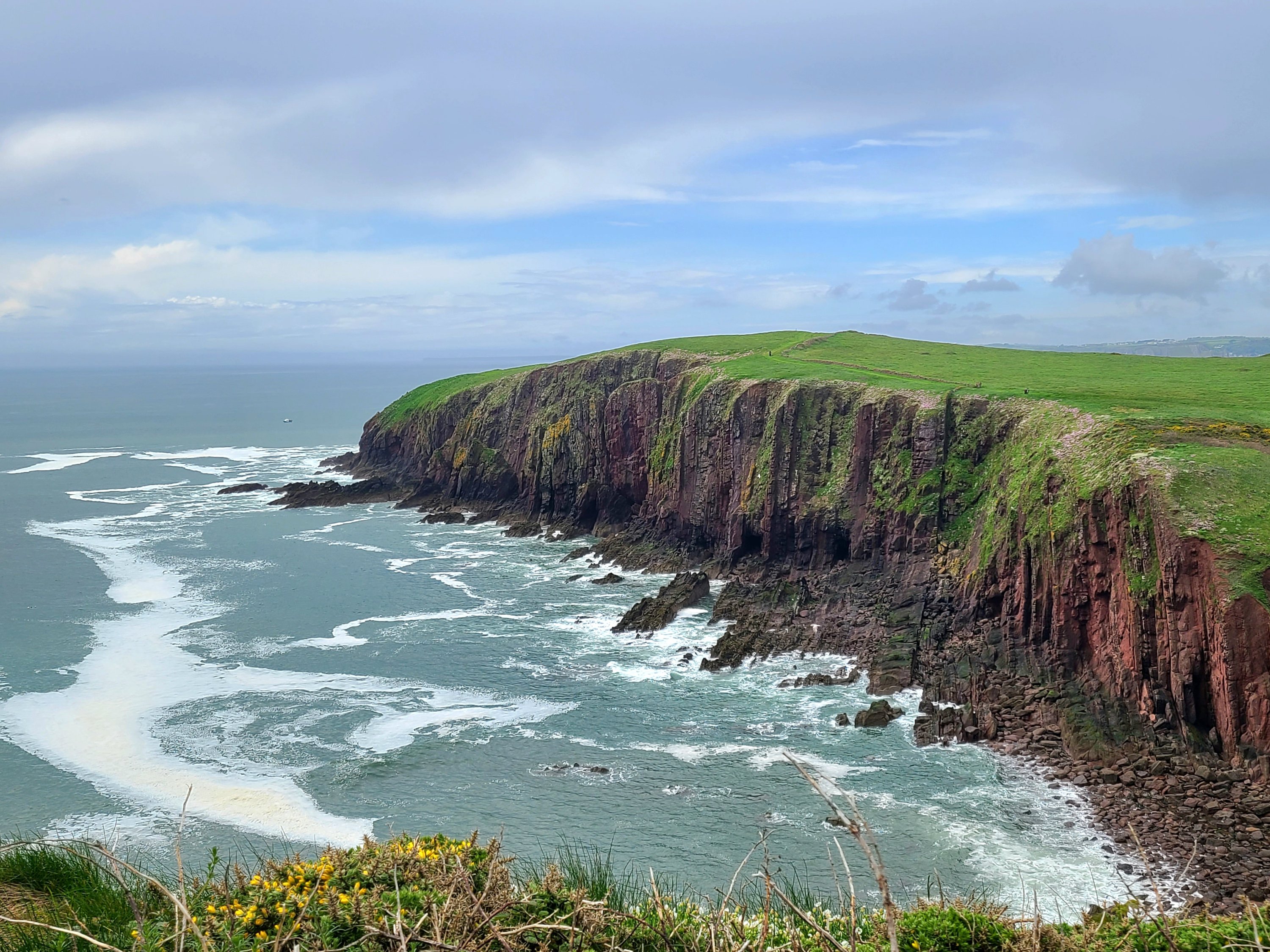
The island has been inhabited by monks since the 6th century. Currently, Caldey Island is home to Cistercian monks, who built the abbey here in 1906. The island is also home to one of the area’s most beautiful beaches and gorgeous cliff views along the island’s trails. The small village hosts a tea garden, gift shop, gallery, and post office. The monks make and sell chocolate and perfume on the island and I definitely recommend the chocolate!

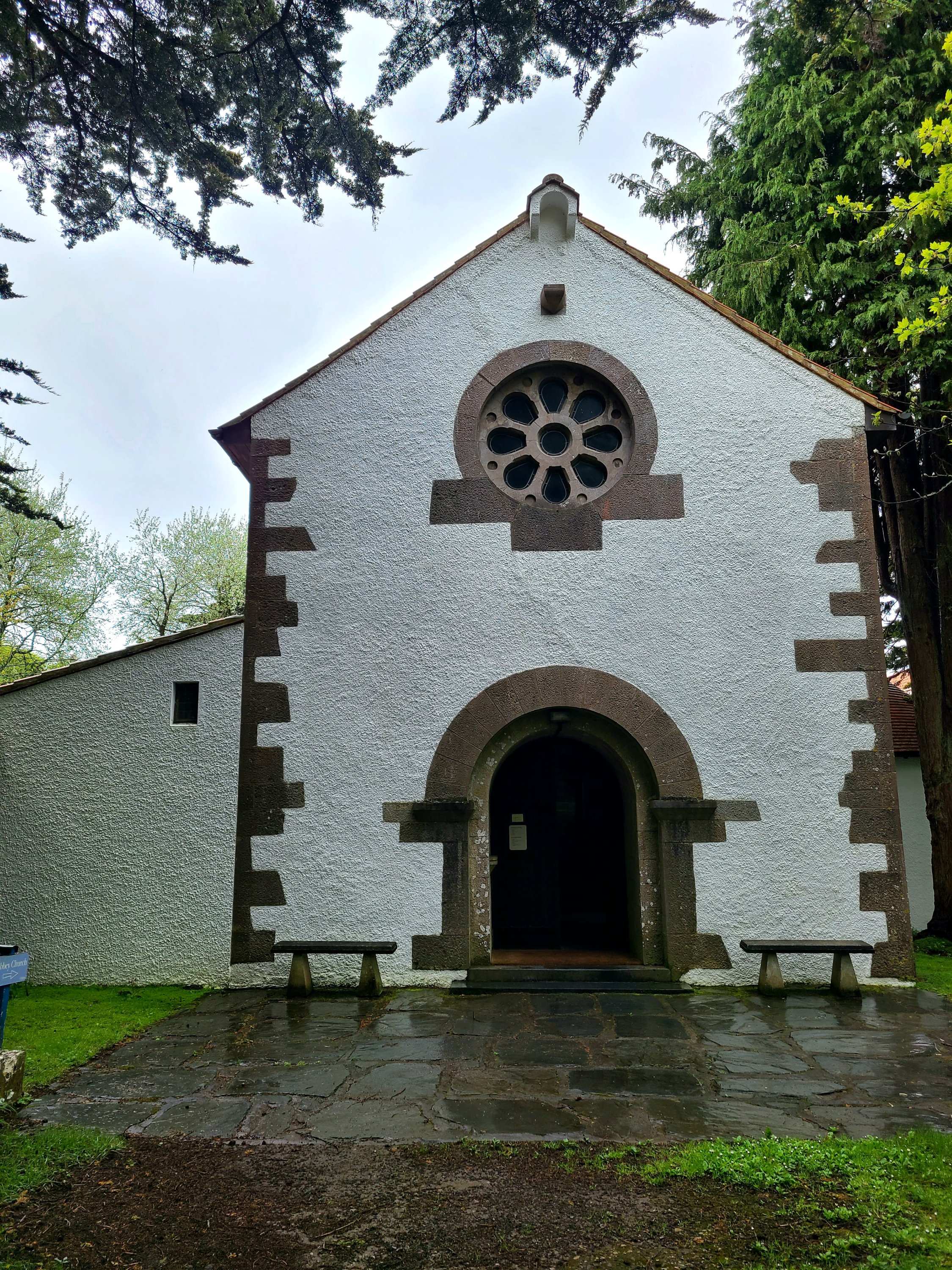
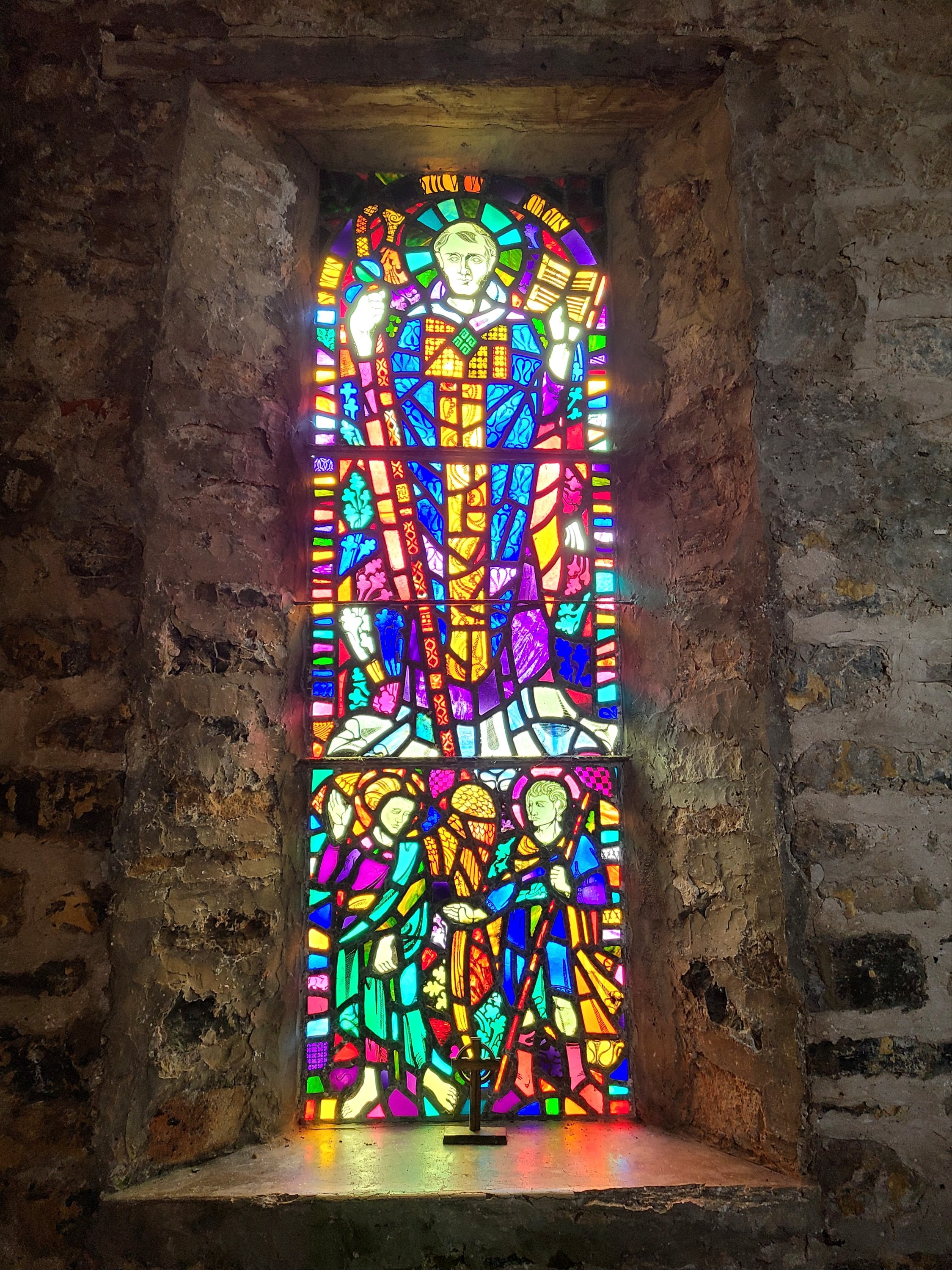
Here, you will also find St. David’s Church, with some beautiful stained glass and the Italianate Abbey, home to the Cistercian monks. Guests may enter the Abbey Church, but the rest of the Abbey is private.

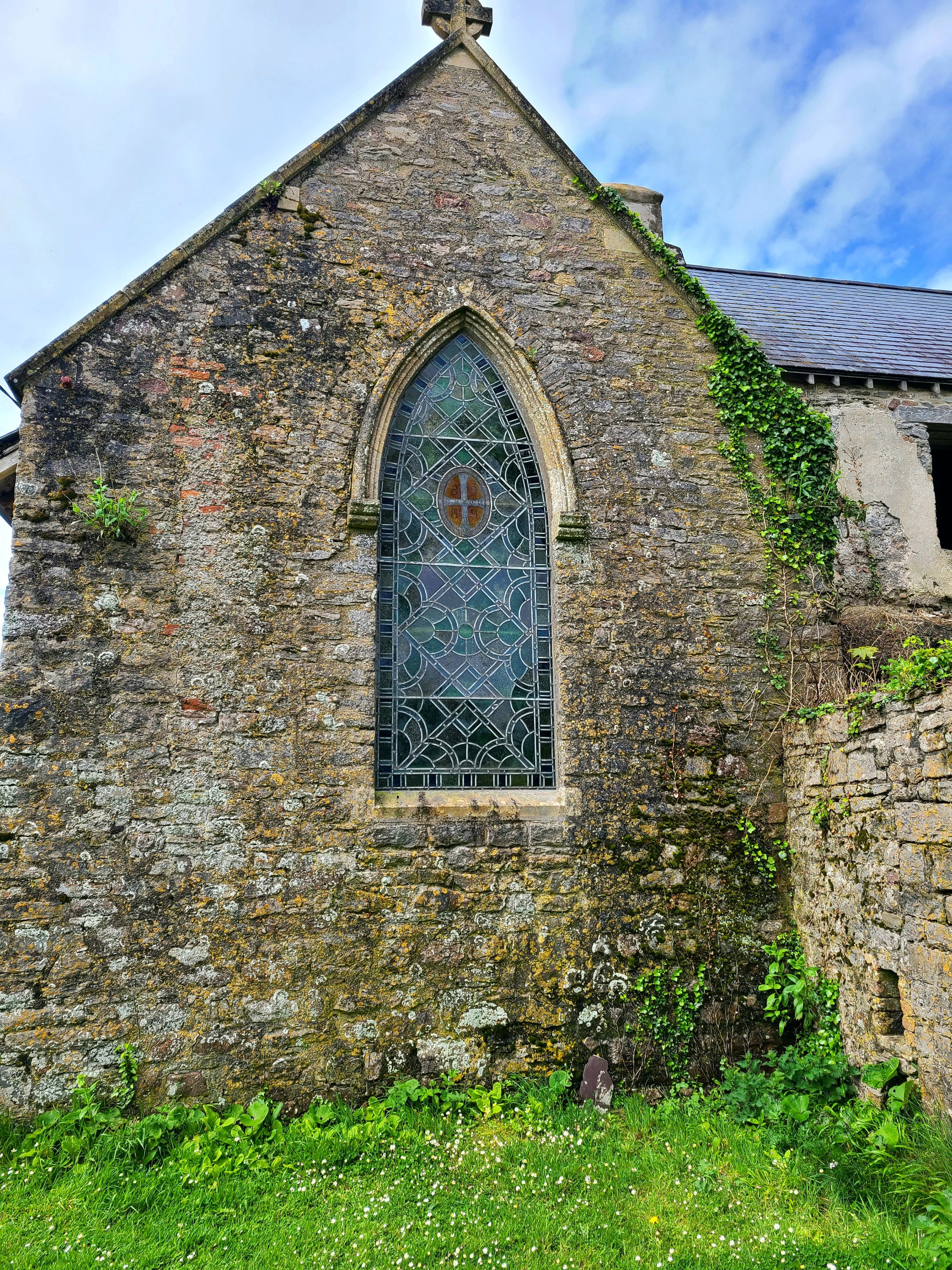
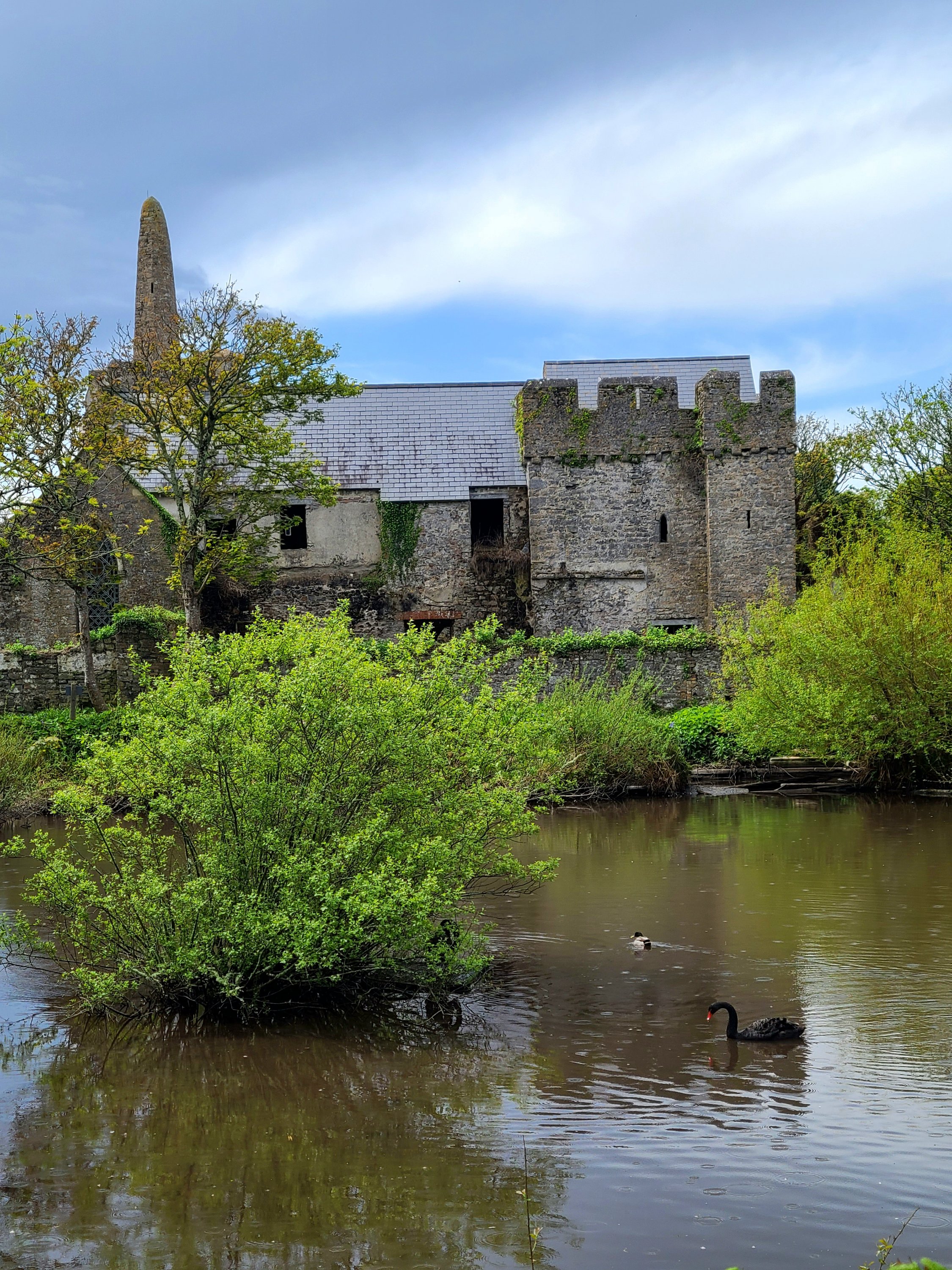
St Illtyd’s Church and Old Priory is the oldest building on the island. While some of it is now in ruins, most of the church remains and the stained glass inside is beautiful. The pond out front is also host to the island’s black swans.

Caldey island has several walks to explore, allowing guests to enjoy the views and the island’s wildlife.

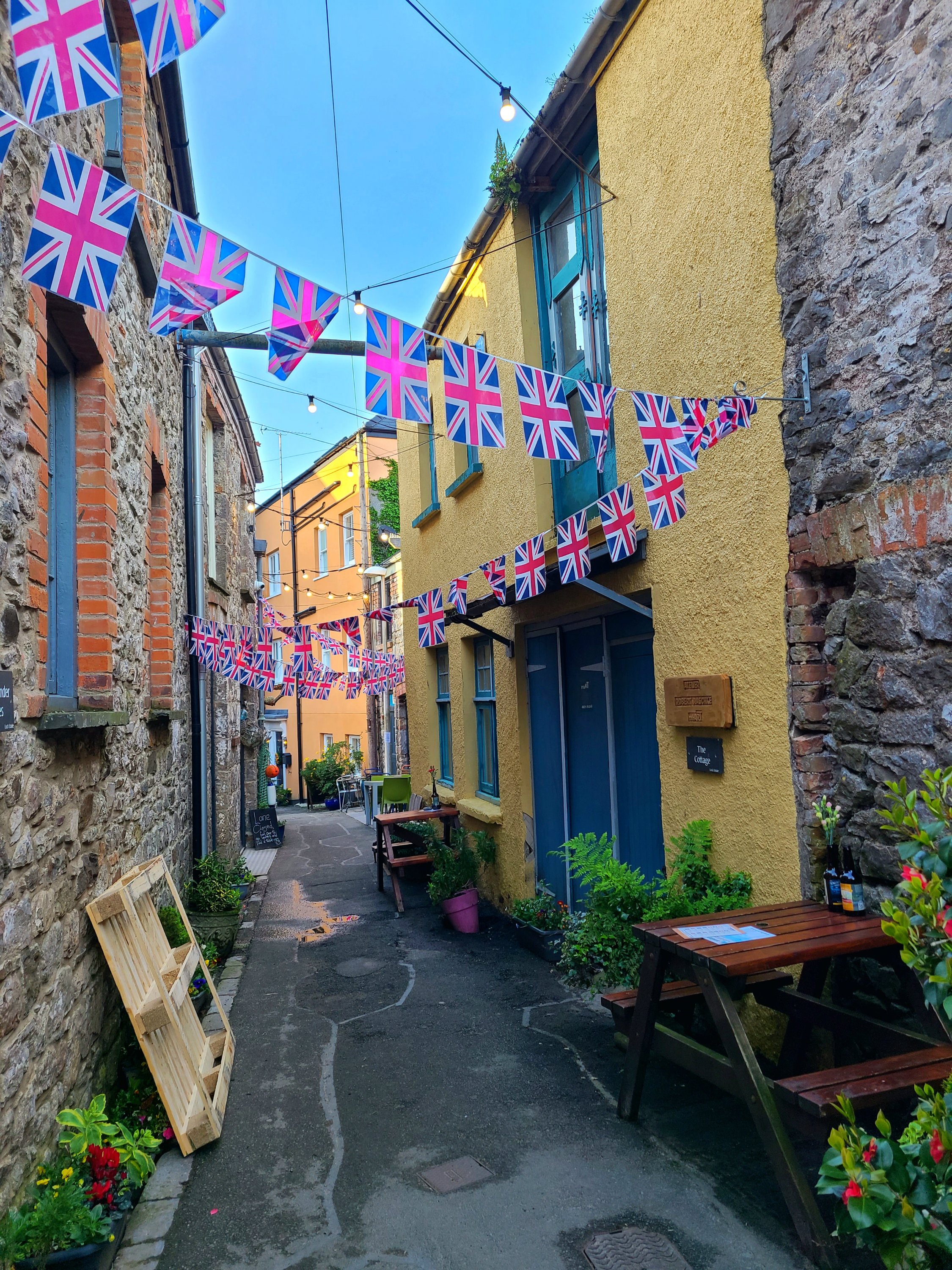
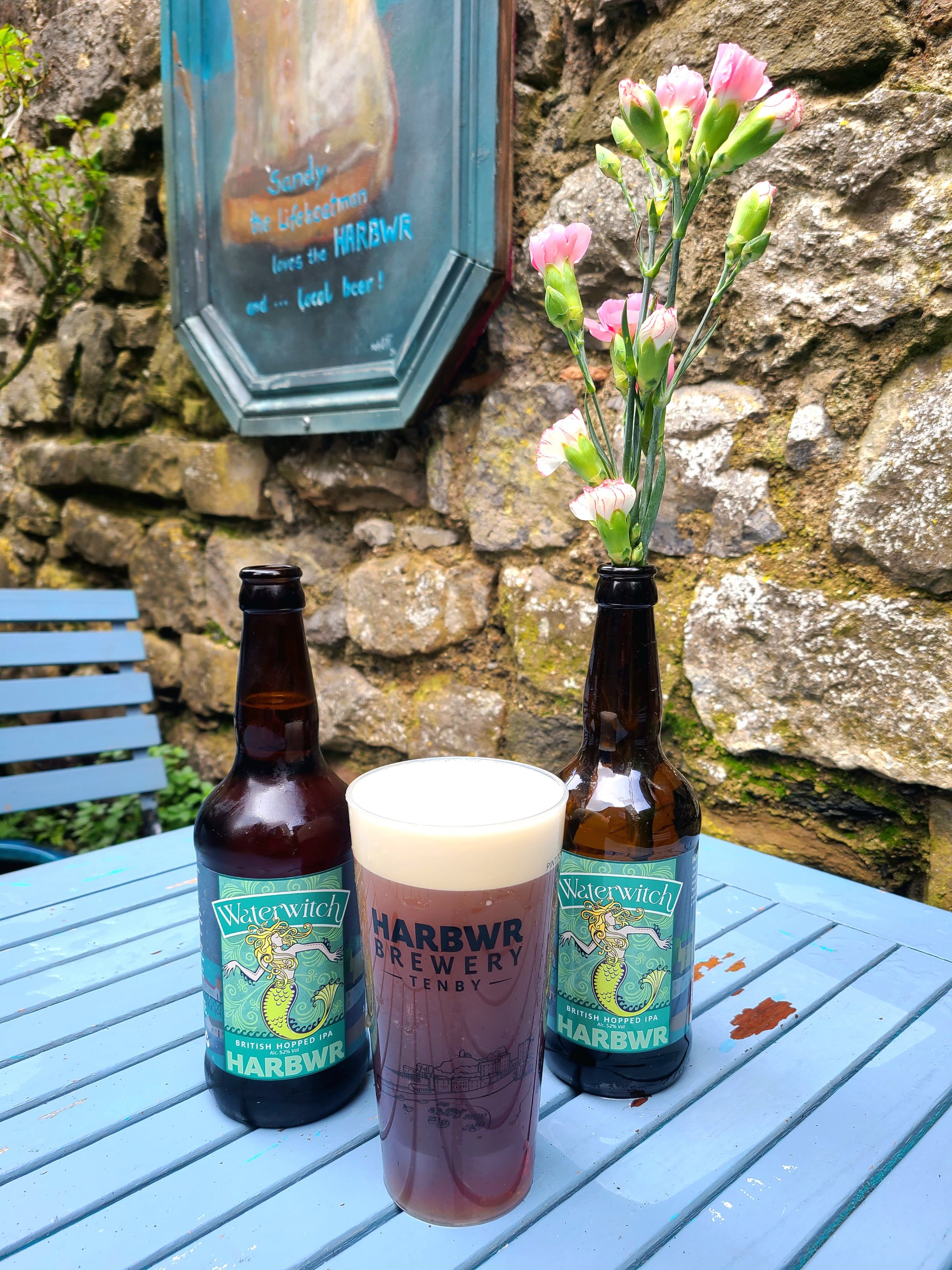
If, like me, you are a fan of beer, and craft beer in particular, then Tenby Harbwr Brewery is a must. Filling up most of an alleyway, this brewery has a beer garden, retail store, taproom, and outdoor alley sitting, as well as a restaurant. Grab a pint (or two) and enjoy!

As you stroll along the historic streets of Tenby, you’ll come across a number of quaint shops, restaurants, and snack shops. (Be sure to stop for a local Welsh cake!) After spending my day by the water, I went looking for fish & chips. I chose Tenby’s Traditional Fish & Chips for takeout and enjoyed my meal back down by the water, watching the sun set over this colourful seaside wonder.

Categories: Blog, Europe, Photo, Where in the World | Tags: , , , , , , , , , , | 3 Comments

Charming Cardiff

I’ve travelled to the UK many times over the years, but had never made it to Wales. So, on a recent trip, I figured it was time!

The capital of Wales, Cardiff, or Caerdydd in Welsh, started out quite small. In 1801 there were only about 2,000 people living here. Rapid growth between 1801-1911 led to a population of 180,000 by 1911. Cardiff only officially became the capital of Wales in 1955 and is still a relatively small capital with around 488,000 people. 

I wasn’t sure what to expect from Cardiff, but quickly fell in love with its charm. The city centre is filled with restaurants, pubs, and shopping as well as historic sights to explore.

Cardiff is a city of Victorian and Edwardian arcades. Originally, these covered pedestrian thoroughfares were designed to enable locals to enjoy indoor shopping without any concern for the weather. Within the walls of Cardiff’s seven arcades, you’ll find a maze of over 100 independent stores and local eateries. But even if the weather is great, they are still beautiful to explore.

The Cardiff Arcade Company turned a retired slum house into the city’s first shopping plaza, The Royal Arcade, in 1858. Castle Arcade, which was built between 1882 and 1889, is one of my faves, most famous for its balconies and two large arches mirroring each other. It’s quite the sight!

As I only had two full days to explore the city, I started my visit with a quick stop for some Welsh cakes from Fabulous Welshcakes (they are delicious!) and then went on a free walking tour.

I find they are a great way to get oriented with a new city, learn some history and fun facts, and get great recommendations on where to eat, drink, and visit.

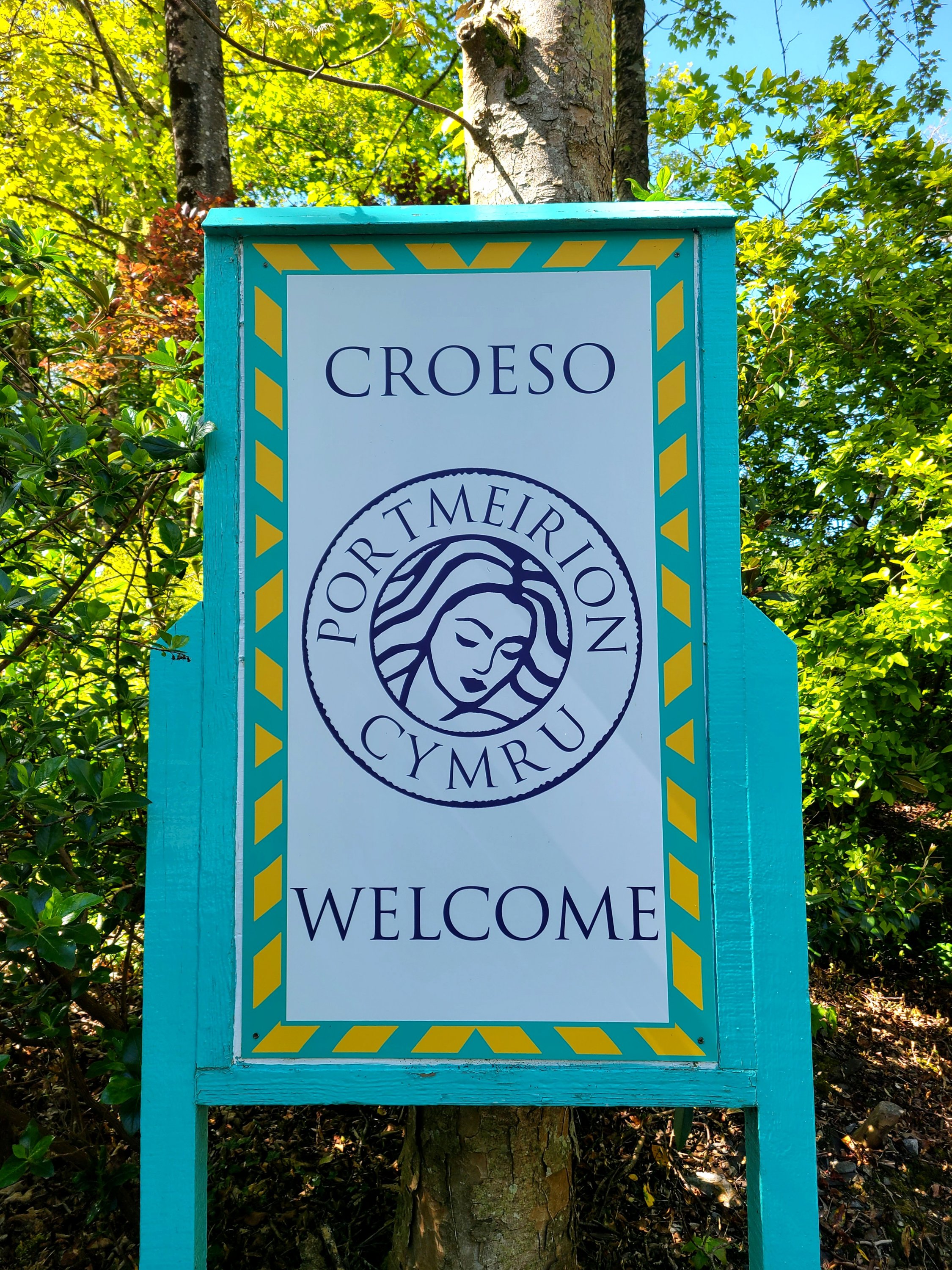
This tour was no exception, and I even learned a few Welsh phrases! Welsh is the oldest language in the UK. Wales in Welsh is ‘Cymru’ and Welcome is ‘Croeso.’ In the 1500s, the Welsh language was banned by England and English was the only official language until 1967, when Welsh was finally given language status. The 1993 Welsh Language Act gave Welsh equal status to English and you will now find all road signs, official documents, etc. written in both languages. There has been a big push to bring the Welsh language back after years of decline, and once again it is being taught in schools.

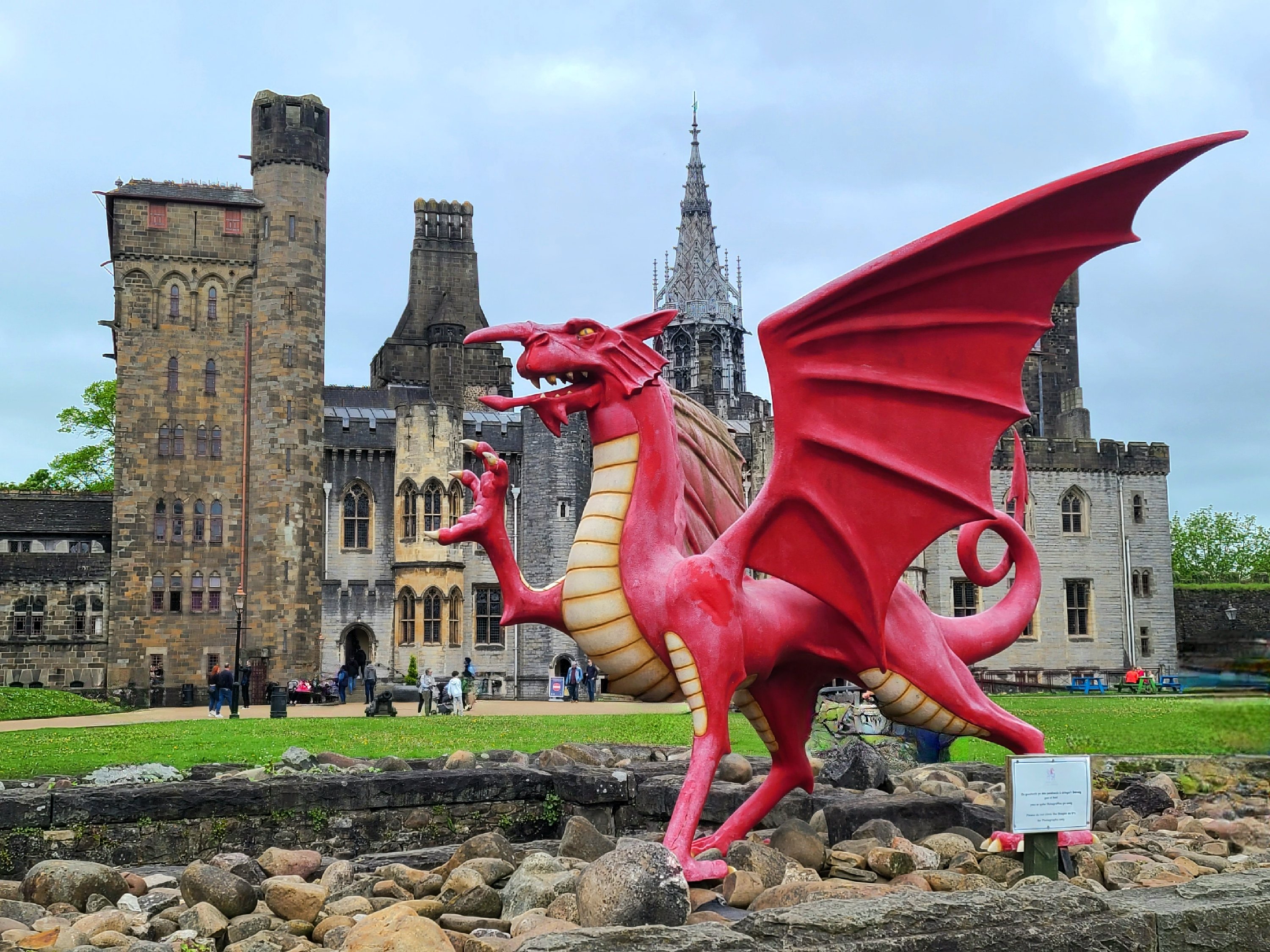
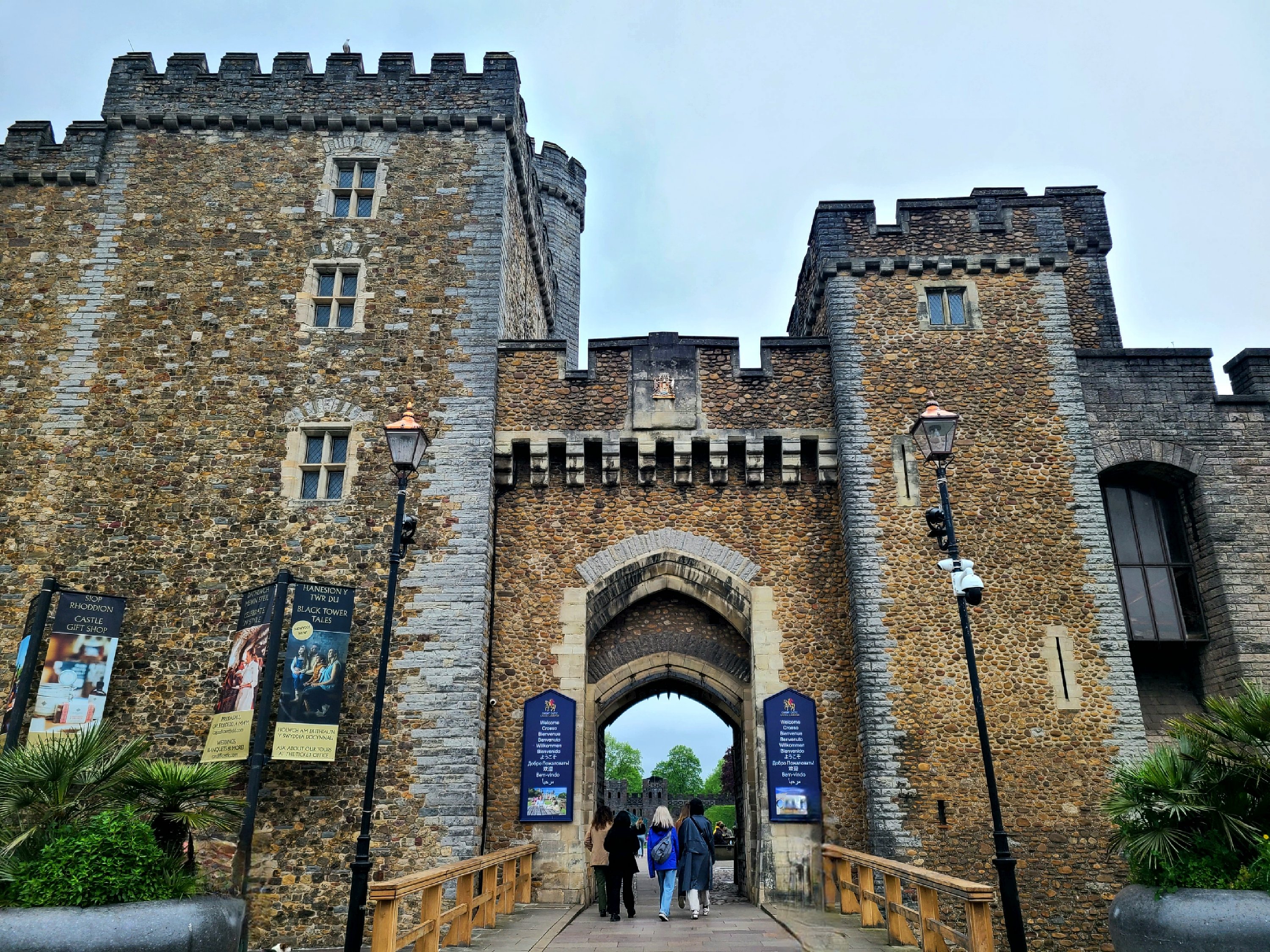
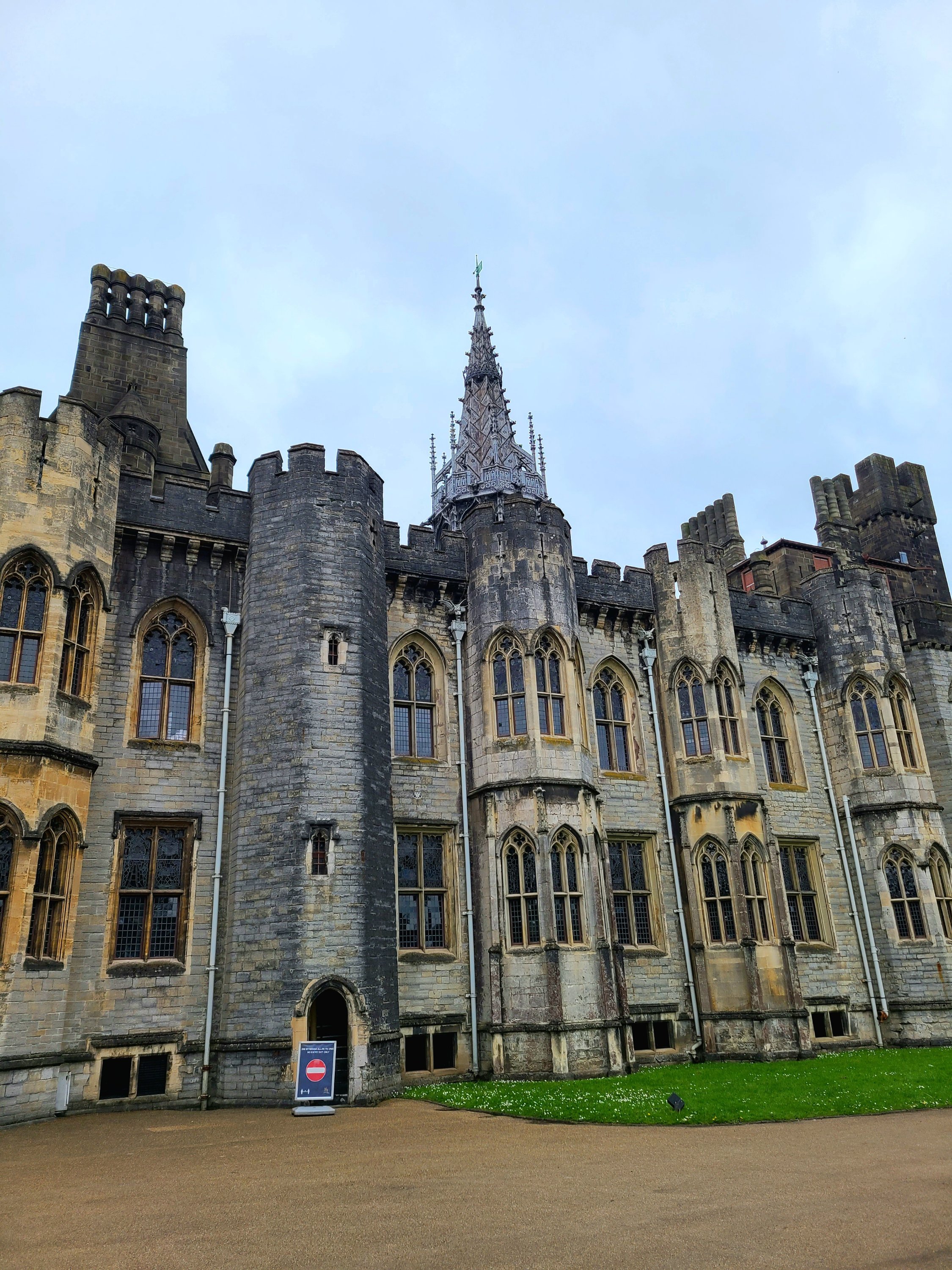
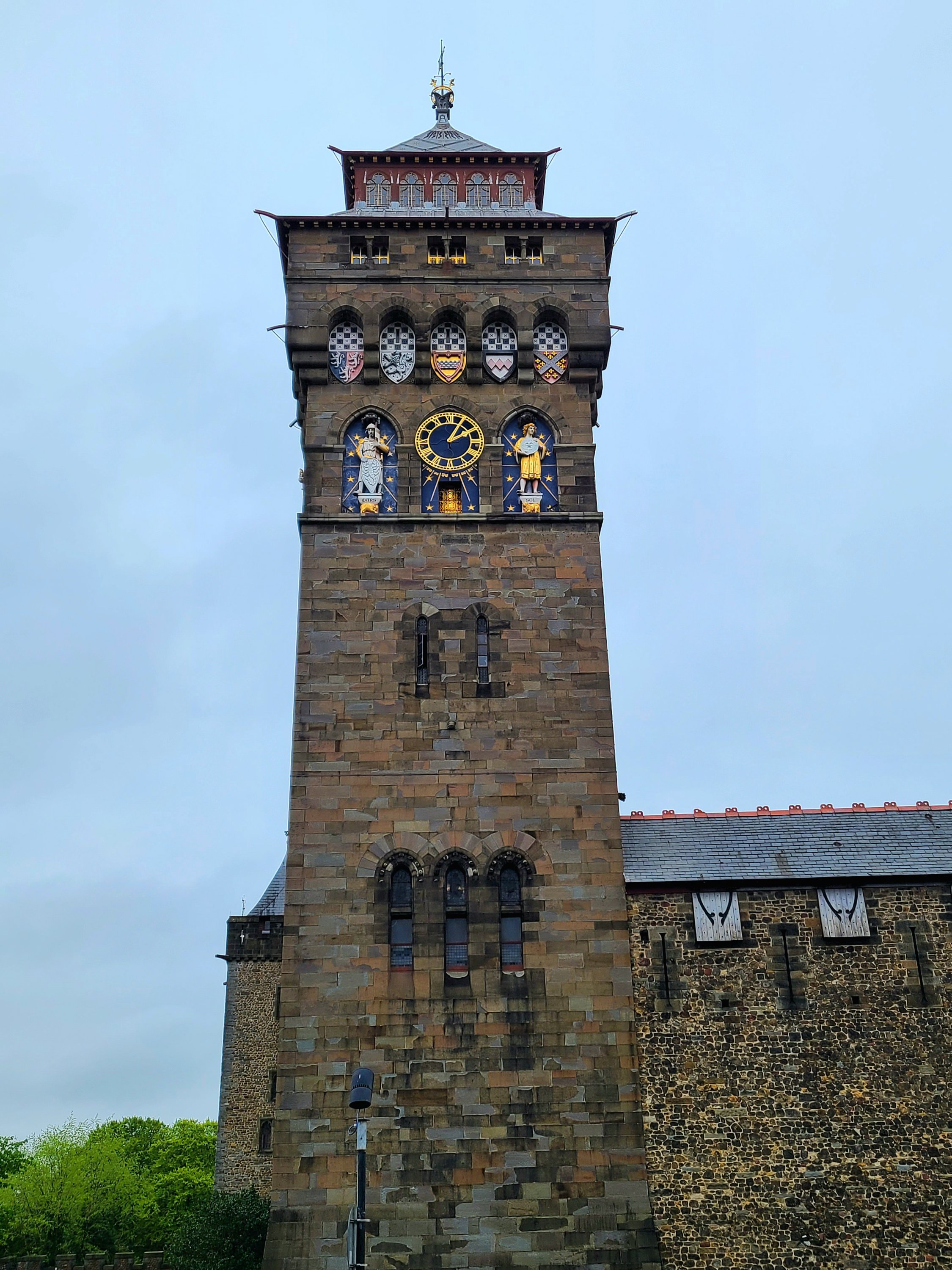
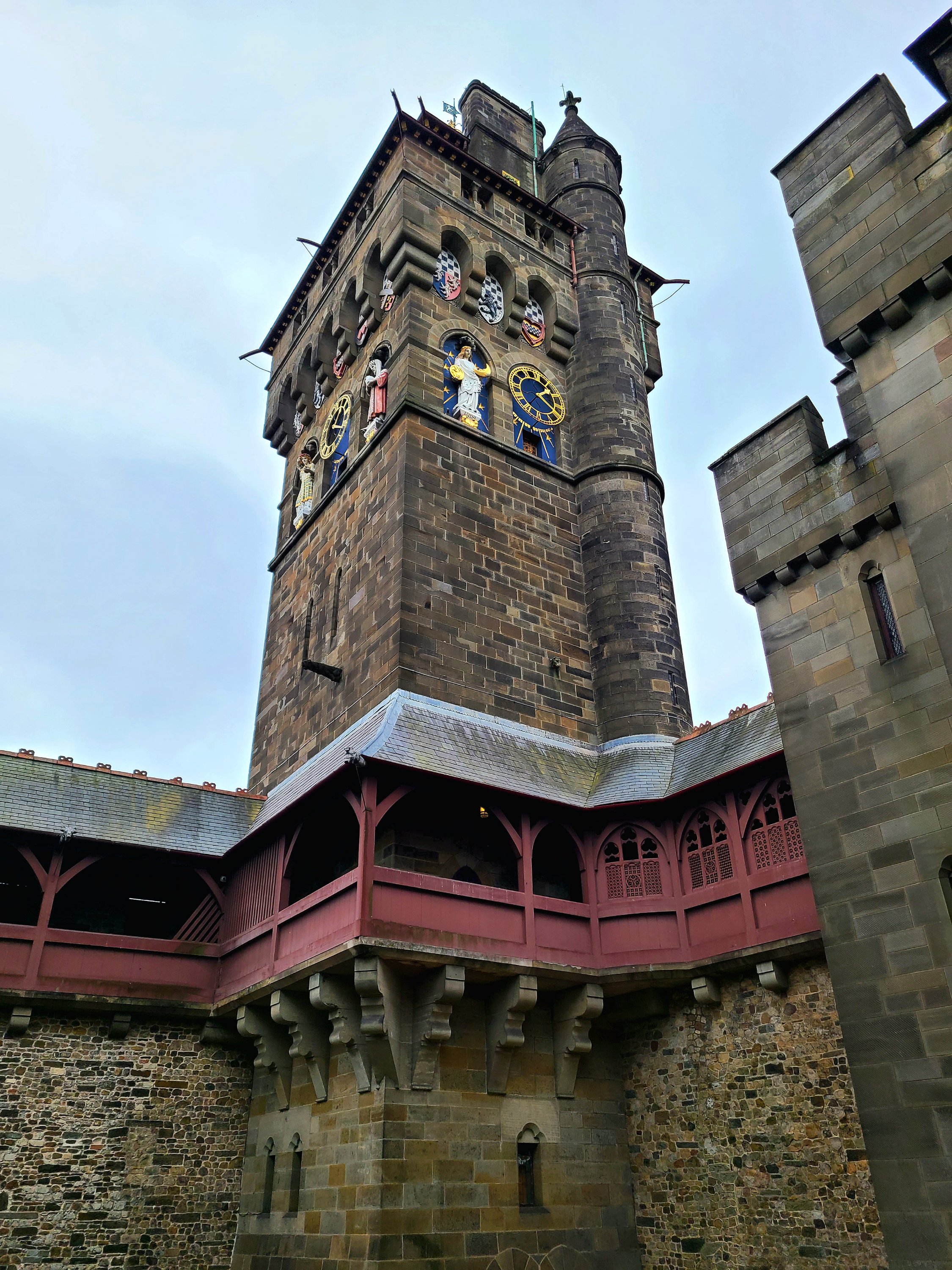
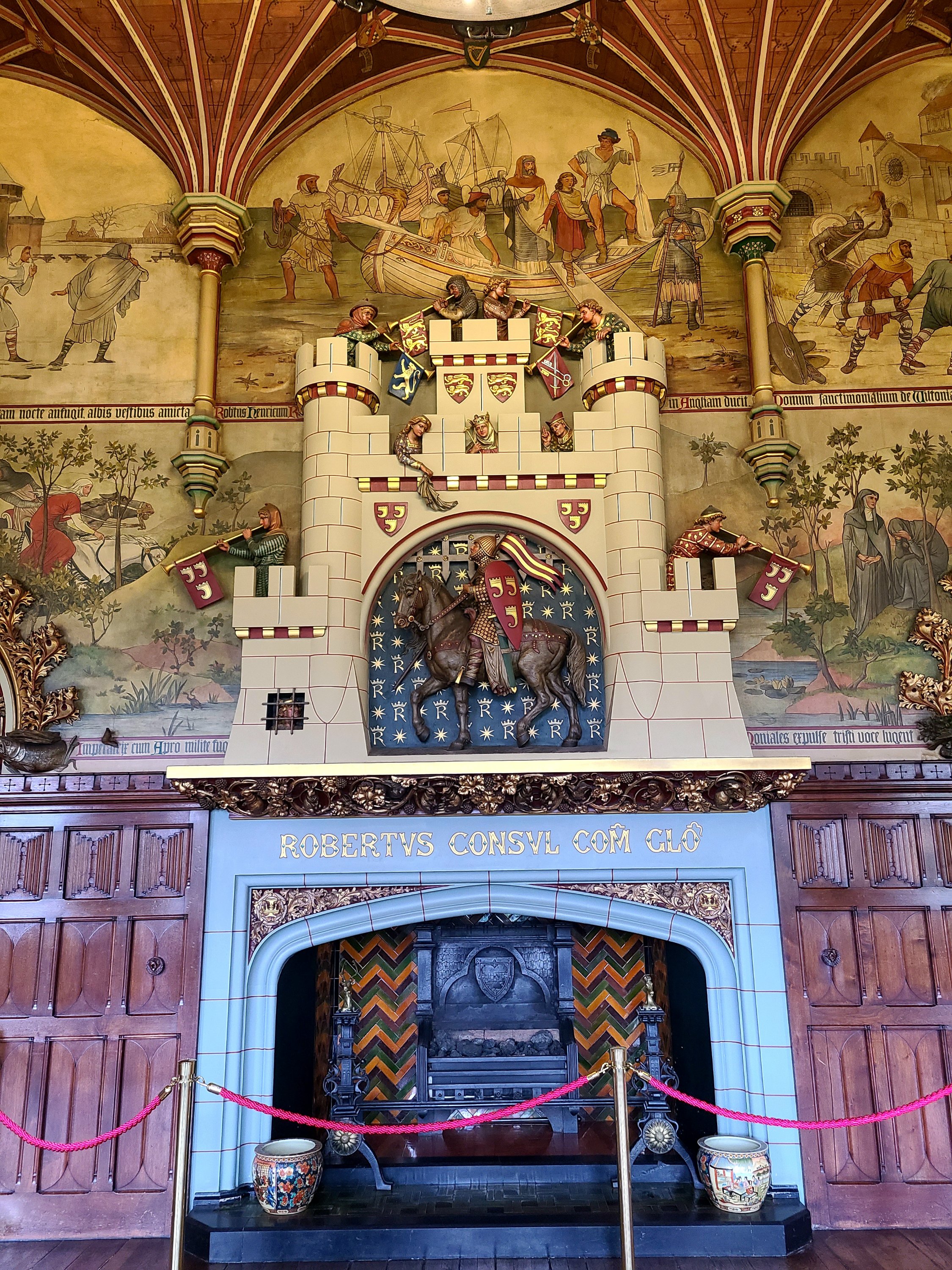
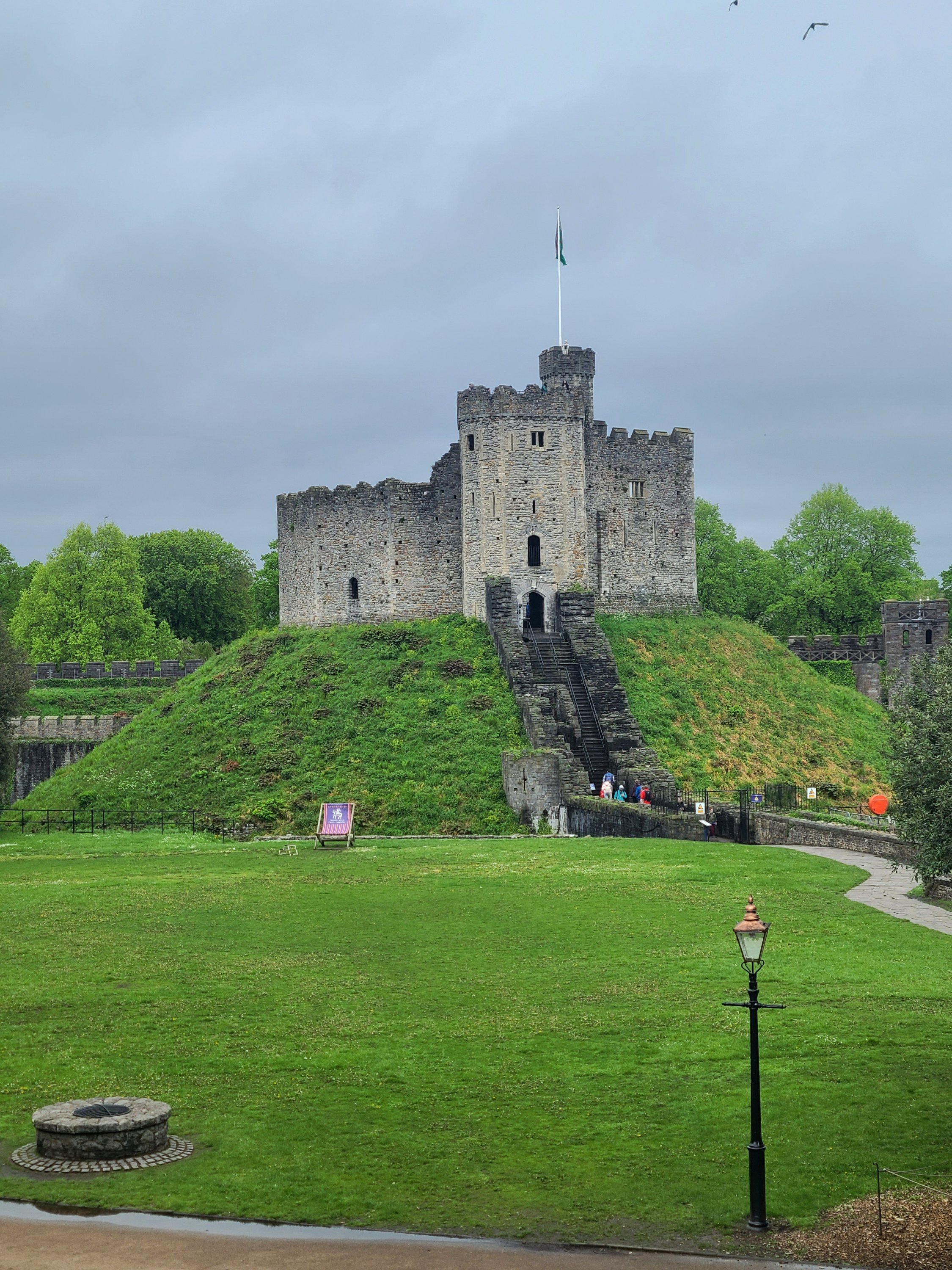
A must-see in Cardiff is Cardiff Castle, nestled right in the city between shops and the leafy green Bute Park. The castle’s history dates back 2,000 years, when the Romans built a series of forts. During the 11th century, the Normans built the Keep which is still found on the Castle Green. During the 19th century, the Bute family transformed the House into the lavish Victorian Gothic home that’s on display today. Then, in 1947, Cardiff Castle and its extensive parkland were given to the City of Cardiff by the Bute family. 

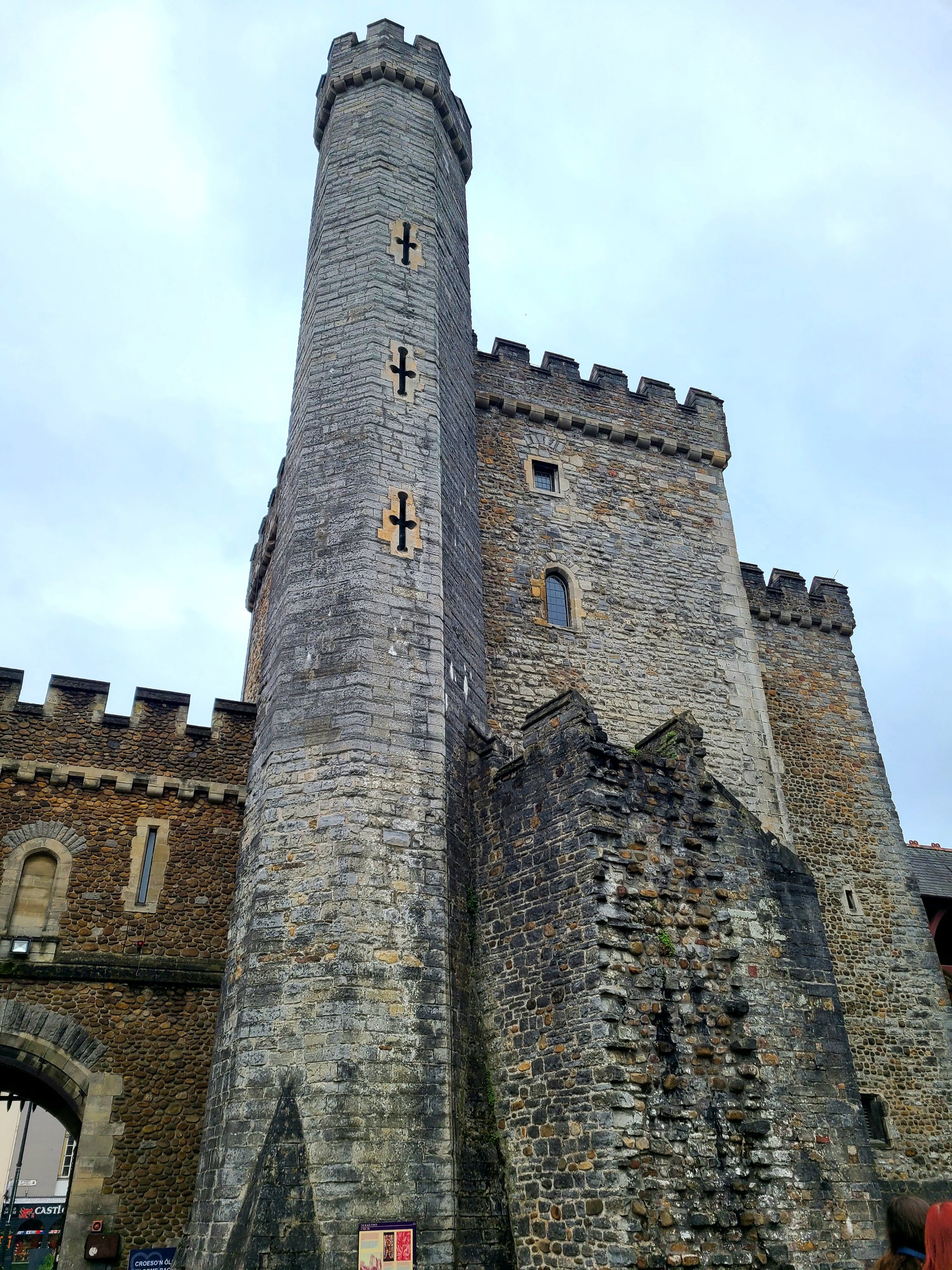
A general admission ticket (£14.50) allows access to most of the castle grounds. You can also purchase add-ons for the Black Tower, a guided House Tour, or a Clock Tower tour.

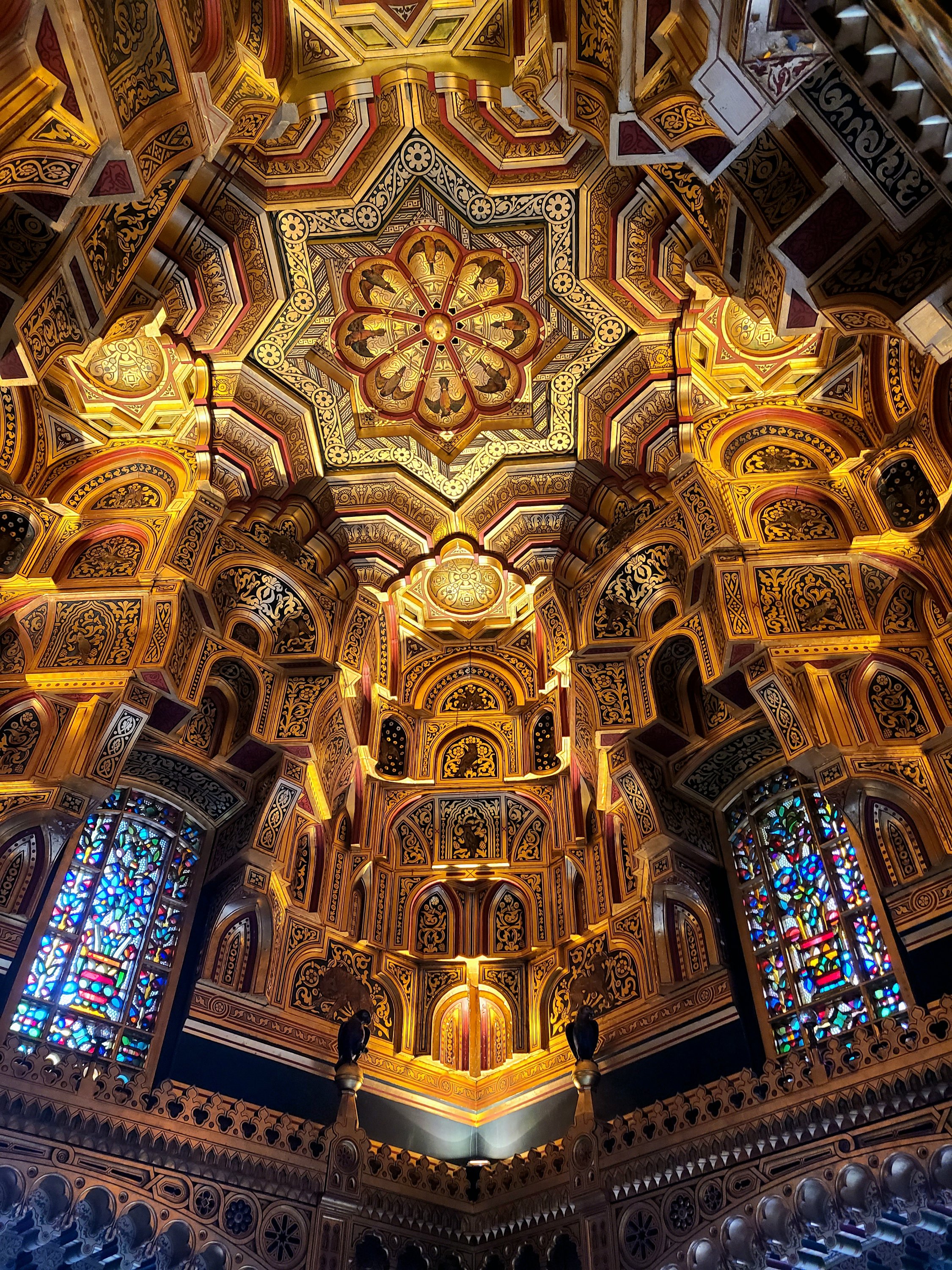
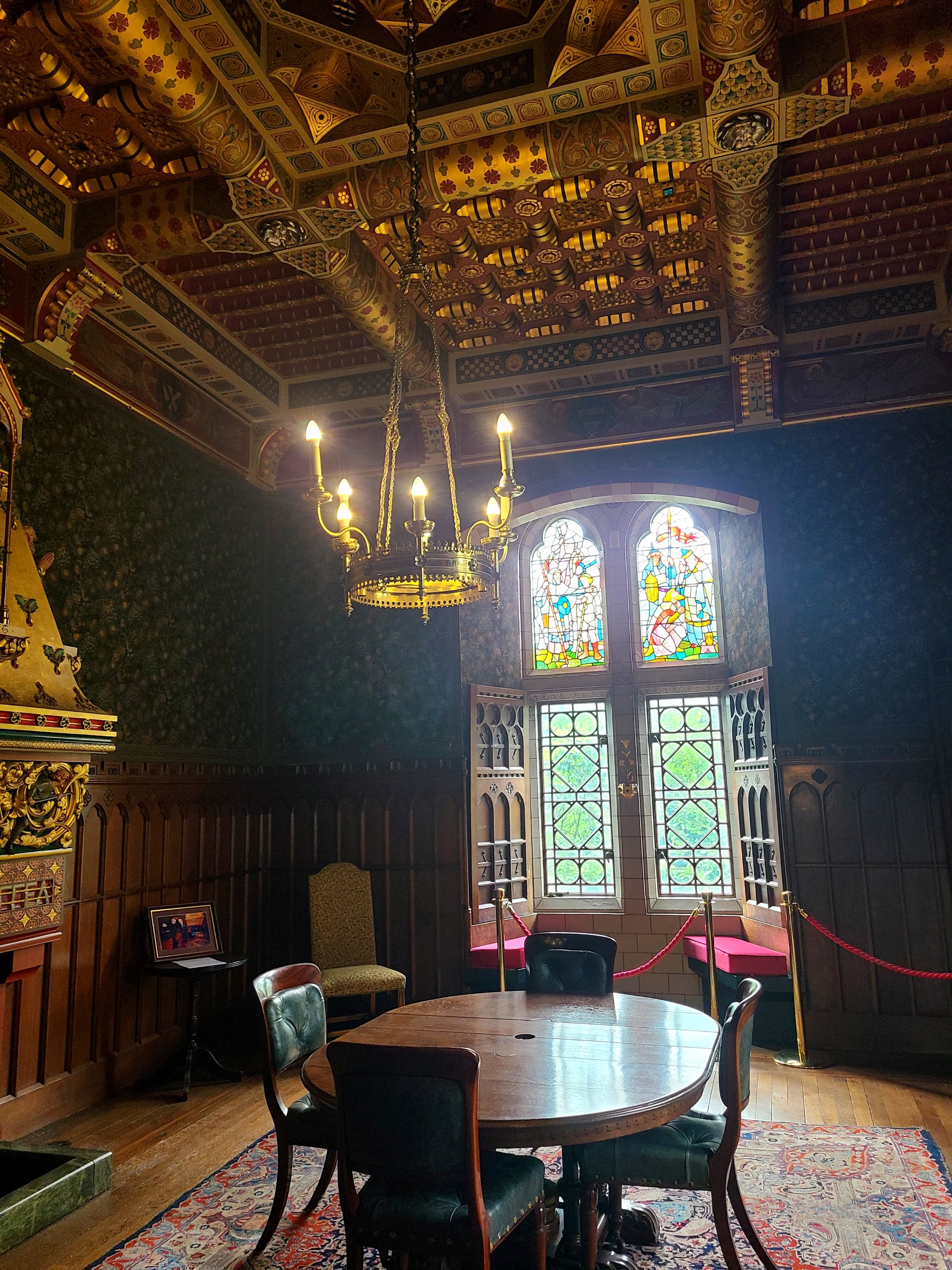
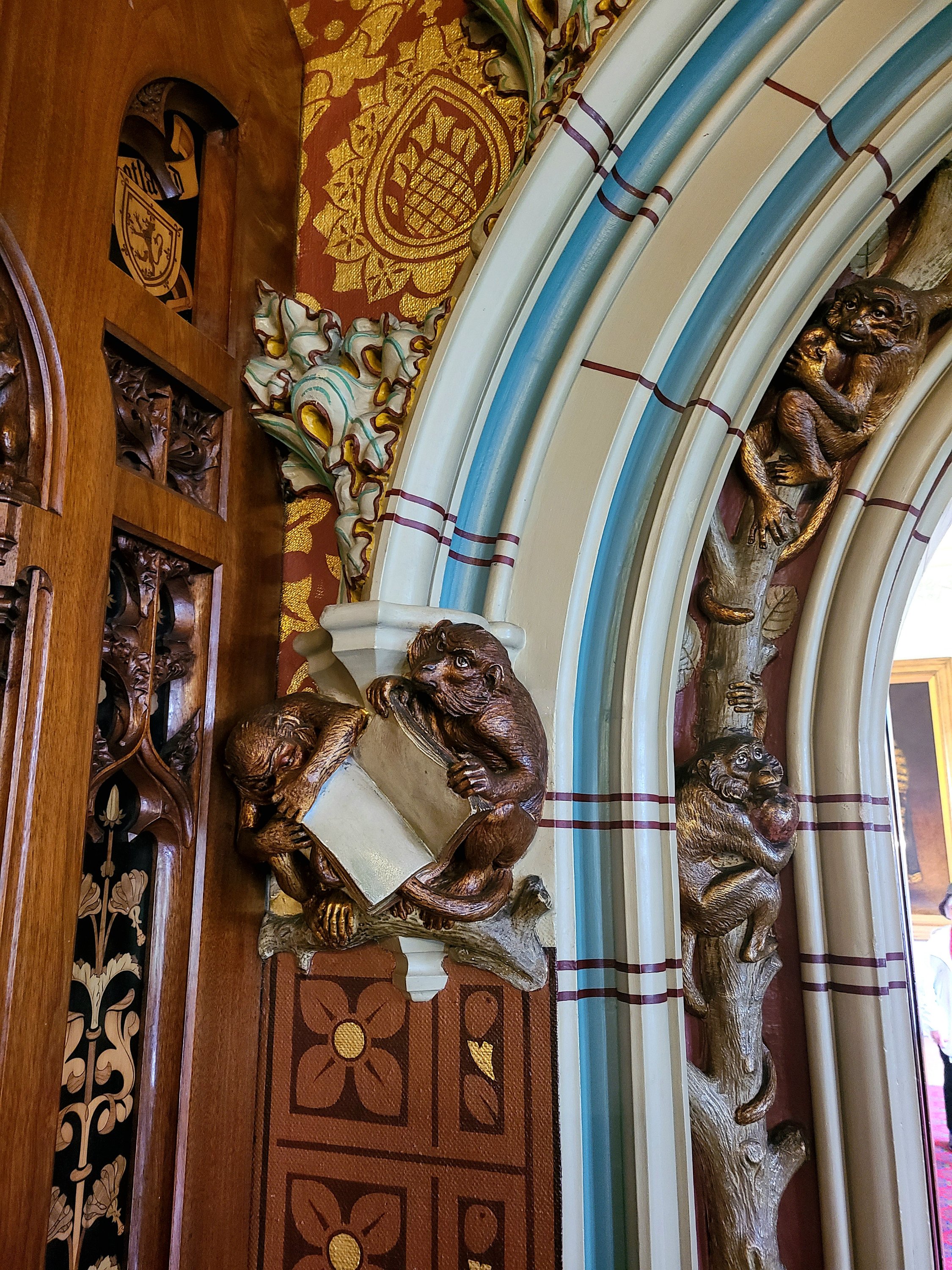
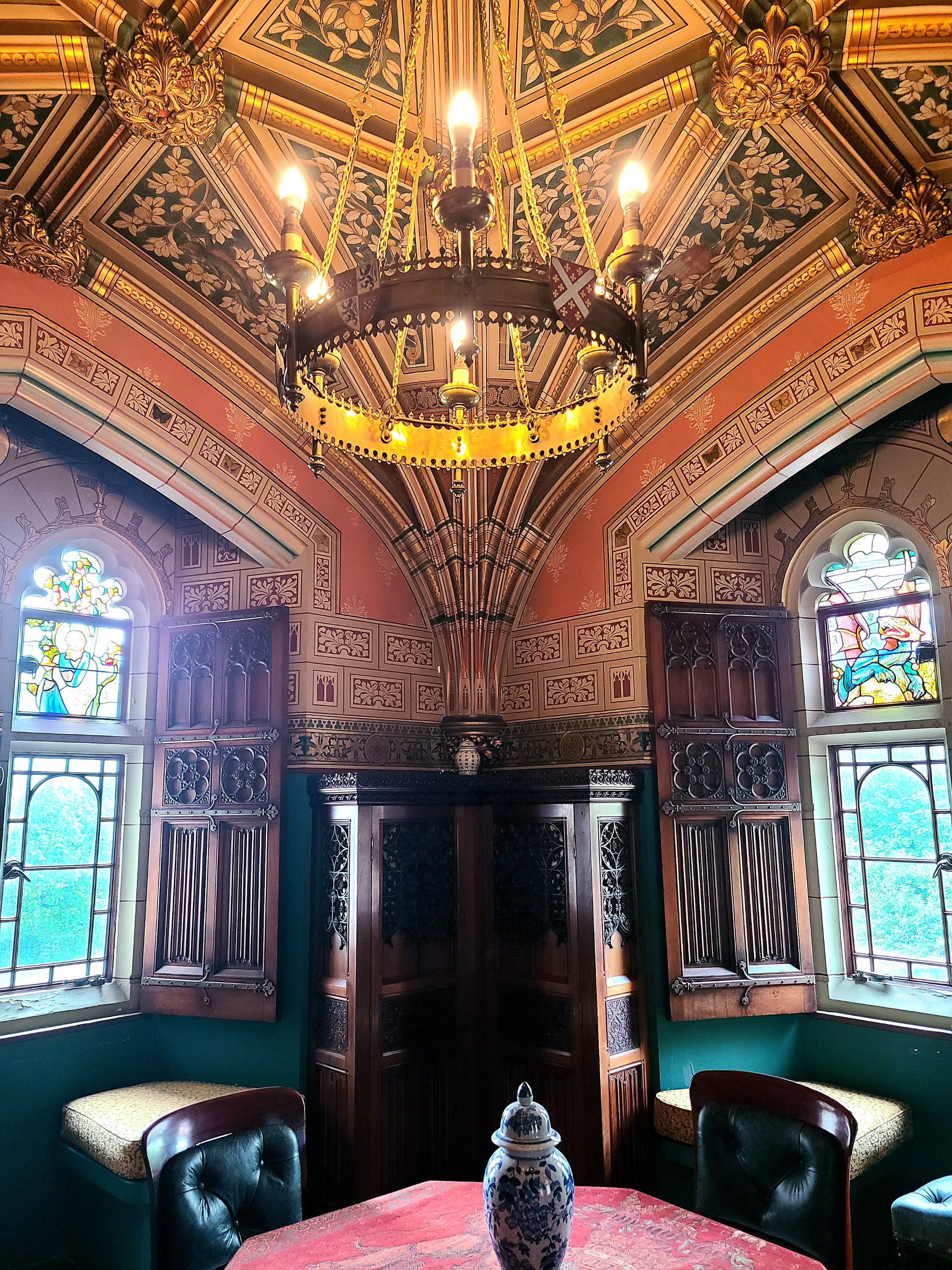
The oldest parts of the residential buildings date back to the 1500s. In 1865, the 3rd Marquess of Bute began working with art-architect William Burges to transform Cardiff Castle into a medieval dream palace. Each room of the house is ornately decorated. Favourites of mine included the Arab Room and the Library.

 The twelve-sided Keep continues to stand on the Castle Green and you can climb up to the top for a great view of the city. 

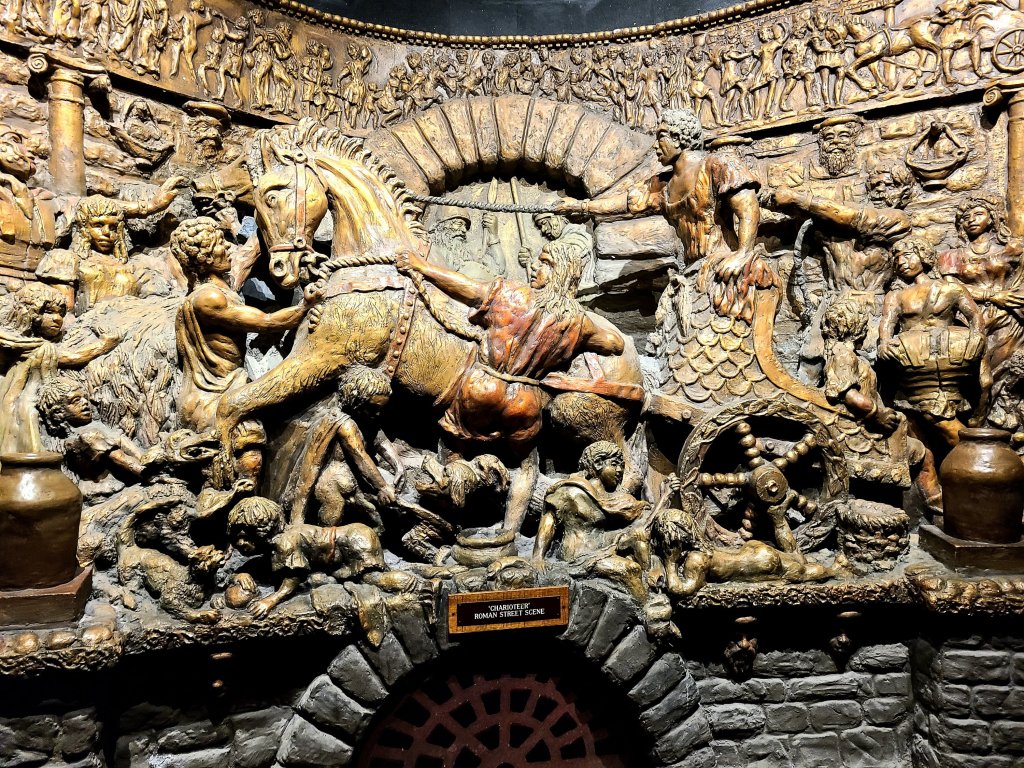
In the Visitors Centre, you will find parts of the old Roman Walls that were hidden for 900 years, as well as the Roman Chariot corner. The Firing Line Museum is also found here, with displays from The Queen’s Dragoon Guards and The Royal Welsh’s military history.

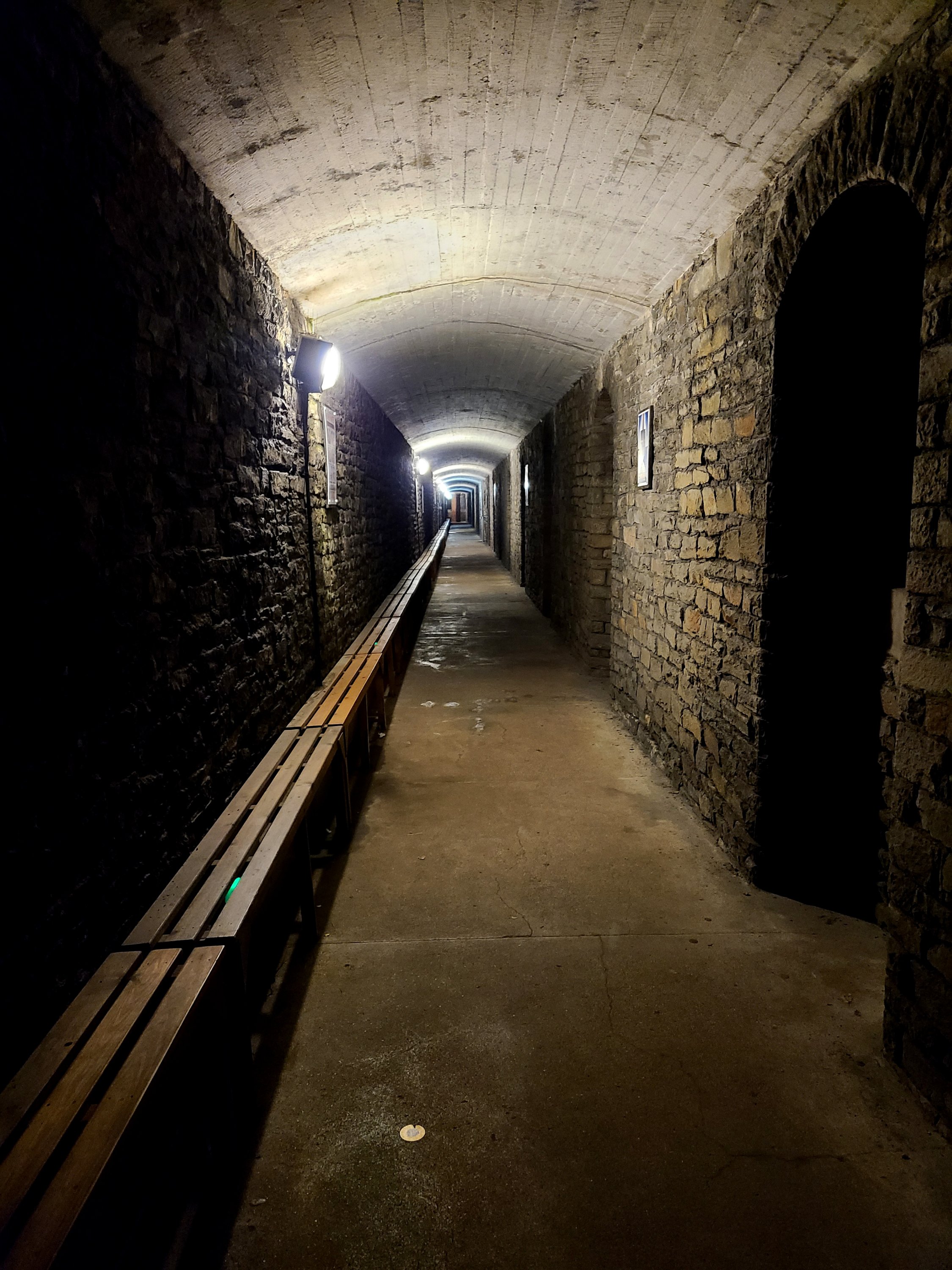
My favourite part to explore was the wartime shelters & tunnels found within the walls. It’s estimated that over 1800 people took shelter within the castle walls during air raids in World War II.

While Cardiff can be quite a rainy city, I lucked into some nice sunny spring weather, perfect for wandering through Bute Park, the city’s green heart. There are numerous trails, gardens, champion trees, and food options amongst the many things to see in the park. You can also catch the water taxi to Cardiff Bay here.

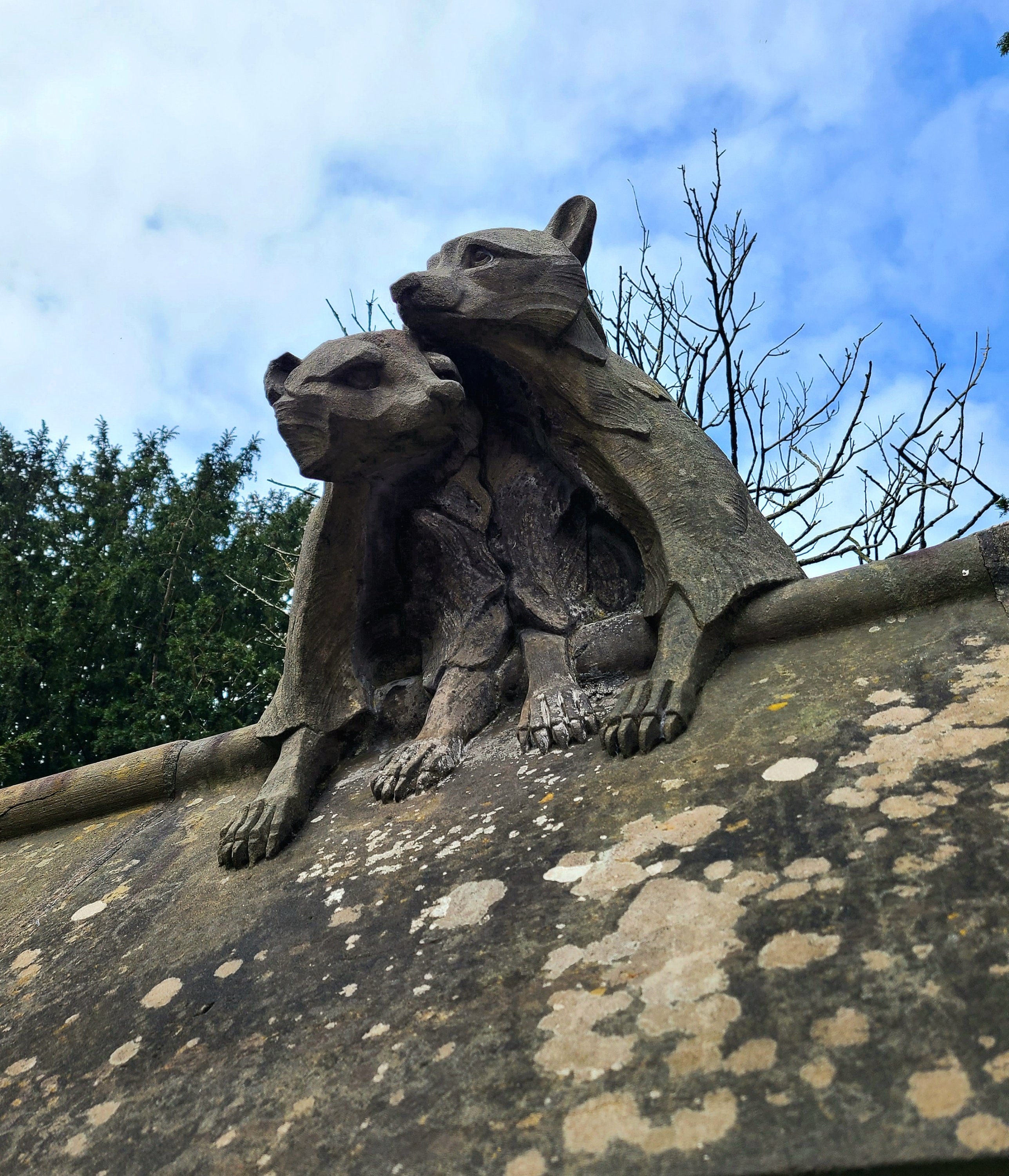
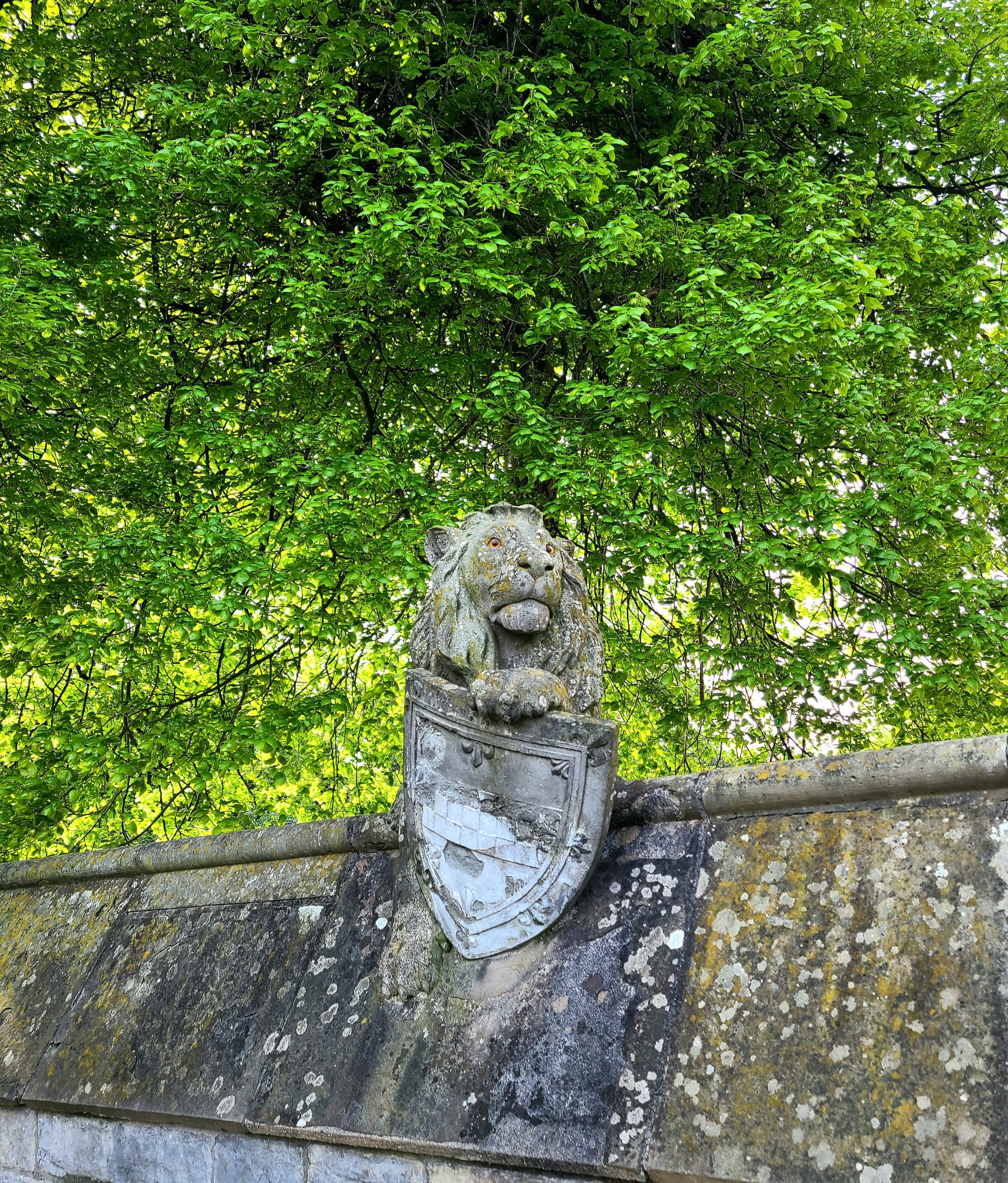
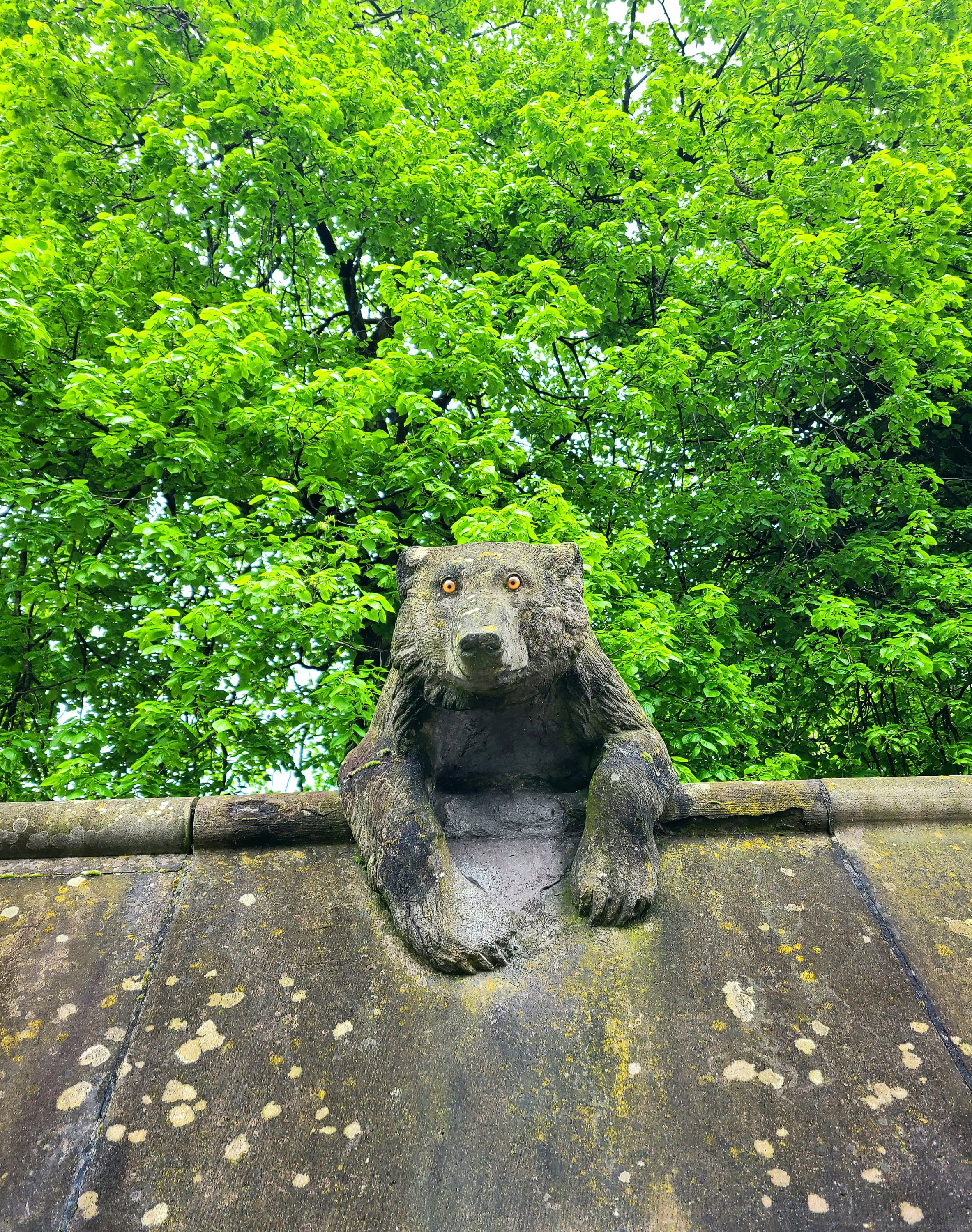
My favourite part is the section of the walls lining Castle Street, near the west entrance of Cardiff Castle, known as the “Animal Wall.” Carving of the original animals began in 1880 under the direction of the 3rd Marquess of Bute. By 1890, the first sculptures on the wall were complete, including a pair of lions, a lioness, a lynx, a bear, a sea lion, a wolf, a pair of apes, and a hyena.

The wall was moved in 1923 and additional animals were added—a vulture, beaver, leopard, a pair of raccoons, a pelican, and an anteater. You can tell the originals apart from the later ones as they have glass eyes. There are 15 in total.

The Victorian Cardiff Market, located in the centre of the city, has been around in one form or another since the 1700s. While you will no longer find livestock here, many of the old features are still retained by this lively market, and shoppers will find everything from traditional Welsh food, produce, clothing, antiques, food stalls, and more. Closed on Sundays and holidays (of course, the days I was visiting).

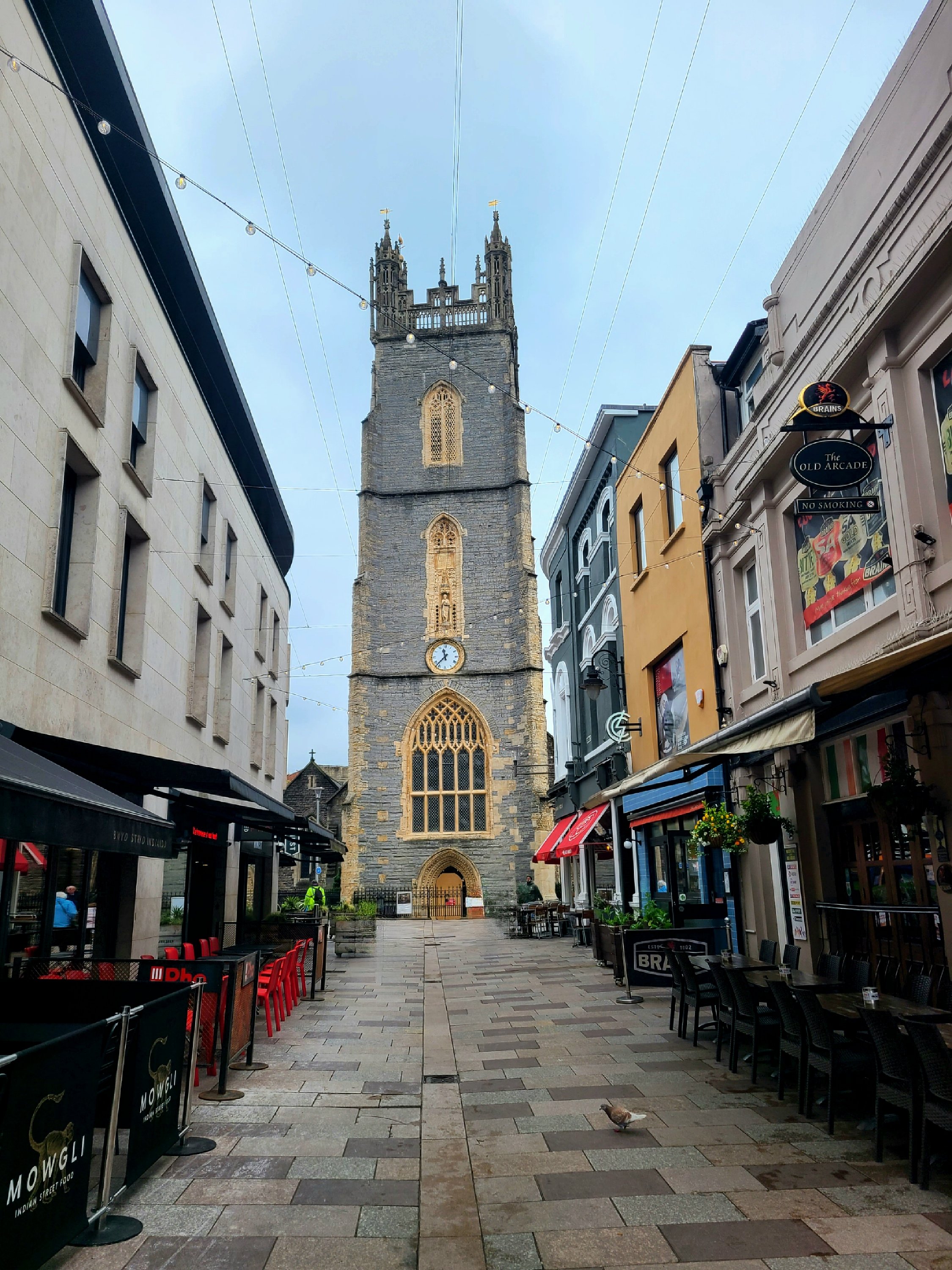
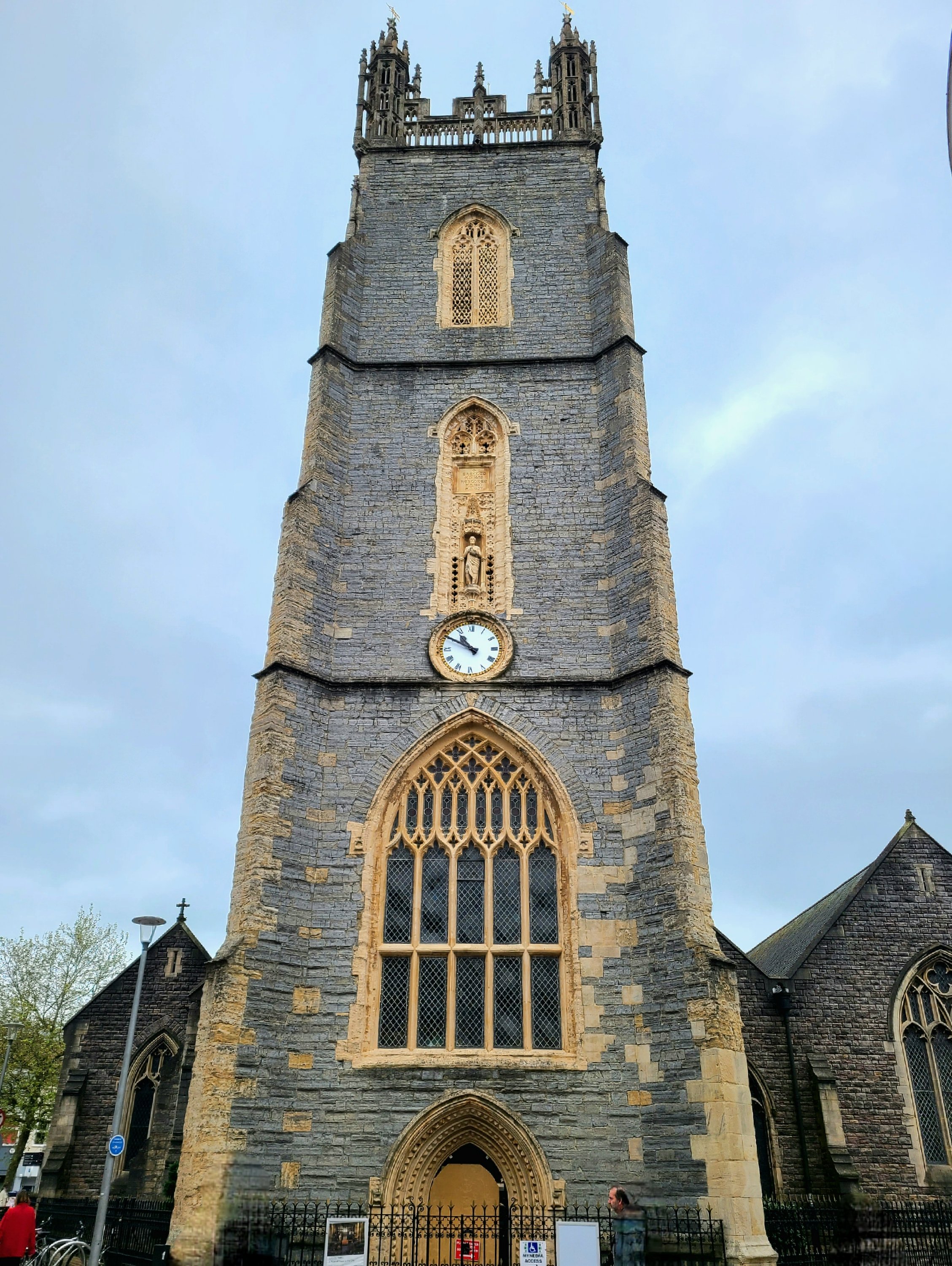
One of the oldest medieval buildings left in Cardiff is the Parish of St John the Baptist Church, located across from Cardiff Market. Originally built in 1180, the 40m tower can be seen throughout the city.

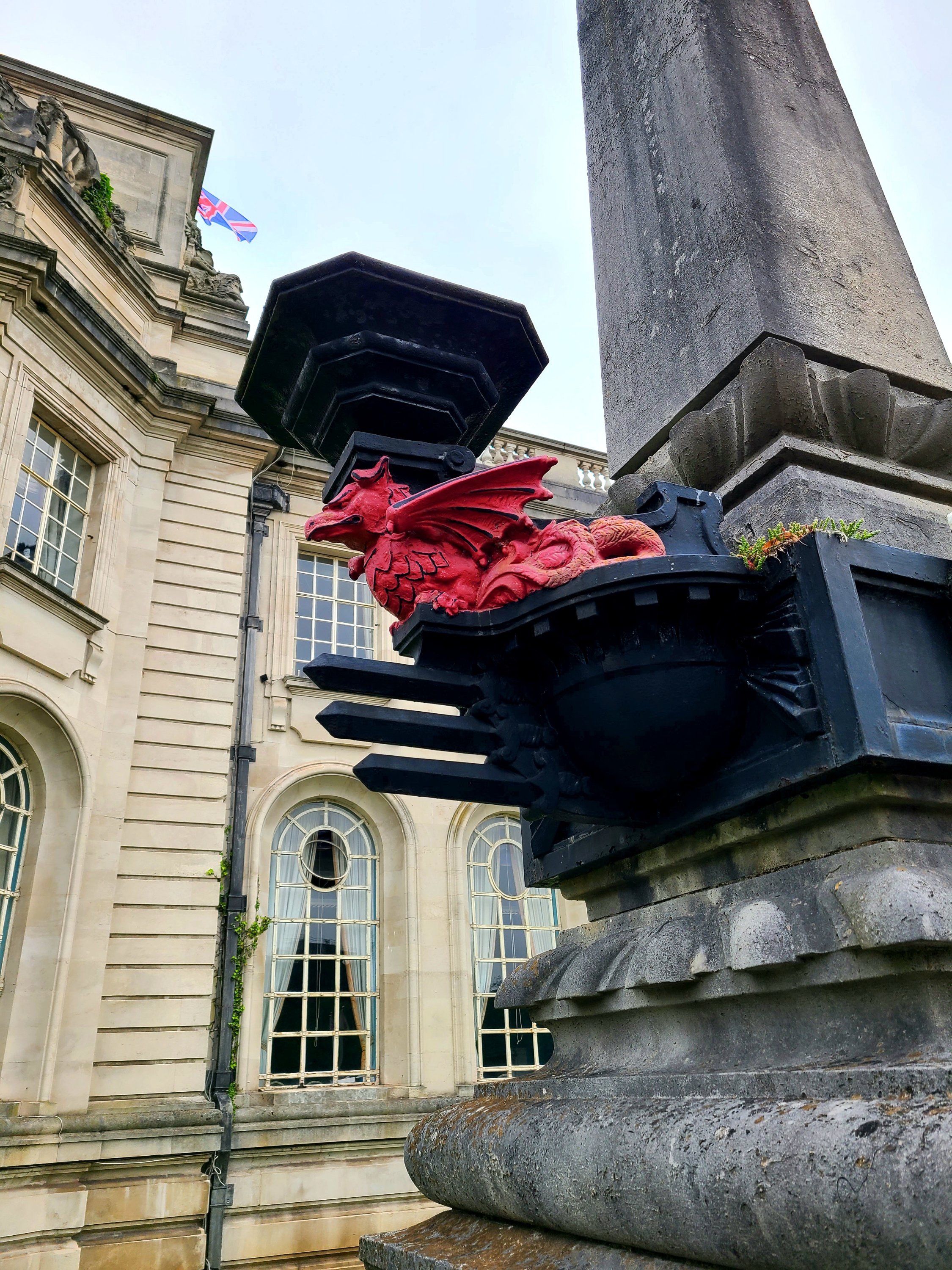
Principality Stadium, located in Cardiff centre, is the main stadium for the national rugby team, Wales’ national sport. I also learned that the national animal is the dragon, the national flower is the daffodil, and unlike any other country I know, the national vegetable is the leek! It’s said that St David, the Patron Saint of Wales, told the Welsh soldiers to wear a leek on their helmets so they could spot each other better during the battle with the Saxons!

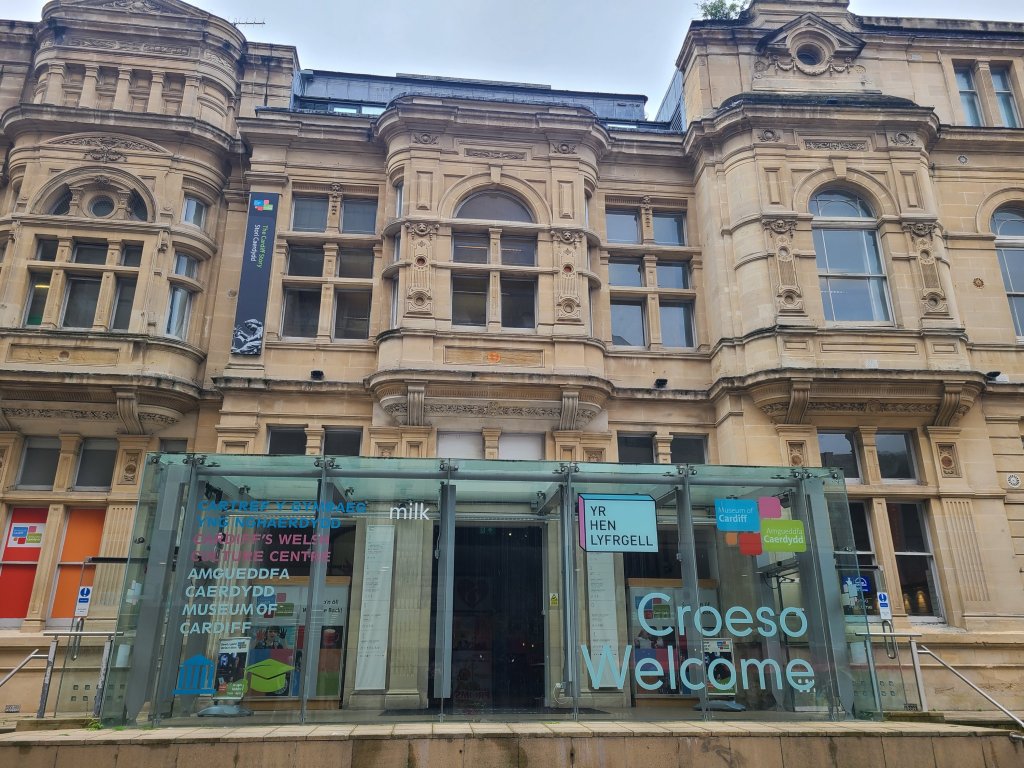
If museums are your thing, the Museum of Cardiff exhibits the history of the city with over 3000 artifacts from the city’s past. There is also National Museum Cardiff, a museum and gallery featuring special exhibits, including one currently running, ‘BBC 100 in Wales.’ Admission is free to both museums.

About a 35-minute walk north is stunning Llandaff Cathedral. Take a walk through Bute Park and along Pontcanna Street, with its beautiful old flats, as you make your way there.

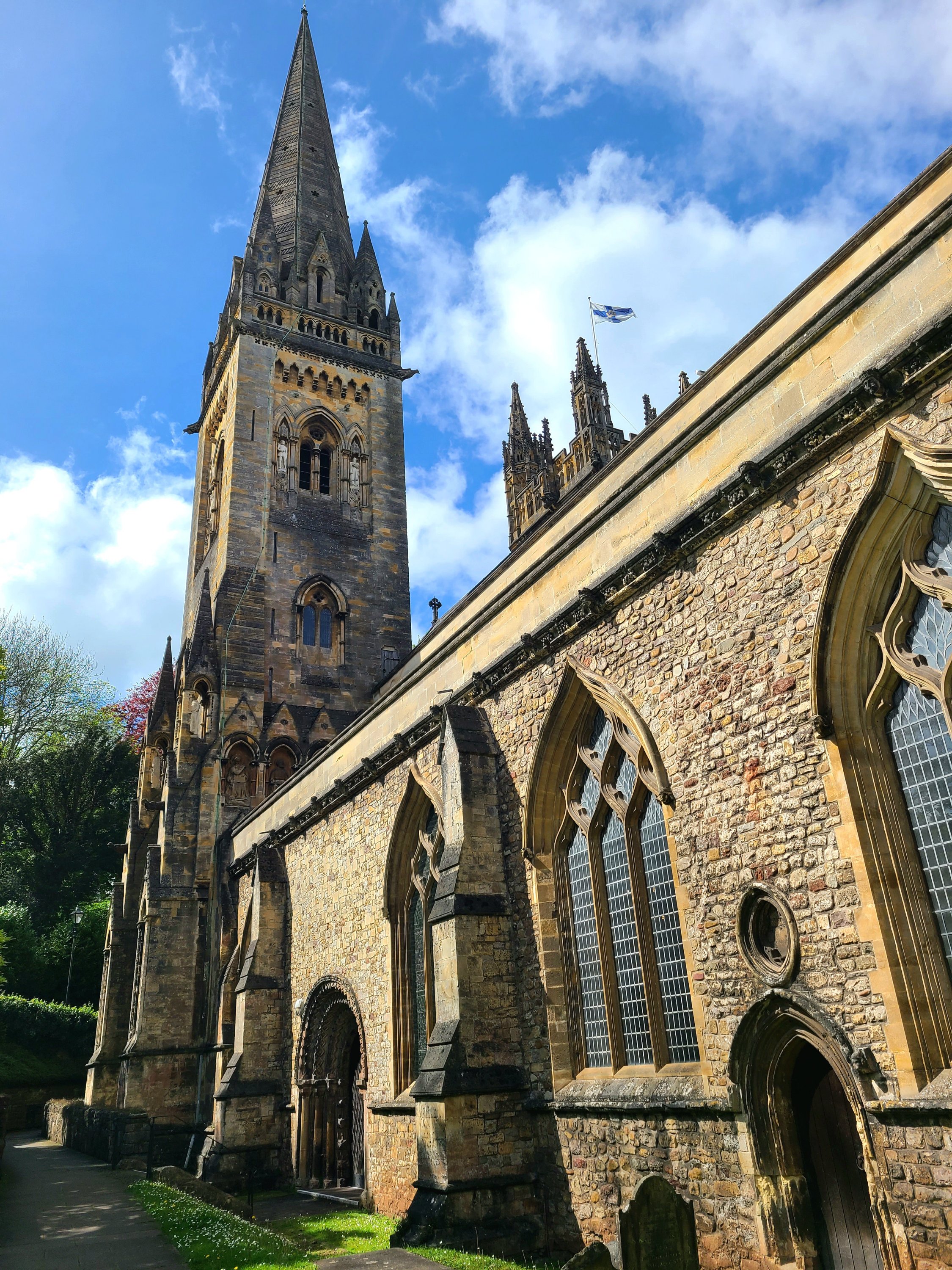
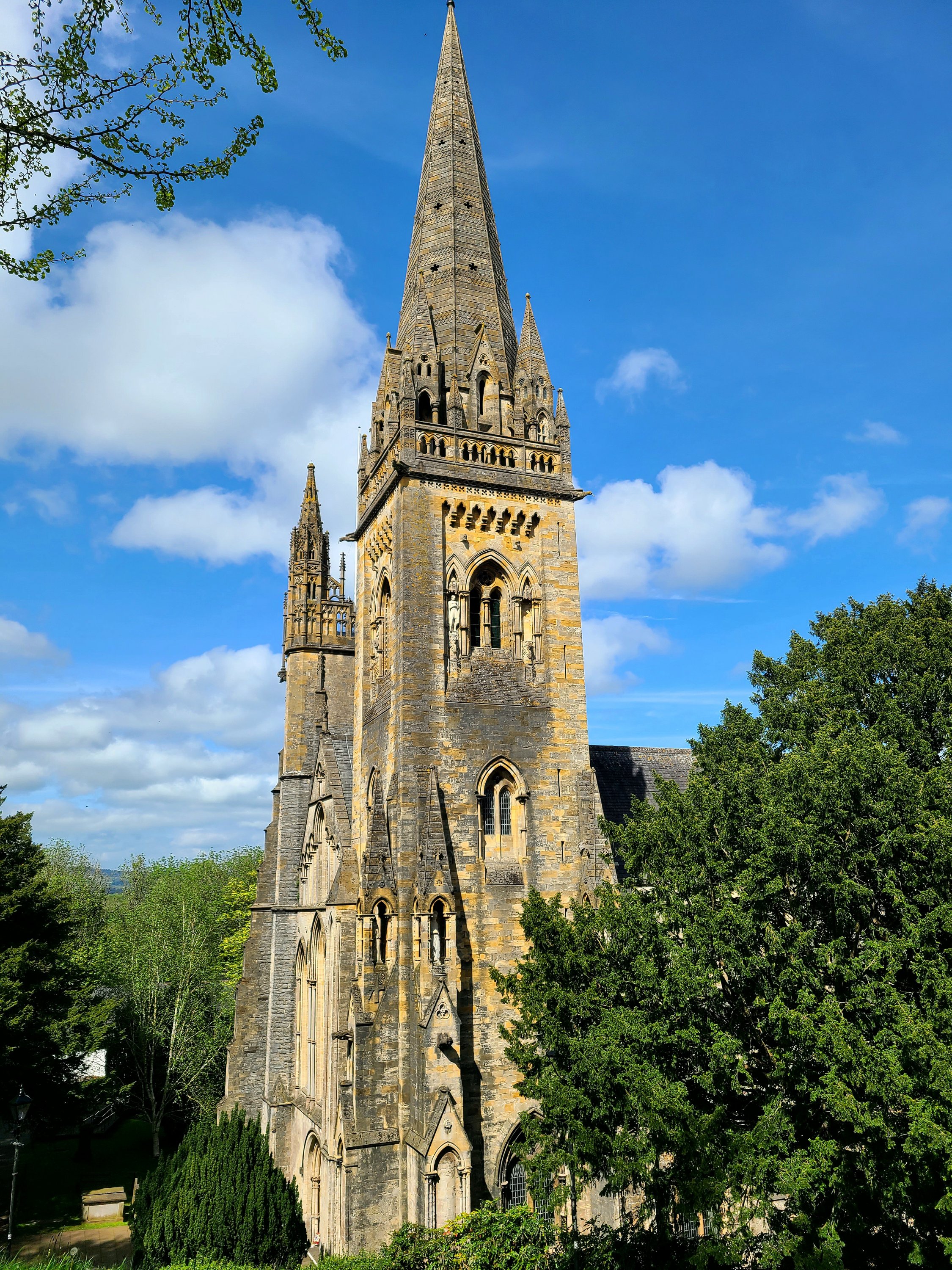
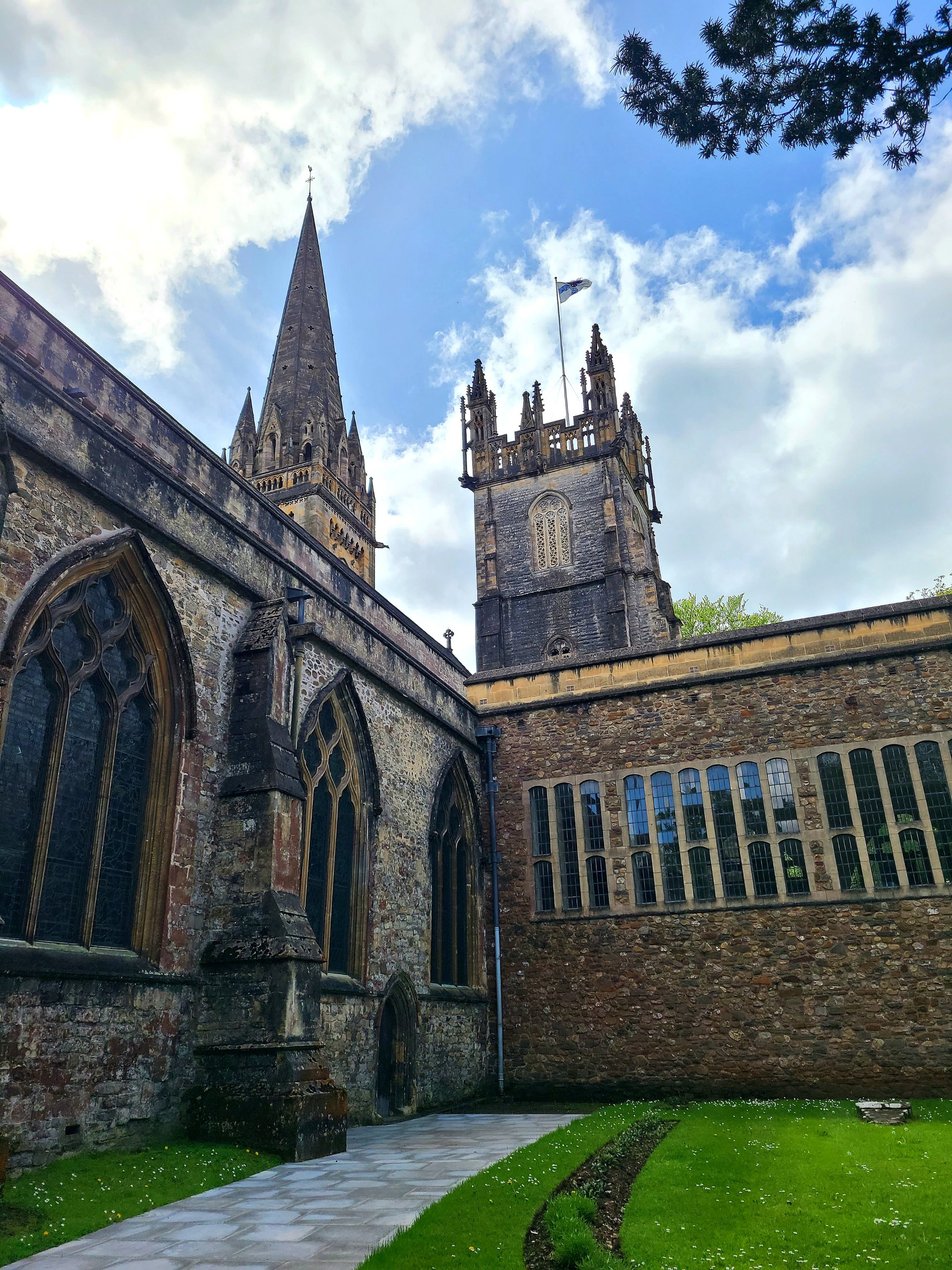
Llandaff Cathedral stands on one of the oldest Christian sites in Great Britain, dating back to the 6th century. The present Cathedral dates back to 1107 and is considered to be one of the most notable medieval works of art in Wales.

I never thought of Cardiff as a foodie destination, but there are tons of restaurant options in Cardiff, including some serving traditional Welsh fare.

I had dinner at The Botanist and fell in love with the decor. I felt like I was eating dinner in a fancy greenhouse, where they played live music in a gazebo (including a great rendition of Dolly’s ‘Jolene’ by request!) and have a delicious Sunday Roast menu as well as their famous hanging kebabs.

And, of course, no trip anywhere in the UK is complete without a pint or two at one of the many local pubs!

Getting there:

Fly into Rhoose Cardiff International Airport. While the train doesn’t connect directly to the airport, there is a shuttle bus (£2) that takes you to Rhoose Cardiff International Rail Station where you can catch a train to Cardiff Central Station. (£5.20+)

You can also take trains, buses, or drive from England, Scotland, and the rest of Wales.

I found the train system in Wales to be excellent and you can easily book your tickets in advance online, usually saving you money. 

Categories: Blog, Europe, Photo, Where in the World | Tags: , , , , , , , , | Leave a comment

Blog at WordPress.com.