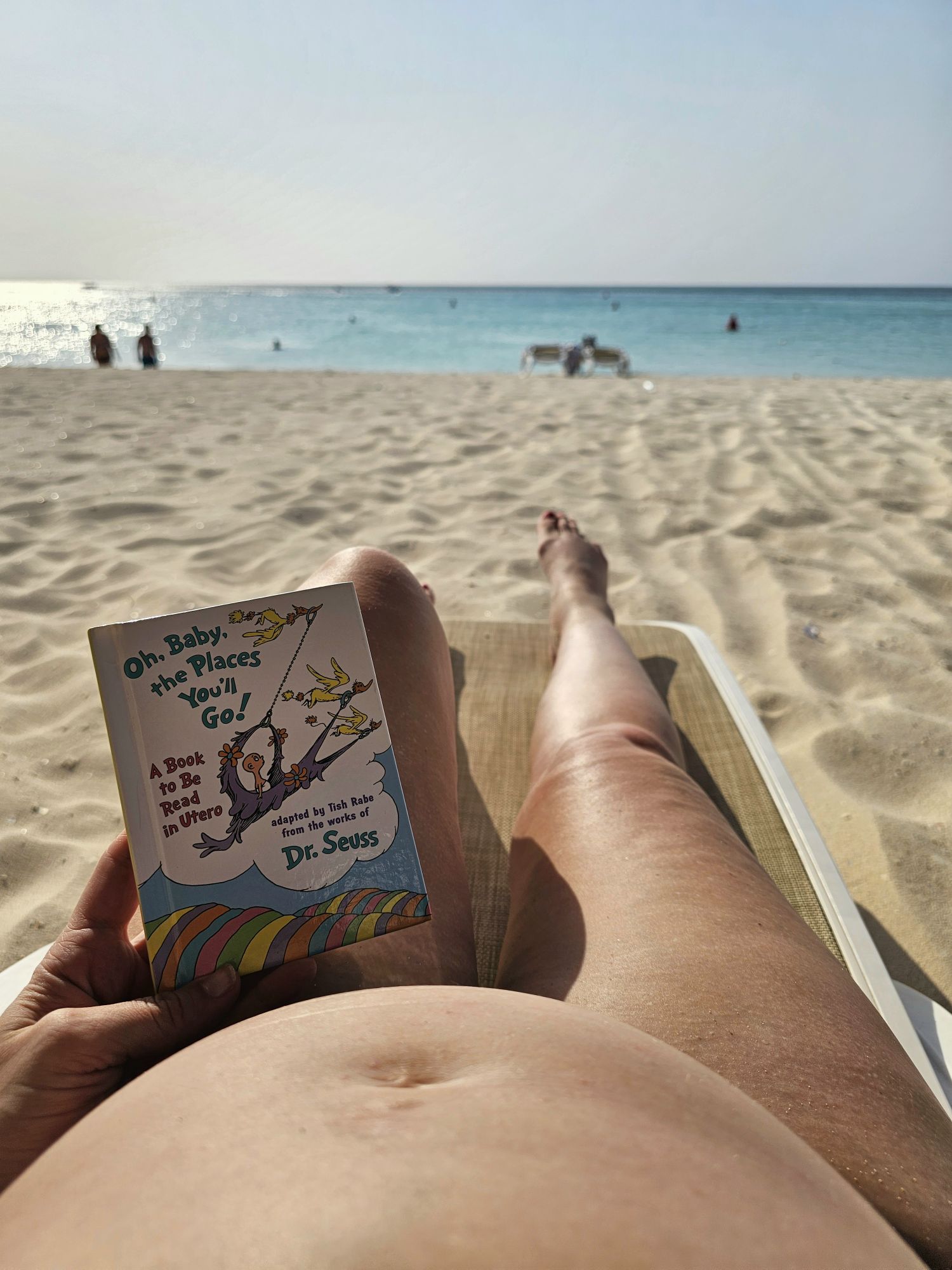
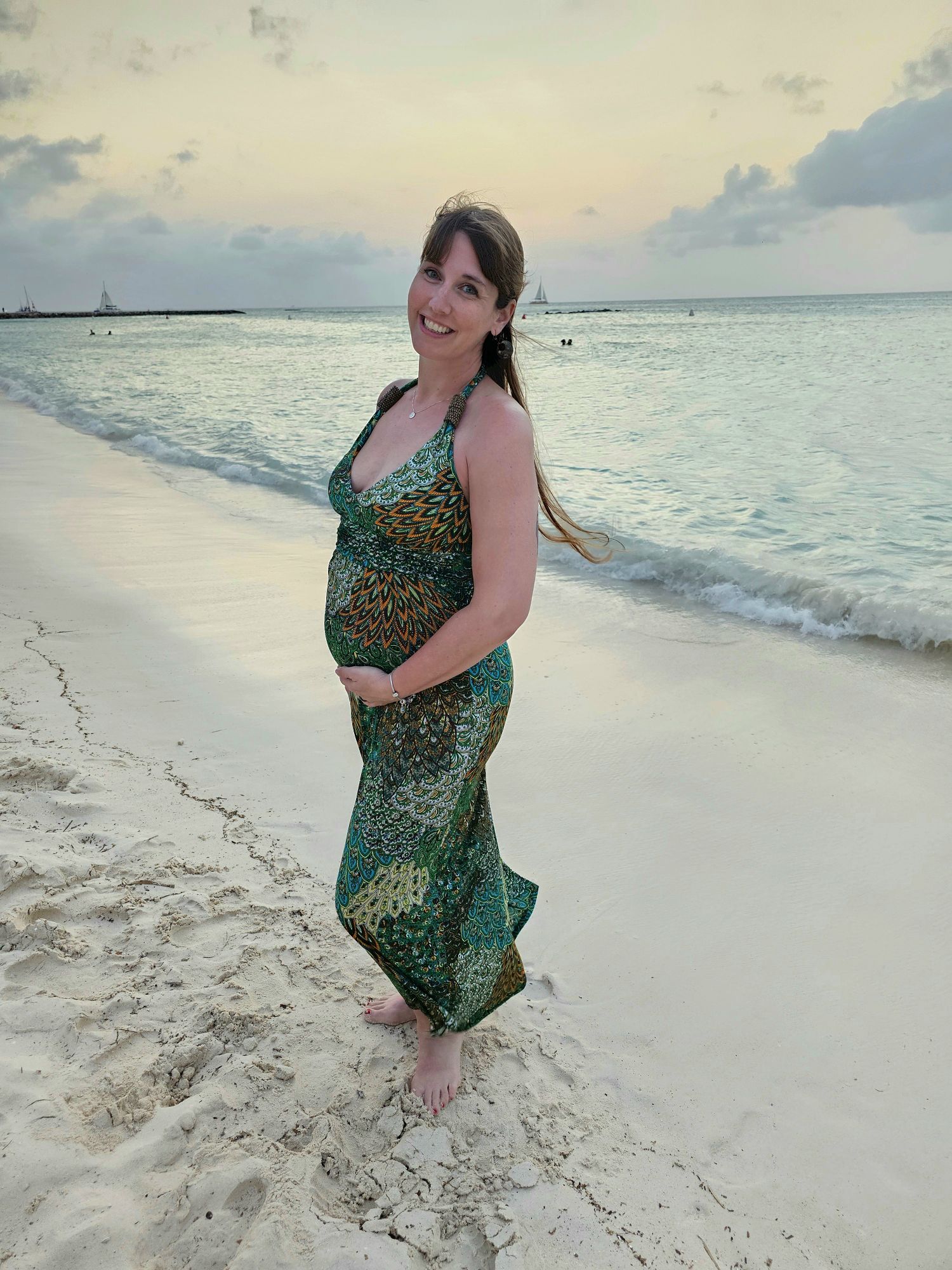
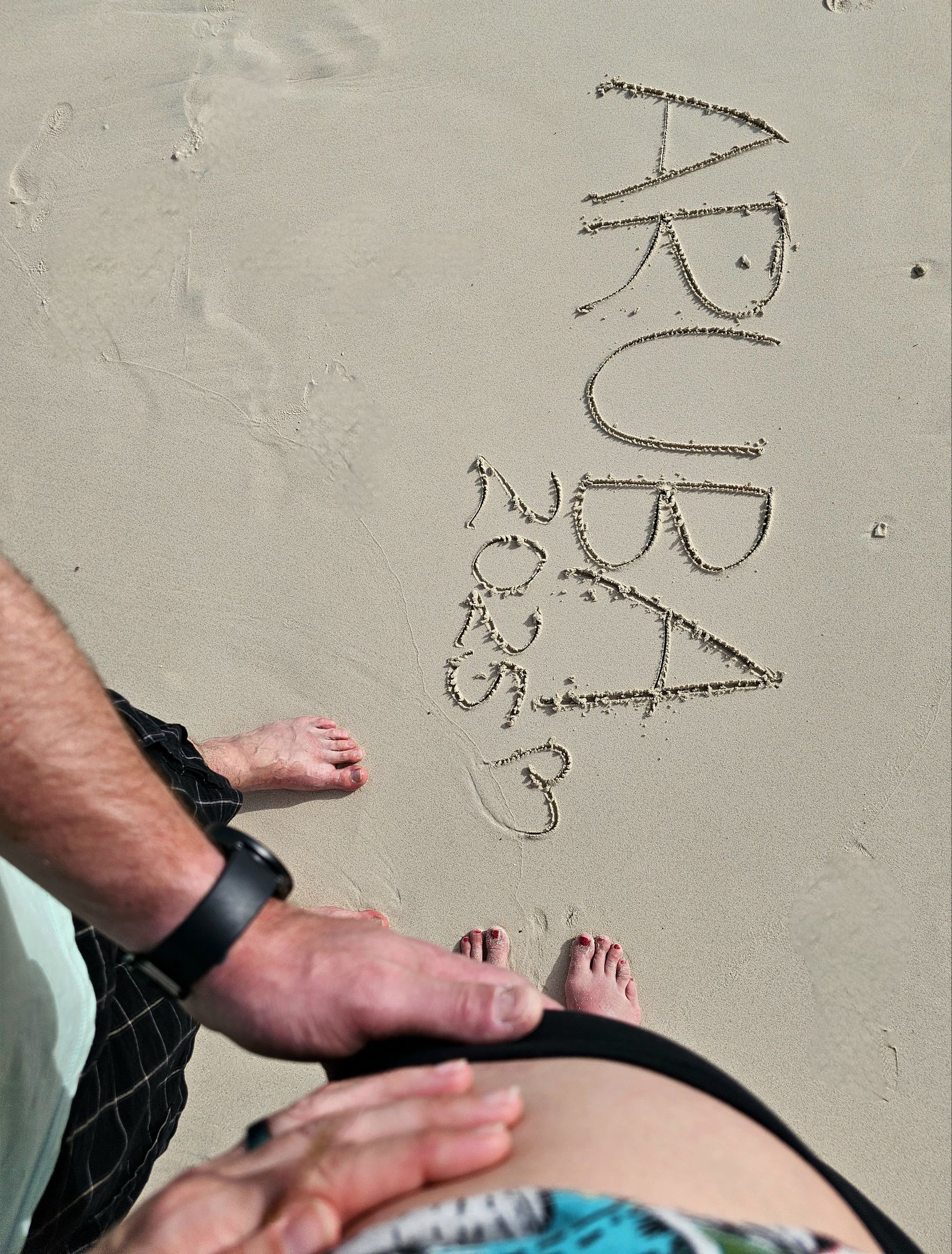
It’s crazy that it has already been a year since we had our ‘Babymoon’ in Aruba. We really wanted to have one last trip before our new adventure began and Aruba was the perfect place for it.
We had a wonderful week relaxing on the beach and exploring the island. More on that here
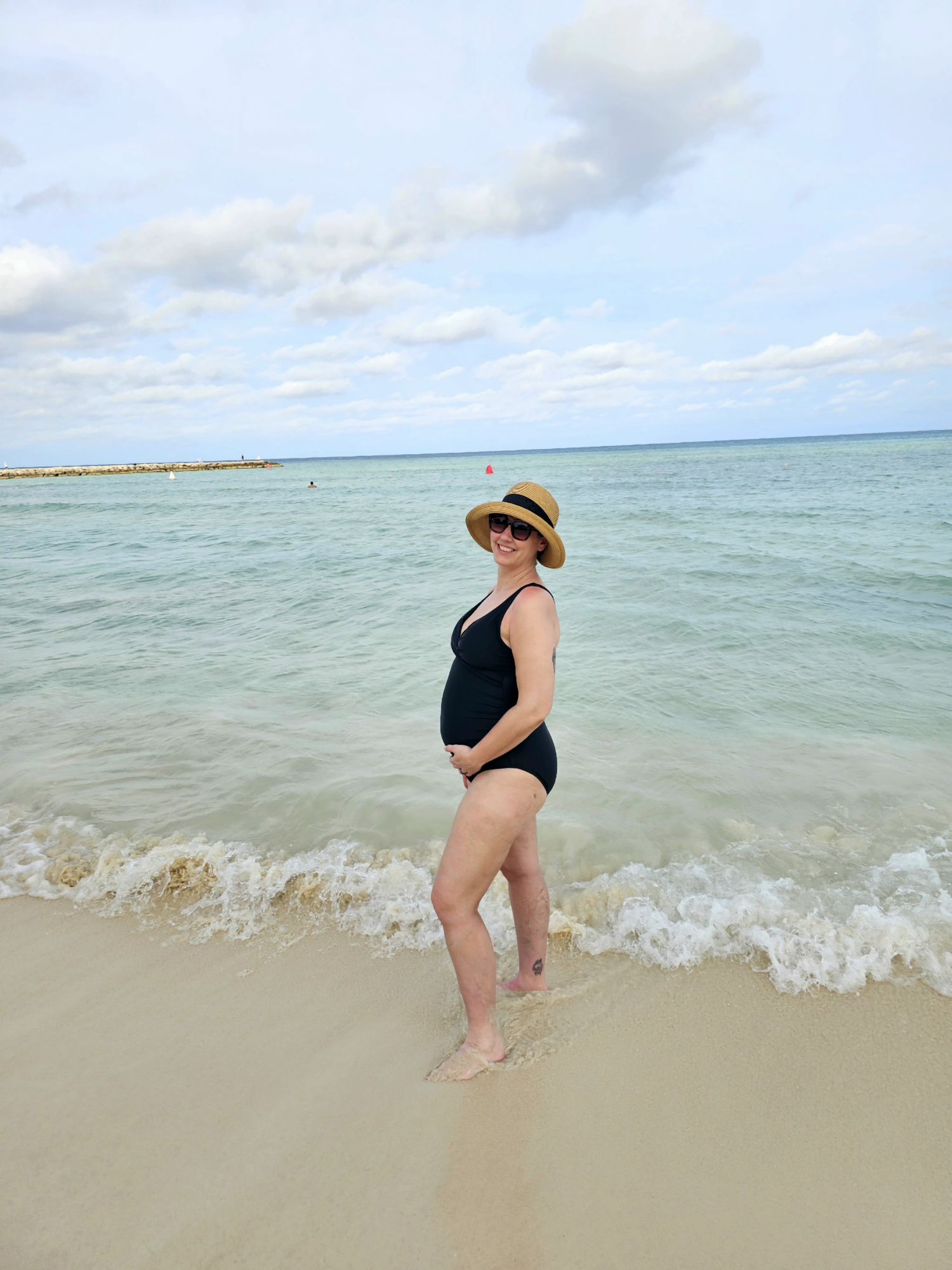
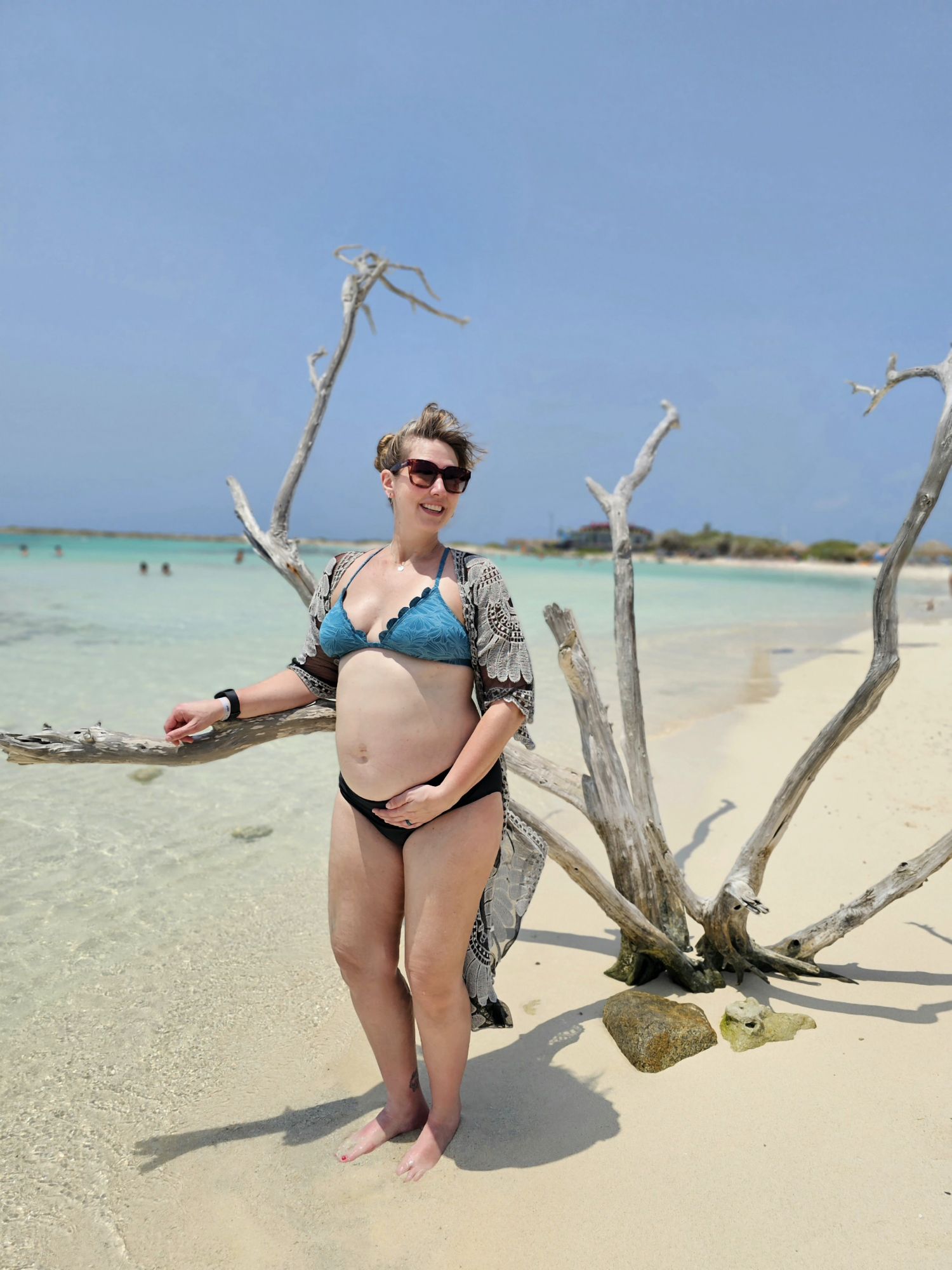
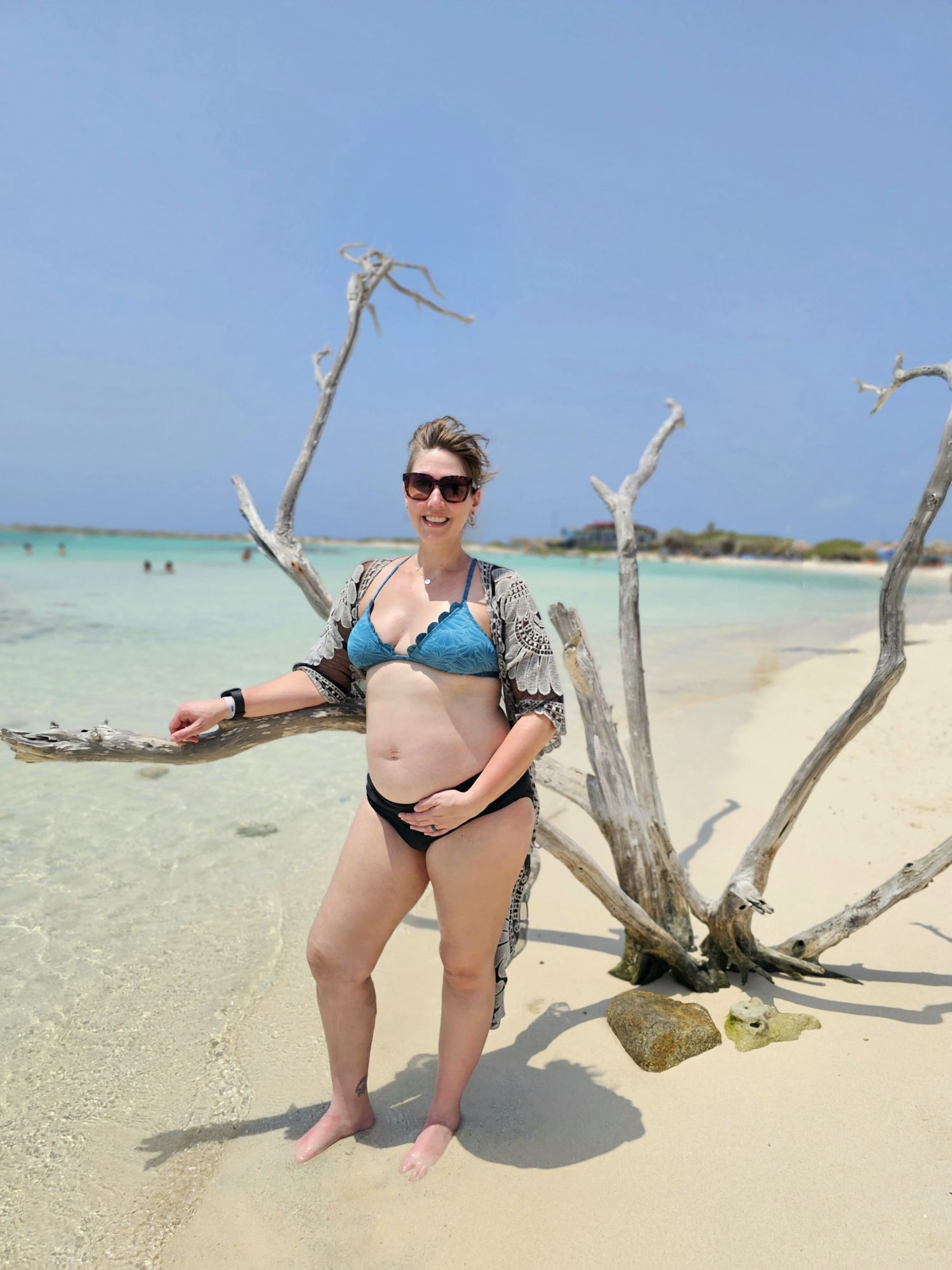
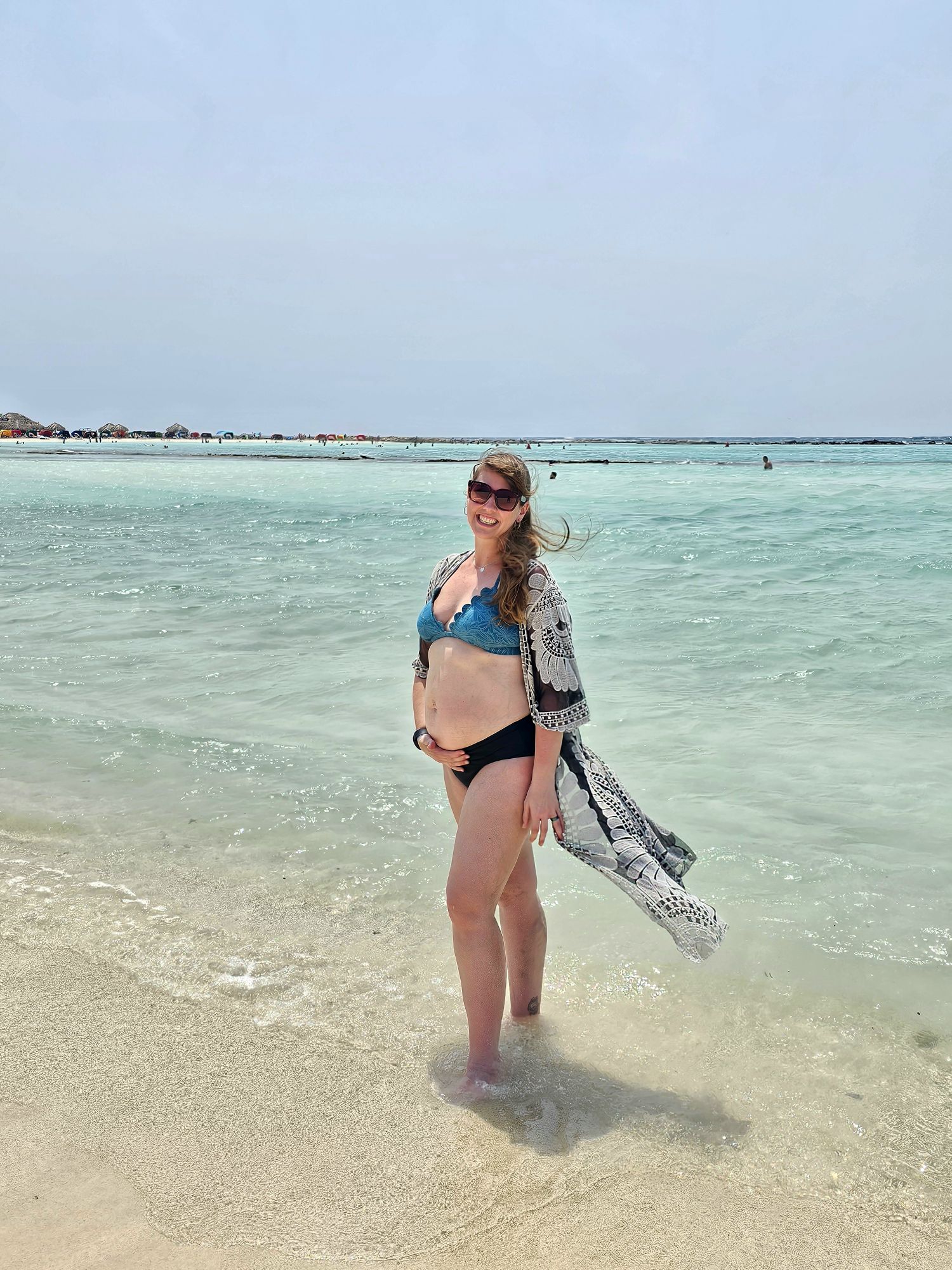
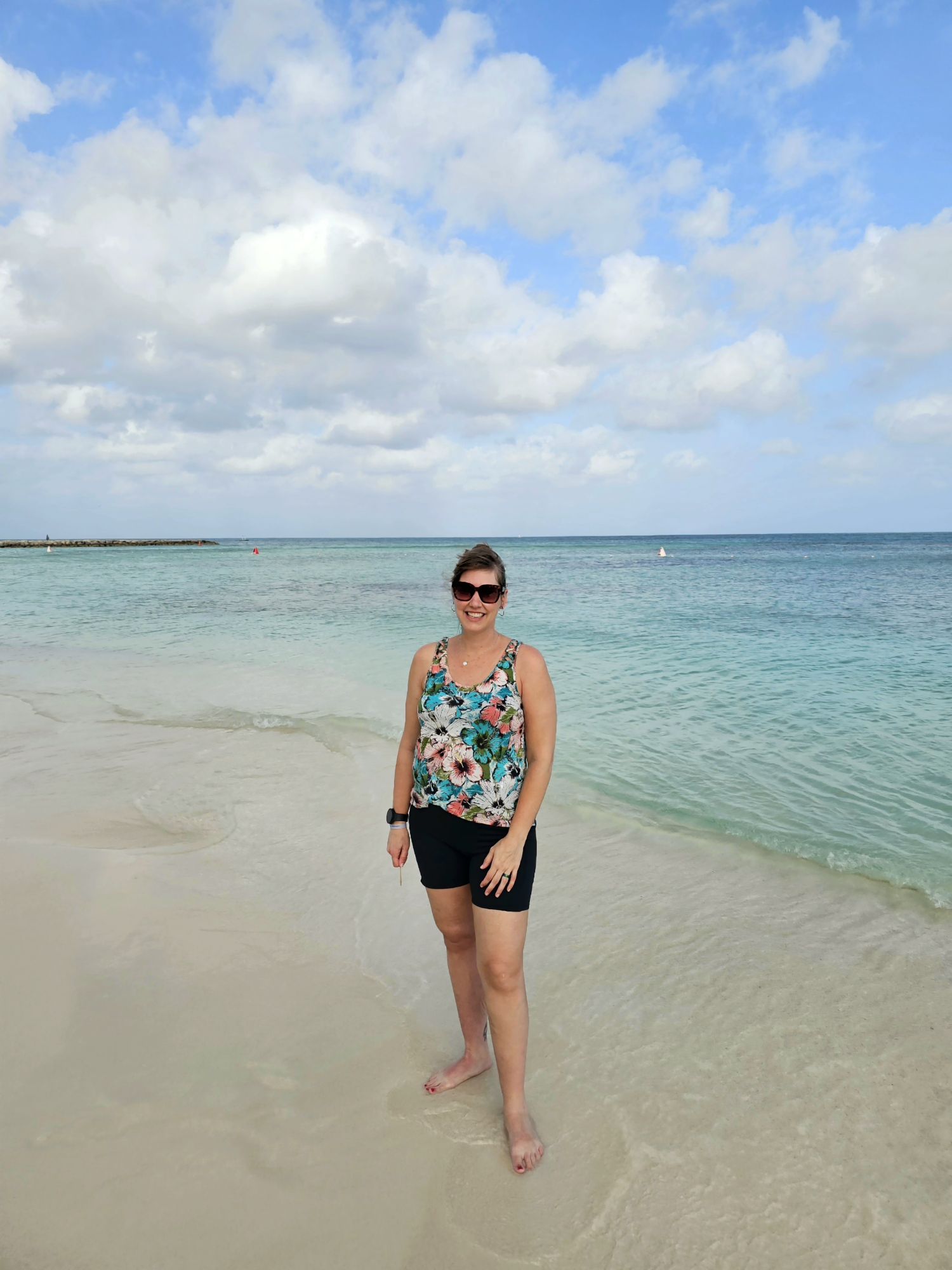
And of course, I couldn’t have a ‘Babymoon’ here without taking my baby bump to Baby Beach for some photos!
Are you expecting and looking for a great Caribbean destination for your Babymoon? If so, I highly recommend Aruba!
I spent sometime looking at healthcare and safety in different spots to find a place that would have what we needed if something went wrong and Aruba checked all the boxes. Of course, before travelling anywhere pregnant be sure you are cleared by your doctor, wear compression socks and drink lots of water on the plane, make sure you have travel insurance just incase…. and then go enjoy yourself!!
Nestled in the Southern Caribbean Sea, just off the shores of Venezuela, lies the beautiful island of Aruba. Part of the ABC Islands, along with Bonaire and Curacao, Aruba has something for everyone.
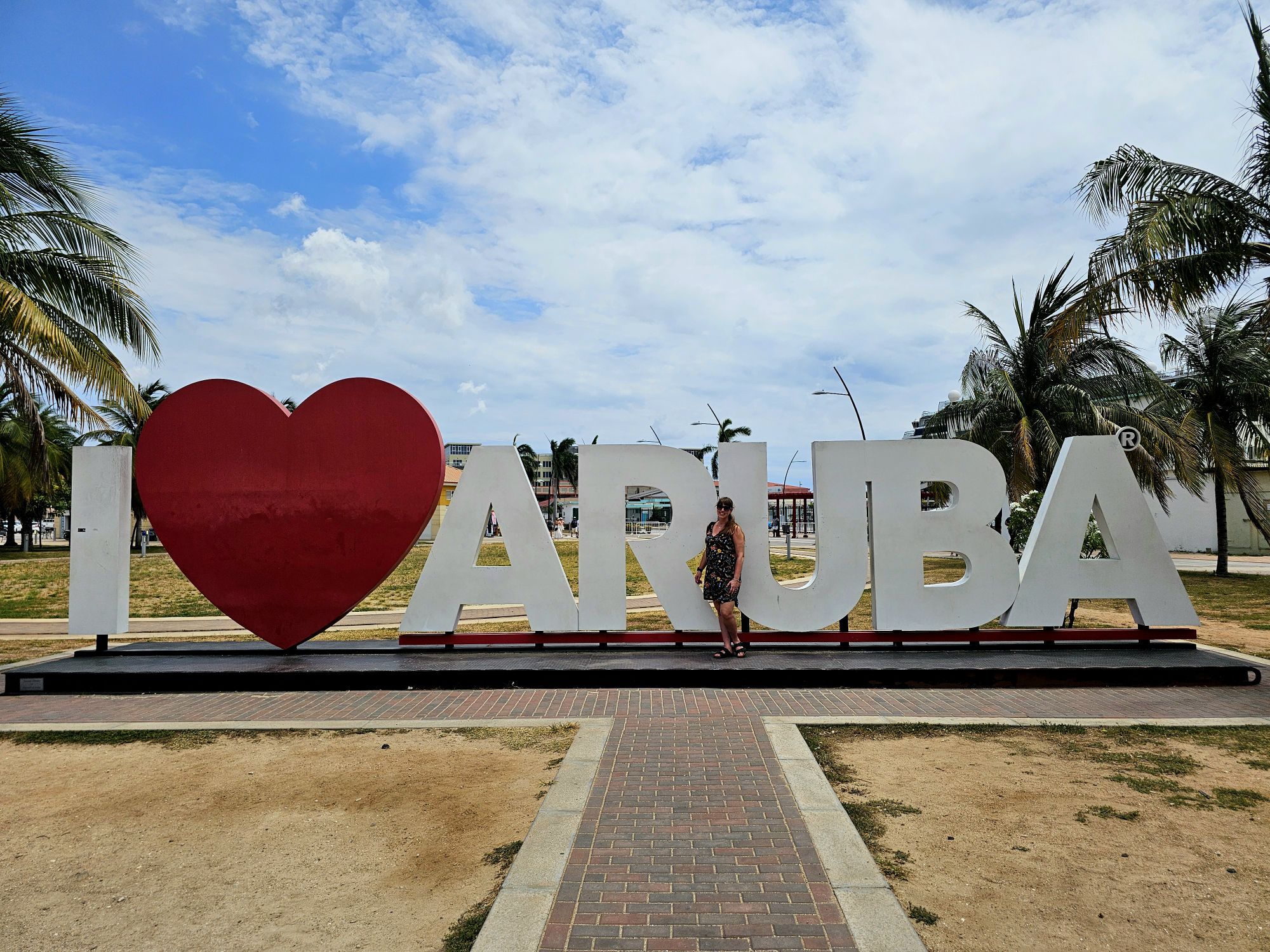
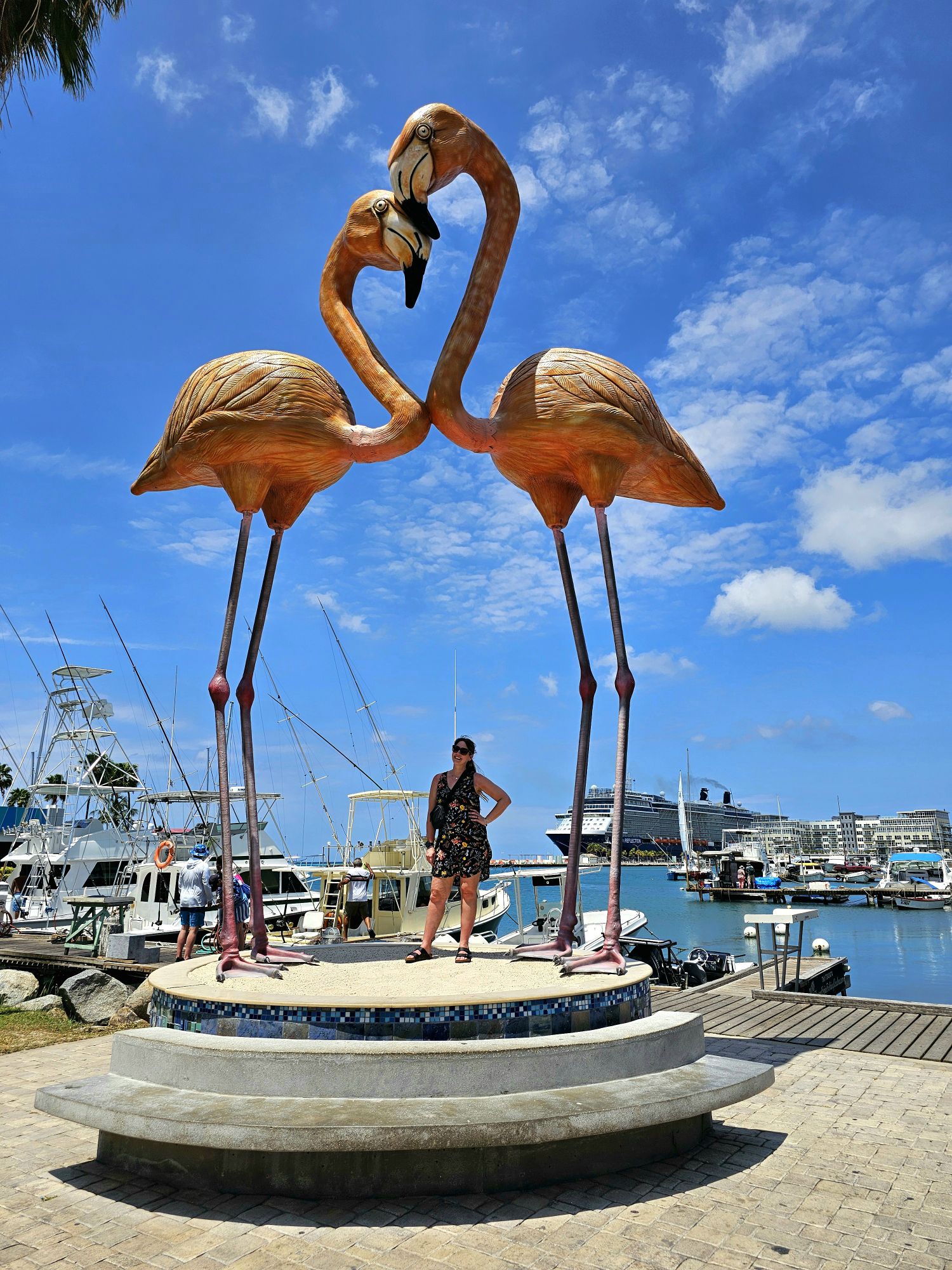
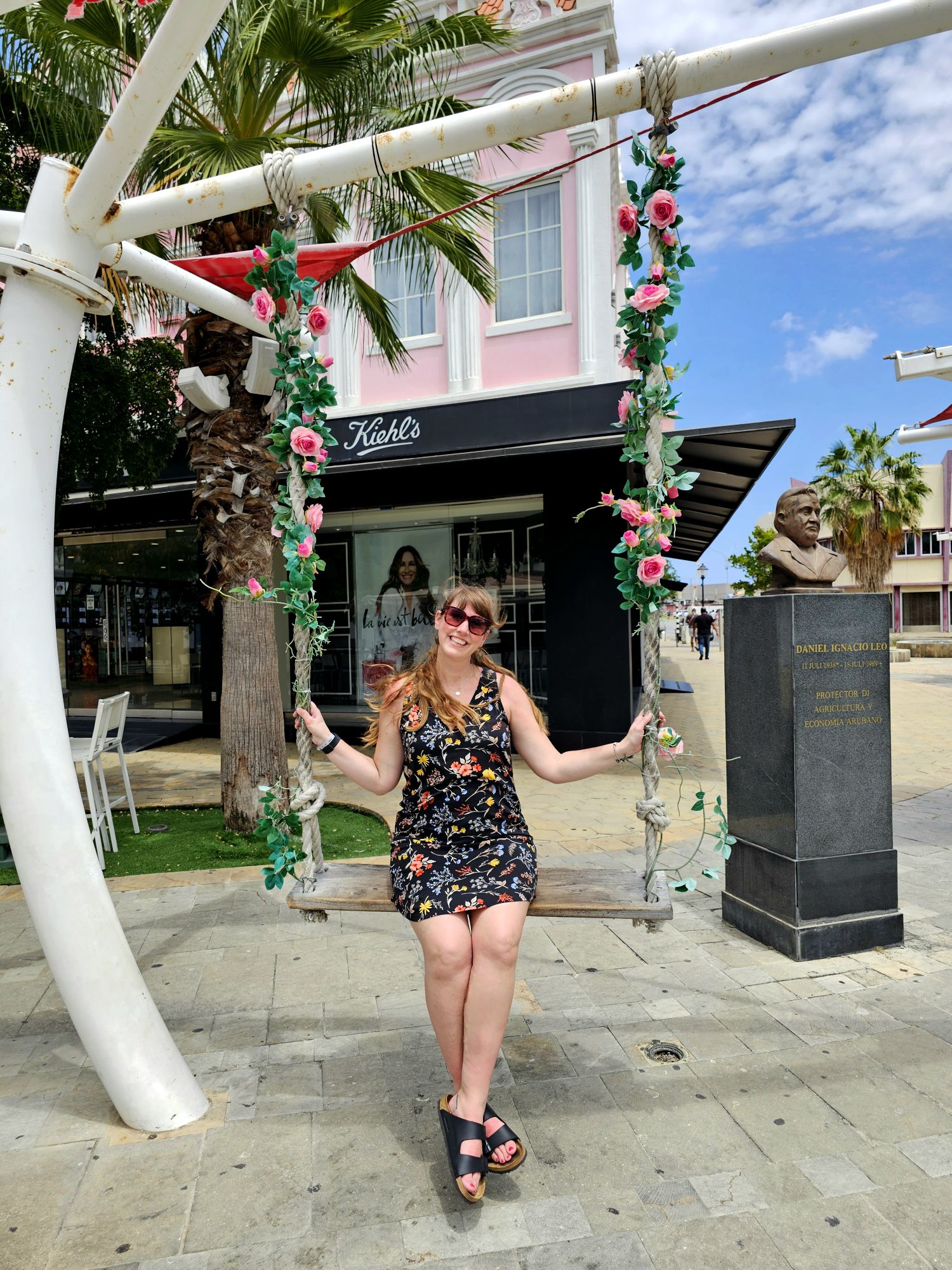
Oranjestad, the island’s capital, is easy to walk around and while there aren’t many tourist attractions, there are some great photo stops and the old colourful colonial buildings are a must see.
Here, you will also find lots of shopping, from high end to souvenir stands, as well as a variety of restaurants, bars and coffee shops.
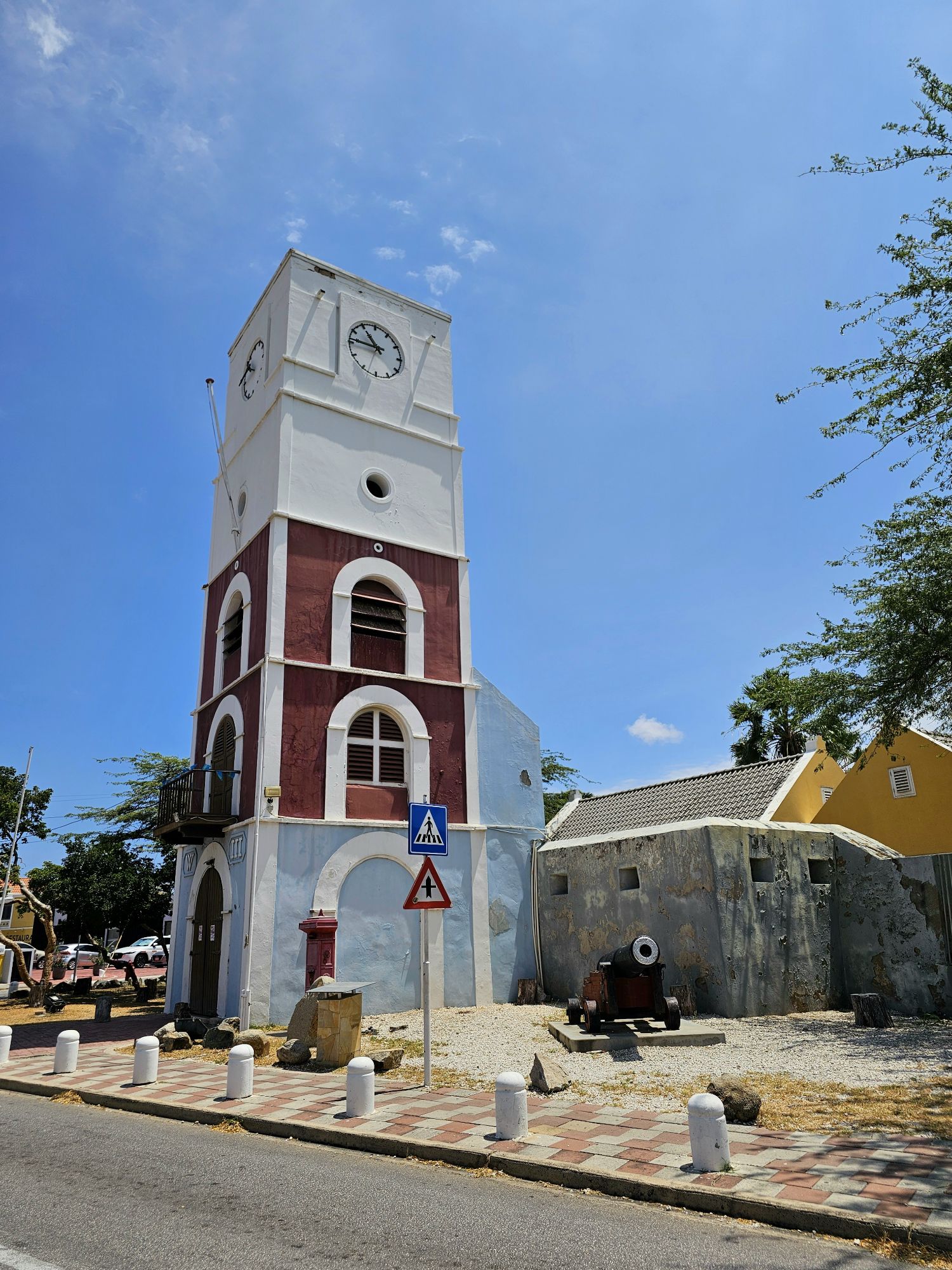
While there isn’t much still standing, Fort Zoutman dates back to the 18th century. The best preserved part is the Willem III tower, which was built to watch for approaching pirates.
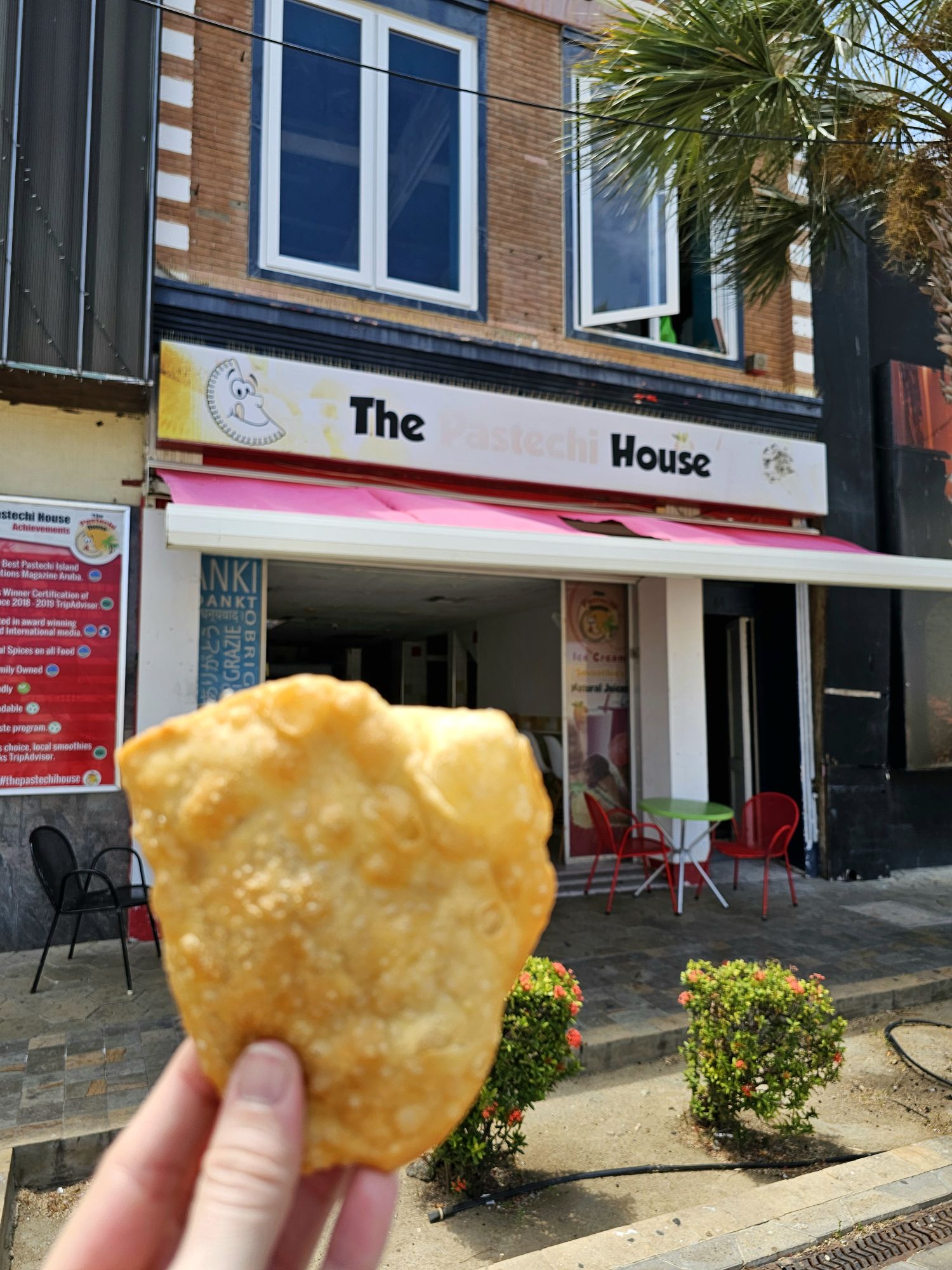
For a local treat, stop by The Pastechi House for a delicious pastechi. They are typically filled with cheese, meat, chicken, or vegetables, and can be enjoyed as a breakfast or snack.
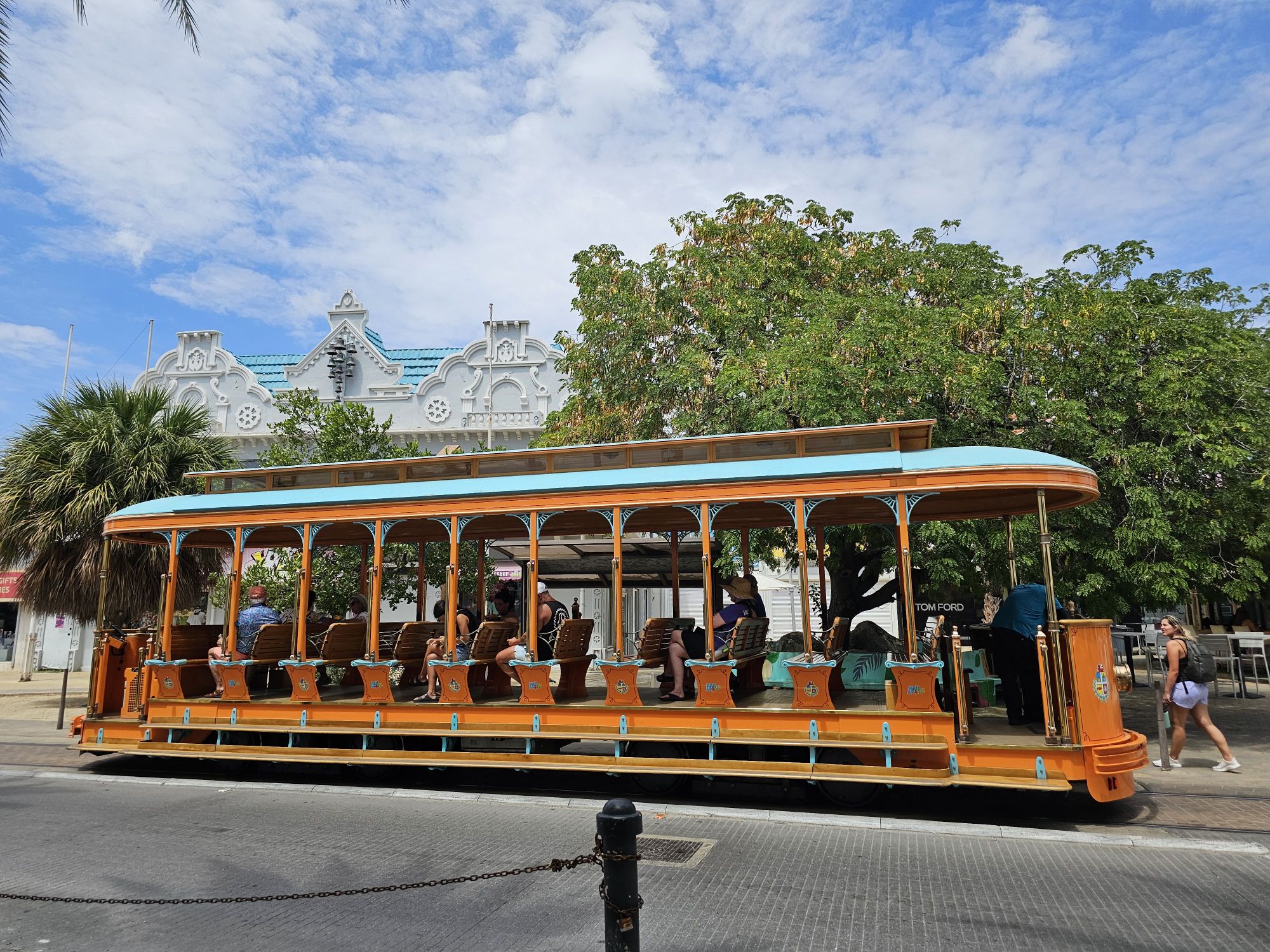
If your feet need a break, you can also explore part of Oranjestad by taking the Aruba Trolley.
The trolleys offer free transportation to and from the main downtown area in a loop with the cruise ship terminal. The streetcars can be boarded right outside the cruise port’s main gate. They run from 10 am-5 pm, Monday to Saturday.
Just be aware that the schedule seems to run on ‘island time’, and if there’s any construction or events going on, the trolley will not do the full loop as we found out the hard way!
Just outside Oranjestad, you will find the resort area where most of the big hotels and resorts on the island are found along the beautiful white sand beaches here.
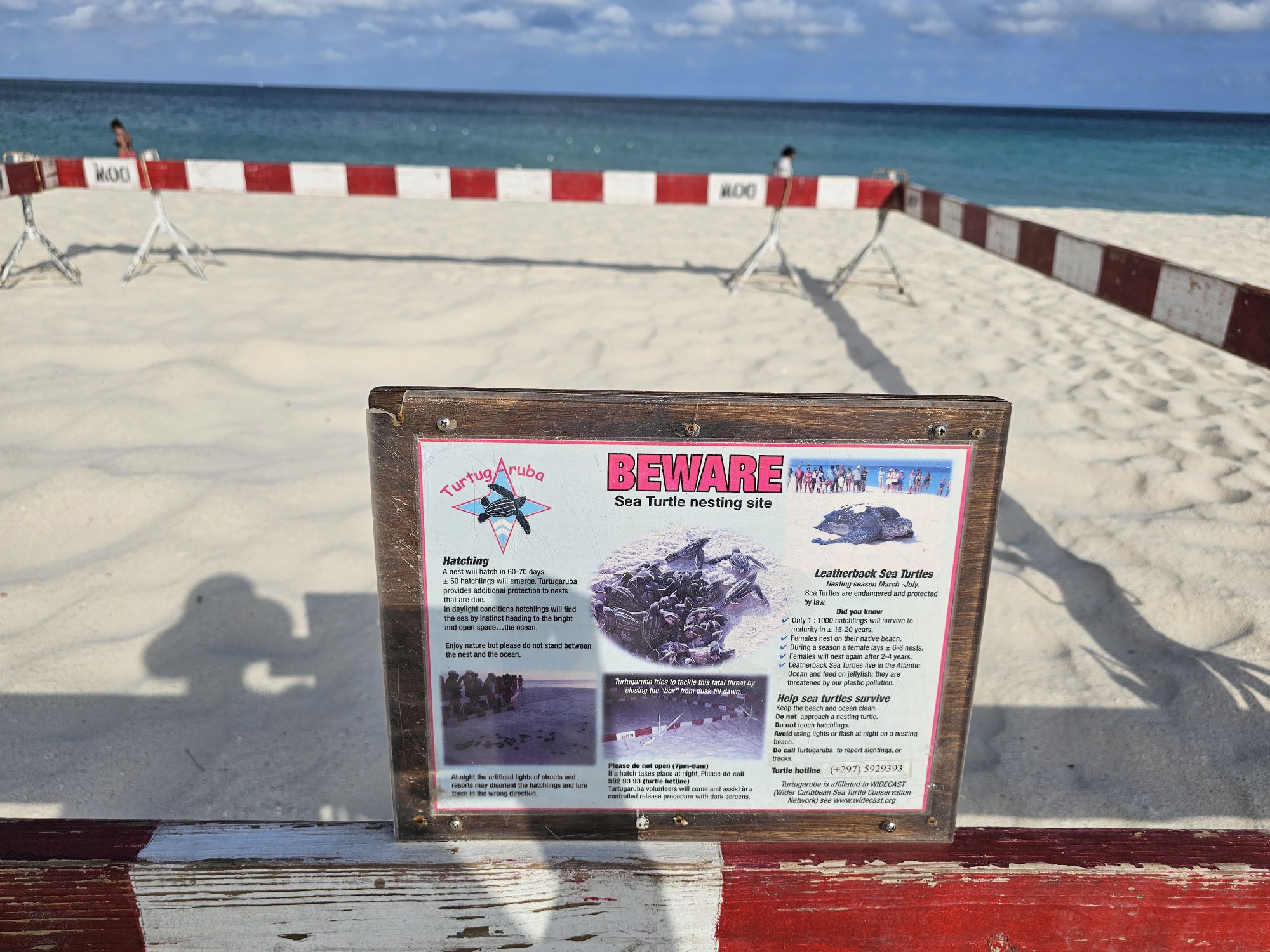
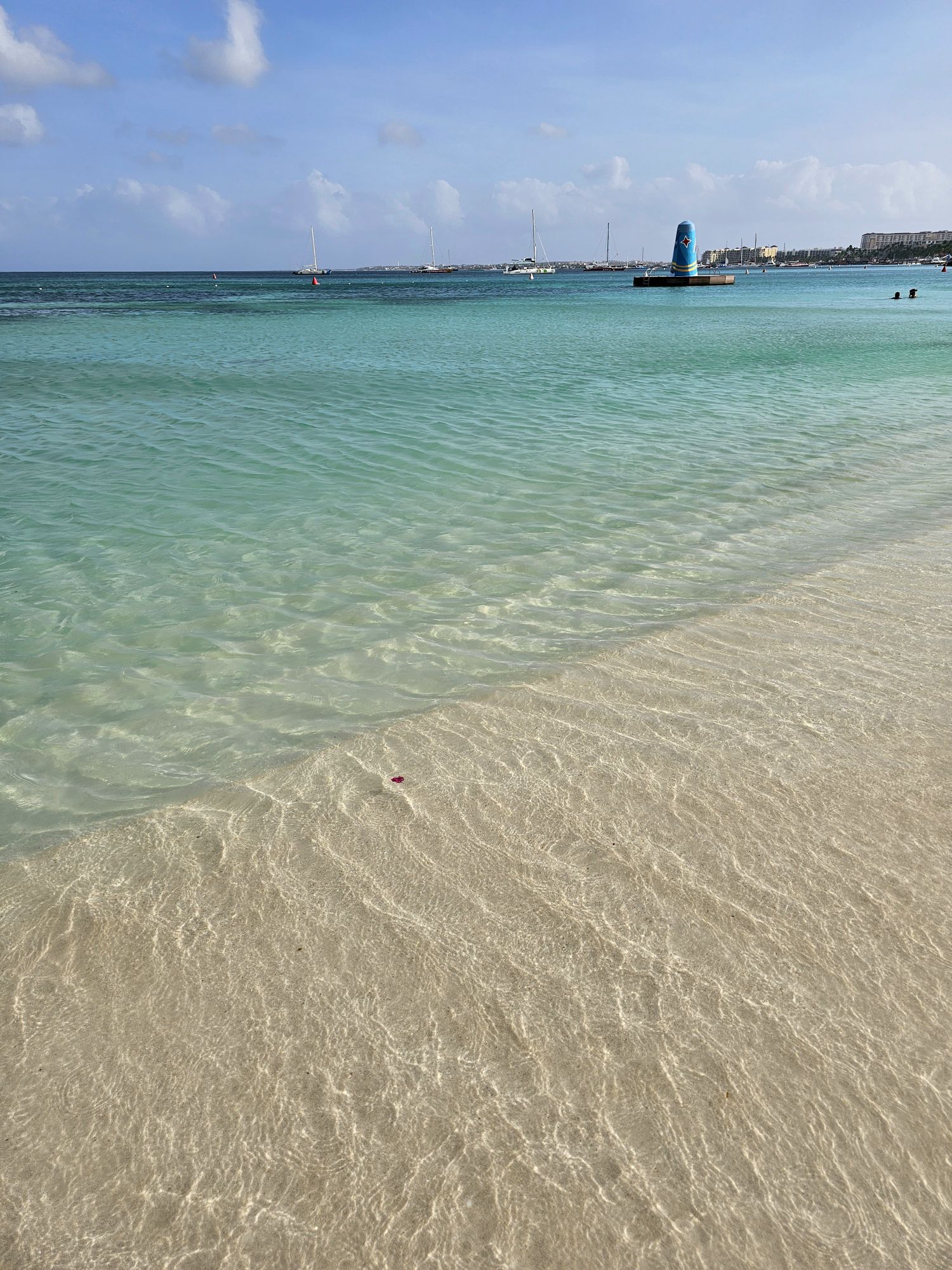
The long white sand stretch of Eagle Beach regularly makes the list of one of the world’s best beaches. The turquoise waters are great for swimming and depending on the time of year, you may find sea turtle nests in protected areas along the beach.
While there is little shade, there are areas to rent chairs and umbrellas.
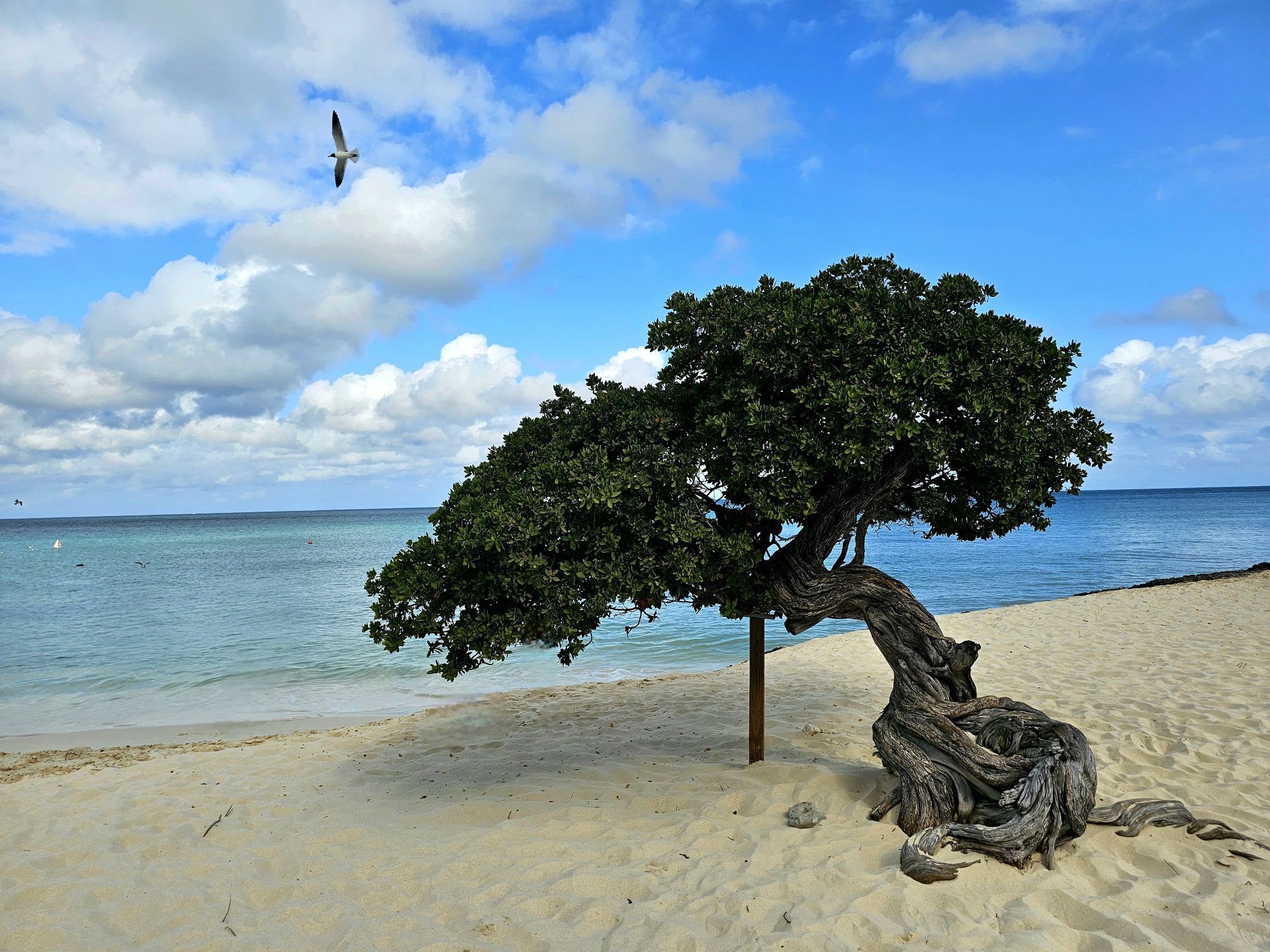
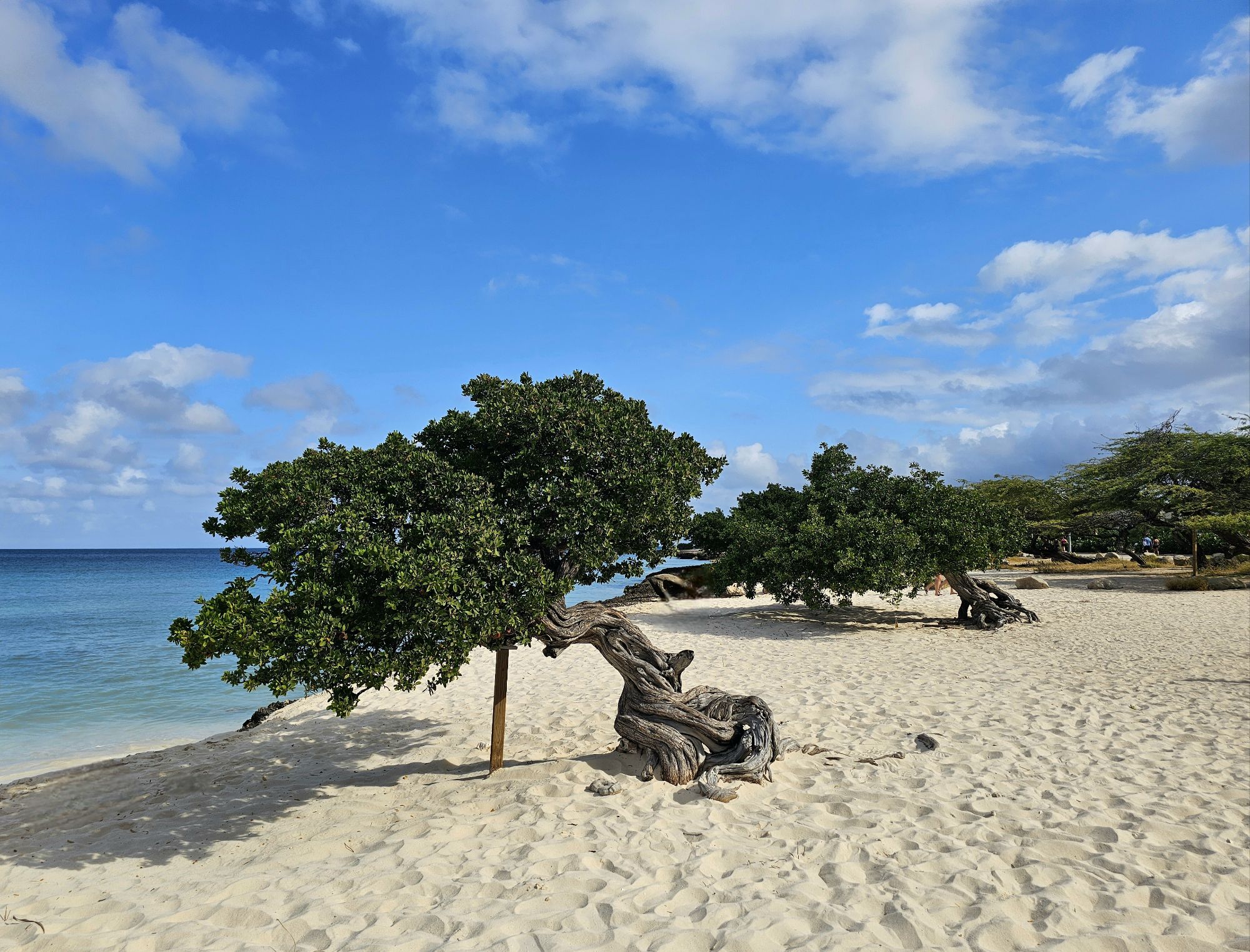
This beach is also home to the Fofoti trees, some of the most photographed trees on the island! These famous trees are a natural wonder sculpted by the island’s winds and always point towards the sea.
There is a great boardwalk that connects the beaches between the low-rise resorts and the high-rise resorts and gives you the perfect spot to get out for a morning stroll.
Aruba whiptail found along the boardwalk
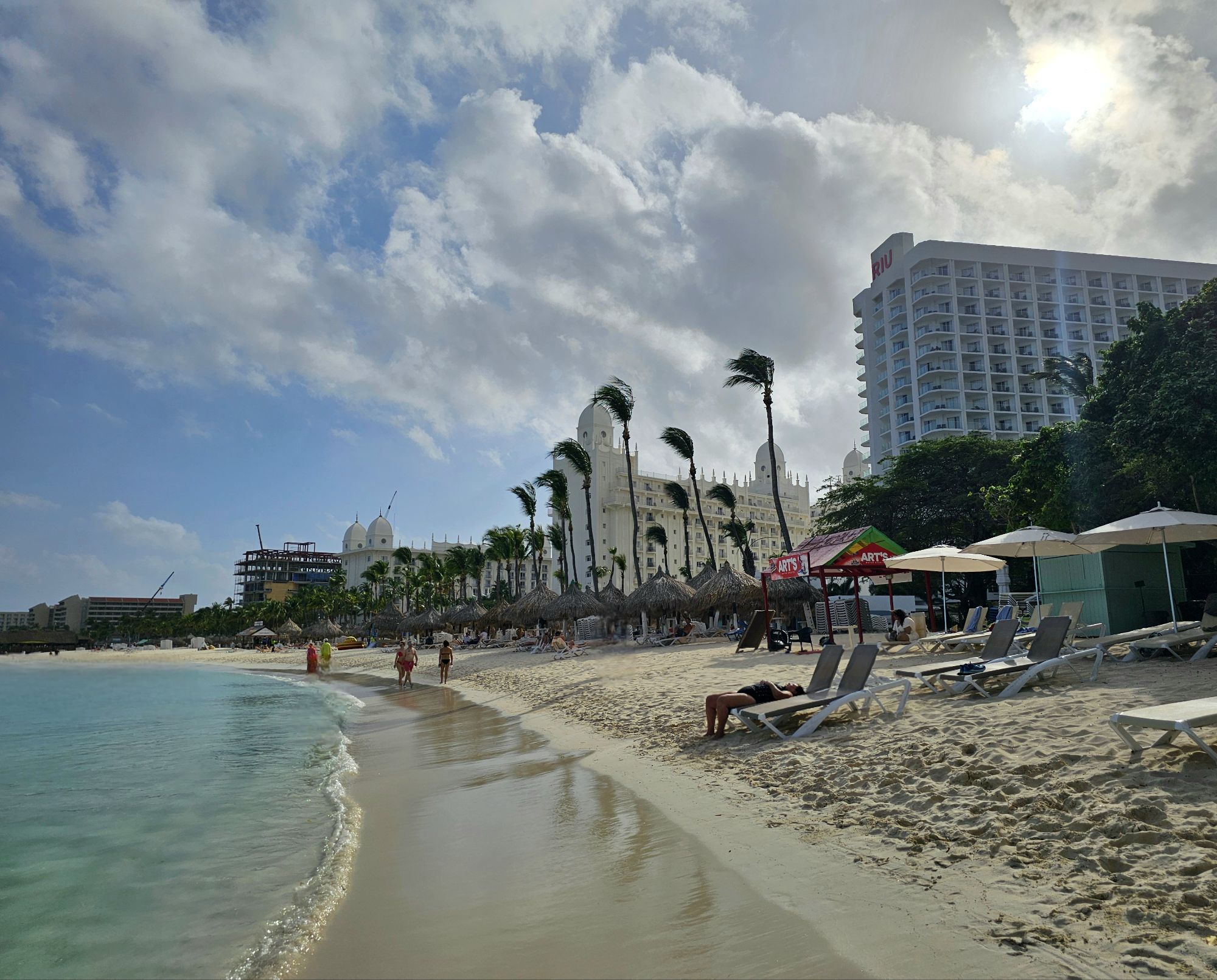
As you continue along, you’ll come to Palm Beach. This one tends to get very busy as there are a number of resorts lining it.
Near the high-rise hotel area, there’s a great strip of restaurants, bars and shops that get very busy in the evenings. If you are looking to go for dinner, be sure to make a reservation.
We enjoyed a great Italian meal at Gianni’s. It’s a busy place, with live entertainment and delicious homemade pasta.
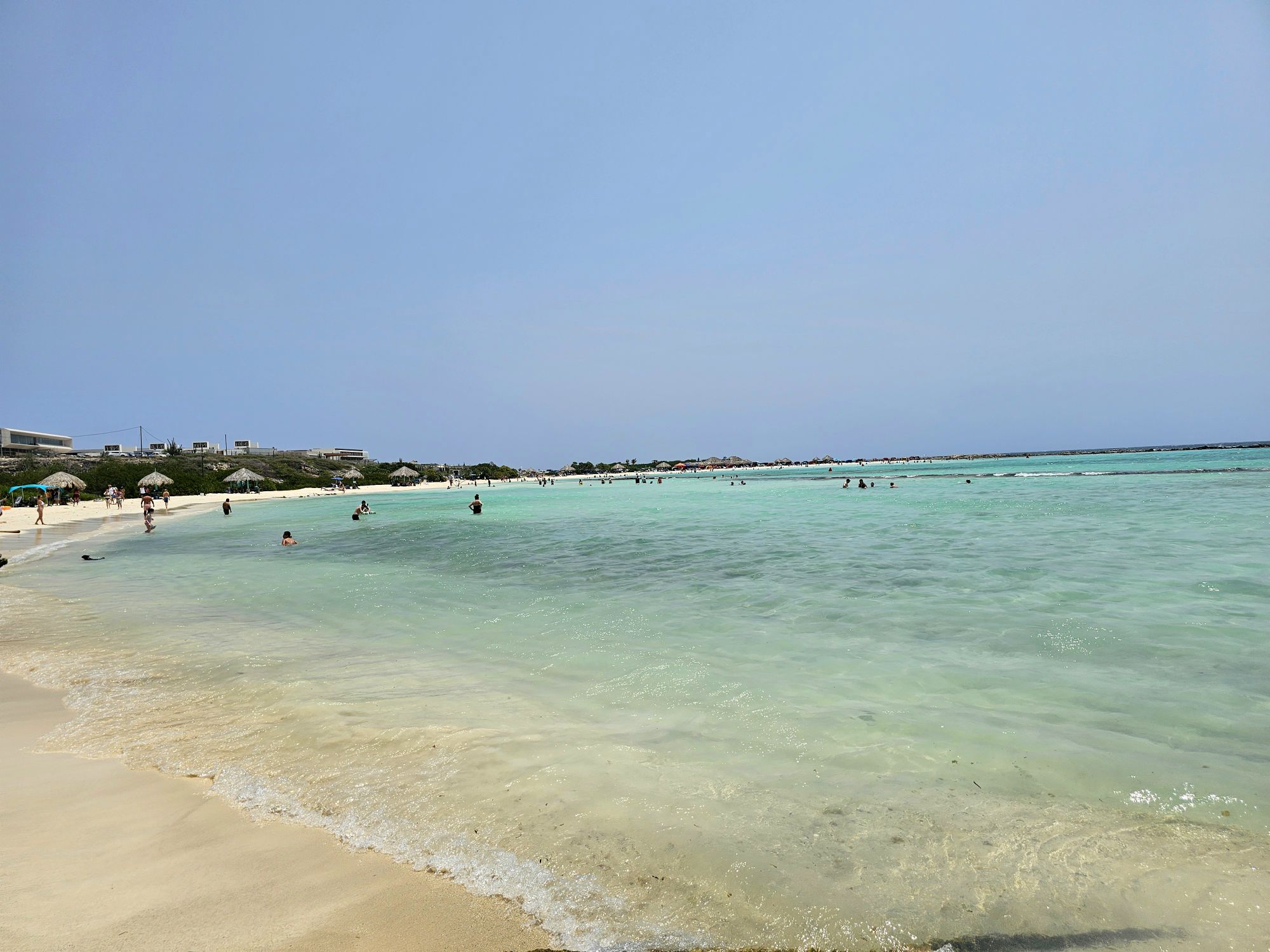
At the other end of the island, not too far from San Nicolas, (and past the eyesore that is the refinery) is Baby Beach, a curved beach with shallow, calm, crystal clear water, perfect for families.
There are some palapas that are free and on a first come, first serve basis. You can also rent umbrellas and chairs, although they are not cheap. You’ll find beach bars at both end- Big Mama Grill, which has a Flintstone theme at one end and Rum Reef at the other.
For those looking for excursions, there is no shortages of things to do on the island from ATV rentals and jeep tours, to scuba diving and snorkelling tours, to kayaking or parasailing or enjoying either a daytime or sunset catamaran cruise, there’s an activity for everyone.
You can also board the Atlantis submarine for an hour long journey 30m under the sea or go visit the flamingos at two private islands, Flamingo Beach on Renaissance Island and at De Palm Island. Guests at Renaissance Wind Creek Aruba Resort, have access to Renaissance Island, but otherwise you can purchase day passes to either place.
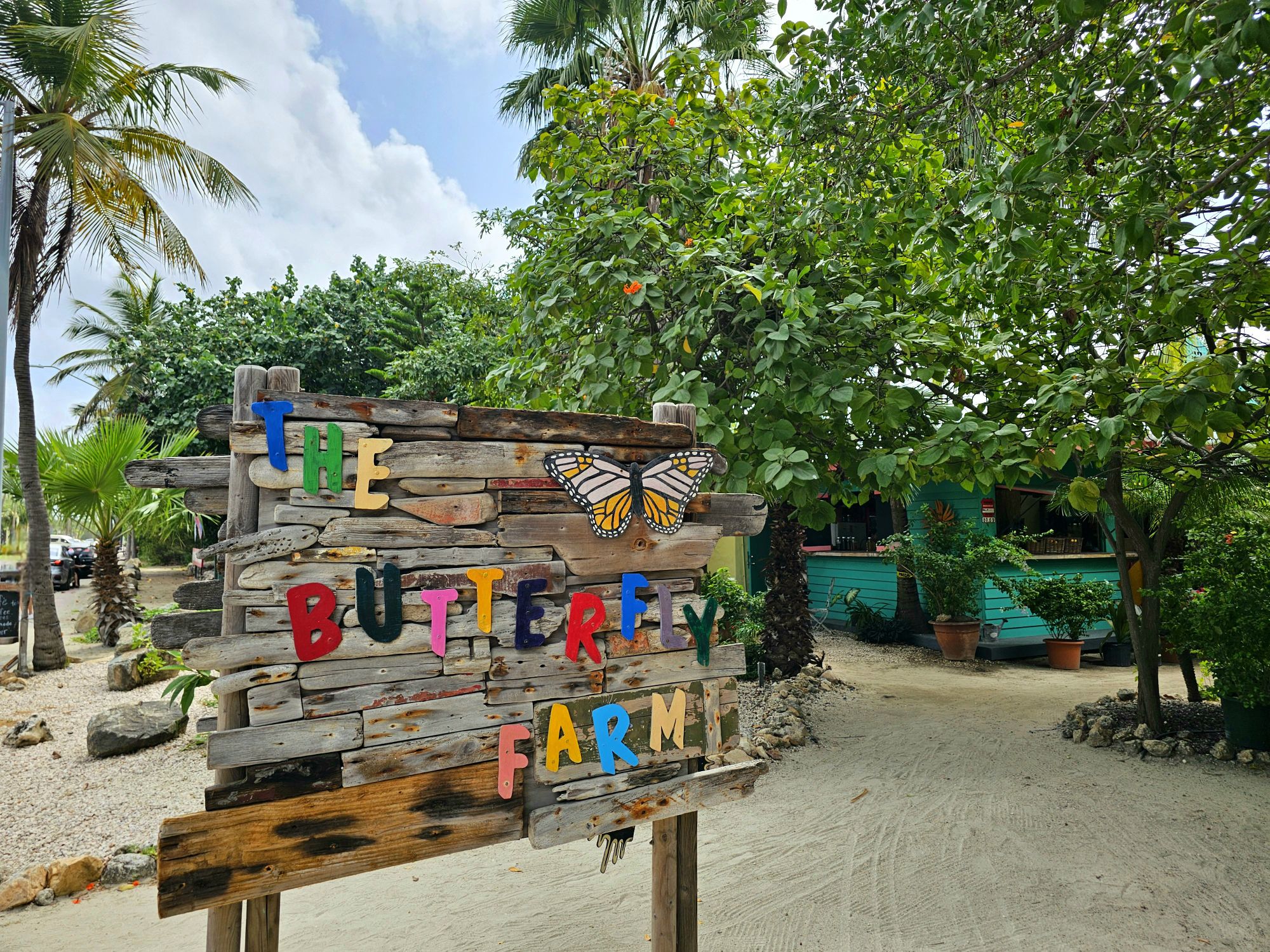
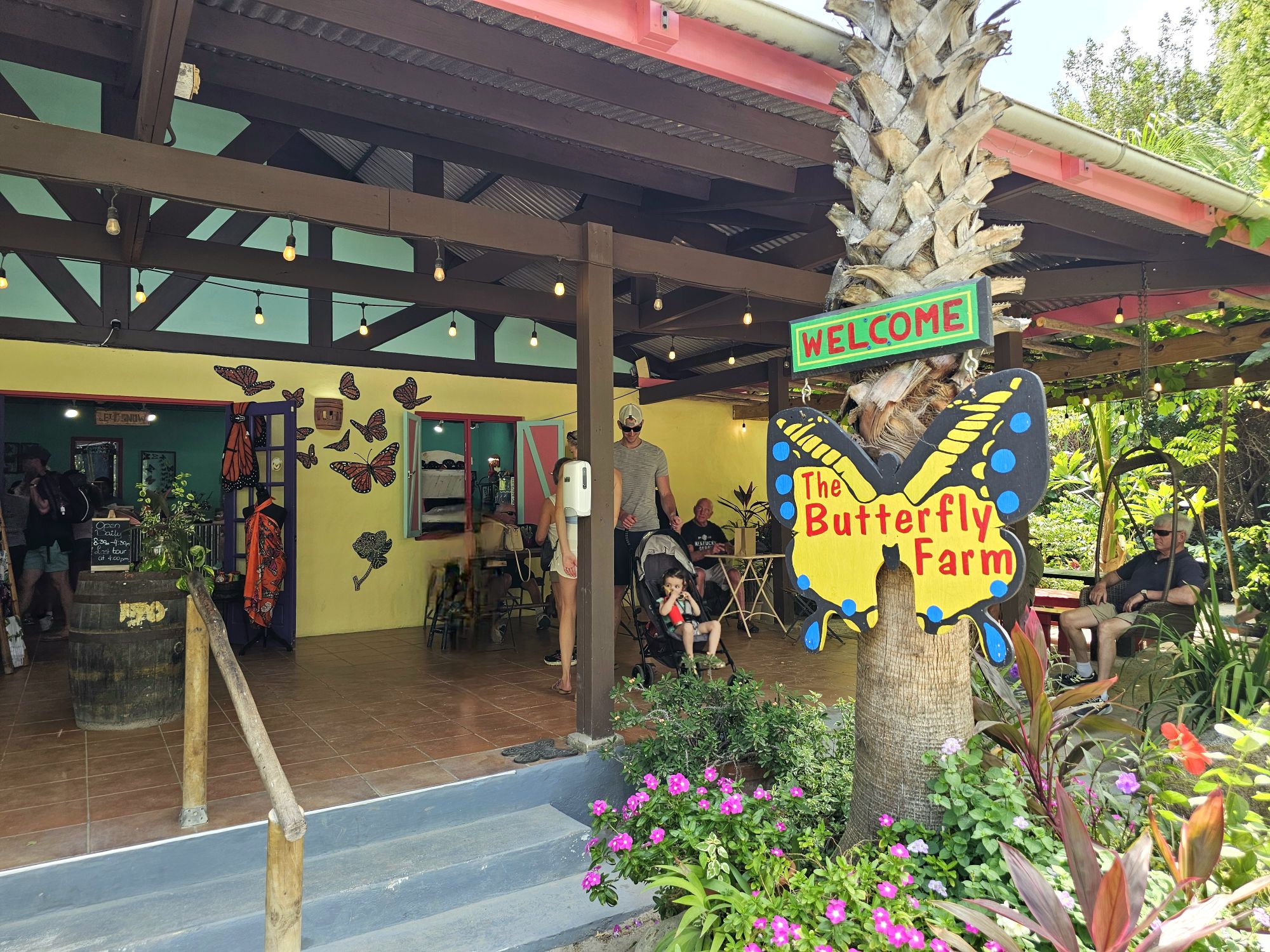
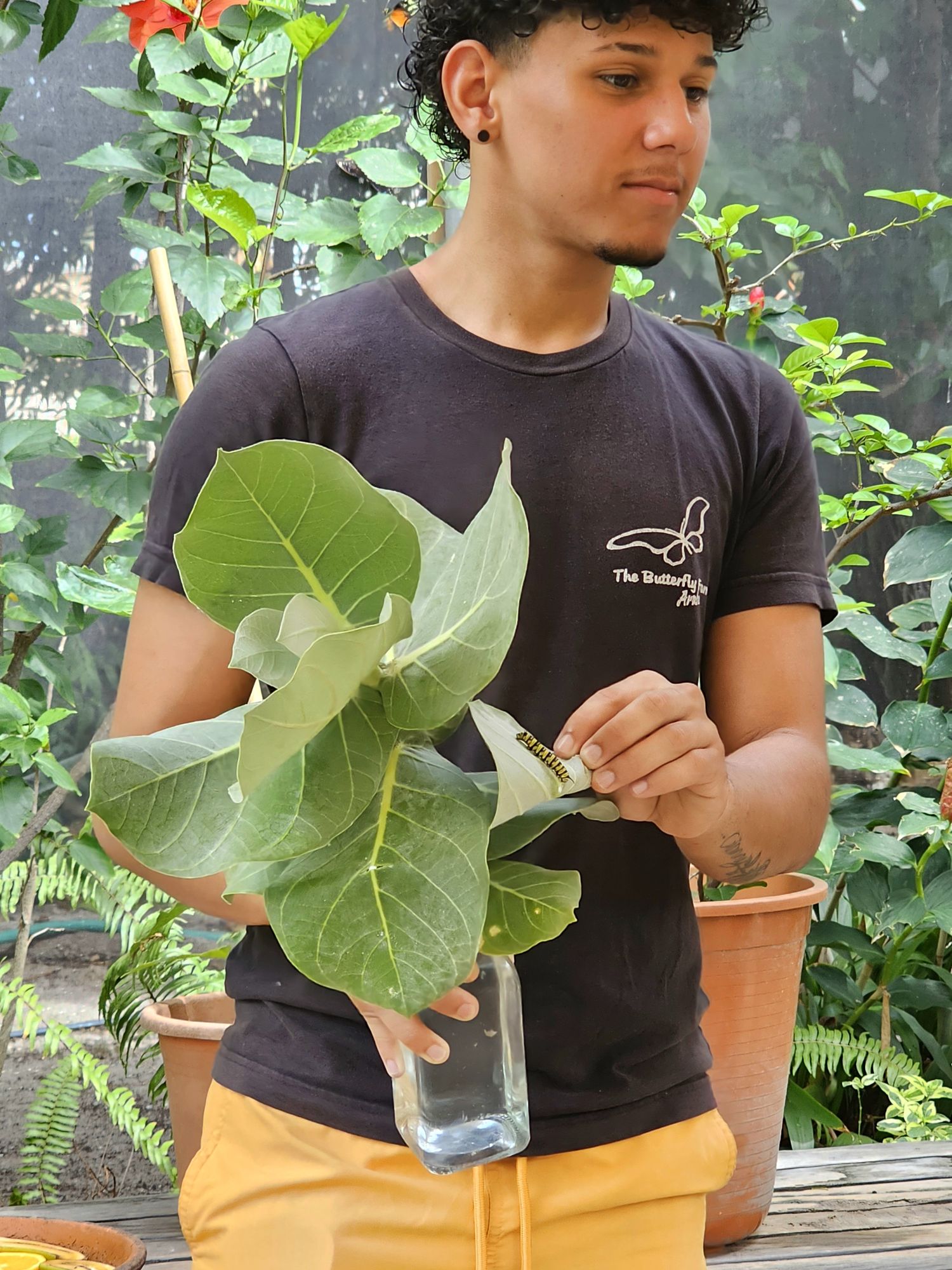
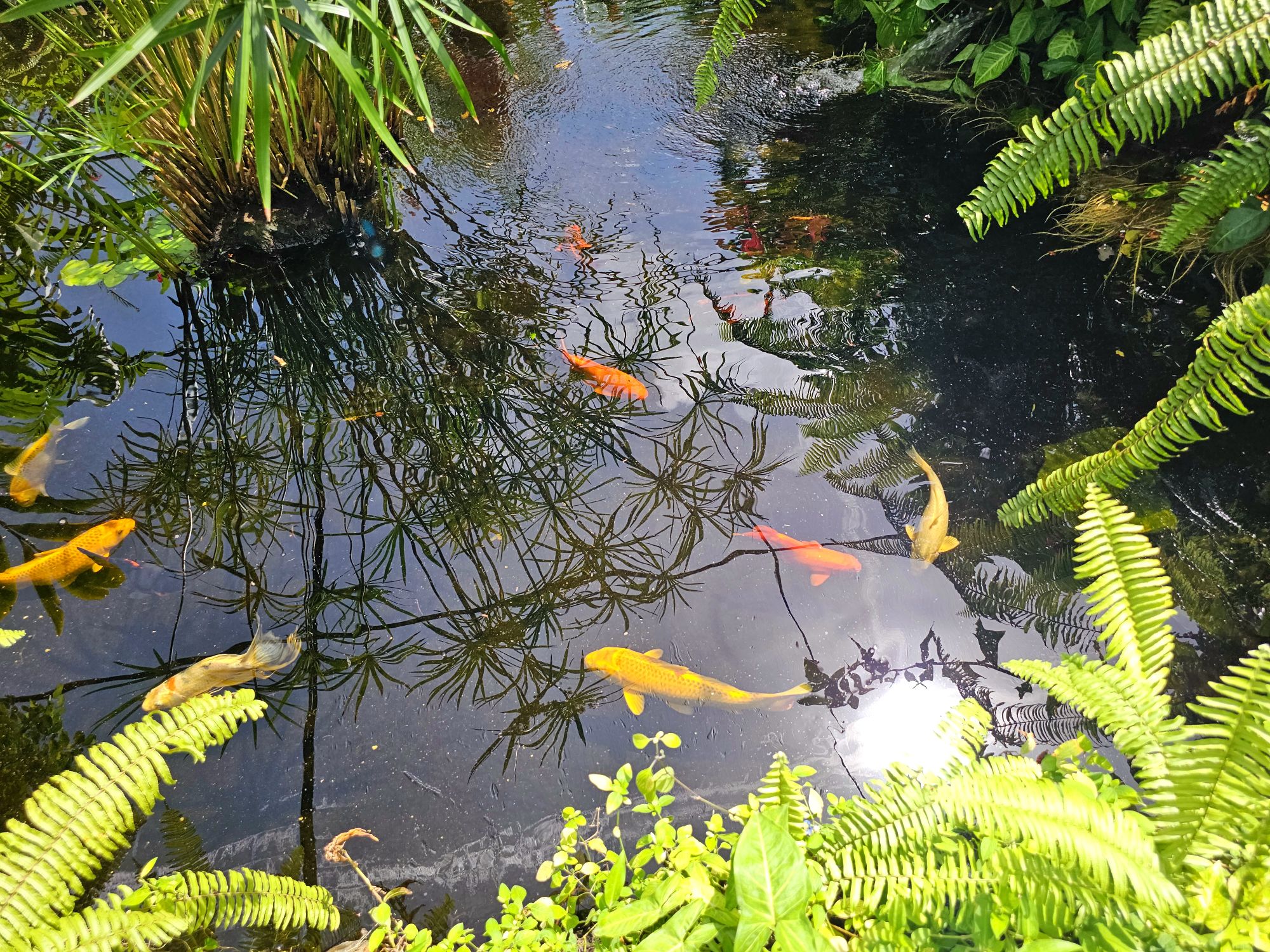
Another great spot is The Butterfly Farm, located in the high-rise hotel area. Inside the lush tropical foliage of this large meshed enclosure, you can see hundreds of exotic butterflies from around the world flying freely amongst the colourful flowers and trees. There are also a couple of ponds filled with fish and a trickling waterfall. Such a peaceful place to spend some time.
Included in your ticket is a guided tour which lasts about 20 minutes and gives you all kinds of information about the farm, the butterflies found there and their journey from caterpillers to chrysalis to butterflies often including a new butterfly’s first flight!
Our guide told us if a butterfly lands on you, it’s a sign of good luck!
There is also a gift shop with some unique items and a small cafe.
Admission- $19.00 Adults, $16.00 Seniors & Students (with ID)$10.00 Children 4-17 years old ( Free under 4) *prices in USD
Entrance includes a free return pass for the duration of your vacation, valid for one month maximum.
Open all year, daily 8.30am – 4.30pm. The last guided tour of the day starts at 4pm.
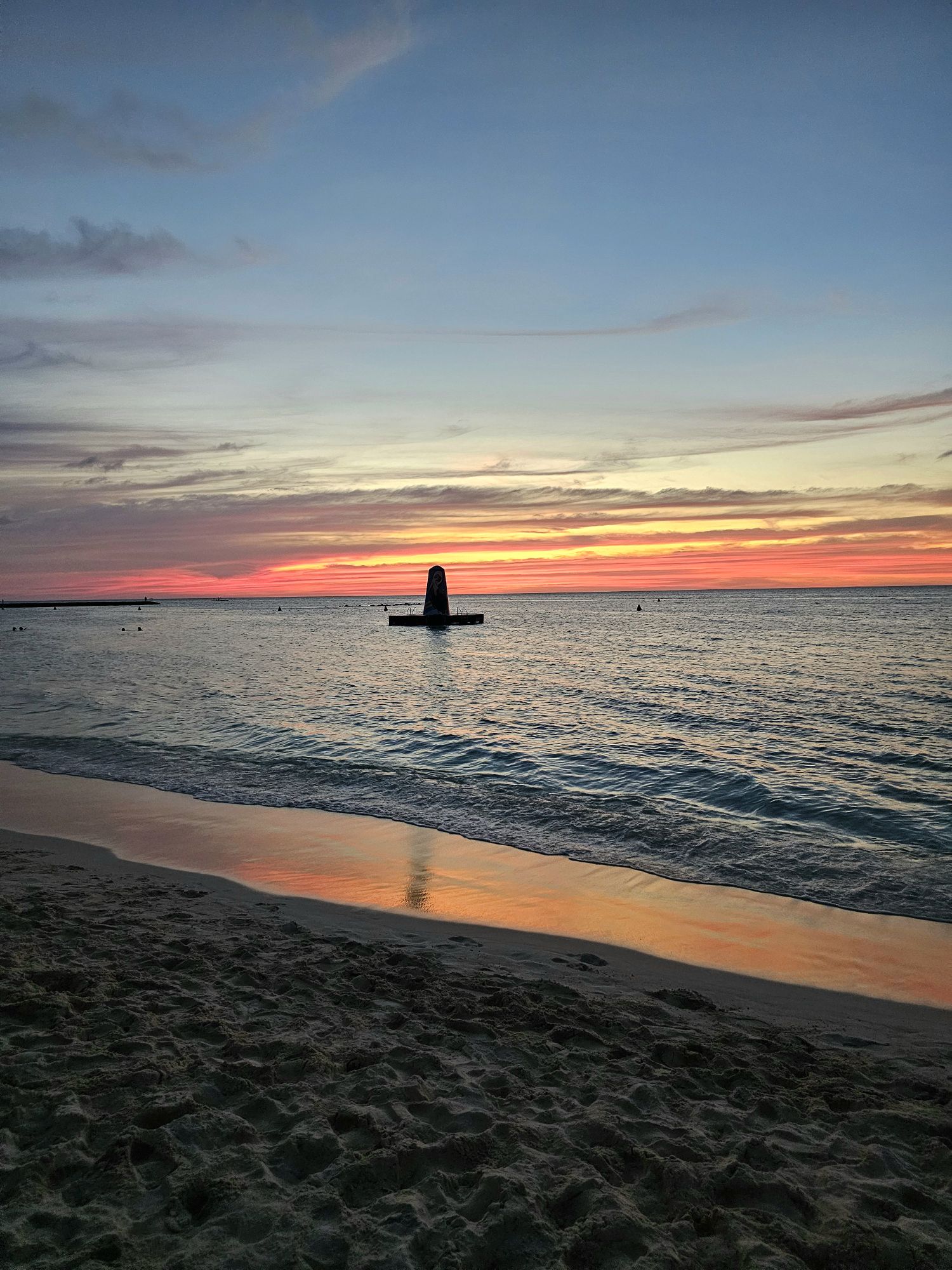
And of course, no trip would be complete without seeking out a colourful sunset or two!!
Whether you’re looking for a relaxing beach vacation or want to keep busy with excursions and shopping, Aruba has something for everyone!
Info and Tips:
When to go- Average temperature is 28 degrees C year round and is quite dry, averaging only 2.5cm of rain a month. December-April is considered high season and cruise ships are busiest from October- April.
*Worth checking to see how many cruise ships will be in port on a given day if you are looking to spend time in Oranjestad or do any tours as the more ships in port, the busier and more expensive things will be.
Getting around the island
Car rentals are available at the airport and many hotels, but during high season these tend to sell out.
You can also easily get around the island by bus. A single trip is $2.60 USD (4.50 AWG) or you can get a day pass which allows unlimited rides for 24hours for $15USD (26.25 AWG). If you are going to be making several stops, the day pass is definitely worth it!
Currency is the Aruban Florin, but USD is also accepted pretty much everywhere.
In Aruba they speak English, Spanish, Dutch and Papiamento.
Grenada is a hidden gem in the Caribbean. Compared to many other islands, Grenada has just a fraction of the visitors, yet the island has so much to offer. From white sand beaches, lush rainforest, waterfalls, crystal clear waters to snorkel as well as hiking and sailing.
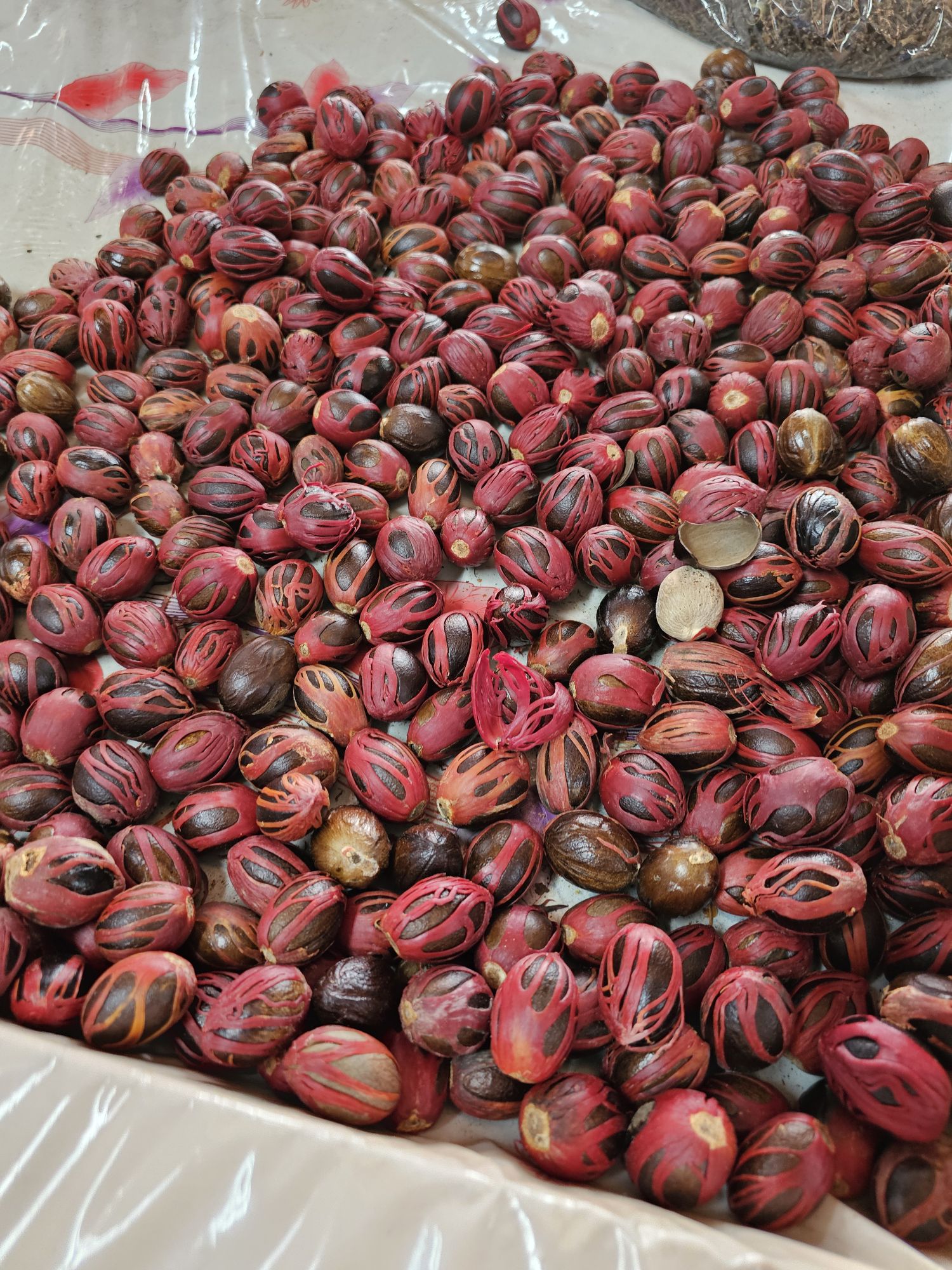
Grenada is found among the Caribbean islands located in the Lesser Antilles. Known as the “Spice Isle,” due to the abundance of spices it grows and exports, this green, hilly island is especially known for its nutmeg. The island itself is quite small, only 21 miles long (34km) and 12 miles wide (18km), but is home to 45 beaches, mountainous rainforest and coastal mangroves. It’s a perfect choice for those who love the beach, but also want to get out and explore.
Grenada is divided into 6 parishes plus the smaller islands of Carriacou and Petite Martinique
This year, Grenada is celebrating its 50th year of independence after it transitioned from UK rule in February 1974 and there are a number of activities scheduled throughout the year to celebrate.
Carnival in Grenada, better known as ‘Spicemas’ takes place every year in August and is a huge celebration
If, like us, you aren’t here during Carnival, there are still plenty of things to do on Spice Isle.
Some of our favourites include:
Grand Anse Beach
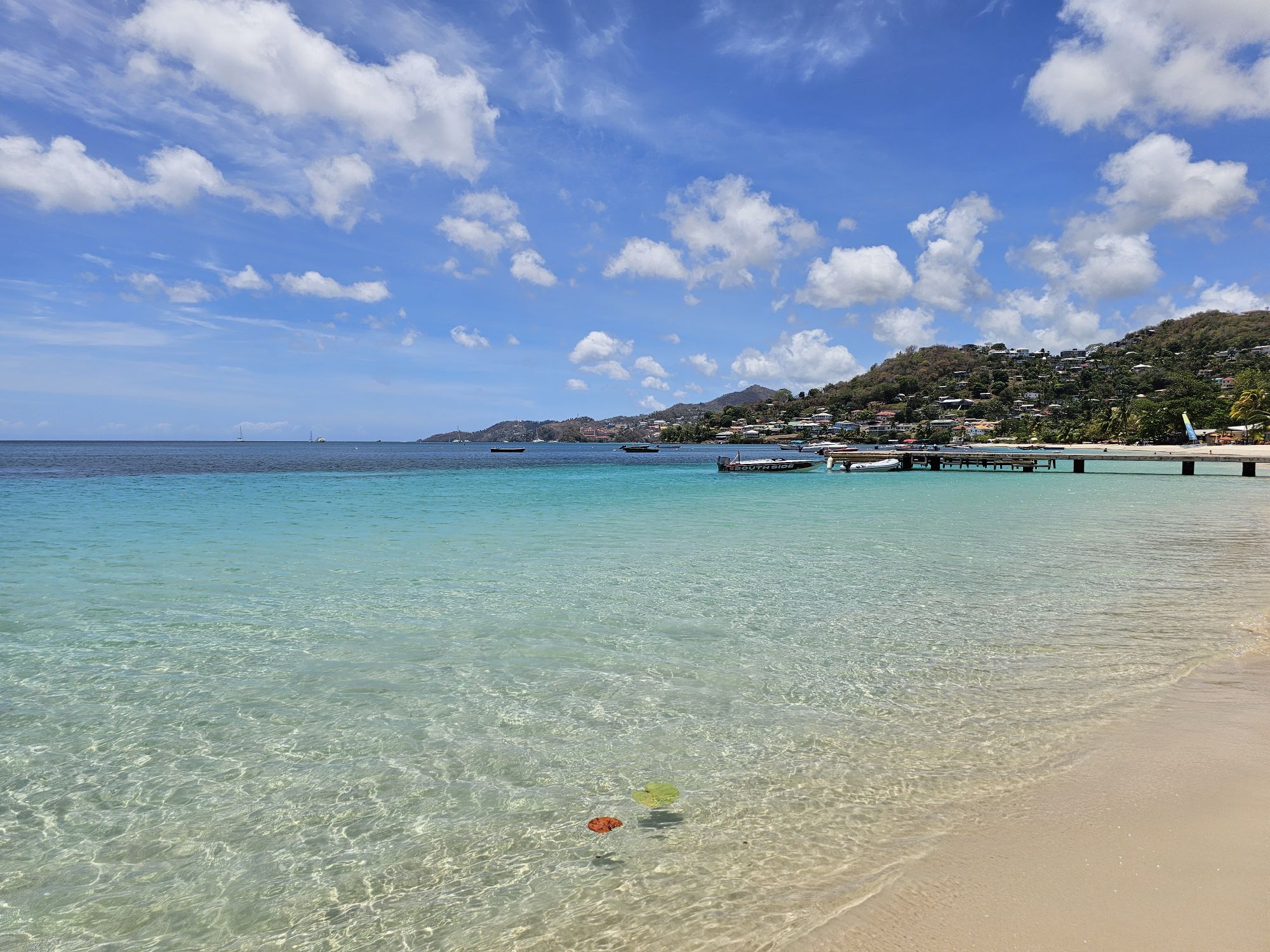
A must visit spot while in Grenada. In 2019, Grand Anse Beach was rated the best beach in the world by Condé Nast Traveller UK. Famous for its two-mile-long stretch, this sandy white beach offers panoramic views of the capital and lush hills in the background. The crystal clear turquoise waters are perfect for swimming and snorkelling.
There is also a Craft and Spice Market nestled in the middle and beach bars to grab a rum punch.
St George
The island’s capital is filled with colourful homes, Georgian buildings and a picturesque harbour, where you can find the ferry to Carriacou as well as the nightly booze cruise party boats.
Looking for more info about the history of the island? Be sure to check out the Grenada National Museum.
You can also find duty free and souvenir shopping by the ferry docks and no trip to Grenada would be complete without visiting St George’s Market, filled with colourful stands of produce, souvenirs and of course spices!
Grenada used to be the second largest supplier of nutmeg in the world behind Indonesia, but after being hit by several tropical storms in 2004/2005, which caused widespread damage, Grenada’s agricultural industries took a big hit. The island is currently the 9th largest supplier of nutmeg as they work to rebuild.
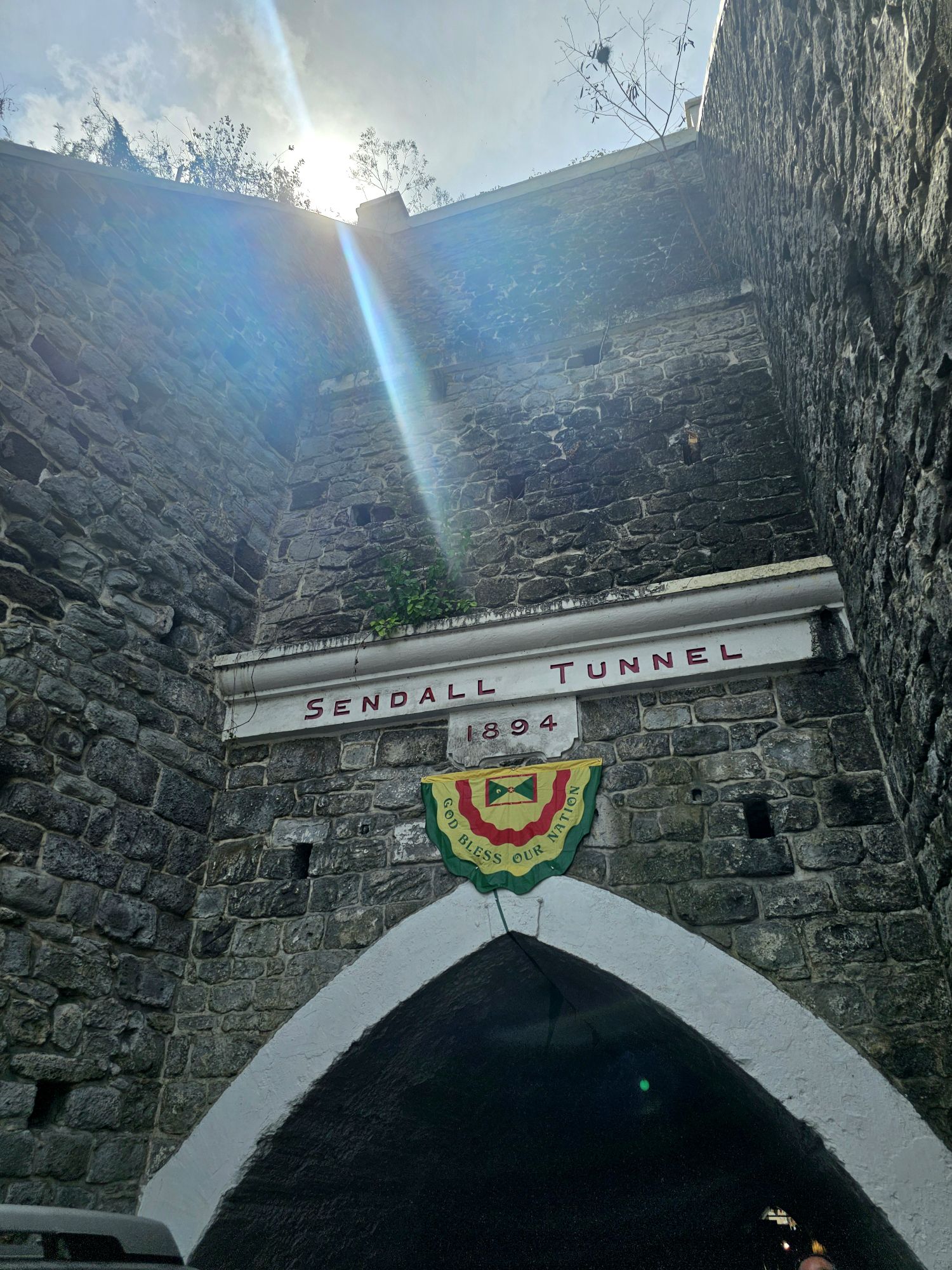
Near the cruise ship docks is the Sendall Tunnel, a unique historical site opened in 1894.
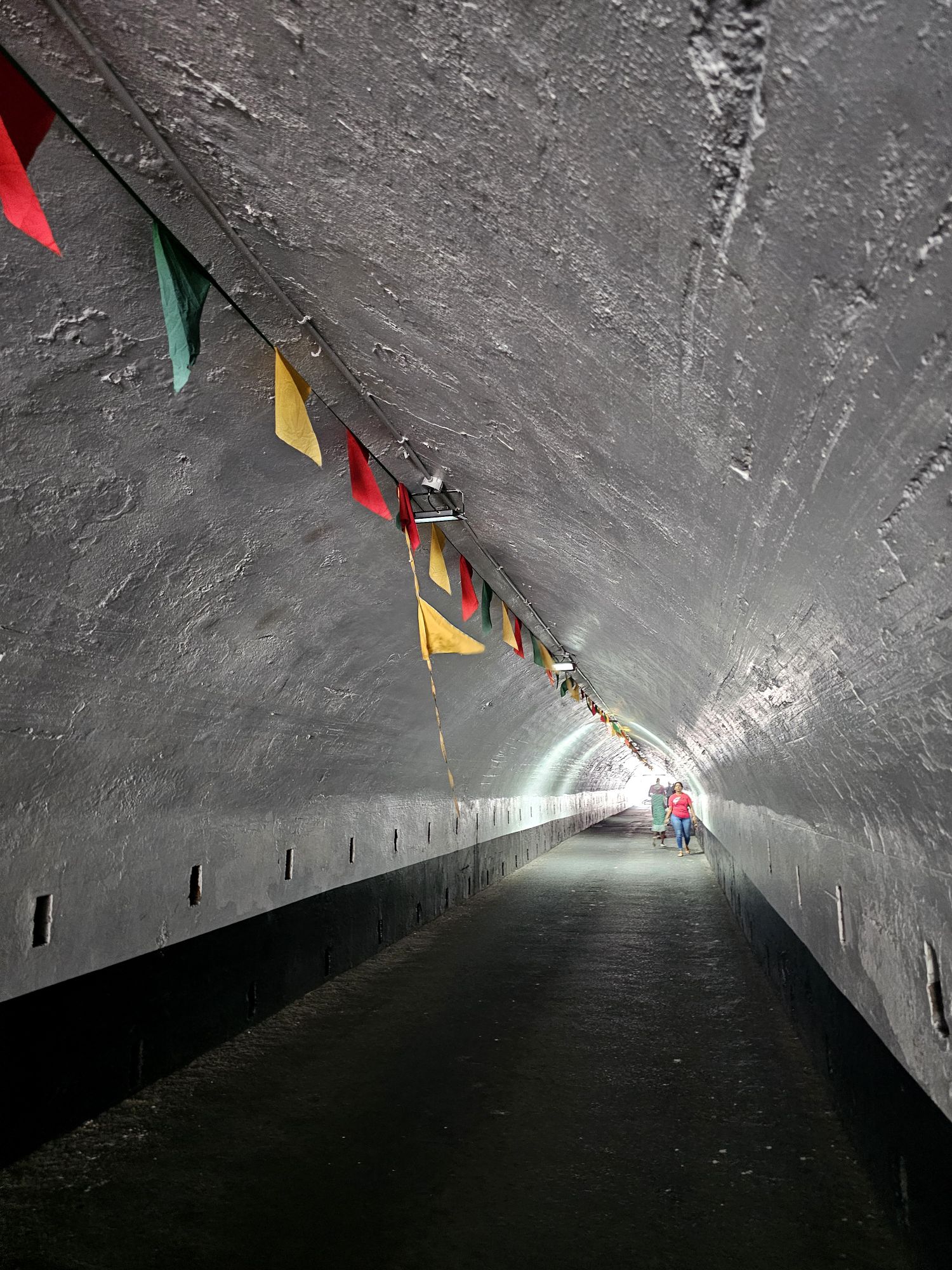
The tunnel is 350 feet long, 9 feet high and connects the east and west sides of town. It was deemed an engineering milestone on the island in the 19th century. There are no sidewalks and you walk through as the cars are whizzing by, but it is neat to see.
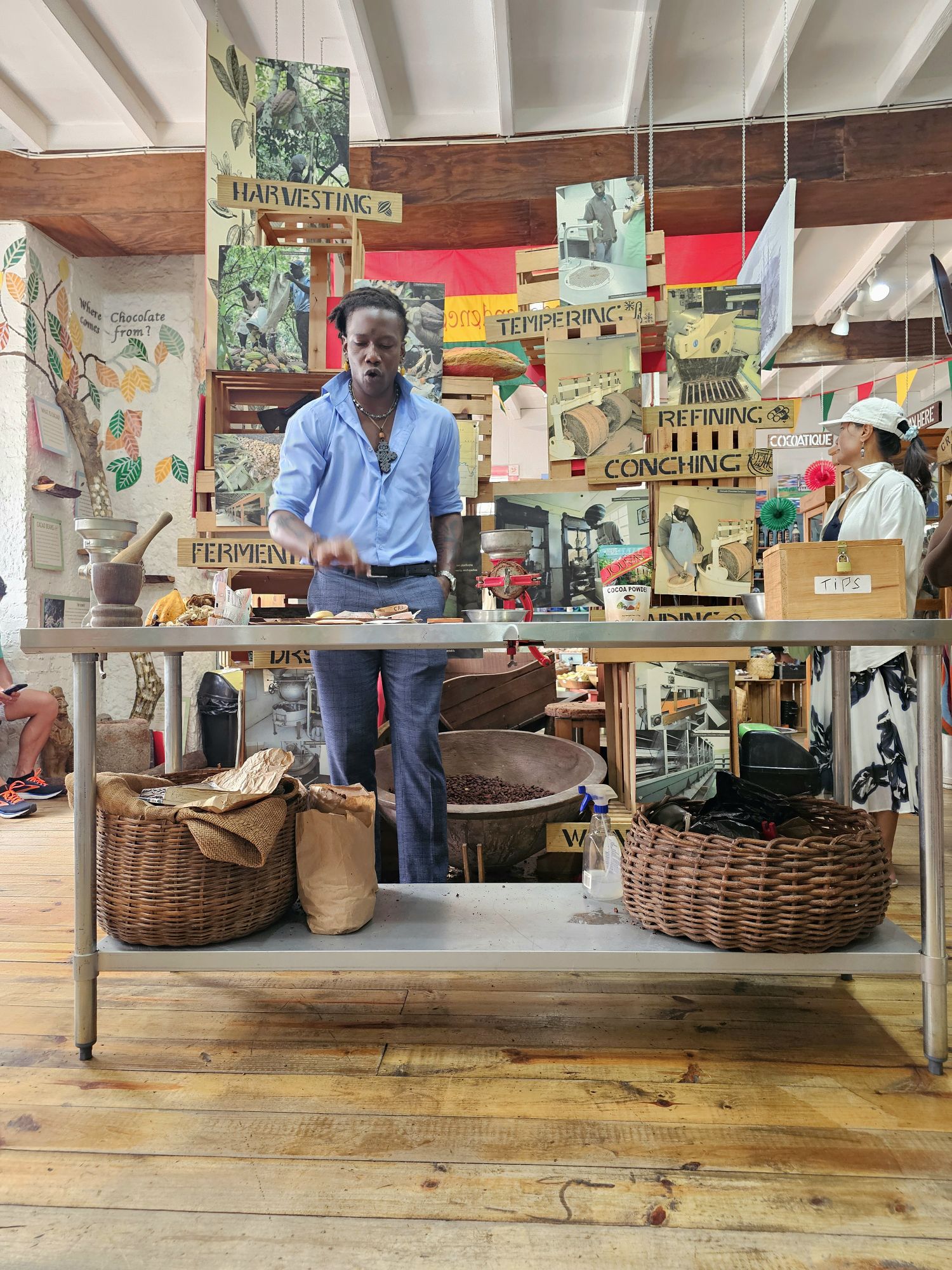
My favourite stop in St. George was House of Chocolate, a unique mini-museum portraying the history of chocolate in Grenada.
The island has one of the strongest, richest cocoas in the world partially due to the rich volcanic soil and the hot sun found here. This small island is home to five chocolate factories and is known for its delicious, organic chocolate. At House of Chocolate, we got a demonstration on how chocolate is made here and got to taste some of the local chocolate.
There is also a cafe and shop filled with various chocolate and cocoa products as well as drinks, baked goods and ice cream. The island is known for its nutmeg ice cream, so of course we had to try a scoop of it, along with a scoop of chocolate nibs straight from the House of Chocolate. Both flavours were delicious!
Tours are free and there is no entry fee.
If chocolate isn’t your thing, there are also several rum distilleries on the island, including Clarke’s Court Rum Distillery, the largest rum distillery in Grenada and River Antoine Estate Rum Distillery, the oldest rum distillery in Grenada, established in 1785. Rum is still manufactured and produced here using the oldest functioning waterwheel in the Caribbean exactly how it was made back then.
Grand Etang National Park
This 36 acre park is a popular stop on many of Grenada’s excursions and is a must visit for any nature lover. At the top, is Grand Etang Crater Lake, a freshwater lake set in the crater of an extinct volcano 530m above sea level.
This lake is home to a variety of fish that range from black to coppery gold. Most people make a short stop here and then continue out of the park, but you can easily spend at least half a day exploring all Grand Etang has to offer. There are numerous hiking trails that vary in length and difficulty. Seven Sisters Waterfall, one of Grenada’s most iconic falls, is also located within the park.
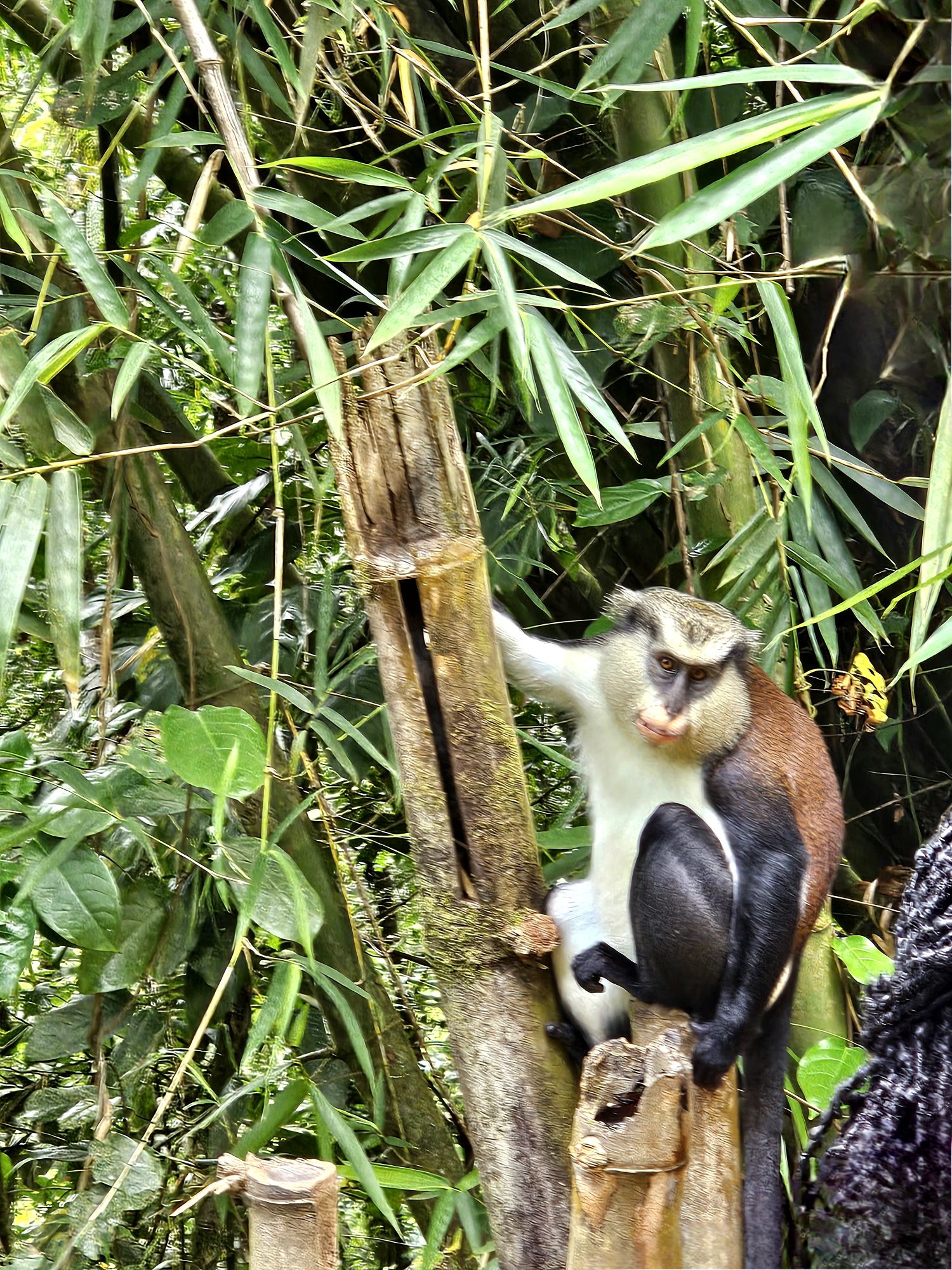
While checking out the local flora and fauna, be sure to keep your eyes peeled for the adorable white-faced Mona monkeys found within the park. Grenada is the only country outside of Western Africa where these monkeys can be found as they were transported to the island aboard slave ships in the 18th century.
Fort Frederick
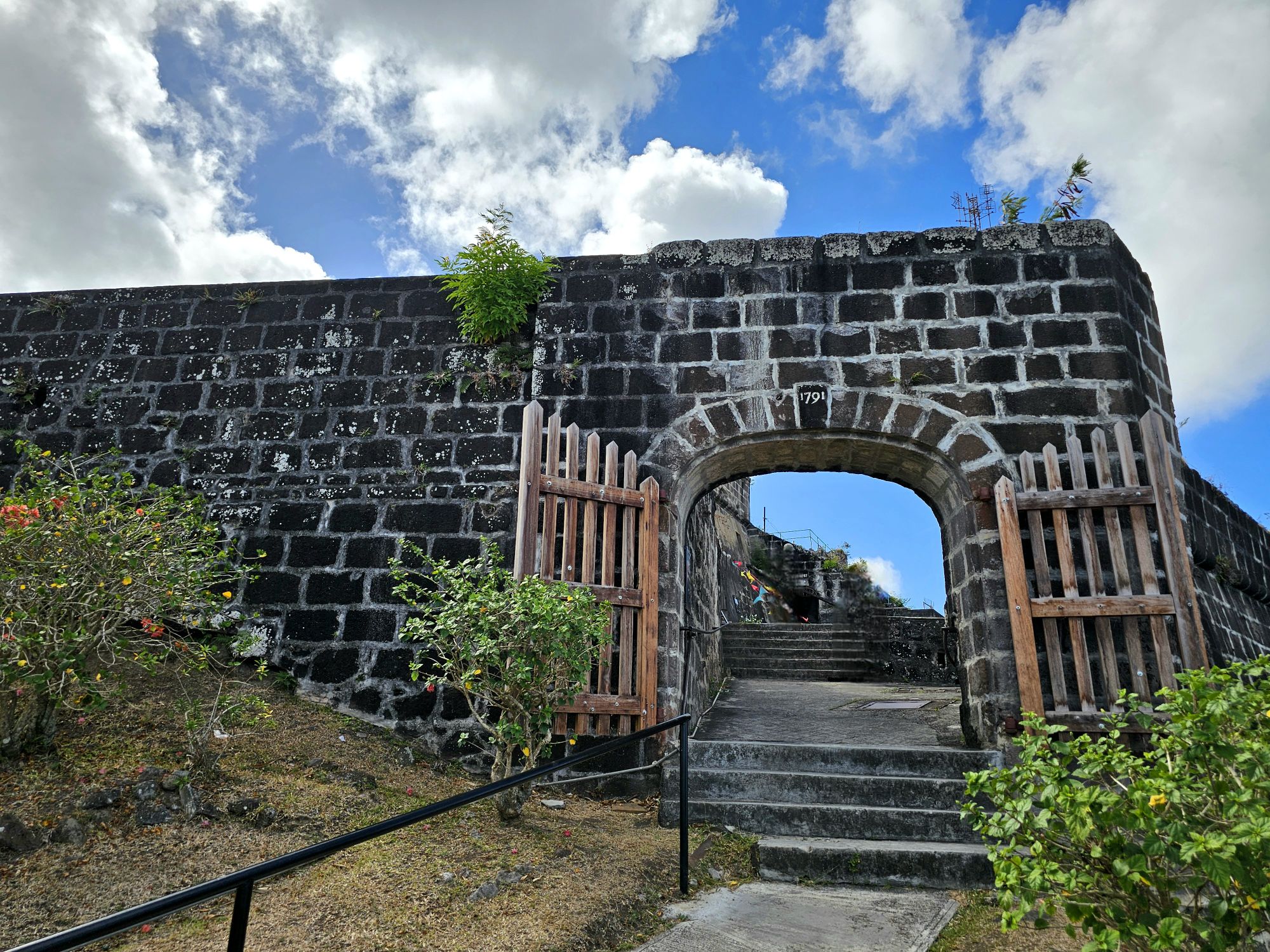
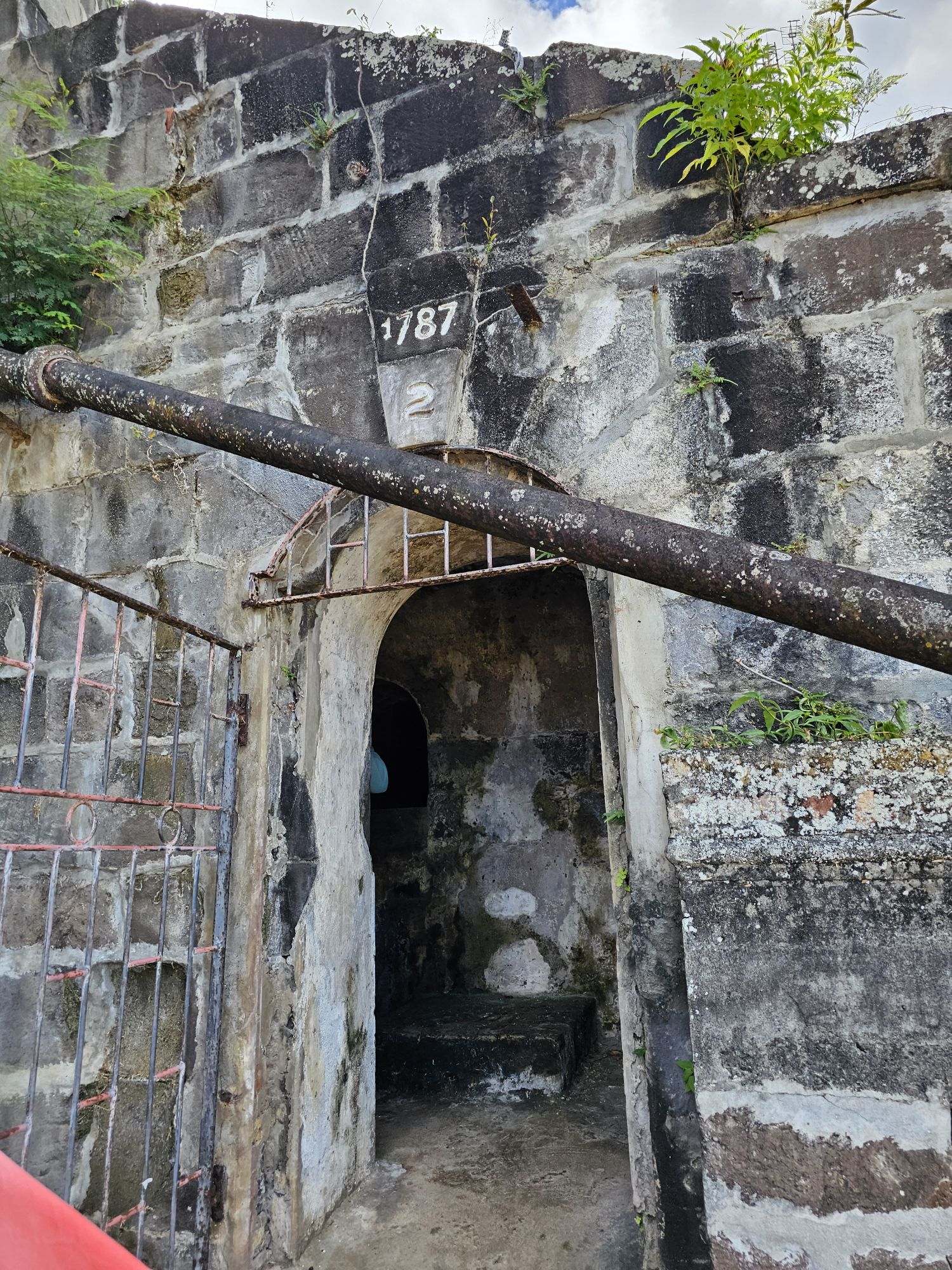
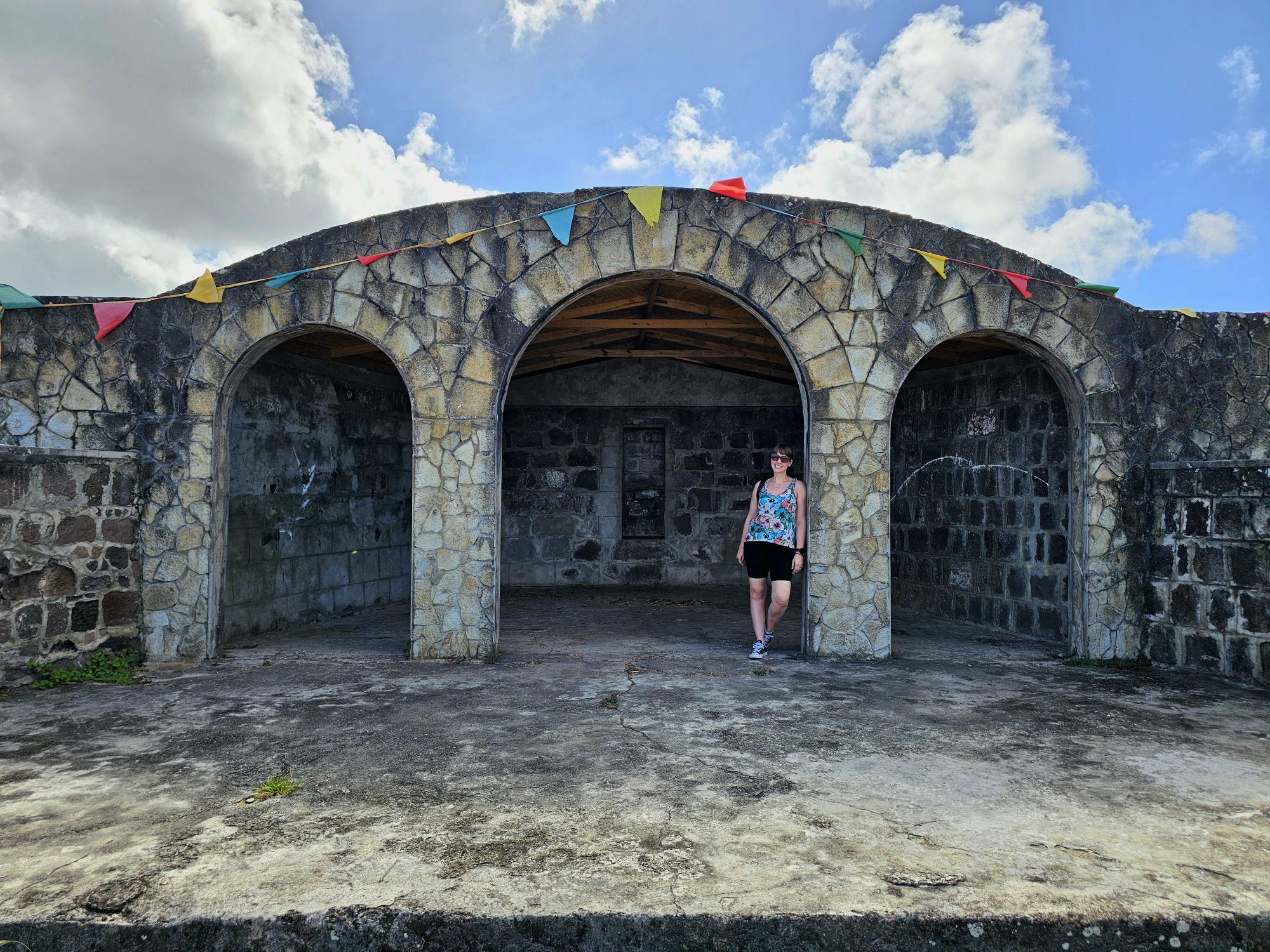
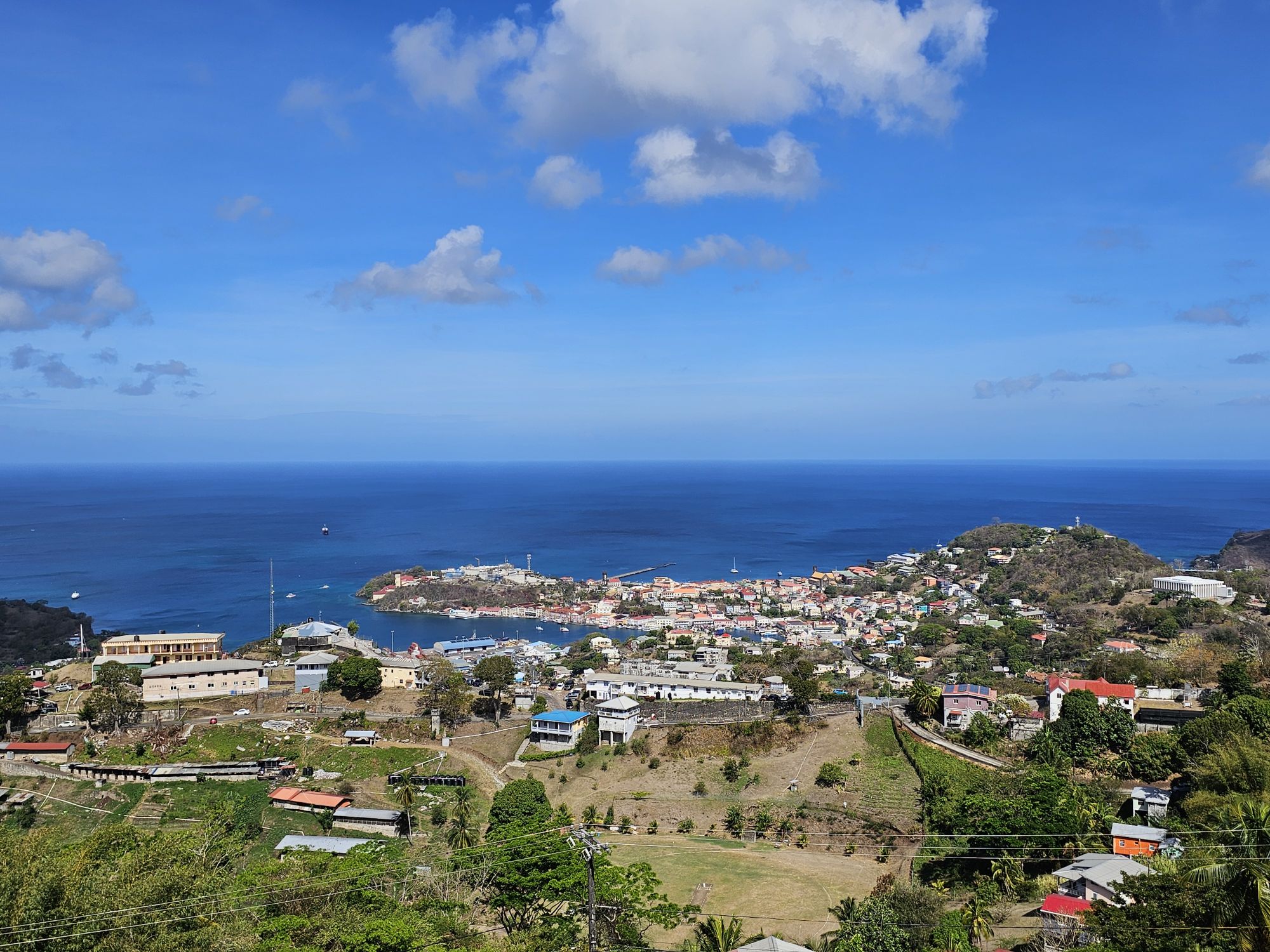
Located 244m above sea level overlooking St. George’s harbour is Fort Frederick, one of the best preserved bastions in the Caribbean. This fort was started by the French in 1779 and finished by the British in 1783 and was part of the struggle between the French and British for control of the island. It was built to protect the harbour’s eastern entrance, however, the fort never fired a single cannon in anger. Locally, Fort Frederick is referred to as a backward facing fort as the guns were positioned to face the inland hills, instead of out towards the sea.
Today, the Fort offers beautiful panoramic views of the island, making it the perfect stop to learn some of the island’s history and get some great photos!
There is a small fee to enter and there are guides on hand to give you more info. Visitors – XCD $5.34 or USD $2.00
Visit Annandale Falls
While there are numerous waterfalls in Grenada, Annandale Falls are the only ones easily accessible by road, as the others require a hike. Surrounded by lush foliage and colourful flowers, Annandale stands 30 feet high with water from the surrounding mountainous streams, plunging into the clear pool beneath.
A perfect spot to cool off and get some great photos. There is also a bar and restaurant nearby.
Go Snorkelling
The water here is crystal clear and fairly calm, making for excellent snorkelling around the island. As Grenada is the southernmost island in the Antilles archipelago, bordering the eastern Caribbean Sea and the western Atlantic Ocean, it features a diverse marine environment and in most snorkelling spots, in both Grenada and its sister island, Carriacou, snorkelers will enjoy observing colourful reef fish, eels, sting rays, octopus and more.
A great spot is Magazine Beach, found on the southwest coast, near the airport. Much of the beach is located in front of the Royalton Grenada Resort,(where we were staying) but access to the beach is open to all. It can be a bit tricky getting into the water in places due to the shallow water reef, but definitely worth checking out as we found lots of sea life here.
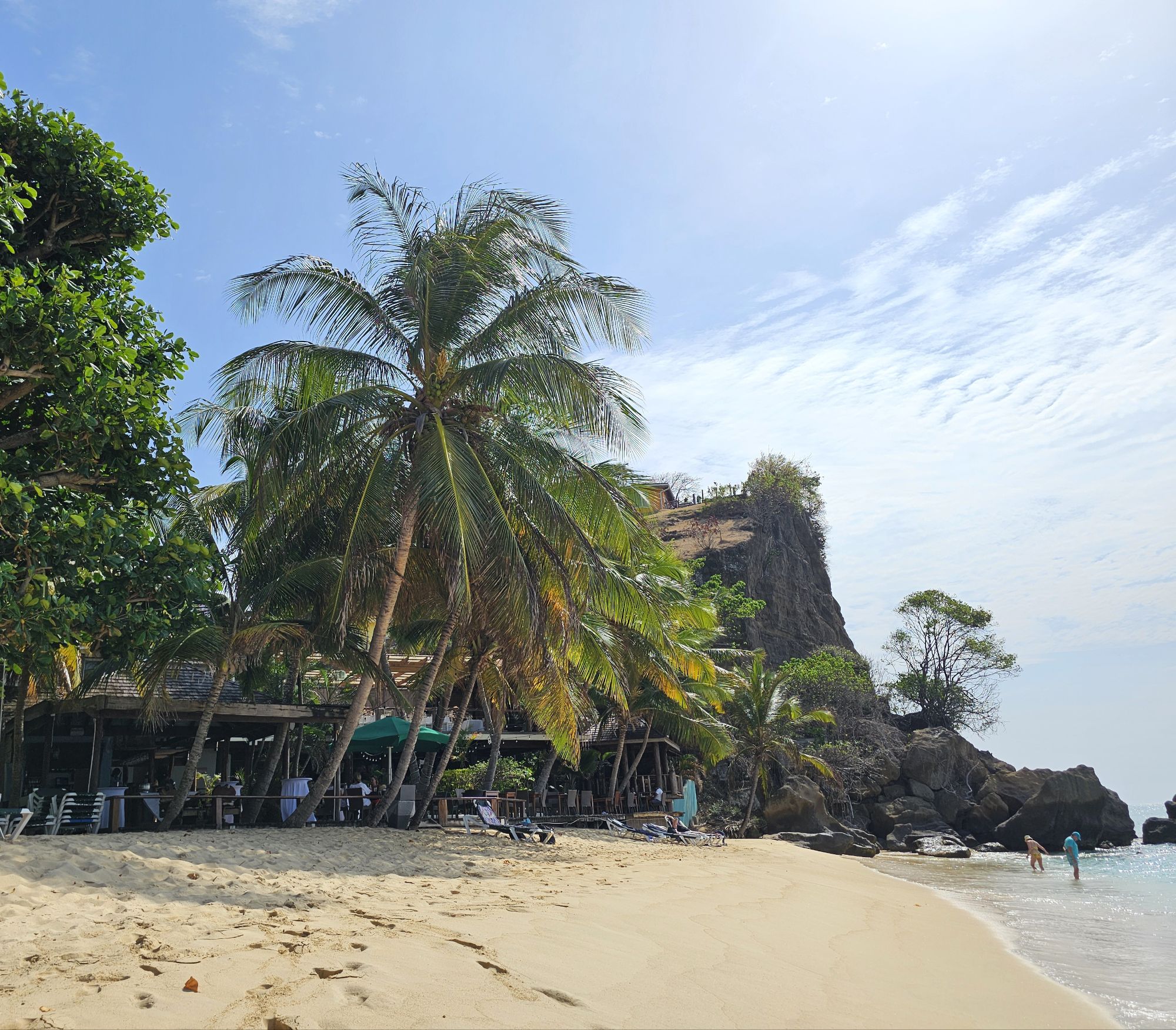
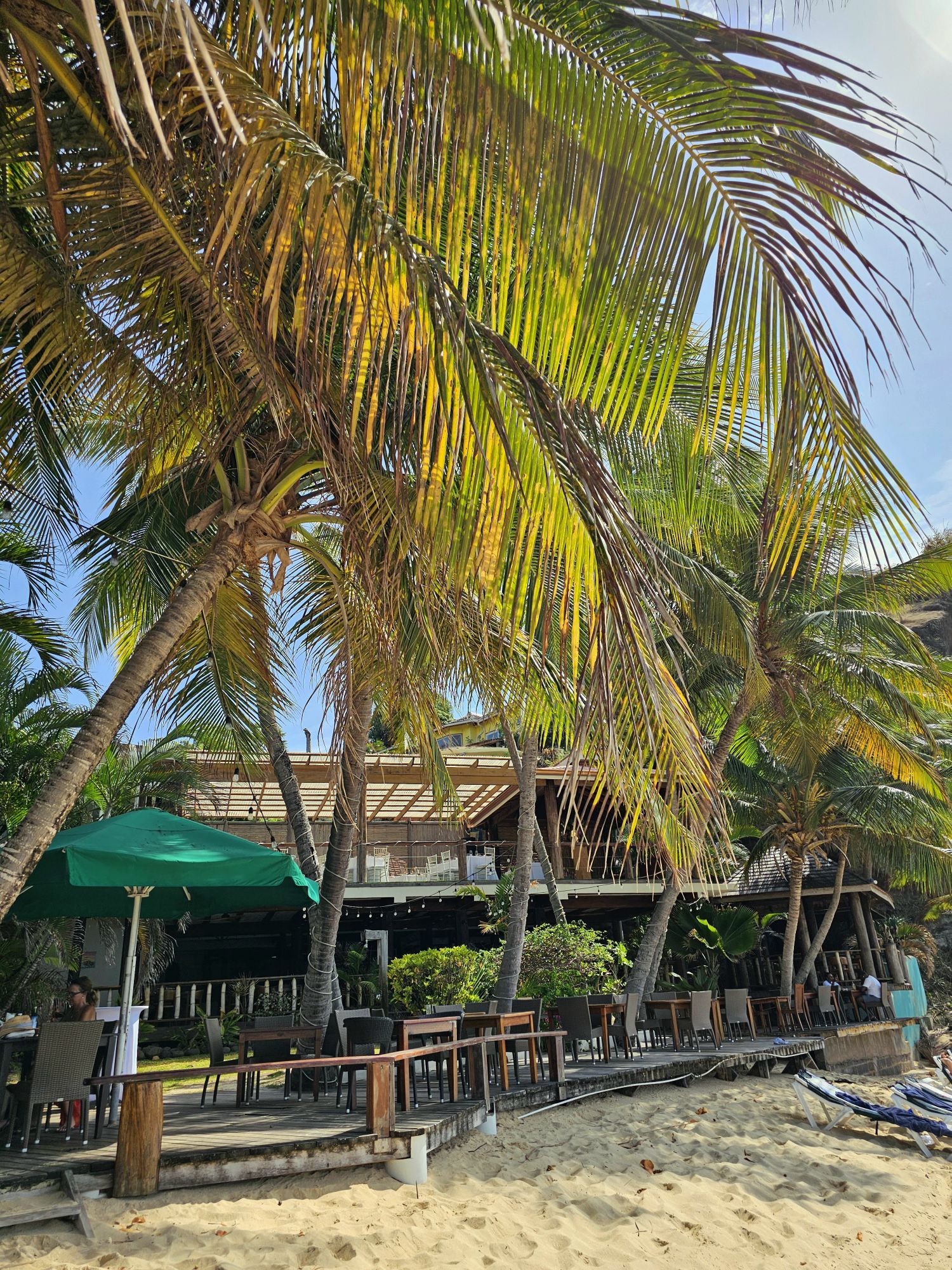
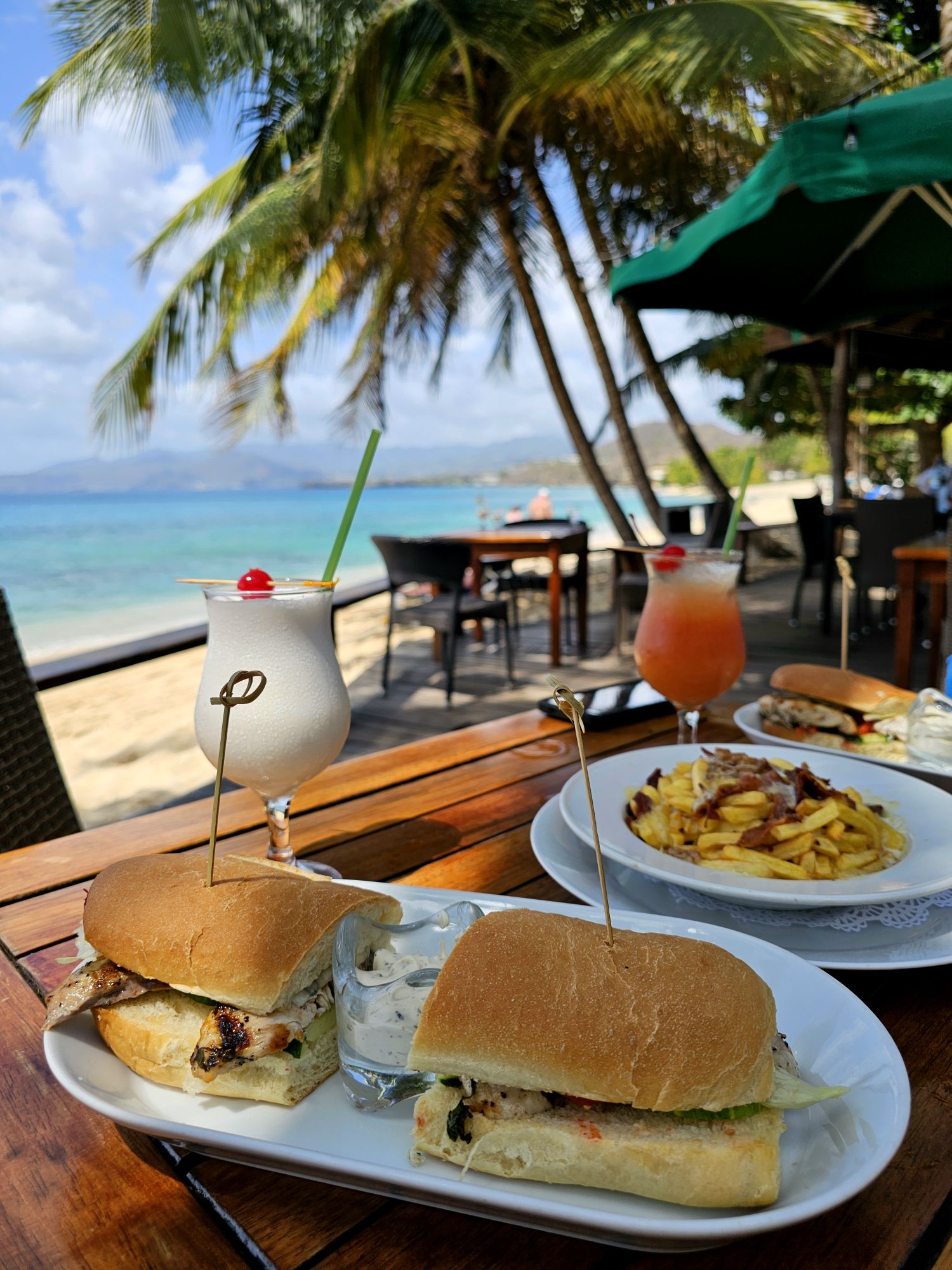
At one end of the beach, you’ll find The Aquarium, an open air restaurant right on the beach. Enjoy a fresh cooked meal or just grab a drink at La Sirena Beach Bar.
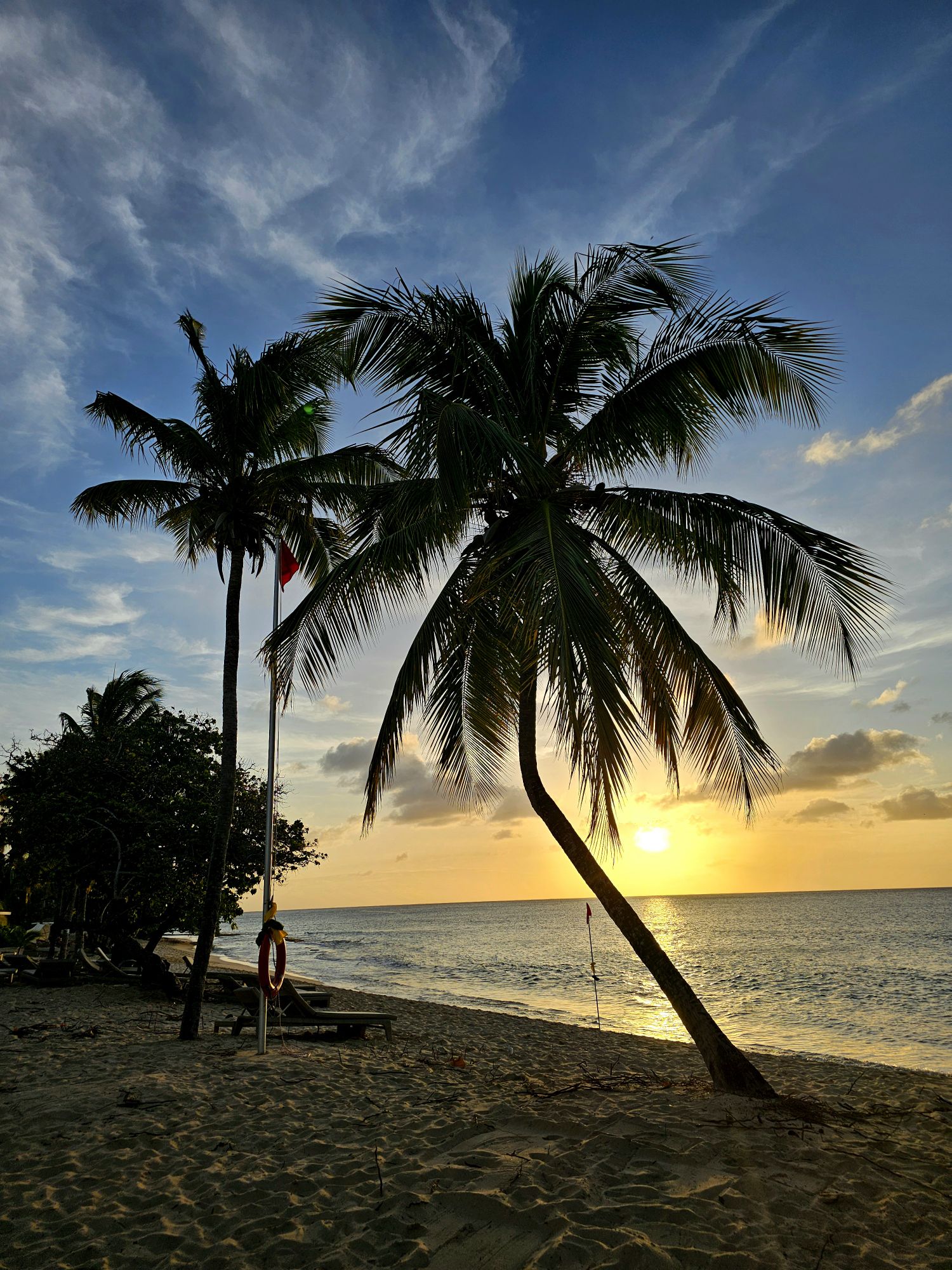
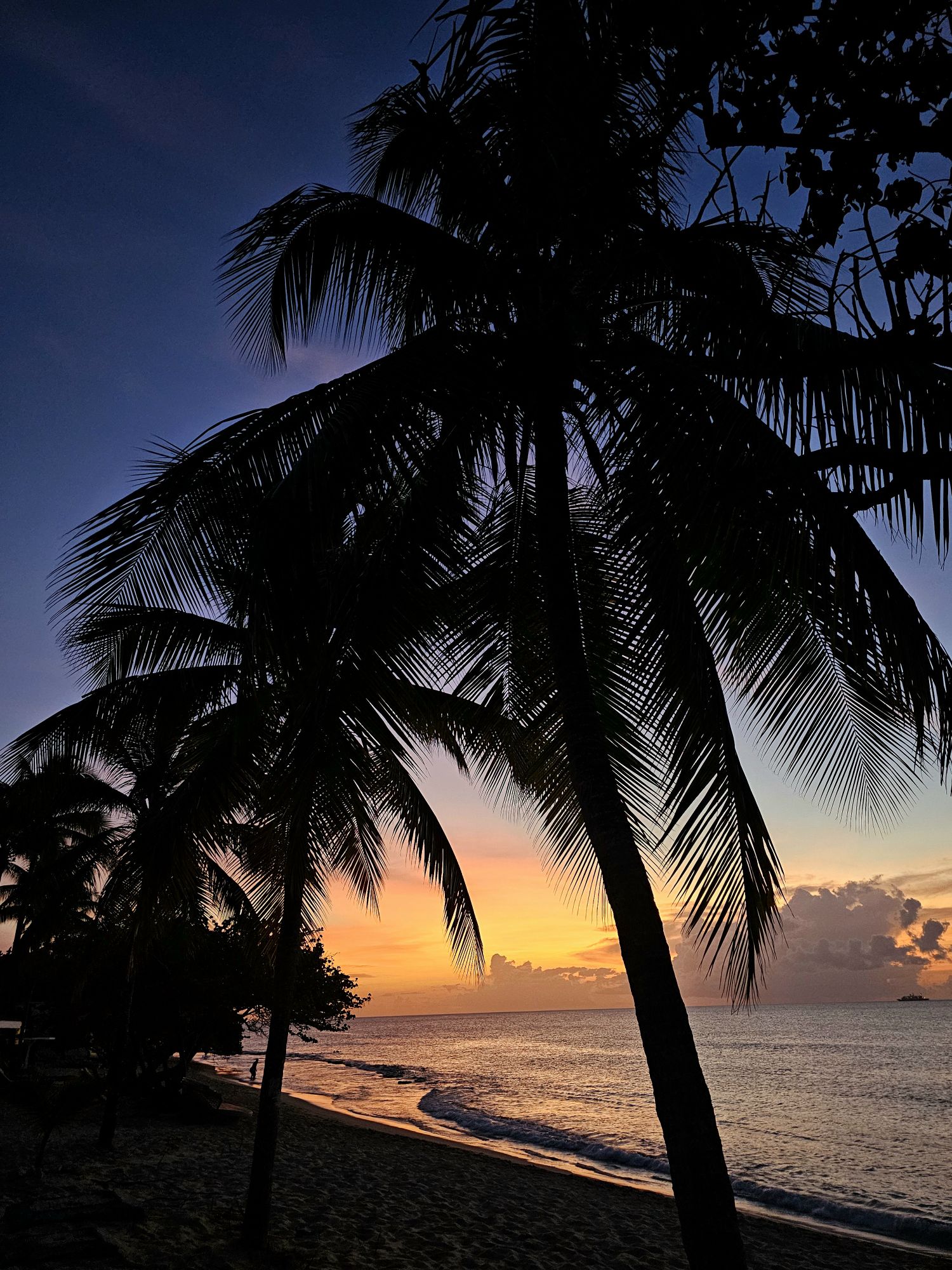
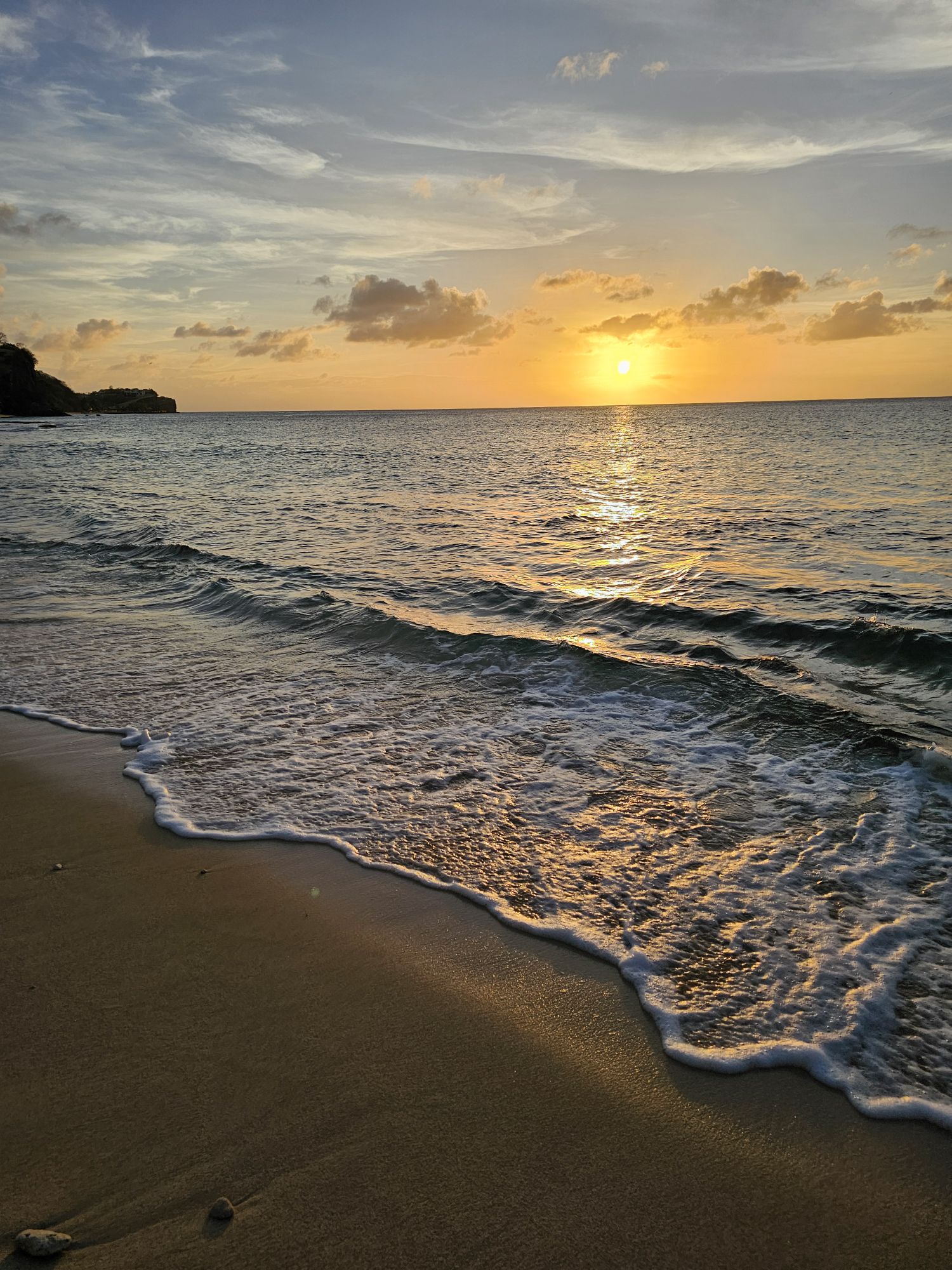
And if, like me, you can’t get enough of sunsets, Grenada doesn’t disappoint.
Be sure to enjoy the colourful sunsets over the turquoise waters after a day of exploring this beautiful island!
Official language in Grenada is English.
Local currency is the Eastern Caribbean Dollar. But USD is also accepted in most places
Right hand traffic. Just be aware that the roads are narrow and very hilly if you plan to drive yourself
Airport Maurice Bishop Airport, located in St. George Parish.
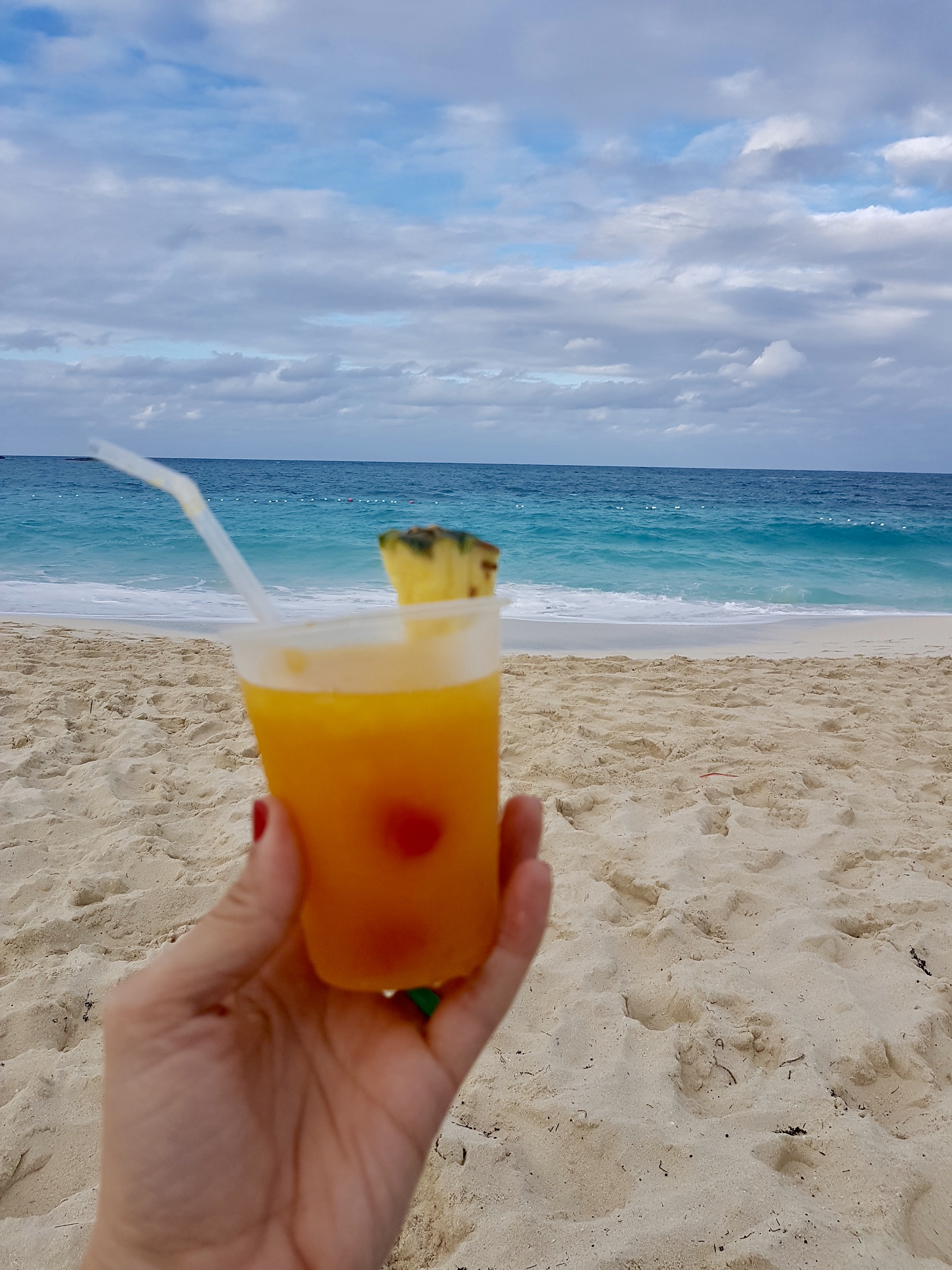
To me, birthdays are best spent on the beach, and this year was no exception. It’s been a month now since I celebrated my 35th birthday in Nassau, Bahamas. Even though it’s so close, it’s an island I had never been to, and I thoroughly enjoyed spending a few days relaxing in the warm sunshine (a big difference from freezing cold Ontario), heading into downtown Nassau, and exploring parts of Atlantis – which just happened to be located next door to our resort! (More on that in a later post).
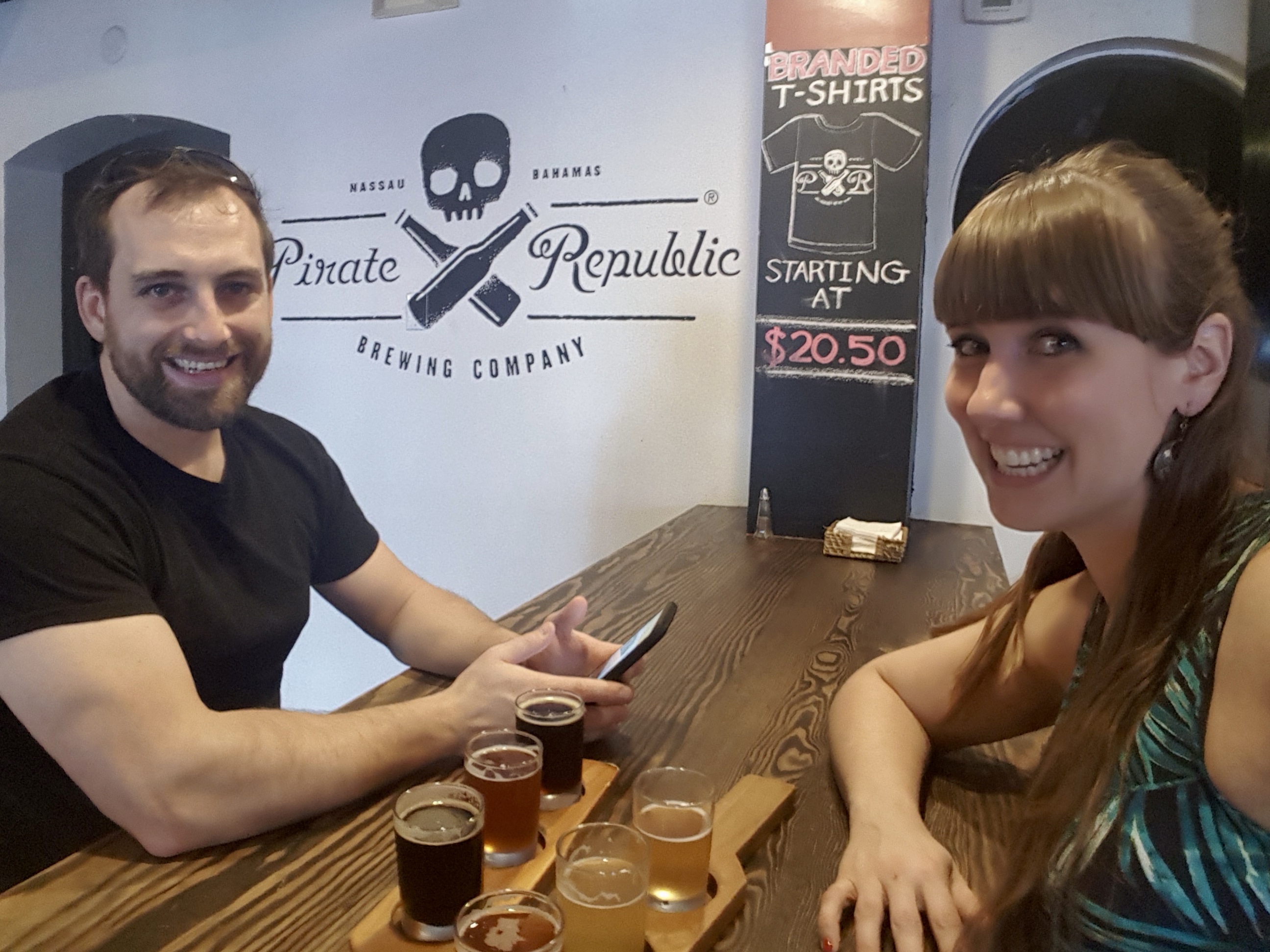
From Paradise Island, you have a few options for heading across to Nassau. You can take a taxi, a ferry boat or walk across the huge bridge. Since we’d been enjoying the buffets, we opted for the walk into town, enjoying the sights along the way. As Nassau is a busy cruise ship port, there are tons of shops and restaurants located in the downtown core. As avid craft beer drinkers, we found Pirate Republic Brewing Company down near the docks and stopped in to enjoy a birthday flight!
After wandering around all afternoon, we took the ferry boat back, with a very entertaining skipper pointing out sights and giving us some history along the way.
With so much to do on the various islands of the Bahamas (over 700 islands!) we only scratched the surface, but it was sure a great place to turn another year older! CHEERS!
*Paradise Island Ferry leaves approx every 30 mins. $4 one way or $8 return. On the Paradise Island side it leaves from the docks near the bridge. On the Nassau side it leaves right from the downtown docks.
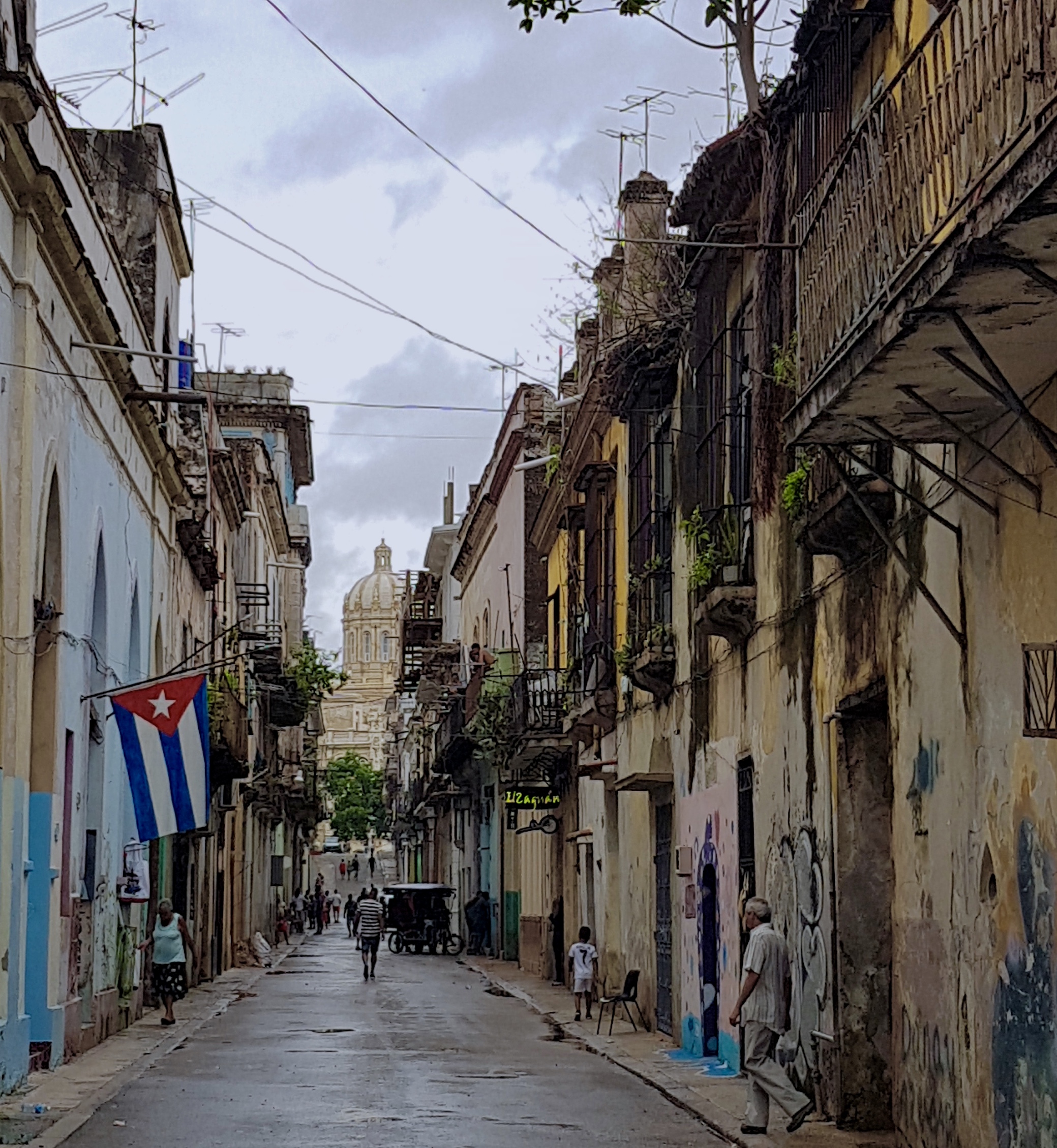
Wandering through Havana feels like taking a step back in time with the old colonial-style buildings and classic American cars making their way along the narrow streets. I’ve been wanting to visit Havana for awhile now, and the city certainly didn’t disappoint. The architecture here is beautiful, with many of the buildings painted in vibrant colours. While they may be in various states of crumbling, they certainly have a lot of character. It’s easy to see why Old Havana was given UNESCO World Heritage status in 1982.
Some of the main buildings, like the Capital, are currently under construction as they prepare for the city’s 500th birthday in 2019. 500! And to think Canada has just celebrated its 150th!
With age comes culture, and Havana certainly has a culture of its own. Live music can be heard everywhere with people getting up to dance along. There’s a rhythm found in the city, that even when you spend half your day running from the rain, you still find yourself caught up in. The city also has a rich history and numerous museums to explore.
Old Havana has four main plazas that are all worth wandering though: Plaza de la Catedral, Plaza de Armas, Plaza San Francisco de Asís, and Plaza Vieja.
Catedral de San Cristóbal, located in Plaza de la Catedral, is a gorgeous Cuban Baroque facade carved from fossil-embedded stone, originally built in 1727.
Stepping through the big wooden doors, you head into the chapel with a beautiful altar at the front. You can also pay 1 CUC and climb up the bell tower for an amazing view of the city.
La Bodeguita del Medio, a short walk from the cathedral, dates back to the 1940s, when Ernest Hemingway used to stop by regularly for a mojito.
If that’s all you’re looking for, there’s a bar set up just off the street where the famous mojitos are served. Otherwise, the building hosts several stories and lots of nooks and crannies where tables are set up to serve delicious creole dishes.
Almost every square inch of the walls are covered in signatures of both famous people and those of us just passing through. We lucked out with a little top floor room with a few tables and a balcony with a view of the cathedral that now hosts our names.
Plaza de Armas is the city’s oldest plaza dating back to 1582, when it was used mainly for the military. Today, there’s a beautiful garden and statue of Carlos Manuel de Céspedes. It’s also surrounded by buildings with huge overhangs – perfect for hiding out from the rain!
Plaza de San Francisco de Asís is located near the waterfront with an ornate Lion’s Fountain (Fuente de los Leones) as the centrepiece and the beautiful Basilica Menor y Convento de San Francisco de Asís at one end. Today, concerts featuring classic and Cuban music are held here.
Just up the street is the Havana Club Rum museum (Museo del Ron Havana Club). We made our way over and took a tour to learn about the history and process of making Havana Club rum. As we made our way through an old colonial building, our guide gave us a brief history of this Cuban rum and then showed us all the tools used in making it. At the end, we met at the bar for a sample of Havana Club 7-year-old rum before heading into the shop where you could purchase the various rums they make here. The tour costs 7 CUC.We also tried out two local craft breweries – Cerveceria Antiguo Almacén de la Madera y El Tabaco, which is located down by the waterfront, and Factoria Plaza Vieja which is found in the fourth plaza (Plaza Viejo). For more info on them, click hereNear the waterfront is the Mercado de Artesanía San José. This huge market is a great place to find all kinds of crafts and souvenirs.We made our way across Old Havana to wander a bit of the Prado, one of the prettiest promenades in the city, which marks the boundary between Habana Vieja (Old Havana) and Centro Habana (Central Havana), with colourful buildings, wrought iron street lights and trees.The Capitolio Nacional building shares a remarkable resemblance to the American White House and is one of Havana’s great landmarks. The building is currently under construction in preparation for the 500th anniversary, but from what you can see from the outside, it’s an impressive building. Continuing along, you come to the Gran Teatre de la Habana, another beautiful old building across from Parque Central. With all the old cars parked out front here, you could almost imagine great theatre stars of the 40s and 50s making their way out of the theatre after a night on the stage.
No visit to Havana is complete without taking a stroll along the Malecon – the 8km waterfront boulevard which runs from Castillo de San Salvador de la Punta on Havana’s northern shore all the way to the Almendares River which separates Vedado from Miramar.
Good to Know
* When you arrive, you’ll need to exchange money to the tourist Cuban Convertible Pesos (CUC). Locals use Cuban Pesos.
* Always set your taxi price before getting in.
* Old cars, horse carriages and bike taxi prices are based on distances and timing. It’s always good to show the driver a list of what you want to see.
* There are two Habana Bus Tour buses with two different routes:
T-1: Double decker Hop on/off – Offers a panoramic view of the city. The full ride takes 2 hours.
T-3: Beach Bus – 30 min ride to Santa Maria Beach.
T-1 costs 10 CUC and T-3 costs 5CUC. Both run from 9am-6pm every 30 minutes and leave from Central Park (Parque Central).
* WiFi cards are available for a charge at most of the bigger hotels, but the service can be spotty and very slow.



































 Wandering through Havana feels like taking a step back in time with the old colonial-style buildings and classic American cars making their way along the narrow streets. I’ve been wanting to visit Havana for awhile now, and the city certainly didn’t disappoint. The architecture here is beautiful, with many of the buildings painted in vibrant colours. While they may be in various states of crumbling, they certainly have a lot of character. It’s easy to see why Old Havana was given UNESCO World Heritage status in 1982.
 Catedral de San Cristóbal, located in Plaza de la Catedral, is a gorgeous Cuban Baroque facade carved from fossil-embedded stone, originally built in 1727.


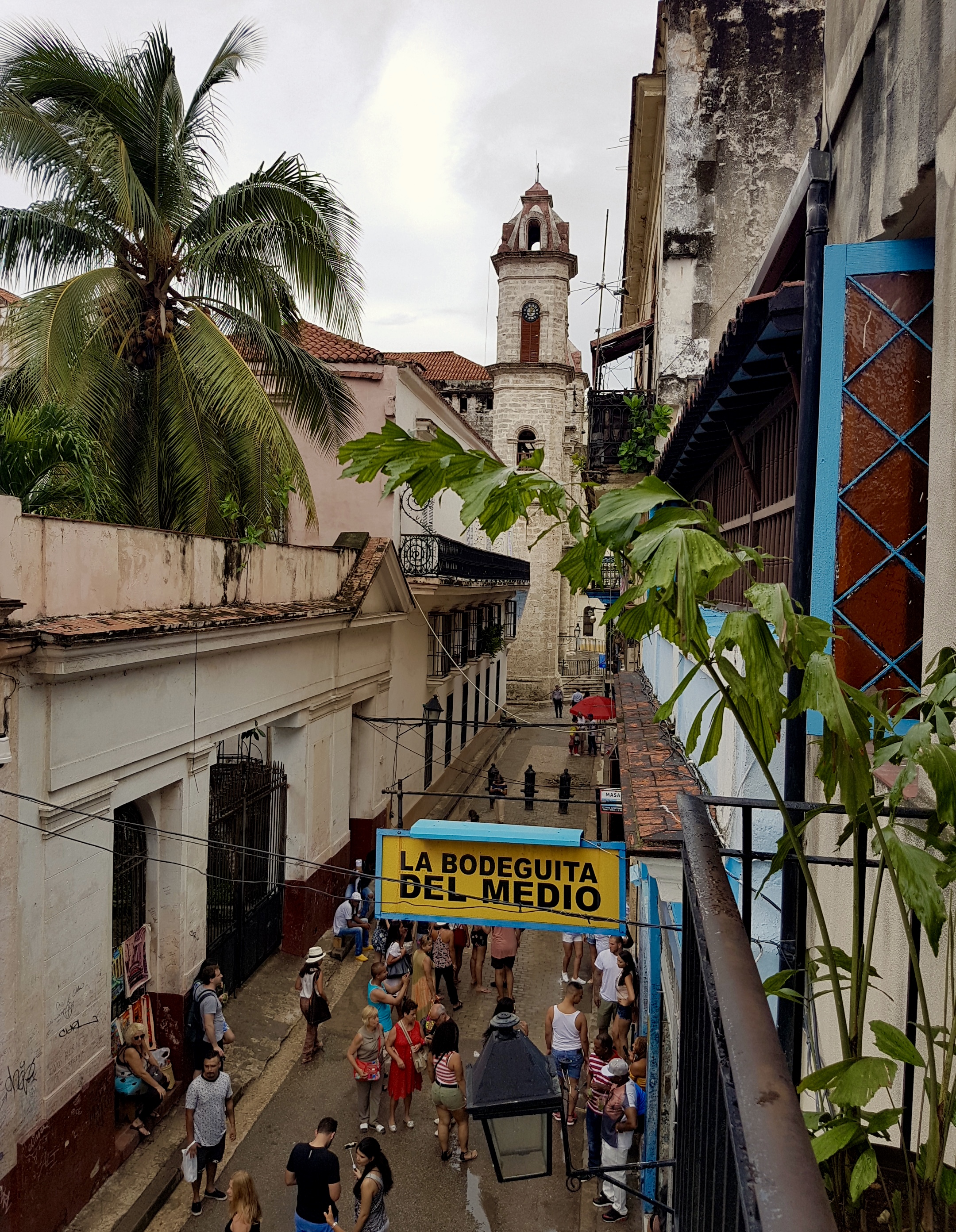 La Bodeguita del Medio, a short walk from the cathedral, dates back to the 1940s, when Ernest Hemingway used to stop by regularly for a mojito.


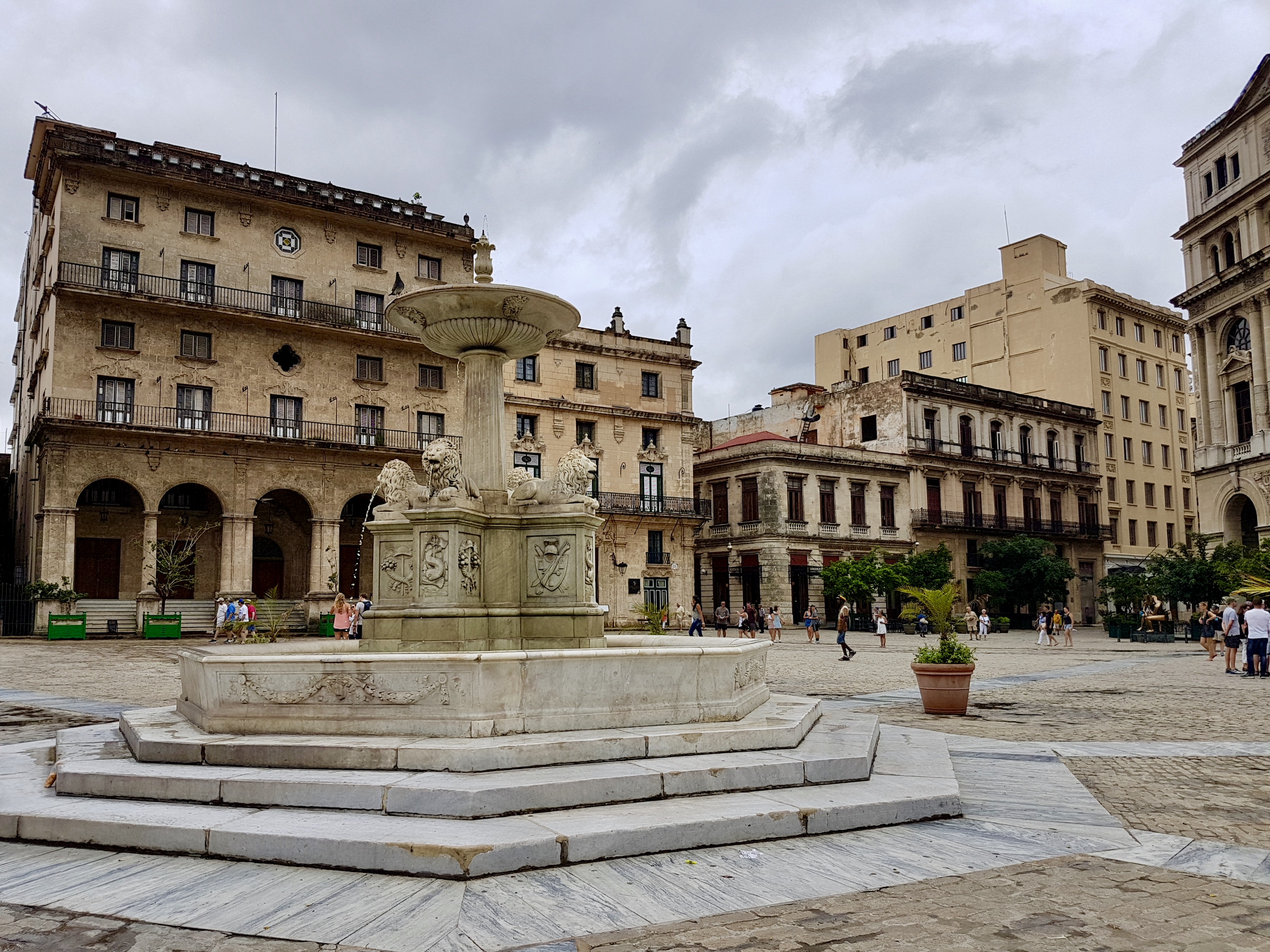 Plaza de San Francisco de Asís is located near the waterfront with an ornate Lion’s Fountain (Fuente de los Leones) as the centrepiece and the beautiful Basilica Menor y Convento de San Francisco de Asís at one end. Today, concerts featuring classic and Cuban music are held here.

 Just up the street is the Havana Club Rum museum (Museo del Ron Havana Club). We made our way over and took a tour to learn about the history and process of making Havana Club rum. As we made our way through an old colonial building, our guide gave us a brief history of this Cuban rum and then showed us all the tools used in making it. At the end, we met at the bar for a sample of Havana Club 7-year-old rum before heading into the shop where you could purchase the various rums they make here. The tour costs 7 CUC.
 We also tried out two local craft breweries – Cerveceria Antiguo Almacén de la Madera y El Tabaco, which is located down by the waterfront, and Factoria Plaza Vieja which is found in the fourth plaza (Plaza Viejo). For more info on them, click
 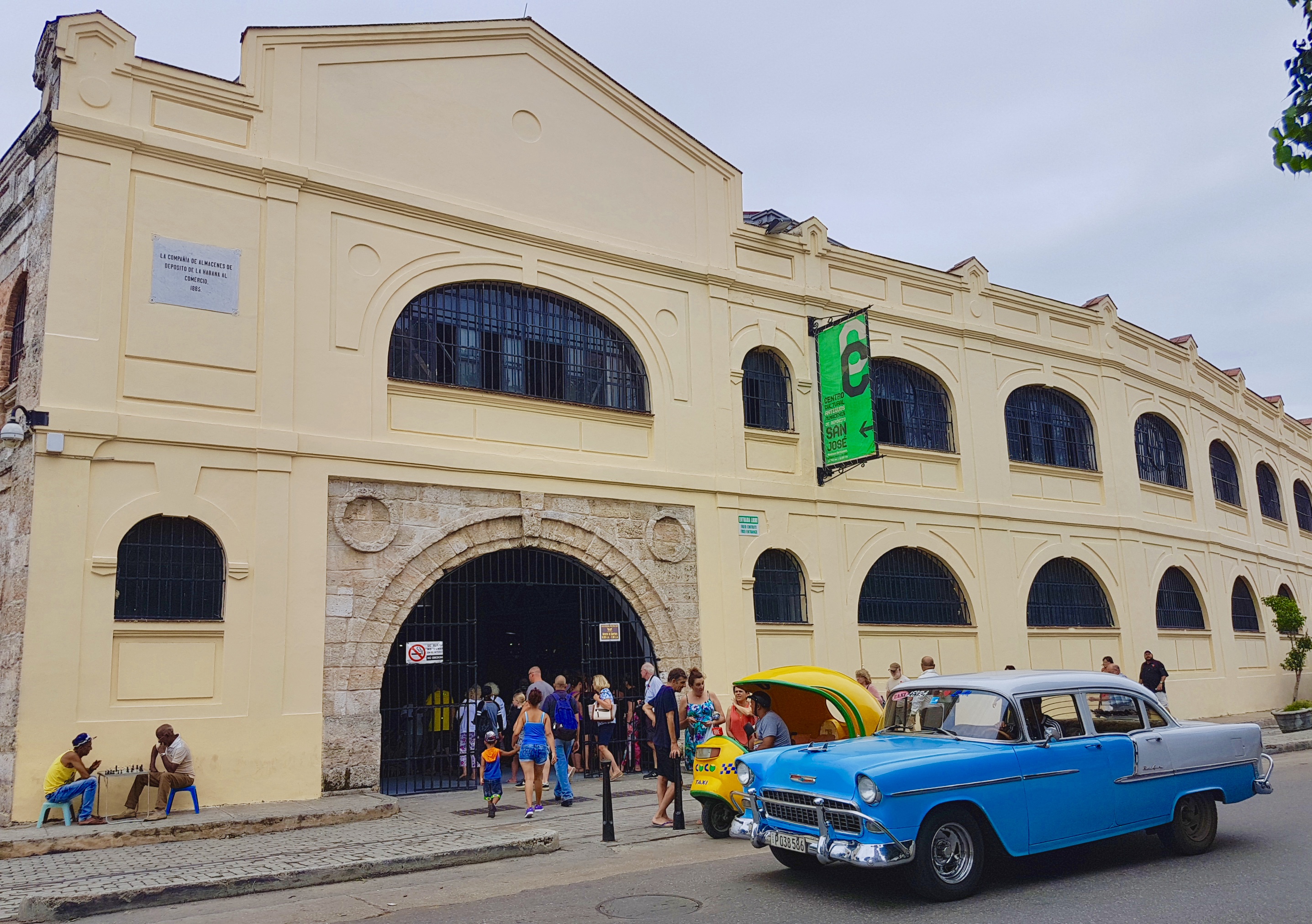 Near the waterfront is the Mercado de Artesanía San José. This huge market is a great place to find all kinds of crafts and souvenirs.
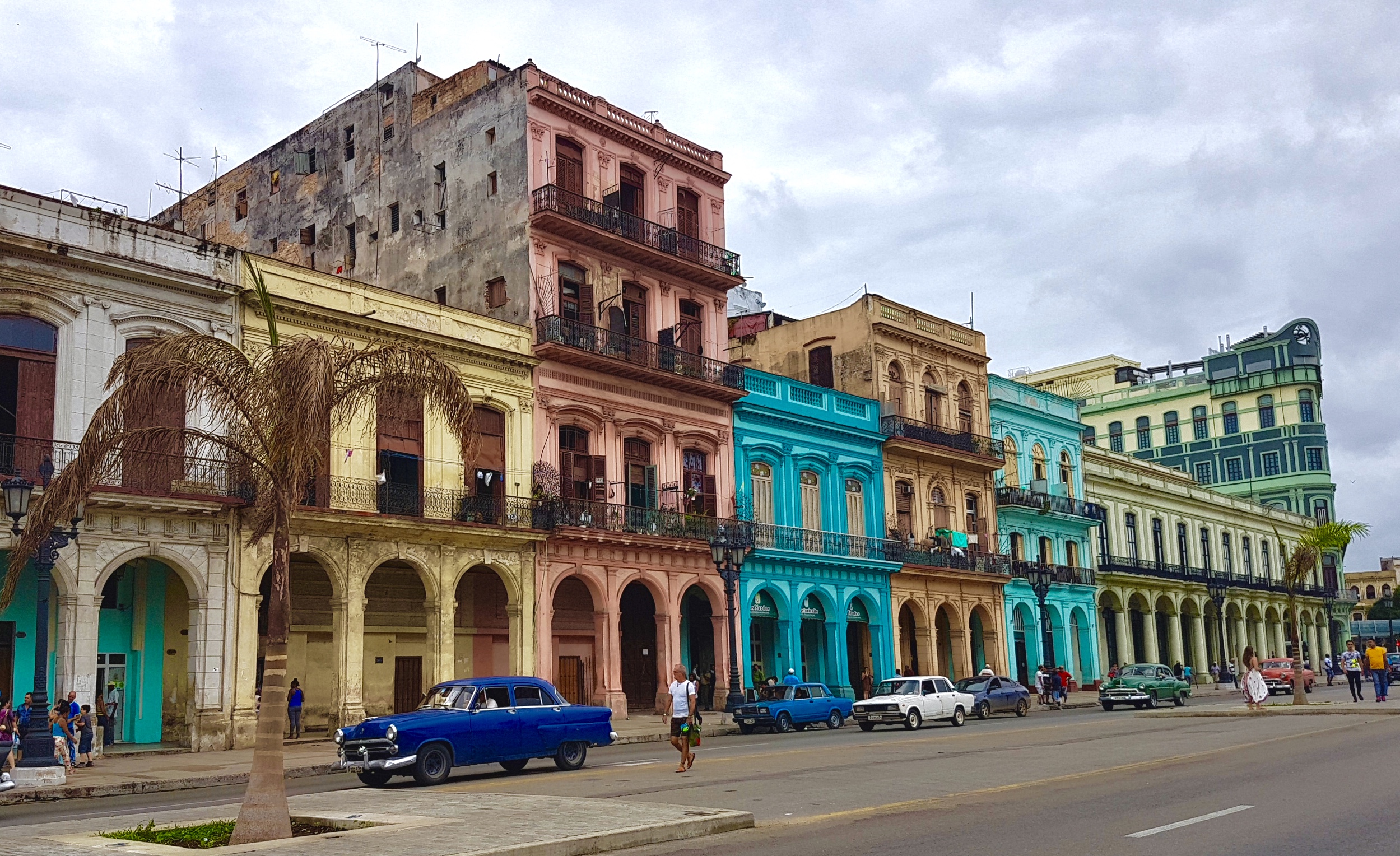 We made our way across Old Havana to wander a bit of the Prado, one of the prettiest promenades in the city, which marks the boundary between Habana Vieja (Old Havana) and Centro Habana (Central Havana), with colourful buildings, wrought iron street lights and trees.
 The Capitolio Nacional building shares a remarkable resemblance to the American White House and is one of Havana’s great landmarks. The building is currently under construction in preparation for the 500th anniversary, but from what you can see from the outside, it’s an impressive building.
  Continuing along, you come to the Gran Teatre de la Habana, another beautiful old building across from Parque Central. With all the old cars parked out front here, you could almost imagine great theatre stars of the 40s and 50s making their way out of the theatre after a night on the stage.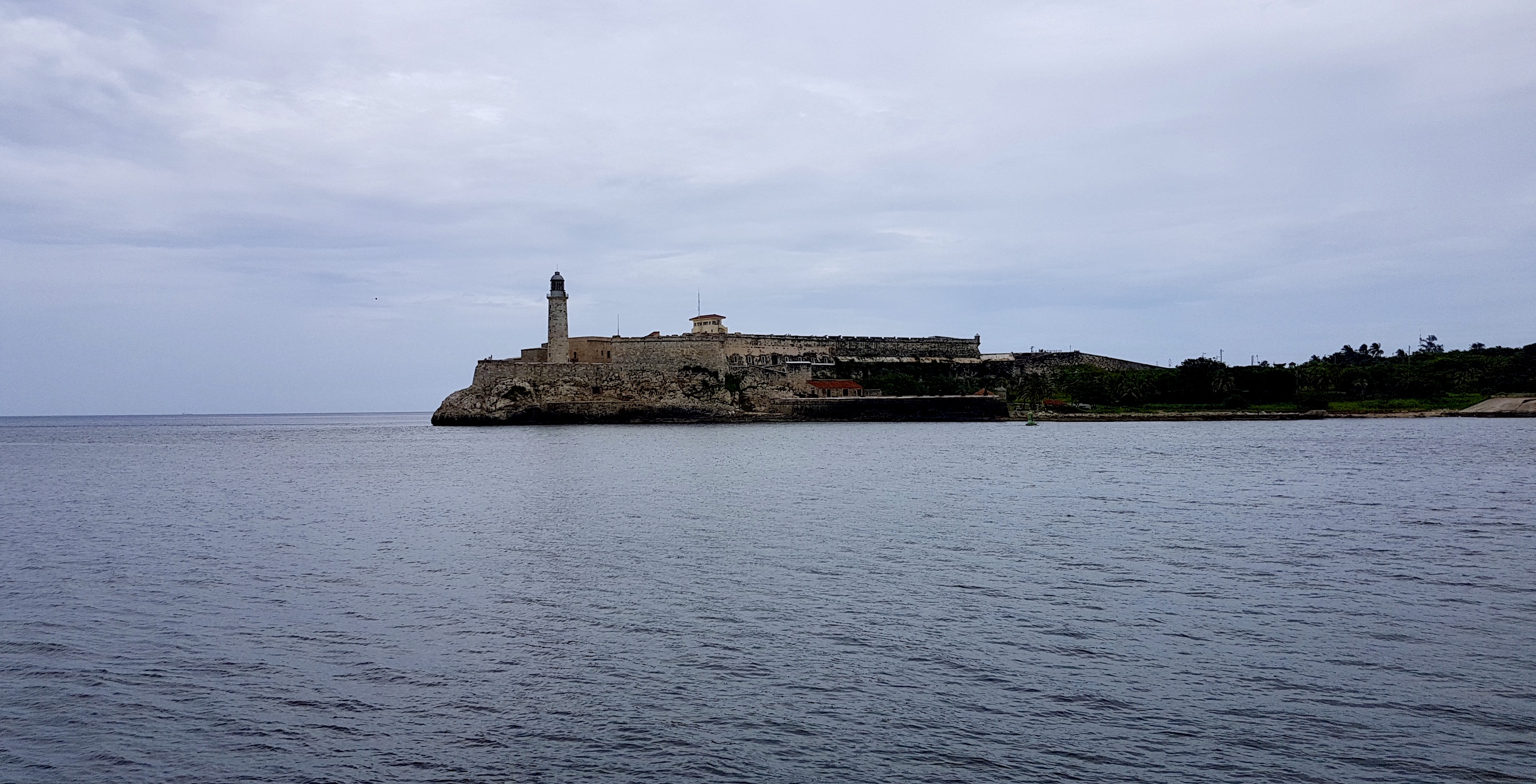
 Tales of a Travel Addict
Recent Comments