
For many, Paris, the ‘city of love,’ conjures images of romance, architecture and art. But once you’ve had your fill of the Mona Lisa and sipping champagne beneath the Eiffel Tower, a different side of Paris awaits. For this, you need to head down – about 20 metres below the city streets, where the catacombs wait. 
Located across the street from the Denfert-Rochereau station, is the entrance to the Catacombs of Paris. Here in the underground ossuaries lie the remains of more than six million people. The bones are laid in a small part of a tunnel network built to consolidate Paris’ ancient stone mines.
During the late 1700’s, many of the city’s cemeteries had reached capacity. Some, including the Saints-Innocents (Cemetery of the Innocents) had gone beyond capacity. Here, people were buried in mass graves, piled one on top of the other until it became a source of infection for those nearby. In late 1785, the Council of the State closed the cemetery and decided to remove its contents.
This transfer began in 1786 after the blessing and consecration of the site and continued until 1788. The moving of remains took place at nightfall, where a procession of priests sang the service for the dead along the route taken by the carts loaded with bones and covered by a black veil.
Until 1814, this site received the remains from all the cemeteries of Paris.
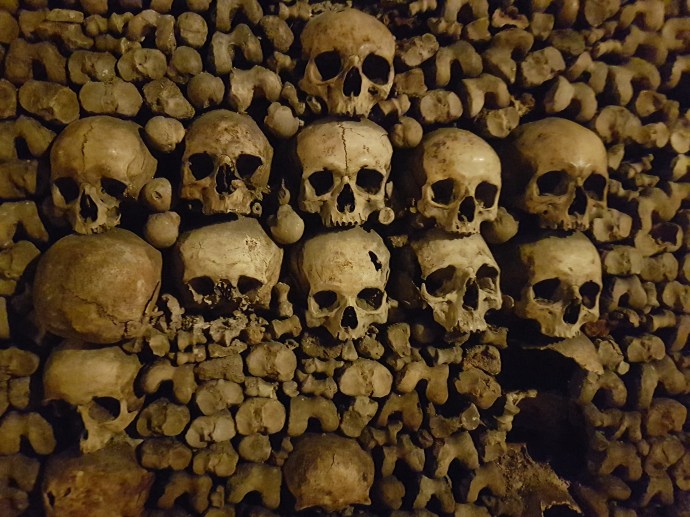
Since their creation, the Catacombs of Paris became a curiosity for more privileged Parisians. Public visits began after its renovation into a proper ossuary and the 1814 – 1815 war.
In the beginning, visits were only granted a few times a year with the permission of an authorized mine inspector. This turned into permission from any mine overseer, but as the number of visitors grew, it returned to its “permission only” rule in 1830. Then, in 1833, they were closed completely as the Church opposed the public being exposed to human remains on display. By 1850, the Catacombs were once again open, but only for four visits a year. Public demand led to the government allowing monthly visits as of 1867. This turned into bi-weekly visits on the first and third Saturday of each month in 1874 and then weekly visits during the 1878, 1889 and 1900 World’s Fair Expositions.


Today, they are open for daily visits, so head over and spend an hour wandering through the 2kms of bone-filled tunnels below the streets of Paris!


Plan your tour
The Catacombs are open daily from 10am-8:30pm (except Mondays and holidays)
Admission is granted in time slots, with the last admission at 7:30pm
Located across the street from Denfert-Rochereau Station
Métro et RER B : Denfert-Rochereau
Bus : 38, 68
Parking : Boulevard Saint-Jacques
Visitor numbers are restricted to 200 at any time. Admission may be delayed for a short time during busy periods. Be prepared to wait. (We did for almost 2 hours).
Distance covered: 1.5 km
Duration of the tour: 45 minutes
No toilet or cloakroom facilities available
For more info, click here

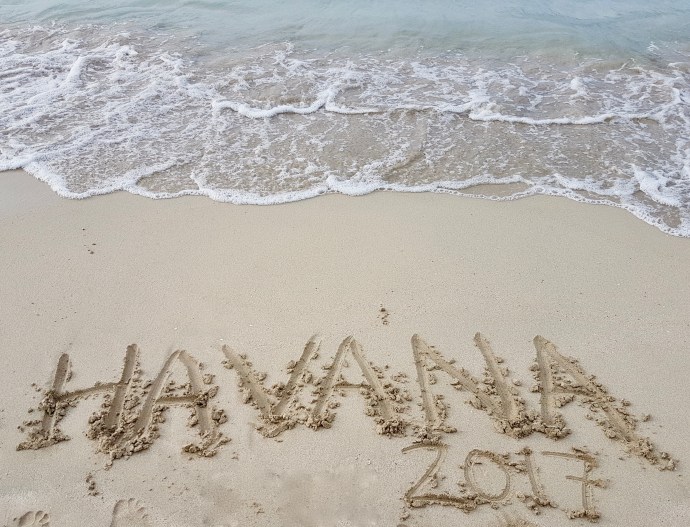
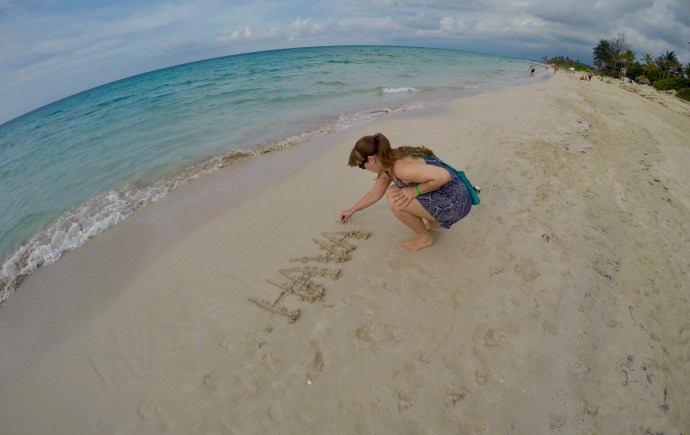
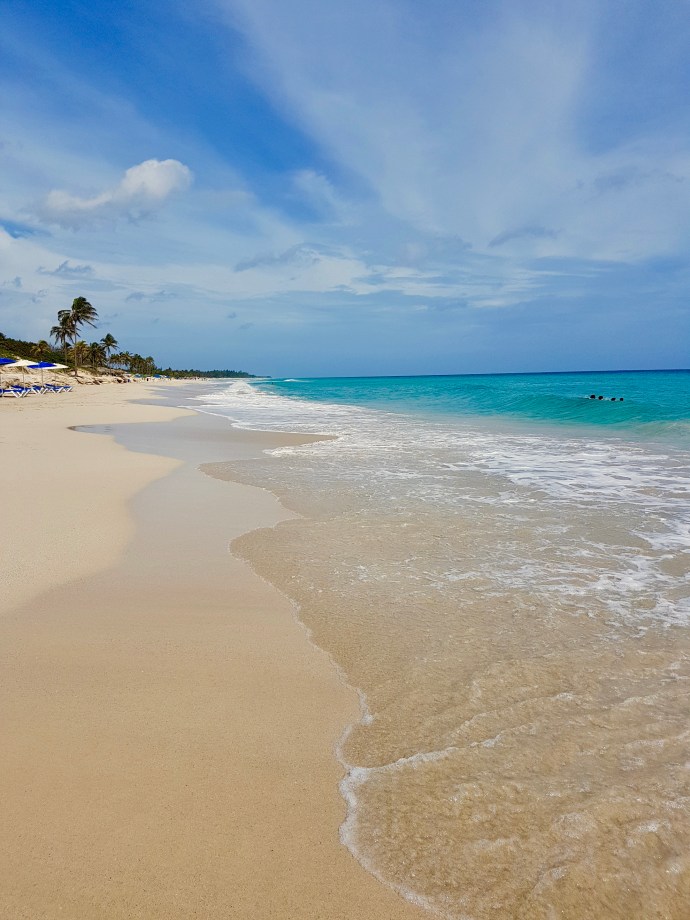 While most people travel to Havana to spend their time exploring the beautiful old city, just east of all the glorious old architecture is a series of white-sand beaches, known as the Playas del Este.
 On a recent trip, we decided to stay in the beach area and have the best of both worlds as our resort provided a free shuttle into Old Havana.
 The string of beaches stretches 24 kms along the north coast. While the beaches here are a gorgeous white sand, palm tree-lined, turquoise water heaven, the accompanying resorts aren’t exactly luxurious. Many of them have a worn down appearance as most are over 50 years old, but for those wishing to spend their time in the city or enjoying the beaches, they are just fine.





 Wandering through Havana feels like taking a step back in time with the old colonial-style buildings and classic American cars making their way along the narrow streets. I’ve been wanting to visit Havana for awhile now, and the city certainly didn’t disappoint. The architecture here is beautiful, with many of the buildings painted in vibrant colours. While they may be in various states of crumbling, they certainly have a lot of character. It’s easy to see why Old Havana was given UNESCO World Heritage status in 1982.
 Catedral de San Cristóbal, located in Plaza de la Catedral, is a gorgeous Cuban Baroque facade carved from fossil-embedded stone, originally built in 1727.


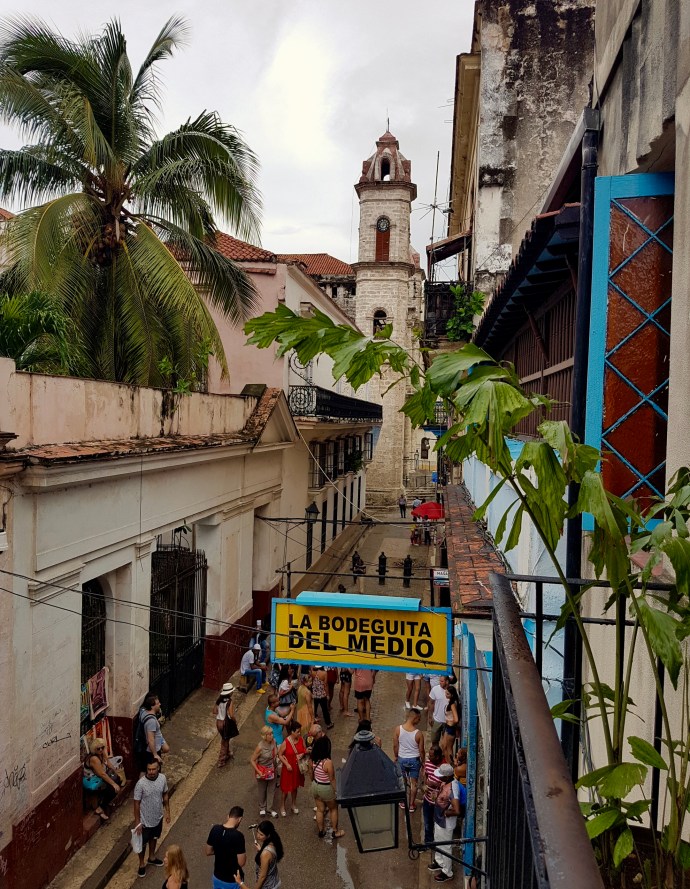 La Bodeguita del Medio, a short walk from the cathedral, dates back to the 1940s, when Ernest Hemingway used to stop by regularly for a mojito.


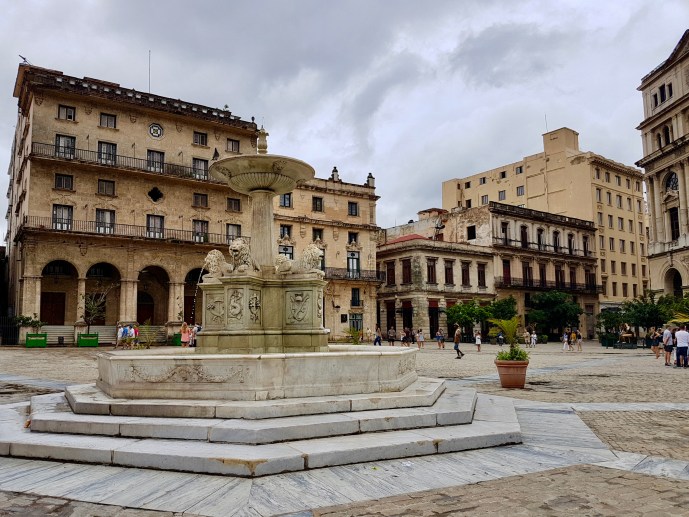 Plaza de San Francisco de Asís is located near the waterfront with an ornate Lion’s Fountain (Fuente de los Leones) as the centrepiece and the beautiful Basilica Menor y Convento de San Francisco de Asís at one end. Today, concerts featuring classic and Cuban music are held here.

 Just up the street is the Havana Club Rum museum (Museo del Ron Havana Club). We made our way over and took a tour to learn about the history and process of making Havana Club rum. As we made our way through an old colonial building, our guide gave us a brief history of this Cuban rum and then showed us all the tools used in making it. At the end, we met at the bar for a sample of Havana Club 7-year-old rum before heading into the shop where you could purchase the various rums they make here. The tour costs 7 CUC.
 We also tried out two local craft breweries – Cerveceria Antiguo Almacén de la Madera y El Tabaco, which is located down by the waterfront, and Factoria Plaza Vieja which is found in the fourth plaza (Plaza Viejo). For more info on them, click
 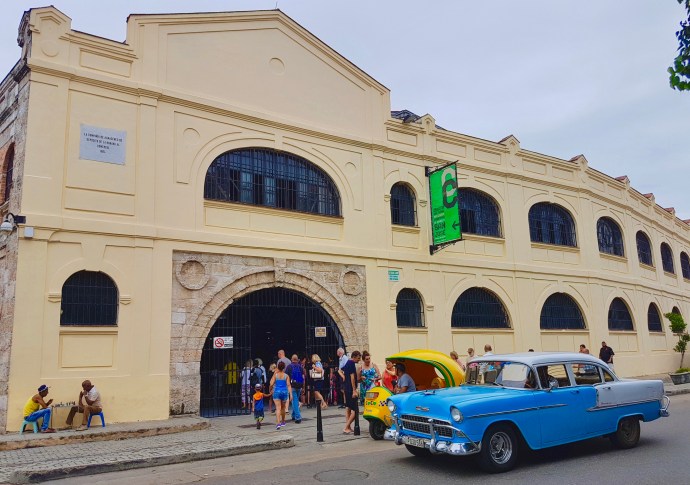 Near the waterfront is the Mercado de Artesanía San José. This huge market is a great place to find all kinds of crafts and souvenirs.
 We made our way across Old Havana to wander a bit of the Prado, one of the prettiest promenades in the city, which marks the boundary between Habana Vieja (Old Havana) and Centro Habana (Central Havana), with colourful buildings, wrought iron street lights and trees.
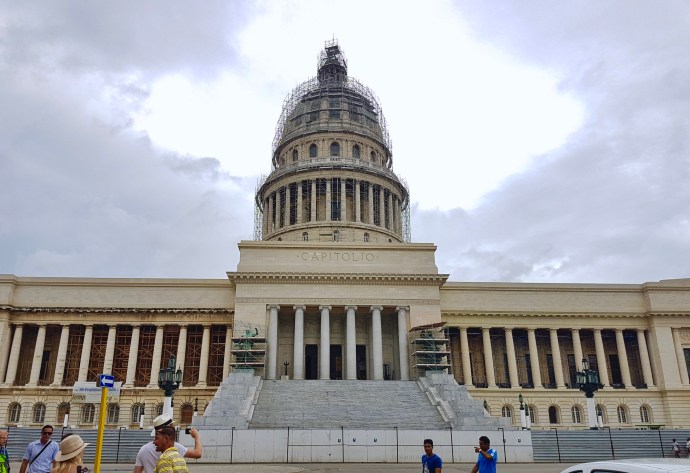 The Capitolio Nacional building shares a remarkable resemblance to the American White House and is one of Havana’s great landmarks. The building is currently under construction in preparation for the 500th anniversary, but from what you can see from the outside, it’s an impressive building.
  Continuing along, you come to the Gran Teatre de la Habana, another beautiful old building across from Parque Central. With all the old cars parked out front here, you could almost imagine great theatre stars of the 40s and 50s making their way out of the theatre after a night on the stage.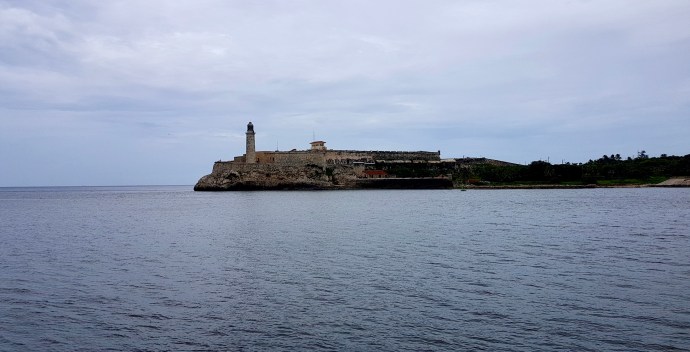

 Seeking out new craft breweries in foreign cities seems to have become a normal part of my travels these days, and Havana didn’t disappoint.
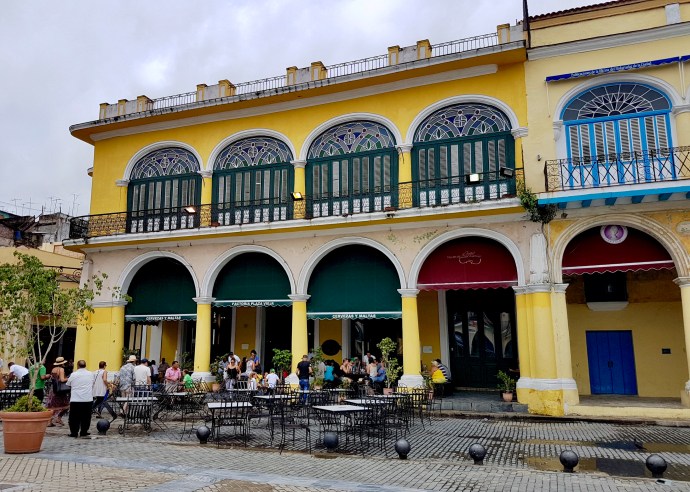 The first one, Factoria Plaza Vieja, is located in a bright yellow building in the corner of Plaza Vieja, one of the four major plazas in Old Havana.


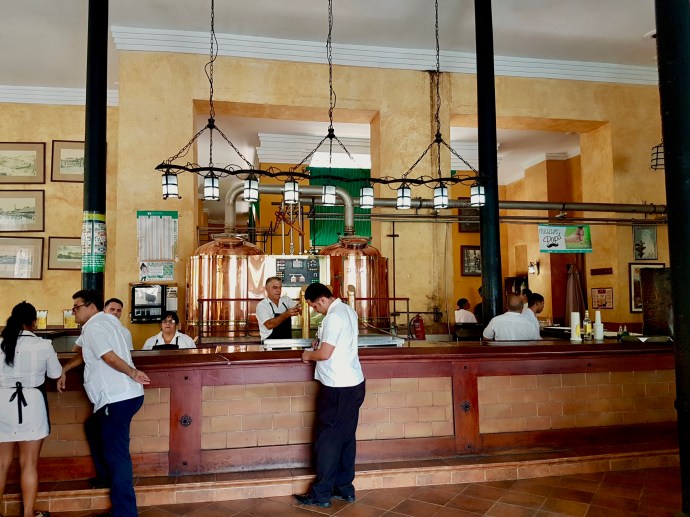
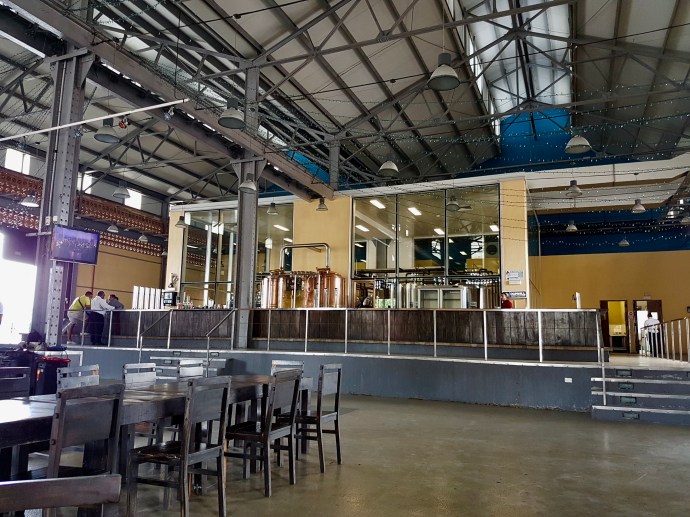 Again, there were three different beers: light, medium and dark, and you had a choice of a 500ml glass or a tower. Pricing was the same.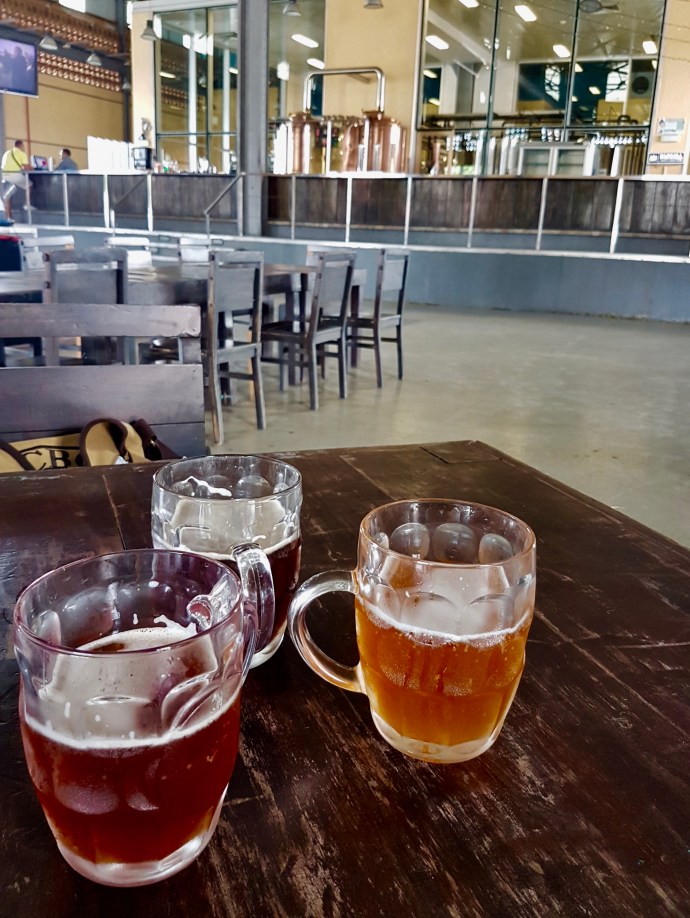


Recent Comments